

Asia has long been the birthplace of everything exotic and unusual for the white man. There you have the bizarre philosophies of Buddhism and Shintoism, fascinating and unusual architecture, interesting cultures. Alexander the Great himself was captivated by the exoticism of Asia and what it had to offer the Greeks. He endeavoured to unite Greek and Eastern cultures, creating new cities such as Alexandria, promoting the mixing of peoples. He also learnt aspects of local traditions and religions, which helped him to gain the trust of the local population.
Historical Overview of Knife Making in Asia
However, that’s not why we’re here! We love big, shiny knives! And of course, Asia has created a great many asian knife styles.
Chinese Knives
China is one of the oldest civilisations on earth! In addition to the compass, gunpowder, paper and printing, they also invented interesting blades:
- Dao (刀): The term “dao” generally refers to a single-edged knife or sword. The dao has been an essential weapon in Chinese martial arts and was used by soldiers throughout history. Its design varies from practical farming tools to ornate ceremonial blades, which can be sharpened quite easily with traditional chinese knife sharpener.
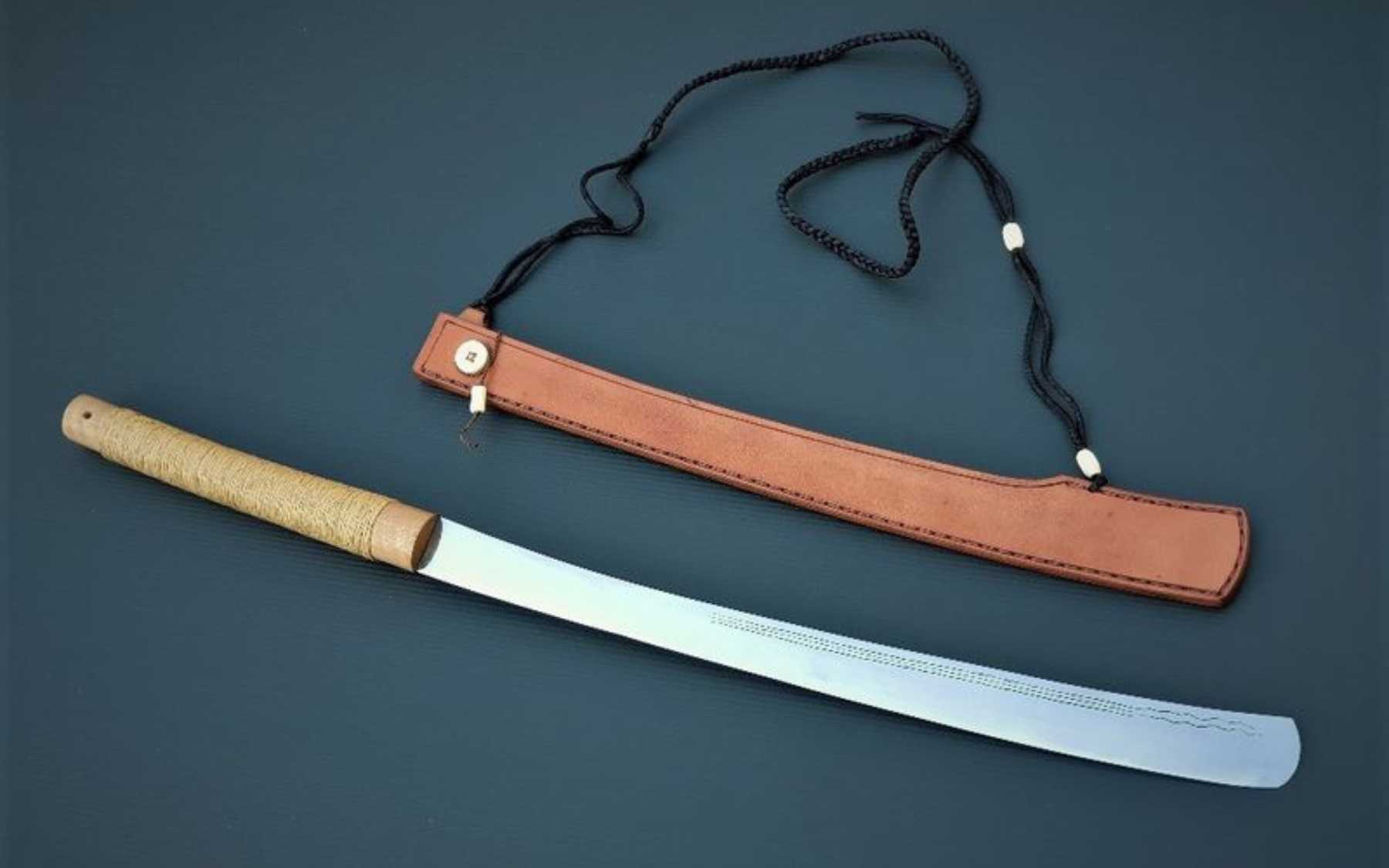 Photo from depdep.com
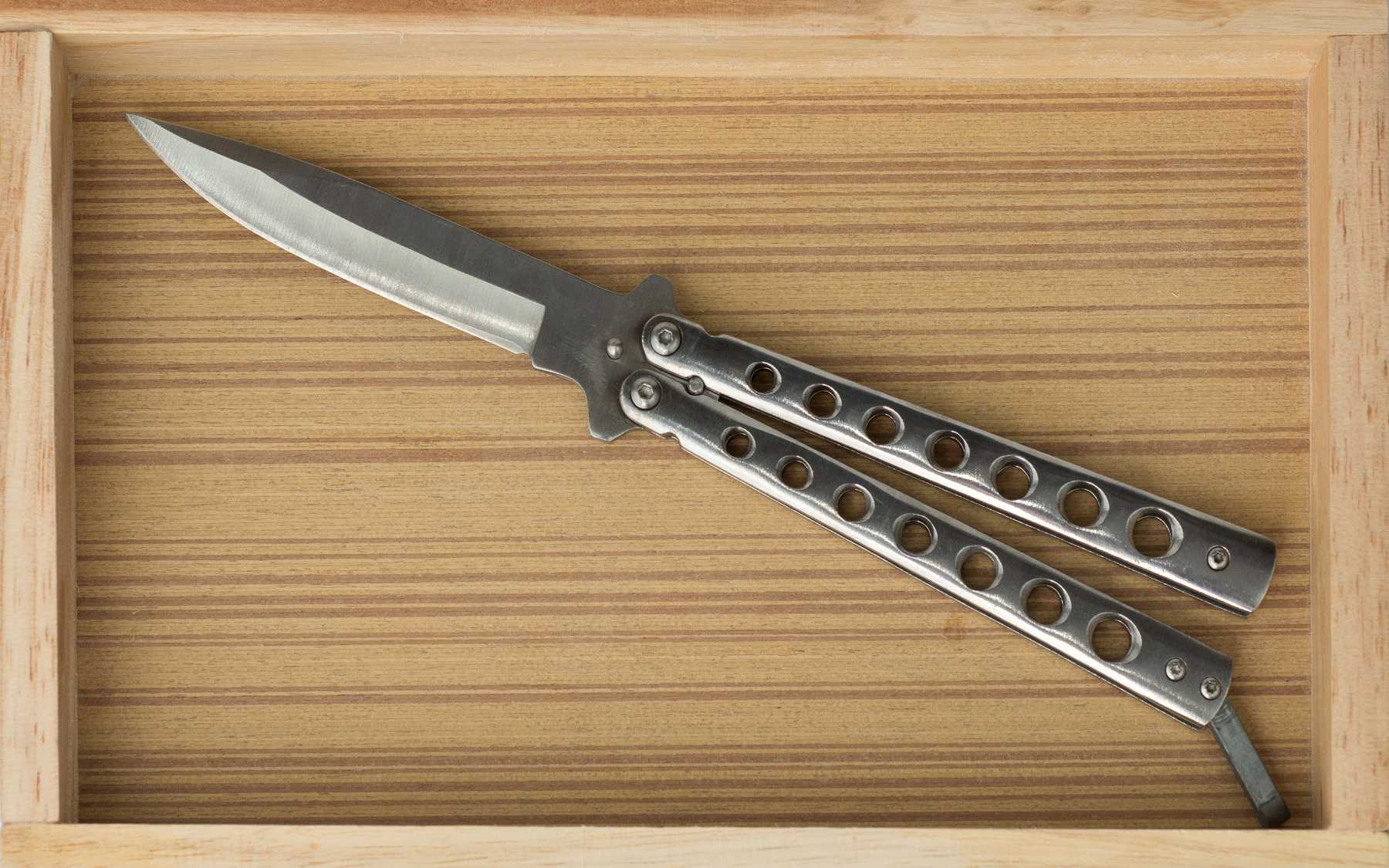
- Butterfly Knife (Balisong): This folding knife features two handles that counter-rotate around the blade, allowing it to be concealed and opened quickly. Though its origins are debated, it’s often associated with Chinese martial arts and has a rich cultural significance as ancient chinese knife.
- Sickle (镰刀, liándāo): While primarily a farming tool, the sickle has also been used in martial arts. Its curved blade is effective for both agricultural tasks and in combat, especially in traditional martial arts practices.

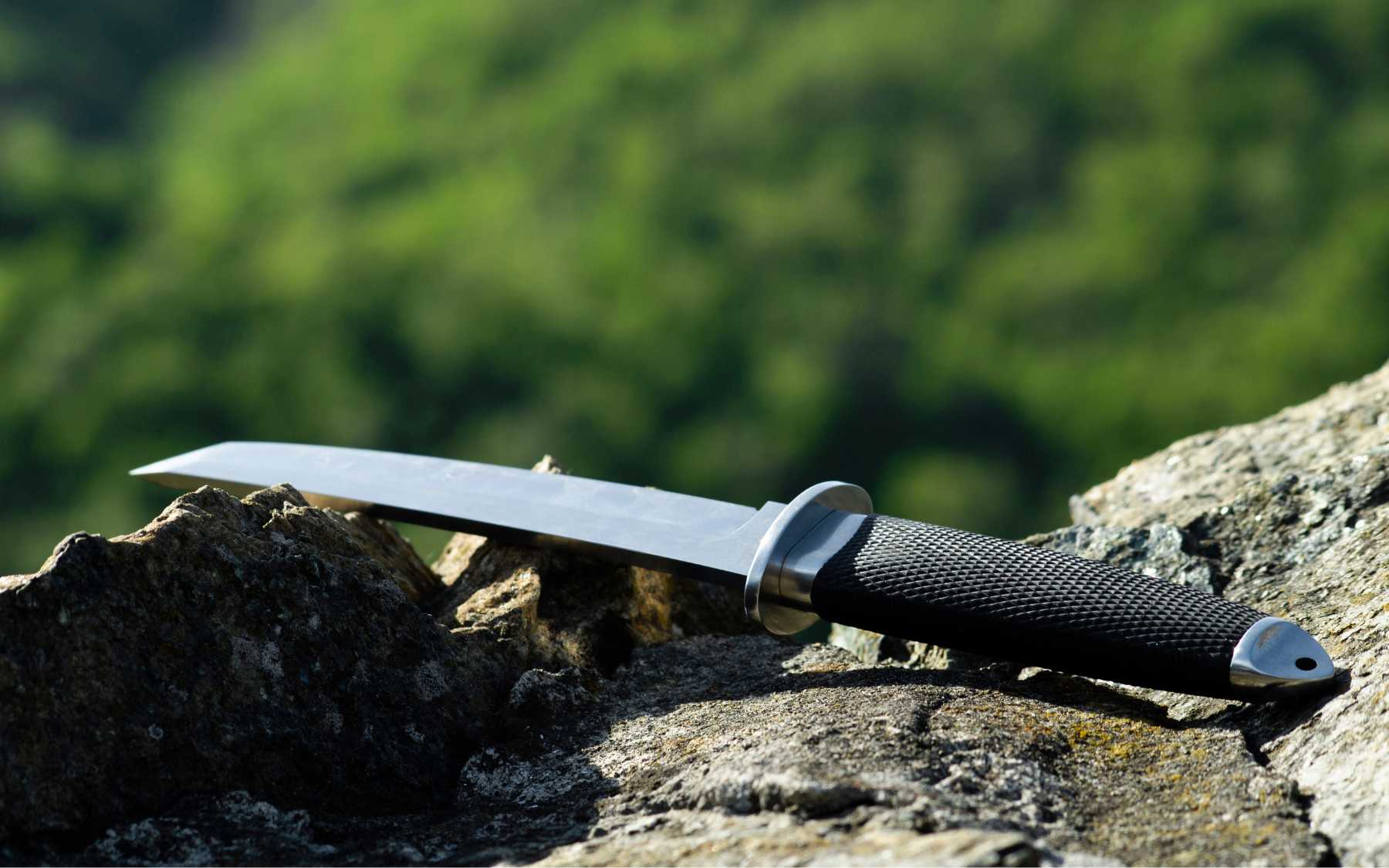
- Tanto (短刀): This is a short blade, often associated with japanese knife of samurai culture but also present in Chinese history. It was used for close combat and as a tool.

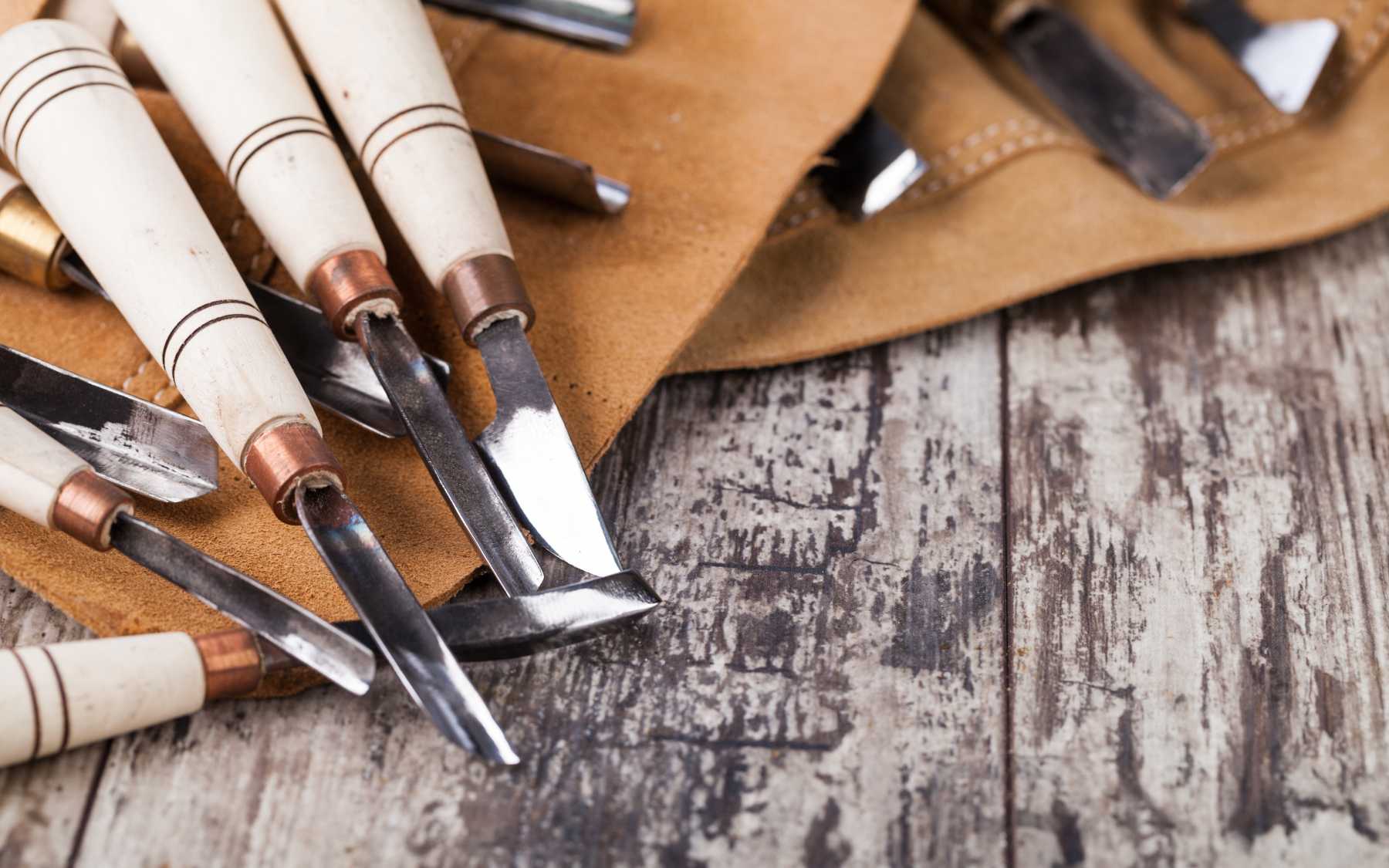
- Carving Knives: Used in traditional Chinese calligraphy and art, these knives are designed for intricate work, showcasing the importance of craftsmanship in Chinese culture.
- Jian (剑): While technically a double-edged sword, the jian is often referred to as a “sword” and can resemble a long knife in form. It’s historically significant and symbolizes the scholar-warrior ideal in Chinese culture, nearly the best chinese knife.
 Photo from chinesesword.store
Japanese Knives
Everyone knows that the Chinese and Japanese still do not like each other, because of several Japanese-Chinese wars, which claimed many lives. However, not everyone knows that Japan was founded by Chinese colonists, who mixed with the local Ainu people and laid the foundation of the Japanese nation.
Despite their dislike of each other, Chinese culture has been admired and revered by the Japanese for centuries, which has also influenced Japanese traditional knives. They are called simply ‘tanto’ in Japan, to the Japanese it sounds like a word combination, because they do not in any way perceive tanto as just a knife (a knife in Japanese is hamono (Jap. 刃物 hamono)).
Tanto has a single-sided, sometimes double-edged blade up to 1 shaku (30.3 cm) long and a total length with the handle of 30-50 cm (usually 35-45 cm). If the blade is longer than 1 shaku, it is a short wakizashi sword. How to sharpen a japanese knife? It is sufficient to use whetstones and standard sharpening technique.
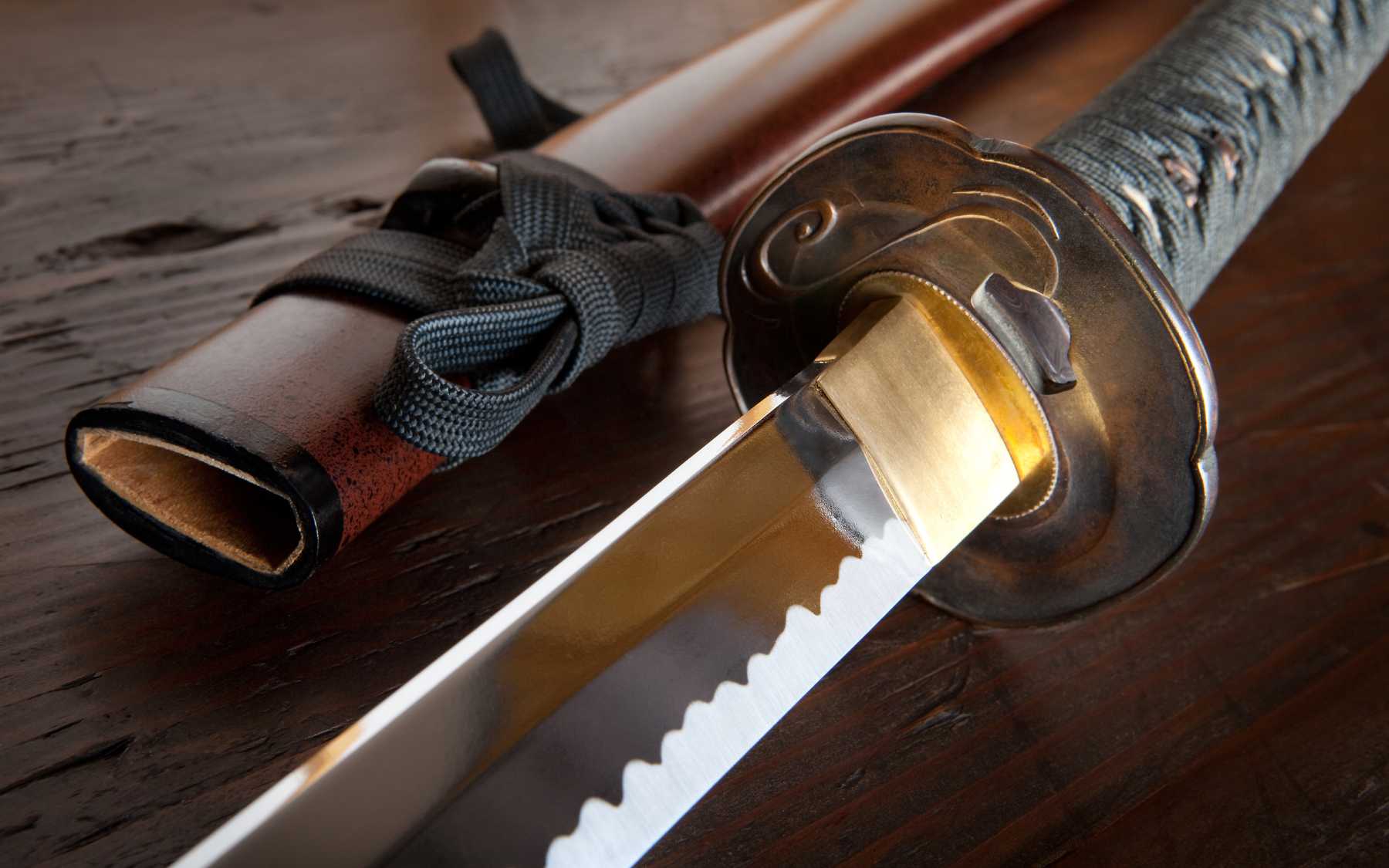
Traditionally, the tanto is made of sponge iron (tamahagane) and has a characteristic hamon, removable hilt attached to the shank with a bamboo mekugi stud. Tantos are usually forged in the hira-zukuri style, i.e. flat, without a stiffening rib, although there are examples with a stiffening rib (moroha-zukuri, double-edged). Some tantos, which had a thick three-edged blade, were called yoroidoshi and were designed to pierce armor in close combat. Varieties:
- Kusungobu is a Japanese ritual straight thin dagger 29.7 cm long. In practice, tanto, matezashi and kusungobu are one and the same. This dagger was used to perform a samurai’s ritual suicide, harakiri or seppuku (literally, belly-splitting).
- Dos (Jap. ドス) or Dosu (Jap. どす) is a crude dagger used as a traditional fighting weapon by travelling gamblers (bakuto) and yakuza members until the beginning of the Shōwa era. The dos does not have any ornaments such as patterns or inscriptions. Unlike the tanto, it was made of the same steel as kitchen knives and looks like a sashimi knife. Its name comes from the slang of the Japanese underworld and is derived from the word odosu (Jap. おどす, lit. ‘to frighten’).
 Photo from x.com
Indian Knives
The land of elephants, Buddhism and yoga. They’re pretty good at knives, too:
- Kris or Keris: A traditional dagger with a wavy blade, often intricately designed. It has cultural significance in many regions and is used in rituals as well as for self-defense.

- Naga Knife: Used by the Naga tribes in Northeast India, these knives have a distinctive shape and are often ornately decorated, serving both practical and ceremonial purposes.
 Photo from youtube.com
- Bichwa: A traditional Indian dagger, often with a curved blade, used in close combat. It is sometimes associated with specific regions or communities.
 Photo from en.wikipedia.org
- Chakram: Do you all remember that ‘90s show Xena the Warrior Princess? When she used to throw her famous battle cry and throw a sharp hoop at her enemies? Well, that’s chakram! Primarily a throwing weapon, it can also be used as a knife. It is circular in shape with sharp edges and has roots in Sikh history.
 Photo from cnet.com
Southeast Asian Knives (like Indonesia and Thailand, and another)
And how can we leave out Indonesia and Thailand! These guys did a good job too, Southeast Asia is home to a rich variety of traditional knives, each reflecting the region’s diverse cultures and practical needs. Here are a few notable types from Indonesia, Thailand, and other Southeast Asian countries:
Indonesia
- Kris (Keris): A unique dagger with a wavy blade, often considered both a weapon and a spiritual object. The keris is rich in symbolism and is often adorned with intricate designs. It holds cultural significance in Javanese and Balinese traditions.
- Pisau: This general term for “knife” in Indonesia encompasses various types, including kitchen knives and hunting knives. Many traditional pisau have decorative elements, showcasing local craftsmanship.
- Belati: A smaller dagger used primarily for self-defense and ceremonial purposes. The belati features a straight blade and a simple, functional design.
Thailand
- Dha: A traditional Thai sword or knife characterized by its single-edged blade and distinctive hilt. The dha is used in both agricultural and combat contexts, and its design varies between regions.
- Krabi: A type of Thai sword that is often curved, resembling a sabre. The krabi is traditionally used in martial arts and has a rich history in Thai warfare.
- Bunbong: A specialized knife used for intricate tasks, including traditional crafts and food preparation. These knives often feature beautifully crafted handles.
Other Southeast Asian Countries
- Bolo (Philippines): A versatile machete used for farming and clearing land, the bolo is an essential tool in rural areas. It typically has a broad blade and is well-suited for various cutting tasks.
- Kris (Malaysia): Similar to its Indonesian counterpart, the Malaysian kris has cultural significance and is often associated with Malay traditions. It may feature elaborate designs and is considered a symbol of bravery.
- Suri (Burma/Myanmar): A traditional knife used primarily for cutting and as a tool in rural communities. The suri often has a thick blade and is designed for heavy-duty tasks.

Modern Influences on Knife Making in Asia
Modern influences on knife making in Asia encompass a blend of traditional craftsmanship and contemporary techniques, driven by globalization, technological advancements, and changing consumer preferences!
Globalization and Cultural Exchange
Globalization and cultural exchange have significantly shaped knife making in Asia, leading to a rich blend of traditions and modern influences. Here are some key aspects of this dynamic:
Cross-Cultural Design Influences
- Hybrid Styles: Knife makers are increasingly incorporating elements from different cultural traditions, resulting in unique designs that blend aesthetics and functionality. For example, Western-style chef knives might be combined with traditional Asian blade shapes.
- Adoption of Techniques: Techniques from various regions, such as Damascus steel patterns from the Middle East or the intricate designs of Japanese blades, are being adopted and adapted by artisans across Asia.
Increased Collaboration
- Culinary Partnerships: Chefs from diverse culinary backgrounds collaborate with knife makers to create specialized tools tailored to specific cooking styles, fostering innovation in design.
- Artisan Networks: Global artisan communities enable craftsmen to share techniques, tips, and best practices, enhancing the skill set of makers worldwide.
Market Expansion
- E-commerce Platforms: Global marketplaces allow knife makers to reach international customers, expanding their market beyond local boundaries and increasing demand for unique, handcrafted items.
- International Trade Fairs: Events showcasing traditional and modern knife making attract global attention, facilitating networking and the exchange of ideas.
Cultural Appreciation
- Awareness of Craftsmanship: Global interest in artisanal products has led to greater appreciation for the craftsmanship involved in knife making, elevating the status of traditional artisans.
- Preservation of Techniques: As knife makers share their heritage through global platforms, there is a renewed interest in preserving traditional techniques that might otherwise be forgotten.
Education and Skill Development
- Workshops and Online Learning: Globalization has led to a proliferation of workshops and online courses, allowing aspiring knife makers to learn from established artisans regardless of geographic location.
- Cultural Exchange Programs: Programs that encourage artisans to travel and learn from each other help disseminate knowledge and skills, fostering a global community of makers.
Consumer Preferences
- Demand for Authenticity: Consumers are increasingly seeking unique, authentic products with a story, pushing artisans to maintain traditional practices while innovating to meet modern tastes.
- Interest in Craftsmanship: The growing consumer focus on handmade and artisanal goods has boosted the market for high-quality knives that reflect cultural heritage.
Sustainability and Ethical Practices
- Global Standards: As globalization increases awareness of environmental and ethical issues, knife makers are adopting more sustainable practices in sourcing materials, influenced by global standards and consumer demand.

How Western influences have affected Asian knife designs
Western influences have significantly shaped Asian knife designs in various ways, blending traditional craftsmanship with modern materials and techniques. Here are some key aspects of this influence:
- Material Innovation: Western knife-making has introduced advanced materials such as high-carbon stainless steel, which is now popular in many Asian knives. These materials offer improved durability and resistance to corrosion, enhancing performance and longevity.
- Design Aesthetics: The fusion of Western and Eastern styles has led to unique designs that often combine traditional Asian aesthetics with contemporary Western influences. For instance, the sleek profiles and ergonomic handles of Western knives have inspired some Asian manufacturers to adapt their designs for better comfort and usability.
- Functionality and Versatility: Western culinary practices have encouraged the development of multi-functional knives in Asia. For example, the versatility of Western chef knives has influenced Asian designs to accommodate a wider range of cooking techniques, resulting in hybrid tools like the gyuto, which blends Japanese and Western features.
- Production Techniques: Western manufacturing techniques, such as precision machining and automated processes, have made their way into Asian knife production. This has allowed for more consistent quality and availability of high-performance knives.
The blending of traditional and modern methods in knife production
The blending of traditional and modern methods in knife production represents a fascinating intersection of craftsmanship and technology. Here are some key aspects of this evolution:
Materials and Techniques
- Traditional Materials: High-quality steels like carbon steel or Damascus steel are still prized for their sharpness and durability. These materials are often sourced from local suppliers with long-standing reputations.
- Modern Alloys: Advances in metallurgy have introduced stainless steel and high-performance alloys that enhance corrosion resistance and edge retention, appealing to both professional chefs and home cooks.
Manufacturing Processes
- Hand Forging: Many artisan knife makers still use hand-forging techniques, which involve heating metal and shaping it with hammers. This method allows for unique blade characteristics and a personal touch.
- CNC Machining: Modern manufacturers often utilize CNC (Computer Numerical Control) machines for precision cutting. This technology can produce consistent, high-quality blades at a faster rate, balancing craftsmanship with efficiency.
Design Innovation
- Traditional Designs: Classic knife shapes and styles, like the Japanese Santoku or Western chef’s knife, remain popular due to their ergonomic and functional designs.
- Modern Aesthetics: Contemporary knives often feature sleek designs, innovative handle materials (like G10 or Micarta), and ergonomic shapes that cater to modern user preferences and safety.
Sustainability Practices
- Traditional Sourcing: Many traditional methods emphasize local sourcing and sustainable practices, ensuring that materials are ethically obtained.
- Modern Innovations: New technologies enable more sustainable manufacturing processes, reducing waste and energy consumption. This includes recycling scrap metal and using eco-friendly materials for handles.
Customization and Personalization
- Custom Knives: Artisans often offer bespoke services where customers can specify blade shapes, materials, and engravings, merging personal preferences with traditional craftsmanship.
- Modular Designs: Some modern manufacturers are exploring modular designs that allow users to customize and replace parts of their knives, blending tradition with contemporary practicality.

Conclusion
That’s how Asian knives are, as mysterious, exotic and unusual as Asian countries themselves! Overall, the knife industry in Asia is not just a matter of craftsmanship; it represents the convergence of history, culture, and identity. As globalization continues to influence local practices, the challenge lies in preserving these diverse traditions while embracing innovation. By understanding and valuing the geographical and cultural influences on knife-making, we can appreciate not only the tools themselves but also the stories they carry across generations.