

North America was inhabited by diverse and distinctive tribes of Indians. They were called so because Columbus, arriving on the American continent for the first time in the XV century, thought he had sailed to India and mistakenly called them Indians. And then Europeans got acquainted with the rich variety of local traditional knife styles, some even too close, losing their scalp in the process!
Introduction
Yes, Indians were fierce warriors, they did not want to share their land with Europeans and actively fought against them for more than 400 years, from the XV to the end of the XIX century. It is worth mentioning that the first to discover America was not Columbus, but the son of Erik the Redhead, Leif Erikson, who was the first Viking to step on the shore of America. That’s right, it was the Vikings who first reached America.
Around the IX century he visited the regions he named Helluland (‘boulder country’, now Baffin’s Land), Markland (‘forest country’, Labrador Peninsula), Vinland (‘wine country’, possibly New England or Newfoundland). Erikson’s expedition wintered in Vinland and returned to Greenland. Leif’s brother Thorvald Ericson established a settlement in America in 1002. However, they were soon attacked by local Indians, whom the Vikings called Skrellings (apparently Algonquin tribes). Thorvald fell in battle, and his companions returned home. The descendants of Erik the Red made two more attempts to colonise Vinland.
The first involved his daughter-in-law Gudrid. After settling in America, she succeeded in trading with the Skrellings, but left America. The second was led by Erik Redhead’s daughter Freydis, but she failed to establish good relations with the Indians, and the Vikings left Vinland. Thus, the settlement in Vinland existed for several decades, they could not hold on any longer.
Indigenous Knife Traditions. Native American Knife Designs
Indians often used flint, obsidian or stone to make their knives. The handles were made of bones, horns, horns, legs of horned animals, jaws of bears or wood.

Designs
- Functional Shapes: traditional american knife varied in shape depending on their use, from hunting and skinning to ceremonial roles. Common designs include straight-edged blades for cutting and curved blades for skinning.
- Cultural Significance: Many knives featured symbols or designs that held cultural meaning, representing tribal identity, spiritual beliefs, or personal stories.
Techniques
- Flint Knapping: The art of shaping stones into sharp blades, a skill passed down through generations.
- Decorative Techniques: Inlays of different materials (like shells or stones) were often used to enhance the aesthetic appeal.
Usage
- Practical Uses: Knives were essential tools for hunting, preparing food, and crafting.
- Ceremonial Use: Some knives were used in rituals or as offerings, symbolizing protection or connection to ancestors.
Regional Variations
- Northwest Coast: Known for beautifully crafted ceremonial knives with elaborate designs.
- Plains: Often featured utilitarian designs, suitable for nomadic lifestyles.
European Influence on North American Knives
About the XVI century, the first metal knives appeared in the territory of the North American Indians, Europeans actively exchanged valuable furs for it. And immediately, for obvious reasons, steel blades began to displace obsidian, flint and stone blades. And in the first half of the XIX century, Indians living near Europeans gradually learnt blacksmithing and began to make really unique samples.
Such traditional bushcraft knife did not have a guard, and had a peak shape, the brightest example is the knife ‘beaver’s tail’. This knife became the basis for American army knives in the future. Then they adopted European axes for cutting wood, made changes and so the legendary tomahawks were born, which are famous for their lethality and warrior symbolism.
Then European knife smiths began to take as a model traditional Indian knives, which were used by Indians as spearheads, creating unique blades. The most common Indian knives were those of Henry Harrington, who opened their production in Massachusetts. The most famous of his knives were the Buffalo Skinner with a blade widened towards the end and a raised point, the Dedley Universe – a knife for separating meat from bones, and the Half-Skinner – for processing small game, with a 20 cm blade.
All these knives were united by a single name ‘Green River’. They were of high quality, inexpensive and had a ‘heel’ to which the wooden plates of the handle were riveted.

The Rise of the American Knife Industry
And then came the beautiful nineteenth century. The rise of the american knife industry has been a fascinating journey, shaped by innovation, craftsmanship, and evolving consumer demands:
Innovation and Design
- Materials: Advances in metallurgy have allowed for the creation of high-quality stainless steels and other materials, enhancing durability and performance of made in america knife.
- Blade Types: The industry has diversified into various blade types, including folding knives, fixed blades, and multi-tools, catering to different needs from outdoor activities to everyday carry.
Brand Development
- Iconic Brands: Companies like Buck , Spyderco, and Benchmade have become synonymous with quality and innovation, often introducing signature designs that appeal to collectors and enthusiasts.
- Custom Knives: The rise of custom knife makers has added a personal touch to the industry, allowing for unique, handcrafted pieces that attract collectors.
Cultural Impact
- Survival and Outdoor Trends: Increased interest in outdoor activities and survival skills has boosted demand for high-performance knives, leading to a surge in new brands and products.
- Pop Culture: Knives have become prominent in films, television, and social media, influencing trends and consumer preferences.
Sustainability and Ethics
- Eco-Conscious Practices: Many companies are now focusing on sustainable sourcing of materials and environmentally friendly production practices, reflecting a growing consumer demand for ethical products.
Regional Knife Traditions and Specialties
As said above, North America boasts a rich tapestry of knife traditions and specialties, shaped by diverse cultures, histories, and environments. Here are some notable regional knife traditions.
Northeast
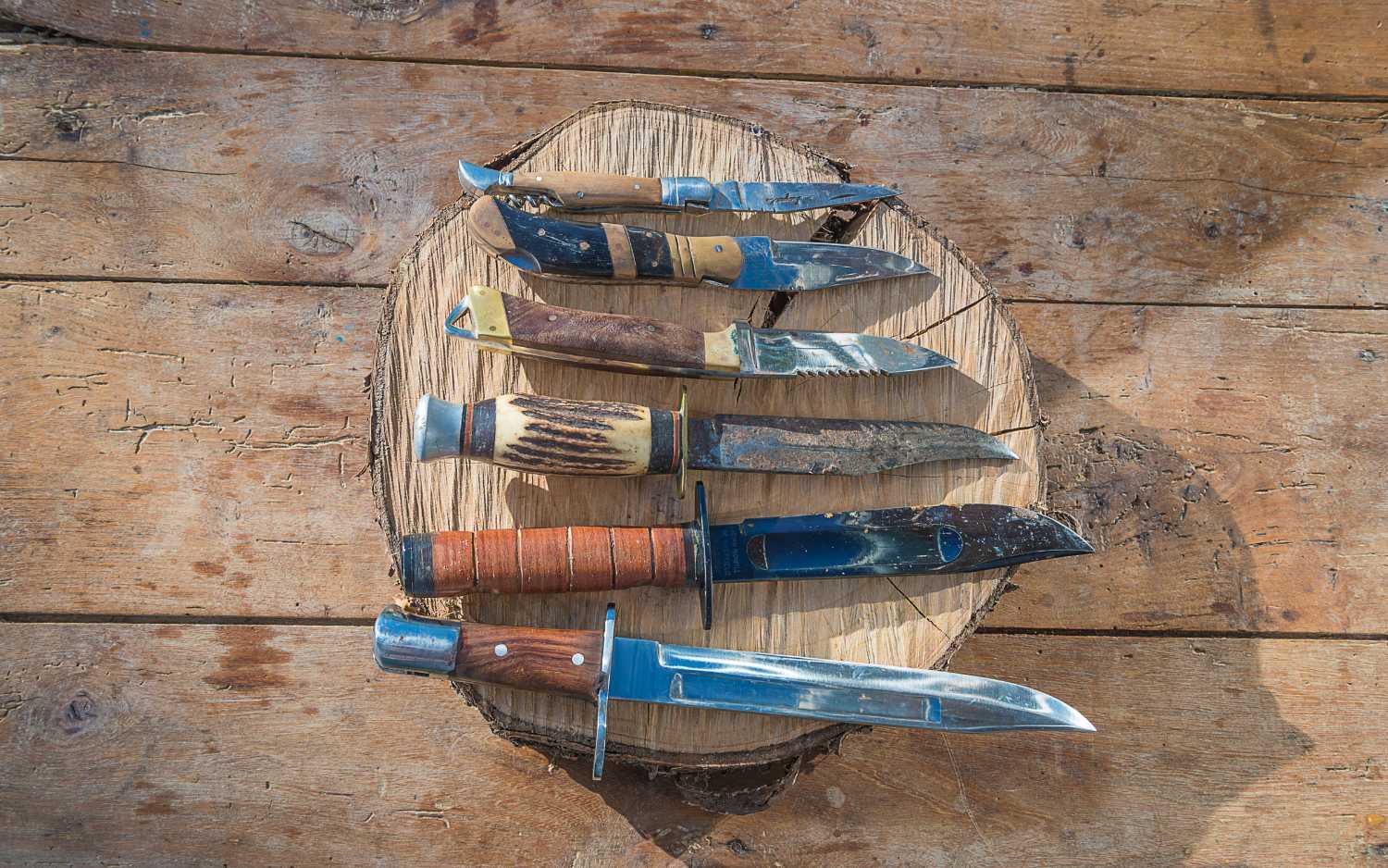
- Bowie Knives: Popularized by the legendary frontiersman Jim Bowie, these large knives are often characterized by a clipped point and a crossguard. They have historical significance and are used in hunting and outdoor activities.
- Utility Knives: Common in urban areas for tradesmen and craftsmen, these knives are often designed for everyday tasks.
Southeast
- Folding Knives: The region favors folding knives for their portability and versatility, often featuring intricate designs that reflect local craftsmanship.
- Hunting Knives: Many regional variations exist, with designs tailored for game processing, often with high-carbon steel blades for durability.
Midwest
- Ranch and Farm Knives: Designed for agricultural use, these robust knives are essential for tasks like animal care and fieldwork. Their practicality emphasizes utility over decoration.
- Fish Fillet Knives: Given the region’s lakes and rivers, specialized knives for filleting fish are common, often featuring flexible blades for precision.
Southwest
- Bolo Knives: Adapted from Filipino designs, these heavy-duty knives are used for clearing brush and agricultural work. They often have a distinctive curved blade.
- Handmade Knives: Artisans often create custom knives that reflect Native American traditions, incorporating local materials and designs.
Pacific Northwest
- Canoe and Kayak Knives: Compact and lightweight, these knives are tailored for outdoor enthusiasts and water sports, often with safety features for easy carry.
- Cultural Knives: Indigenous communities often have traditional knives that are significant for cultural practices, such as fishing and crafting.
Alaska and Northern Territories
- Skinning Knives: Designed for hunting and skinning game, these knives often feature durable blades and ergonomic handles suited for harsh conditions.
- Seal Knives: Traditional knives used by Indigenous peoples for hunting marine mammals, often crafted from materials suited for the environment.
Craftsmanship and Culture
- Custom and Handmade Knives: Across North America, there’s a growing appreciation for handmade knives, often featuring unique designs and materials, reflecting personal artistry and regional influences.
- Cultural Significance: Many knives carry cultural or historical significance, often passed down through generations, embodying the heritage and stories of their makers.
Modern-Day Knife Culture in North America
All these centuries of cohabitation between Indians and Europeans have borne fruit.
Custom Knife Making and Artisans
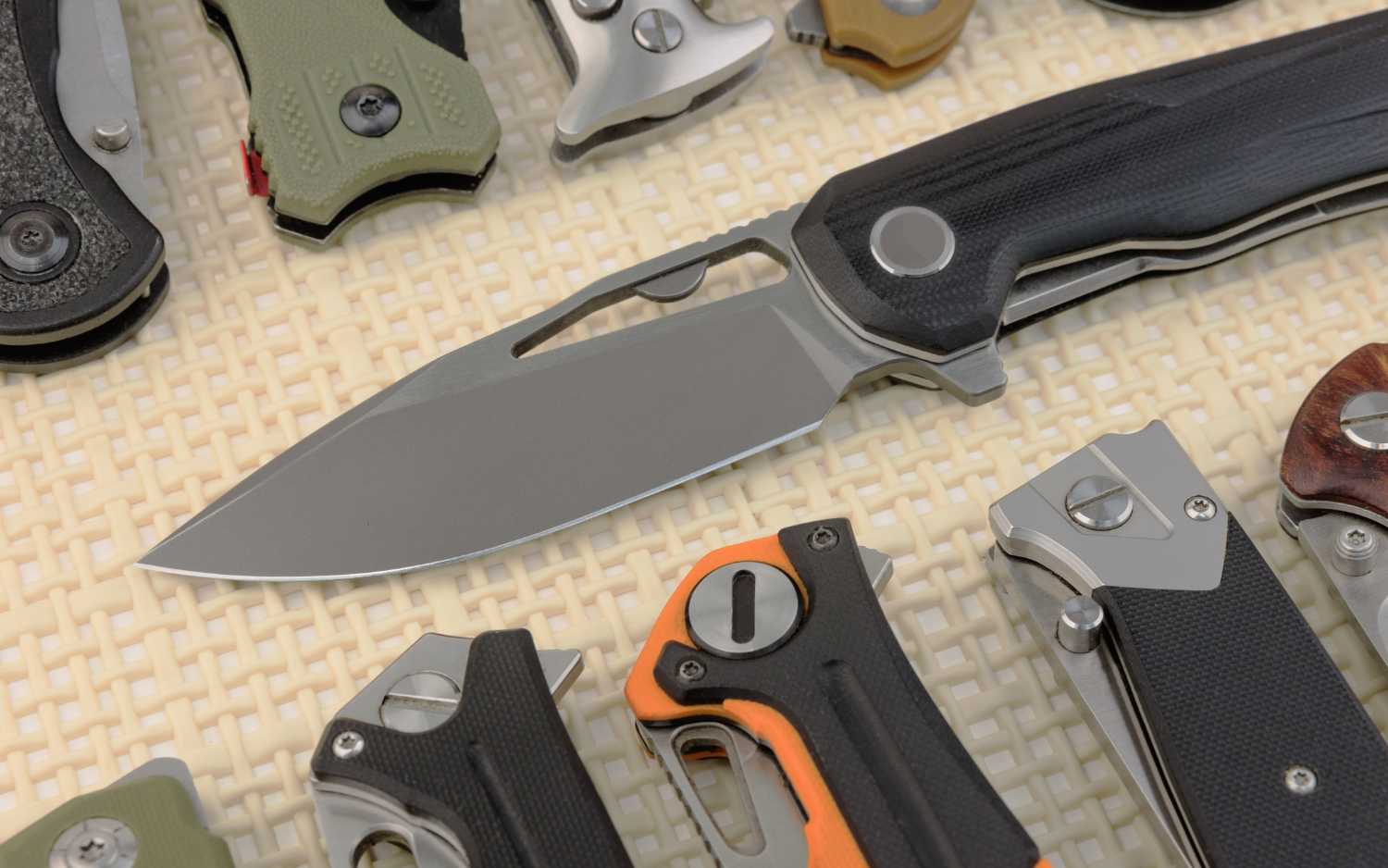
- Artisan Craftsmanship: Many knife makers focus on custom pieces that showcase their skills and personal style. Each knife is often handcrafted, incorporating unique designs, materials, and techniques.
- Materials: High-quality steels, exotic woods, and synthetic materials are popular among artisans. Popular steels include D2, CPM-S35VN, and Damascus, known for their durability and aesthetic appeal.
- Personalization: Custom knives can be tailored to the buyer’s specifications, making them not only functional tools but also personalized art pieces.
Technological Advancements
- Manufacturing Techniques: Innovations such as CNC machining and water jet cutting have made it easier for makers to achieve precision in their designs while allowing for more intricate patterns and shapes.
- Material Science: Advances in metallurgy have led to the development of new steel types that offer better performance and corrosion resistance, enhancing the longevity and usability of knives.
- Heat Treatment: Improved heat treatment processes ensure that knives maintain their edge and strength under various conditions, which is crucial for both everyday use and collectible pieces.
Conclusion
The American knife industry has evolved over centuries, evolving and blending tradition with modern innovation. As a result – American knives are perfect for hunting, fishing, hiking and survival, as well as for cutting simple food. Scalps, thank God, no one on the territory of America does not take off anymore. At least we can hope so!