
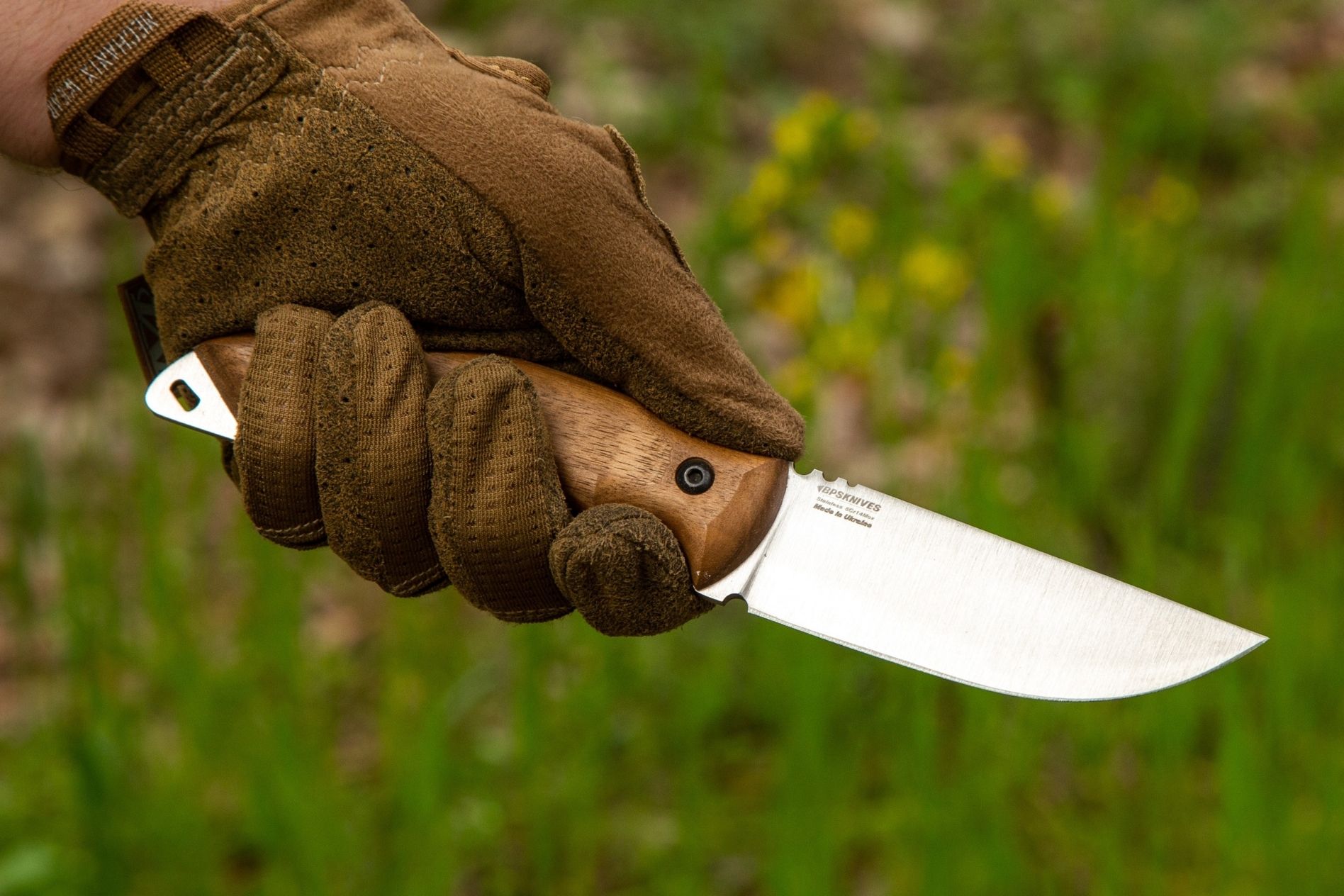
Let me tell you — there’s a reason our species, Homo sapiens, has been roaming the Earth for some 300,000 years! We’ve invented the wheel, language, writing, culture, medicine, science, the nuclear reactor, artificial intelligence — and, just as importantly, an absolutely mind-blowing variety of knives! You can stare at the curves of a jambiya like you’d watch a fire, admire the polished straight edge of a Bowie knife, or get lost in the mesmerizing symmetry of a tanto.
The role of blade style and why it matters
But it’s not just about aesthetics — it’s functional design! Every curve, every line serves a specific purpose: chopping, slicing, piercing, skinning game, and more. Understanding how shape influences performance helps you pick the right knife — whether you’re hunting, camping, cooking, or just admiring your collection like a proud maniac.
Historical evolution of blade designs
Since the dawn of tool-making, humans have experimented with blade design. Stone gave way to bronze, then iron, then high-carbon steel and space-age alloys. From the khopesh of ancient Egypt to the seax of the Vikings and the katana of feudal Japan, each blade was shaped by:
- local materials;
- the nature of combat or daily tasks;
- cultural identity;
- and sometimes — straight-up religious symbolism.
How blade geometry defines functionality. Different knife shapes
A knife is geometry with an edge. The shape of the blade determines how it cuts, stabs, slices, or pierces. All blade types:
- Drop point – One of the best blade point types! Balanced and versatile, great for hunting and everyday carry.
- Clip point – a sharp, precise tip ideal for piercing, think Bowie knife.
- Tanto – strong, reinforced tip, great for tactical and armor-piercing use.
- Trailing point – high, sweeping curve, perfect for skinning and slicing.
- Sheepsfoot – flat edge, no point, great for rescue work and safe slicing.
- Hawkbill / Karambit – inward curve, optimized for aggressive pull cuts.
Different styles of knife blades = different cutting angles, penetration strength, and control.
Key factors influencing blade efficiency
Blade shape is just one part of the equation. Efficiency also depends on:
- Spine thickness – affects durability and power.
- Grind type – flat, hollow, convex, etc.
- Blade width – influences cutting control and drag.
- Balance point – crucial for fighting knives and chef’s blades alike.
- Steel type – edge retention, corrosion resistance, ease of sharpening.
Form follows function — and in the world of knives, function can be razor-sharp.
 The Main Types of Blade Shapes and Their Features. Which one is the best knife blade shape?
So let’s finally get to the good stuff — which blade shapes truly shine at what they’re made for!
Drop Point
What is drop point blade? It is one of the most popular and versatile shapes. It features a convex curve from the spine to the tip, creating a strong and controllable point. This design makes it ideal for general use, hunting, and everyday carry. The large belly of the blade offers excellent slicing capabilities, while the strong tip provides durability and good piercing ability. However, it’s not as sharp or fine as some other points when it comes to deep piercing.
What is a clip point knife
The clip point blade has a spine that appears to be “clipped” near the tip, resulting in a thinner, sharper point. This shape excels at detailed cutting and piercing, so the best clip point knife uses is tactical and combat-style knives. Its controllable tip allows for precision work, but the thinner profile can also make it more prone to breaking under heavy stress.
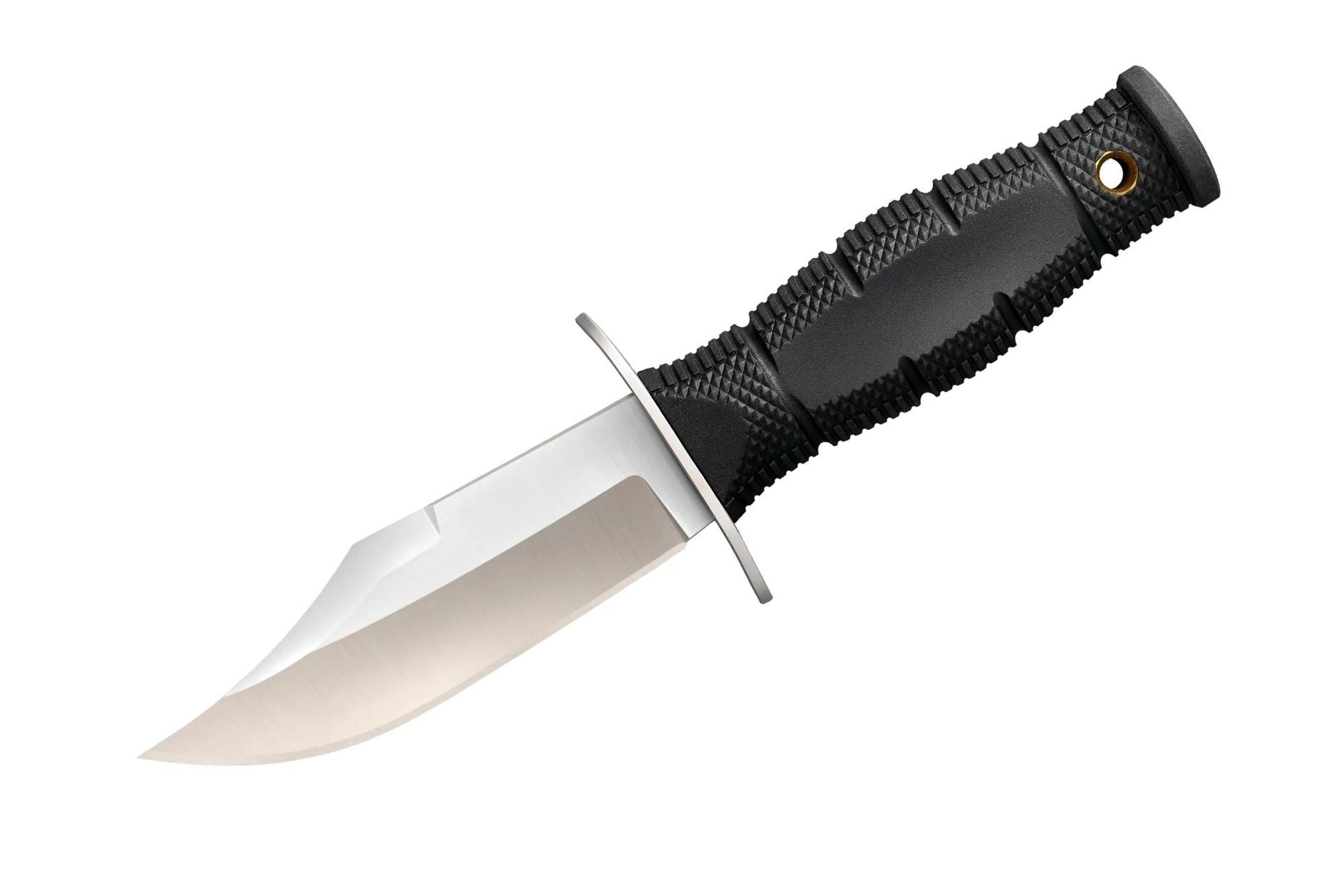 Tanto
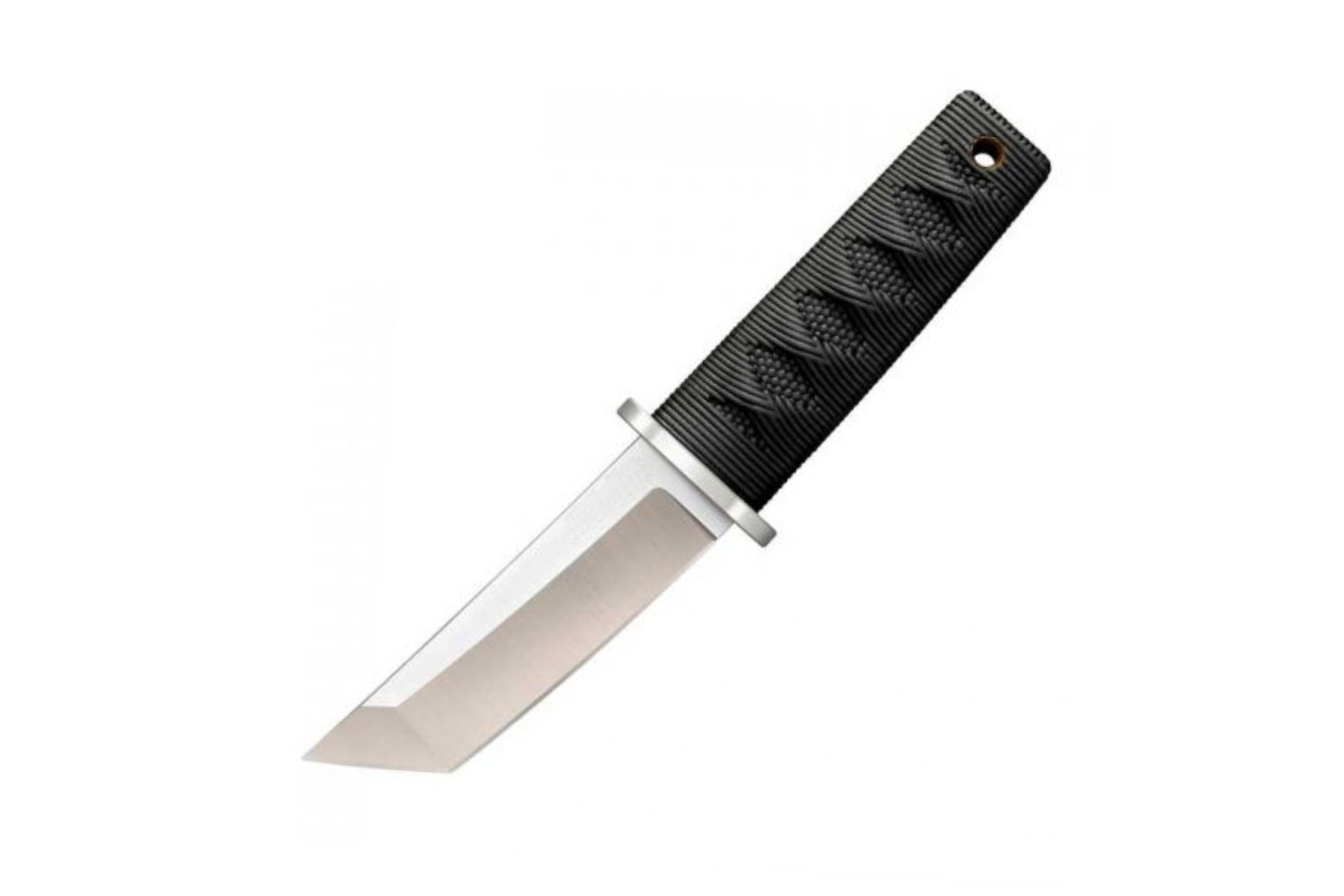
Tanto
Tanto blades are characterized by their angular tip, often with a straight edge and a secondary point formed by an abrupt angle change. This design was inspired by traditional Japanese swords and is favored in tactical environments. The tanto’s reinforced tip makes it excellent for piercing tough materials, but the lack of a curved belly reduces its effectiveness for slicing. Additionally, the angled transition between edges can be tricky to sharpen.
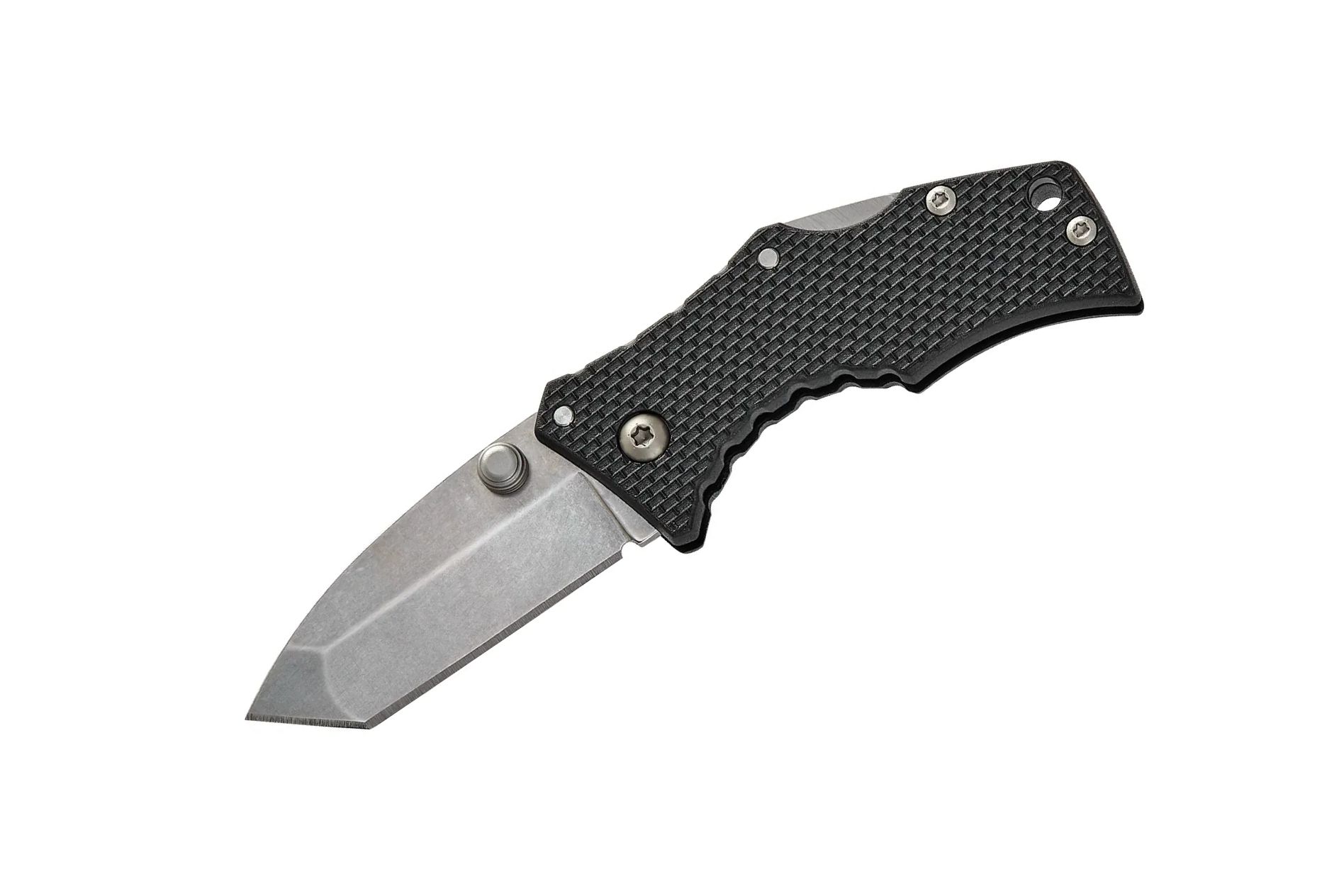
 Sheepsfoot / Wharncliffe
Both sheepsfoot and wharncliffe blades have a straight cutting edge, with a spine that drops down toward the tip. The sheepsfoot has a more pronounced curve on the spine, while the wharncliffe tends to have a straighter spine. These blades are designed for precision and safety, as the tip is less likely to cause accidental punctures. They’re commonly used in rescue situations or for woodworking. However, their design makes them less effective for piercing.
Spear point fixed blade
Spear point blades are symmetrical with a tip that aligns with the centerline of the blade. Daggers are typically double-edged versions of this shape. These blades are optimized for thrusting and piercing, offering a balanced design and excellent penetration. While they are effective in combat or self-defense roles, they lack a pronounced slicing belly and are not ideal for general utility. Additionally, daggers may be restricted in some regions due to their design.
 Trailing Point
The trailing point blade features a curved edge with a tip that sweeps upward above the spine. This creates a long, curved belly ideal for slicing and skinning. It’s a popular choice for hunters and those who need clean, controlled cuts. The design is lightweight and efficient for its purpose, but the upward-swept tip is relatively weak and not suitable for piercing tasks.
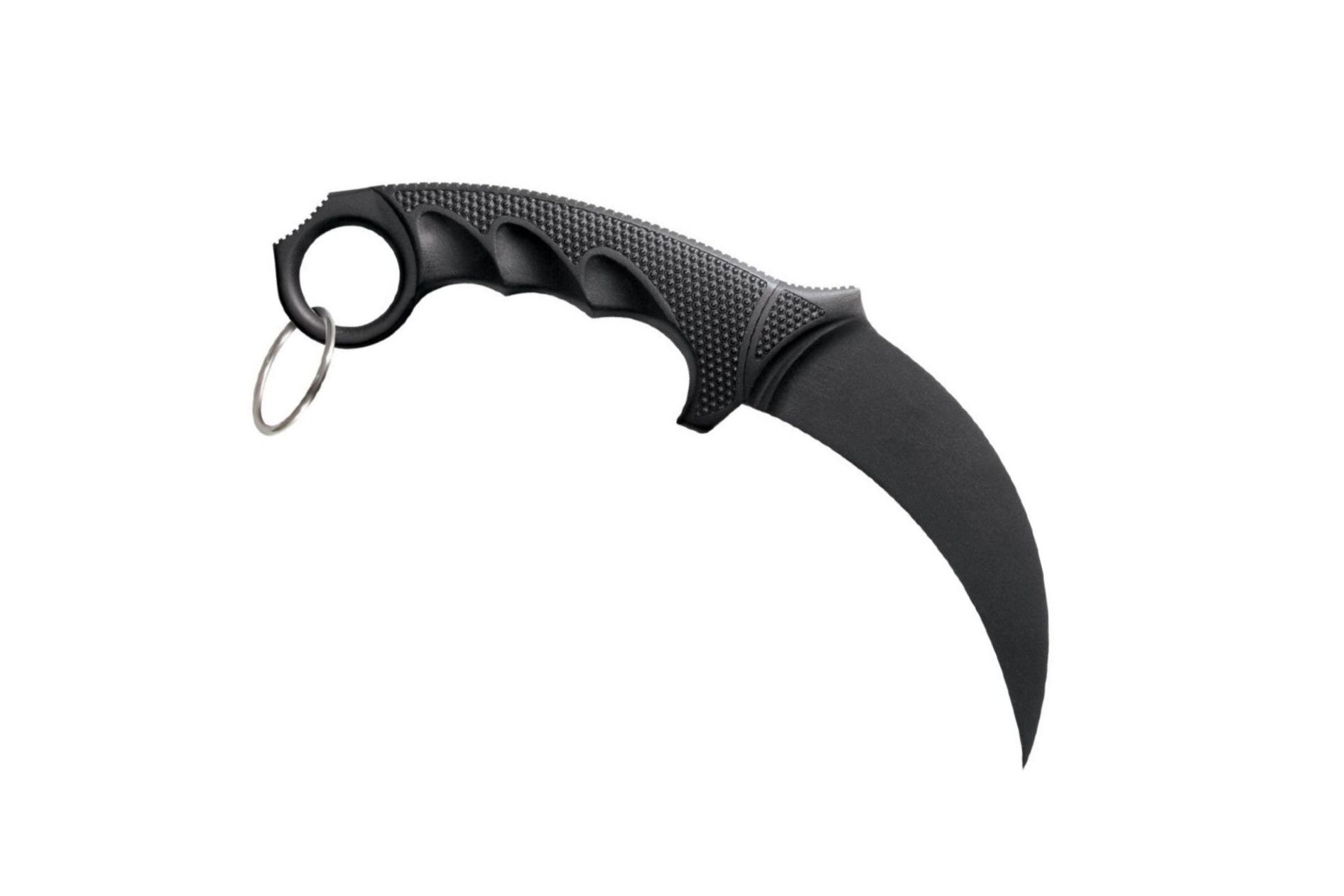
Hawkbill / Karambit
Hawkbill and karambit blades are easily recognized by their downward-curving, claw-like shape. This aggressive curve excels at pull cuts, making it effective for cutting ropes, netting, and other fibrous materials. Originally designed for agricultural use, the shape has become popular in martial arts and tactical applications. While they offer excellent control in specific scenarios, they are difficult to sharpen and not suited for everyday utility tasks.
 How to choose a blade shape for your tasks
To make the right choice, you’ve got to start with one simple question: what’s the knife for? What kinds of tasks are you planning to throw at it?
For everyday carry (EDC): what is suitable and why
Best Blade Shapes: Drop point, spear point, wharncliffe
Why:
EDC knives need to handle a variety of small daily tasks—opening packages, slicing fruit, or cutting rope. A drop point blade is a popular all-rounder thanks to its strong tip and curved edge, offering both control and versatility. The wharncliffe provides a straight cutting edge for precision work, while spear points offer a good balance of strength and piercing ability without being overly aggressive.
For tactical or extreme use
Best Blade Shapes: Tanto, clip point, reverse tanto
Why:
Tactical knives prioritize piercing strength, tip durability, and quick deployment. The tanto blade is known for its reinforced point—ideal for stabbing through tough materials. Clip points, often seen on classic fighting knives, have sharper, finer tips suitable for precision piercing. The reverse tanto offers a strong, controllable tip and is often preferred for modern tactical designs.
For tourism, camping, fishing
Best Blade Shapes: Drop point, trailing point, gut hook
Why:
Outdoor knives must handle wood prep, food prep, and field dressing. The drop point is again a top choice for its versatility and strong tip. Trailing point blades (with an upward-swept tip) are excellent for slicing and skinning, making them ideal for fishing and hunting. Gut hooks are also common for field dressing game.
For work (repair, cutting materials, storage)
Best Blade Shapes: Wharncliffe, sheepsfoot, tanto
Why:
Utility in the workplace often means controlled, straight cuts on materials like cardboard, plastic, or wire. Wharncliffe and sheepsfoot blades excel here due to their straight edges and safe, rounded tips—minimizing accidental punctures. For tougher tasks, like prying or cutting through dense material, the tanto shape offers superior tip strength.
For cooking / household usage
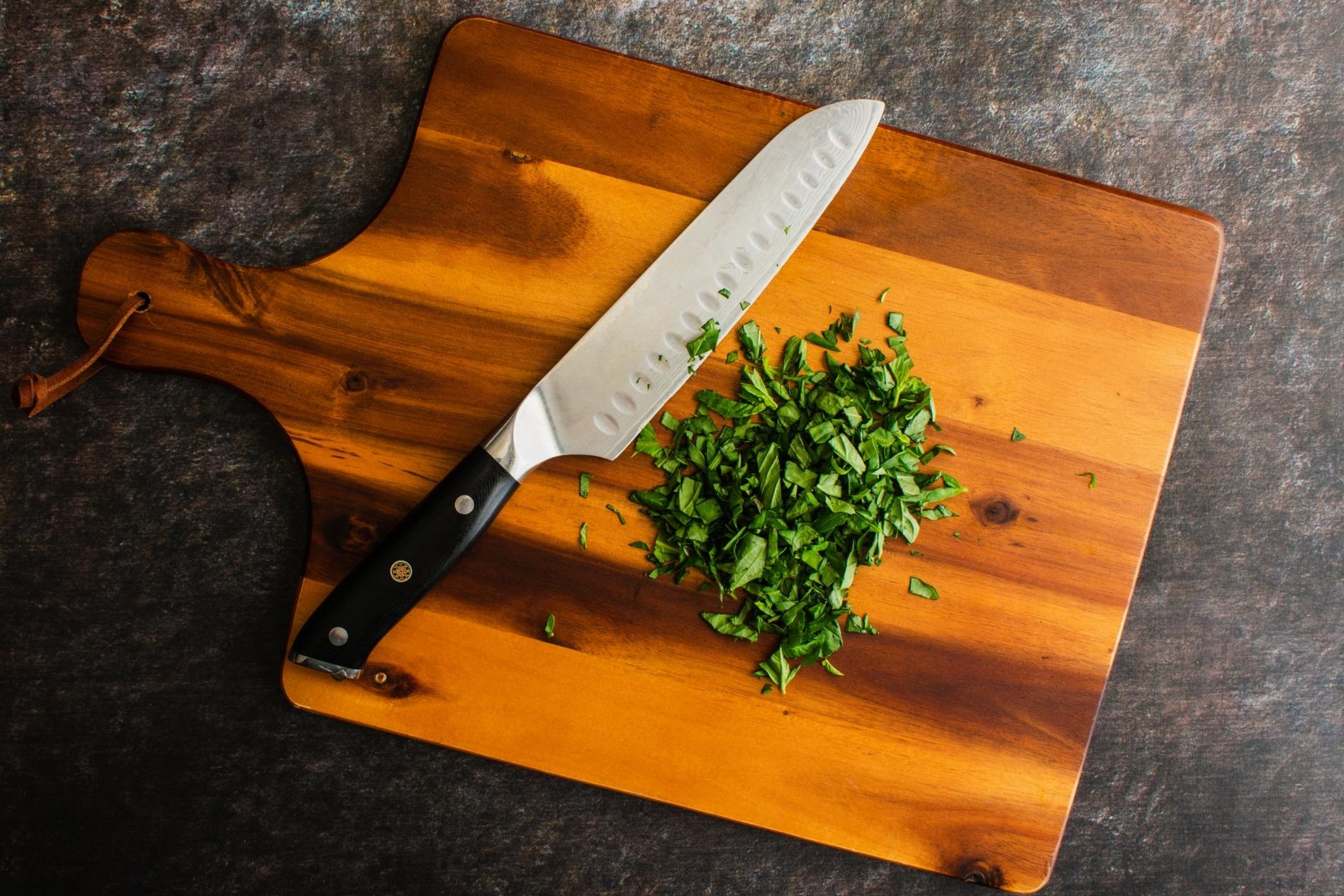
Best Blade Shapes: Chef’s knife (curved edge), santoku, paring (spear/leaf shape)
Why:
In the kitchen, slicing and chopping efficiency is key. A traditional chef’s knife with a curved belly allows for smooth rocking cuts. The santoku blade (flatter edge, sheepsfoot-style tip) is ideal for push cuts and general-purpose prep. Paring knives often feature compact spear-point or leaf-shaped blades for peeling and fine slicing tasks.
 Mistakes in choosing blade shape
And let’s be honest — when it comes to picking a blade shape, it’s real easy to screw things up.
Choosing “by appearance” rather than function
When you see some massive, predator-looking Bowie knife with a wicked curve and saw teeth on the blade sitting on a store shelf — it’s almost impossible to resist. You just grab it! But a badass-looking blade isn’t always a good blade. More often than not, it turns out that a blade that looks cool or unique might actually be awkward or inefficient for the tasks you want to perform. К тому же, complex or aggressive shapes can be harder to sharpen and use properly.
Exaggerating versatility
Many users fall into the trap of thinking that one universal blade shape can replace multiple specialized tools. This is a misconception: each blade shape is designed for specific functions, and trying to cover everything usually results in compromises in comfort and performance. The end result is often a “jack-of-all-trades” blade that doesn’t excel at any particular job.
Ignoring legal or practical restrictions
When choosing a blade shape, people often overlook legal restrictions that vary by country or region, such as limits on blade length, type of edge, or locking mechanism. Ignoring these laws can lead to fines, confiscation, or other legal issues. Beyond legal concerns, practical limitations like ease of carrying, storage, or suitability for specific environments should also be taken into account.
Choosing a shape without considering the user’s skills
The blade shape should match the user’s experience and skill level. Complex or aggressive blade designs often require particular handling techniques and safety awareness. For a novice, using an unsuitable blade shape can increase the risk of injury and decrease work efficiency. It’s important to select a blade shape that fits the user’s abilities and habits.
Conclusion
Choose your blade shape with a cool head, based on your actual needs — and you’ll be golden. As for where to find the right one – you already know the answer! Our online store has a huge selection of high-quality, reliable knives for camping, hiking, hunting, fishing — and even survival. Until next time — and let the adventures begin!