
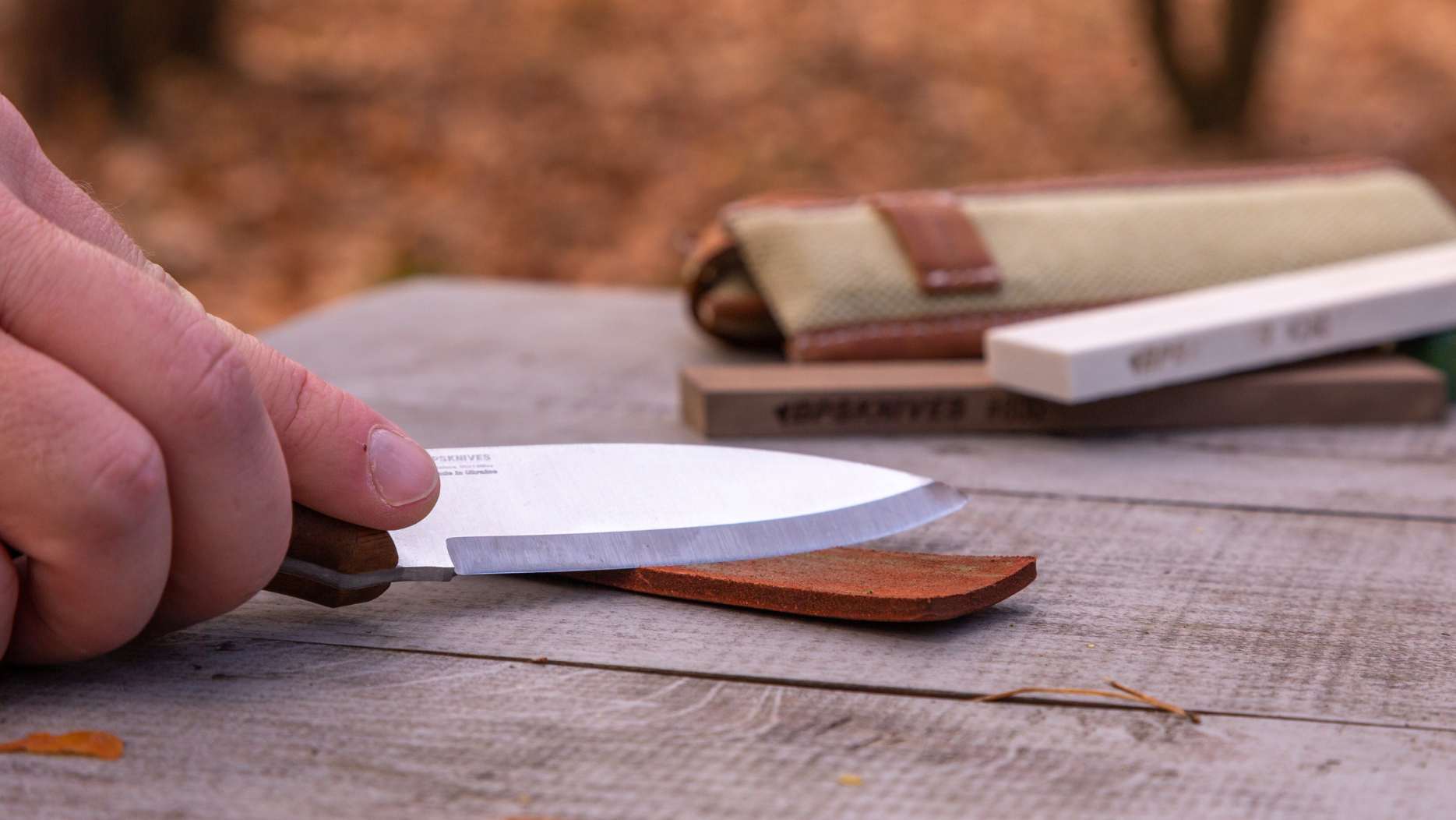
A sharp knife is a kitchen essential for any food enthusiast or home cook. But what do you do when your knives dull out in the midst of cooking and you don’t have a sharpener at home? Sharpening a knife may seem intimidating, but it’s quite easy and can be done with basic household items. This blog will discuss several ways to sharpen knives at home without purchasing an expensive sharpener.
Honing Your Knife Using a Rod
The first technique we will be discussing is honing your knife. Honing is the process of realigning the blade’s edge rather than removing a significant amount of material, like sharpening does.
You’ll need a honing rod or some steel edge to hone your knife. Simply place the blade of the knife at the top of the honing rod or steel, then drag the knife against the steel in a motion of up and down. Repeat this about ten times on each side of the blade, and your knife should be as good as new.

Use a Ceramic Mug
Another technique you can try is using a ceramic mug. A ceramic mug’s bottom is rougher than the top, making it great for sharpening.
Flip the mug upside down so the rough surface is facing upwards. Hold the knife at a 20-degree angle, then drag the blade’s edge along the mug’s rough surface. Repeat this process ten times on each side of the blade, and you’ll have a sharp knife in no time.
Using Sandpaper
The third technique we will be discussing is using sandpaper. This method is most effective when the knife is very dull, as it removes a substantial amount of material. Start with a coarse sandpaper, around 200 grit, and work your way up to finer grit, around 1000 grit, to achieve the best results.
Fold the sandpaper into thirds, then place the blade at a 20-degree angle on the sandpaper and repeatedly drag the knife against the paper. Flip the knife and repeat the process on the other side.
Using Glass
The fourth technique involves using glass. Glass can be an excellent material for sharpening a knife because it’s flat and has an abrasive surface.
Place a piece of newspaper on a flat surface and place the glass on top of it. Then, lubricate the surface with water, and hold the knife at a 20-degree angle, with the blade resting against the edge of the glass.
Drag the blade along the glass curvedly, making sure to have a consistent angle. Repeat this process ten times on each side of the blade.
Using Leather
Our final technique is using a leather belt. The backside of the leather belt can be a perfect makeshift strop. Stropping helps polish the already sharp edge of your knife, making it even sharper.
Start by holding the belt tightly with one hand while using the other hand to drag the knife blade along the belt, starting from the base of the blade and dragging it out to the tip of the blade. Repeat the process several times on both sides of the blade until you achieve a smooth, razor-sharp edge.

Common Mistakes Done When Sharpening Your Knife Without Sharpener
Sharpening a knife at home without a sharpener can be a challenging task, and there are several common mistakes that people make. Here are some of them:
- Using the wrong angle: One of the most common mistakes is using the wrong angle when sharpening the knife. Using too steep of an angle can damage the blade, and if the angle is too shallow, it won’t sharpen the blade effectively.
- Applying too much pressure: Another common mistake is applying too much pressure while sharpening the knife. This can cause the blade to become uneven and damage the blade.
- Not using the right technique: Sharpening a knife requires a certain technique, and not using the right technique can result in a dull blade or even damage the blade.
- Using the wrong tools: Using the wrong tools can also cause damage to the blade. For example, using a rough stone or sandpaper that is too coarse can cause scratches on the blade, making it harder to sharpen properly.
- Over-sharpening: Over-sharpening a knife can also be a mistake. If you sharpen the blade too much, it can become too thin and fragile, which can cause it to break easily.
To avoid these mistakes, taking your time and following the correct technique when sharpening your knife is important. Start with a coarse grit stone or sandpaper and work your way up to a finer grit to ensure a sharp edge without damaging the blade. Maintaining the correct angle and not applying too much pressure is also essential.
Why Risk It? Best Knife Sharpeners to Use at Home
DIY tools are great for emergencies, but nothing replaces a good knife sharpener. There are several types of knife sharpeners that you can use at home, each with its own advantages and disadvantages. Here are some of the best options:
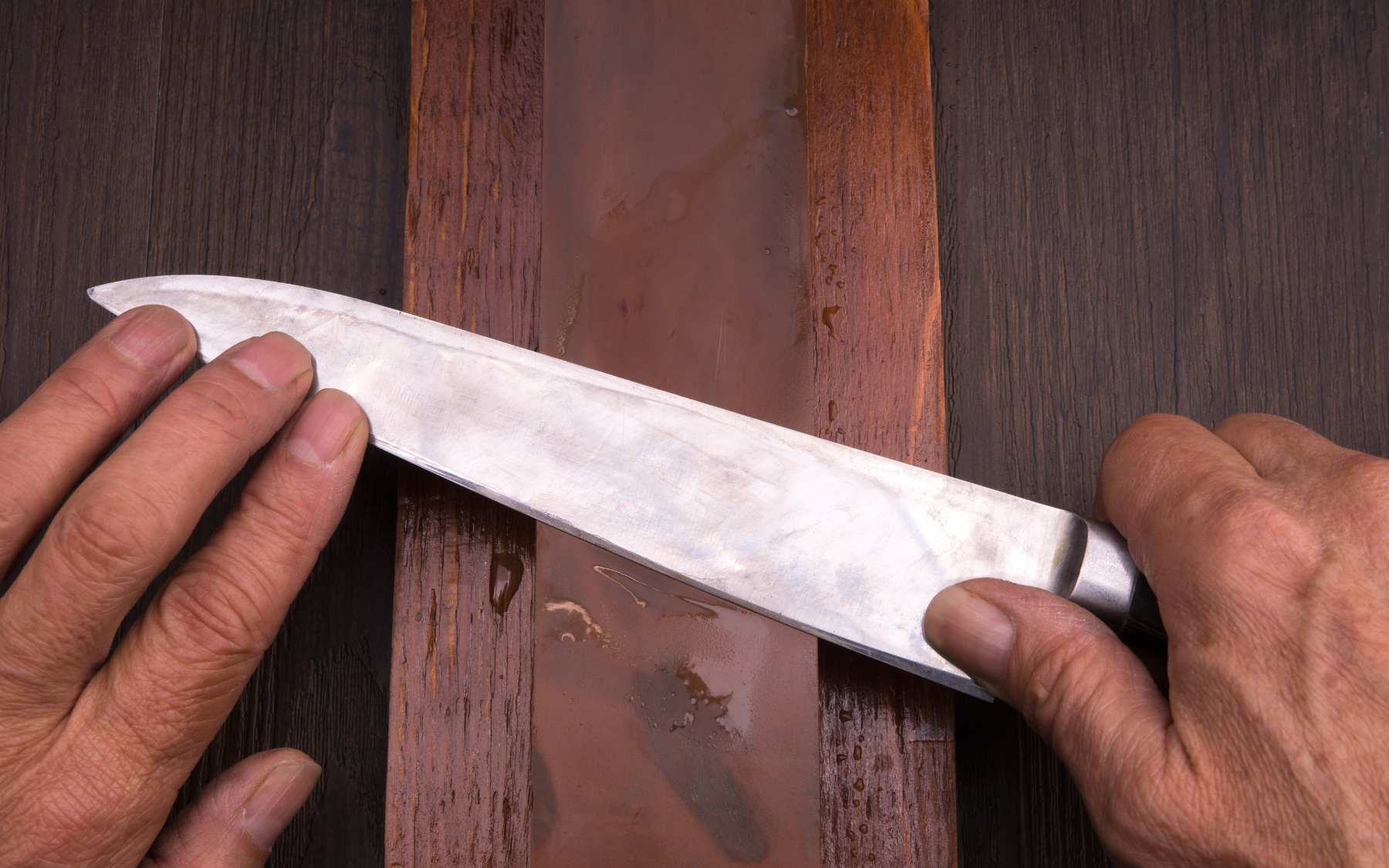
Whetstone
A whetstone is a traditional sharpening tool that is used to sharpen knives, scissors, and other cutting tools. They are available in different grits, ranging from coarse to fine. Whetstones require some skill and practice to use effectively, but they can produce a razor-sharp edge.
Electric knife sharpener
Electric knife sharpeners are convenient and easy to use. They have abrasive discs or belts that rotate and sharpen the blade as you run it through the slots. They are best for maintaining and sharpening knives with straight edges and may not work well with serrated knives.
Sharpening steel
A sharpening steel is a long rod made of steel or ceramic that is used to hone the blade’s edge. It does not actually sharpen the blade but straightens the edge and removes any small nicks or burrs. Sharpening steels are easy to use and are best for maintaining the sharpness of your blade.
Pull-through knife sharpener
Pull-through sharpeners have a slot that you can pull your knife through to sharpen the blade. They are easy to use and are best for maintaining your blade’s edge, but they may not work well with serrated knives.

When choosing a knife sharpener, consider the type of knives you own and your level of skill. A whetstone requires practice and skill, while electric knife sharpeners and pull-through sharpeners are more convenient and easy to use. A sharpening steel is best for maintaining the edge, while a guided sharpening system can help you achieve consistent results.
Final Thoughts
Sharpening your knives at home may sound like an arduous task, but as we’ve seen in this article, it can be done with basic household items. Honing your knife with a steel or ceramic mug, using sandpaper, glass, or even a leather belt can make your dull knife sharp again.
By following these simple guidelines, you’ll be able to sharpen your knife to perfection and ensure it stays sharp for longer. However, with the right sharpening tool, you can always keep your knives razor-sharp and well-maintained.