

It seems our cult of knife fans is growing, as you’re here, filled with excitement and curiosity about where to start your own knife collection!
The most renowned knife collectors
It’s intriguing to wonder what sparked your interest in knives! Perhaps you spotted a fierce, curved replica of Rambo’s knife on a supermarket shelf or admired a 19th-century Spanish Navaja at a museum — everyone has to start somewhere. Regardless, you’re not alone in this hobby; there are even famous figures in the world of knife collecting! For example:
1. Dr. John C. L. W. P. (Jack) E. P. Christensen
Dr. Christensen was one of the most respected collectors of knives and edged weapons, with a particular focus on historical pieces. He is known for his impressive collection of rare, antique knives, particularly from the 18th and 19th centuries. His knowledge and contributions to knife history have made him a key figure in the knife-collecting world.
2. Michael Bell
A well-known figure in both the knife world and the world of fine art, Michael Bell is a collector of high-end, custom-made knives. Bell’s collection is renowned for its focus on craftsmanship and the works of famous makers like Bob Loveless, one of the most influential custom knife makers in history.
3. Bob Loveless
Although Bob Loveless is more widely known as a master knife maker, he is also considered a legend in the collector’s world. His knives, known for their superb design and craftsmanship, have become highly sought after by collectors, and the demand for his work has made him one of the most revered figures in both the production and collection of knives.
4. Randy Haas
Randy Haas is another prominent figure in the custom knife world. A master bladesmith, he has collected knives for many years and is known for his expert knowledge. His interest is both in historical knives and modern works, and he is often seen at knife shows, where he shares his expertise with fellow collectors.
5. The Knife Collectors Association (KCA)
While not a single individual, the Knife Collectors Association, founded in 1964, has played a major role in promoting knife collecting as a serious hobby and craft. Many collectors within the KCA have gained renown over the years for their extensive and diverse collections.
6. Tom and Joan Latham
Tom and Joan Latham are collectors knives known for their focus on historical knives and blades from around the world. Their collection includes many fine examples of American and European knives and is a valuable resource for anyone interested in antique edged tools.
7. Al Mar
Al Mar is another prominent figure known both for his knives and for his collection. He is often celebrated as a key player in the custom and collectible knife world, producing knives that are both functional and valuable in the collector’s market.

Understanding Knife Types and Categories
There are so many types of knives in the world that it’s almost overwhelming! Hunting knives, tactical knives, culinary knives, EDC knife set (Everyday Carry) knives, folding knives, full tang knives, multitools (like the classic Swiss Army knife), and even specialized models for diving, collecting, self-defense, and those with unique shapes and purposes. There are also combat knives, but you’re probably not going to buy one unless you’re in special forces or something. Each type of knife is designed with a specific task in mind, with characteristics like strength, cutting precision, or compactness for ease of carrying. No matter what you’re looking for, there’s a perfect blade out there for you!
Setting Goals for Your Collection
It’s easy to get lost in all this variety – you want everything at once! So, where to begin? Setting goals for your collection knives can be an enjoyable and rewarding way to approach your hobby, especially if you’re passionate about the craftsmanship, history, or utility of knives. First, you’ll want to define the focus of your collection. You could decide whether you’re interested in fixed blades or folding knives, or perhaps kitchen knives, tactical blades, or outdoor knives. It’s also important to think about whether you want to focus on custom, hand-crafted knives or more commonly found production models. Some collectors are drawn to knives from specific brands or even specific series, while others might prefer a more diverse collection. Next, consider setting a budget for your collection. Knives can vary greatly in price, with custom, hand-made blades often costing more than mass-produced ones. Deciding how much you want to spend will help guide your purchases and ensure you’re being intentional with each acquisition.

Understanding the Value of Knives
Collecting brings a great deal of joy and excitement, and buying a new blade gives an unparalleled sense of satisfaction. Of course, any knife enthusiast and collector should have a solid understanding of what they’re collecting, or else they might end up with some scrap metal passed off as a rare find! Here are some important aspects that determine the value of knives for collectors:
1. Rarity
- Limited Editions: Knives that are produced in small numbers or as part of a limited edition series tend to be more valuable. Collectors seek out these knives due to their scarcity.
- Discontinued Models: When a brand stops making a certain model, demand for those knives often increases, and their value rises due to their limited availability.
2. Age and Historical Significance
- Vintage and Antique Knives: Older vintage knife, especially those that are well-preserved or have historical significance, can fetch a higher price. Examples include knives used in significant events or those from notable time periods.
- Historical Context: Knives tied to historical figures or events are highly sought after. Military knives, such as WWII-era pieces, are a good example of this category.
3. Craftsmanship
- Materials: High-quality materials such as Damascus steel, exotic woods, or rare metals can significantly boost a knife’s value. The skill of the maker also plays a role.
- Handmade vs. Mass-Produced: Handcrafted knives are generally valued higher than mass-produced ones because of the artistry and skill involved in their creation.
- Detailing and Finishes: Intricate detailing, engraving, or special finishes (e.g., custom handles) can add to the aesthetic appeal and value.
4. Maker or Brand
- Famous Makers: Knives made by renowned makers, such as those from established brands, or individual custom knife makers, are highly collectible.
- Signature Knives: Some collectors focus on knives with a famous signature or design, such as those designed by well-known craftsmen or celebrities in the knife community.
5. Condition
- Mint Condition: Knives that are in original, unused condition (with their original packaging, if possible) are often worth more.
- Restoration: In some cases, knives that are in poor condition may still hold value if they can be professionally restored, but this can vary depending on the knife’s rarity and maker.
6. Functionality and Design
- Utility vs. Decorative: Some collectors focus on functional knives (e.g., hunting or tactical knives), while others may be more interested in decorative or art knives. In either case, unique or innovative designs can increase value.
- Custom Designs: Collectors appreciate knives that have unique or custom designs, especially if the craftsmanship is exceptional.
7. Provenance
- Ownership History: If a knife has an interesting or noteworthy provenance—such as being owned by a famous person or used in a famous event—it can significantly increase its value.
8. Market Trends
- Popularity: Certain types of knives or brands can experience surges in popularity, which might increase demand and prices for collectors.
- Cultural Influence: Pop culture or movies featuring knives can make certain models more valuable in the market, as seen with iconic knives from films or television.
9. Cultural and Regional Factors
- Cultural Significance: Knives with cultural importance—such as traditional knives from certain regions or countries—can attract specialized collectors.
- Regional Styles: Collectors may also focus on knives from specific regions, such as Japanese tanto knives, Italian stilettos, or traditional American folding knives.
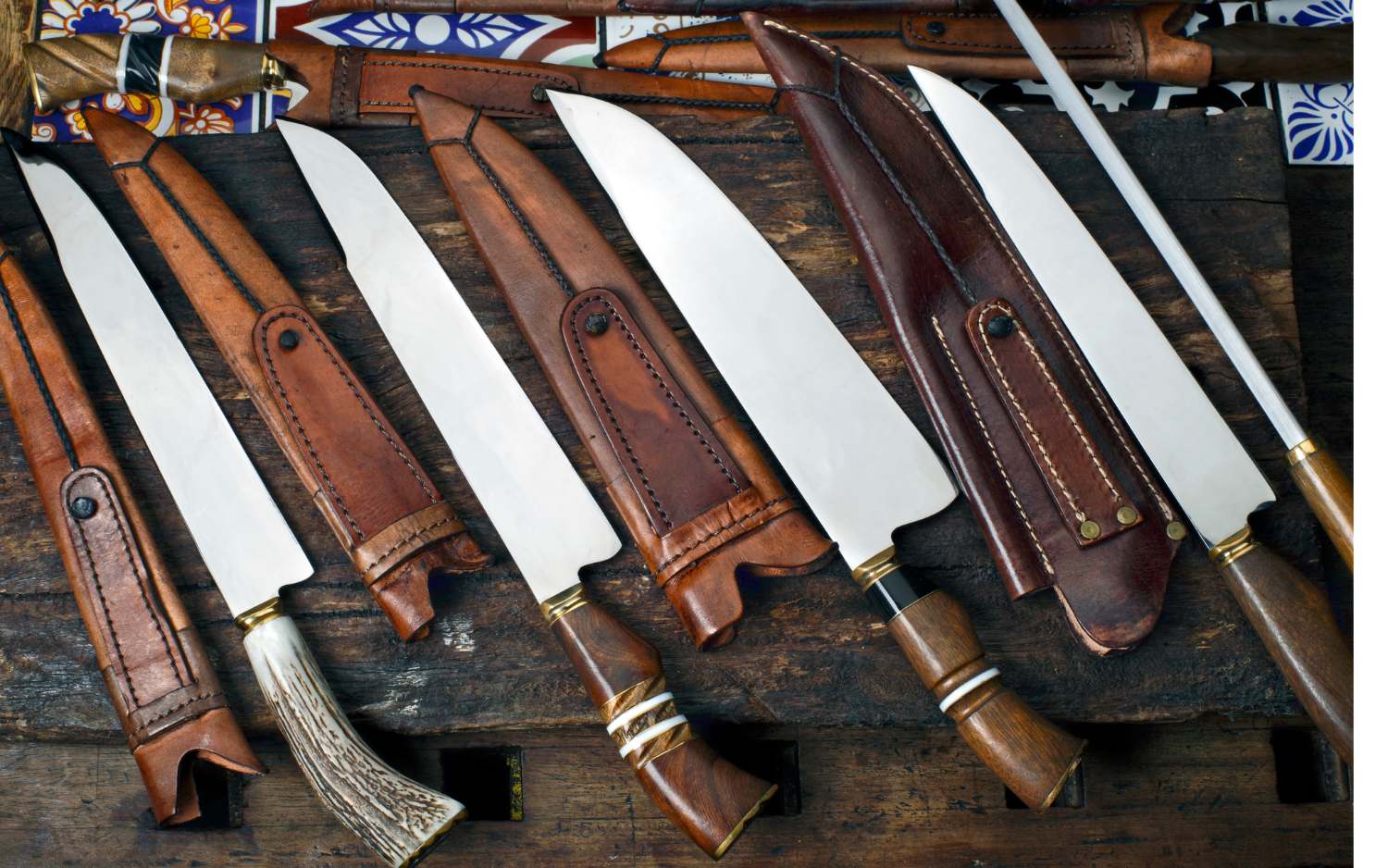
Building and Evolving Your Collection
When you’re starting out, it’s essential to begin with a solid foundation. Consider acquiring versatile knives for everyday carry (EDC), such as folding knives that are easy to carry and use for a range of tasks. You might also want to explore fixed-blade knives that are useful for outdoor activities like camping and survival, such as the classic.
As your knife collection display evolves, pay attention to the materials that make up your knives. Blade steel is an important consideration, as different steels offer varying degrees of sharpness, durability, and resistance to corrosion. Carbon steel blades are known for their sharpness and ease of sharpening, while stainless steel offers better resistance to rust. The materials used for the handles also play a significant role in the knife’s overall look and function. Handles made of wood, bone, hornes, micarta or G10 each offer different feels, durability, and grip characteristics, so explore these options as you grow your collection. You might also want to buy a vintage pocket knife with historical value, or even look into custom-made knives from artisans known for their unique craftsmanship.
Maintaining your knives is just as important as selecting them. A well-maintained knife not only lasts longer but performs better. Learn how to sharpen your knives properly using sharpening stones or honing rods, and always clean and lubricate them to prevent corrosion. Storing knife collection case carefully is also key, whether you keep them in knife blocks, protective sheaths or case knife.
As time goes on, stay updated with new trends in the knife community. Knife shows and conventions are great places to discover rare pieces and interact with other collectors. Joining online communities or following YouTube channels dedicated to knives can also help you stay informed and expand your knowledge. While building your collection, be patient and set a reasonable budget. Good knife collections are built over time, and acquiring each piece is part of the fun.
Finally, remember to keep in mind the legalities surrounding knife ownership in your area. Laws about carrying and owning knives can vary widely, and it’s important to understand local regulations before adding certain pieces to your collection.

Conclusion
So! No need for long deliberations — start collecting knives right now! Head over to our online store, where you’ll find a wide range of amazing blades at marvelous prices, perfect for building a solid foundation for your knife collection. Go ahead, adventure awaits!