

You probably like to carry your favorite knife when heading out for a walk in the city or a stroll through the woods. You know—just in case. Could be an urban madman on the street, a stray dog, or maybe you just want to slice up some sausage. But here’s the thing: that little habit might land you behind bars. Literally.
The significance of understanding knife laws for bushcraft activities
So how can you avoid such an unnecessary trip to the police station, which you definitely don’t need? Well, to start with, it’s worth getting familiar with your local knife laws — where, in what area, and with what kind of knives you’re allowed to carry them, and where you’re not. Let’s dive into knife laws for bushcraft, shall we?
General Knife Laws Overview
Bushcraft knife legal regulations and laws in the United States vary significantly from state to state, and sometimes even between local jurisdictions. The same situation happens with Europe and other countries. These laws govern aspects such as the types of knives that can be legally owned, carried (openly or concealed), and used. While most laws are intended to promote public safety and prevent the misuse of weapons, it’s important for knife owners to be aware of the specific regulations that apply to them based on their location. Understanding the nuances of knife laws is essential, especially for individuals who collect knives, carry them for work, or use them for outdoor activities. Ignorance of local ordinances or state statutes can lead to serious legal consequences, even if there was no intent to cause harm.
Definition of a Knife
So, is it legal to carry a bushcraft knife? A knife is generally defined as a handheld tool or weapon with a blade that is used for cutting or stabbing. Legally, this definition can expand to include a wide range of instruments, such as:
- Folding knives (e.g., pocket knives)
- Fixed-blade knives (e.g., hunting knives, kitchen knives)
- Switchblades or automatic knives
- Butterfly knives (balisongs)
- Daggers and dirks
- Bowie knives
- Throwing knives
Some jurisdictions may also include utility knives or other bladed tools under knife laws, especially if carried in public. The legal definition often plays a critical role in determining whether a specific knife is restricted or permitted under the law.
 Legal Knife Ownership
Knife ownership laws in most parts of the world says that it is legal to own a wide variety of knives, including those with large or automatic blades. However, there are exceptions:
- Prohibited Knives: Some states ban ownership of certain knife types, such as switchblades, ballistic knives, or knives with brass knuckles built into the handle.
- Age Restrictions: Many jurisdictions prohibit the sale or possession of knives by minors.
- Intent Matters: Simply possessing a knife is typically legal, but carrying it with the intent to use it unlawfully as a weapon can result in criminal charges.
- Location-Based Restrictions: Certain places—such as schools, government buildings, airports, or courthouses—prohibit the possession of knives entirely, regardless of type or intent.
It’s crucial to distinguish between knife ownership and knife carry. Laws often allow ownership but place more stringent restrictions on how and where knives can be carried in public.
Carrying Knives for Bushcraft
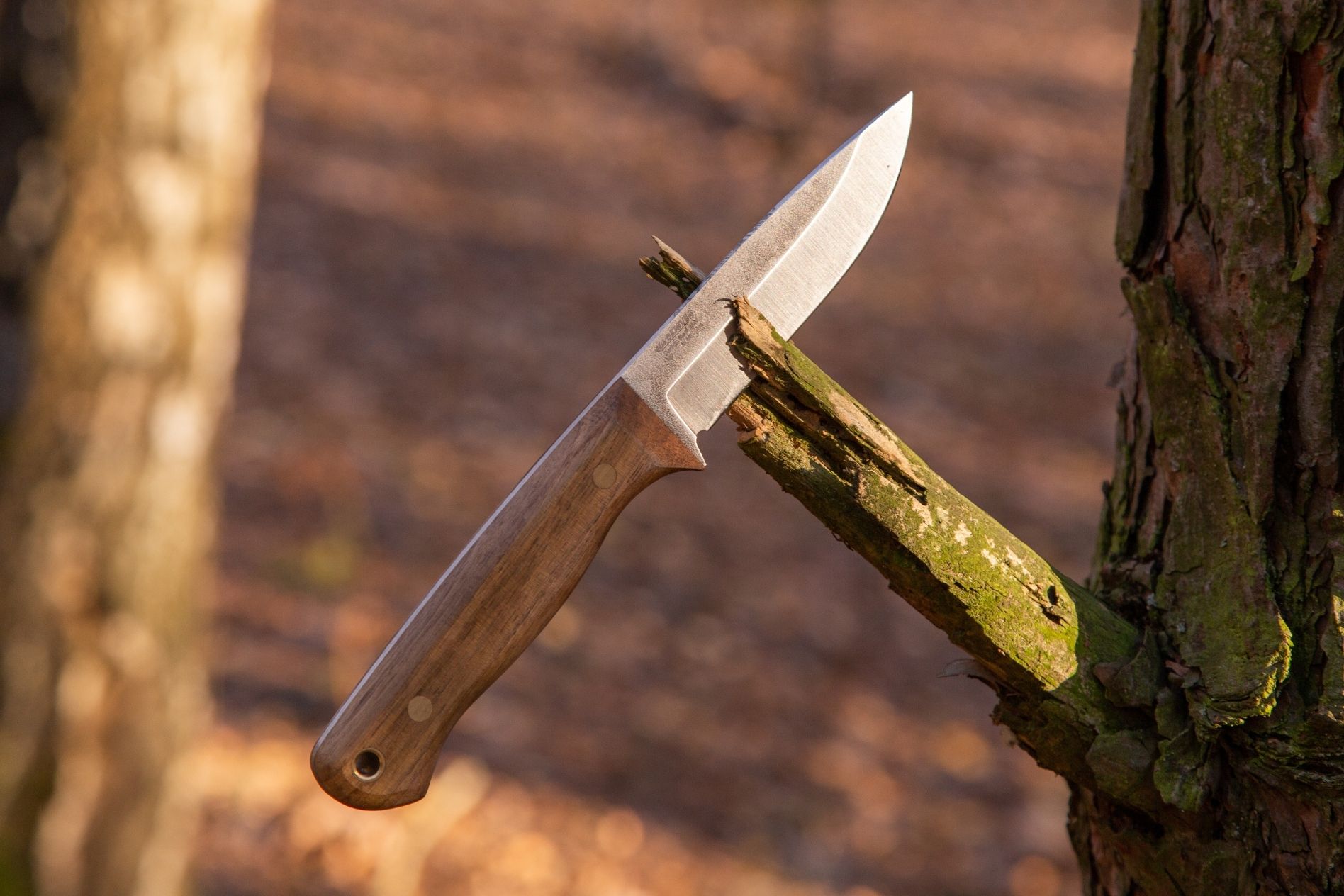
Legal bushcraft knives are typically fixed-blade, full-tang knives designed for heavy-duty tasks. While these tools are essential for survivalists and outdoor enthusiasts, their size and appearance can sometimes trigger legal issues, especially in urban or public settings.
Key considerations include:
- Blade Length: Some states or localities limit the length of blades that can be carried, regardless of their intended use.
- Concealment: Even if a knife is legal to own, carrying it concealed may violate state or local laws.
- Location-Specific Rules: Carrying a knife while hiking in a national forest is usually legal, but carrying the same knife into a town, park, or near a school may be illegal.
- Intent and Context: Law enforcement officers often take into account the context of possession. A bushcraft knife worn on the belt during a camping trip is less likely to raise concerns than the same knife carried downtown.
Best Practices
- Research Local Laws: Before heading out, check state and local regulations for both your home and destination.
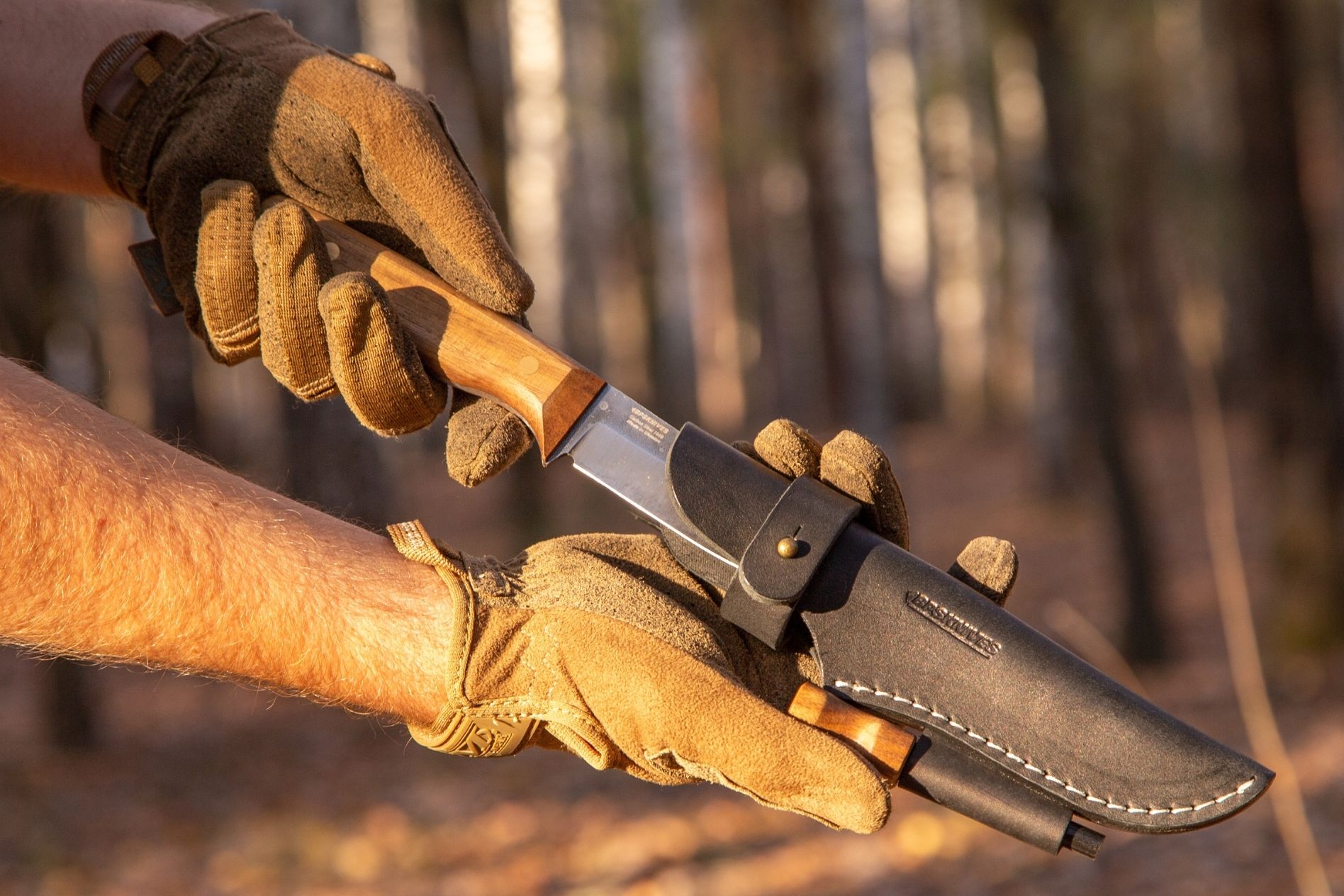
- Transport Properly: If traveling by car, secure the knife in a case or with your camping gear rather than on your person.
- Be Transparent: When encountering authorities in the field, calmly explaining the knife’s purpose and your activity can help de-escalate misunderstandings.
- Use Responsibly: Always handle your bushcraft knife in a way that reflects its intended outdoor utility—not as a weapon or for intimidation.
 Regional Regulations and Variations
Our bushcraft knife law guide is highly dependent on regional laws, cultural attitudes, and security concerns. What is considered a legal and harmless tool in one country may be classified as a prohibited weapon in another. For knife owners, travelers, and bushcraft enthusiasts, understanding the legal environment in different regions is essential to staying compliant and safe.
United States
In the U.S., knife laws are a patchwork of federal, state, and local regulations. While federal law governs interstate commerce of certain knife types (like switchblades), individual states—and even cities—set their own rules about what can be owned and carried.
- Federal Law: Generally prohibits interstate sale of automatic knives (with some exceptions).
- State Laws: Vary widely; for example, Texas allows large Bowie knives, while California restricts knives with blades over 2 inches in certain public places.
- Local Ordinances: Cities like New York or Los Angeles may impose stricter rules than the state.
- Concealed vs. Open Carry: Many states allow open carry of large knives but regulate or ban concealed carry.
Always check both state and local laws before carrying a knife in public.
Canada
Canada has strict laws when it comes to knives, especially those perceived as weapons.
- Prohibited Knives: Includes switchblades, butterfly knives, push daggers, and knives that open with centrifugal force (e.g., gravity knives).
- Carry Restrictions: Carrying a knife for self-defense is illegal, even if the knife itself is otherwise legal.
- Intent is Key: A knife used for work, camping, or utility is generally acceptable, but carrying it in public without a legitimate reason can lead to charges.
- Border Issues: Bringing knives across the Canadian border, especially automatic or assisted-opening knives, can result in confiscation or arrest.
United Kingdom and Europe
Knife laws in the UK and much of Europe tend to be more restrictive than in North America, with a strong emphasis on limiting public carry.
United Kingdom:
- Prohibited Items: Includes switchblades, butterfly knives, and disguised knives.
- Public Carry: It is illegal to carry any knife in public without “good reason,” except for folding knives with blades under 3 inches (7.62 cm).
- Self-Defense Not Valid: Claiming self-defense as a reason for carrying a knife is not accepted by UK law.
European Union:
- Germany: Allows certain folding knives but restricts one-handed openers.
- France: Limits public carry and requires a valid reason.
- Sweden: Prohibits carrying knives in public places unless used for work or recreation.
Asia
Knife regulations in Asia range from extremely strict (e.g., Japan) to more relaxed in rural or outdoor-oriented cultures.
Japan:
- Strict Laws: Folding knives over 2.2 inches (5.5 cm) are illegal to carry without a valid reason.
- No Concealed Carry: Any knife concealed in public can lead to arrest.
- Import Controls: Many knives are prohibited from being imported altogether.
China:
- Public Carry Restrictions: Carrying knives in public, especially large or tactical-looking ones, is heavily regulated.
- Sales Restrictions: Certain knives are restricted in urban areas but more accepted in rural regions.
South Korea:
Similar to Japan in restrictions. Knives carried without legitimate purpose can result in legal penalties.
Southeast Asia:
Countries like Thailand or Indonesia may have looser enforcement in rural areas, but laws still prohibit carrying knives in urban public spaces.
Conclusion
But the most important tip — just don’t go flaunting your machete in front of law enforcement officers! And everything will be just fine. You will check out our online store, right? It has literally everything for camping. Just wow. And now, if you’ll excuse us — until next time, for more thrilling encounters!