
Going out at night in the middle of nowhere unprepared is never a good idea! Unless you love to tickle your nerves. So it’s a good idea to know how to navigate your surroundings at night!
Importance of night navigation in hiking
In addition, night navigation in hiking is crucial for several reasons:
- Extended Hiking Time: Sometimes, hikes can take longer than expected, and being able to navigate at night allows hikers to complete their journey safely rather than being stranded.
- Safety Awareness: Nighttime conditions can obscure potential hazards like loose rocks, steep drops, or difficult terrain. Navigating effectively helps mitigate these risks.
- Visibility of Trails: Familiarity with nighttime navigation helps hikers stay on track, especially in areas where trails may be less visible or marked.
- Wildlife Awareness: Many animals are more active at night. Knowing how to navigate in these conditions helps hikers avoid dangerous encounters.
- Psychological Preparedness: Being equipped with navigation skills for night hiking boosts confidence, making the experience less daunting.
- Navigational Skills: Practicing GPS navigation hiking at night enhances overall skills in using compasses, maps, and GPS devices, which are valuable in any hiking scenario.
- Unique Experience: Night hikes offer a different perspective of nature, including stargazing and unique nocturnal wildlife encounters, making navigation skills even more essential.
Overall, mastering night navigation enriches the hiking experience while ensuring safety and preparedness.
Preparing for a Night Hike
And the best thing you can and should start with is to prepare for your overnight trip! Navigation tools for hiking.
Essential Gear
Lighting
- Headlamp or Flashlight: A reliable light source is crucial. A headlamp allows for hands-free operation.
- Extra Batteries: Always carry spare batteries or a backup light.
Navigation Tools
- Map and Compass: Even if you’re familiar with the area, it’s wise to have these.
- Hiking navigation devices like GPS Device or Smartphone: Ensure your phone is fully charged, and download offline maps if possible.
Clothing
- Layered Clothing: Dress in layers to adapt to changing temperatures.
- Warm Hat and Gloves: Nights can get cold, so keep your extremities warm.
- Sturdy Footwear: Make sure your hiking boots are comfortable and suitable for the terrain.
Backpack
- Daypack: A comfortable pack to carry your essentials.
Safety Gear
- First Aid Kit: A basic kit should include bandages, antiseptic wipes, and any personal medications.
- Emergency Whistle: For signaling in case of an emergency.
- Multi-tool or Knife: Useful for various situations.
Hydration and Nutrition
- Water Bottle or Hydration System: Stay hydrated.
- Snacks: High-energy snacks like trail mix, granola bars, or jerky.
Emergency Supplies
- Emergency Blanket: Compact and useful for warmth.
- Fire Starter: Matches, lighter, or firestarter kit.
Planning Your Route
Careful planning will certainly take away the venturesome and adventurous spirit of your outing, but you’ll definitely come back in one piece! Plan your hiking navigation course on a map, mark the best places to rest and camp, and learn the location of fresh water sources.
Weather Considerations
It’s also a good idea to check the weather forecast for the day of your intended trip! Precipitation, air temperature, wind strength and direction. If the weather conditions are not favourable, it is better to postpone your hiking to another day.
Navigational Techniques for Night Hiking
Night hiking can be an exhilarating experience, but it requires careful preparation and navigation skills. How to navigate when hiking.
Use a Reliable Light Source
- Headlamp or Flashlight: A headlamp frees up your hands, while a flashlight can be useful for illuminating distant objects. Ensure you have extra batteries.
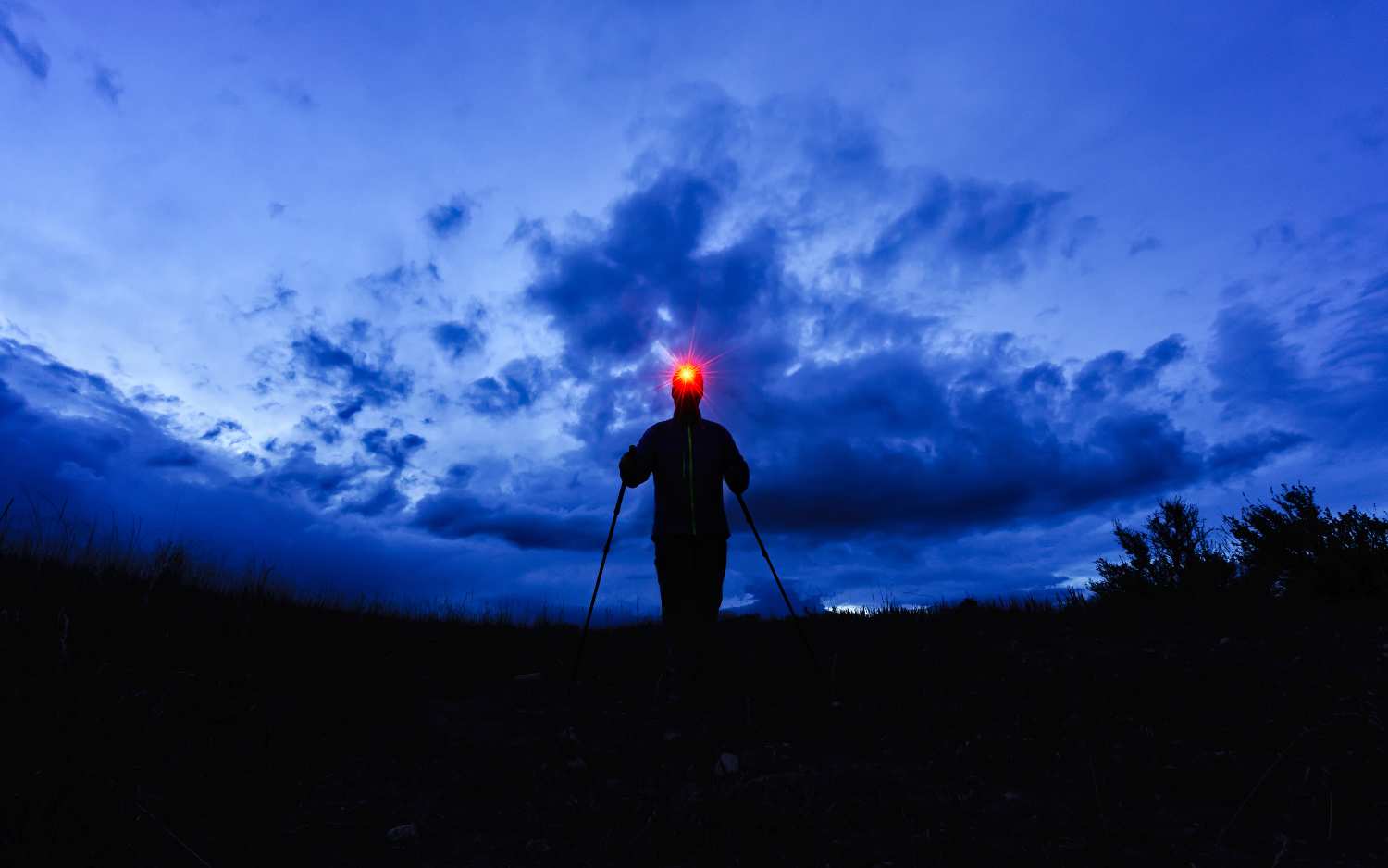
- Red Light Mode: If your light has a red mode, use it to preserve night vision.
Familiarize Yourself with the Trail
- Pre-Hike Reconnaissance: Hike the trail during the day to understand its features, landmarks, and potential hazards.
- Trail Maps and GPS: Bring a detailed map and a GPS device or a smartphone with offline maps. Familiarize yourself with the area.
Use Natural Navigation
- Stars and Moon: Learn basic navigation using celestial bodies. The North Star is a reliable point in the Northern Hemisphere.
- Landmarks: Identify notable features during the day that you can use to orient yourself at night.
Compass Skills
- Basic Compass Use: Know how to take a bearing and use a compass to navigate when visibility is limited.
- Practice: Before your hike, practice using your compass to build confidence.
Maintain Group Cohesion
- Buddy System: Hike with a partner or group. Keep a close eye on each other and maintain a steady pace.
- Frequent Check-Ins: Periodically check in with your group to ensure everyone is on the same page.
Know Your Limitations
- Pace Yourself: Hiking at night can be disorienting; adjust your pace accordingly.
- Know When to Turn Back: If conditions become too challenging or you feel uncertain, it’s better to turn back.
Enhancing Night Vision
Enhancing your night vision is crucial for safe and enjoyable night hiking! Here are some not bad navigation examples.
Preserving Natural Night Vision
Allow for Dark Adaptation
- Give Yourself Time: Spend at least 20-30 minutes in the dark before you begin your hike. This process allows your eyes to adjust and become more sensitive to low light.
Limit Bright Light Exposure
- Avoid Bright Lights: Minimize exposure to bright lights, including screens and headlights, as they can reset your eyes’ adaptation.
- Use Red Light: If you need to use a light, opt for a red headlamp or flashlight. Red light has a minimal impact on night vision.
Use Low-Intensity Lighting
- Dim Your Light: If your light source has adjustable brightness, keep it on the lowest setting that allows you to see. This reduces the strain on your night vision.
Avoid Looking Directly at Bright Lights
- Glance Instead of Stare: If you encounter bright lights, glance at them briefly instead of staring. This helps preserve your night vision by minimizing exposure.
Stay Away from Screens
- Limit Phone Use: Avoid using your phone or other screens for navigation or communication in the dark. If you must use them, switch to night mode and dim the brightness.
Use Your Peripheral Vision
- Scan with Your Senses: Use your peripheral vision to pick up movement and shapes. Your side vision is more sensitive to light and motion in low-light conditions.
Identifying Landmarks in Low Light
Use of Moonlight and Stars
- Celestial Navigation: Use the moon and stars as reference points. The moon can illuminate features, while the North Star can help orient you in the Northern Hemisphere.
Understand Terrain Features
- Topography: Familiarize yourself with the terrain’s contours, such as hills, valleys, and ridges. These features can be discerned even in low light.
Look for Silhouettes
- Identify Shapes: At night, look for recognizable silhouettes against the sky. Trees, cliffs, and buildings can often be identified by their outline.
Use Reflective Markers
- Trail Markers: If the trail has reflective markers, utilize them to guide your way. Consider adding your own reflective tape to key landmarks if permitted.
Listen for Sounds
- Natural Sounds: Sounds can provide clues about your environment. Water flowing, rustling leaves, or animal calls can indicate nearby landmarks.
Utilize Technology
- GPS and Mapping Apps: Use a GPS device or smartphone app to pinpoint landmarks. Make sure to download maps for offline use if you’re in an area with poor reception.
Memorize Key Landmarks
- Mental Mapping: Before your hike, make a mental note of key landmarks and their positions relative to the trail. This will help you recognize them in the dark.
Use Night Vision Aids
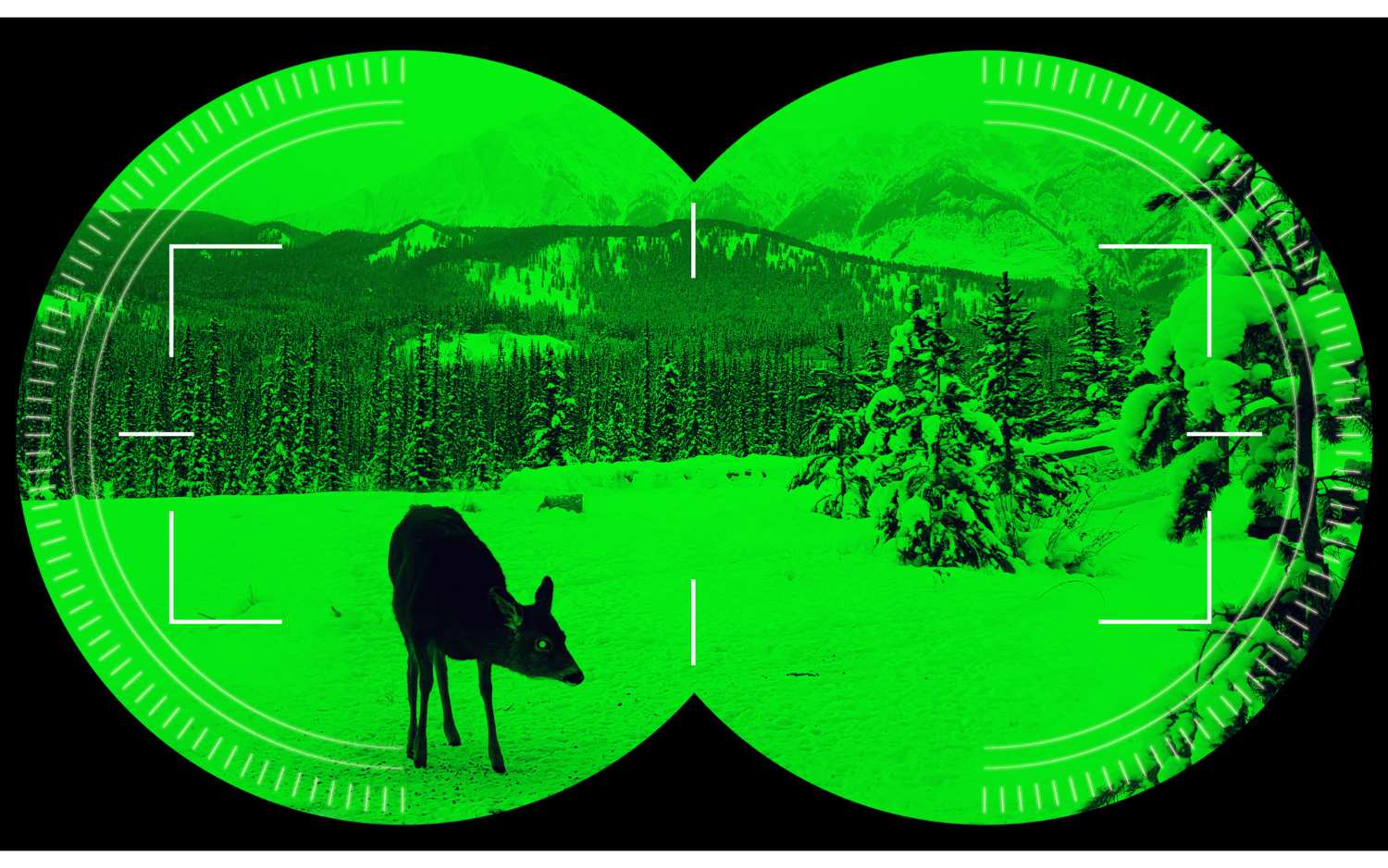
- Binoculars or Night Vision Goggles: Consider using binoculars or night vision devices for better visibility of distant landmarks.
Group Hiking Tips
It’s also a great idea not to travel alone! Especially at night. Your mates will always support you in times of need. At least you can hope so!
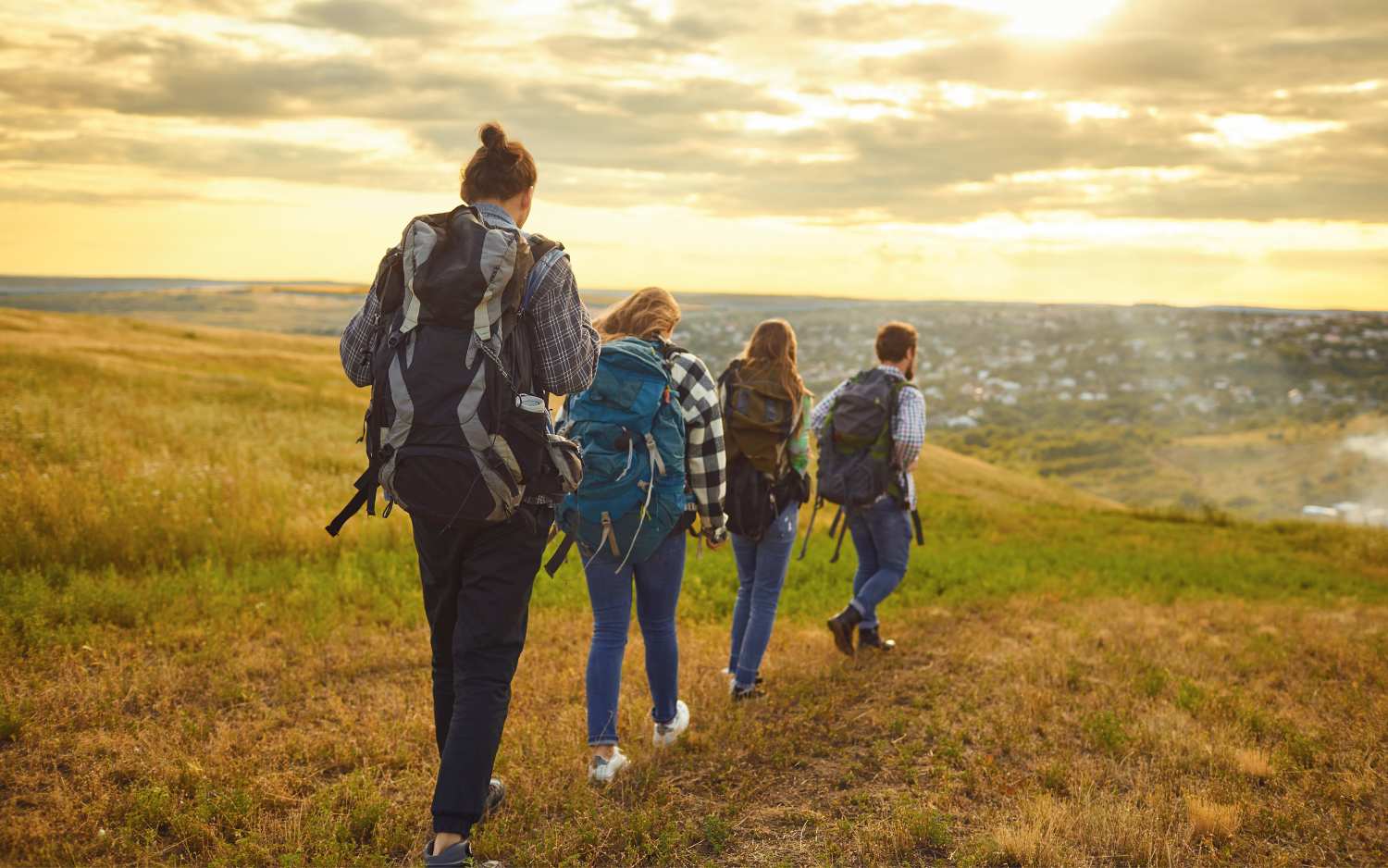
Communication and Signals
- Establish a Meeting Point: Before starting, agree on a meeting point in case someone gets separated.
- Use Clear Signals:
Visual Signals: Hand signals can convey messages like “stop,” “slow down,” or “all clear.”
Verbal Signals: Use specific words or phrases to communicate common needs (e.g., “water break,” “trail choice”).
- Regular Check-Ins: Schedule specific times to regroup or check in, especially on longer hikes.
- Emergency Signals: Agree on a loud whistle or a series of shouts to signal emergencies.
- Mobile Communication: Ensure everyone has a fully charged phone and knows how to use it for emergencies.
Assigning Roles
And if simple hiking isn’t enough for you and you want to cosplay SEAL team 6, then you can assign roles during the camping trip:
- Leader: Responsible for navigation, keeping the group on schedule, and making decisions. This person should be familiar with the trail.
- Navigator: Works closely with the leader, studying the map and ensuring the group stays on the correct path.
- Sweeper: This person stays at the back of the group to ensure no one gets left behind and to help anyone who may be struggling.
- First Aid Officer: Responsible for carrying a first aid kit and handling any medical emergencies.
- Water Manager: Keeps track of the group’s water supply and reminds everyone to stay hydrated.
- Trail Safety Officer: Monitors trail conditions and keeps an eye out for hazards like loose rocks or tricky terrain.
- Photographer/Memorabilia Keeper: Responsible for documenting the hike, capturing moments for the group to remember.
Conclusion
We’ve done our best to make sure you can navigate at night as well as a bat! Arm yourself with our guide and you’ll be able to conquer all the night spaces on your route.