

Sometimes, you just want to dive headfirst into the wild beauty of nature — not to survive, but to truly relax. Just you, a tent, some grilled meat, and endless open space. Not every trip has to be a battle through swamps, forests, and tundras with a backpack clenched in your teeth. Sometimes, you just want to chill!
Why You Should Try Solo Camping
And if the arguments above aren’t convincing enough, don’t worry — we’ve got more:
Inner Development and Overcoming Fears
Outdoor solo camping is the first step toward full-on wilderness survival, because when you’re alone in the wilderness, there’s no one else to rely on—just you, your instincts, and your preparation. This environment naturally pushes you outside your comfort zone, forcing you to confront fears you might normally avoid: fear of the dark, of wild animals, of being alone with your thoughts. But with every challenge you face and overcome, your confidence grows. Single person camping becomes a crash course in self-reliance, emotional resilience, and personal growth. You start to trust yourself more—not just in the forest, but in life.
Disconnecting from the Noise of the World: Digital Detox
In our hyperconnected age, notifications, messages, and screens dominate our attention. Camping alone offers a rare chance to fully unplug. With no signal bars and no Wi-Fi, you’re finally free to live in the moment. The silence isn’t empty—it’s full of the sounds we’ve forgotten to appreciate: rustling leaves, birdsong, the crackle of a campfire. This digital detox can lead to better sleep, lower stress, and a noticeable shift in mental clarity. You return from the woods not only refreshed, but more grounded, there are so many things to do while solo camping!
Nature as a Psychotherapist: An Experience Without People
Nature is not only the greatest artist, but also a brilliant therapist! Without social expectations or small talk, you’re free to reflect honestly on who you are and what matters to you. Many solo campers report unexpected emotional breakthroughs, deep realizations, or even just a calming sense of peace. Nature doesn’t judge or interrupt—it simply offers space to feel, think, and breathe. It’s a perfect way to take a break from the society that’s been driving you crazy — and come back refreshed! No questions — “where should I go camping”, choose a place, pack your gear, and hit the trail.
 How to Prepare for Camping Alone
Sure, camping isn’t exactly extreme or full-on wilderness survival — you won’t be shivering while trying to light a fire in howling wind, foraging desperately for food! So, what you need for solo camping?
Choosing a Location
How to camp safely? Start by choosing the location where you’ll spend your time! If it’s your first solo trip, consider well-marked trails, established campsites, or areas with nearby ranger stations. Research weather patterns, terrain type, water sources, wildlife presence, and any regulations or permits required. Check recent trail reports or forums for current conditions. When alone, familiarity with the environment is a powerful advantage—don’t underestimate it.
Emergency Preparedness
If you’re going camping alone, be sure to inform your family, friends, or close contacts so they know roughly where to find you—just in case! And don’t forget to bring along charged phone or, better yet, a satellite communicator or personal locator beacon (PLB) if you’ll be out of signal range. Don’t forget a first aid kit, a map, and the knowledge to navigate using both map and compass. Basically, that’s enough to avoid disappearing without a trace if things go south!
Pre-Hiking Training
If you haven’t done it yet, get your butt off the couch right now and start walking more, doing push-ups, dips, and pull-ups. Seriously, even if camping isn’t in your plans, take care of yourself.
 Must-Have Equipment for a Solo Hiker
Here’s a solo camping checklist — streamlined and practical:
A Reliable Knife or Multitool
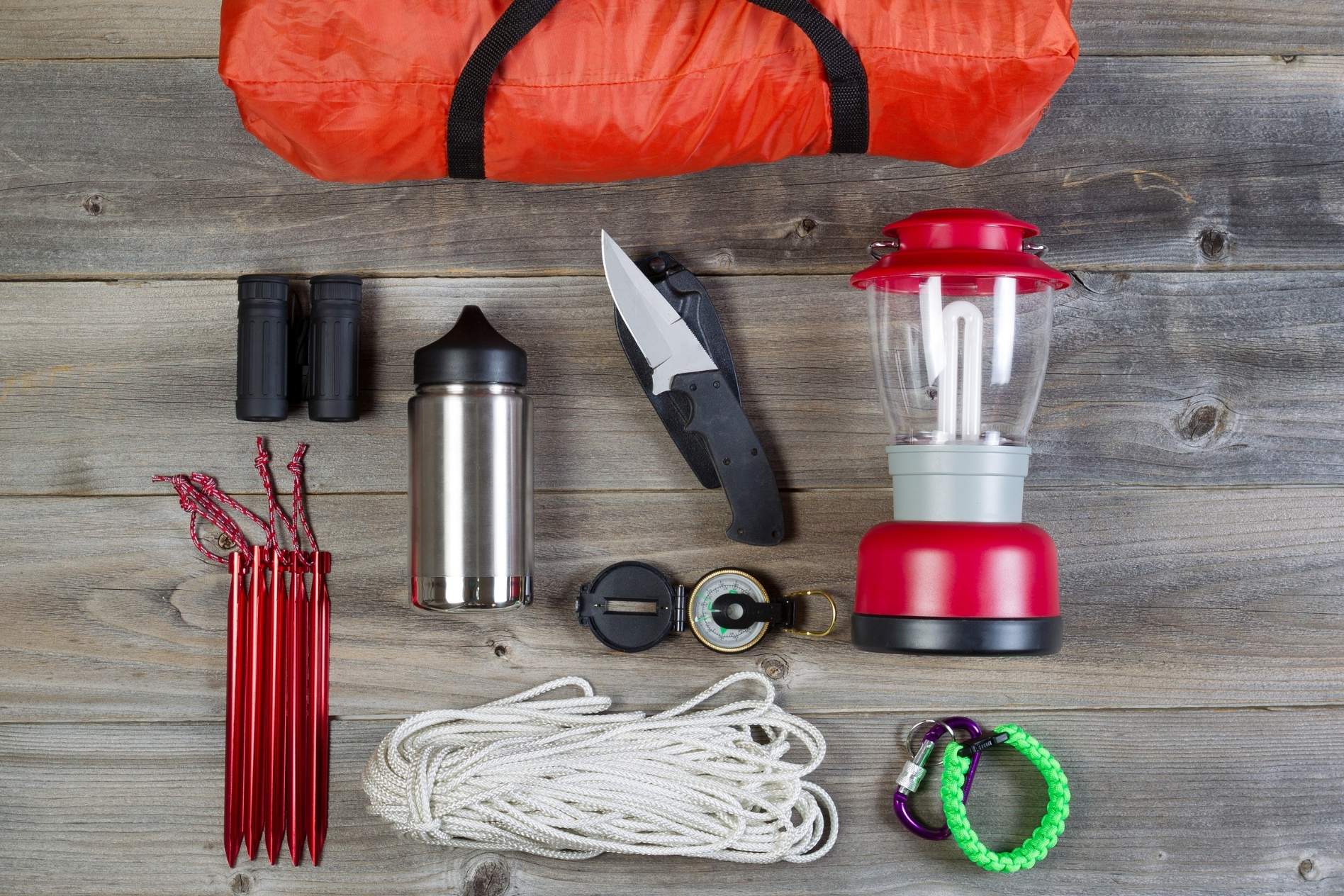
In any outdoor adventure, especially in the wild, a knife is essential! It should be a full tang blade made from high-quality stainless or tool steel (preferably 440C, AUS-8, VG-10, or best of all, D2) with a handle made of Micarta or G-10. You are very lucky, because we have such a knife – [BETA]. Such a knife will let you cut ropes, prepare food, trim branches for the fire, handle camp chores — making it the best choice!
 A Light Source
The night is dark and full of terrors when you don’t have a light source. So be sure to bring a reliable flashlight with plenty of batteries, headlamps are good too! Also compact LED flashlights or lanterns provide powerful and wide-area illumination. Always carry spare batteries or a backup light to stay prepared!
A First Aid Kit Tailored to Your Personal Needs
Even during a seemingly harmless camping trip, you can get injured, hurt yourself, scratch up, or face other unpleasant mishaps — so you should always carry a first aid kit with you! It should include:
- Adhesive bandages in multiple sizes
- Antiseptic wipes and antibiotic ointment
- Gauze pads and medical tape
- Tweezers and small scissors
- Elastic bandage (for sprains or support)
- Painkillers (like ibuprofen or acetaminophen)
A Comfortable Tent and Sleeping Bag for the Season
Your tent and sleeping bag are more than just gear—they’re your shelter, your warmth, and your sense of security when you’re out there alone. Choosing the right setup based on the season and expected conditions can make the difference between a restful night and a miserable one.
Tent:
Go for a tent that balances weight, weather protection, and ease of setup. For solo camping, a lightweight 1-person or 2-person tent is ideal—compact enough to carry easily, but roomy enough for gear and movement. Make sure it’s:
- Waterproof (with a full rainfly and sealed seams)
- Well-ventilated to reduce condensation
- Quick to pitch and break down, especially if you’ll be moving camps frequently
Sleeping Bag:
Choose your sleeping bag based on temperature ratings, not just comfort. Check the comfort rating (not just the survival limit) and make sure it matches the lowest nighttime temps expected during your trip.
- Down bags are lightweight and packable but lose insulation when wet unless treated.
- Synthetic bags are heavier but retain warmth even when damp.
And don’t forget a stuff sack or compression bag to reduce pack size, and a liner if you want to keep your bag cleaner and add a few degrees of warmth.
 Navigation Tools
If you’ve decided to play hermit for the weekend and venture far from civilization, you might get lost. To avoid a search party with dogs and helicopters, be sure to bring navigation tools with you!
Must-haves include:
- A topographic map of the area (laminated or in a waterproof case)
- A reliable compass—and the skills to use it
- A GPS device or GPS-enabled smartphone (with offline maps downloaded in advance)
- A backup battery or power bank, especially for digital tools
If you’re venturing into remote or unfamiliar terrain, consider carrying a personal locator beacon (PLB) or satellite communicator. These can send emergency signals or GPS locations even where there’s no cell service—potentially life-saving if something goes wrong. Most importantly, practice before your trip! Know how to read your map, follow bearings, and estimate distances. Navigation is part skill, part mindset—and in solo camping, it’s peace of mind.
A Water Source
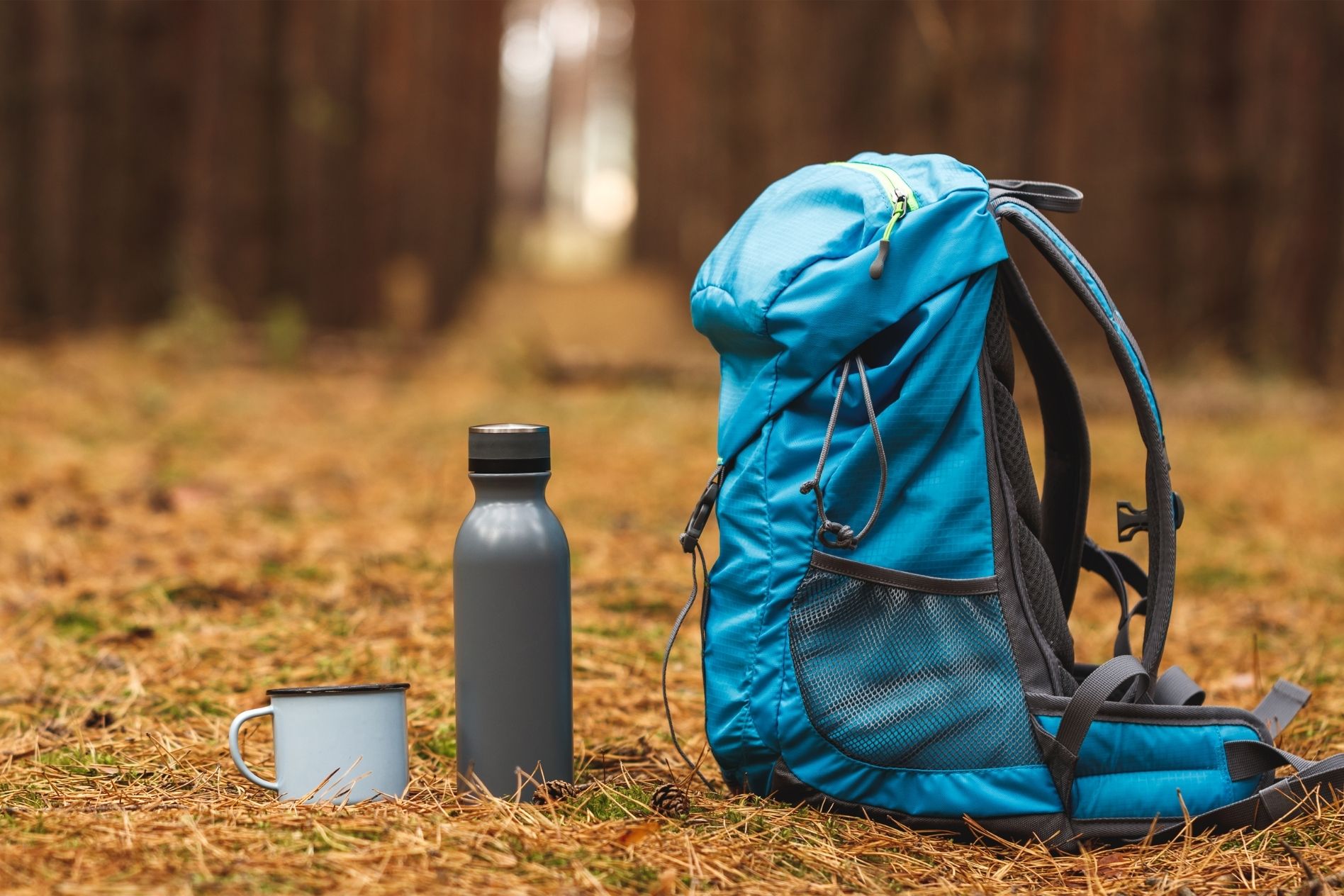
You can survive 3–4 weeks without food, but without water, you’ll be dead in 3–4 days! That’s why it’s crucial to bring plenty of water — about 10 liters — and set up your camp near a fresh water source. Learn to identify natural water sources like streams, lakes, or springs along your route and near your campsite. Keep in mind:
- Fast-moving water is usually safer than stagnant pools
- Upstream is better than downstream (fewer contaminants)
- In dry seasons, some streams may be unreliable—check recent trip reports or ask locals
Always treat water before drinking. Your options include:
- Water filters (pump, squeeze, or gravity systems)
- UV purifiers (like SteriPen)
As a solo camper, your hydration plan is your survival plan! This is how to solo camp.
 Conclusion
Follow these simple tips, and your camping trip will go smoothly and be a real joy. You’ll even come back in one piece, not in bits and pieces! These tried-and-true tips for camping solo are based on real experiences and common mistakes. Before your little adventure, be sure to visit our online store — you’ll find everything you need for camping, especially a quality knife! See you next time.