

Ever felt the urge to descend into the forests? Leave it all behind? Leave the ways of Twitter and Facebook? This wanderlust is what powers one of the greatest outdoor movements — the art of bushcraft.
What is the history behind the bushcraft?
Exact origins of the term «bushcraft» is up for debate. Some argue it has no single origin, while others explore the possibility of this term coming from Australian military survivalists of the mid 1800’ies, which would explain why Australians refer to the country as «The Bush».
Bushcraft has no single creator. There are numerous early pioneers, who tried to excel at their own idea of bushcraft survival. Each of them wrote books on the subject and established their own schools of bushcraft:
- Alfred Arthur Greenwood Hales, an Australian war journalist and profound adventurer of his own, fought in the Ilinden-Preobrazhenie Uprising in Bulgaria, took part as war journalist in the Japanese-Russian war. He draws heavily from his past adventuring experience in his books, notably “My Life of Adventure”.

Photo from halloffame.melbournepressclub.com
- Mors Kochanski. Canadian bushcraft and survival specialist, who took his sweet time to educate military personnel in Canada, US, UK and Sweden on how to survive the harsh wilderness alone. He covered most of the bushcraft topics in his books.
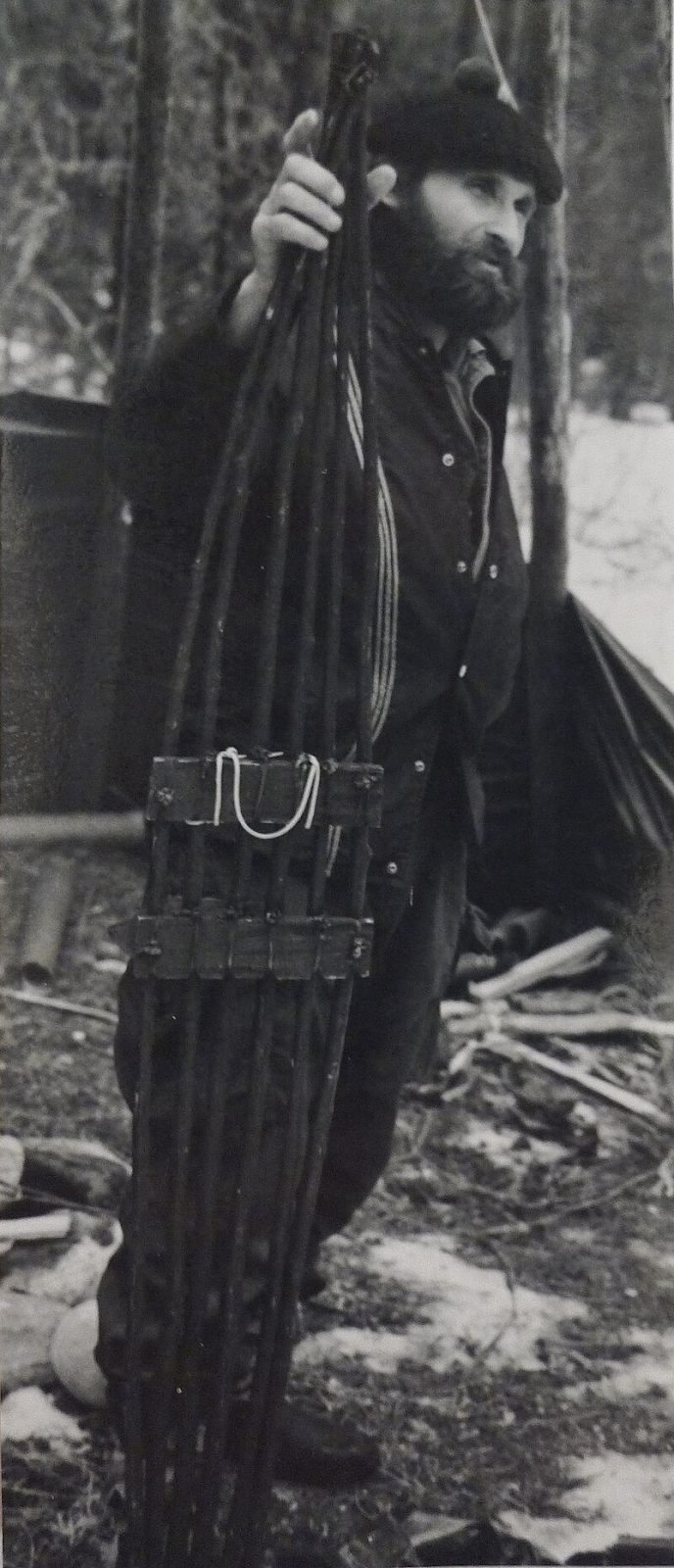
Photo from wikidata.org
- Horace Kephart. The Yale librarian who helped to build the Appalachian Trail and shaped the modern Smoky Mountain national park. He practiced what is known as “long term bushcraft”, living through seasons for 3 years consequently. His books are profoundread for those who want to educate themselves on long-term wilderness survival. But keep in mind that most of the topics are relevant for the northern, mountain climate.
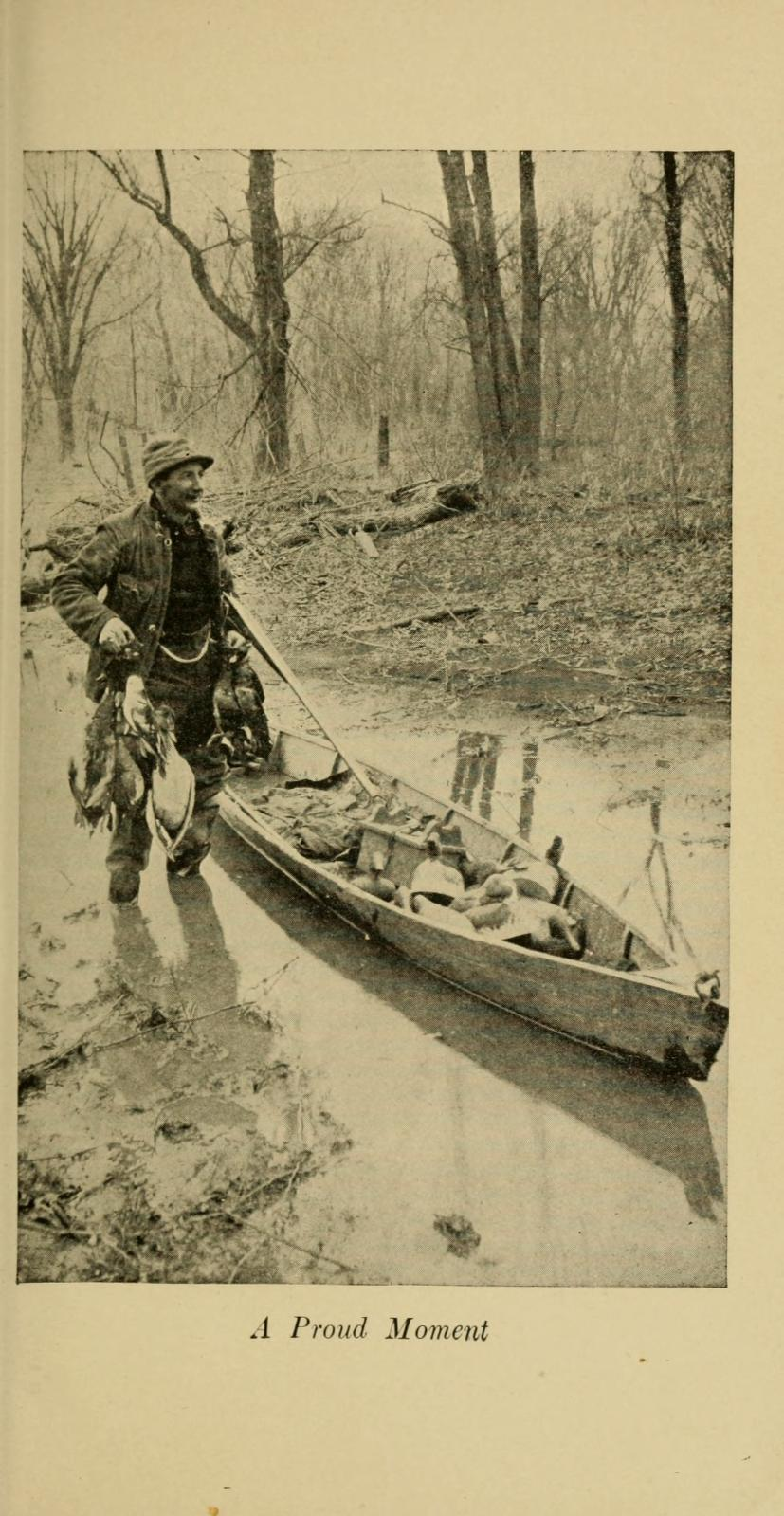
Photo from wikimedia.org
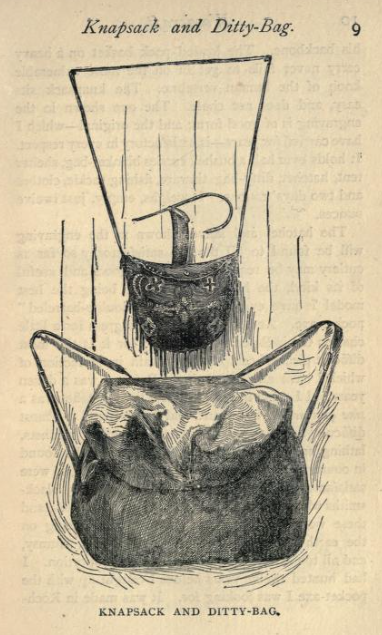
- George Washington Sears, known best by his pen-name “Nessmuk”, “Forest and Stream” corresponded and was a man who popularized the idea of protecting nature in the late 1800’ies during the industrialization. He is known for pioneering the idea of solo-canoe travels down the creek with little to no equipment, now known as «ultralight backpacking». He is also known for “Nessmuk’s Trio of Tools” — a set of tools best suited for the long-term and ultra-light bushcraft. His notable feats include solo-traveling through 428 km of Adirondack lake systems with fragile health and his trusty 5kg canoe called Sairy Gamp.
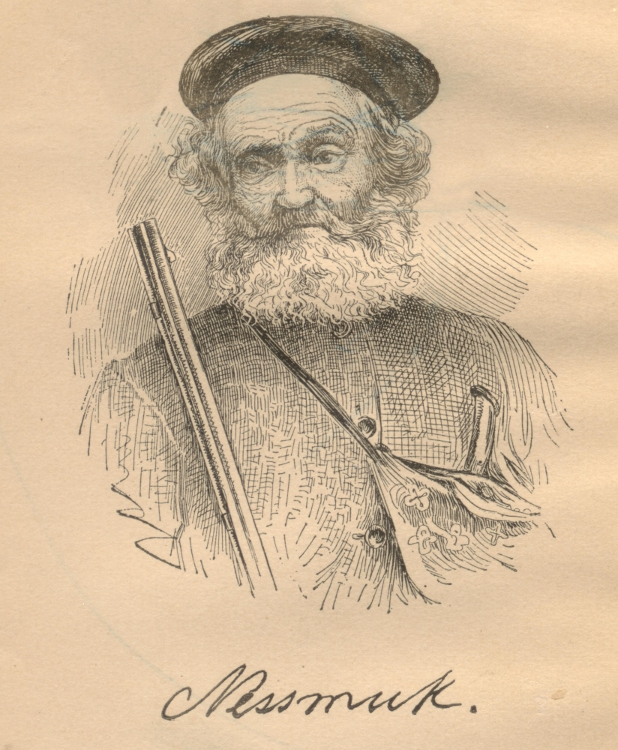
Photo from wikipedia.org
- Susanna Moodie. This English-born Canadian woman wrote everything you need to know about settlers’ experience in early Canada. Her writings reveal the backwood life in Ontario, along with native customs, descriptive notes on climate and wildlife.
Any of the books written by these pioneers are a good place to start your education on the practical side of bushcraft. Additionally, these books are good reads for those fond of adventure and exploration:
- “Campaign Pictures of the War in South Africa” (1899–1900) by A. G. Hales;
- “Our Southern Highlanders and Camping and Woodcraft” by Horace Kephart;
- “Woodcraft and Camping” and “Woodcraft” by George Washington Sears;
- “Roughing it in the Bush and Life in the Backwoods” by Susanna Moodie;
Most of the bushcraft books are considered public domain, and each of the links will take you to the corresponding Internet Archive page. Plot twist — in 2007’ies Microsoft actually sponsored digitalization of certain bushcraft and survival books.
What is the idea behind the bushcraft?
Bushcraft is when you decide you have had enough of this life, pack your backpack and live in the forests for 1 to 6 months. Your goal — to thrive in the wilderness without the civilization having your back at all times.
The Wanderlust — with capital «W». Horace Kephart — one of the North American bushcraft founding fathers — went to the wilderness after a prolonged period of depression, trying to find a better place for himself. Clearly, bushcraft is the art of testing your own willpower against nature, conditioning yourself to weather both hot and cold.
- Bushcraft isn’t easy, take a friend with you. Most of the bushcraft survival strategies rely on group action, rather than going fully solo. You can try doing so, however, be warned — it ain’t an easy task.
- During bushcraft trips your goal is to survive with a trio of tools through 4 seasons. Some take this lighter, and try to go for spring, summer, autumn or winter runs alone.
- Bushcraft isn’t for those weak of will. Take this as a warning against doing something harmful — there will be no first aid, hospitals, wi-fi, human contact or anything remotely convenient. You will be 1 to 1 against nature.
Bushcraft is not a field trip over the road. There is some serious preparation to be done, for example — land and road scouting, mapping and being able to orient by compass are essential skills during such trips. You are going to leave civilization for more than a month — and live off the wilderness.
Requirements for bushcraft tools differ from simple field trips too. Each of the tools taken with you during a bushcraft trip should excel at 3 things: durability, function and ergonomics. When picking a knife, think of actively using it for a prolonged period of time, such as 3 to 6 weeks. Think “moderate abuse”, “field sharpening”, “chipping resistance”.
6 essential bushcraft skills to thrive and survive in the wilderness
Foraging, one of the essential basics to take care of hunger and find crafting materials. To excel at bushcraft, you are going to master the basic knowledge of edible plants and fungi in the area you are going to visit. A good strategy would be to memorize at least 4 to 5 edibles per season, both fungi and plants. Best advice is to read about how to distinguish edible fungi from non-edible. You also will benefit heavily from knowledge of medical herbs, for starters — tea made from pine needles is rich in vitamin C.
Hunting — big game, small game, medium game, trapping, spear throwing, bow crafting and bowmanship. You can rely on foraging alone, but having means to hunt wildlife is an essential part of the survival strategy during bushcraft trips. Practicing these skills will help you to improve chances of survival. Most of the bushcraft survival strategies rely on small to medium game, such as ducks, rabbits, squirrels, deer or wild boar.
Fishing. Should be self-explanatory — creek is the essential part of the bushcraft camp, it should be near or go through the camp. During warmer seasons, fishing alone can provide you with most of the nutrition.
Firecraft — to succeed, you should be able to start a fire with and without matches. Hone such skills as firewood, kindling and timber preparation. Ferro Rods is a choice of a wise man for this task. You also need to learn how to make kindling out of wood, how to prepare a fire-nest and how to cook with open fire.
Finding and purifying water. Drinkable water is what you’re going to crave the first time during a trip. There’s a whole science behind finding water in the wilderness. The obvious way is to find a creek and boil water at the campfire, but you can also collect rainwater and harness transpiration of the water from roots to the leaves. Remember — Boil First, Drink Second.
Building a shelter. “Dugout”, “teepee”, “igloo”, “cave”, or “simple wooden shack” are blueprints you should know. Keep in mind that bushcraft is about living in the wilderness for a long period of time, thus a simple tent with sleeping bag won’t do. Your living quarters should account for wind, rain and serve as a place to shelter your equipment from seasons.
First aid and Navigation. Be sure you know how to treat small and medium wounds on your own. Early Pioneers like Horace Kephart knew how to sew their own wounds if needed, set bones and prevent loss of blood. Navigation is self-explanatory — you must know how to read wilderness maps, be able to draw them on your own and acknowledge yourself to compass.
Farming. Not so essential, but being able to grow crops on yourself is the finish line of the bushcraft run. Once you are self-sustained — you won the game and may return back to civilization, knowing you are capable of surviving anywhere, anyhow.
Stay Sharp.