
Finally, someone’s decided to ditch the couch and head out into the wild! How exciting. And judging by the size of that massive duffel bag on your back, you’re ready for anything… or are you?
Importance of selecting the right tools to enhance your camping experience
When preparing for a camping trip, it’s essential to think about comfort and pack a few key items from a camping gear shop, that will make life easier. Whether it’s grilling the perfect kebab, avoiding getting lost, or ensuring you make it back home in one piece, having the right tools can make all the difference. Let’s dive into that!
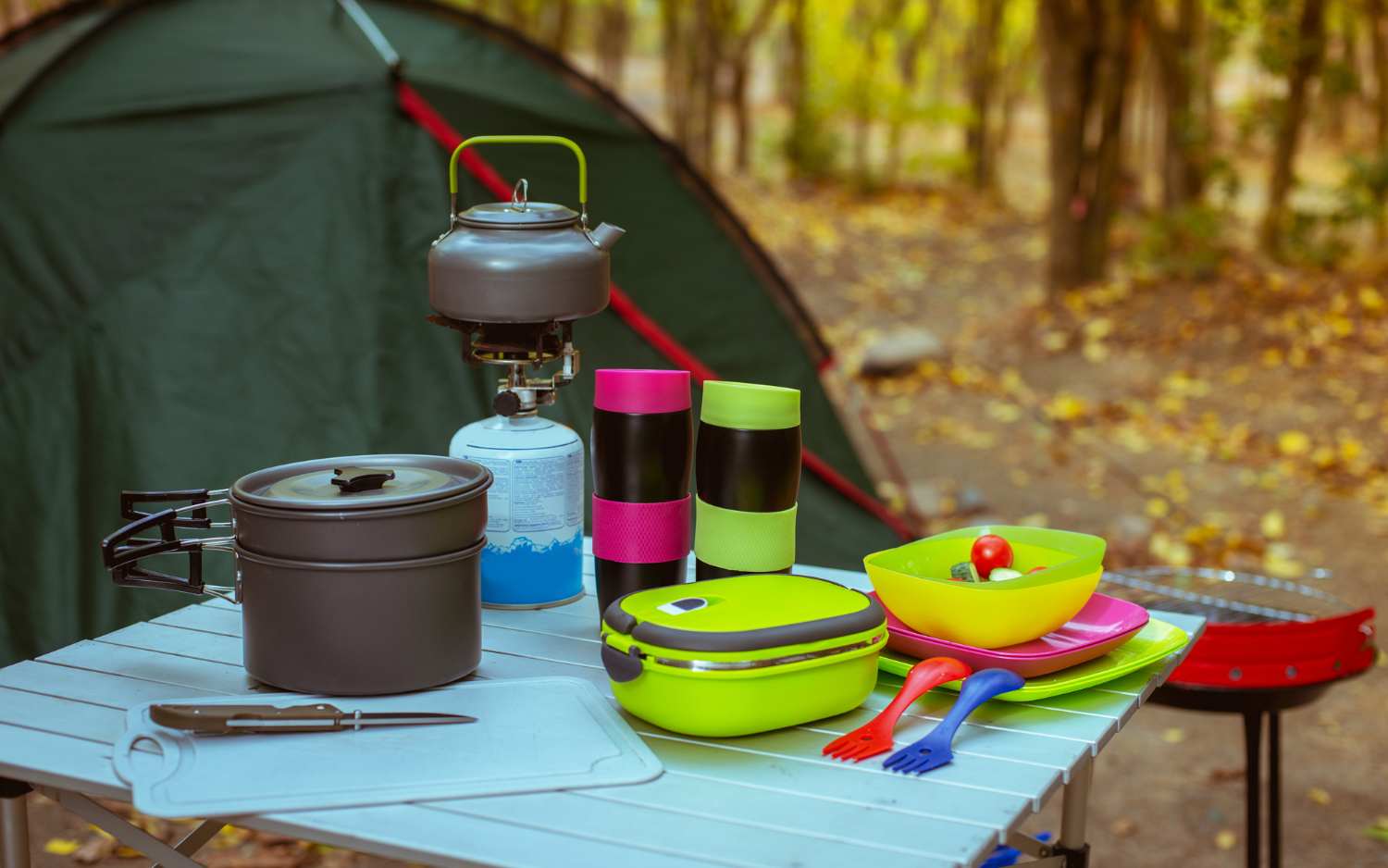
Cooking and Food Preparation Tools
1. Camp Stove / Portable Grill
Your camp gear checklist should start with a reliable camp stove! It is one of the most important tools you’ll need for cooking. There are a variety of options depending on your needs:
- Single-burner stoves: Compact and lightweight, great for solo campers or couples.
- Multi-burner stoves: Ideal for larger groups or when you want to cook multiple dishes at once.
- Portable grills: If you’re a fan of grilling, some portable grills can be set up over a campfire or used with propane.
- Make sure to bring enough fuel for the trip—whether that’s propane, butane, or white gas. Always check whether you need adapters for the fuel canisters.
2. Cookware Set
A good cookware set helps you make everything from boiling water to frying eggs. Key items to include:
- Pots & Pans: A lightweight, durable pot for boiling water or making soups, and a frying pan for cooking meats and veggies.
- Kettle: A small kettle can be great for boiling water for tea, coffee, or meals that need hot water.
- Collapsible Cookware: If you’re tight on space, collapsible bowls, pots, and cups save a lot of room in your pack.
Material matters, too. Titanium is light and strong but can be pricier. Aluminum is a great option for the budget-conscious, and stainless steel is durable but heavier.
3. Utensils and Cutting Tools
A good set of utensils and cutting tools are essential for meal prep:
- Multi-tool/Knife: A good camping knife is essential for cutting veggies, meat, and even packaging. A multi-tool is also great for making small repairs.
- Cutting Board: A lightweight, foldable cutting board helps when prepping food.
- Utensils: Depending on your meals, you may want spatulas, tongs, and serving spoons. Consider utensils made from wood or silicone so they don’t scratch your cookware.
- Can Opener: If you’re bringing canned food, don’t forget a sturdy can opener.
4. Food Storage
Proper food storage is essential for keeping things fresh and avoiding waste:
- Cooler: For keeping perishables cold, a good cooler is key. There are some high-quality coolers that hold ice for days.
- Food Storage Bags/Containers: Reusable ziplock bags or airtight containers will help keep snacks and dry ingredients organized.
- Bear-Proof Containers (if applicable): If you’re camping in bear country, you’ll want a bear-resistant food storage container to keep your food safe and animals away.
5. Grinders, Mills, and Spice Containers
- Coffee Grinder/Spice Grinder: If you’re planning on bringing whole beans or spices, a small manual grinder saves space and makes for fresher flavors.
- Spice Kit: A small kit with a variety of spices (salt, pepper, garlic powder, chili flakes) can add flavor to your meals. Consider bringing some pre-made seasoning mixes as well.
6. Cooking Accessories
- Aluminum Foil: This is a camping essential because it’s great for cooking over a fire, wrapping food, and even making a makeshift pot or tray.
- Tinfoil Dishes: Use tinfoil or disposable grilling trays for easy clean-up after meals.
- Grilling Tools: If you’re grilling over an open flame, tools like a grill brush, spatula, or long-handled tongs are necessary.
- Small Camp Oven: For longer stays, some campers bring small, portable camp ovens (either powered by propane or charcoal) that allow you to bake bread, pizza, or other comfort foods.
7. Cleaning Tools
After the meal is over, you’ll need to clean up:
- Biodegradable Soap: It’s essential to use eco-friendly soap that won’t harm the environment.
- Scrubbers & Sponges: A small sponge and brush can help get rid of stuck-on food.
- Dish Towels: For drying dishes or cleaning up spills.
- Trash Bags: Always bring trash bags, and practice Leave No Trace by packing out everything, including food scraps.
8. Portable Coffee/Tea Makers
For many campers, a morning cup of coffee or tea is non-negotiable:
- French Press: Lightweight and simple, a portable French press can brew a strong cup of coffee.
- Percolator: For larger groups, a campfire-safe percolator can brew coffee for several people.
- Tea Infuser or Steeper: If you’re a tea drinker, a portable tea infuser is small but effective.
Shelter and Comfort Tools
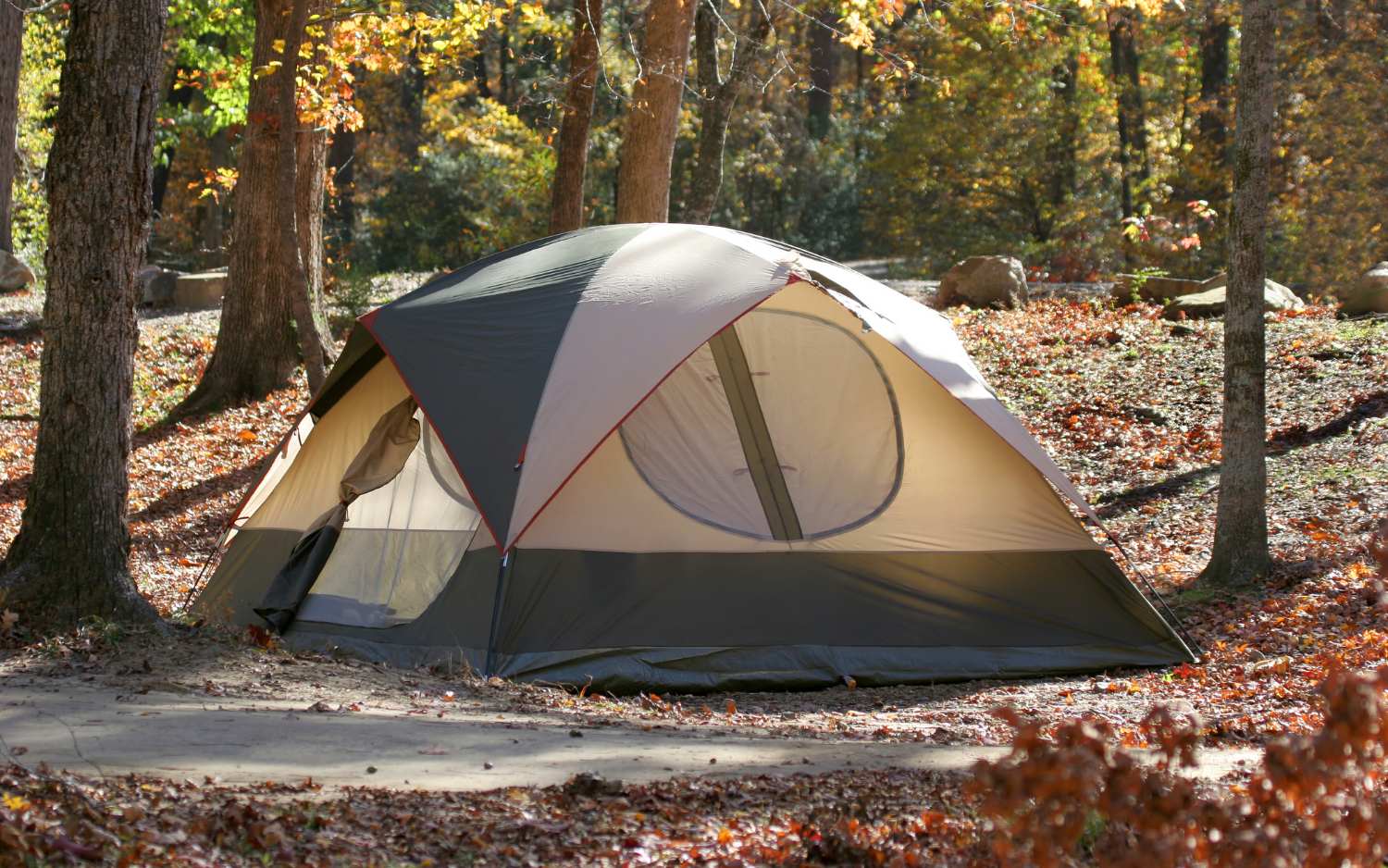
Second in your list for camping gear should be qualitative shelter and comfort tools, because when it comes to camping, comfort and shelter are crucial for enjoying the outdoors and staying safe. Here are some essential tools and items that can enhance your camping experience:
Shelter Tools
Tent:
- 3-season tents are ideal for spring, summer, and fall, providing protection from rain and wind.
- 4-season tents are sturdier and can handle heavier snow and stronger winds, perfect for winter camping.
- Consider weight, size, and ease of setup depending on your camping style (backpacking or car camping).
Tarps:
- A ground tarp underneath your tent helps protect it from wear and moisture.
- Rain tarps or canopy tarps provide overhead protection from rain or sun.
Bivy Sack:
- If you prefer minimalist camping or backpacking, a bivy sack is a great option. It’s essentially a waterproof cover that provides shelter and warmth for your sleeping bag.
Hammock with Rainfly:
- For lightweight campers, a hammock with an attached rainfly provides a compact and comfortable shelter for sleeping.
Emergency Shelter:
- A space blanket or emergency bivvy is lightweight and compact, offering an extra layer of warmth and protection in case you get stuck or lost.
Comfort Tools
Sleeping Bag:
- Choose one based on the temperature rating for the season and your personal comfort.
- Consider down (lighter, more compact) or synthetic (warmer when wet) options.
Sleeping Pad:
- An inflatable or foam pad adds insulation and comfort to your sleep setup. A self-inflating pad combines convenience and comfort.
Pillow:
- A lightweight, inflatable camping pillow can make a huge difference in comfort when you’re resting at night. You could also bring a small stuff sack and fill it with clothes as a DIY pillow.
Camp Chair:
- For relaxation around the campfire, a compact folding chair or portable camp stool will be a nice addition to your gear list for camping, which can really improve your comfort, especially after a long day of hiking.
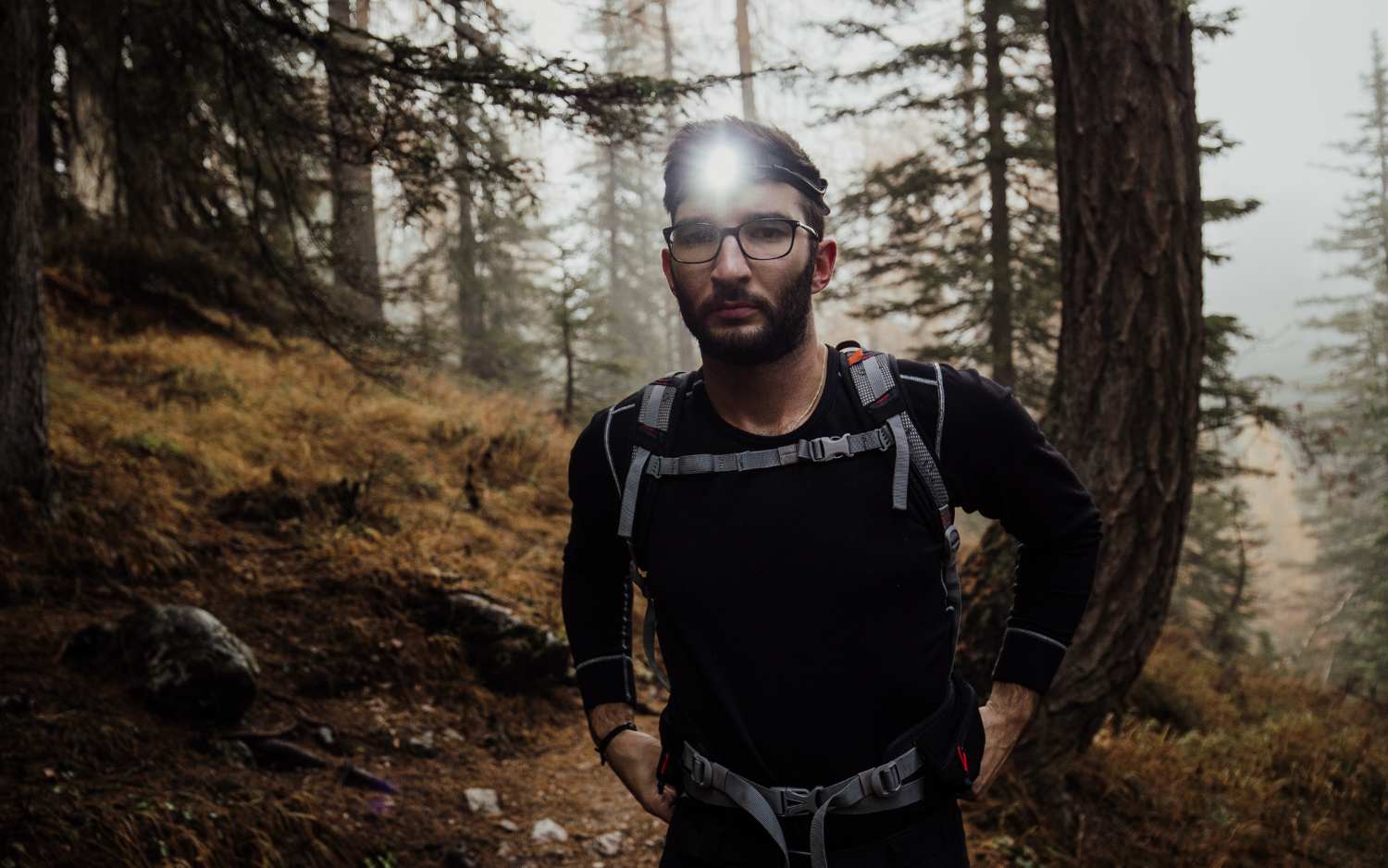
Light Source (Headlamp or Lantern):
- A headlamp gives you hands-free illumination while setting up or moving around at night. A camp lantern can light up your campsite and provide some extra ambiance.
Clothing Layers:
- Moisture-wicking base layers, insulating layers, and waterproof outer layers will help you stay warm, dry, and comfortable no matter the weather conditions.
Camp Blanket or Throw:
A soft, insulated blanket for lounging around the campsite adds that extra touch of comfort and warmth.
Camp Shower or Wipes:
- If you’re camping for extended periods, a portable camp shower or wet wipes will help you feel refreshed, especially in the absence of traditional bathroom facilities.
Extras for Comfort
- Bug Repellent: Mosquitoes and other insects can ruin a camping trip. A good quality bug repellent or a mosquito net can make all the difference, especially in warmer months.
- Camp Tarp or Footprint: Useful for keeping your tent clean and dry and providing a nice area for sitting or cooking.
- Water Filtration System: Bring a water filter or purification tablets to ensure you have access to clean drinking water.
Safety and Navigation Tools
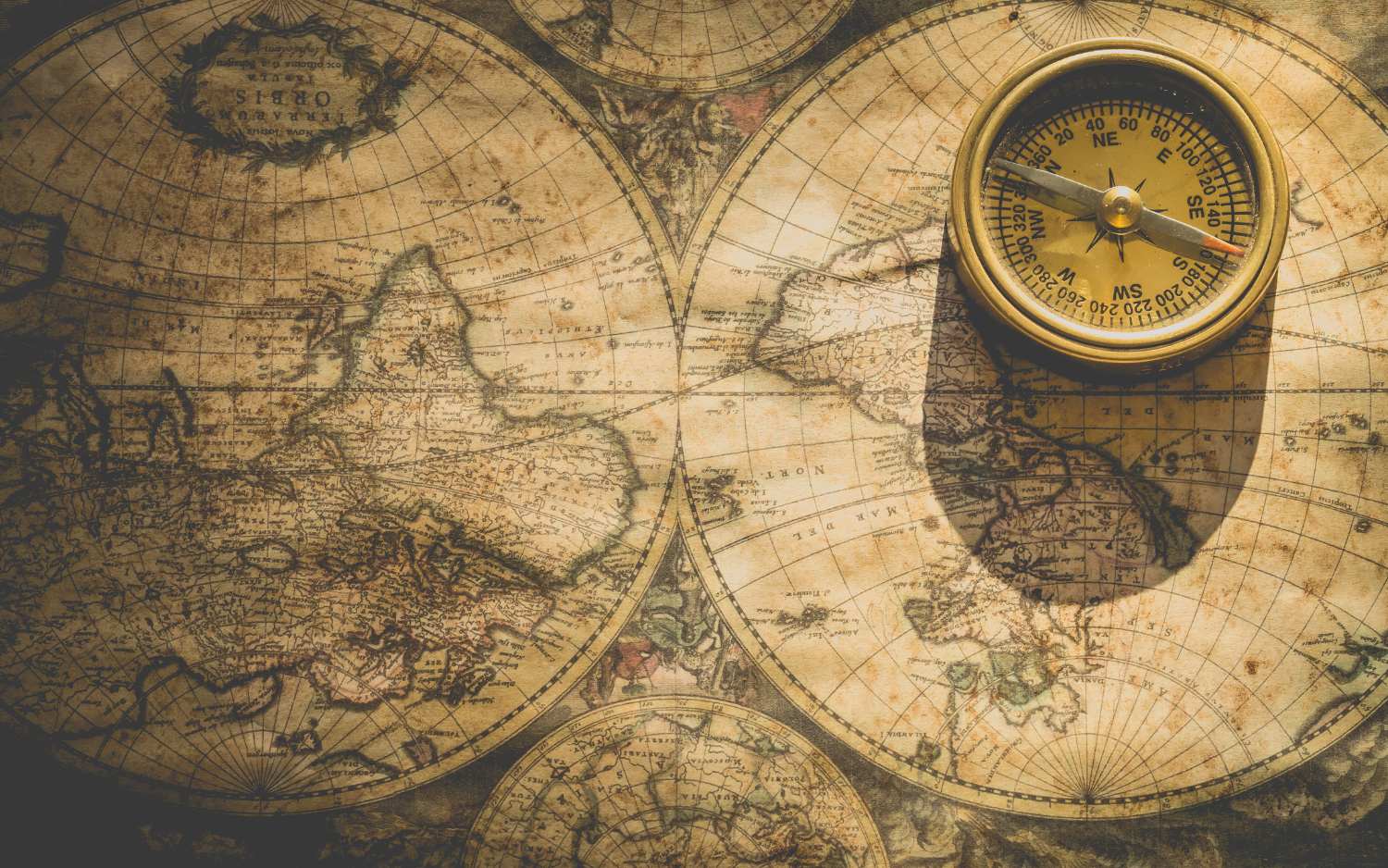
Map and Compass:
- Topographic maps of the area you’re camping in are essential, especially if you’re in a remote location where GPS may fail or if batteries die. Pair this with a compass for old-school navigation.
- Digital Compass/Smartphone App: If you have a smartphone with offline maps or navigation apps like Gaia GPS or AllTrails, make sure you download maps in advance and use a battery pack to keep your phone charged.
GPS Device:
- A handheld GPS unit (such as from Garmin) is great for pinpointing your location when in the wilderness. These devices often come with features like tracking, waypoint marking, and offline maps, which are useful when you need to stay oriented.
Smartphone with Offline Maps:
- Apps like Google Maps or Maps.me allow you to download offline maps, which can be a lifesaver in areas with poor cell reception. Make sure to bring a power bank to keep your phone charged, especially if you rely on it for navigation.
Satellite Messenger / GPS Tracker:
- If you’re venturing into a remote area, a satellite messenger (like the Garmin inReach or Spot Gen3) allows you to send text messages and your GPS coordinates even when you’re out of cell range. It can also send emergency SOS signals to search and rescue.
Altimeter Watch:
- Altimeter watches (such as the Suunto or Casio Pro Trek) measure elevation and help you gauge your location when hiking in mountainous terrain. Some even have built-in barometers to predict weather changes.
Trail Markers and Flagging Tape:
- If you’re in an unfamiliar area or tackling a long trail, marking your route with flagging tape (or colored ribbon) can help you find your way back if needed. Some people also use biodegradable trail markers for this purpose.
Safety Tools
- First Aid Kit: A well-stocked first aid kit is a must. Be sure it includes basics like bandages, antiseptic wipes, gauze, pain relievers, and blister treatment. If you’re heading into more remote areas, add specialized items like splints, tweezers (for ticks), and a snake bite kit (if relevant to your location).
- Fire Starting Kit: Having fire-starting tools is a safety priority in case you need warmth or need to signal for help. Bring waterproof matches, a fire starter kit, or a flint striker. It’s also good to have kindling (like fire starters or cotton balls soaked in petroleum jelly) for easier fire starting.
- Multi-tool or Knife: A good quality multi-tool or fixed-blade knife can help with everything from prepping food to handling emergency situations. Models like the Leatherman or Swiss Army Knife offer a variety of tools, including pliers, screwdrivers, scissors, and a blade.
- Whistle: A loud whistle can help you signal for help if you’re lost or need to attract attention. You can also use it to call out to others in your group or to get their attention during an emergency.
- Emergency Signal Mirror: A signal mirror can be used to reflect sunlight and alert search-and-rescue teams or other campers from miles away. It’s an essential item if you’re in an area where help is far away.
- Personal Locator Beacon (PLB): A PLB is a more advanced safety device that works via satellite to send distress signals to search and rescue teams. This is typically used by those in very remote areas where phone service or even a GPS signal might not reach.
- Bear Spray or Animal Deterrents: If you’re camping in bear country (or areas with dangerous wildlife), bear spray or other deterrents are a must. Make sure you know how to use it properly and store it in an accessible place.
- Reflective Gear or Vest: If you’re hiking or moving through the wilderness in low-light conditions (e.g., early morning or dusk), wearing reflective gear or a vest helps make you visible to others, including hunters or other hikers.
Lighting and Utility Tools
When night falls and the forest starts making some seriously eerie sounds, you’ll definitely want to turn on a flashlight—or better yet, two!
Lighting Tools
Headlamp:
- Hands-free lighting is a game-changer around the campsite. A headlamp lets you move around and perform tasks like setting up camp, cooking, or reading without needing to hold a flashlight.
- Look for one with adjustable brightness settings, a red light option (to preserve night vision), and long battery life. Petzl and Black Diamond make some of the best.
Lantern:
- Camping lanterns provide ambient light for your entire campsite. There are both battery-powered and gas-powered lanterns available, but LED lanterns are the most common nowadays for their durability and efficiency.
- Some models are USB rechargeable, which is a convenient option if you have access to a power source or portable charger. Goal Zero and Coleman offer solid options.
- Solar-powered lanterns are great for longer trips and can be recharged during the day.
Flashlight:
- A compact flashlight is a classic lighting tool that should always be in your pack. It’s especially useful when you need a focused beam of light.
- Rechargeable models like the Fenix PD35 or Anker Bolder are bright, long-lasting, and small enough to carry without weighing you down.
- Ensure you have extra batteries or a portable power bank to keep it running throughout your trip.
String Lights:
- For a cozy touch, bring battery-operated or USB string lights. These are great for adding ambiance to your campsite and can even be used to illuminate tents and tarps for safety. Fairy lights or solar-powered string lights work well if you’re looking to add a bit of charm and functionality.
Glow Sticks:
- Glow sticks are a great lightweight option for lighting up your tent or campsite when you don’t need a focused beam. They’re inexpensive, come in a variety of colors, and are a good emergency option since they don’t require batteries.
Utility Tools
Multi-tool or Pocket Knife:
- A multi-tool like the Leatherman Wave or Victorinox Swiss Army Knife is a must-have for just about any camping trip. It combines pliers, scissors, knives, screwdrivers, and more into one compact tool.
- A fixed-blade knife can also be useful for more demanding tasks like cutting through tough rope, skinning animals, or preparing firewood.
Portable Power Bank / Solar Charger:
- A power bank is a must-have for keeping your electronics (phone, GPS, camera) charged. If you’re planning a longer trip, a solar-powered charger like those from Goal Zero or Anker can help keep your devices powered up by harnessing the sun’s energy.
- Some solar chargers also double as lanterns or lights, providing both utility and illumination.
Rope / Paracord:
- Having some paracord or nylon rope is incredibly useful around camp. Use it for setting up tarps, hanging food out of reach from wildlife, securing tents, or even emergency situations.
- A paracord bracelet is a convenient and portable way to keep some on hand at all times.
Duct Tape:
- A small roll of duct tape can save your trip. It’s perfect for patching holes in tents, repairing gear, or even fixing a broken shoe or pack strap. If you want to save space, wrap some tape around a pen or pencil.
Collapsible Water Container:
- Having access to water is essential for any camping trip. A collapsible water container (like the MSR Dromedary Bag) or water bladder is a convenient way to carry water when you’re on the go and saves space when not in use.
- Consider bringing a water filter or purification tablets for refilling water in areas where sources may be questionable.
Campfire Tools:
- If you plan on building a fire, having a fire starter kit (such as magnesium fire starter, fire steel, or flint striker) can help you get the flames going even in damp conditions.
- A campfire poker or shovel can help maintain your fire and move logs around for optimal burning. Also, a folding camp grill can double as a cooking surface over the fire.
Tarp or Groundsheet:
- Tarps are super versatile tools. You can use them for additional shelter, a cooking area, or as a groundsheet under your tent to keep moisture and dirt away. Consider getting a lightweight, compact tarp or a polyethylene groundsheet for quick protection from rain.
Portable Camp Sink or Washing Station:
- Keeping clean is important when camping. A collapsible camp sink or washing station can make cleaning dishes, hands, or other items much easier. These are typically lightweight and portable, folding flat when not in use.
Camp Shower:
If you’ll be camping for an extended period, consider bringing a solar-powered camp shower. You fill it up with water, and the sun heats it for a comfortable shower at your campsite.
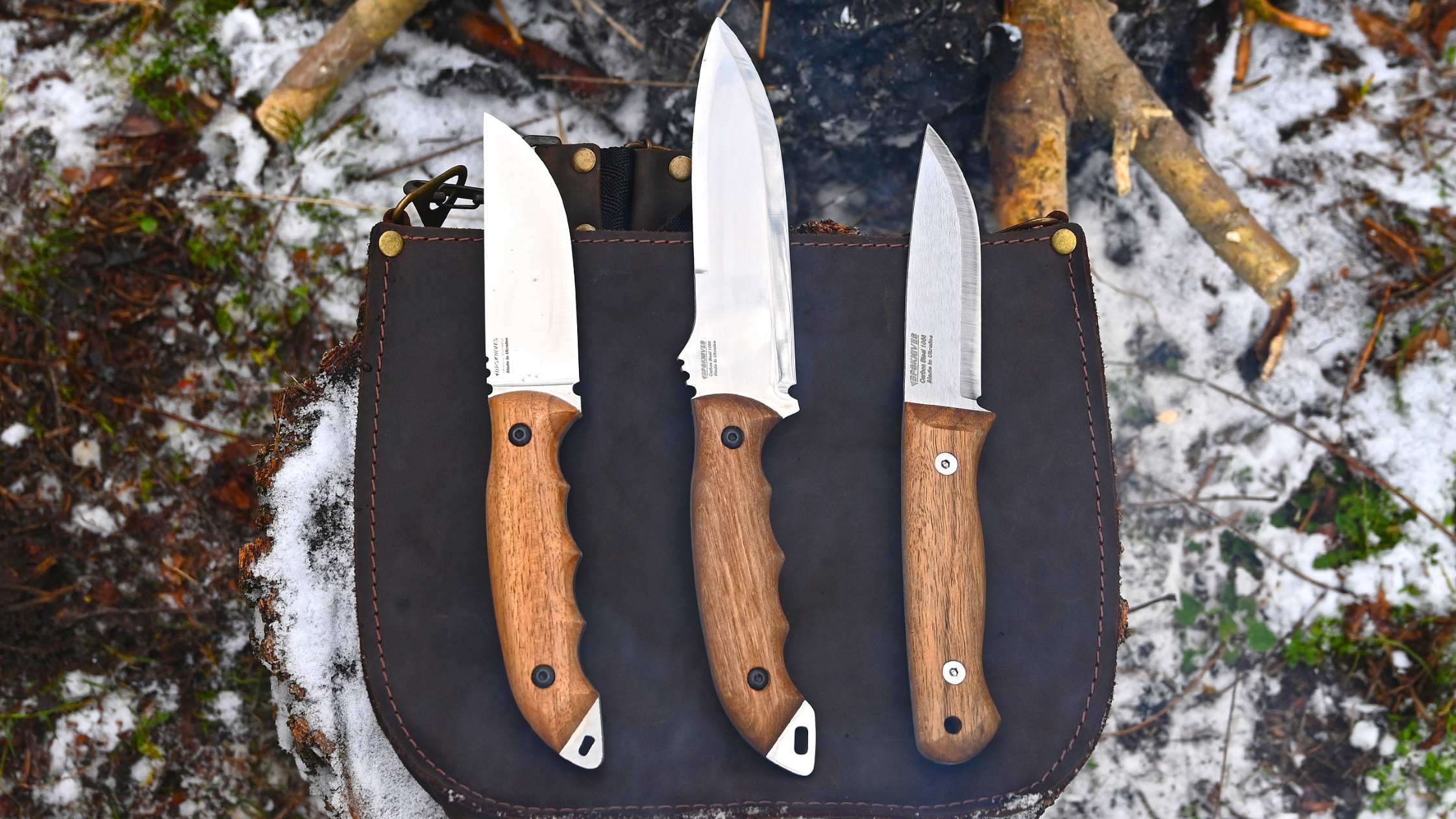
Camping Knife
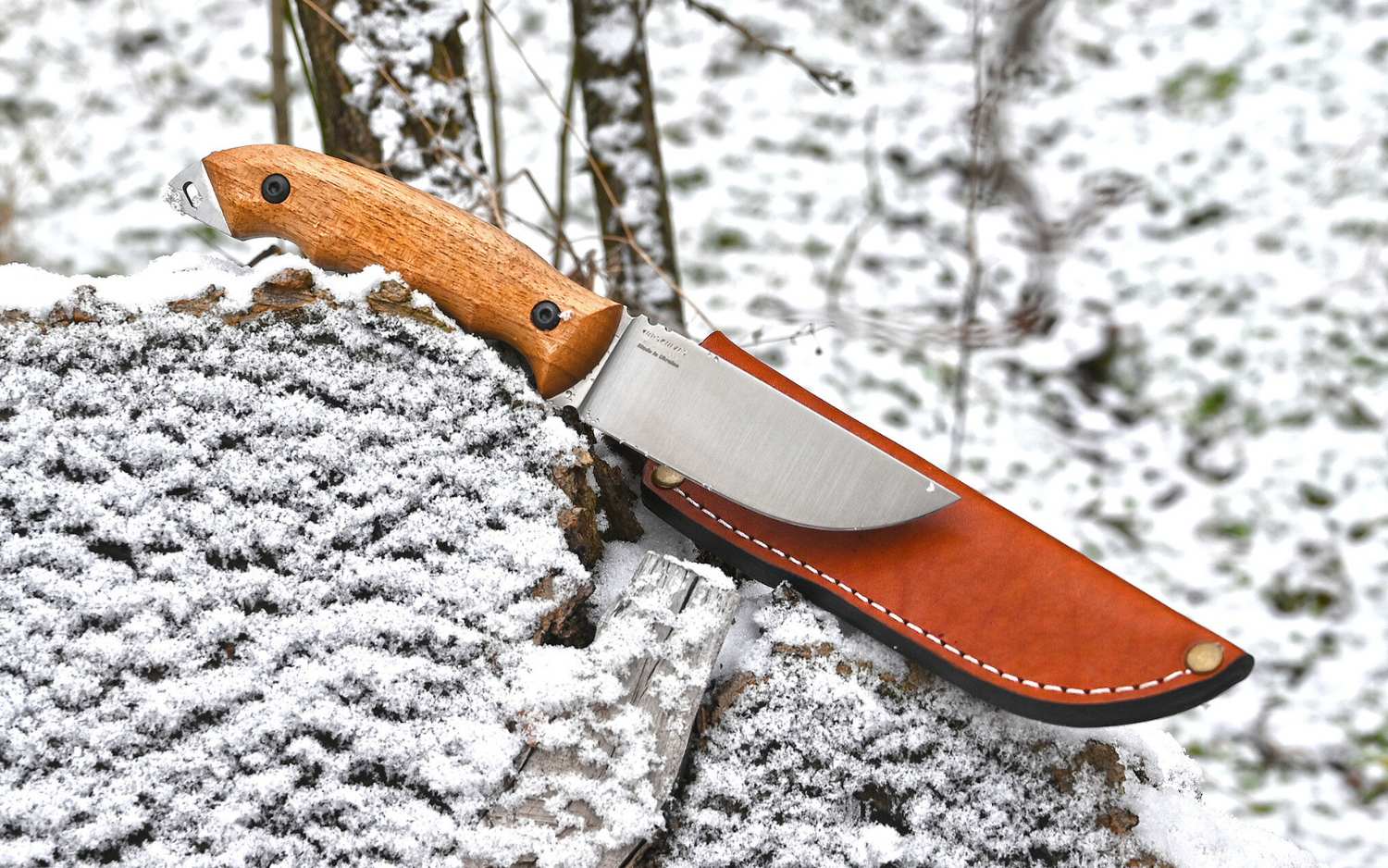
And now we’ve come to the most important point—don’t forget to pack a knife! But not just any knife—a proper camping and survival knife. With the right tool, you’ll be able to do more than just cut food or build a shelter; you can even chop firewood, for example! So, what to look for in best knife camping:
Blade Material:
- Stainless Steel: The best option for camping and survival knives, because it’s resistant to corrosion and easier to maintain, though it can be harder to sharpen.
- Carbon Steel: It holds an edge longer and is easier to sharpen, but it can rust if not cared for properly. Regular cleaning and oiling are essential.
- High-carbon Stainless Steel: Offers the best of both worlds—corrosion resistance and a strong edge.
Blade Length:
- 3 to 5 inches is ideal for most camping tasks like food prep, cutting rope, and general utility work. Longer blades (5+ inches) are better for heavier cutting tasks like chopping wood, while shorter blades (under 3 inches) are more for finer tasks (whittling, skinning).
Blade Shape:
- Drop Point: Great for camp utility knife, offering a strong, versatile tip. It’s good for slicing and general cutting tasks.
- Clip Point: More precise, good for detailed work or skinning.
- Spear Point: Offers a balanced, symmetrical design, making it great for a variety of tasks.
- Tanto Point: Stronger and more angular, but can be harder to use for finer tasks.
Handle Material:
- Wood: Offers a classic feel but can be prone to wear and moisture damage.
- Rubber/Composite: Often more ergonomic and durable, providing better grip, especially in wet conditions.
- Micarta or G-10: Tough, water-resistant, and non-slip, making them great for all weather conditions.
Tang:
- Full Tang: The blade extends all the way through the handle, providing best knife camping, better strength and durability.
- Half Tang: The blade doesn’t extend all the way through the handle, making it lighter but not as durable as full tang.
Sheath:
- A good sheath is essential for safe carrying. Options include:
- Leather Sheaths: Classic and durable, but can require more maintenance.
- Kydex or Nylon Sheaths: More modern, lighter, and can be easily secured to gear.
Conclusion
Always prepare for your camping trips thoroughly, and you’ll return home safe, sound, and filled with unforgettable memories! Check out our online store—we’ve got marvellous camp gear for sale. See you next time!