

The forest has always been, is and will always be a source of life! Fresh oxygen saturated with useful elements, forest berries and wildfowl. This is what nourishes us and gives us strength for thousands and thousands of years!
Importance of preparation and practical tips for a successful camping trip
But you should not go into the forest unprepared. In addition to oxygen, berries and wildfowl, there are wild boars waiting for you (they can easily and casually break your leg), moose (these scoundrels will just make you a garland on their horns) and bears (need no introduction). Furthermore, if you eat the wrong berries you can easily kick the bucket. To avoid all this, you need to go to the forest with a thoroughly prepared backpack. So behold! It is the camping life hacks, to make your forest camping experience easier.
Lifehack 1: Lightweight Packing

Every human being is naturally given one backbone and only six leg joints on 2 legs! Take care of them. Excessive strain wears them out quickly and can end up being very unpleasant for you. Lightweight packing can make travel more healthy, enjoyable and stress-free! Here are some life hacks to help you pack efficiently:
Shelter
- Tent: Choose a lightweight, compact tent. Consider a tarp for minimalist setups.
- Sleeping Bag: Opt for a synthetic or down bag rated for the temperatures you expect.
- Sleeping Pad: A compact, inflatable sleeping pad adds comfort and insulation.
Cooking camping gear
- Stove: A small, portable camping stove or a lightweight backpacking stove.
- Cookware: A single pot or a multi-functional cookset to minimize weight.
- Utensils: Lightweight utensils or a spork.
Food and Water
- Dehydrated Meals: Easy to pack and prepare—just add water.
- Snacks: Trail mix, energy bars, and jerky for lightweight energy.
- Water Filter: A compact filter or purification tablets instead of carrying heavy water.
Clothing
- Layering: Use moisture-wicking base layers, insulating mid-layers, and a waterproof outer layer.
- Footwear: Lightweight hiking boots or trail shoes, plus moisture-wicking socks.
Tools and Gear
- Multi-tool: A lightweight multi-tool can replace several items in your camping checklist.
- Headlamp/Flashlight: A compact LED headlamp is great for hands-free lighting.
- Trekking Poles: If you use them, consider collapsible ones to save space.
Personal Items
- First Aid Kit: A lightweight, compact kit tailored to your needs.
- Toiletries: Travel-sized essentials, and consider a trowel for digging a cat hole.
- Emergency Gear: A whistle, fire starter, and a small survival kit.
Backpack
- Lightweight Backpack: Choose a pack with a capacity suited to your trip length and accessories for camping (30-50L for a few days).
Packing Tips
- Pack Smart: Use compression sacks for clothing and sleeping bags.
- Distribute Weight: Keep heavier items close to your back and centered for balance.
- Leave No Trace: Plan to pack out all trash and waste.
Lifehack 2: Fire Starters

There is not always a desire to rub stick against stick in the hope of starting a fire! That’s where all sorts of Indian campfire techniques come in. It’s all fascinating and necessary, of course, but you don’t always have the opportunity or desire! So here are some effective camping tricks to consider:
- Cotton Balls and Petroleum Jelly: Soak cotton balls in petroleum jelly. They ignite easily and burn for several minutes.
- Dryer Lint: Collect dryer lint and pack it in a small container. It catches fire quickly and burns hot.
- Egg Cartons: Fill the cups of an empty cardboard egg carton with wax and small kindling materials. Cut them apart when you’re ready to use them.
- Firestarter Sticks: Pre-made firestarter sticks are compact and designed to ignite easily. Look for ones made from compressed wood or waxed material.
- Bark and Pine Cones: Collect dry tree bark or pine cones. They catch fire easily and can serve as kindling.
- Vaseline-soaked Cotton Balls: Combine cotton balls with Vaseline for a long-burning, easy-to-light fire starter.
- Firestarter Gel: These gels can be used to coat kindling, making it easier to ignite.
- Homemade Firestarter Blocks: Melt wax and mix it with sawdust, then pour it into molds to create blocks.
- Newspaper: Crumpled newspaper works well as a quick fire starter. It ignites easily, especially when combined with small twigs.
- Wood Shavings: Collect shavings from woodwork projects. They ignite quickly and can help start a fire.
Lifehack 3: Portable Water Filter

Did you find a river or a lake and immediately take a drink of water from it? Say hello to your new neighbours – E. coli, pathogenic bacteria, or even an Alien larva, anything can be in this water! So at the very least you should boil this water, or better yet, use a portable water filter.
Types of Portable Water Filters
- Straw Filters: These are small, lightweight filters that allow you to drink directly from a water source. Examples include the LifeStraw and Sawyer Mini.
- Pump Filters: These require you to manually pump water through the filter. They are effective for larger groups but can be bulkier.
- Gravity Filters: These use gravity to filter water. You fill a bag with dirty water, hang it up, and the clean water drips into a container below.
- UV Filters: These use ultraviolet light to kill pathogens. They are compact and effective but require batteries or a power source.
- Bottle Filters: These come with a built-in filter in a water bottle, allowing you to filter water as you drink.
Features to Consider
- Filtration Rate: How quickly the filter can process water.
- Filter Lifespan: How many liters of water the filter can clean before needing replacement.
- Size and Weight: Important for backpacking or traveling.
- Contaminants Removed: Check if it removes bacteria, viruses, protozoa, and chemicals.
Usage Tips
- Always check the source of your water to avoid high contamination levels.
- Pre-filter muddy water through a cloth if possible to extend the life of your filter.
- Regularly clean and maintain your filter according to the manufacturer’s instructions.
Lifehack 4: Solar-Powered Lights

Finding yourself in the forest at night and hearing the crazy sounds that night birds and animals make, you will really want to switch on a lantern and keep it on all night! And preferably a lantern like this solar-powered! Solar-powered lights are a fantastic way to illuminate spaces while being eco-friendly. They use solar panels to capture sunlight during the day, which is then converted into electricity to power the lights at night. Here are some key points about them:
Benefits
- Energy Efficiency: They reduce electricity costs since they rely on sunlight.
- Environmentally Friendly: They minimize carbon footprints and reduce reliance on fossil fuels.
- Easy Installation: Most solar lights are wireless, making them easy to install in various locations without the need for wiring.
- Low Maintenance: They require minimal maintenance and usually have long-lasting LED bulbs.
- Versatile Applications: Ideal for gardens, pathways, patios, and security lighting.
Types
- Pathway Lights: Illuminate walkways and driveways.
- Flood Lights: Provide broad illumination for large areas.
- String Lights: Great for decorative purposes, especially for events.
- Wall-Mounted Lights: Good for entryways and garages.
Solar Post Lights: Often used on fences or deck posts.
Considerations
- Sunlight Exposure: Ensure the installation site receives adequate sunlight throughout the day.
- Battery Quality: Look for lights with high-quality batteries for better performance.
- Weather Resistance: Check for IP ratings to ensure durability in various weather conditions.
Lifehack 5: Multi-Use Tarps

Sleeping in the open air is great, but that’s until the first bear comes at night to eat you for dinner or the ubiquitous mosquitoes! That’s where multi-use tarps, which are incredibly versatile tools that can serve a variety of purposes, making them great for outdoor activities, home projects, and more. Here are some common uses:
- Ground Cover: Use them to protect your tent or equipment from moisture and dirt during camping or outdoor events.
- Rain Shelter: Set them up as an improvised shelter in case of rain, whether you’re hiking, camping, or at a festival.
- Cargo Cover: Protect your gear from the elements while transporting items in a truck or trailer.
- Sunshade: Use them to create shade for picnics, beach outings, or during backyard gatherings.
- Emergency Blanket: In survival situations, they can be used for warmth or to signal for help.
- Construction and Renovation: Protect surfaces or cover materials from dust and debris while working on projects.
Lifehack 6: Quick-Dry Towels

Quick-dry towels are designed to absorb moisture efficiently while drying rapidly, making them ideal for travel, gym workouts, or outdoor activities. They are usually made from microfiber or other synthetic materials that wick away water and resist odor.
Benefits
- Lightweight: Easy to carry in a backpack or gym bag.
- Compact: They take up less space compared to traditional towels.
- Fast Drying: Dries much quicker than cotton towels, reducing the risk of mildew.
- Highly Absorbent: Despite being thin, they can absorb several times their weight in water.
- Durable: Often more resistant to wear and tear than cotton.
Lifehack 7: Easy Cooking Solutions

If you haven’t caught any fish or shot any wildfowl, it’s no problem! You can use useful camping hacks and simply bring your own:
One-Pot Meals
- Ingredients: Rice, canned beans, vegetables, and spices.
- Method: Cook everything in a single pot over the campfire. Just add water and let it simmer!
Foil Packets
- Ingredients: Protein (chicken, fish, or tofu), sliced vegetables, and seasonings.
- Method: Wrap in aluminum foil and place over the campfire or grill. Cook for 20-30 minutes until everything is tender.
Skewers
- Ingredients: Cubes of meat, bell peppers, onions, and cherry tomatoes.
- Method: Thread onto skewers and grill over the fire. Easy to customize with different flavors!
Pre-made Meals
- Ideas: Chili, pasta, or stir-fry.
- Method: Prepare at home, freeze in portions, and reheat over the fire.
Breakfast Burritos
- Ingredients: Eggs, cheese, beans, and tortillas.
- Method: Scramble eggs in a pan, add other ingredients, and wrap in tortillas.
Cold Meals
- Ideas: Sandwiches, wraps, or salads.
- Method: Easy to assemble and doesn’t require cooking!
Portable Cooking Gear
- Items: Camping stove, portable grill, or even a cast-iron skillet for over the fire.
- Benefit: Makes cooking more versatile and easier.
Snacks
- Ideas: Trail mix, granola bars, or fresh fruit.
- Method: Great for quick energy while hiking.
Lifehack 8: Natural Insect Repellent

The forest is full of mosquitoes, ants, bees, wasps, bugs and heck knows what else! They will not make you happy, especially when they get under your clothes. So here are some effective options against those Insect :
Essential Oils
- Lemon Eucalyptus Oil: Studies show it can be as effective as DEET.
- Lavender Oil: Repels mosquitoes and has a pleasant scent.
- Tea Tree Oil: Known for its antibacterial and antifungal properties, it can also repel insects.
- Peppermint Oil: Its strong scent can deter mosquitoes and flies.
DIY Repellent Spray
Ingredients:
- 10 drops of lemon eucalyptus oil
- 10 drops of lavender oil
- 10 drops of tea tree oil
- 1 cup of water
- 1 tablespoon of witch hazel or vinegar (optional)
Instructions:
- Combine all ingredients in a spray bottle.
- Shake well before use and apply to exposed skin and clothing.
Natural Ingredients
- Garlic: Eating garlic can make your skin less attractive to insects.
- Apple Cider Vinegar: A mix of vinegar and water can be sprayed on the skin.
- Coconut Oil: Can help to keep mosquitoes away when mixed with essential oils.
Additional Tips
- Wear Light-Colored Clothing: Bugs are more attracted to dark colors.
- Avoid Scented Products: Stay away from heavily scented lotions and perfumes.
- Use Natural Barriers: Consider citronella candles or burning sage around your campsite.
Always do a patch test with any natural product on your skin to avoid allergies. Enjoy your camping trip!
Lifehack 9: Good fixed knife
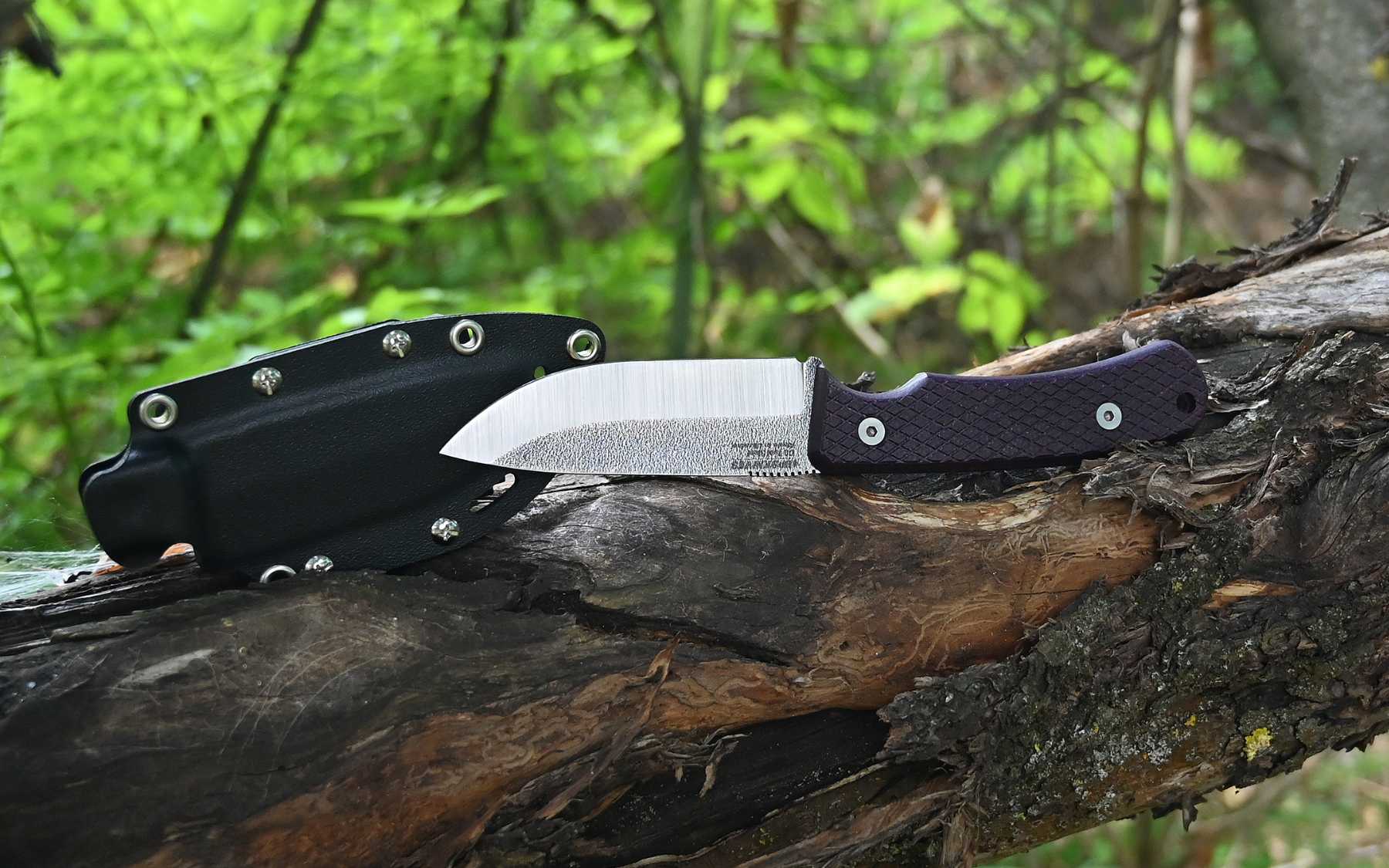
What kind of wood dweller are you without a trusty camping knife on your belt! Without a blade neither to cut a mushroom, nor a rope, nor to chop branches from a log to make a fire, nor to cut food. Such ugliness will not happen, because we have the coolest knife Beta in our online-shop!
It is made of durable D2 steel, which means that it will withstand all the challenges you throw at it during your forest adventures! The Full Tang construction means that the metal part of the blade extends through the entire length of the handle. This particular quality provides extraordinary strength to the knife and allows for even weight distribution from the blade to the handle!
Lifehack 10: Simple Navigation Tools

Sometimes there is no connection with the satellite, but you want to get home alive! That’s when you need simple navigation tools:
- Map and Compass: A classic navigation method. Make sure you know how to read topographic maps and use a compass for orientation.
- Trail Markers: Pay attention to trail signs and markers. Familiarize yourself with the color-coding or symbols used in the area.
- Landmarks: Use natural landmarks (like mountains or rivers) for orientation. Learning to recognize these can help you stay oriented.
- Whistle: While not a navigation tool per se, carrying a whistle can help signal for help if you get lost.
- Survival Guide: A small booklet or guide can help you with navigation basics, survival tips, and identifying local flora and fauna.
- Portable Solar Charger: Keep your devices charged for navigation apps or emergency use.
- Trail Guidebooks: These often contain detailed maps, descriptions of trails, and tips for navigating specific areas.
And don’t forget to learn how to use all of the above BEFORE your trip into the woods, otherwise it will all be as useful as a stick during a gunfight!
Conclusion
Now your journeys into the woods will be as easy and pleasant as a beautiful song, and your backbone will not turn to rubble! Don’t forget to check out our online shop, there is a Beta knife waiting for you, which will turn your life in the woods into a comfortable fairy tale! May the Force be with you.