

Halloween is upon us! And this is a good reason to touch the beauty and remember all the most iconic horror films, knives that shine in the darkness in these movies. I invite you to read this article about the selection of the most famous horror films and the knives featured in them!
Overview of the significance and symbolism of knives in horror films
What self-respecting maniac in the film would walk around without a big, shiny and predatory-looking choppa! He’d be ridiculed! It so happens that villains in horror films understand something about psychology, because a big, scary and polished knife in the hand is powerfully pressed on the psyche of the potential victim! It shouts about danger and exudes the primal fear of being harmed. That is why close combat has always been so scary, because it implies full contact with the victim!
The Most Iconic Knives in Horror History
So, let’s take a look back at the immortal horror movie knives classics:
Michael Myers’ Kitchen Knife from “Halloween”
The film Halloween is a classic slasher film released in 1978, directed by John Carpenter. The story follows Michael Myers who escapes from a mental hospital and returns to his hometown to pursue a young girl, Laurie Strode, played by Jamie Lee Curtis.
In the film Michael Myers shows us that with a kitchen knife you can cut not only vegetables for salad! This knife has become his ‘signature’ tool, symbolising his ruthlessness and methodicalness. He also uses other implements in various films, but it is the kitchen knife that is most recognisable and associated with his image. Don’t quarrel with cooks and housewives!
 Photo from imdb.com
Jason Voorhees’ Machete from “Friday the 13th”
The famous big guy, whose hockey mask and machete have long been a symbol of shock and awe! All this multiplied with Voorhees’ size, invulnerability and sinister silence completes the image.
“Friday the 13th” is a classic horror film franchise that began with the original movie released in 1980. The plot centres around Camp Crystal Lake, where a group of teenagers are stalked by a mysterious villain. The film is notable for its suspenseful atmosphere, iconic music score, and the introduction of Jason Voorhees, though he doesn’t become the main antagonist until later installments.
Originally a machete was a large and wide knife with a flat blade, often used for farming, chopping plants and some hunting. Its length can vary from 30 to 50 or even more centimetres and the blade usually has a distinctive shape that makes it effective for cutting and chopping.
Well, the sick scoundrel Voorhees (like thousands of sick scoundrel before him and after him) quickly realised that the machete is great for cutting not only reeds and jungle vegetation. And so it went…
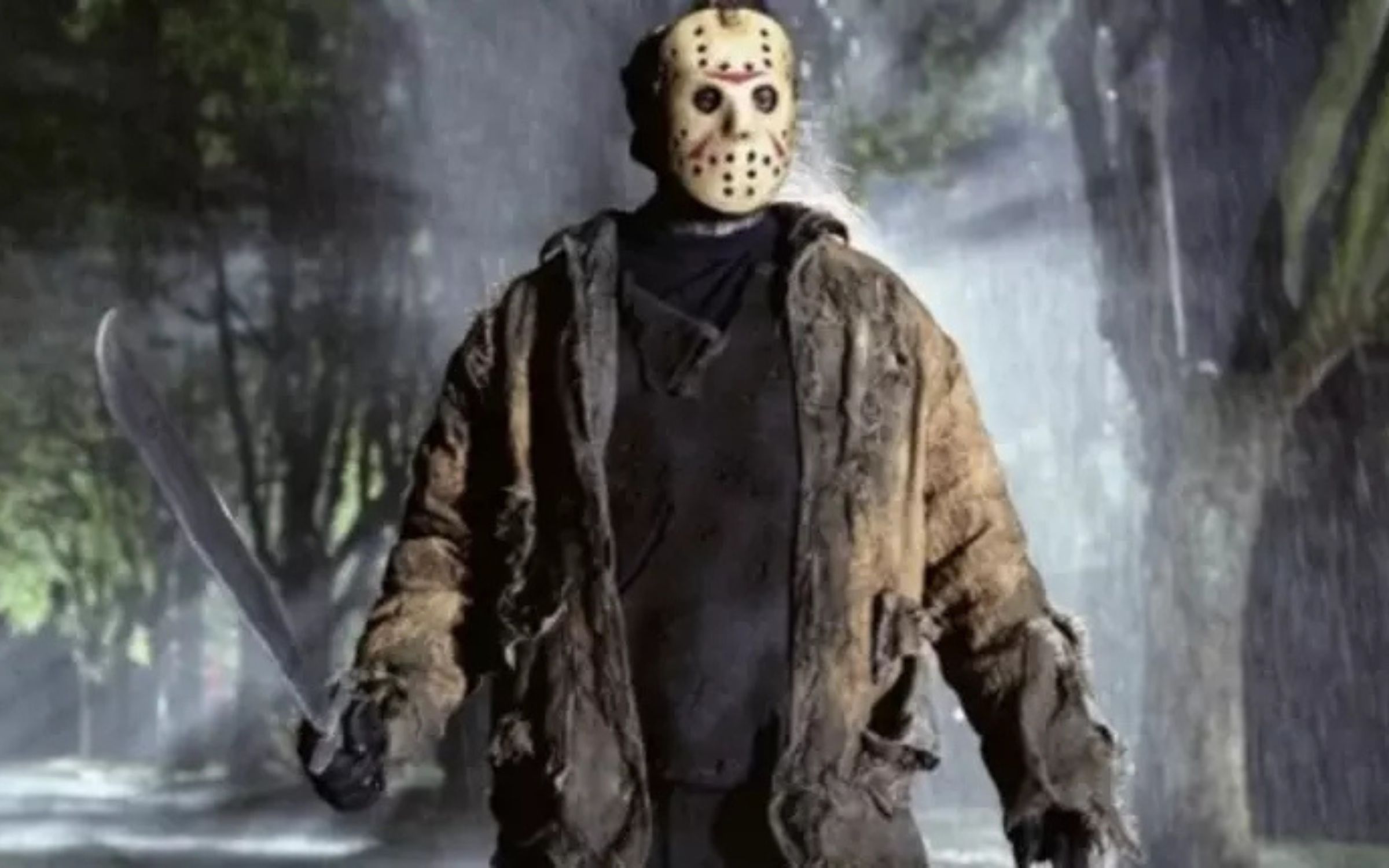 Photo from wupe.com
Ghostface’s Buck Knife from “Scream”
And how not to remember the famous figure wrapped in a dark robe with a white skull mask on his face and his big scary knife! The “Scream” film series, created by Wes Craven and Kevin Williamson, revolutionized the horror genre with its meta-commentary on slasher tropes. The first film, released in 1996, follows a group of teenagers in the fictional town of Woodsboro as they are stalked by a masked villain known as Ghostface. The film is notable for its self-aware characters who reference horror films, blending humor with suspense.
This fan of terrorising teenage campaigns favoured the classic Buck 120 eight-inch hunting bowie knife. The distinctive feature is the bevelled edge groove, designed to reduce the overall weight of the blade. The knife is equipped with a blade with a reverse arc of information, typical for Bowie knives, as well as a small guard.
The Bowie knife is not just a tool, but a symbol of American culture and the spirit of adventure. Its popularity dates back to the first half of the 19th century, and since then it has become an integral part of many Wild West legends and knife reviews.
The knife was named after Jim Bowie, a famous American planter and fighter who became famous for his skills in combat and personal battles. He became most famous for his participation in the Battle of the Alamo in 1836. It is believed that the knife he used was created specifically for him, and his design has since begun to evolve. It looks really cool!
 Photo from scream.fandom.com
Leatherface’s Chainsaw and Butcher Knives in “The Texas Chain Saw Massacre”
Rounding out our list of psychopaths is the notorious Leatherface’s from The Texas Chain Saw Massacre! This is a cult slasher film released in 1974, directed by Tobe Hooper. The film follows a group of young men (how maniacs love to terrorise a bunch of teenagers) who encounter a family of cannibals in Texas, including the most iconic character, Leatherface, who uses a chainsaw as a weapon.
On top of that, he’s no stranger to using horror knife set of butcher blades! These are specialised tools for cutting meat, differing from ordinary kitchen knives in shape and materials. They come in different types: deboning knives, boning knives and knives for cutting large pieces. They are usually made of quality stainless steel, which ensures durability and retention of sharpness. These knives make the process of working with meat more convenient and efficient. But, unfortunately, Leatherface is considered as meat not only pork, beef and chicken…
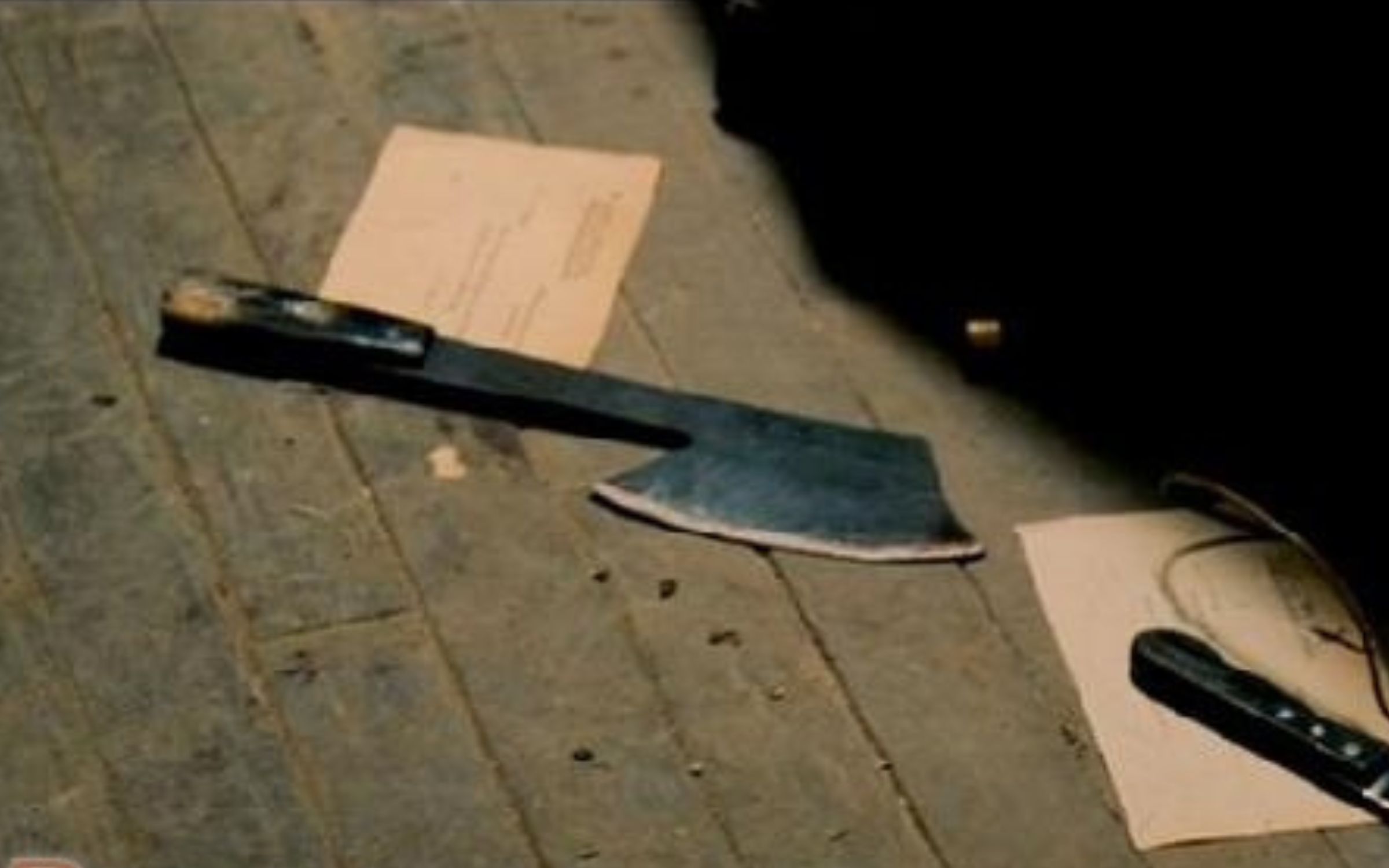 Photo from yourprops.com
The Evolution of Knives in Horror Cinema
Knives have long been a symbol of danger, intimacy, and violence in horror cinema. Their evolution reflects not only advancements in design but also shifts in thematic representation and audience perception!
Changes in Knife Design and Cinematic Use
Early Cinema: Simple Tools of Terror
In the early days of horror cinema, knives were often depicted as simple, everyday tools that transformed into instruments of terror. Films like Psycho (1960) introduced the kitchen knife as a symbol of domesticity turned deadly. The use of a mundane object heightened the horror, making it relatable yet terrifying.
- Design: These knives were typically realistic and practical, often resembling standard kitchen or hunting knives.
- Cinematic Use: The emphasis was on shock value—quick cuts, close-ups of the knife, and the act of stabbing itself, creating an immediate sense of danger.
The Slasher Era: Iconic Weapons
The 1970s and 1980s saw the rise of the slasher genre, where knives became iconic weapons associated with notorious scoundrels like Michael Myers in Halloween (1978) and Jason Voorhees in Friday the 13th (1980).
- Design: Knives during this period became stylized; for instance, the iconic machete became Jason’s weapon of choice, reflecting his monstrous persona.
- Cinematic Use: The knife became a character in its own right, often used in elaborate scenes and sequences that played on the audience’s fears. The focus shifted to the scoundrel’s perspective, making the act of violence a central theme.
The Psychological Shift: Knives as Symbols
In the 1990s and 2000s, horror films began to explore deeper psychological themes. Knives were no longer just tools for murder; they symbolized the characters’ inner turmoil or the fragility of human relationships.
- Design: Knives became more ornate and symbolic. For instance, the use of ceremonial daggers in films like Candyman (1992) highlighted themes of legacy and vengeance.
- Cinematic Use: Filmmakers used knives to delve into characters’ psyches, often showing hesitation or internal conflict before violence. This shift added layers to the narrative, making the knife a metaphor for moral ambiguity.
Modern Takes and Homages
Contemporary horror films continue to evolve the use of knives, often subverting traditional tropes. Films like Get Out (2017) and Hereditary (2018) incorporate knives in unexpected ways, challenging audience expectations.
- Design: Modern knives may blend realism with artistic flair, often designed to reflect the film’s themes (e.g., minimalist designs for psychological horror).
- Cinematic Use: Directors may use knives to explore themes of power, control, and trauma. In some cases, the knife becomes an instrument of survival rather than purely violence, reflecting a shift toward complex narratives where characters grapple with their circumstances
Halloween Sale on BPS Knives – Up to 30% Off
Just for such fearless paladins like you we make an awesome 30% discount on some of our knives! And even if the villains are not around, the knife will be a great helper to you in a hike, hunting, fishing, camping, mushroom picking and cutting food! Or just simply can be part of your knife collection and please your eyes. So follow the link and arm yourself: Spooky Sale.

Conclusion
That’s it! In the world of horror films, knives have become not only instruments of murder, but also symbols of the underlying fears that characters face. They epitomise menace, oppressive atmospheres and the moment when life can change in an instant. From the classic knife scenes in Psycho to modern interpretations in films such as Scream, these blades remain an integral part of our cinematic heritage.
Each of these knives has become not only a tool for building tension, but also a symbol that reminds us of the dark corners of human nature that each of us must not just confront, but eradicate from ourselves. And so be it and may each of us succeed in such a bright endeavour!