
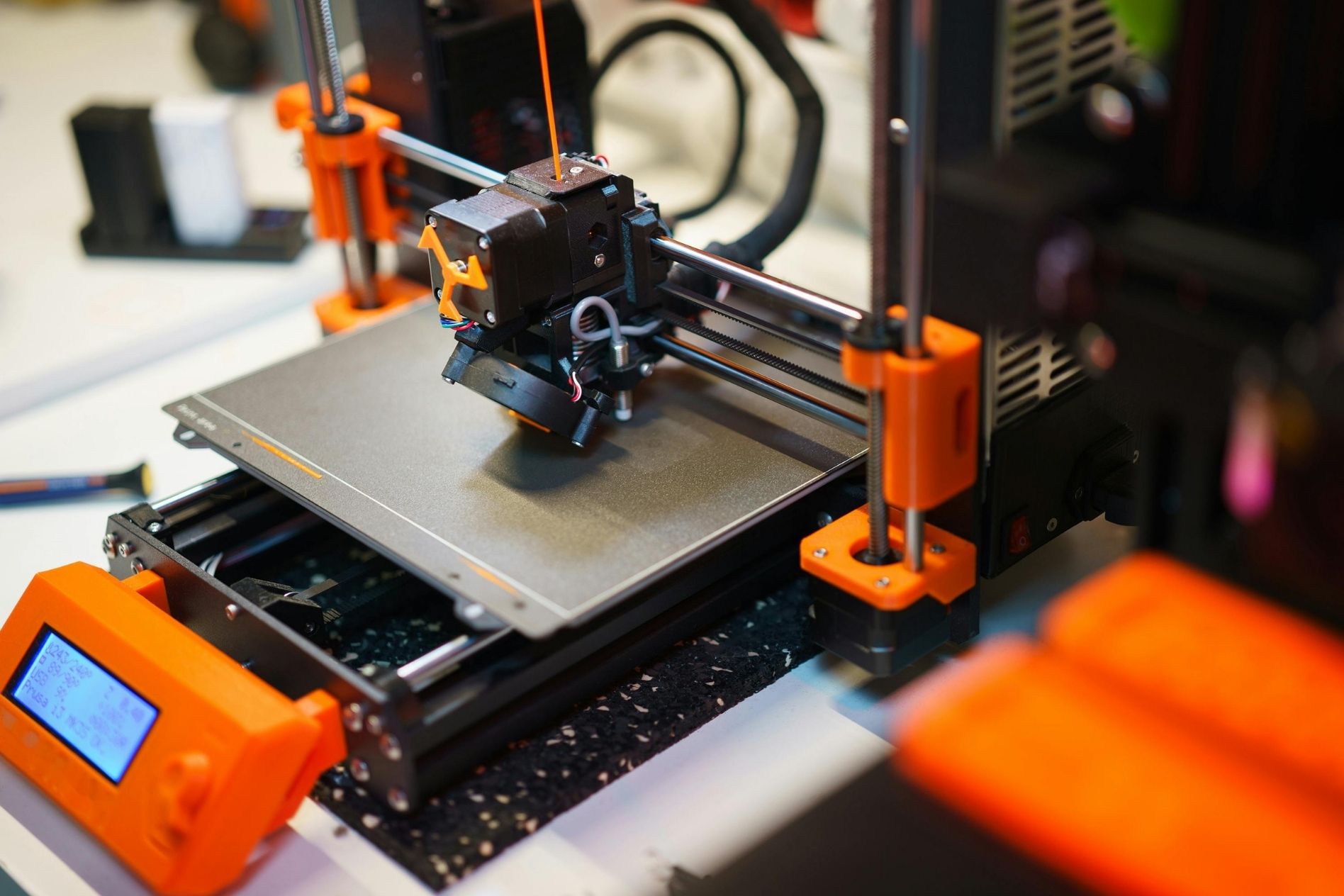
The future is not just around the corner, it has already arrived! We can now 3D print plastic toys, metal parts for construction and repair, accessories, clothing elements. But what’s even more intriguing for us is that, with a 3D printer, we can also print a knife!
What Is 3D Printing and How Does It Work?
3D printing, also known as additive manufacturing, is the process of creating three-dimensional objects from a digital file. Unlike traditional manufacturing methods, which often involve subtracting material from a larger block (like cutting, drilling, or milling), 3D printing adds material layer by layer to build up the final object. This process allows for highly detailed and complex designs that would be difficult or impossible to produce using conventional methods.
The Principle of 3D Printing
The core principle behind 3D printing is additive manufacturing. The process begins with a 3D model, typically created using computer-aided design (CAD) software. This model is then sliced into thin horizontal layers using slicing software. The 3D printer reads these slices and prints each layer one by one, starting from the base and building upwards. The printer melts or fuses materials, such as plastic, metal, or resin, to create each layer.
The key advantages of 3D printing are:
- Complex geometries: Ability for maker knife 3d print to create intricate and complex shapes that would be difficult or impossible to make with traditional methods.
- Customization: Each item can be tailored to specific needs or preferences.
- Reduced waste: Since material is added layer by layer, there is much less material waste compared to subtractive manufacturing methods.
Types of 3D Printing Used in Metalworking
In metalworking, 3D printing has become a game-changer, allowing for the rapid production of metal parts with intricate designs. Here are some common types of 3D printing techniques used in metalworking:
1. Selective Laser Melting (SLM)
SLM is a form of powder bed fusion that uses a high-powered laser to melt and fuse fine metal powder together. This process is commonly used for creating metal parts for industries like aerospace, automotive, and medical devices.
2. Direct Metal Laser Sintering (DMLS)
DMLS works similarly to SLM, but it uses a laser to sinter (fuse) metal powder. This method is ideal for creating functional metal parts with high precision and strength. DMLS is often used for making complex parts that traditional manufacturing methods can’t easily achieve.
3. Electron Beam Melting (EBM)
In EBM, an electron beam is used instead of a laser to melt metal powder. EBM typically works with titanium and cobalt-chromium alloys and is mainly used in aerospace and medical implant manufacturing.
4. Binder Jetting
This process involves depositing a liquid binder onto a bed of metal powder to form layers, which are then sintered in a furnace to create solid metal objects. Binder jetting is ideal for producing metal parts quickly and cost-effectively, especially for prototyping or low-volume production.
5. Metal Fused Deposition Modeling (FDM)
Similar to FDM used with plastics, this technique uses a heated nozzle to extrude a metal wire (typically in the form of a filament) which is then melted and deposited layer by layer to form a part. Though less common than other methods, it’s being explored for lower-cost metal 3D printing applications.
Materials Used for Printing Knives
When it comes to 3d model knife, the materials used need to meet certain criteria like durability, strength, and the ability to hold a sharp edge. The most common materials used for printing knives are:
1. Stainless Steel
Stainless steel is one of the most popular materials for 3D printing knives. It offers a good balance of strength, corrosion resistance, and ease of finishing. Stainless steel parts can be printed using techniques like SLM or DMLS and can achieve the fine grain structure needed for a sharp edge.
2. Titanium
Titanium is known for its strength-to-weight ratio and excellent resistance to corrosion. Titanium knives are lightweight, durable, and resistant to rust, which makes them ideal for both kitchen and outdoor knives.
3. Tool Steel
Tool steels are high-carbon steels that are designed to hold a sharp edge for extended periods. These steels can be harder to print with, but the resulting 3d printer knife is incredibly durable. Tool steels are commonly used for high-performance blades like those used in industrial or heavy-duty applications. Nice option for 3d printed butterfly knife!
4. Cobalt Chrome
Cobalt chrome alloys are highly resistant to wear and corrosion, making them ideal for industrial-grade knives or medical instruments. Cobalt chrome knives, though expensive to produce, offer an excellent combination of strength, sharpness retention, and corrosion resistance.
5. Ceramic Materials
While not as common as metal materials, some knife 3d printed methods use ceramics to produce knives. Ceramic knives are incredibly sharp, lightweight, and resistant to corrosion, but they are also more brittle compared to metal blades and can break under impact.
6. Plastic materials
For creating precise and clean details during the modeling process, the plastic 3d printing knife is perfect, as it allows you to easily cut and adjust the plastic after printing.
 Advantages of Using 3D Printing in Knife Production
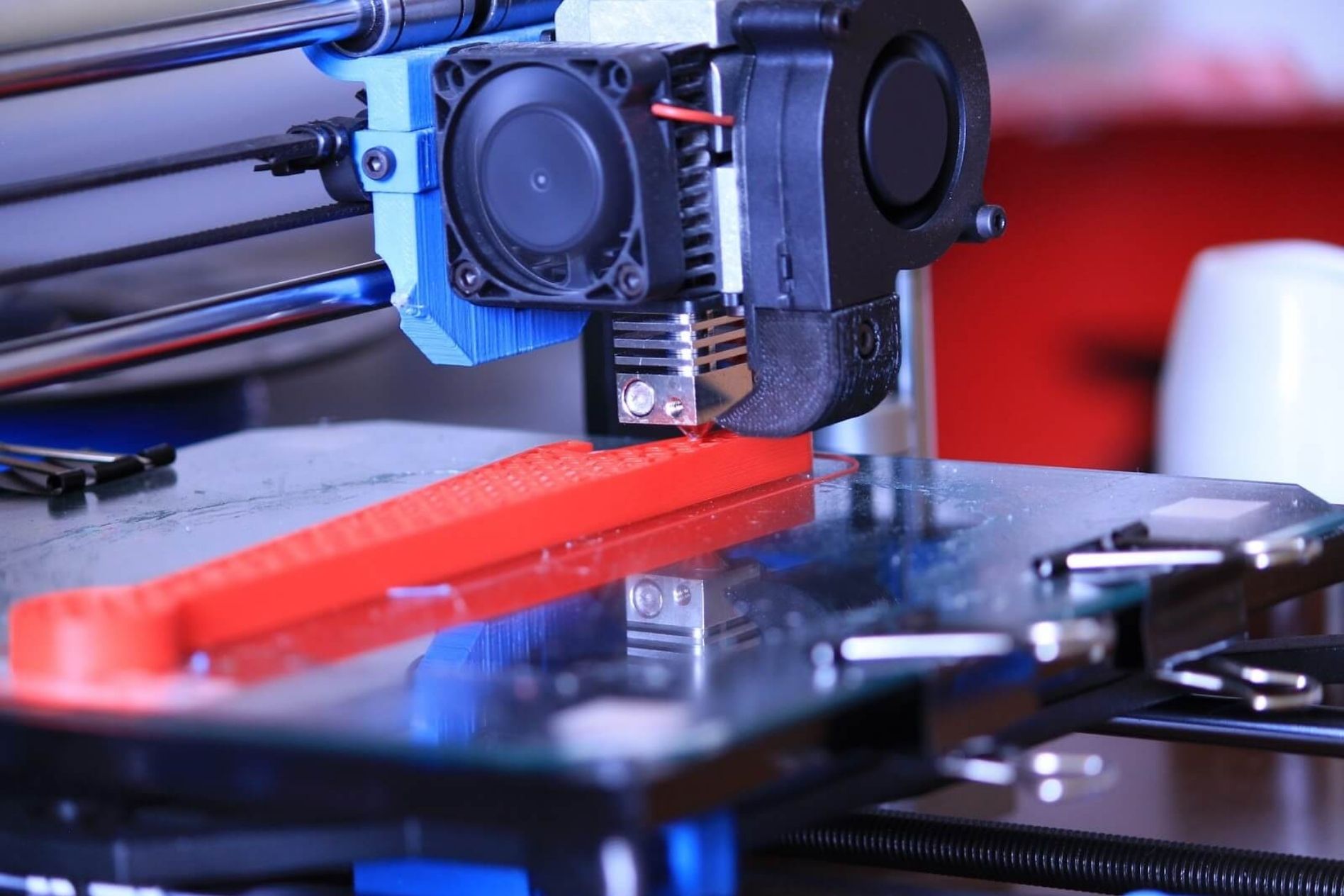
And of course, 3D printing has opened up a world of opportunities for knife manufacturers! Now, they can create highly customized, cost-effective, and precise blades. Unlike traditional knife-making methods, 3D printing makes the process more flexible and efficient, especially when it comes to small-scale production!
Custom Design and Personalization
One of the most significant advantages of using 3D printing for knife production is the ability to create custom designs and offer personalization options. This flexibility allows manufacturers to design knives with unique shapes, sizes, and features that are tailored to individual preferences or specific tasks.
- Handle Customization: With 3D printing, manufacturers can easily adjust the shape, texture, and ergonomics of the knife handle to fit the user’s hand perfectly. Whether it’s a kitchen knife or a tactical blade, the 3d print knife handle can be designed for maximum comfort and grip.
- Blade Geometry: Traditional knife-making often limits blade shapes to standard patterns. 3D printing allows for the creation of blades with complex geometries, such as unusual curves or intricate notches, which can enhance the knife 3d printed performance in specific tasks (e.g., fine slicing, chopping, or even decorative cuts).
- Unique Personalization: Whether for a luxury market or for gifting purposes, knife owners can engrave their names or choose specific patterns for the blade or handle. This level of detail is easy to achieve with 3D printing, where each item can be customized individually.
 Reduced Manufacturing Costs
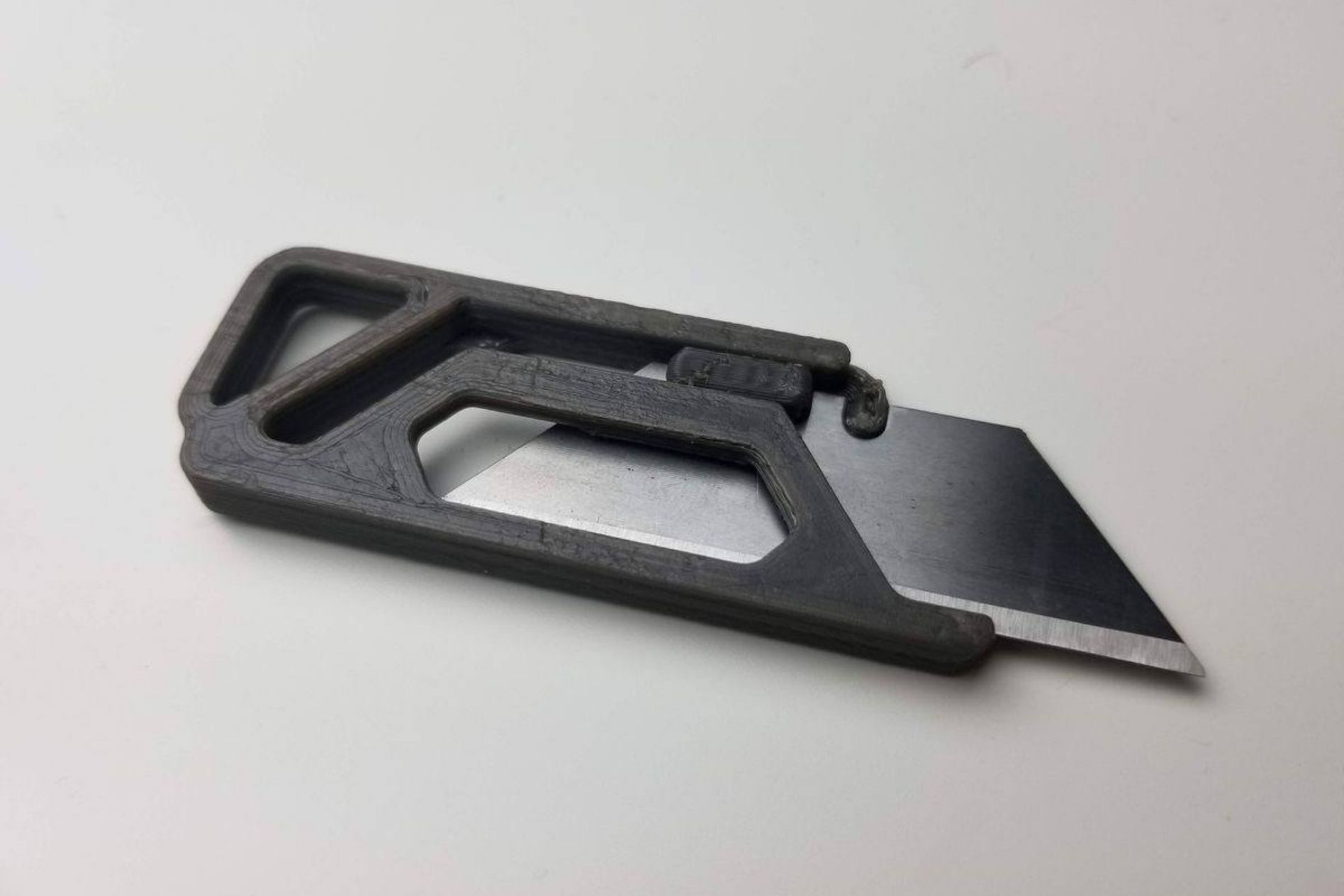
3D printing can significantly lower production costs, particularly for smaller batches or one-off designs. Traditional knife-making requires costly molds, tooling, and machining, which can be expensive for low-volume production. In contrast, 3D printing only requires a digital model and the necessary raw material (e.g., metal powder or filament), eliminating the need for expensive tooling and setup costs.
- Low-Volume Production: For custom knives or small production runs, 3D printing is often far more cost-effective than traditional manufacturing. The flexibility of 3D printing means that manufacturers don’t need to invest in expensive molds or retooling, making it ideal for niche markets and specialized knives.
- Less Waste: Traditional knife production can generate a lot of waste material, especially when parts are cut, drilled, or milled from larger blocks. 3D printing is an additive process, meaning that material is only used where it’s needed, resulting in less waste and more efficient use of resources.
- No Need for Skilled Labor: While traditional knife-making can be labor-intensive, 3D printing reduces the need for highly skilled labor. Once the digital design is ready, the printing process is relatively automated, reducing the need for multiple stages of handcrafting or machining.
High Precision and Repeatability
Another key benefit of 3D printing in utility knife 3d print production is its high precision and repeatability, which is crucial for producing high-quality knives consistently.
- Micrometer-Level Accuracy: Modern 3D printers, especially those used for metal printing, can achieve extremely fine levels of detail. This ensures that each knife has a precise blade edge, smooth surface, and accurate geometries. Even the smallest features, like intricate handles or engraving, can be replicated with incredible accuracy.
- Consistency Across Production Runs: Traditional knife production methods can introduce small variations between individual knives due to human error, machine wear, or environmental factors. With 3D printing, each knife is built layer by layer according to the same digital design, ensuring that every piece in a batch is virtually identical.
- Repeatable Manufacturing Process: Whether producing one knife or hundreds, the 3D printing process remains consistent. Once the design is perfected, scaling production or reproducing the same knife design multiple times becomes straightforward. This repeatability ensures that manufacturers can meet exact customer specifications, regardless of batch size.
 Challenges and Issues of 3D Printing in Knife Manufacturing
And of course, 3D printing has opened up a world of opportunities for knife manufacturers! Now, they can create highly customized, cost-effective, and precise blades. Unlike traditional knife-making methods, 3D printing makes the process more flexible and efficient, especially when it comes to small-scale production!
Strength and Durability of Printed Blades
The biggest drawback is that a 3D printed blade will always be inferior to one made through forging! Sure, powder steel is decent, and you can even print a titanium knife, but the steel used for 3D printing can be weaker or more prone to wear and tear compared to hardened tool steels. Besides, the additive nature of 3D printing means that each layer of material is fused on top of the previous one, which can sometimes lead to weaker bonding between layers. This may result in brittleness or failure under stress, especially in blades that need to endure high impact or heavy use.
And while heat treatment processes used in traditional knife manufacturing can harden the metal, replicating this level of hardness in 3D-printed blades can be difficult. Some 3D printing processes, such as DMLS, may be able to achieve a reasonable hardness, but this varies depending on the material and post-processing techniques used.
Certification and Regulatory Restrictions
Yes, setting up knife production with a 3D printer in accordance with the law can be quite the headache! Navigating regulations, especially around firearms or sharp objects, adds a whole layer of complexity to the process. Different countries have specific safety standards for knives, covering a wide range of factors such as blade sharpness, material durability, handle ergonomics, and toxicity of materials. When it comes to 3D printing, ensuring that the final product meets these standards can be challenging, especially when using new or unconventional materials. Knives may also be subject to laws that restrict certain designs or mechanisms, like switchblades, requiring manufacturers to ensure compliance. Certification typically involves rigorous testing and inspections, which can increase the cost and time involved in production!
Cost of Professional Equipment
Of course, the cost of such equipment and materials will be quite steep! High-quality powdered steels, the printer itself, and other materials will definitely make a dent in your budget. Post-processing is another factor to consider. Tooling knife 3d print often require significant additional work, including heat treatment, polishing, and sharpening. These processes can be time-consuming and require specialized equipment, further increasing costs and the complexity of the manufacturing process. Finally, professional-grade 3D printers require regular maintenance to ensure they remain in optimal working condition. This includes tasks like cleaning, calibration, and replacing components. Over time, these maintenance costs can add up, making 3D printing a potentially expensive long-term option for manufacturers.
Conclusions
3D printing is such a promising and futuristic field. But if you’re in the mood for a classic, good ol’ hand-forged knife, our store is the place to be— we’ve got a huge selection of blades for every occasion! Until next time!