
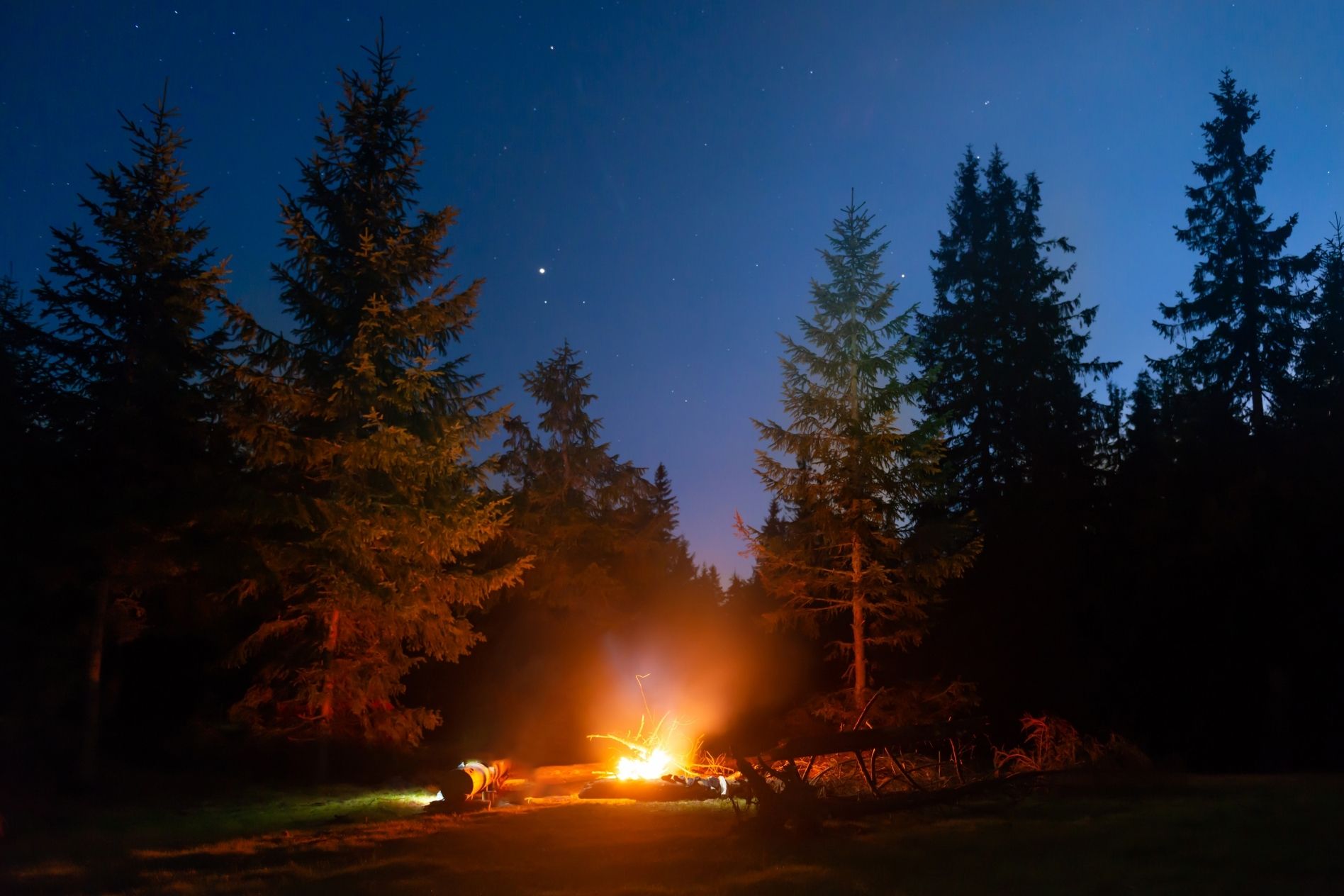
Everyone’s seen movies like Rambo or The Revenant, right? Or at the very least, played Minecraft? In all of them, you’ve got this person stuck out in the middle of nowhere, armed with nothing but their bare and shaking hands, who starts surviving relentlessly and ferociously — building shelters, traps, weapons, and gear out of whatever random junk they can find lying around. And of course, there’s always the classic bear fights and spending the night inside a dead horse. Naturally.
Why you should know how to survive without gear
And you know what? Those are actually really useful skills — being able to create something out of nothing and survive in the process!
Survival as a skill. Can you live in the wilderness?
Because you never know where life might throw you—tomorrow, or even later today. One moment you’re sipping tea in your summerhouse kitchen, and then — bam! — you’re in the middle of some wild forest, with nothing but your flimsy little hands. No Wi-Fi, no food delivery, not even that comforting “I’ll deal with it later.” The world can hit “random” at any time and drop you somewhere you never expected to be. That’s exactly why it’s worth getting off the couch and signing up for a wilderness survival course. Like, right now.
Better to know and not need it, than to need it and not have a clue!
Examples of skills to master:
- Making fire with friction (bow drill or hand drill)
- Crafting simple shelters from branches and leaves
- Identifying safe drinking water sources
- Using natural materials to create basic tools
Psychological readiness
And you’ve got to work on your mindset too, because nothing messes with your head like a sudden extreme situation—especially when it’s generously seasoned with cold, hunger, disorientation, bears, leg-breaking wild boars, and all the other lovely surprises like disenteria!
So, key mental survival traits:
- Mental resilience under stress
- Ability to make clear decisions in fear
- Willingness to improvise and adapt
Unexpected situations
You might never plan to be in a gear-free situation—but that’s the point. Accidents, sudden weather changes, and getting lost are all possibilities when out in nature. Survival ideas and skills act as a safety net when the unexpected happens.
Possible scenarios:
- Losing your backpack while crossing a river
- A sudden storm forcing you off your planned route
- A hiking partner getting injured, requiring an unplanned overnight stay
Training intuition and observation
It’s super important to quickly find fresh water, edible mushrooms and berries, and potential spots to set up camp. You’ve got to be especially careful with berries — at best, a mistake might give you a nasty case of diarrhea, and at worst – you could kick the bucket!
It is also important to find:
- Tree types and which can provide shelter or fire material
- Cloud patterns for weather prediction
- Animal behavior and potential food sources
- Natural terrain for protection or travel paths
Situation assessment
Before you do anything—before you start building, walking, or even worrying—you need to assess your situation. Clear-headed evaluation can make the difference between a successful night in the wild and a dangerous misstep. Your first priority is understanding where you are, what resources you have (even if it’s just the clothes on your back), and what challenges you’re likely to face before morning.
Determine the time of day and available light
Time is your most valuable resource. Knowing how much daylight you have left dictates your immediate actions.
How to assess:
- Check the sun’s position: If it’s low on the horizon, you’re likely working with less than an hour of light.
- Use your fingers at arm’s length to measure the sun’s height above the horizon — each finger width is roughly 15 minutes of daylight.
- Watch for changes in bird activity and temperature—both tend to shift before sunset.
Your goal: Prioritize shelter and fire before darkness sets in.
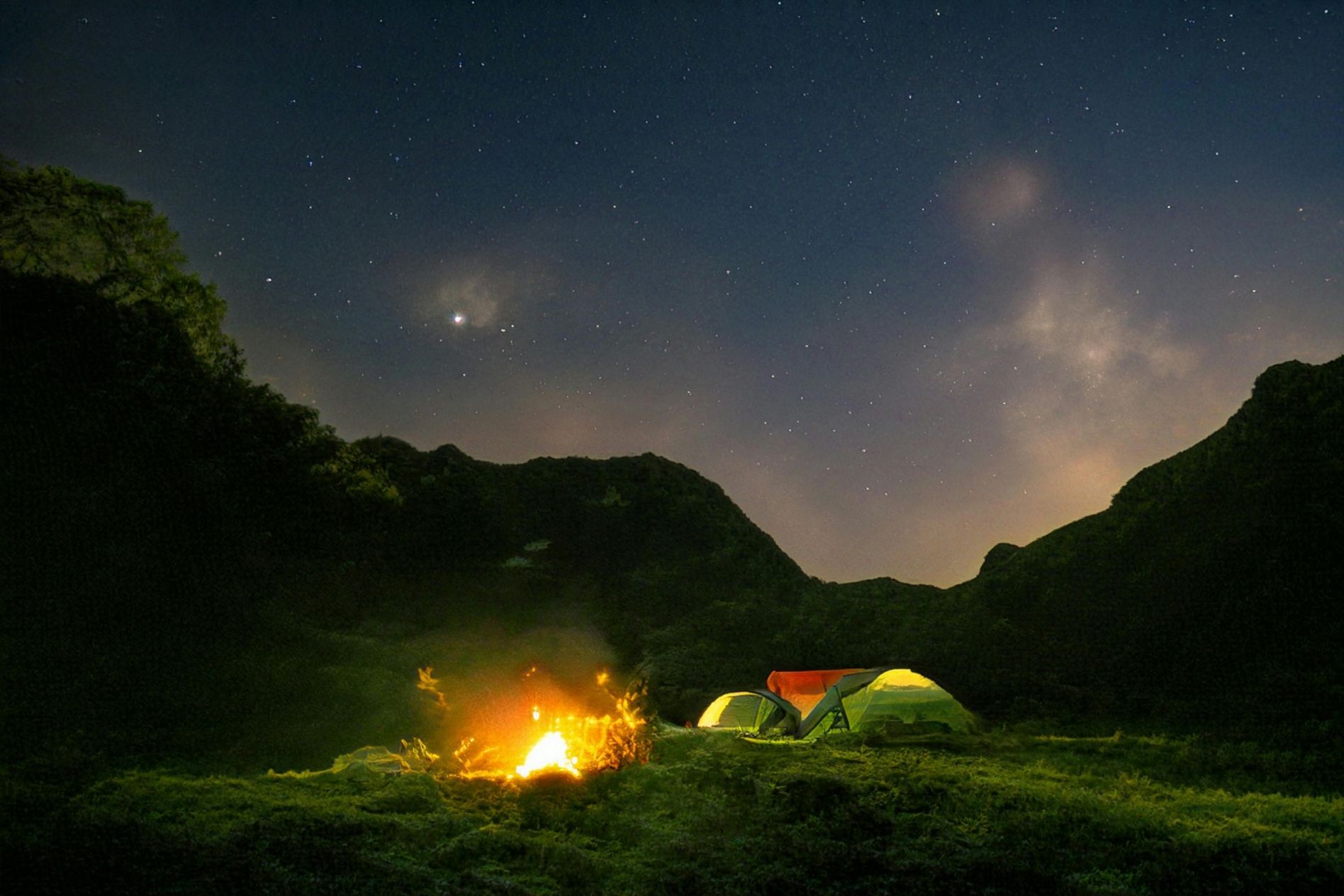
Safety – Animals, Landscape, Terrain
A good location could save your life; a bad one could threaten it.
Things to consider:
- Animals: Avoid animal trails, dens, or areas with heavy droppings. Don’t camp near water at night—predators and prey both gather there.
- Landscape: Stay away from low-lying areas where cold air and moisture collect. Avoid valleys if rain is possible (risk of flash floods).
- Terrain: Look for natural windbreaks, dry ground, and spots shielded from weather—but not too close to dead trees or loose rocks.
Temperature, humidity, forecast
Without a phone or weather app, you’ll rely on nature’s cues to anticipate the night.
How to read the environment:
- Temperature drop at dusk often signals a cold night ahead. If the wind dies down and the air cools fast, prepare for colder temps.
- Dew forming early = high humidity and possibly colder conditions.
- Cloud types: Wispy, high clouds usually mean stable weather; thick, low clouds may mean rain.
- Animal behavior: Birds flying low or insects going quiet can signal incoming bad weather.
Prepare accordingly: Add insulation (dry leaves, bark), raise your bed off the cold ground, and prioritize fire.
Psychology – stay calm, do not fuss
And here’s one of the cardinal secret to survival in any extreme situation: “Don’t hesitate and don’t freak out!” Panic and running around in circles screaming, “WE’RE ALL GONNA DIIIE!!!” has never helped anyone.
Grounding strategies:
- Take slow, deep breaths. Focus on what you can do.
- Mentally list priorities: Shelter > Warmth > Water > Food.
- Don’t rush. A calm pace is more effective than frantic action.
- Repeat a phrase or mantra if needed—something like “slow is smooth, smooth is fast.”
Remember: Survival isn’t about strength. It’s about staying clear-headed and resourceful.
Finding shelter: where and how to hide for the night
Finding or building a shelter is a whole art form in itself! There are plenty of hidden pitfalls in this, and we’re about to dive into them now:
Natural Shelters – Windbreaks, Roots, Niches, Caves
Mother Nature has already provided many potential places of refuge if you know where to look. The trick is recognizing these opportunities and using them wisely. Windbreaks, for example, can be found in areas where thick trees, boulders, or dense shrubs block the wind. These natural barriers are especially helpful in open areas or coastal regions where wind is a major threat. Roots and niches in large trees or rock formations can also offer protection. These natural shelters provide space to hide from the elements, keeping you shielded from rain and wind. In mountainous areas, caves or overhangs can provide a more substantial refuge, but always check them for animals before settling in, as caves can often be home to wildlife such as bats or rodents.
Temporary Structures Made of Branches, Leaves, Moss (Without Tools)
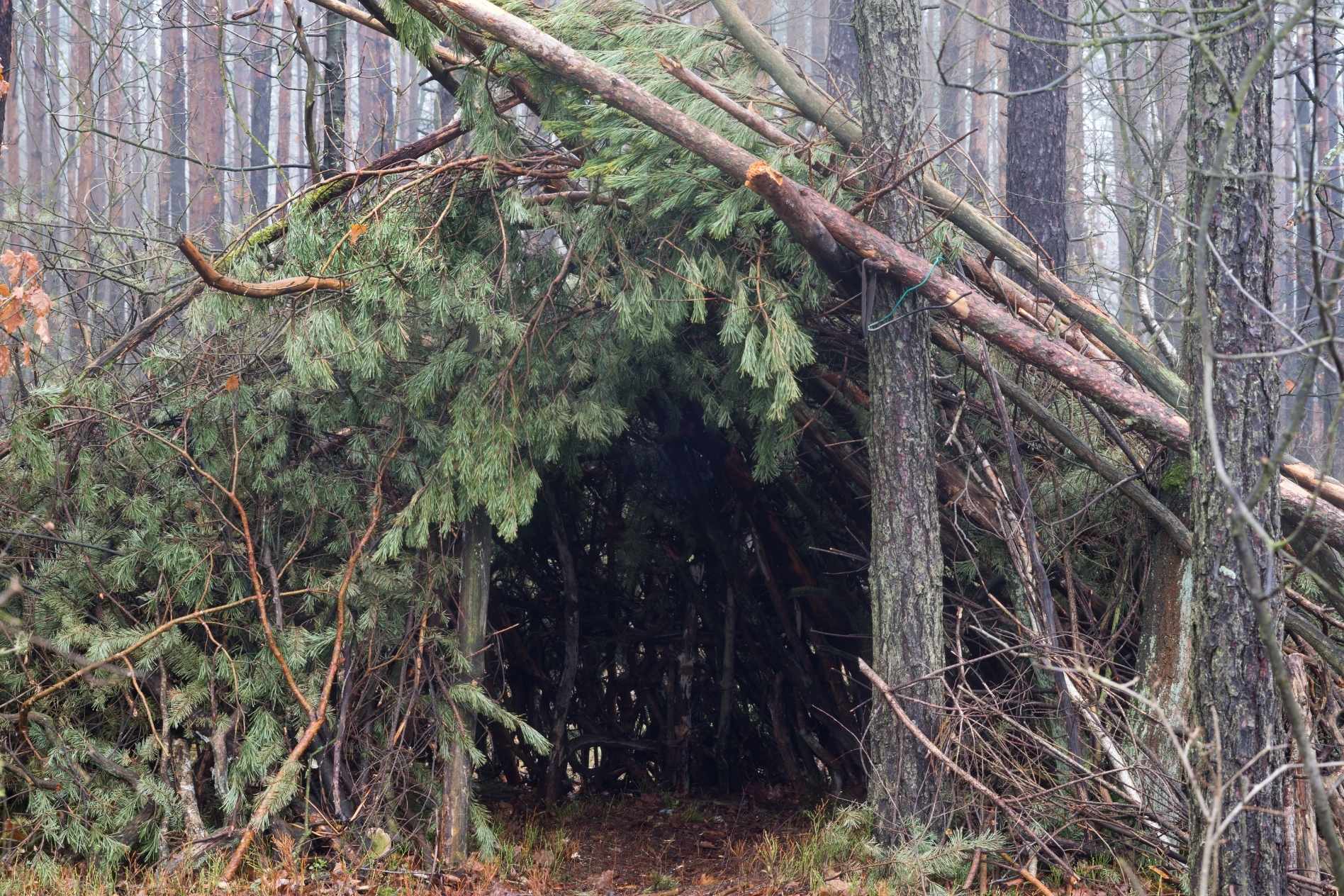
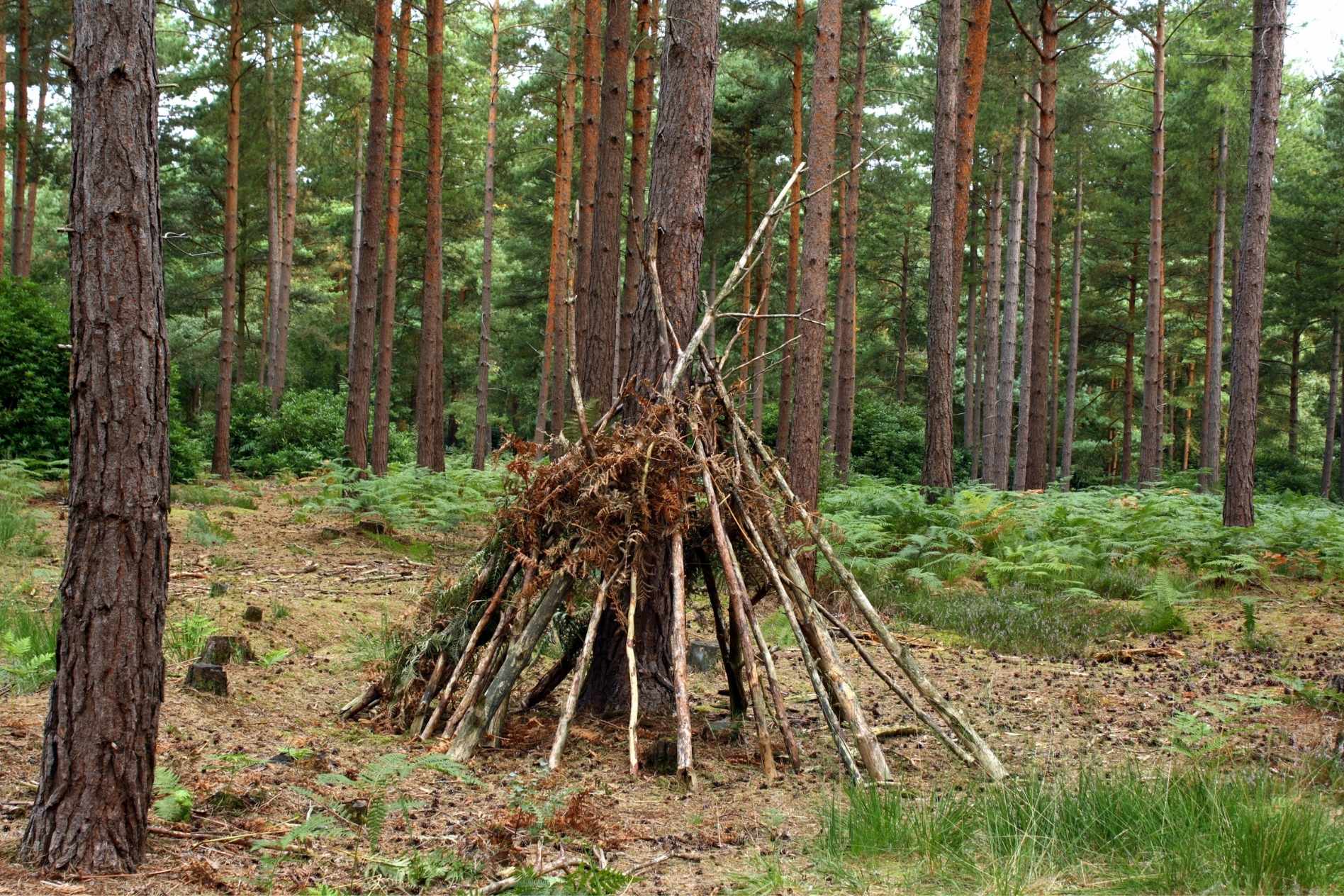
If natural shelters are scarce, you’ll have to build something temporary using only what the environment provides. Even without tools, you can create effective shelter by getting creative. One of the simplest ways is to construct a lean-to. Find a strong branch or fallen log and use smaller branches to lean against it, forming a slope. Cover the structure with leaves, ferns, or bark to help insulate and waterproof the shelter. Alternatively, you can build a debris hut by gathering as much dry vegetation as possible, such as leaves, moss, and pine needles. These can be used to create a thick layer of insulation, which can be formed into a cone or dome shape with branches to hold the debris in place. In colder climates, reflective materials like shiny surfaces or even tree bark can be used to reflect heat back toward your body.
How to Protect Yourself from Wind, Moisture, Cold
A shelter is only effective if it keeps you warm, dry, and shielded from the elements. The first step in protecting yourself from the wind is to make sure your shelter faces away from the wind. If possible, position your shelter near natural windbreaks like trees or boulders. To protect yourself from moisture, keep the ground inside your shelter dry by raising your bed off the cold, damp earth. Use leaves, moss, or pine needles to insulate the floor of your shelter and prevent moisture from seeping in. In wet conditions, covering your shelter with an additional layer of large leaves or bark can help keep water out. For cold protection, create layers of natural materials such as dry moss, leaves, or even mud, which can help insulate your body. Always keep your body off the cold ground by using a thick layer of leaves or pine needles to form a bed. If it’s especially cold, building a fire at a safe distance from your shelter can provide additional warmth. Just be sure to build a wind barrier around the fire using stones or logs to redirect heat.
What Not to Do: Dangerous Shelters
Choosing the wrong location for your shelter can be dangerous. Rotten trees, for instance, can be unstable and may fall unexpectedly. Wind or other environmental factors could cause large branches to break and fall on you, which could be life-threatening. It’s best to avoid setting up shelter under dead trees or unstable branches. Lowlands, while sometimes sheltered from wind, are prone to collecting cold air and moisture. These areas can become damp and chilly quickly, and in certain regions, lowlands are at risk of flooding during storms. Always seek higher ground to avoid these issues. Another dangerous shelter choice is setting up near anthills or animal burrows. These areas could be home to biting insects, or even larger predators. Avoid settling near these types of shelters to prevent unnecessary risks.
How to Find Dry Materials Even in Wet Weather
Search under natural shelters
Look beneath overhangs, inside hollow trees, or under dense branches. These spots often protect wood and leaves from direct rainfall.
Dead standing wood is your best friend
Branches that are still attached to dead trees tend to stay drier than those on the forest floor. Snap them to check for dryness inside.
Split wood to find the dry core
Even if the outside is soaked, the inside of a thick branch may be dry enough to burn. Use a sharp rock or sturdy stick to split it open.
Look for flammable natural materials
Resin-rich wood like fatwood, pine sap, birch bark, and dried fungus catch flame easily and burn hot — even when slightly damp.
Keep tinder dry on your body
Store dry tinder like moss, dry grass, or bark shavings inside your clothing, close to your body heat to keep it dry until you need it.
Methods Without Modern Means (Friction, Sparks from Stones, Sun — If Possible)
Friction-based fire starting
So, how to start a fire without matches survival? The bow drill is one of the most reliable methods, using a bow, spindle, hearth board, and a handhold. It takes time and patience, but works well with dry, soft wood. The hand drill and fire plough are simpler but more physically demanding and less effective in wet conditions.
Striking sparks from stones
Hard rocks like flint, chert, or quartz can produce sparks when struck against steel (like a knife blade) or iron pyrite. If you find the right rock and something to strike it with, you can create a spark to light dry tinder.
Using the sun
With a magnifying lens, glasses, or a water-filled bag, you can focus sunlight onto dry tinder. This only works in clear, sunny conditions and requires very dry, fine tinder like grass fluff or cottonwood seed.
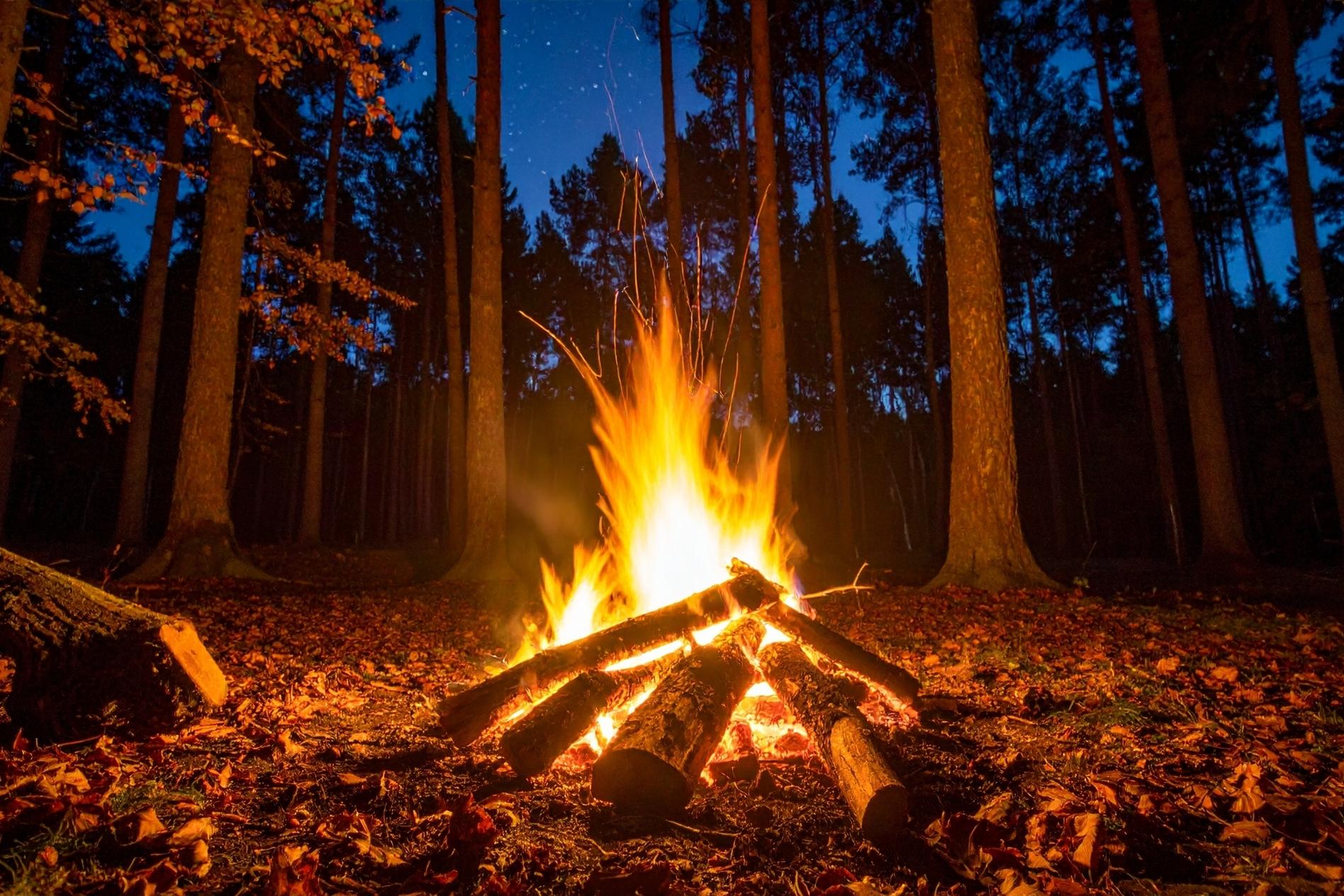
If There Is No Fire — How to Warm Up in Another Way
Use body heat and strategic positions
Curl into the fetal position to conserve warmth. If you’re with others, huddle together. Stay active enough to generate heat, but avoid sweating — moisture will chill you fast.
Build a shelter with insulation
A debris hut made from branches, leaves, and grass can trap your body heat. A simple lean-to can work if you pack it with enough insulating materials and block it from the wind.
Stay off the ground
Cold ground pulls heat from your body. Make a bed of leaves, pine needles, or dry grass to insulate yourself. Even a thick pile of moss can help.
Stuff your clothing
If you’re wearing loose clothing, fill the gaps with dry leaves or grass to add insulation. It may feel odd, but it keeps you warmer.
Block wind and rain
Use natural barriers like rocks, logs, or build a windbreak from branches. Staying dry is just as important as staying warm — water robs your body heat quickly.
Survival without food and water, is that realistic? How to find it?
Last but not least – food and water! You won’t last long without these two, no one will.
Finding Water — Dew, Leaves, Holes, Streams
Morning dew
Use cloth, leaves, or even your hands to wipe dew off grass and plants in the early morning. Wring it into a container or your mouth.
Collect from leaves
Place large leaves in a shallow depression overnight — condensation may form.
You can also tie a plastic bag (if available) around leafy branches to trap transpiration moisture.

Digging for water
In dry areas, digging a hole in a damp area (like a dry creek bed) can sometimes bring up groundwater. Look for signs of moisture, animal tracks, or dense vegetation.
Streams, rivers, and creeks
Always flow is better than still water. Avoid stagnant pools unless you can filter or clean the water.

Rainwater
If it rains, collect it using leaves, bark, or anything that can hold liquid. Rainwater is usually safe to drink. Survival without water is impossible, so learn this skills above well.
Simple Cleaning
Let water settle
Cloudy or muddy water can be left in a container so particles settle at the bottom. Carefully pour off the clearer water on top.
Basic filtration
Layer sand, charcoal (if you have a fire), and moss in a container or cone-shaped object (like bark or cloth). Pour water through slowly to reduce impurities. This does not kill pathogens but helps remove debris.
Use moss or cloth
Water passed through dense green moss or a folded cloth can remove larger particles, though it won’t make the water fully safe. Boiling is the safest — but if you can’t, always choose the clearest source and filter what you can.
Food — What Can Be Collected Without the Risk of Poisoning
Cattail (Typha)
Found near water. The roots, stems, and even pollen are edible. Can be eaten raw or cooked.
Dandelion (Taraxacum)
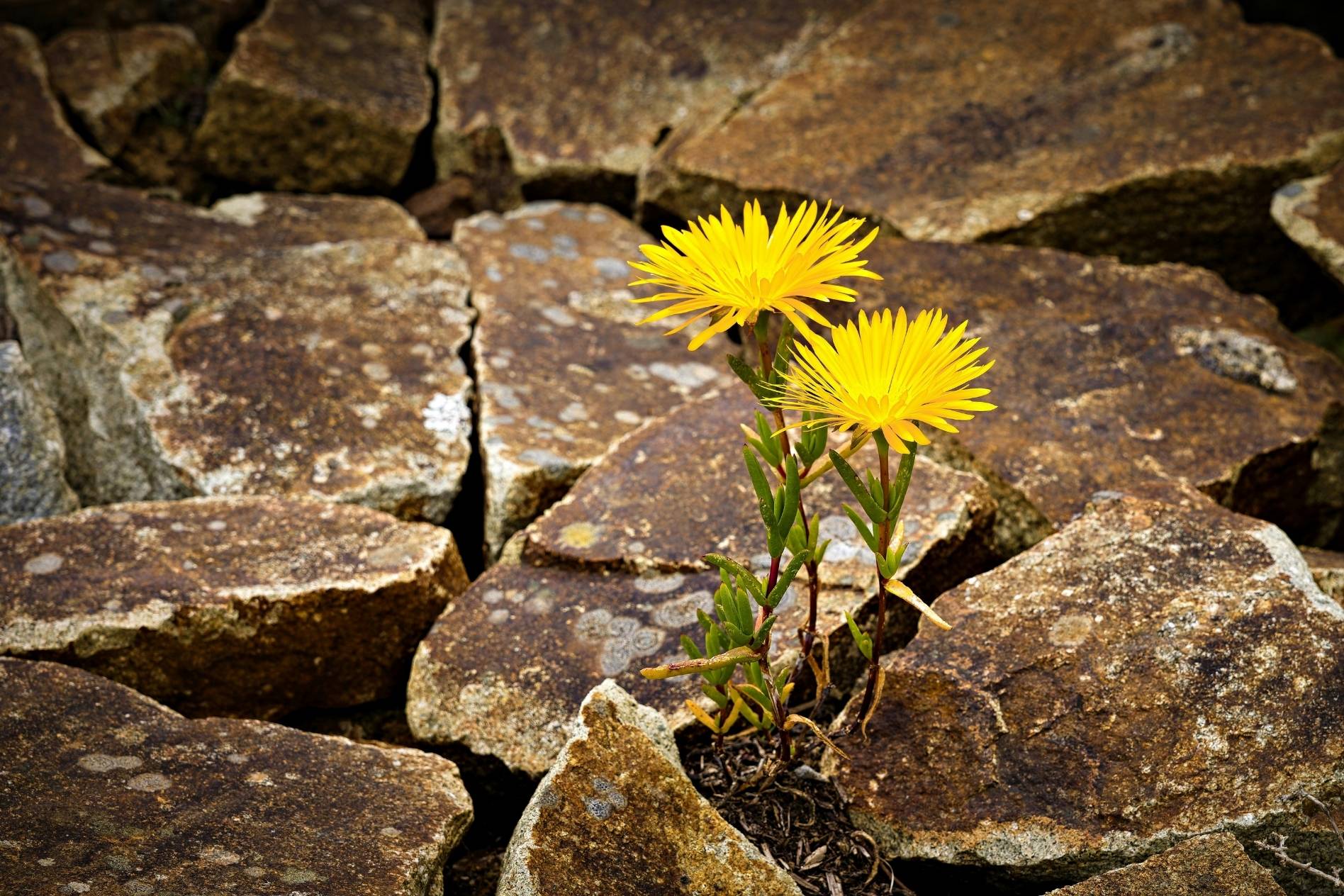
Fully edible: leaves, roots, flowers. Bitter but safe. Common across many regions.
Berries (with caution)
Only eat berries you absolutely recognize — like blackberries or blueberries. If unsure, avoid.
What Should Never Be Eaten Without Knowledge
Mushrooms
Many deadly mushrooms closely resemble edible ones. Unless you’re an expert, avoid them completely.
Unknown berries and seeds
Some berries may look safe but are highly toxic. Unless you’re 100% sure, don’t eat them.
Frogs, toads, and reptiles
Some species are poisonous or carry parasites. Avoid unless you know exactly which are safe and how to prepare them.
Insects with bright colors or foul smells
Generally, bright-colored bugs or those that emit strong odors are warning you they’re toxic. Stick to non-hairy, non-colored insects if you must.
Any plant with a milky sap or bitter, soapy taste
These traits often signal toxicity. Test nothing unless you are trained.
Conclusion
Now you know how to survive in forest, cheers! Follow our tips for surviving in the woods, and a night out in the wild without any gear will turn into a thrilling and unforgettable adventure! And if you want to make it even more magical, be sure to check out our online store, where you’ll find the best knives for camping, hunting, fishing, and survival — plus accessories — all at absolutely mind-blowing prices. See you next time!