
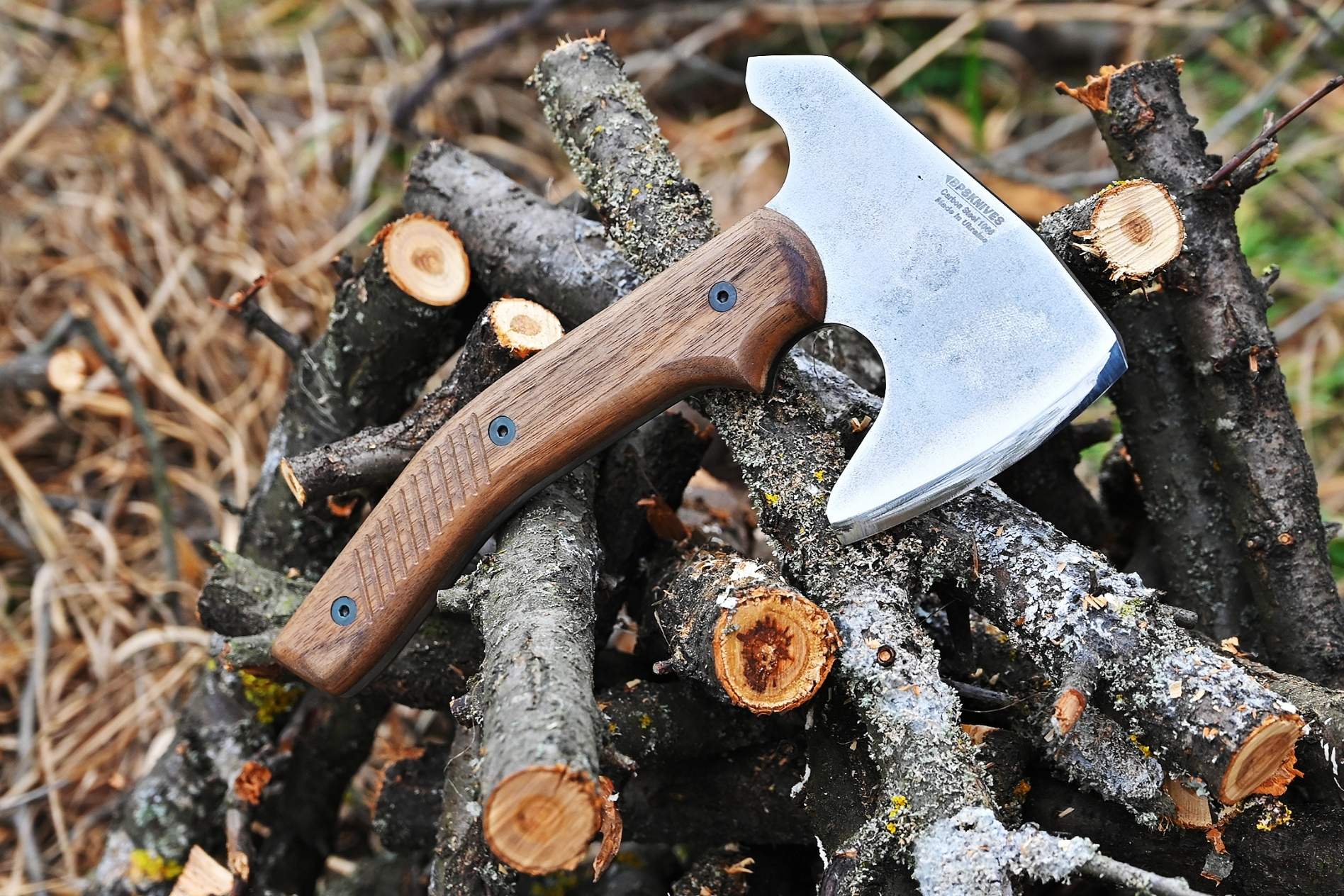
There was a time when axes shattered shields, helmets, chainmail. And the mighty longships they helped build — what a sight they were! Today, however, the axe is mostly just a tool — for chopping firewood, building shelters, and surviving in the wild.
Why Axe Maintenance Matters
Simplicity and durability have long been the stuff of legend when it comes to axes — so much so that many people completely neglect proper care of axe. “It’s just a hunk of metal on a stick,” they say. “What could possibly happen to it?” They chop some wood, toss the axe into the shed, trunk, or closet, and forget about it. But that’s not how it should be — and here’s why:
Safety During Use
A dull or damaged axe is a direct path to injury. If the blade isn’t properly sharpened, it can glance off the wood and hit something you really don’t want it to—like your toes. And if the handle is loose or cracked, things can get even worse: with one good swing, the head might fly off entirely. Regular maintenance helps prevent situations like these and keeps the tool safely under your control.
Prolonging the Tool’s Lifespan
Rust, cracks, and wear are all avoidable with basic care — a quick wipe-down, a bit of axe care oil and proper storage go a long way. A well-maintained axe can last for decades, while a neglected one might not make it through a single season!
Appearance and Functionality
A sharp, clean axe isn’t just safer — it performs better. It cuts cleaner, faster, and with less effort. Plus, let’s be honest: it feels good to use and care of axe that looks solid and well cared-for. No shame, no excuses — just a job well done.
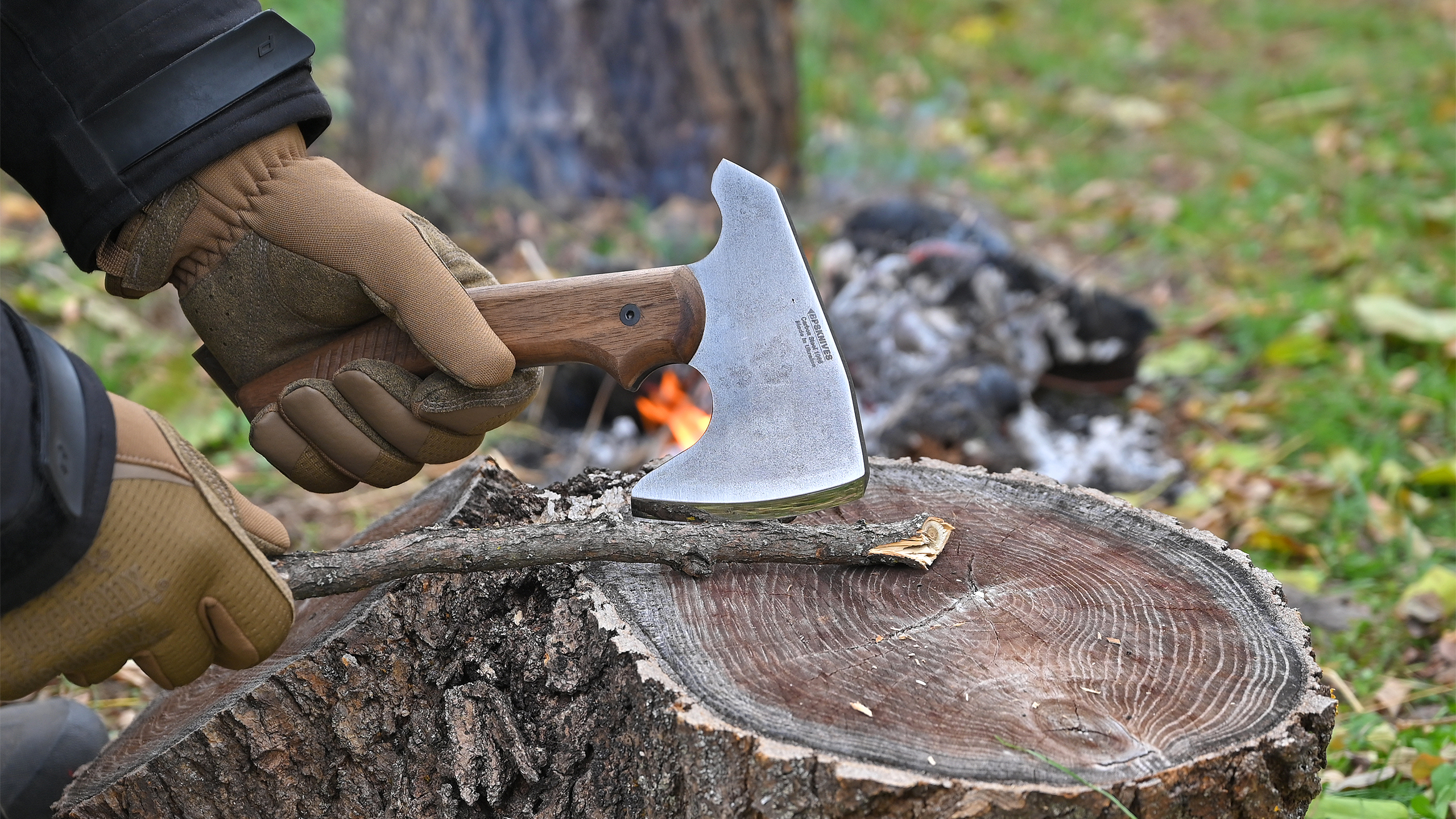 Caring for the Axe Blade. How to care for an axe?
Taking care of the blade isn’t just about keeping it shiny — it’s about keeping it sharp, safe, and ready for the next job. A neglected blade wears out faster, works worse, and can even be dangerous. Here’s how to treat it right:
Cleaning After Use
Always wipe down the blade after each use. Bits of wood and dirt left on the metal trap moisture, which leads to corrosion and rust over time. Just wipe the blade down with a rag; if it’s really grimy, use a bit of warm water and mild soap. Make sure to dry it completely afterward — no shortcuts here.
Rust Protection
Moisture is the nemesis of all blades alike! Even a little can cause rust to form surprisingly fast. After cleaning, always dry the blade thoroughly. Then, apply a light coat of oil — vegetable oil works in a pinch, but mineral or machine oil is better for long-term protection. Finally, store your axe in a dry place! No tossing it into a damp garage corner or leaving it in the trunk all winter.
Sharpening — When and How Often to Sharpen
If your axe starts bouncing or slipping off the wood, it’s a clear sign it needs sharpening. You’ve only got ten toes — and there won’t be any replacements! In general, light touch-ups every few uses keep the edge in top shape. You don’t need to grind it down every time — a simple file or sharpener for axe will usually do the trick. Make sure to follow the original bevel angle and work slowly. A sharp axe isn’t just easier to use — it’s safer too! To keep your gear in top shape, remember that even a little axe plus care can make a big difference in the wild.
 Care for axe handle
The handle is what connects you to the axe’s unstoppable power — and that alone earns it your respect and proper care.
Wooden Handle: Oil Treatment, Sanding, Checking for Cracks
Good old wooden handles — nothing beats the classic feel! But keep in mind, they also require the most care. To keep the wood strong and resistant to moisture, treat it regularly with linseed oil or another wood preservative. This keeps the grain from drying out and cracking. Sand it lightly if it starts to feel rough or splintered, and check the handle regularly for any cracks or weak spots. A handle that’s split or fractured can break during use — and that’s dangerous!
Modern Materials: Plastic, Composites — Care Tips
For modern materials like plastic or fiberglass composite, the care is less about oil and more about durability. Keep the handle clean and inspect it for signs of wear or impact damage. These materials are usually much stronger than wood, but they can still crack or break under extreme conditions. Clean with a damp rag and, if necessary, give it a quick wipe with rubbing alcohol to remove any stubborn dirt or sticky residue.
Checking and Securing the Head
Over time, the wooden wedge in the eye (where the blade fits onto the handle) can loosen, causing the head to wobble or even come off during use. Tap the wedge back in if it starts to shift, and check regularly that the head is seated properly. If you’re using a composite or metal handle, make sure the attachment bolts or rivets are tight. A flying axe head is a nightmare — don’t let it happen!
Axe Storage
We’ve covered maintenance—now, how should you store your axe?
Storage Conditions: Moisture, Temperature, Child Safety
When storing an axe, it’s crucial to maintain the right environment. Avoid areas with high humidity as this can cause the blade to rust. Likewise, extreme temperatures can weaken the handle or cause cracking. Store your axe in a dry, cool place. If possible, keep it out of reach of children to ensure safety.
Using Sheaths and Covers
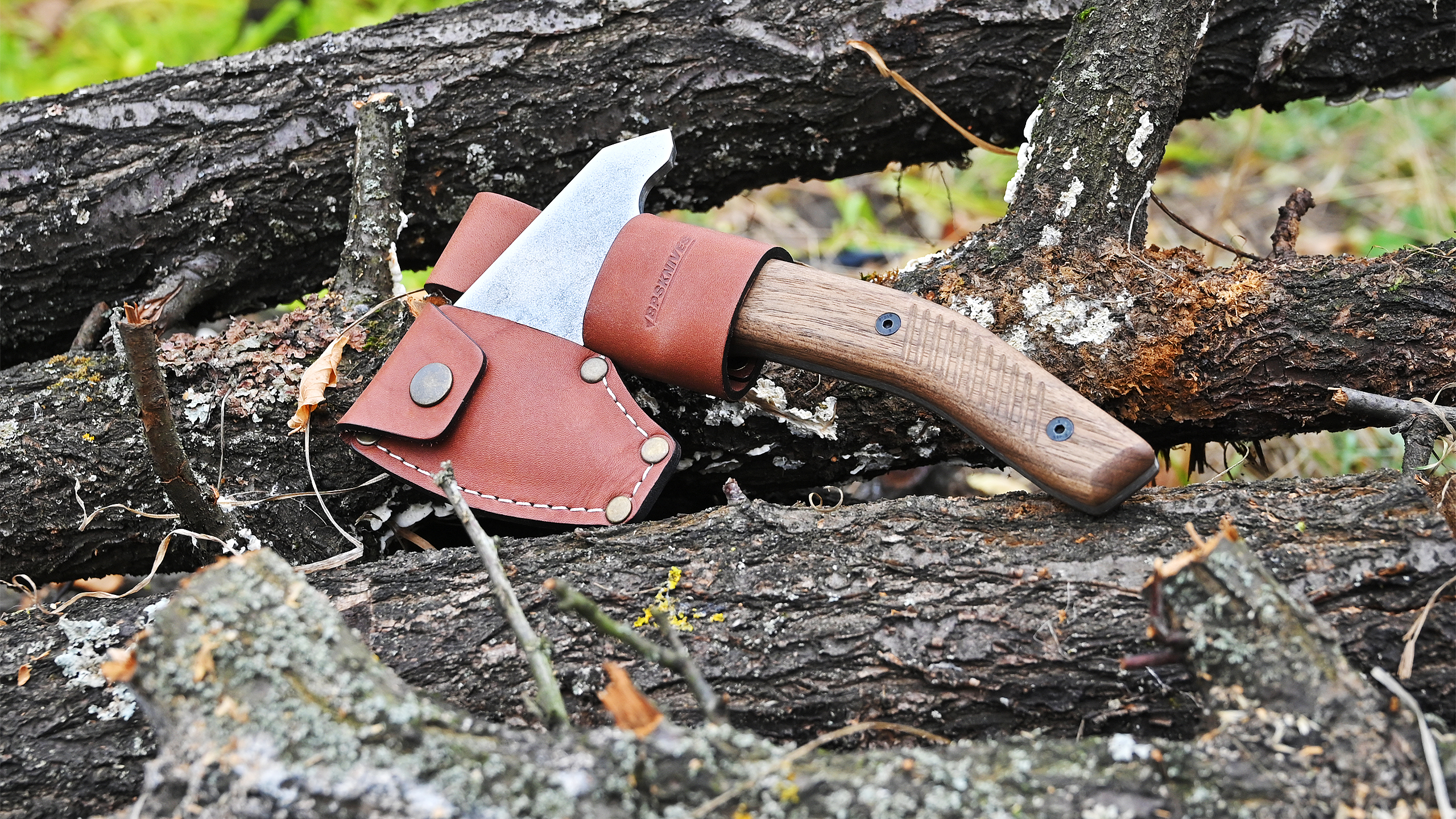
Using a sheath or cover is a great idea! It protects your axe from scratches and chips—and keeps you safe from accidental cuts. Choose a high-quality leather or synthetic cover designed for your axe model, this will preserve the sharpness and overall integrity of the blade!
 How Not to Store an Axe
Once again—no sheds, closets, or car trunks! And never store your axe in a damp or excessively hot area, like a basement or garage where moisture or temperature extremes are common. Also, avoid leaving it in the dirt or on the ground where the blade can rust or dull. Simply tossing it into a shed without protection can also cause long-term damage.
Additional Maintenance Tips
And of course, besides regular sharpening and cleaning, there’s a bit more to it:
How Often to Inspect the Tool
Inspect your axe before and after each use. Make sure the blade isn’t dull and check for any chips, cracks, or other damage. A quick visual check can prevent small issues from becoming dangerous problems! Axe maintenance kit can be handy if some problem is discovered.
What Products to Use for Steel and Wood Protection
To protect the metal parts, use a light coating of mineral oil, gun oil, or specialized rust-preventive oil. For the wood axe handle care, linseed oil is a classic choice—it nourishes the wood and prevents it from drying out or cracking. Avoid synthetic sealants that form a hard layer and can trap moisture inside.
When to Replace the Handle or Blade
Replace the handle if it’s cracked, split, or excessively worn—especially near the head. If the blade has deep chips, excessive corrosion, or a loose fit that can’t be fixed with tightening, it may be time to replace or professionally repair the head. Don’t risk using a damaged tool, it’s not worth the injury!
Conclusion
Here’s a simple yet useful guide. Follow these tips, and your axe will still be going strong for your great-great-grandchildren. And of course, don’t forget to check out our online store — we’ve got axes, axe accessories, knives, and everything a hiking, camping, or wilderness survival enjoyer could need. See you next time!