
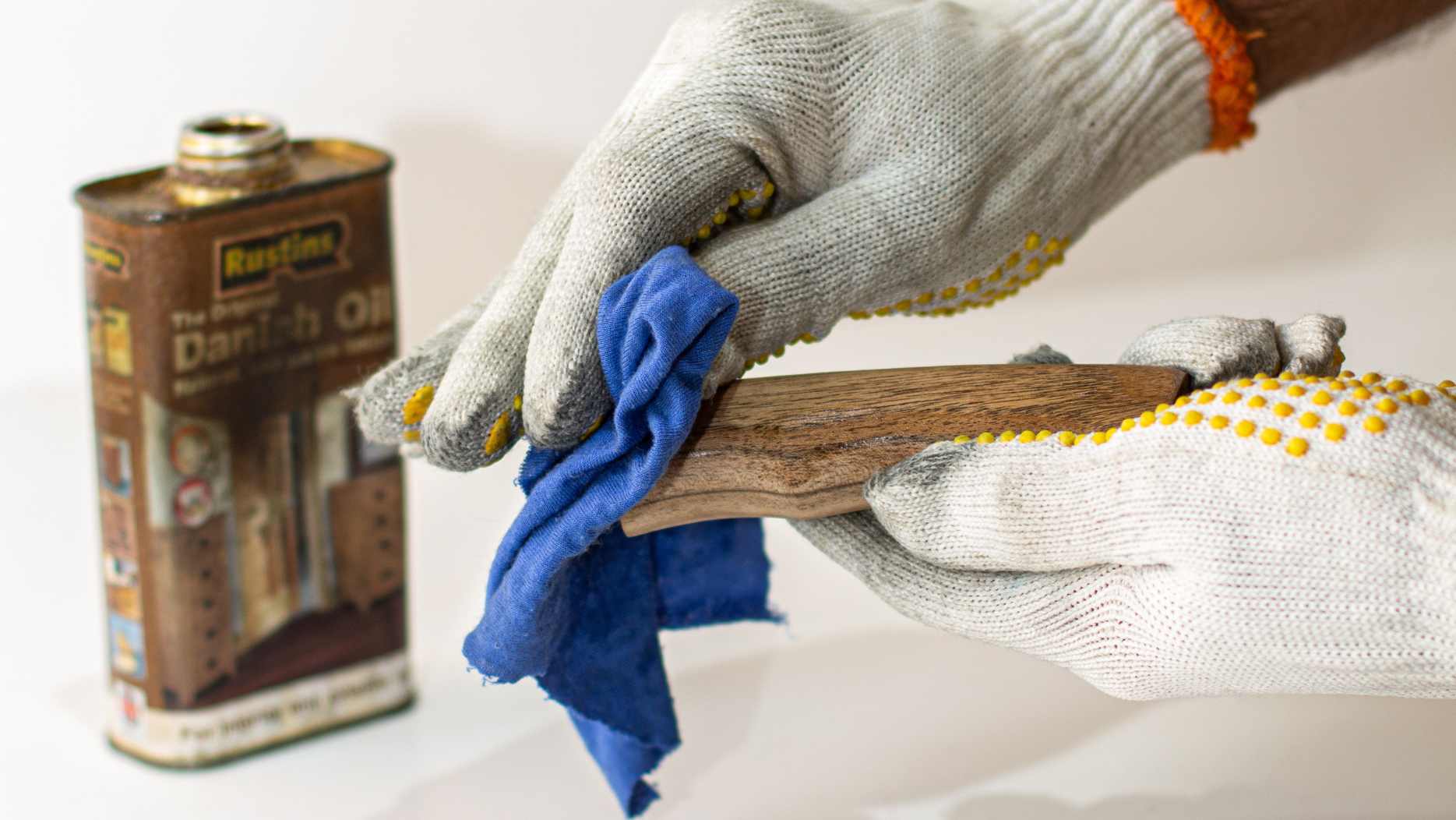
When it comes to the knives, wooden handles offer a warm and inviting feel that metal or plastic handles just can’t match. While wooden handles are beautiful, they do require a little extra care to keep them in top condition.
One of the most important things you can do to maintain a wooden handle is to oil it regularly. But with so many options available, how do you know which oil to choose? In this post, we’ll take a closer look at the best oils for wooden knife handles and what makes them ideal choices.
Why Apply Oil to the Knife Handle?
Applying oil to the knife handle can help protect and maintain the handle’s finish and extend the knife’s life. Here are some reasons why this is so beneficial:
- Moisture damage prevention: Moisture can damage the handle material of your knife, causing it to crack or warp over time. Applying oil to the handle can help to protect it from moisture damage by creating a barrier that prevents water from penetrating the surface.
- Reduced friction: Oiling the knife handle can help to reduce friction between your hand and the handle, making it easier and more comfortable to use.
- Enhanced appearance: Oiling the handle can also help to enhance its appearance by bringing out the natural color and grain of the wood or other materials. It can also help to maintain a consistent finish, preventing the handle from looking dull or worn over time.
- Prevents rust: If your knife has exposed metal parts in the handle design, applying oil can help to prevent rust and corrosion by protecting the metal from moisture and oxygen.
When oiling the handle of your knife, apply a thin layer of the oil of your choice with a soft cloth. Be sure to wipe away any excess oil and allow the handle to dry completely before using the knife. Let’s take a look at the best oils to treat your knife handle.
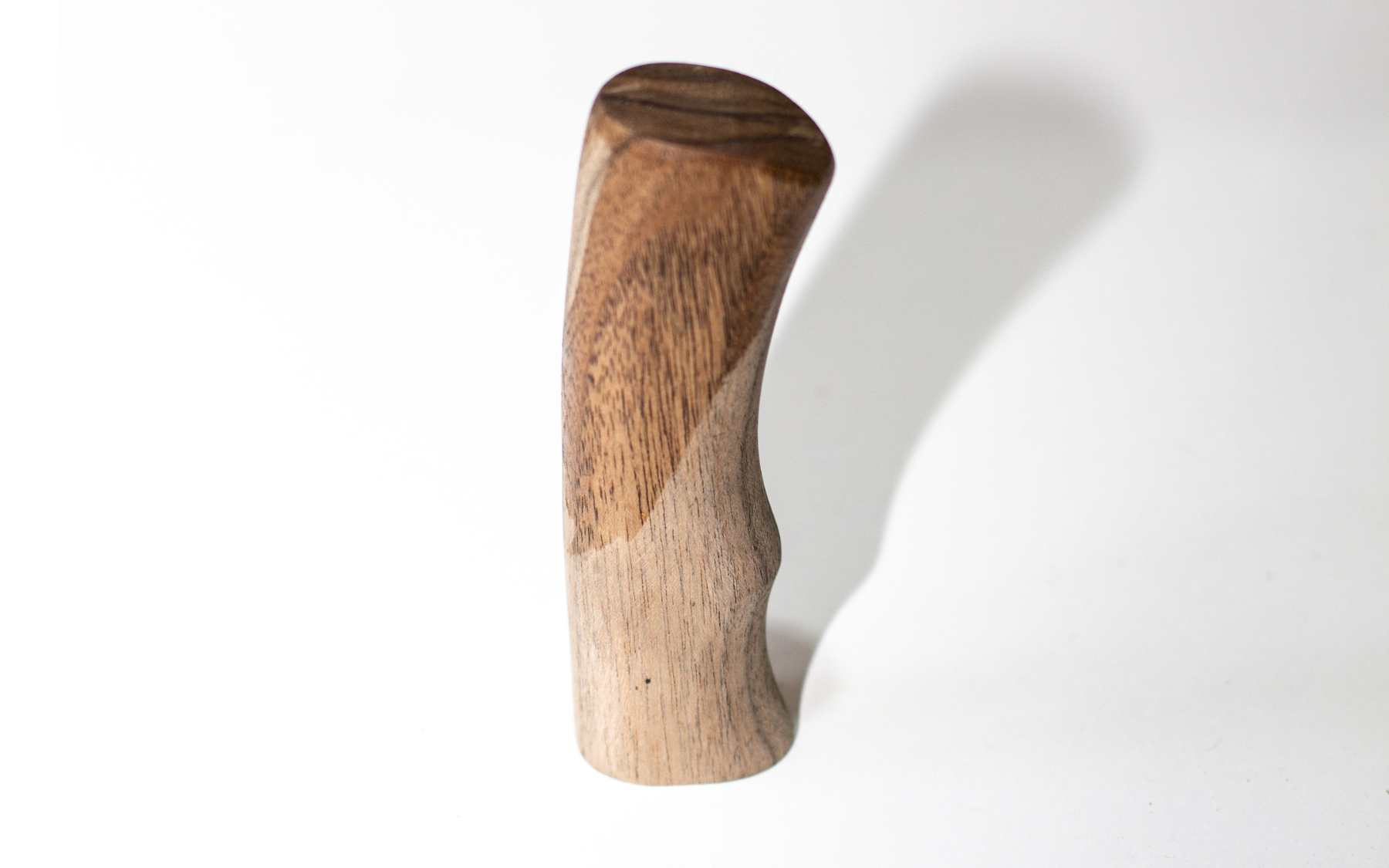
Mineral Oil
One of the most popular oils for treating wooden knife handles is mineral oil. This oil is non-toxic, food-safe, and affordable, making it a top choice for many kitchen knives. Mineral oil is a clear, odorless oil that won’t change the color of your wooden handle. It’s also very effective at penetrating deep into the wood to protect it from moisture and other environmental conditions.
However, mineral oil doesn’t offer much in the way of visual appeal, so it’s not the best choice if you’re looking to bring out the natural grain or coloring of your wooden handle.
Linseed Oil
Another popular option for treating wooden knife handles is linseed oil. Linseed oil is a natural oil that comes from the flax plant. It’s a great choice for people who want to bring out the wood’s natural colors and grain patterns, as it has a slightly yellow hue that can enhance the beauty of your handle.
However, linseed oil can take a long time to dry and cure, which means it may not be the best choice if you need quick protection for your wooden handle.
Beeswax and Mineral Oil Mix
If you want to combine the protective qualities of mineral oil with the visual appeal of beeswax, you can create your own oil mixture at home. To do this, simply mix beeswax with an equal amount of mineral oil. This mixture creates a protective barrier that repels moisture, while the beeswax adds a beautiful shine to your wooden handle.
However, this mixture can be a little harder to apply evenly, so it’s important to take your time and work carefully.
Walnut Oil
If you’re looking for a natural oil that’s easy to apply and provides good protection for your wooden handle, walnut oil is a great choice. This oil is derived from the nut of the walnut tree and has a slightly nutty scent.
Walnut oil dries slowly, which means it will continue to penetrate the wood for several days after application. This gives the wood a rich, deep color that can enhance the beauty of your wooden handle.
However, walnut oil is not a good choice if you have nut allergies, as exposure to the oil can cause an allergic reaction.
Danish Oil
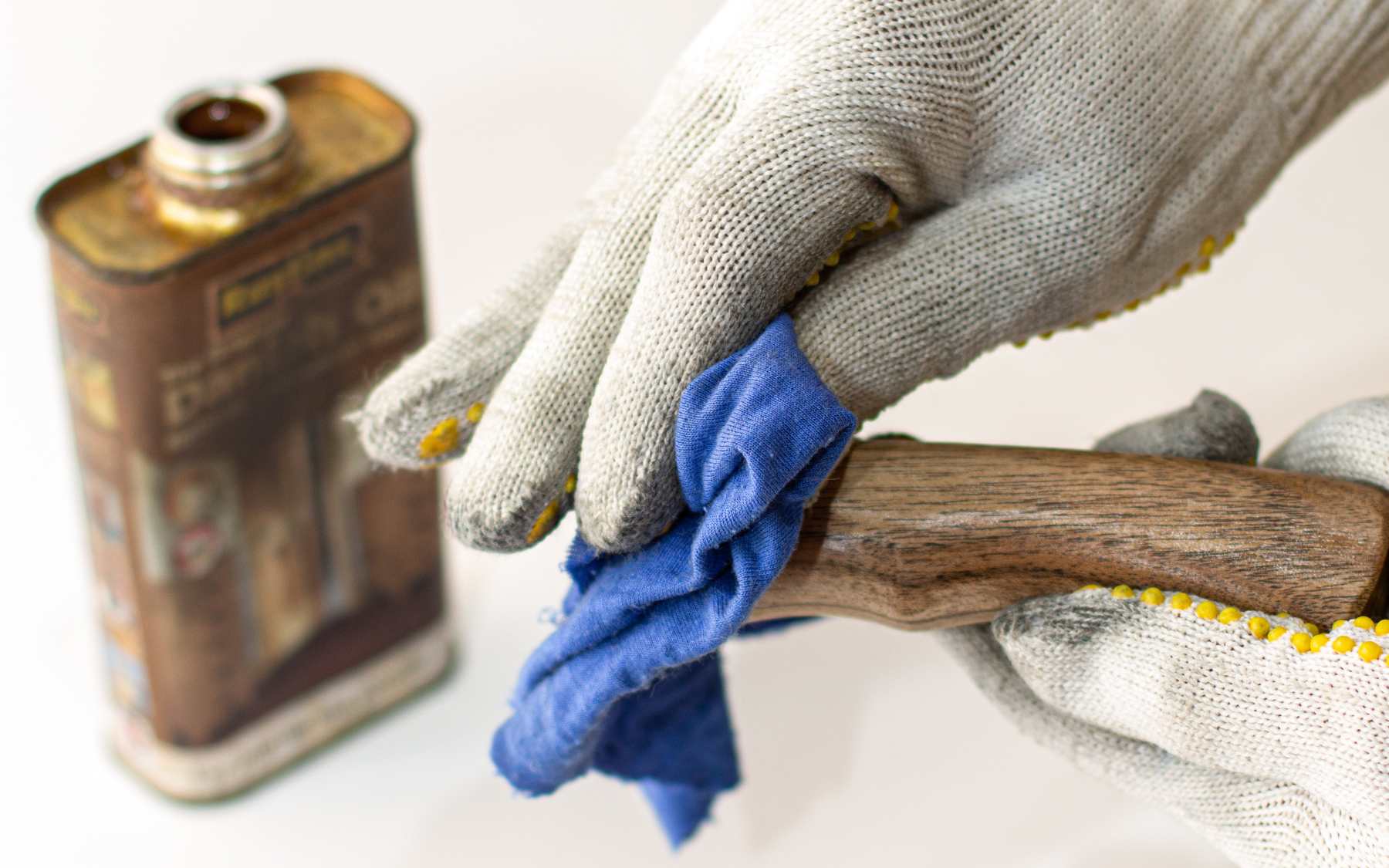
Danish oil is an exceptional choice for finishing wooden knife handles, and our company exclusively uses this oil for all our wooden handle coverings. This oil not only enhances the natural beauty of the wood, giving it a warm, rich tone, but it also penetrates deep into the fibers, providing excellent protection against moisture and everyday wear. One of the key advantages of Danish oil is its ability to create a durable finish that is both easy to apply and maintain. It dries relatively quickly, allowing for faster project completion, and provides a soft, natural sheen that is less glossy than some other finishes, preserving the authentic look of the wood. Furthermore, Danish oil is resistant to peeling and cracking, ensuring that your knife handle remains beautiful and functional for years to come. By using Danish oil, we ensure that our wooden knife handles not only look stunning but also stand the test of time.
Danish oil is typically a blend of several key ingredients, which can include the following:
- Linseed Oil
- Tung Oil
- Varnish or Resin
- Solvents
The combination of these ingredients makes Danish oil an effective and popular choice for finishing wood, providing both aesthetic appeal and protective qualities.
Tung Oil
Finally, tung oil is a great choice for people who want a natural oil that’s easy to apply and provides long-lasting protection for their wooden knife handle. Tung oil is derived from the nuts of the tung tree and dries to a hard, water-resistant finish that will protect your handle from moisture and other environmental conditions.
Tung oil is also resistant to scratches and other types of damage, making it a great long-term solution for people who want their wooden handles to last for years.
Final Thoughts
Choosing the right oil for your wooden knife handle can be daunting, but by considering your priorities and the type of wood you’re dealing with, you can find an oil that works well for you.
Whether you choose mineral oil, linseed oil, beeswax and mineral oil mixture, walnut oil, or tung oil, you’ll be giving your wooden handle the protection it needs to remain beautiful and functional for years to come.
By taking the time to oil your wooden handle properly, you’re not only protecting your investment but also creating a beautiful and inviting kitchen tool that you’ll be proud to use every day.