
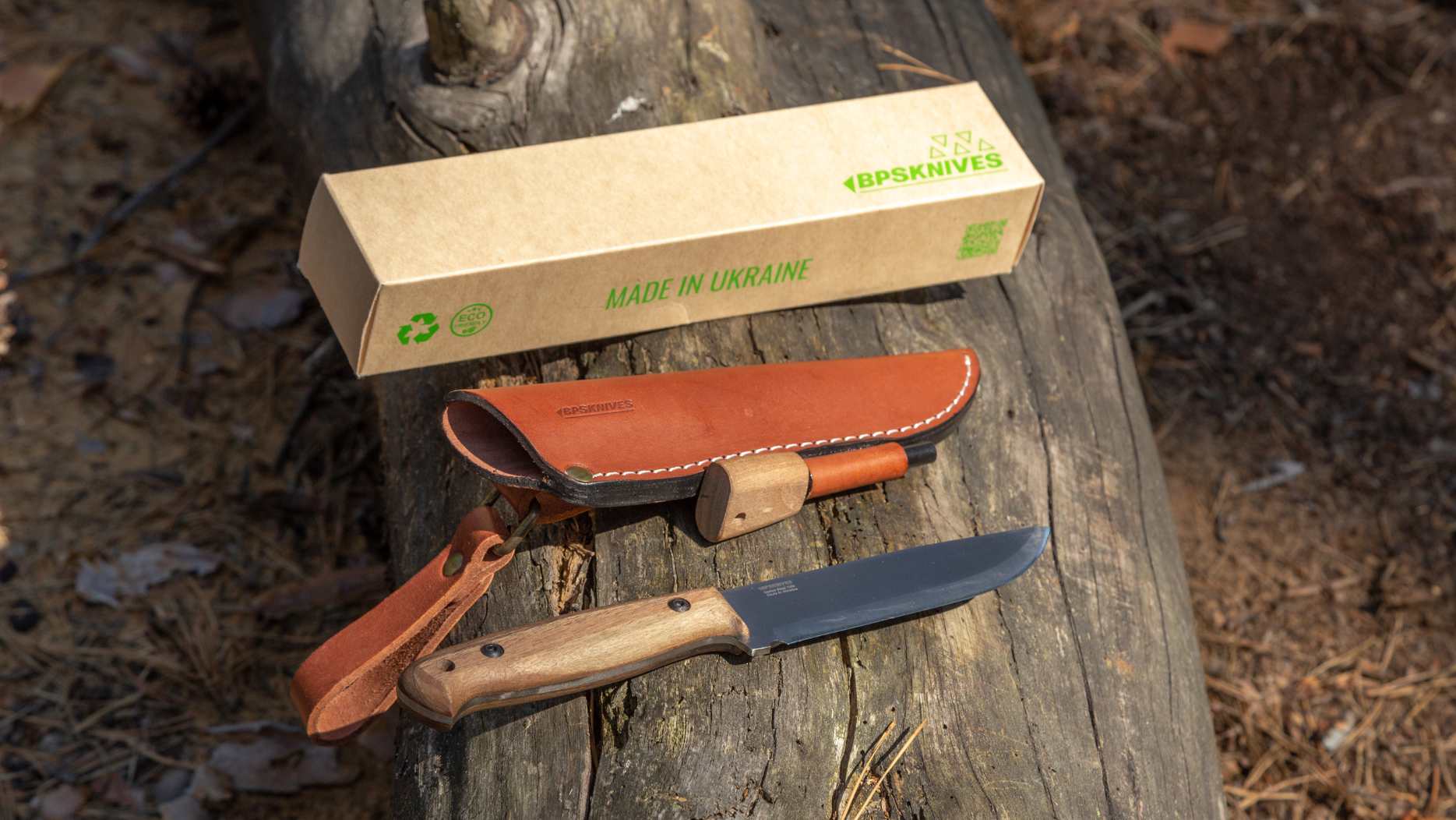
Environmental issues and the health of our planet have never been more urgent! There are too many greenhouse gas emissions, too much chemical pollution in the atmosphere, and too few solutions that could help minimize these threats.
The Growing Importance of Protecting Earth’s Ecology
The worsening of these problems could lead to catastrophic consequences for all life on Earth. If we don’t take urgent action, climate change could result in extreme weather events—such as droughts, floods, and hurricanes—and cause the extinction of countless animal and plant species. This, in turn, would affect global food security, water resources, and ultimately, human health.
Furthermore, the ongoing pollution of water bodies and soil with toxic substances poses a direct threat not only to ecosystems but to our health as well. Toxic chemicals can enter the food chain, contaminating the products we consume, and polluting the water resources we rely on.
But there is good news! Each of us can contribute to preserving our beloved planet. Even small changes in our daily behavior—such as reducing waste, choosing eco-friendly products, and being mindful of natural resources—can lead to significant positive outcomes. If we all join forces, we can bring about real change and create a more sustainable, harmonious world!
Trends in Sustainable Knife Making
And how wonderful that we, knife enjoyers, can make our contribution!
Innovations in Sustainable Materials
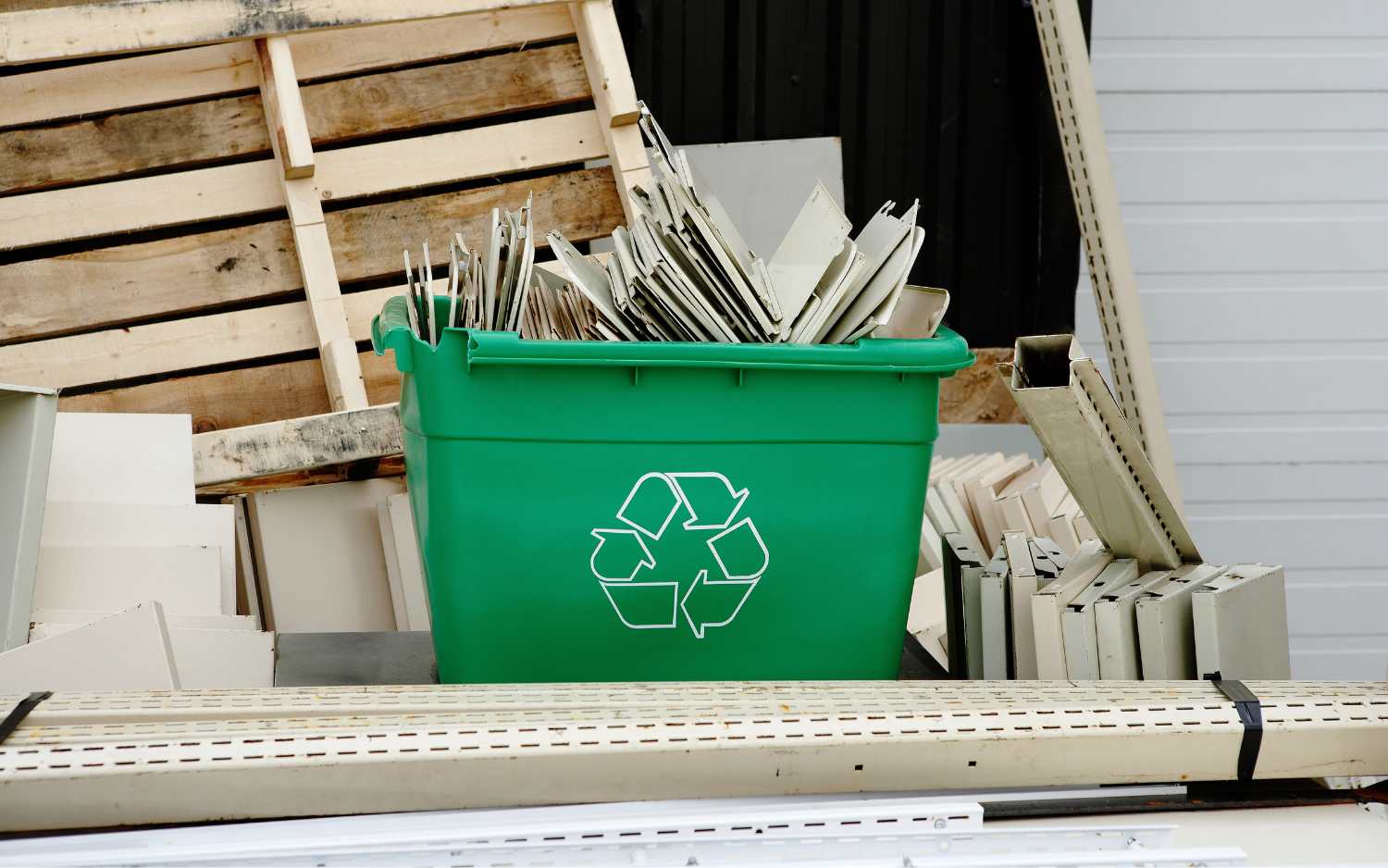
Innovations in sustainable materials are reshaping industries across the board, including knife making, as demand grows for eco-friendly alternatives that don’t compromise on performance or aesthetics. The emphasis is on sourcing renewable, recycled, or lower-impact materials, and using innovative processes that reduce waste and environmental harm. The world doesn’t stand still, and here is the proof:
1. Recycled & Upcycled Metals
- Recycled Steel: One of the most significant innovations in sustainable materials for knives or sustainable camping gear is the increased use of recycled steel. Traditional steel production is energy-intensive and contributes to pollution, but using scrap metal (from old tools, automotive parts, or industrial waste) reduces the environmental footprint of forging blades. These materials often have excellent properties and can produce high-quality recycled knife block, while significantly lowering the need for new raw steel.
- Upcycled Metal from Old Blades: Some makers take old, worn-out knives or metal objects and upcycle them into new blades. This not only keeps materials out of landfills but also often results in a unique, character-filled product that tells a story.
2. Bio-Based Plastics and Composites
- Bioplastics: Instead of using traditional petroleum-based plastics for things like handle scales or sheaths, some knife makers are turning to bioplastics made from plant-based materials, such as corn starch or sugarcane. These materials can be biodegradable or compostable, depending on their formulation.
- Composite Materials from Natural Fibers: Manufacturers are also exploring composite materials made from a combination of natural fibers like flax, hemp, or jute with bio-resins. These composites can be used for knife handles, offering strength and durability while being far less environmentally harmful than traditional fiberglass or synthetic plastics.
3. Sustainable Leather Alternatives
- Pinatex: A leather alternative made from pineapple leaf fibers, Pinatex is strong, durable, and eco-friendly. It’s often used in bags, shoes, and accessories, but it’s now being explored for use in sheaths, grips, or knife handles as well.
- Mushroom Leather (Mycelium): Mycelium, the root structure of mushrooms, has been developed into a leather-like material that’s biodegradable and extremely durable. It’s gaining traction as a sustainable alternative to animal-derived leather and could be used for knife sheaths or handle grips in the future.
- Cork Leather: Cork is a renewable, biodegradable material that is gaining popularity in sustainable product design. It can be used for knife handles, providing a unique texture and aesthetic while being light, durable, and naturally water-resistant.
4. Carbon Fiber with Recycled Materials
- Recycled Carbon Fiber: Traditionally used in high-performance products, carbon fiber is now being made with recycled fibers, which reduce waste and the carbon footprint associated with production. While typically used in premium knives, recycled carbon fiber offers a lightweight, strong, and environmentally conscious alternative for knife handles or other components.
5. Sustainable Ceramics and Hybrid Materials
- Ceramic Composites: Ceramic knives have been around for a while, but there’s growing interest in ceramic composites made from recycled materials, which can offer enhanced strength, corrosion resistance, and sharpness while being more sustainable than traditional metal alloys. Nice option for sustainable outdoor gear.
- Hybrid Materials: Some makers are experimenting with hybrid materials, such as combining ceramics or bioplastics with metals or natural fibers. These composites can provide strength, durability, and performance while keeping the environmental impact lower than traditional materials.
6. Bio-Based Coatings & Finishes
- Natural Oil Finishes: Traditional knife finishes often involved chemical coatings or oils that can be harmful to the environment. Now, there are natural, plant-based oils and waxes (such as tung oil or beeswax) that are being used to finish knife handles, providing a sustainable, non-toxic alternative.
- Eco-Friendly Blade Coatings: Companies are developing non-toxic, eco-friendly coatings for blades that enhance rust resistance and protect against corrosion. These coatings often use natural ingredients and avoid harmful chemicals like chromium or lead that are commonly used in traditional coating processes.
7. Recycled Ocean Plastics
- Ocean Plastics: The use of recycled plastic knife handle is gaining traction! By using plastics that have been pulled from the ocean, knife makers are contributing to cleaning up waste while creating a sustainable product.
- Partnerships with Cleanup Initiatives: Some brands are even partnering with environmental organizations to source recycled ocean plastics for their products, giving a direct, measurable impact to their sustainability efforts.
8. Molecularly Engineered Alloys
- Advanced Alloys: Some knife makers are exploring new alloys that use fewer rare or harmful materials while still maintaining high performance. For example, by using molecular engineering, they can create alloys that are just as strong as traditional steels but use less carbon or eliminate the need for certain rare earth metals.
9. Energy-Efficient Manufacturing Techniques
- Low-Impact Forging: In traditional knife making, forging steel involves heating it to extremely high temperatures, a process that consumes a lot of energy. Modern innovations focus on reducing energy consumption by using electric furnaces powered by renewable energy or adopting more efficient forging methods.
- Additive Manufacturing (3D Printing): Though not yet widespread, 3D printing techniques are being developed to create complex knife components from sustainable materials, including bio-based resins or recycled metals. This could lead to more efficient, waste-reducing manufacturing methods in the future.
10. Sustainable Packaging
- Biodegradable Packaging: Beyond the materials used in the knives themselves, sustainable knife makers are focusing on reducing packaging waste. Instead of plastic or foam, eco-conscious brands are turning to recycled cardboard, biodegradable plastics, or even plant-based packaging materials that break down naturally and leave no harmful residues.
11. Circular Economy and Materials Recycling
- Knife Recycling Programs: Some brands are introducing programs where customers can return their old knives for recycling or repurposing. These knives can then be reworked into new blades or melted down to create new steel, encouraging a circular economy and reducing waste.
- Material Recovery: Knife makers are also focusing on recovering valuable materials from end-of-life knives. For example, when a blade is no longer useful, it might be melted down to recover the steel, or the handle might be re-used in new products.
Manufacturing Processes and Eco Practices
Energy-Efficient Forging & Heat Treatment
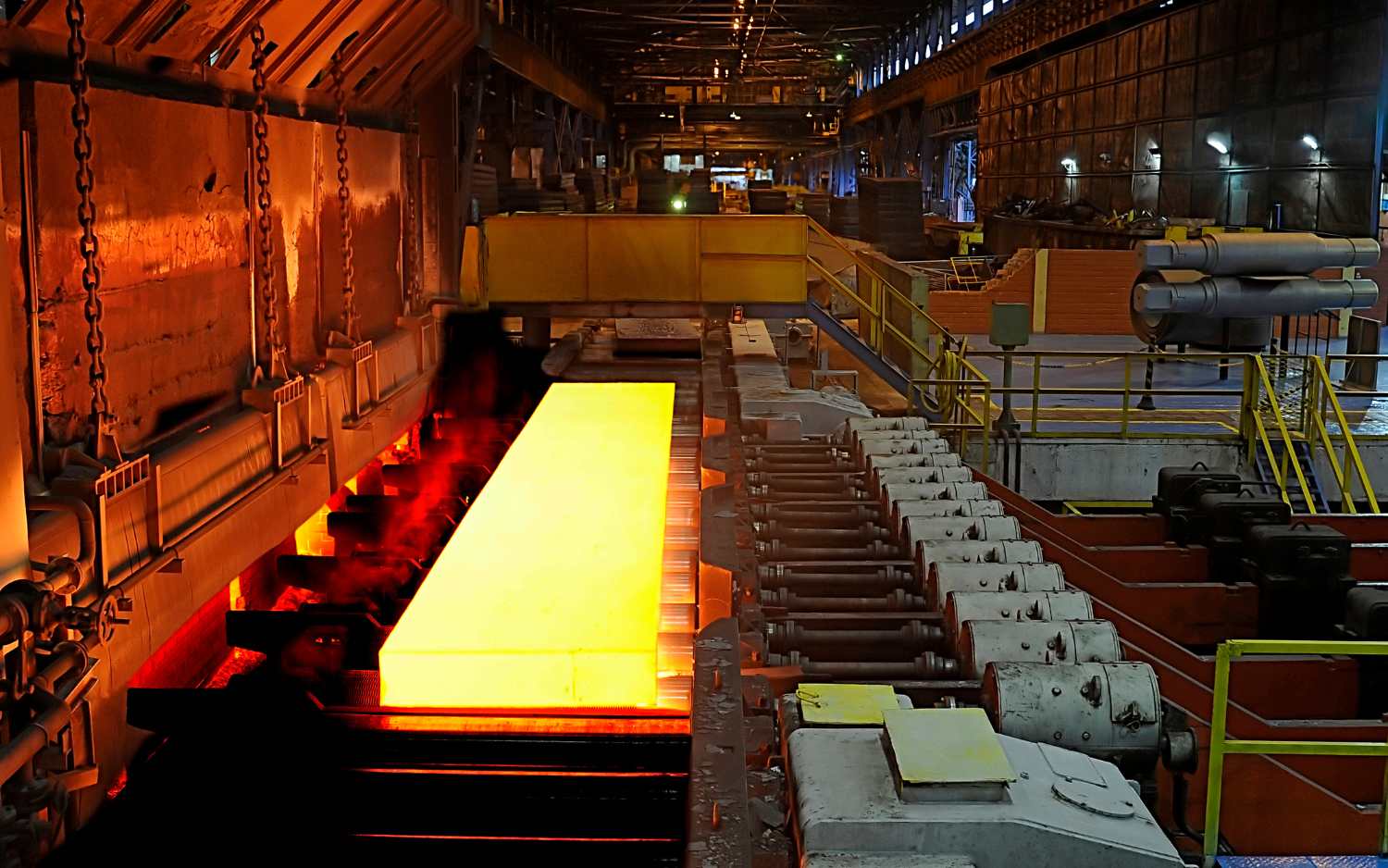
- Traditional forging of steel requires a lot of energy, but some manufacturers are adopting energy-efficient practices, such as using electric furnaces or optimizing heat treatment processes. Additionally, using renewable energy sources (like solar or wind power) to power manufacturing facilities can significantly reduce the environmental impact.
- Cold Forging: Instead of heating metals to high temperatures for shaping, cold forging is a technique where metals are shaped without the need for high heat, saving energy and reducing carbon emissions.
Water-Based and Non-Toxic Coatings
- Many knives are coated with finishes or coatings to prevent rust or improve appearance, but these coatings can often be toxic. Manufacturers are now moving towards water-based or eco-friendly coatings that do not emit harmful chemicals into the environment.
Reducing Waste in Manufacturing
- Knife manufacturers can minimize waste by optimizing production techniques to reduce scrap metal and offcuts. This can be achieved by using precision cutting methods or by recycling the leftover materials into new knives or other products.
- Additive Manufacturing (3D Printing): Some companies are exploring 3D printing technology for creating knife components, which can reduce material waste, optimize design, and allow for more precise, customizable production.
Eco-Friendly Packaging
- Packaging is another area where knife makers are focusing on sustainability. Many manufacturers are moving away from plastic packaging and using recycled cardboard, paper, or biodegradable materials instead. Some even offer minimal or no packaging for eco-conscious consumers.

The Future of Eco-Friendly Knife Making
1. Advancements in Sustainable Materials
a. Biodegradable and Bio-based Materials
- The demand for biodegradable and plant-based materials in knife production is growing. In the future, knife handles could be made from more innovative bio-based materials, like biodegradable plastics derived from algae, hemp, or even fungi. This would reduce the long-term environmental impact of knives that are discarded at the end of their life cycle.
- Plant-based resins might replace the synthetic resins currently used in materials like micarta, offering similar durability without the negative environmental effects of petrochemical-based resins.
b. Further Development of Recycled Metals
- As the need to reduce reliance on mining grows, recycled metals will likely play an even more prominent role in knife making. Advanced techniques for purifying and shaping recycled steel could lead to knives that are virtually indistinguishable from those made with newly sourced materials but with far less environmental impact.
- Closed-loop metal recycling could become the norm, meaning that any off-cuts or damaged knives would be recycled back into the production process, reducing waste.
c. Improved Natural Composites
- Companies might experiment with natural fiber-based composites that combine materials like hemp, flax, or even coconut shells with eco-friendly resins. These materials could be used for both blades and handles, offering strength, flexibility, and environmental benefits.
2. Innovative Manufacturing Technologies
a. Energy-Efficient Production Techniques
- The future of eco-friendly knife making will likely see the widespread adoption of more energy-efficient manufacturing technologies. This includes transitioning to renewable energy sources like solar or wind power to power factories and heat treatment processes. Many manufacturers might also invest in electric forges and induction heating systems that reduce energy consumption and emissions during the production process.
- Additionally, automation and precision manufacturing could reduce waste and improve efficiency by using exact measurements, leading to less scrap material.
b. Additive Manufacturing (3D Printing)
- 3D printing could revolutionize knife making, allowing for the use of recycled or bio-based materials in an additive process that builds up the blade and handle layer by layer, reducing the need for raw material extraction.
- It could also enable custom knife production with zero waste, as designs could be perfectly optimized for strength and functionality, minimizing overproduction and cutting down on material waste.
c. Modular Design for Longevity and Reusability
- Knives could be designed in a way that makes them easily repairable, with replaceable blades or handles that allow for longer product life. This would help keep knives out of landfills and reduce the overall demand for new knife production. Modular designs could also make it easier to reuse parts of the knife (like a high-quality steel blade) even after the handle is worn out.
3. Circular Economy and Product Lifecycle Focus
a. Take-Back and Recycling Programs
- The concept of a circular economy is gaining traction, and knife makers may increasingly adopt programs where customers can send back their old knives for recycling or refurbishment. This could include remanufacturing worn-out blades, recycling materials from old knives, or offering discounts for returning knives at the end of their lifecycle.
- Knife companies might also partner with third-party organizations to set up local collection systems, ensuring that their products don’t end up in landfills or incinerators once they’ve reached the end of their useful life.
b. Extended Durability and Repairability
- Future knives could be designed with a focus on repairability and durability, with replaceable components that extend the product’s life. This would decrease the frequency with which knives are discarded and the need to produce new ones.
- Modular, customizable knives—where parts like the handle, blade, and even the tang can be swapped out and replaced—could become a norm. This kind of design would encourage consumers to keep their knives longer by simply upgrading or repairing specific parts instead of replacing the entire knife.
4. Eco-Friendly Coatings and Finishes
a. Non-Toxic, Sustainable Coatings
- Future knife blades may feature eco-friendly, non-toxic coatings that enhance durability and reduce rust without relying on harmful chemicals. Traditional coatings often involve toxic heavy metals (e.g., chrome plating), but more sustainable alternatives like ceramic coatings, plant-based oils, and graphene could take their place.
- These new finishes would not only make knives safer to use but would also be less damaging to the environment during manufacturing and disposal.
b. Natural Patinas
- Another potential future trend could be the rise of natural patinas as finishes, which don’t require additional toxic coatings. Many traditional blade materials like carbon steel develop a unique patina over time, which protects the blade from corrosion. Instead of using artificial coatings, makers might embrace this natural aging process, making it a desirable feature rather than something to be avoided.
5. Consumer Education and Demand for Transparency
a. Increased Consumer Demand for Sustainability
- As consumers become more eco-conscious, the demand for sustainable products will likely grow. Knife makers will be increasingly pressured to provide transparency about the materials used, the sourcing of their components, and the environmental impact of their manufacturing processes.
- Certifications like the FSC (Forest Stewardship Council) for wood or Fairmined for metals might become common for eco-friendly knives, giving consumers confidence that their purchases are making a positive impact.
b. Eco-Friendly Customization
- The ability to customize knives using eco-friendly materials might become a common feature. Customers may be able to select from a variety of sustainable options (e.g., handle materials like bamboo, wood, or recycled composites) when ordering custom knives, giving them a more active role in reducing the product’s environmental impact.
6. New Business Models
a. Subscription and Repair Services
- We might see new business models emerge in the knife-making industry, such as knife subscription services where customers receive eco-friendly knives or knife components (like handles or blades) on a regular basis. These subscriptions could also include services for blade sharpening, repairs, and upgrades, ensuring knives remain in good working condition for longer.
b. Collaborative Design and Local Manufacturing
- Local, small-scale manufacturers might adopt crowdsourced or collaborative design models, where customers participate in the creation of new, sustainable knife designs. Localized production would reduce transportation emissions, support small businesses, and ensure that knives are made with a lower environmental impact overall.
Challenges to Overcome
Despite these promising trends, several challenges remain:
- Cost and Scale: Eco-friendly materials and processes can still be more expensive than traditional alternatives. For widespread adoption, the cost of sustainable options needs to come down, and supply chains must scale up to meet demand.
- Performance and Durability: Sustainable materials must meet the same standards of performance and durability that traditional materials like high-carbon steel and titanium provide. Ensuring that eco-friendly knives can stand up to the rigors of daily use is crucial.
- Consumer Education: Many consumers still prioritize price and functionality over environmental concerns. Educating the public on the long-term value of sustainable knives (in terms of both performance and environmental impact) will be key.
Conclusion
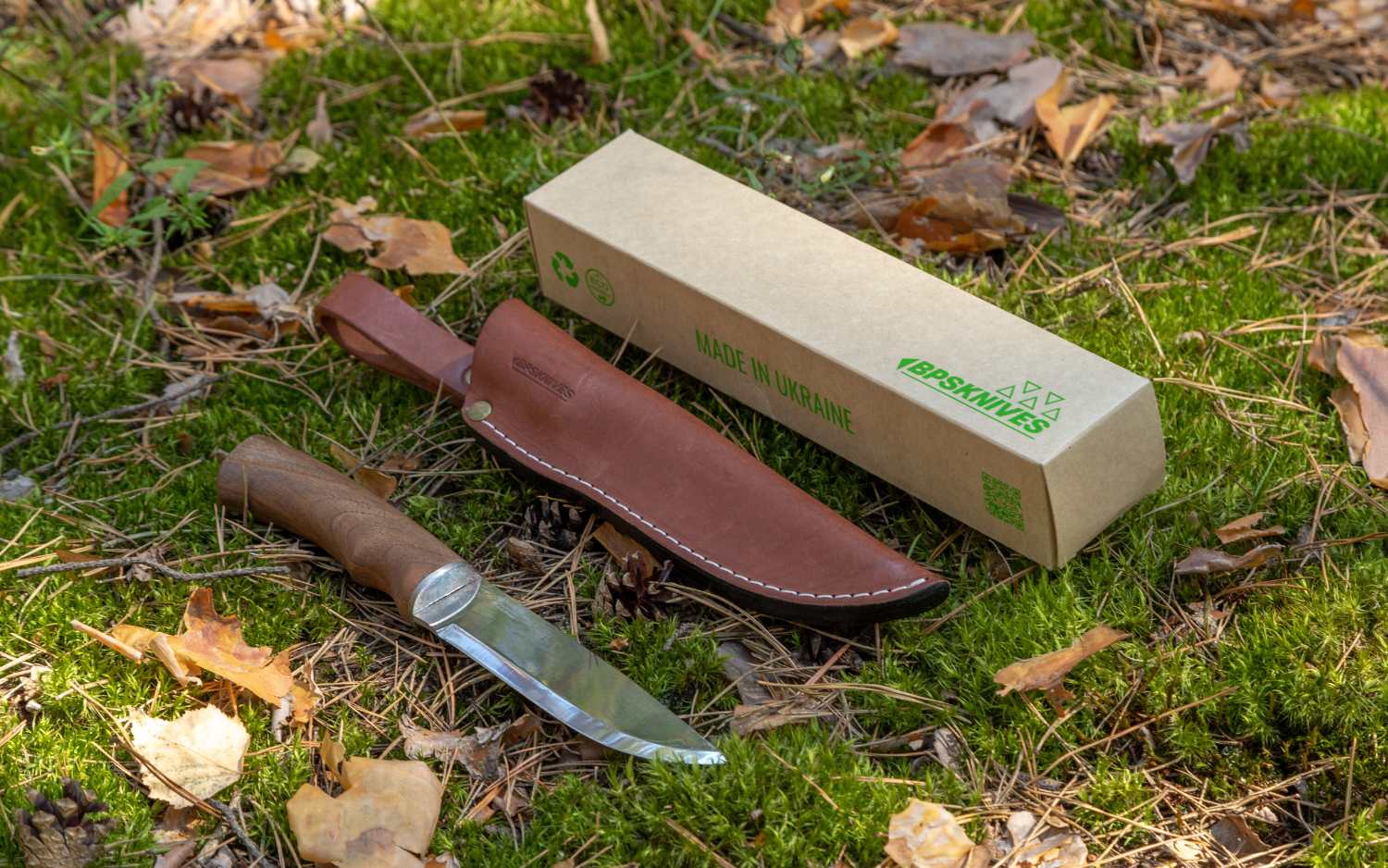
As you can see, it all starts with us! If every knife enthusiast chooses eco-friendly materials for crafting their knives, the environmental impact will be significantly reduced.