

South America. Every day is a carnival, a celebration, and even the cats dance salsa here! But we’re not here for that today.
Introduction To the diverse cultural influences on knife-making
Of course, we are interested in their blades, and boy oh boy, there are plenty of them here! The geography and history of knife traditions in South America are influenced by a complex blend of indigenous cultures, European colonization, and the interchange of ideas and technologies from various parts of the world!
The knife industry in South America is shaped by both the natural environment and the socio-political history of the continent. Different regions and cultural groups have developed distinctive knife-making traditions that reflect local materials, needs, and aesthetic preferences.
Indigenous Knife Traditions
Indigenous cultures across South America have long used knives for a variety of purposes, including hunting, farming, cooking, and ritual practices. These knives were typically crafted using locally available materials such as stone, bone, or wood, but metalworking developed in some regions as well, particularly after the arrival of European settlers.
Early Indigenous Tools and Weapons
Early tools and weapons can be divided according to the indigenous peoples who created them:
- Inca Civilization (Andean Region): The Incas are known for their sophisticated use of metal, particularly bronze and copper. They crafted knives and other tools with elaborate designs, often with ceremonial significance. These knives were often made with a combination of metal inuit knife and wooden or stone handles.
- Guarani and Tupi Peoples (Southern Brazil, Paraguay, and Argentina): These indigenous groups used knives fashioned from bone, wood, and stone. Their knives were often small and multifunctional, designed for both hunting and food preparation. The designs were influenced by the environment, with materials sourced from local plants and animals.
- Amazonians (Brazil and the Amazon Basin): Indigenous tribes in the Amazon, like the Yanomami, used knives made from stones, bones, and, later, metals obtained from trade. These knives were crucial for survival in the jungle, used for hunting, processing food, and even as weapons.
Cultural Significance
The cultural significance of knives in South America goes beyond their practical use. Knives were both a symbol of status and a symbol of courage, as well as having ritual significance. Local tradition inuit knife is deeply intertwined with the continent’s history, identity, and social structures, carrying symbolic meanings, rituals, and historical narratives that reflect the diverse cultures of the region. Knives in South America serve as tools, symbols, and cultural artifacts that convey personal, familial, and collective stories.
Spanish and European Influence
And then the Spaniards arrived, who were somewhat shocked by the bloody human sacrifices to the local pagan gods. To make matters worse, the Aztec ruler Montezuma II, instead of crossing himself and gratefully accepting the Bible offered by the Spanish priest in 1520, simply threw it on the floor in the most disrespectful manner.
The Spaniards were never known for their angelic patience (and it wasn’t exactly appropriate in this case), and from that moment, the conquest began — the subjugation of the indigenous tribes of Central and South America.
And when two very different cultures go to war with each other, it turns into a real cultural melting pot, where these cultures mix, and unique things emerge that carry the imprint of these nations.

Introduction of European Metalworking
With European colonization, the use of metal, particularly steel, began to shape the development of knives in South America. The Spanish and Portuguese brought advanced metalworking techniques that would later merge with local traditions to create hybrid designs. Steel knives became an essential tool for both colonizers and indigenous groups.
Evolution of Knife Design
- The Spanish and Portuguese Influence: As the Spanish and Portuguese established colonies in South America, the introduction of European steel knives became a significant factor. European blacksmithing techniques combined with indigenous designs, creating a unique knife culture that was heavily influenced by European aesthetics and functionality.
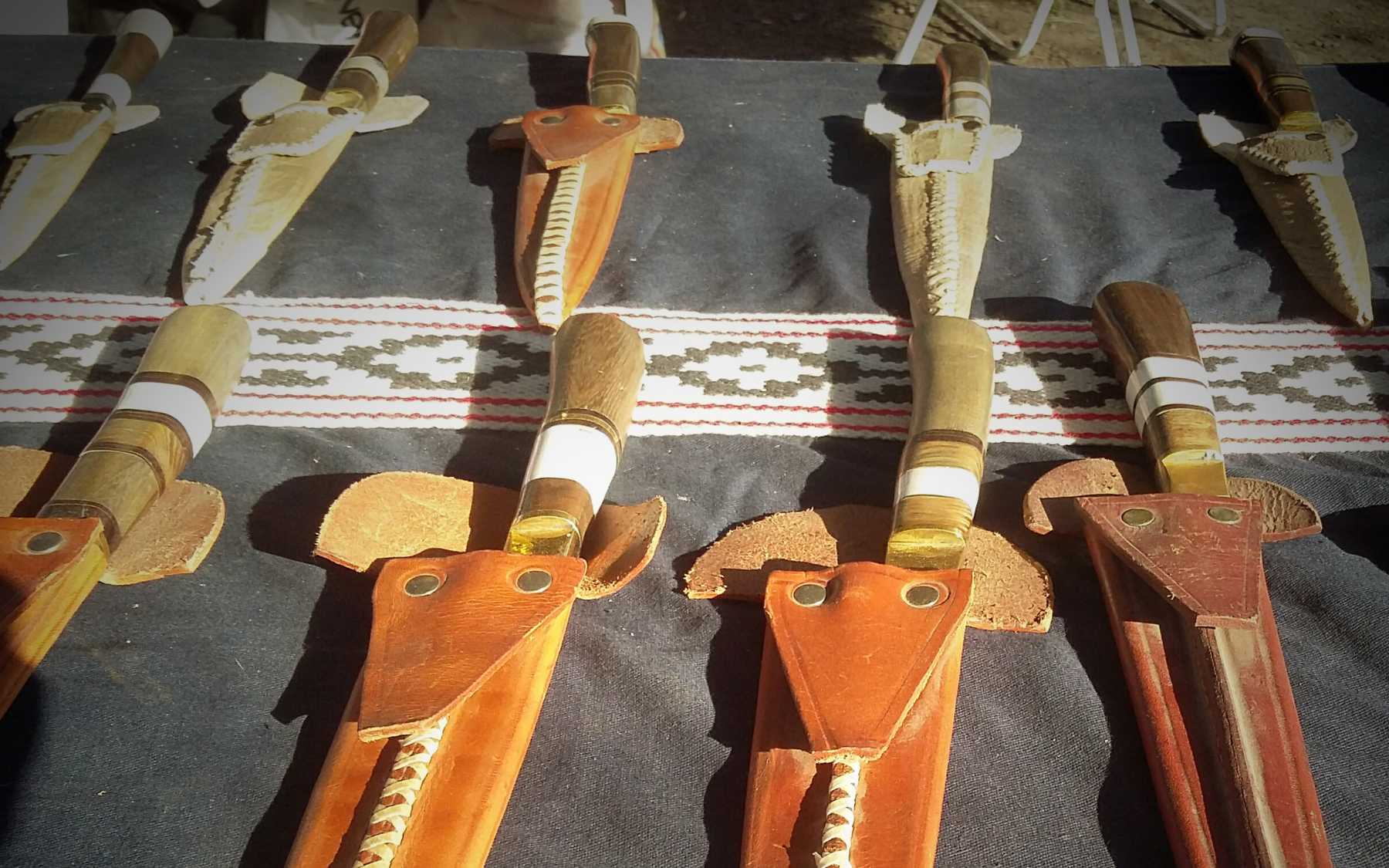
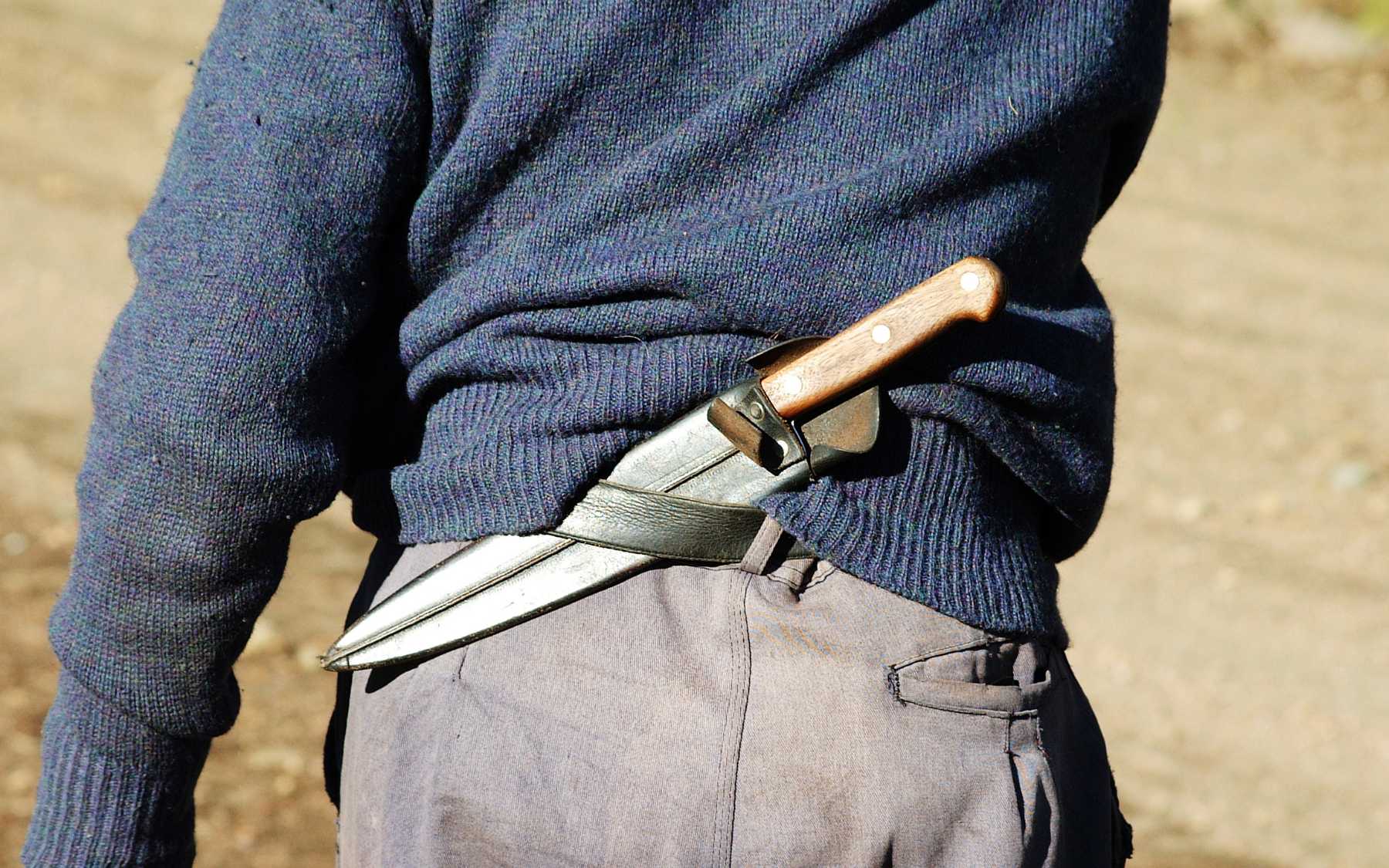
- Brazilian and Argentine Gaucho Knives: The gaucho knife (or “facón”) is a prominent example of a European-influenced knife tradition in South America. Originating from the southern regions of Brazil, Argentina, and Uruguay, the facón was used by the gauchos (cowboys) in daily life, particularly in cattle ranching. It is characterized by a long, curved blade and a wide, often ornate handle. This knife reflects a blend of Iberian influences with local South American needs.
- Serrated Blades and Military Knives: The widespread use of knives in the military and as tools of colonization led to the development of robust and efficient blades. Military knives in South America often drew from European designs, particularly the Spanish and Portuguese styles, but adapted for local conditions and combat.
Regional Knife Styles and Their Origins
So, let’s take a look at regional knife styles.

Gaucho Knives in Argentina and Uruguay
The gaucho knives, or “Facón” in Argentina and Uruguay, are iconic tools associated with the gaucho, the cowhands of the South American Pampas. These knives have become symbols of the cultural identity of the gaucho and are traditionally used for various practical purposes, including livestock management, hunting, and self-defense.
- Design: Gaucho indigenous knife typically feature a long, single-edged blade that ranges from 10 to 20 inches (25 to 50 cm). The blade is often thick and strong, making it suitable for heavy-duty tasks. The handle is typically made from wood, bone, or horn, with some featuring elaborate decorations such as silver inlays, engraved designs, or leather wraps.
- Cultural Importance: The facón is more than just a tool; it carries deep cultural and historical meaning. It is a symbol of the gaucho lifestyle, representing ruggedness, independence, and connection to the land. These knives were historically used by the gauchos during their work in the fields, in battle, and even in daily life for eating, preparing food, or making fire.
- Craftsmanship: Traditional facón knives are still made by hand, with artisans often using methods passed down through generations. The crafting process involves high-quality materials, particularly in the blade and handle, where intricate inlays and carvings may be added.
Brazilian Knife Traditions
Brazil has its own distinct knife traditions, which can be divided into several regions with different designs and techniques.
- Ceremonial Knives (Facas): In Brazil, knives are also known as “faca”. The country is home to a wide variety of brazilian bushcraft knife styles, many of which are used for both everyday work and ceremonial purposes. In the southern region of Brazil, particularly among the gaúchos (Brazilian cowhands), “facas gaúchas” are similar to the Argentine facón, featuring long, strong blades and often decorated with intricate handle designs.
- Handmade Knives: Brazilian knife-making is a respected craft, with regions like Cabo de Santo Agostinho in Pernambuco and the state of Minas Gerais being known for producing high-quality knives. Craftsmen in Brazil often employ Damascus steel, creating beautiful patterns on the blades, and they use a variety of materials for handles, including wood, bone, antler, and resin. Pretty handy knife.
- Cultural Significance: Like their Argentine counterparts, Brazilian knives are tied to the country’s historical and rural traditions. The knife is seen as a tool of survival, a symbol of craftsmanship, and in some cases, a display of personal status or regional pride.
Andean Blades
The Andean region, spanning parts of Peru, Bolivia, Ecuador, and Chile, has its own distinct knife-making tradition. These knives often reflect the indigenous cultures of the high-altitude Andes mountains.
- Traditional Knives (Cuchillos and Macanas): In Andean cultures, knives like the “cuchillo” are essential for daily tasks such as farming, cooking, and crafting. Many Andean knives are smaller than the gaucho facón but are still highly functional and built to withstand tough environments.
- Material Use: Andean blades are often made with bronze or steel and are sometimes adorned with ceramic or wood handles. Artisans in this region have been creating these knives for centuries, often using techniques that have been passed down from the indigenous peoples of the Andes. For example, the Macana is a wooden knife-like weapon historically used by Andean warriors. Such a knife made in America.
- Cultural Role: In the Andes, knives are frequently involved in cultural ceremonies, including those for agricultural rituals, sacrifices, and feasts. The Andean cultures also have a rich tradition of using knives as part of their spiritual practices, symbolizing the relationship between humans and nature.
- Distinctive Features: Andean knives can sometimes be characterized by intricate patterns on their blades or handles, often reflecting the natural world, such as animals or plants, which hold symbolic meaning in Andean spirituality.
Impact of Globalization on South American Knife Industry
1. Increased Competition and Market Access
Globalization has facilitated access to international markets, enabling South American knife manufacturers to export their products to a wider customer base, especially in North America, Europe, and Asia. At the same time, it has brought an influx of foreign brands and products into the region, increasing competition for local manufacturers. This can lead to both opportunities and challenges:
- Opportunities: South American companies can tap into new markets, access international supply chains, and source materials from around the world.
- Challenges: Local manufacturers must compete with lower-cost imports, often from countries with cheaper labor or more advanced technology, which can erode profit margins and market share.
2. Technological Advancements
Globalization has exposed South American manufacturers to advanced production techniques, materials, and technologies used in the global knife industry. This can lead to:
- Improved product quality: South American manufacturers may adopt cutting-edge production processes or materials like high-carbon stainless steel, titanium, and ceramics, improving the overall quality of their knives.
- Increased productivity: Automation and new manufacturing technologies allow for more efficient production and higher output at lower costs.
However, the adoption of such technologies can also create barriers for smaller local businesses that lack the capital to invest in high-tech equipment.
3. Cultural Influence and Innovation
Globalization has facilitated cross-cultural exchanges, influencing the design and functionality of knives produced in South America. South American artisans and manufacturers are now incorporating international trends and consumer preferences, which can lead to:
- Design innovation: Knives from South America may now blend traditional craftsmanship with modern aesthetics and functionalities that cater to global tastes.
- Specialization: Local artisans and manufacturers may find niches in producing specialty knives (e.g., hunting, cooking, or survival knives) that are in demand in global markets.
Conversely, globalization may also lead to the erosion of traditional craftsmanship if cheaper, mass-produced knives dominate local markets.
4. Labor and Environmental Concerns
Globalization has introduced both positive and negative changes to labor and environmental practices in the South American knife industry:
- Labor: Manufacturers may face pressure to lower costs, which can sometimes result in the exploitation of labor in low-wage countries. On the other hand, globalization may also provide better job opportunities and training in higher-skill manufacturing techniques.
- Environment: As competition increases, some manufacturers may resort to unsustainable practices in the pursuit of cost reduction. However, global environmental concerns and stricter regulations in international markets may prompt local manufacturers to adopt greener, more sustainable production methods.
5. Shift in Consumer Preferences
Globalization has contributed to the growing influence of consumer preferences and trends from developed countries, especially in the United States and Europe. For the South American knife industry, this has meant:
- Demand for quality and durability: Consumers in these markets tend to prefer high-quality, durable knives, which can prompt South American producers to focus on high-end knives or hand-crafted designs.
- Ethical consumption: There is increasing demand for products that are ethically produced, leading South American manufacturers to adopt fair trade practices or emphasize locally sourced materials.
6. Supply Chain Dynamics
Global supply chains have made it easier for South American knife manufacturers to obtain raw materials from other parts of the world. This has had the following impacts:
- Access to premium materials: Knife producers in South America can access high-quality steel, specialized coatings, and other materials that were previously inaccessible.
- Cost efficiency: Sourcing materials from global suppliers can reduce production costs, though fluctuations in global prices and supply chain disruptions can have negative effects on local businesses.
7. Local Economic Impact
In some cases, the knife industry has become a significant part of local economies, with small manufacturers contributing to the livelihoods of artisans and workers. However, the increasing dominance of multinational corporations can put pressure on these small businesses:
- Economic development: Growth in the global market can stimulate the South American economy by creating jobs and fostering growth in related sectors, such as tourism (for traditional hand-crafted knives).
- De-industrialization: Large global companies may drive local businesses out of the market, leading to reduced diversity and innovation in the sector.
Conclusion
These are the knives of South America! In every curved line, there’s a story, and in each blade, a part of the culture and craftsmanship of the ancestors. Check out our online-store, where you’ll find a huge selection of cool knives at great prices. See ya!