

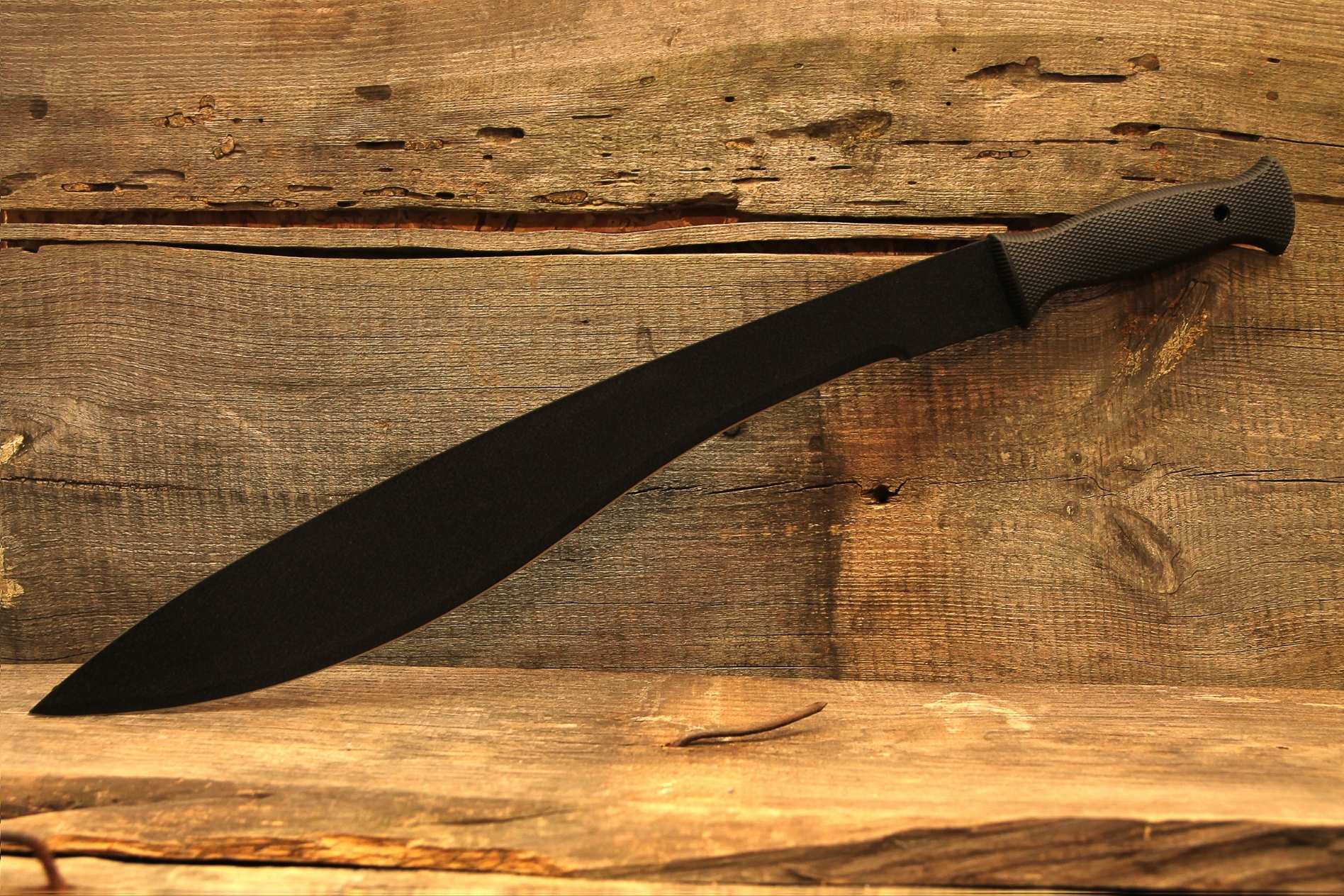
Well then, get ready — because today we’re diving into everyone’s favorite category: HUGE KNIVES! And not just any knife, but one steeped in history and legend — the mighty Kukri!
Origin of the Kukri. What is kukri?
The original kukri is the national knife of Nepal, which gained worldwide fame thanks to the Gurkhas, who, between 1814 and 1816 during the Anglo-Nepalese War, absolutely loved charging into close combat with this blade — delivering the British an unforgettable experience by chopping them into a fine salad, much like you’d slice vegetables for one. The British were so impressed that after the peace treaty was signed in 1816 between Nepal and Britain, they started recruiting Gurkhas into their army. And so, the legend of the Gurkhas and their insanely big, curved, and terrifying knives echoed around the world!
History of the gurkha kukri
But even before 1814, the Kukri was already a well-known weapon, albeit on a smaller scale. One theory suggests it evolved from the ancient Greek kopis — a curved sword used by Alexander the Great’s hoplites, who may have wandered into Nepal in the 4th century BCE.
Another theory claims that the distinctive inward-curved blade design was brought from Africa to Greece in the 6th century BCE, and from there it spread across the Balkans and the Middle East, influencing the development of the yatagan and various regional knives.
Whatever its true origins may be, one thing’s certain: the Kukri is one of the oldest blade designs in the world — and remarkably, it’s barely changed over the centuries.
Evolution kukri knives
The shape of the kukri has evolved over the centuries under the influence of both functional needs and cultural factors. Early examples, dating back to around the 9th–10th centuries, featured a narrower and longer blade with a gentler curve, making them practical for both combat and everyday tasks.
During the rise of the Gurkha warrior tradition, starting in the 17th century, kukris became heavier and more robust. This design allowed for more powerful chopping strikes in close combat, which was especially useful in mountainous terrain and confined battlefields.
By the 19th century, as Nepal engaged more actively with the British Empire, the blade developed a more balanced shape. The optimized curve and improved handle design made the kukri a versatile tool, equally effective as a weapon and as a multipurpose implement.
Modern kukris have retained their traditional characteristics but have benefited from advancements in metallurgy and steel processing, becoming lighter, stronger, and more durable. Today, both classic models faithful to historical patterns and ergonomic modern versions are produced for collectors, outdoor enthusiasts, and military units — including the regiments where Gurkhas still proudly serve. That’s the nepalese kukri history.
Cultural and religious significance
Kukri in Nepalese rites and ceremonies
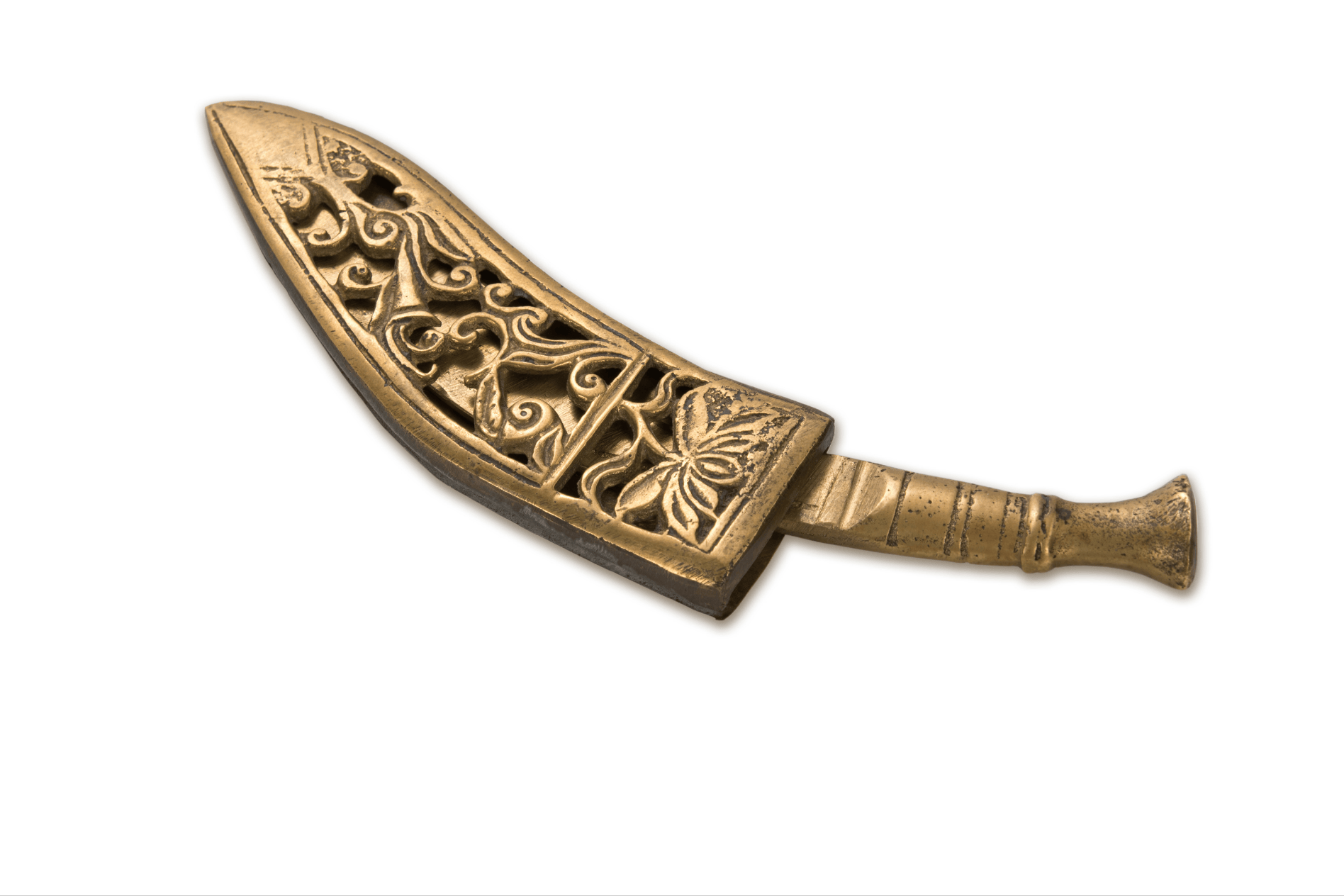
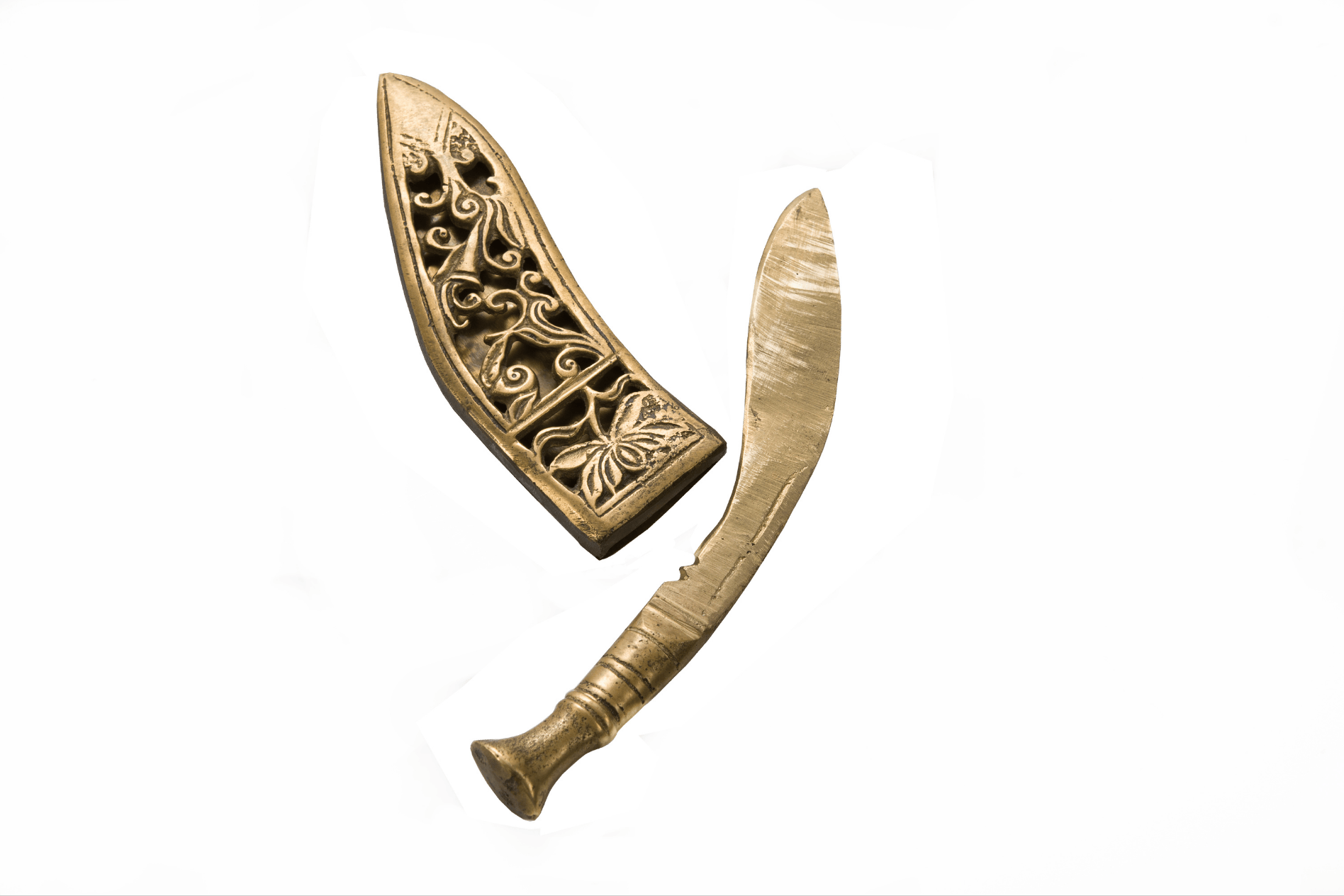
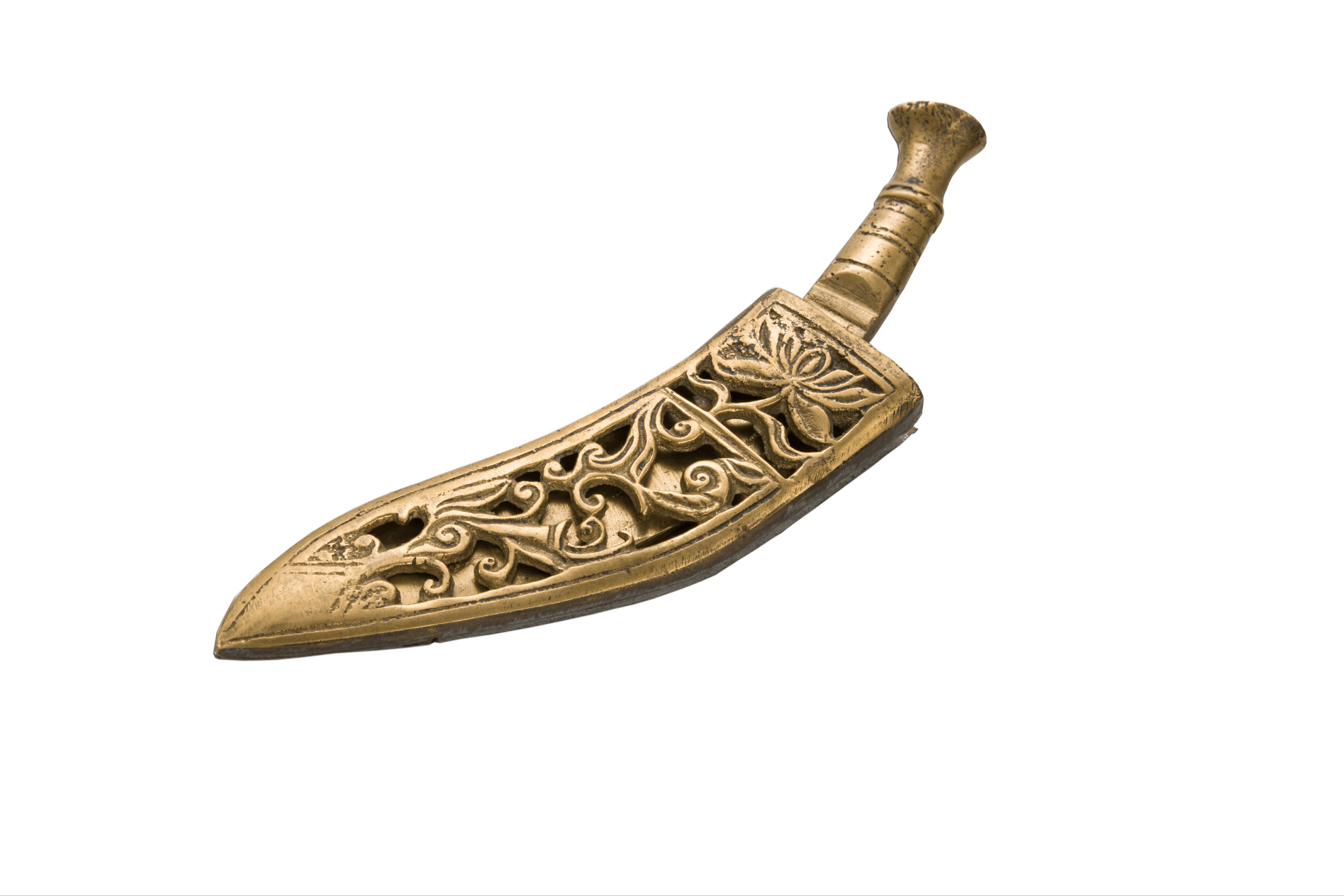
A vintage Nepalese kukri is a unique and traditional knife known for its distinctive curved blade and rich cultural history. In Nepal, the kukri is not just a knife or a tool; it’s a part of their cultural code. It plays an important role in Nepali weddings, harvest festivals, and other significant events! During Dashain, Nepal’s largest festival, a kukri is often used in ceremonial animal sacrifices as a symbol of protection, prosperity, and gratitude to the gods.
Symbol of courage and honor
The kukri embodies bravery, loyalty, and honor for the Nepalese people and, in particular, for the Gurkhas. Owning or carrying the fighting kukri signifies readiness to defend one’s family, community, or nation. For Gurkha soldiers, the blade is a reminder of their oath to serve with integrity and fearlessness, making it both a practical weapon and a profound emblem of identity.
Kukri in legends and folklore
The kukri is deeply rooted in Nepalese folklore, where countless legends celebrate its mystical power and heroic symbolism. Stories tell of warriors wielding enchanted kukris in battles or farmers using them to protect their villages from wild beasts and supernatural forces. These tales have helped the kukri transcend its material form, elevating it to a timeless cultural icon that bridges myth, history, and national pride.
 Production and Varieties of the Kukri
Traditional Kukri Forging
The crafting of good old kukri is a time-honored tradition passed down through generations of Nepalese blacksmiths, known as kami. Traditionally, kukris were forged from recycled high-carbon steel, often repurposed from old railway tracks, vehicle springs, or agricultural tools. The process involves hand-hammering the blade, heat-treating it for durability, and carefully balancing the edge for both chopping and slicing. The handle, typically made of wood, horn, or bone, is fitted and polished by hand, making each kukri a unique piece of functional art.
Main Types and Styles of Kukri
Kukris come in a wide range of forms, each adapted for specific tasks. Some of the most common types of kukri include:
- Bhojpuri – A heavy, broad-bladed kukri designed for powerful strikes.

- Sirupate – A slimmer, leaf-like blade ideal for precision and speed.

- Angkhola – Recognizable by its fuller (groove) along the blade, reducing weight while maintaining strength.
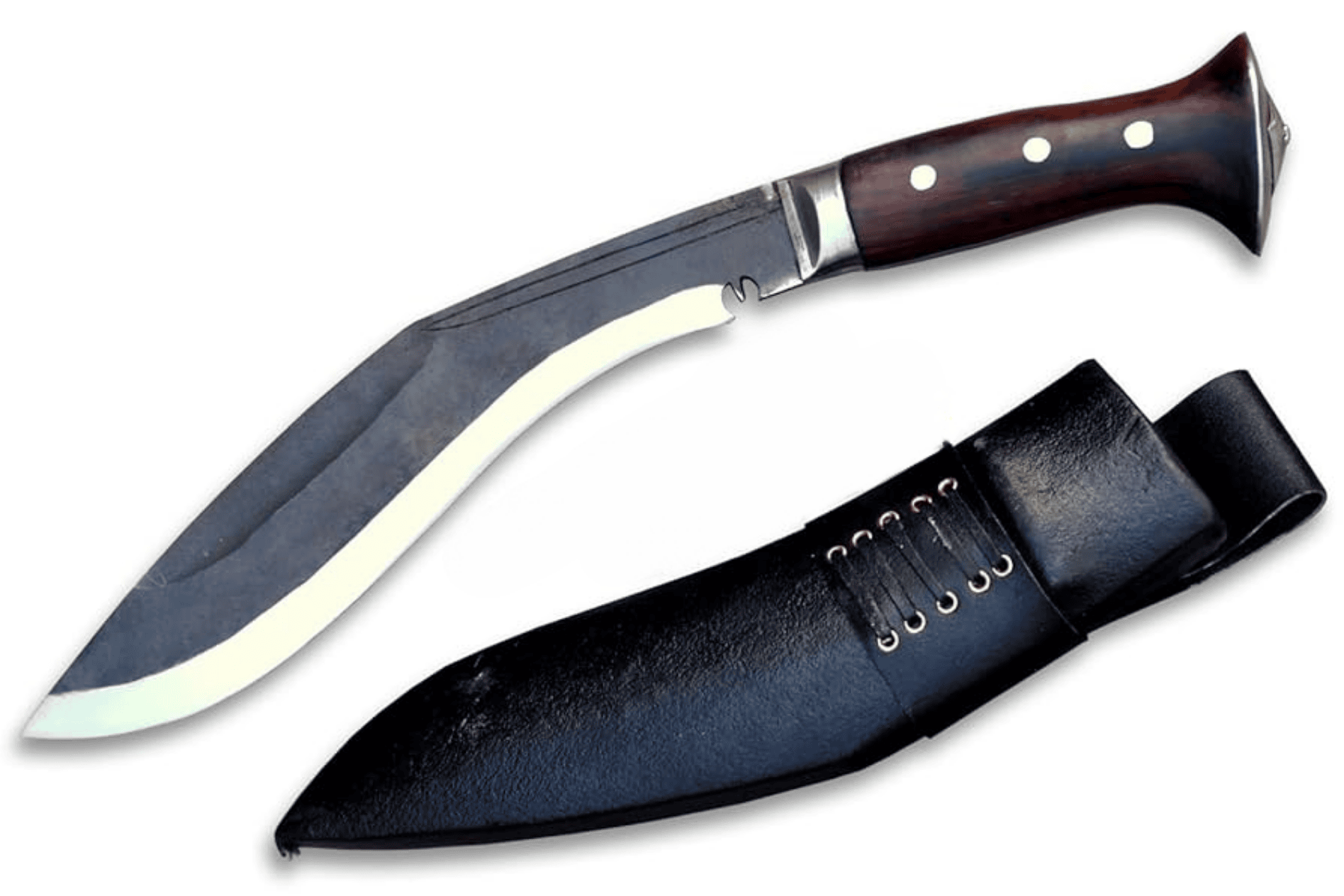
- Service Kukri – The standardized version issued to Gurkha soldiers, balancing combat efficiency with general utility.
These variations allow the kukri to serve multiple roles, from a weapon of war to a daily farming and survival tool.
Regional Schools of Production
Different regions of Nepal have developed their own forging traditions and stylistic touches.
- Pokhara – Known for producing lighter, well-balanced kukris, often preferred by Gurkhas for their versatility.
- Kathmandu – Renowned for ornate, ceremonial kukris featuring intricate engravings and decorative hilts.
- Eastern Nepal – Specializes in robust, heavy-duty blades designed for agricultural work and rugged terrain.
These regional schools contribute to the incredible diversity of the kukri, ensuring that each blade reflects both its intended purpose and the cultural heritage of the area where it was forged.
Kukri in the world. What is a kukri knife used for?
A knife with such a rich history and functionality could not help but catch the eye of outdoor enjoyers and simply lovers of beautiful things!
Popularity among collectors
Historical and artistic appeal
Collectors are drawn to kukris for their unique design, hand-forged craftsmanship, and cultural significance. Antique or military-issued kukris are particularly sought after for their historical value and story.
Modern collectible trends
Contemporary kukris with Damascus steel, custom engravings, or artistic handles are considered functional art and are favored in the collector’s market.
Film and memorabilia influence
Replicas of kukris featured in movies and military re-enactments also
appeal to collectors. Their connection to pop culture or famous events adds value.
Use in bushcraft and outdoor
If you’re wondering what is a kukri good for, you’ll find that this versatile knife is perfect for a variety of tasks, including chopping, slicing, and even self-defense. This knife was literally made for bushcraft, survival, and spending time outdoors! You can use it to cut food, chop firewood, skin animals, and tackle all sorts of camp tasks. The key, however, is that it must be made from high-quality steel!
 Conclusion
So there you have it! This knife would be a fantastic addition for just about anyone on Earth, as it’s both a work of art and a tool for survival or outdoor leisure! And by the way, don’t forget to check out our online store — there’s everything you could possibly need for camping, hiking, and even survival. Until next time!