
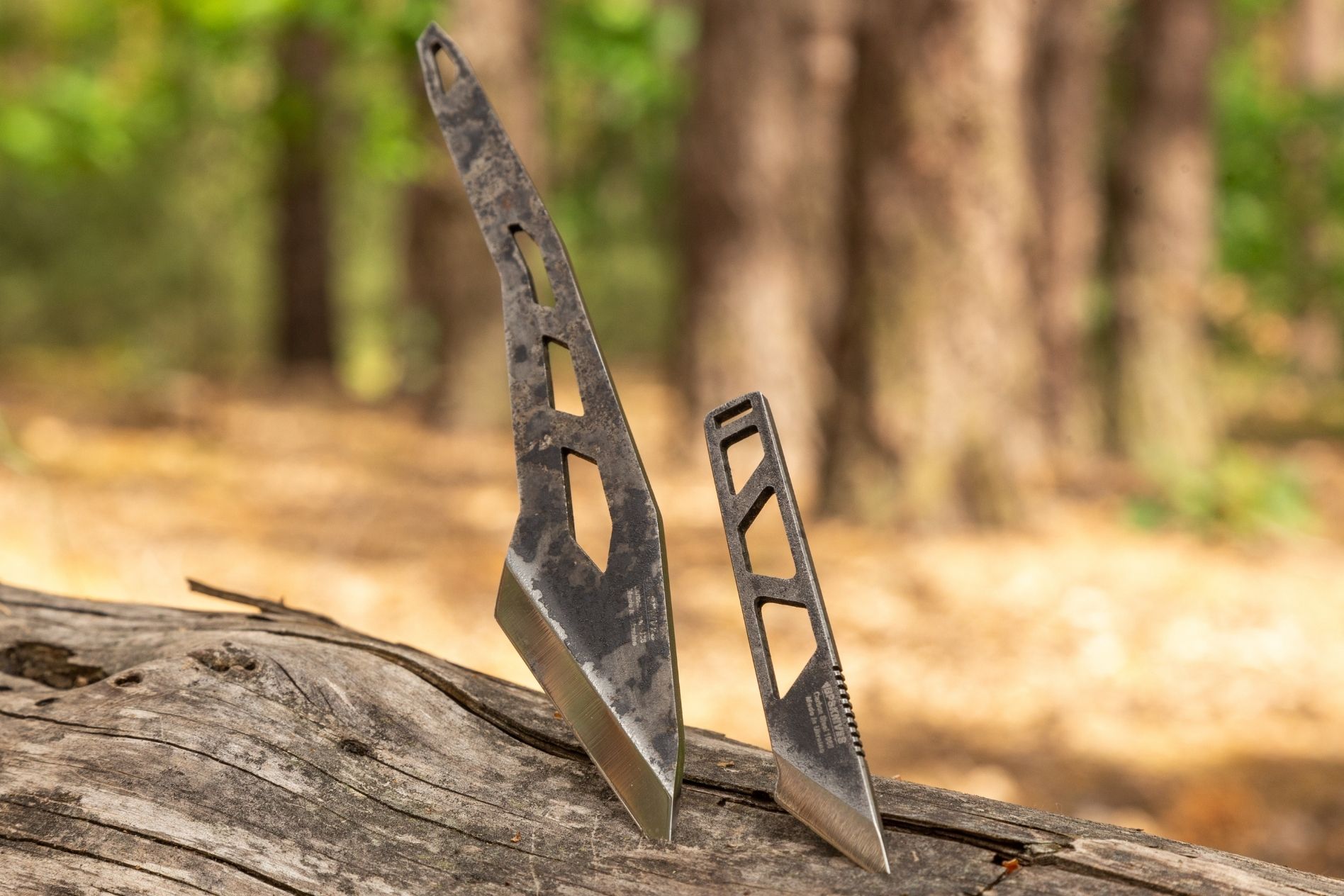
Japan is the birthplace of many fascinating knives! And it’s no wonder—centuries of history saw the Japanese constantly slicing and cutting each other, sometimes for serious reasons, sometimes just because. Perhaps a daimyo fancied a neighboring clan’s rice field, or two samurai couldn’t pass each other on a narrow path, or sometimes, after a few cups of sake, the samurai spirit simply stirred, inspiring daring feats. But today, we’re not talking about weapons of war. We’re focusing on a practical, everyday knife: the japanese kiridashi!
What is a kiridashi knife
It’s a simple, minimalist, yet remarkably effective Japanese knife with a history spanning centuries! Since 1603, it has been widely used by schoolchildren, craftsmen, homemakers, artists, calligraphers, and even soldiers. To this day, the kiridashi is highly valued for its compact size, precision cutting, simplicity, and versatility.
Origin of the term “kiridashi”
What does kiridashi mean? The word kiridashi (切り出し) comes from two Japanese components:
- 切り (kiri) — “to cut”
- 出し (dashi) — “to take out” or “to draw out”
Taken together, the term can be interpreted as “a knife for cutting out (or carving out),” reflecting its primary use in shaping, trimming, and marking materials. Historically, it referred to the act of cutting out a shape from wood or bamboo, a key step in traditional Japanese crafts.
Shape and purpose of the knife
A kiridashi blade is typically defined by several characteristic features:
- Chisel grind: One flat side and one beveled side allow for extremely precise marking and carving.
- Straight or slightly curved cutting edge: Ideal for controlled push cuts and accurate lines.
- Tanto-like tip: Offers strength for fine detail work.
- Compact, one-piece construction: Traditionally forged from a single piece of steel, sometimes with a wrapped handle.
Primary uses throughout history:
- Carpentry layout and marking (a precursor to the modern marking knife)
- Wood carving and joinery
- Bamboo craft, including basketry and tool making
- Leatherworking
- General everyday cutting tasks for students and craftsmen
- Pencil and charcoal shaping in calligraphy and art
In traditional workshops, the kiridashi served as a multifunctional tool that bridged the gap between a knife and a marking instrument.
The meaning of kiridashi in Japanese culture and everyday life
As mentioned earlier, within Japanese culture, the kiridashi represents utility, craftsmanship, and simplicity. So, what is a kiridashi used for:
- Craftsmanship (monozukuri): The kiridashi is often a child’s first blade and an artisan’s constant companion. Its minimalist form reflects the Japanese emphasis on functional beauty.
- Education and growth: Historically, schoolchildren used small kiridashi knives to carve pencils, whittle wood, and learn responsibility—though safety regulations have since limited this practice.
- Everyday practicality: Farmers, carpenters, gardeners, and artists have long carried kiridashi knives as a practical tool akin to a pocket knife.
- Cultural continuity: Many Japanese woodworking traditions—particularly fine joinery—relied on the kiridashi for marking and preliminary shaping, making it a symbol of heritage craftsmanship.
Today, the kiridashi remains popular worldwide among woodworkers, hobbyists, and knife collectors, admired for its elegant simplicity and centuries-old kiridashi design.
 Evolution of design and construction
This little knife has traveled quite a journey:
Changes in the shape of the blade and handle over time
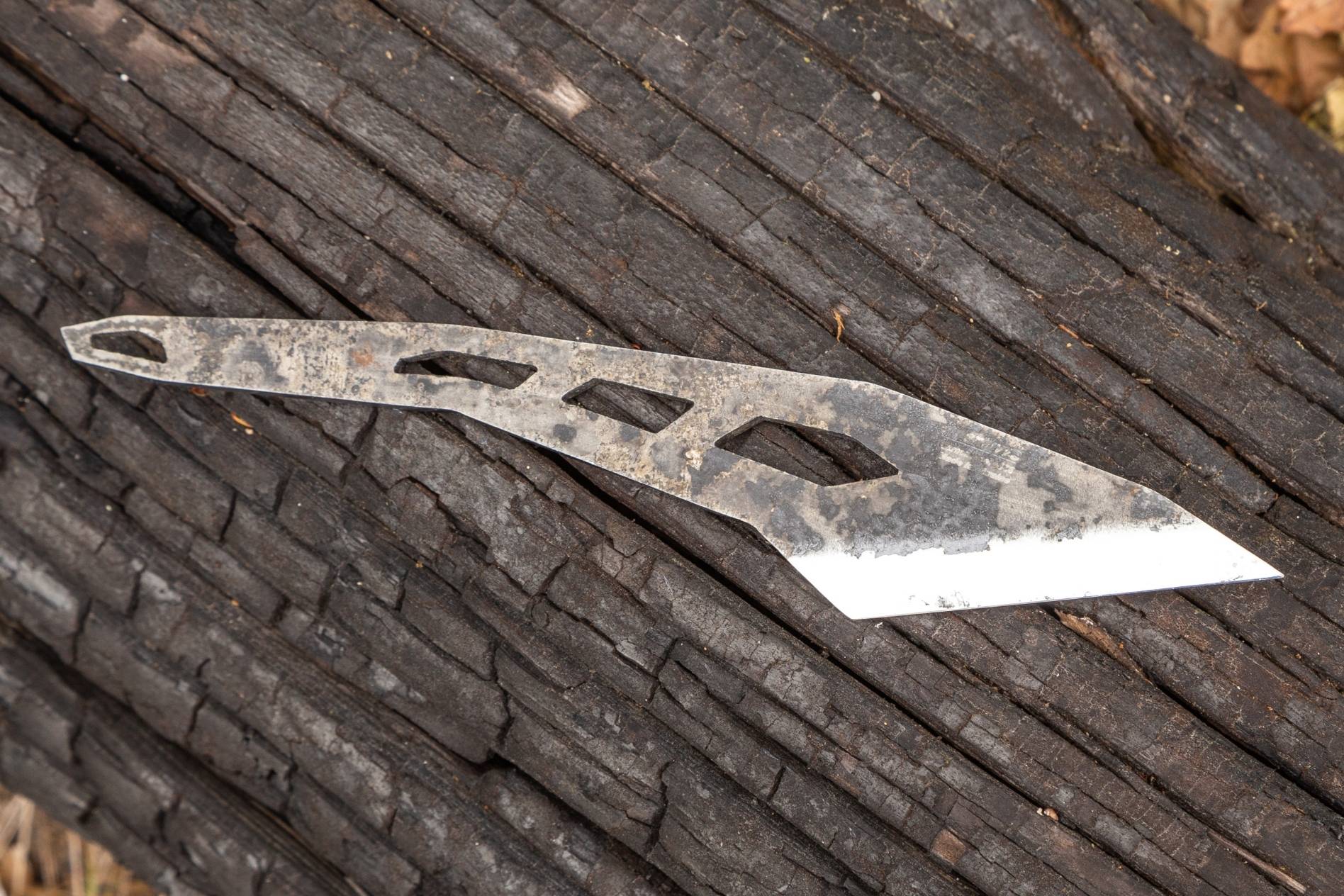
Traditionally, kiridashi knives featured a single-piece steel construction with a chisel-ground blade and no separate handle. Over time, several modifications emerged:
- Blade shape variations: While the classic straight-edged chisel design remains most common, some kiridashi knives developed slightly curved edges or angled tips to facilitate specialized tasks such as intricate wood carving or leather cutting.
- Handle adaptations: Originally, the blade itself often doubled as the handle, but modern versions sometimes include wooden, resin, or metal grips to improve ergonomics and prevent hand fatigue.
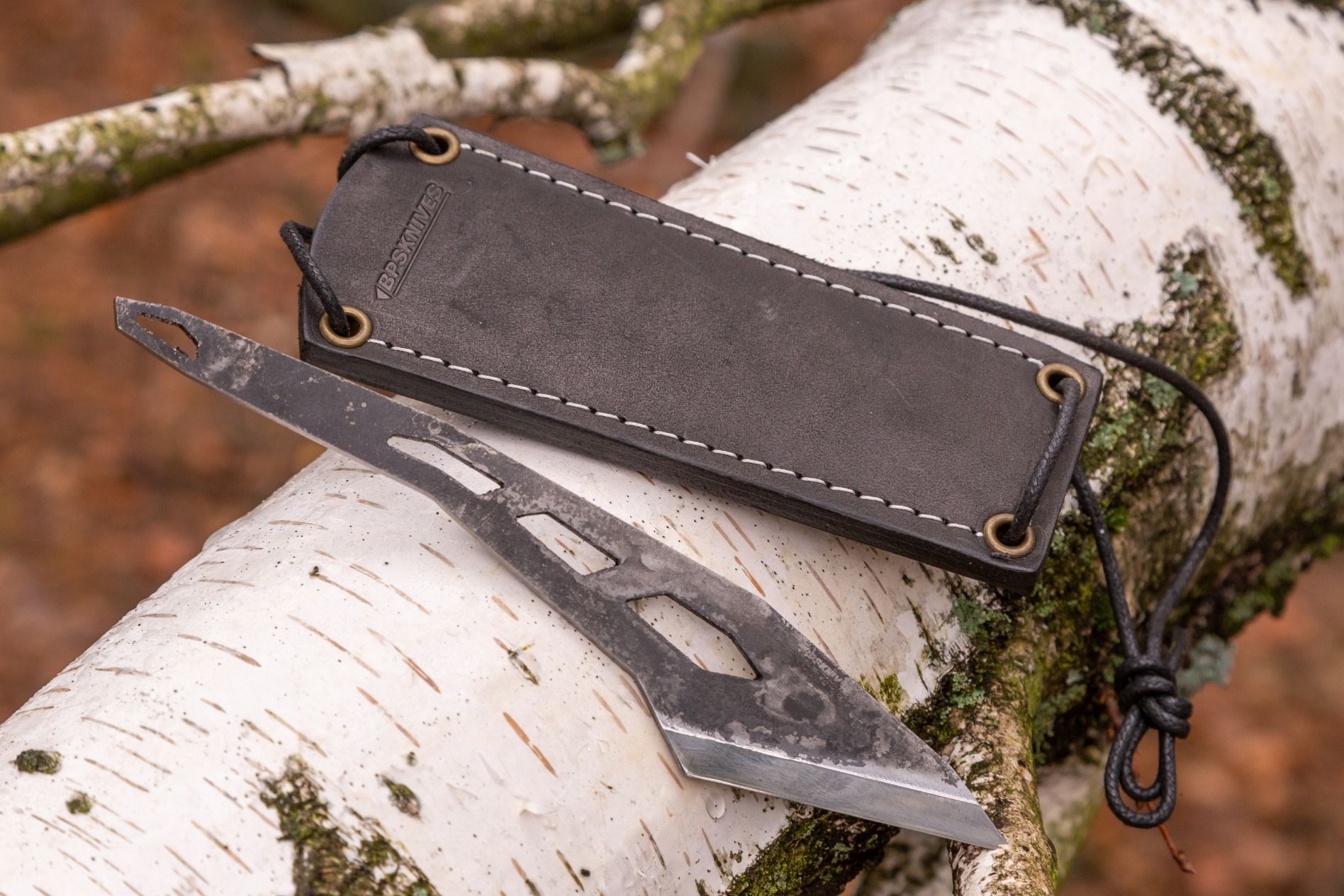
- Size adjustments: Older kiridashi knives were typically small, fitting comfortably in the pocket, whereas contemporary versions can be slightly larger or include folding mechanisms for safety and portability. That’s why a Kiridashi neck knife is always good idea!
These changes reflect a balance between preserving traditional aesthetics and improving functionality for everyday users.
The influence of modern technologies and metallurgy
Modern materials and production techniques have significantly impacted kiridashi mini knives:
- High-carbon and stainless steels: While traditional kiridashi knives were made from plain carbon steel that required careful maintenance, contemporary makers often use stainless steel or tool-grade alloys for better rust resistance and edge retention.
- Precision grinding: Advanced machinery allows for more consistent bevel angles and sharper edges than hand-forged originals.
- Coatings and finishes: Modern coatings such as black oxide or ceramic finishes can increase durability and reduce friction, enhancing cutting performance.
- Mass production vs. artisanal forging: Modern manufacturing has made kiridashi knives more widely available, while artisan blacksmiths continue to produce handmade versions that reflect centuries-old techniques.
Differences between traditional and modern kiridashi
Traditional kiridashi is typically made from high-carbon steel, requiring regular care and sharpening. The blade is often chisel-ground, making it ideal for precise tasks like woodworking or leatherworking. The handle is simple, usually wooden or wrapped, giving it a unique, artisanal feel.
Modern kiridashi is made from stainless steel or modern alloys, which makes it more resistant to corrosion and easier to maintain. These knives are designed for everyday use, featuring ergonomic handles and versatile blade designs (either single or double bevel).
Traditional kiridashi is more suited for craftsmanship and requires more upkeep, while modern kiridashi is designed for general use and is easier to care for.
Kiridashi today
And what about the kiridashi today? Surprise, surprise—it’s used in much the same way it has been for over 400 years!
Popularity among EDC craftsmen and designers
In the modern world, the kiridashi japan has found a niche among EDC (Everyday Carry) enthusiasts and designers who value practical, minimalist tools. Its compact size, sharp precision, and multifunctionality make it ideal for:
- Designers and architects for cutting paper, trimming materials, and crafting prototypes
- Woodworkers and leatherworkers who need a precise marking and cutting knife
- General EDC users who appreciate a compact, durable tool for daily tasks
The EDC kiridashi clean, functional design resonates with those who favor tools that are both utilitarian and aesthetically pleasing. Its Japanese heritage adds an element of craftsmanship that appeals to those who appreciate traditional design philosophy.
Options for use in the modern world
Modern users have adapted the kiridashi to a wide variety of activities beyond its traditional functions:
- Life and everyday tasks: Opening packages, trimming cords, sharpening pencils, and minor repairs
- Hobby and crafting: Model-making, woodworking, leatherwork, and bamboo craft
- Art and design: Calligraphy pencil sharpening, paper cutting, and other precision artistic tasks
Because it is easy to sharpen, durable, and lightweight, the kiridashi remains an indispensable tool for precise cutting or carving in both practical and creative settings.
Kiridashi as a collectible
The kiridashi has also become a collector’s item for knife enthusiasts and those interested in traditional Japanese tools. Factors that make kiridashi knives collectible include:
- Historical authenticity: Antique kiridashi knives made by master blacksmiths
- Unique craftsmanship: Hand-forged blades with distinctive steel patterns or engraving
- Material quality: Premium high-carbon or Damascus steel versions
- Limited editions: Modern artisans produce small runs for collectors who value artistry and heritage
Collectors often prize the kiridashi not only for its practicality but also as a symbol of Japanese tradition, craftsmanship, and minimalist design.
 Conclusion
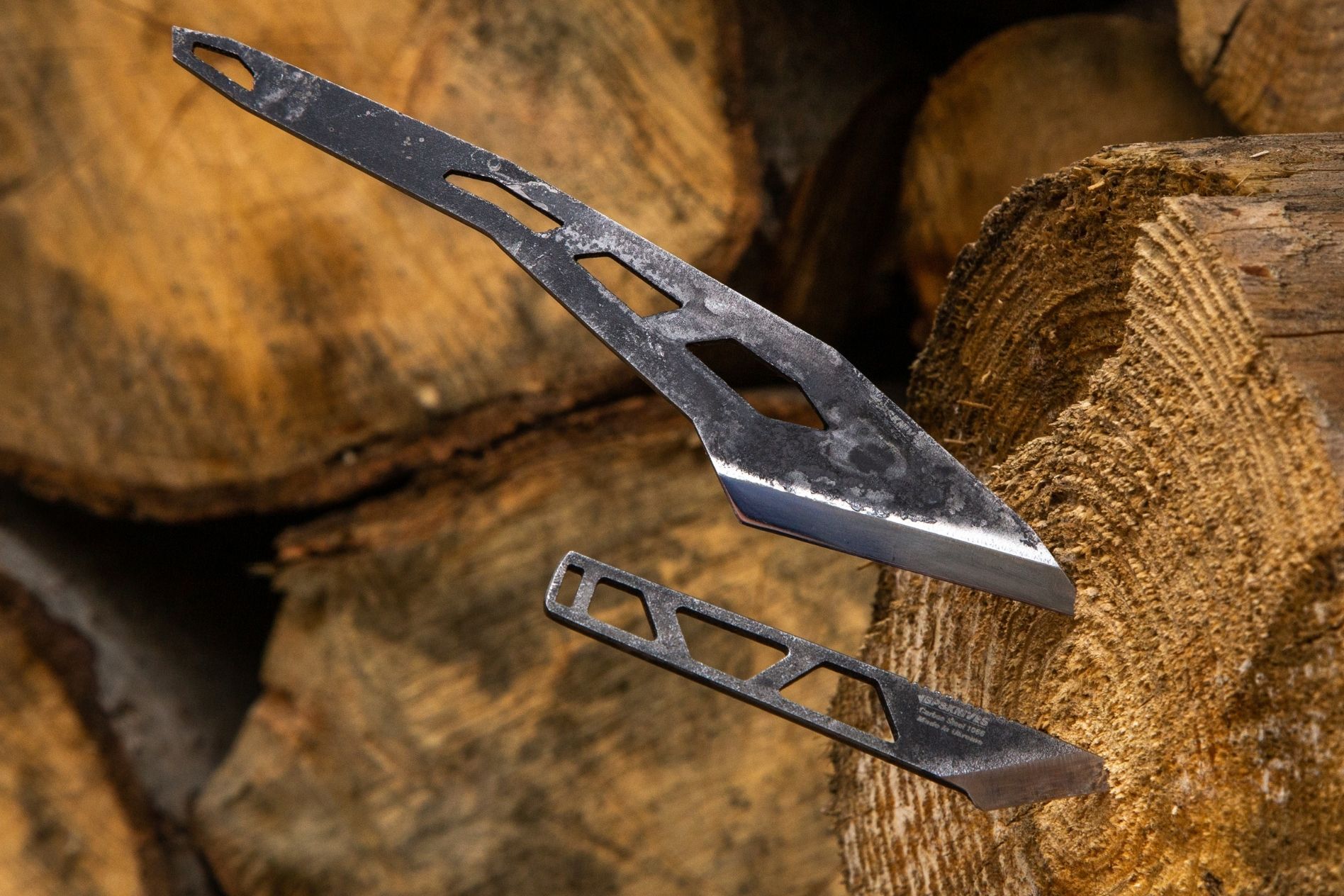
The kiridashi is a knife that has stood the test of centuries! It’s a perfect addition to your EDC kit and ideal for hobbies—whether it’s assembling and painting miniatures or woodworking. It’ll even make a fine addition to your collection. And of course, it’s not just kiridashi—our online store is packed with amazing knives for every occasion: hunting, fishing, camping, hiking, and even hardcore survival! And the prices? Wow. Really great prices. And that’s all for now—the call of the trumpet beckons. Until next time!