
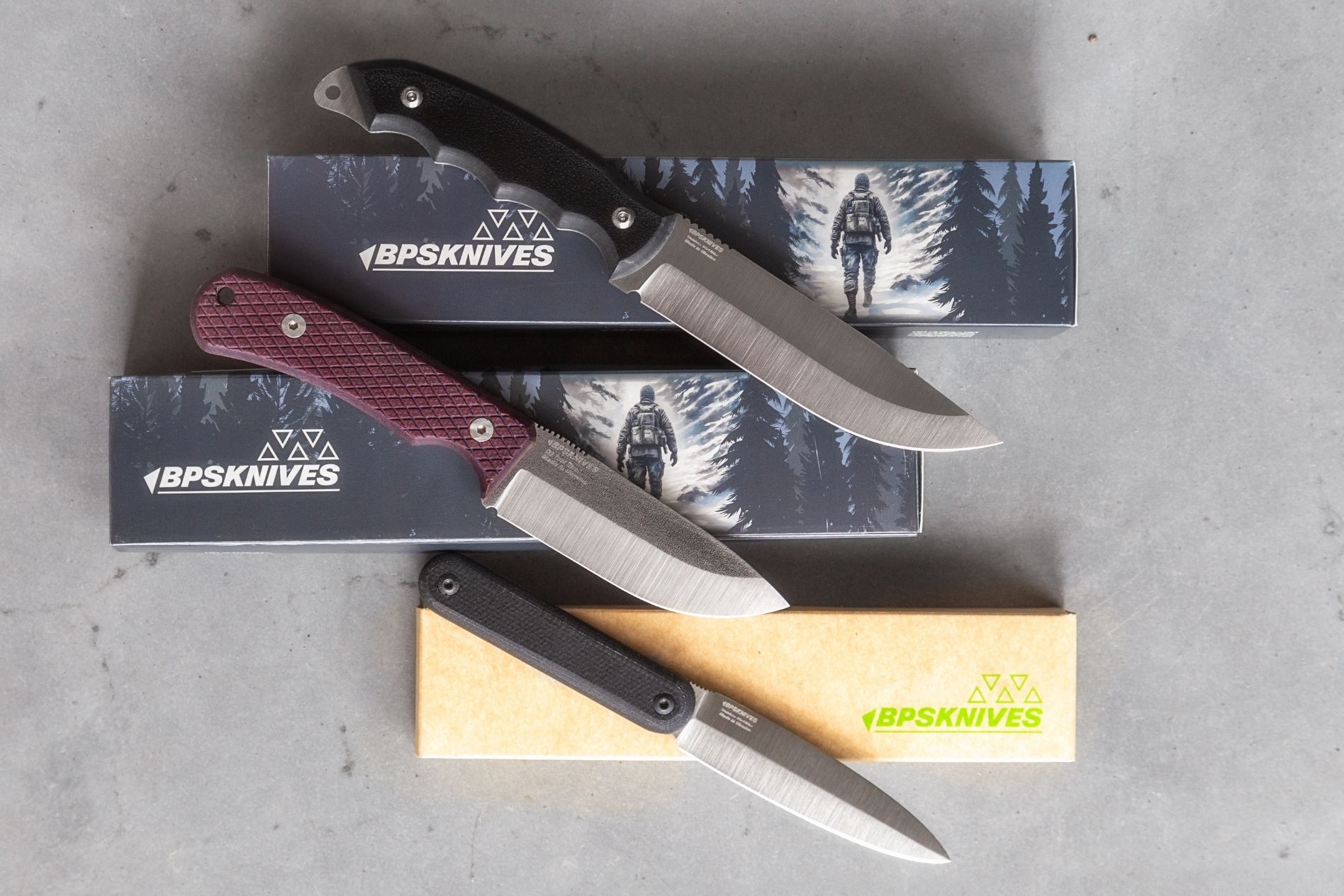
Not everything that glitters is gold! Therefore, before heading to the knife store for a new blade, it’s important to learn how to assess its quality beforehand. Otherwise, you might end up with a piece of scrap metal that will break under the first serious strain!
The Importance Of Choosing A Quality knife
And this is no joke! If you’re planning a trip to a wild place like a forest or tundra, the lack of a high-quality and reliable knife could cost you your health—or even your life! And even if you’re not heading into the jungle, it’s still frustrating to pay for a piece of scrap metal. So let’s break down what you need to know to purchase a high quality knife!
Key Factors to Consider When Evaluating Knife Quality
So, any knife quality assessment can be broken down into several stages:
Blade Material
- Steel Type: The type of steel used in the good quality knife affects its sharpness, durability, corrosion resistance, and ease of maintenance. High-carbon steels like VG-10, 1066, and S30V offer sharpness and edge retention, while stainless steels like 420HC, AUS-8, and D2 provide corrosion resistance.
- Edge Retention: Some steels hold an edge for longer than others, which is especially important for tasks requiring precision.
- Corrosion Resistance: Stainless steel resists rust, while carbon steel may need more maintenance to prevent corrosion.
- Hardness: Measured on the Rockwell scale (HRC), the hardness of the blade affects its ability to hold an edge and its toughness. Higher HRC steels (above 60) retain sharpness longer but can be more brittle, while softer steels (around 55-58 HRC) are tougher but dull more quickly.
 Handle Construction and Material
- Material: Common handle materials include wood, micarta, G-10, plastic, aluminum, and carbon fiber. The material affects the knife’s durability, grip, and appearance.
- Ergonomics: The handle should be comfortable to hold and provide a secure grip. It should fit well in your hand, allowing you to control the blade with ease. Textured or contoured handles are often better for long-term use.
- Weight and Balance: The handle’s weight and balance should complement the blade for easy handling. A well-balanced knife feels natural in your hand and reduces fatigue.
 Balance and Weight
1. Balance
- Definition: What is a high quality knife? This is a knife the balance of which refers to how the weight is distributed between the blade and the handle. Ideally, the knife should feel stable and controlled in your hand, with neither end feeling too heavy or light.
- Importance:
- Handling: A well-balanced knife allows for smoother, more controlled cuts. If the blade is too heavy or light compared to the handle, it can make the knife harder to maneuver, especially for tasks requiring precision.
- Comfort: Proper balance reduces fatigue, particularly during extended use. For instance, a knife with poor balance may cause strain in your wrist or hand as you work, which can be uncomfortable during long sessions.
- How to Assess:
- Pinch Test: Hold the knife by the blade near the bolster (the metal part between the blade and handle) with your fingers. A balanced knife should feel stable and not tip too much to either side.
- Handle vs. Blade Balance: Some knives (like chef’s knives) are designed with more weight in the blade for chopping and slicing, while others (like paring knives) tend to have more handle weight for control and precision.
2. Weight
- Definition: The weight of a knife refers to its overall heaviness or lightness, which directly influences how it feels during use.
- Importance:
- Control and Stability: A heavier knife (typically in the blade) can provide more force behind cuts, making it easier to chop through tough materials like meat or vegetables. A light knife, on the other hand, might offer greater agility and precision for detailed tasks like peeling or filleting.
- Fatigue: Heavier knives, especially those with thick blades or large handles, can lead to hand or wrist fatigue if used for extended periods. Conversely, lighter knives can reduce strain but may feel less substantial or harder to control for tougher tasks.
- Task-Specific Weight:
- For tasks like chopping or heavy-duty cutting, a slightly heavier knife may be beneficial for generating force.
- For delicate or precision tasks (like boning or filleting), a lighter knife might provide more dexterity and reduce the risk of mistakes.
- Personal Preference: Weight is largely a matter of personal preference, as some people prefer the stability of a heavier knife, while others favor the ease of a lighter one. It’s essential to hold and use the knife before making a decision to see what feels best in your hand.
 Blade Shape and Grind
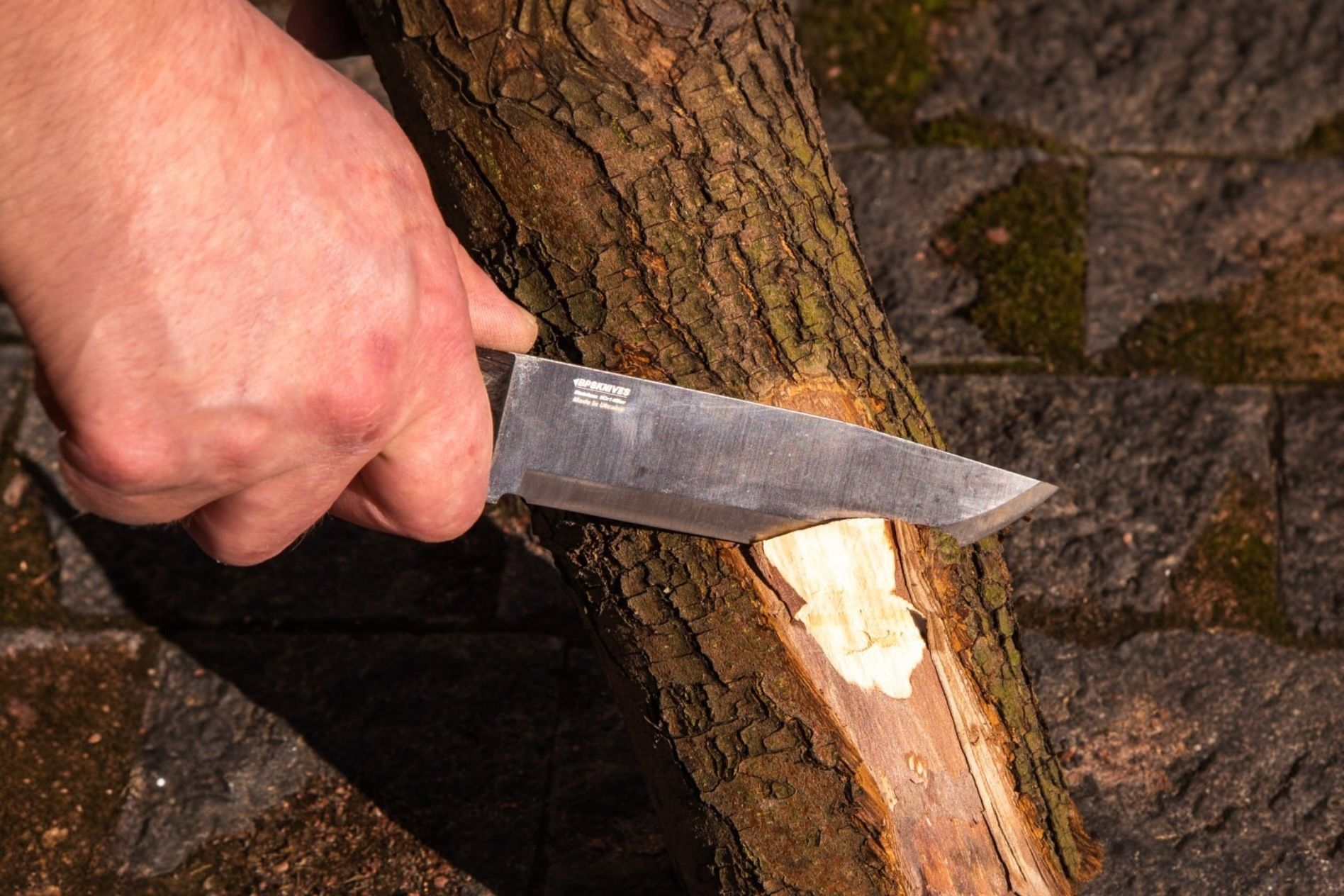
- Purpose: Different blade shapes are designed for specific tasks (e.g., chef’s knives, hunting knives, or pocket knives). A versatile blade shape might be a drop point or clip point, while specialized tasks may require a spear point or tanto.
- Grind: The grind refers to how the blade is shaped to form the cutting edge. Common types include flat grind, hollow grind, and convex grind. Each affects cutting performance and edge durability.
- Length: The blade length should be appropriate for the intended use (e.g., a longer blade for slicing, a shorter one for detail work).
Locking Mechanism (For Folding Knives)
The choice of locking mechanism in a folding knife depends on your intended use, preference for ease of operation, and desired strength. Here’s a quick breakdown:
- Liner Lock & Frame Lock: Common, strong, good for everyday carry.
- Back Lock: Strong and secure, but less convenient for one-handed use.
- Compression Lock: Smooth and easy to operate, though more expensive.
- Axis Lock: Fast, ambidextrous, and reliable, but requires maintenance.
- Slip Joint: Ideal for legal carry where locks are restricted but offers no true blade security.
- Virobloc: Unique and secure, though not as widespread.
Tips for Inspecting The Blade’s Sharpness, Handle Comfort, And Overall Construction Before Buying
What makes a quality knife? When buying a knife, whether for cooking, outdoor activities, or any other purpose, it’s important to carefully assess several factors to ensure you’re getting a high-quality blade. Start by inspecting the sharpness. A well-maintained blade should have a smooth edge with no visible nicks, dents, or irregularities. If possible, perform a paper test by holding a piece of paper vertically and cutting through it. A sharp knife should slice through effortlessly. Another way to check is the fingernail test. Gently drag the spine of the blade across your fingernail, and a sharp edge should catch slightly. Lastly, if you have the chance, test the knife on something soft, like a tomato. A sharp blade will make clean, precise cuts without squashing the material.
Next, consider the handle’s comfort. Pick up the knife and hold it as if you were about to use it. The handle should feel secure and comfortable, without being too large or small for your hand. You want to make sure it doesn’t feel slippery, and that it provides a solid grip during use. The ergonomics of the handle are also important—check that it fits naturally in your hand. If it has specific shapes or finger grooves, they should align comfortably with your fingers. The material of the handle matters as well. Wood gives a traditional feel but can require more maintenance, while rubber or textured plastic may offer a more comfortable grip for extended use. You should also pay attention to the knife’s weight and balance. Hold the knife by the handle and see if the weight feels evenly distributed. A balanced knife will feel natural, not front- or back-heavy, and it will reduce hand fatigue.
 When it comes to the blade’s overall construction, the material it’s made from is critical. High-carbon stainless steel is often a good choice for its sharpness and resistance to rust, while carbon steel offers even sharper edges but requires more care to avoid corrosion. Additionally, check the tang of the blade. A full tang, where the blade extends all the way through the handle, tends to be stronger and more durable than a partial tang. Examine the thickness of the spine of the blade as well; a thicker spine typically indicates durability, while a thinner spine may be more suitable for delicate tasks but can be more prone to breaking. Look closely at the fit and finish, too—there should be no gaps between the blade and the handle. Any visible defects can impact both the knife’s performance and safety. Also, inspect how the handle is attached to the blade. A securely riveted or molded handle is ideal; any looseness is a sign of poor construction.
Finally, consider the knife’s weight in relation to your needs. Heavier knives are great for tasks like chopping, while lighter knives are better for precision work. Think about maintenance as well—some knives require specific care to maintain their sharpness and appearance, so make sure you’re prepared for the upkeep that certain blades demand. And this is an answer to the “how do you know if a knife is good quality” question!
Conclusion
Now you won’t be fooled and will buy a knife, not junk! But the most important advice—check out our online-store. There, you’ll find the best quality knife brand in Ukraine, BPS knives! It’s high-quality and reliable quality knives on sale at amazing prices (we only make those, you won’t find scrap metal here). Then, off you go—adventure awaits!