
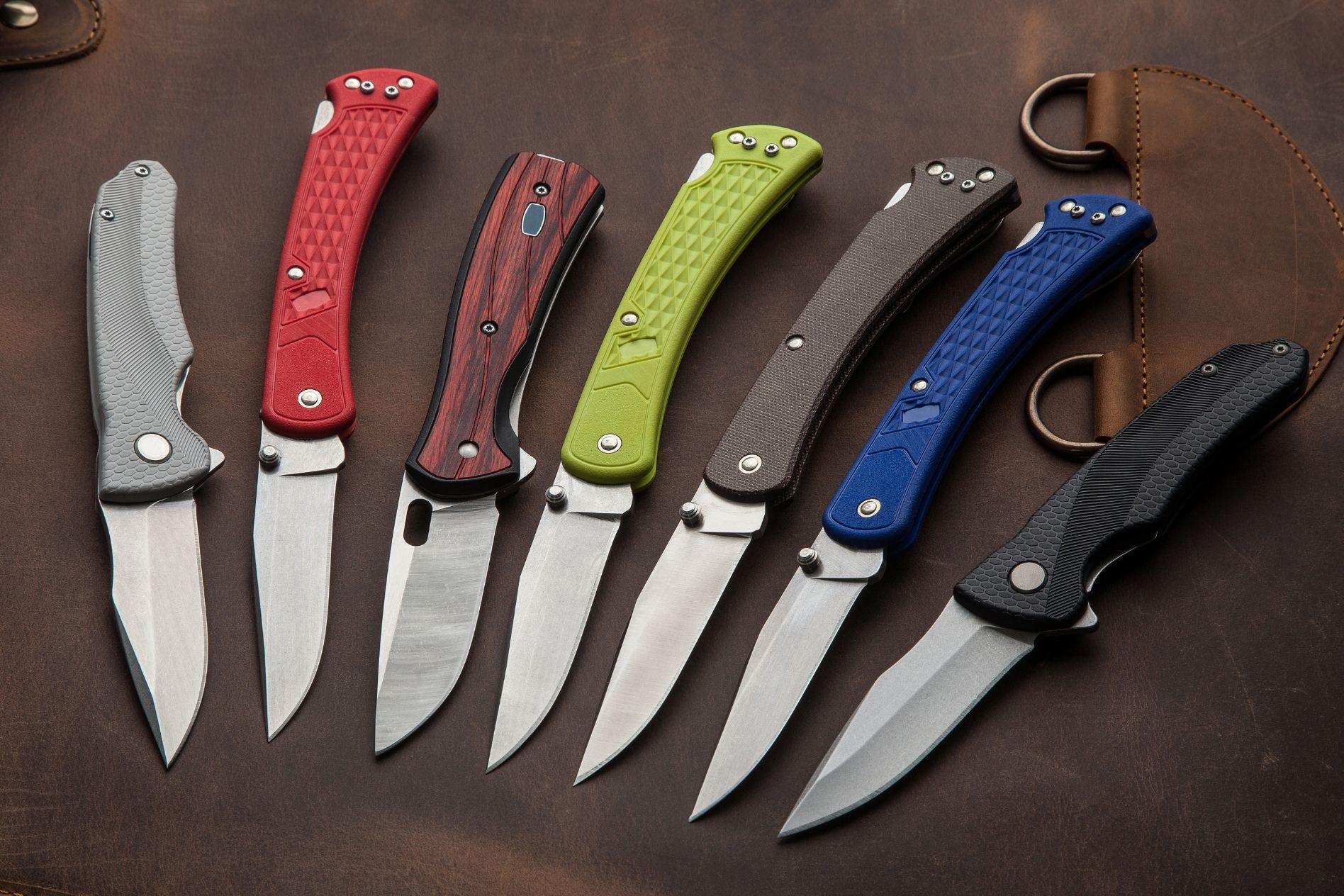
It looks like you’ve decided to go with a folding knife – great choice! Compact, convenient, and lightweight, it’s perfect for everyday carry (EDC). Now it’s time to learn how to choose the right one!
Define the Purpose
First things first—let’s determine what you actually need the knife for.
For Urban Use
If you’re carrying a folding knife in an urban setting, you’ll likely use it for everyday tasks like opening packages, cutting string, or light food prep. In this case:
- Size: Choose a compact, lightweight knife that fits comfortably in your pocket.
- Blade type: A plain edge is often preferable for clean cuts.
- Design: A discreet and non-aggressive design is best to avoid alarming others.
- Legal compliance: Make sure the knife adheres to local laws regarding blade length and one-handed opening mechanisms.
For Work
A good folding work knife — especially in trades like construction, electrical, or agriculture — needs to be more robust and task-specific.
- Durability: Look for heavy-duty construction with high-quality steel.
- Grip: Ergonomic, slip-resistant handles are crucial for safety and comfort.
- Blade shape: Depending on the task, a tanto or drop-point blade may be more effective.
- One-handed operation: Essential for efficiency when your other hand is occupied.
For Outdoor Activities
When camping, hiking, or hunting, your utility knife fold up becomes a vital tool for survival and utility.
- Versatility: Choose a multi-purpose blade that can handle food prep, carving, and cutting rope or branches.
- Locking mechanism: A secure lock ensures the blade stays open during heavy use.
- Corrosion resistance: Outdoor conditions demand materials that resist rust and wear.
- Visibility: A brightly colored handle helps prevent loss in natural settings.
Key Selection Criteria
Now that we’ve figured out the purpose and tasks for your future knife, let’s talk about its physical characteristics. What does the best edc folding knife look like?
Blade Length
Blade length affects both the functionality and legality of a folding knife.
- Short blades (under 3 inches): Ideal for everyday carry (EDC) in urban environments. They’re light, easy to control, and often legal in more jurisdictions.
- Medium blades (3–4 inches): Offer a balance between portability and versatility, suitable for outdoor tasks or general utility work.
- Long blades (over 4 inches): Provide greater cutting power and reach but can be heavier and may raise legal issues in some areas.
 Reliable Locking Mechanism
A dependable locking mechanism is crucial for safety during use. Types of folding knife locks:
- Liner lock and frame lock: Common and easy to operate with one hand.
- Back lock: Very secure, though it typically requires two hands to close.
- Axis and button locks: Smooth and ambidextrous, popular among high-end knives.
 Blade Material
Blade steel influences sharpness, edge retention, corrosion resistance, and ease of sharpening.
- Sandvik 14C28N: A popular mid-to-high-end stainless steel known for excellent corrosion resistance, fine edge stability, and ease of sharpening. It strikes a solid balance between performance and price, making it a top choice for both EDC and outdoor knives. Nice option for knife kits folding!
- D2 tool steel: Offers great edge retention and maximum folding knife toughness but is semi-stainless and may require more maintenance.
- AUS-8, 440C: Common stainless steels with varying levels of edge retention and corrosion resistance.
The right steel depends on how often you’ll use the knife, and whether you prefer low maintenance or extreme edge retention.
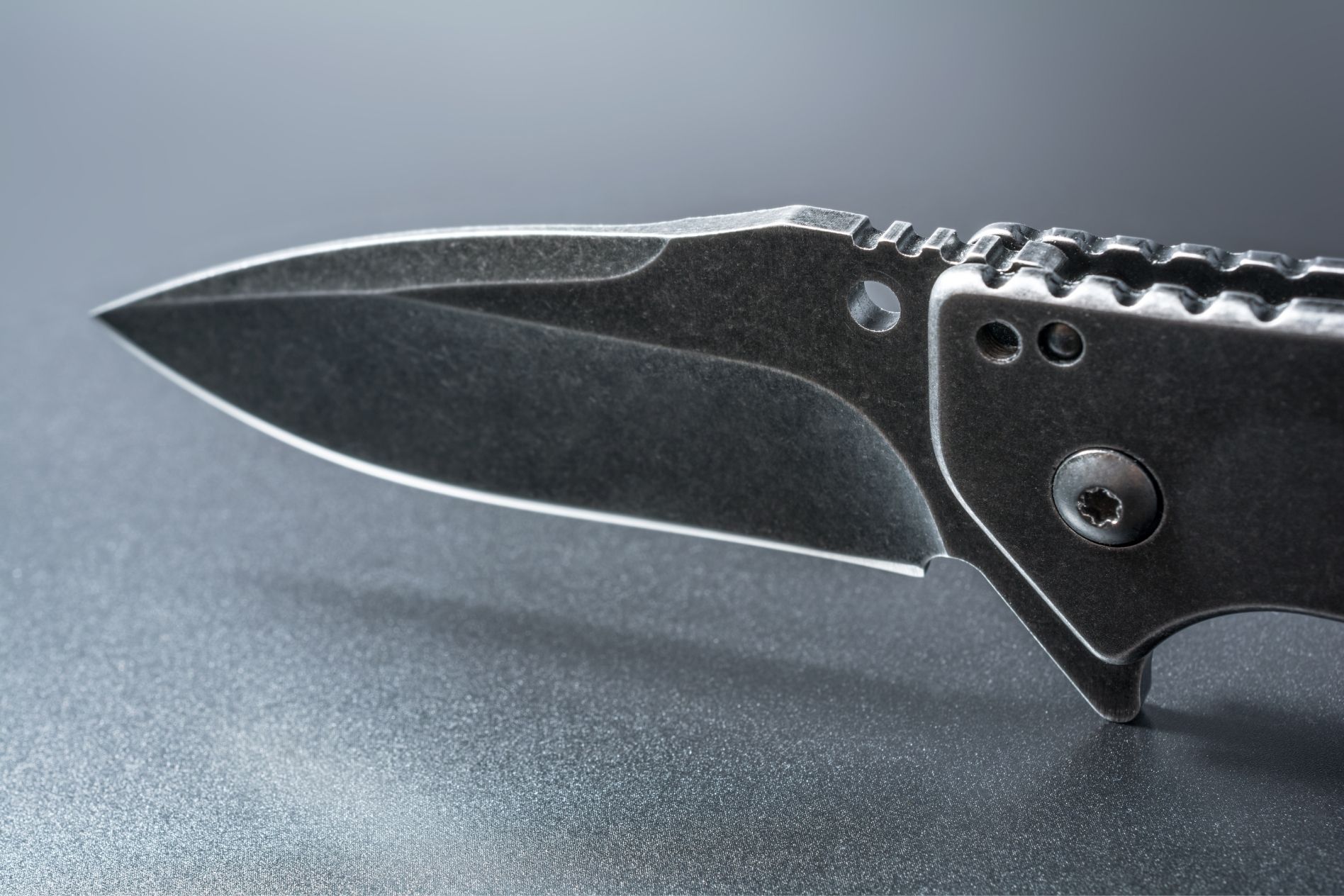 Handle Design and Material
The handle affects comfort, grip, and durability—especially during prolonged use or in wet conditions.
- Ergonomics: A well-contoured handle reduces fatigue and improves control.
- Material options:
○ G-10: Lightweight, durable, and textured for grip.
○ Micarta: A rugged, weather-resistant material that offers excellent feel.
○ Aluminum or stainless steel: Strong and sleek but can be slippery or cold to the touch.
○ FRN (Fiberglass Reinforced Nylon): Lightweight and affordable with good durability.
○ Wood: wooden handle folding utility knife is a timeless classic!
Also, consider handle texture, finger grooves, and whether the design supports left- or right-handed carry.
 What Beginners Should Avoid
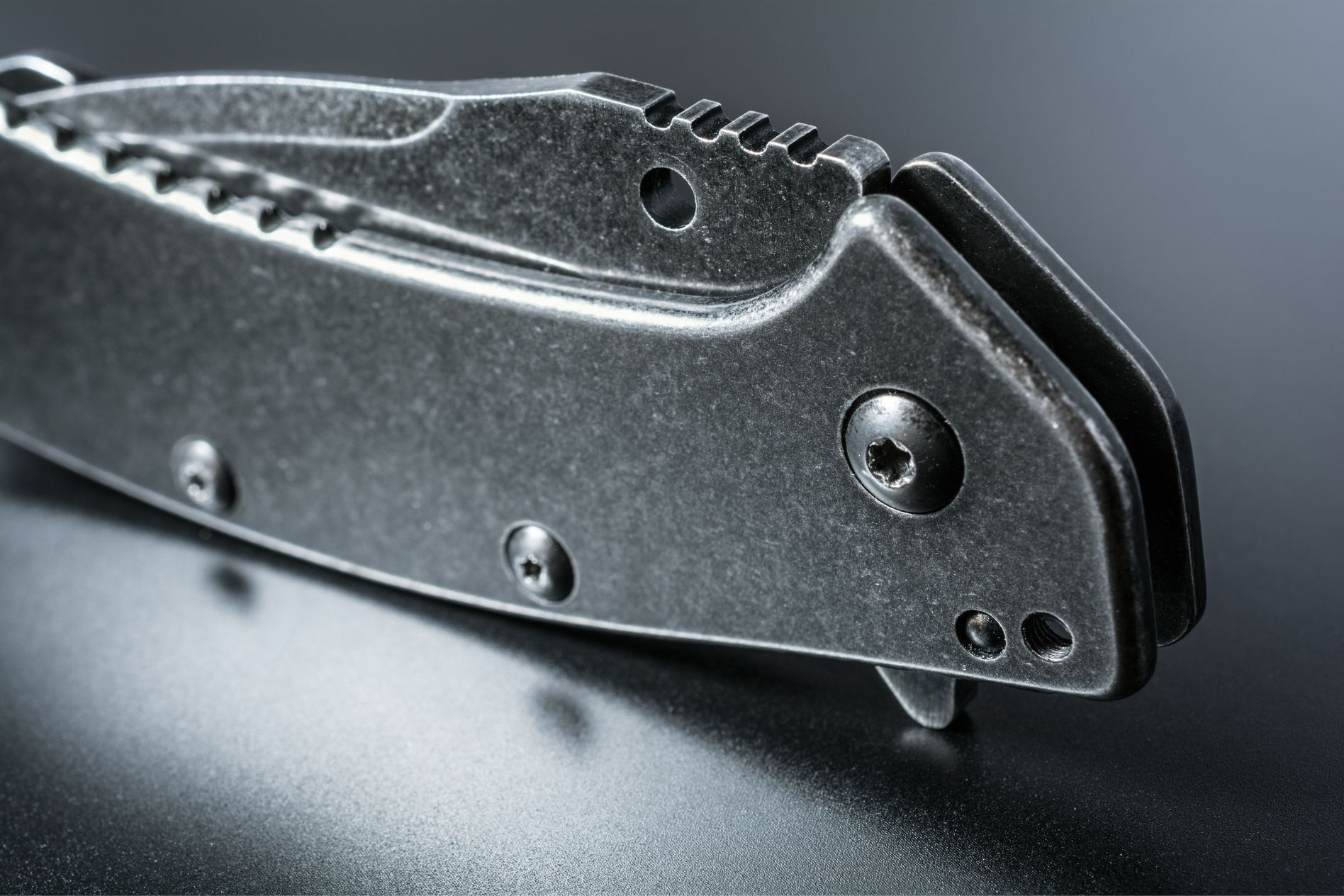
And of course, choosing your first folding knife edc can be quite tricky, it’s easy to be drawn to flashy features or designs, but these often work against ease of use and practicality. Here’s how to avoid making the wrong choice:
Complicated Mechanisms
For those new to folding knives, it’s important to start with something practical and straightforward. One of the most common mistakes beginners make is choosing a knife with overly complicated mechanisms. While multi-functional designs or assisted-opening systems might seem appealing, they can be difficult to operate smoothly without experience. Simpler is better—especially when you’re still learning how to handle, maintain, and carry a knife safely.
Aggressive Blade Shapes
When you see all those aggressively curved blades, it’s tempting to grab one right away. But hold on a moment. Knives with exaggerated curves or dramatic points are often less functional in everyday situations! They can also be intimidating to others and are typically more difficult to sharpen and control. A traditional blade shape like a drop point or clip point is far more forgiving and suitable for general use.