
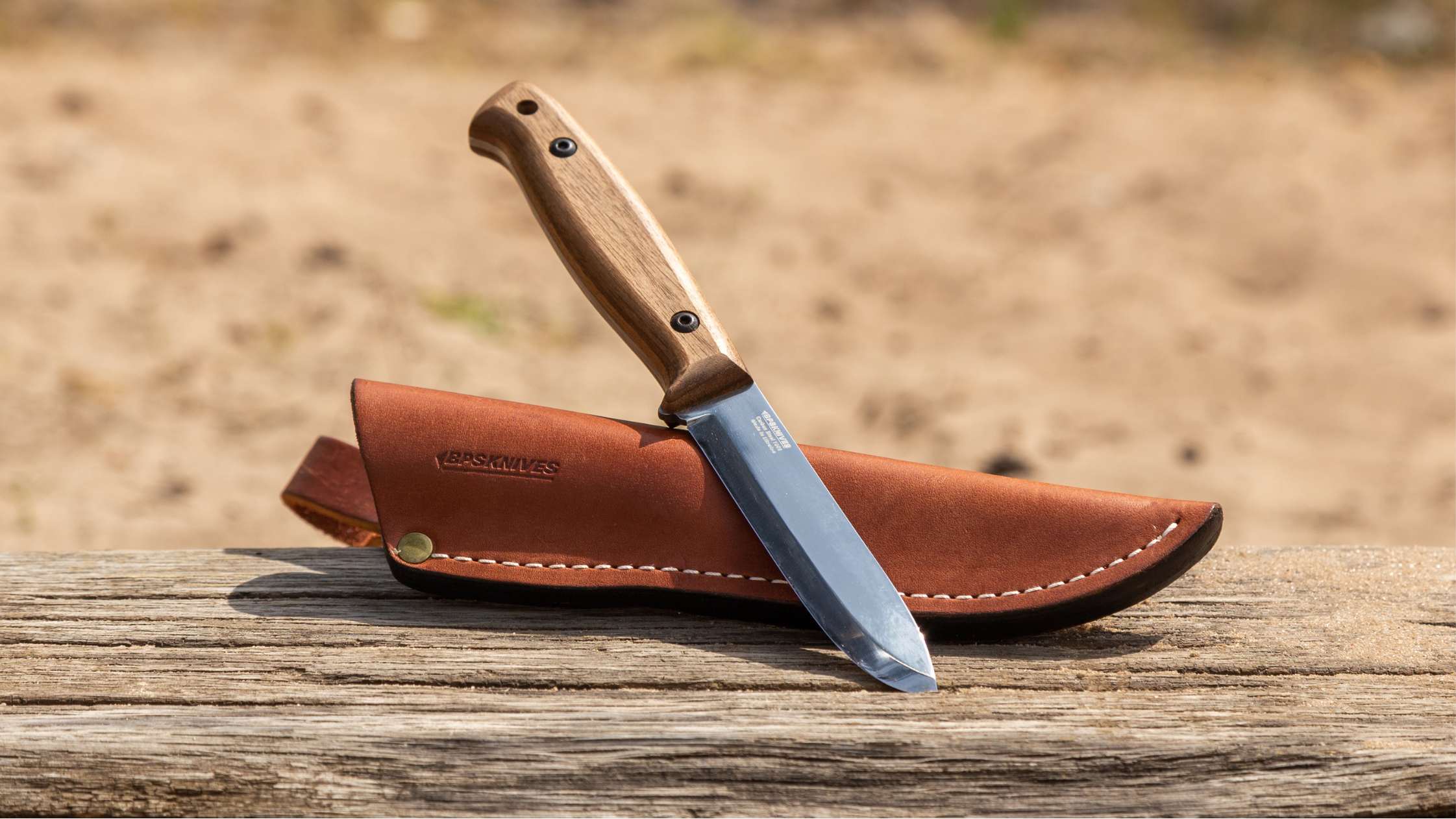
Since ancient times, a beautiful and richly decorated knife on the belt has been a symbol of high status, wealth, and nobility! Kings, chieftains, merchants, wealthy knights, and many other notable individuals cherished knives with bone handles, inlaid with precious stones, adorned with gold engravings, and featuring entire scenes etched into the blades. It was immediately clear that you weren’t dealing with just some random peasant guy! It was best to bow, just in case.
How personalization can enhance functionality and aesthetic value
Even today, not much has changed – we still love everything beautiful and wonderful! However, customization isn’t limited to aesthetics alone, we can also significantly enhance functionality!
When it comes to functionality, customization allows for improvements in ergonomics, making the handle more comfortable and secure for the user. Choosing specific materials for the handle, such as G10, micarta, or custom wood, can improve grip and comfort, which is especially beneficial during prolonged use. The shape and size of the blade can also be adjusted to suit particular tasks, such as hunting, culinary use, or tactical needs, ensuring better cutting efficiency. Additionally, opting for a specific type of steel—whether it’s stainless, carbon, or Damascus—lets users select based on factors like durability, corrosion resistance, edge retention, and ease of sharpening. A custom knife can also be designed with the perfect balance and weight for the user’s hand, improving control and reducing fatigue. Features like a lanyard hole or a pommel can also be added for extra functionality, turning the knife into a more versatile tool. Awesome decision of how to customize a pocket knife.
On the aesthetic side, personalization offers endless possibilities. The custom knife with engraving design adding a personal touch or reflecting a user’s style. The choice of materials, such as stabilized wood, carbon fiber, or bone, can give the knife a unique look, while different finishes and colors—like matte or polished—can change its overall appearance. A custom sheath, whether made of leather or kydex, can complement the design and elevate the knife’s aesthetic value, adding a vintage, modern, or tactical flair.
Moreover, some personalized custom knife with horizontal sheath often carries emotional value. It might be a family heirloom, a thoughtful gift, or a tool chosen for a specific occasion, creating a deeper connection to the object. This emotional attachment can further enhance its appeal and make it more meaningful. A personalized knife can also stand the test of time, developing a unique patina or wear pattern that adds character and tells the story of its use.
Ultimately, personalization allows a knife to become more than just a tool. It can reflect the user’s preferences and personality, blending practical functionality with artistic expression. Whether it’s for professional, recreational, or sentimental reasons, a personalized knife enhances both its utility and its beauty.

Understanding Knife Anatomy
But before turning your knife into a Christmas tree, decorating it and doing absolutely everything possible with it, let’s first take a look at its anatomy. So, here we go:
1. Blade
The blade is the main cutting part of the knife. It can vary in shape and size, depending on the intended use.
- Spine: The top, non-cutting edge of the blade.
- Cutting Edge: The sharp edge of the blade that does the cutting.
- Tip: The pointed end of the blade, used for precision tasks.
- Heel: The rear part of the blade near the handle, useful for cutting tasks requiring more force.
- Point: The very tip of the blade, where the cutting edge and spine meet.
- Bolster: A thick, metal portion at the base of the blade that provides balance and acts as a transition between the blade and the handle.
- Tang: The part of the blade that extends into the handle. The tang can be full, partial, or hidden, influencing strength and durability.
2. Handle
The handle provides a grip for the user to control the knife.
- Grip: The part of the handle you hold.
- Pommel: The end of the handle, which can offer balance or be used for a striking tool in some knives.
- Guard: A part of the handle near the tang that prevents the hand from slipping onto the blade.
3. Heel to Tip
When looking at the profile of a blade, the part from the heel to the tip affects the functionality. The heel provides strength for chopping, while the tip gives precision for delicate work.
4. Spine and Edge
- Spine: It provides strength to the blade. The spine’s thickness can indicate how durable a knife is for heavy-duty tasks.
- Edge: The angle and sharpness of the cutting edge determine how effective it is for slicing. A fine edge is ideal for precision tasks, while a thicker edge might be better for chopping.
5. Full Tang vs. Partial Tang
- Full Tang: The metal of the blade extends all the way through the handle. This offers strength and stability.
- Partial Tang: The blade doesn’t extend fully into the handle, making it lighter but less durable for heavy tasks.
6. Point Types
- Drop Point: A gently curved spine, good for versatility and control.
- Clip Point: A concave curve near the tip, useful for fine precision cuts.
- Spear Point: A symmetrical blade with equal curves on both sides, good for thrusting.

Customizing the Blade and Handle of the knife
Now, with a clear understanding of how everything works, you’ll be able to modify your knife properly and effectively! Customizing the blade and handle of a knife is an excellent way to make it more personal, improve its functionality, or enhance its aesthetic appeal. When it comes to the blade, the material is one of the first things to consider. Stainless steel is a common choice for its corrosion resistance and ease of maintenance, making it ideal for kitchen and outdoor knives. Carbon steel, on the other hand, is highly regarded for its sharpness and ability to hold an edge but needs to be cared for to prevent rust. Damascus steel is another option, known for its stunning appearance and strength, often seen in high-end knives. Tool steel is perfect for the heavy-duty design of knife as it offers great durability.
The shape of the blade can be customized in many ways. You might decide to modify the profile to suit a particular task, such as adding a more pronounced curve to a chef’s knife for better slicing or shaping a hunting knife into a clip-point design for better precision. The blade length can also be adjusted, with longer blades suited for slicing and shorter ones offering improved maneuverability. Edge styles can vary too, with straight edges being ideal for smooth cuts, serrated edges great for tough materials like bread, and convex or hollow grinds offering advantages for specific cutting tasks. The angle of the blade’s edge can also be customized to be sharper for precision work or thicker for heavy-duty tasks.
Another option for customization is the blade coating. A ceramic or DLC coating can add extra corrosion resistance while giving the blade a sleek, modern look. Some blades are etched with patterns or logos to give them a unique visual appeal.
And what about how to make custom knife handles? When customizing the handle, the material choice plays a crucial role in comfort, durability, and grip. Wood, bone or horn handles are a classic option, offering a natural and aesthetically pleasing feel, though they require more maintenance to avoid cracking. Materials like G-10, a durable composite made from fiberglass, and Micarta, a layered resin-infused material, are popular in tactical knives due to their toughness. Titanium is another lightweight and corrosion-resistant option. Rubber or Kraton materials are also great for knives that will be used in wet or slippery conditions because of their excellent grip.
The shape of the handle can be tailored to fit the hand more comfortably, reducing fatigue during extended use. Adding textures like grooves or checkering can improve the grip, especially in environments where slipping could be dangerous. Сustom knife for sale often feature finger guards or contours that not only enhance comfort but provide added control.
A handle’s length and thickness can be adjusted as well. A longer handle might be more suitable for larger tasks, like chopping, while a shorter handle could offer better precision. A thicker handle might be more comfortable for people with larger hands, while thinner handles can provide greater maneuverability for tasks requiring more control.
For the final touch, a pommel or butt cap can be added to the end of the handle. The pommel can provide balance, serve as a striking tool, or simply complete the knife’s design. Fitting the handle properly onto the tang is also essential for durability. A full tang knife, where the blade runs through the entire handle, offers maximum strength, while a hidden tang might offer a more streamlined design.
And of course, we can’t forget about engraving! When you buy a knife from us, you can add all sorts of designs and motifs to the blade. Imagine how amazing phrase like “A knife’s ammo never runs out” etched on the blade!

Custom Sheaths and Accessories
The sheath is just as customizable as the knife itself. It can be made from fur and leather, wood, kydex, micarta, or ABS plastic – it all depends on your needs.
Designing a Unique Sheath
Designing a custom sheath involves a few key steps that focus on personalizing functionality, aesthetics, and durability. Begin by determining the purpose of the sheath—whether it’s for a knife, tool, or other utility item. Choose materials like leather, kydex, or fabric based on your preference for flexibility, toughness, and environmental resistance. Design the shape and fit to securely hold the item in place while ensuring easy access. Consider incorporating features like retention straps, snap closures, or Velcro for added security. Lastly, add unique details like stitching, tooling, or embossed logos to elevate the look of the sheath and make it truly one-of-a-kind.
Adding Accessories
Custom sheaths can be enhanced with a variety of accessories to add functionality or style. Lanyards can provide an easy way to carry or attach your sheath to other gear. Paracord or leather lanyards are popular choices for both their durability and aesthetic appeal. Clips, such as belt clips or molle attachments, allow for easy attachment and accessibility to gear while providing convenience during use. Decorative elements like custom rivets, beads, or patches can be added to showcase personal style or enhance the sheath’s design. Combining both functional and decorative elements creates a sheath that is not only practical but also a reflection of your individual taste.

Conclusion
And that’s the deal. Visit our online store, where the knife of your dreams is waiting for you. To make your blade truly unique, our craftsmen can engrave important quotes from your favorite movies, memorable dates, or any other text you desire. May the Force be with you! And let the adventure begin!