
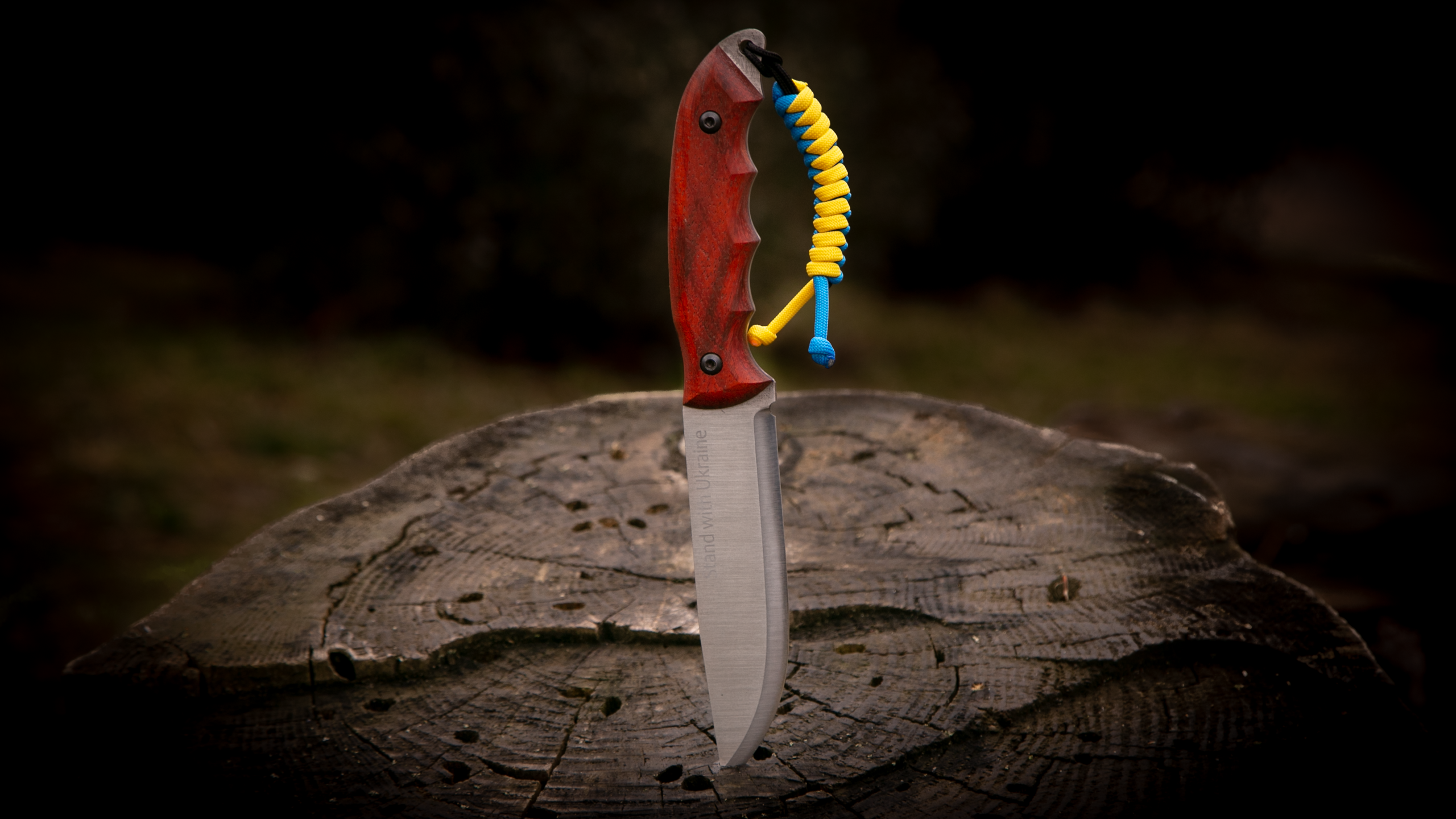
In earlier times — especially during Antiquity, the Vendel era, the Middle Ages, and the Renaissance — war was, for a warrior, almost like a celebration. It was the very essence of what he lived for! And what did that mean? It meant that you wear your finest and most impressive gear owned — best clothes, best armor to radiate sheer awesomeness in every direction. After all, you had to show the world that you weren’t just some random Sir Whosit of Whocares! And beyond clothing and armor, weapons were considered the ultimate form of personal decoration — especially our shared favorite: knives.
The role of unique knife designs culture
Absolutely everything was used — engraving, inlay with gemstones and precious metals! Handles were crafted from the bones of rare animals or wrapped in fine leather — in short, they went all out, pushing craftsmanship to the limit.
Knife as a reflection of personal style
Much like fashion or tattoos, a customized knife reflects personal aesthetics and values. Handle materials, engravings, and decorative accents all serve to express the owner’s identity. A minimalistic EDC (Everyday Carry) knife with sleek lines might appeal to someone who values function and simplicity, while elaborate inlays or colorful designs suggest a passion for artistry and uniqueness.
From utility to art: evolution of knives
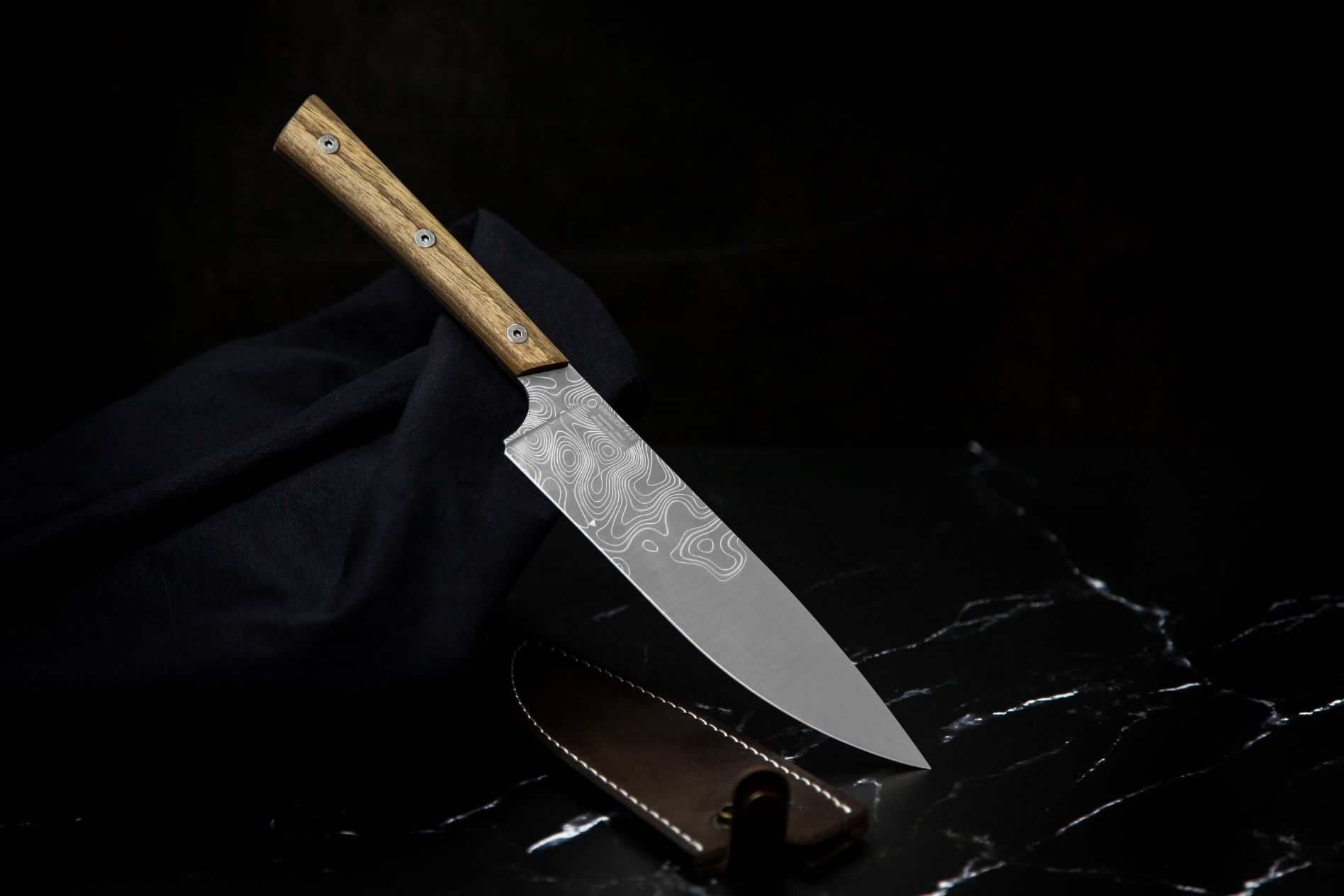
Historically, knives were survival tools, but over time, many have evolved into works of art. Damascus steel patterns, ornate hilts, and hand-forged blades are now just as important for their visual appeal as their sharpness. Today, artisans blend traditional forging methods with modern artistic expression, turning knives into collector’s items and conversation pieces.
Reasons to customize a knife (gift, collection, everyday use)
Throughout the ages, a beautifully decorated knife has been one of the best — if not the best — gifts you could give. Whether it’s a hunting knife, a camping tool, an EDC piece, or a collector’s item, it makes for a perfect present. Birthdays, weddings, graduations, holidays — you name it. One thing’s for sure: you will be remembered!
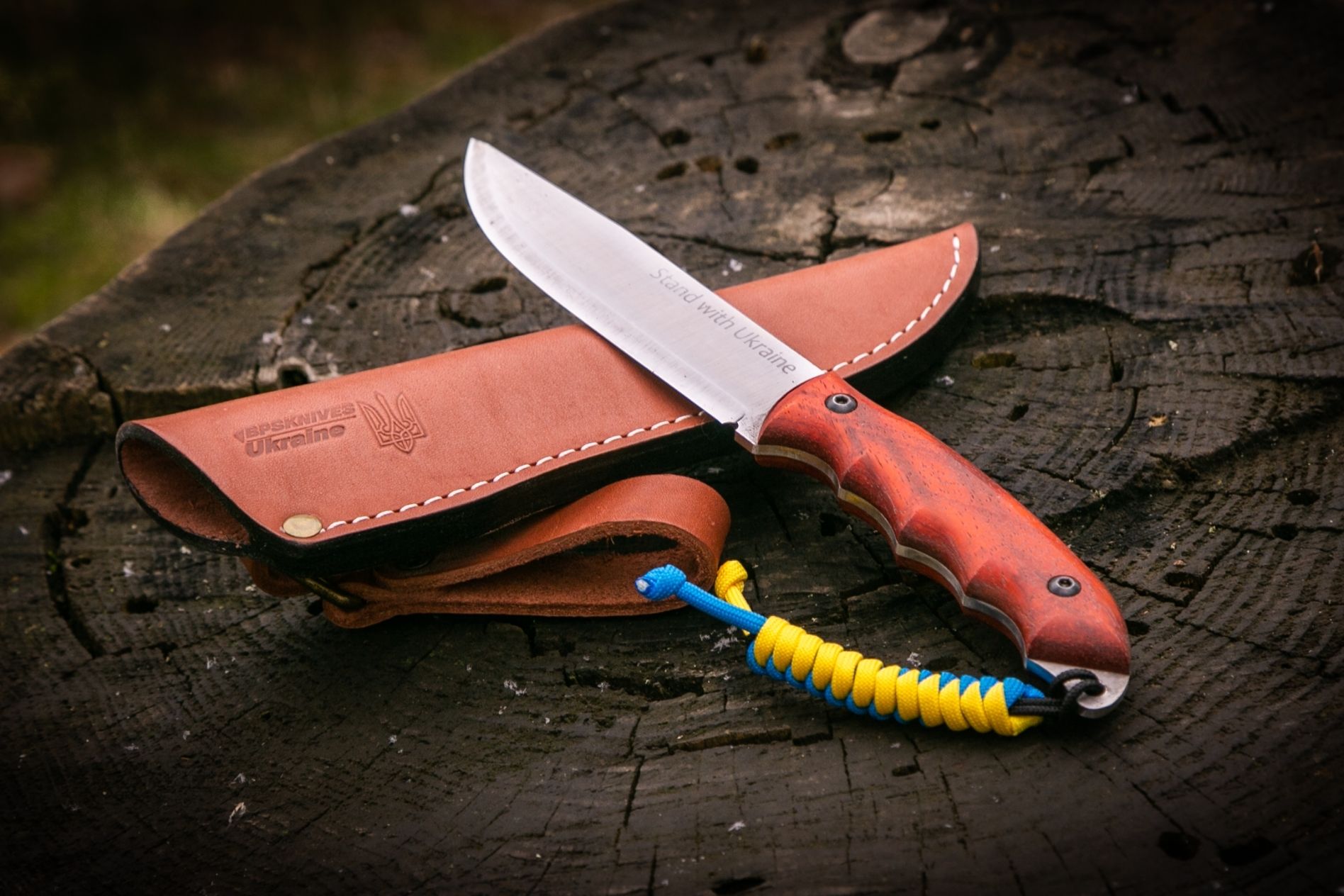
Engraving on knives
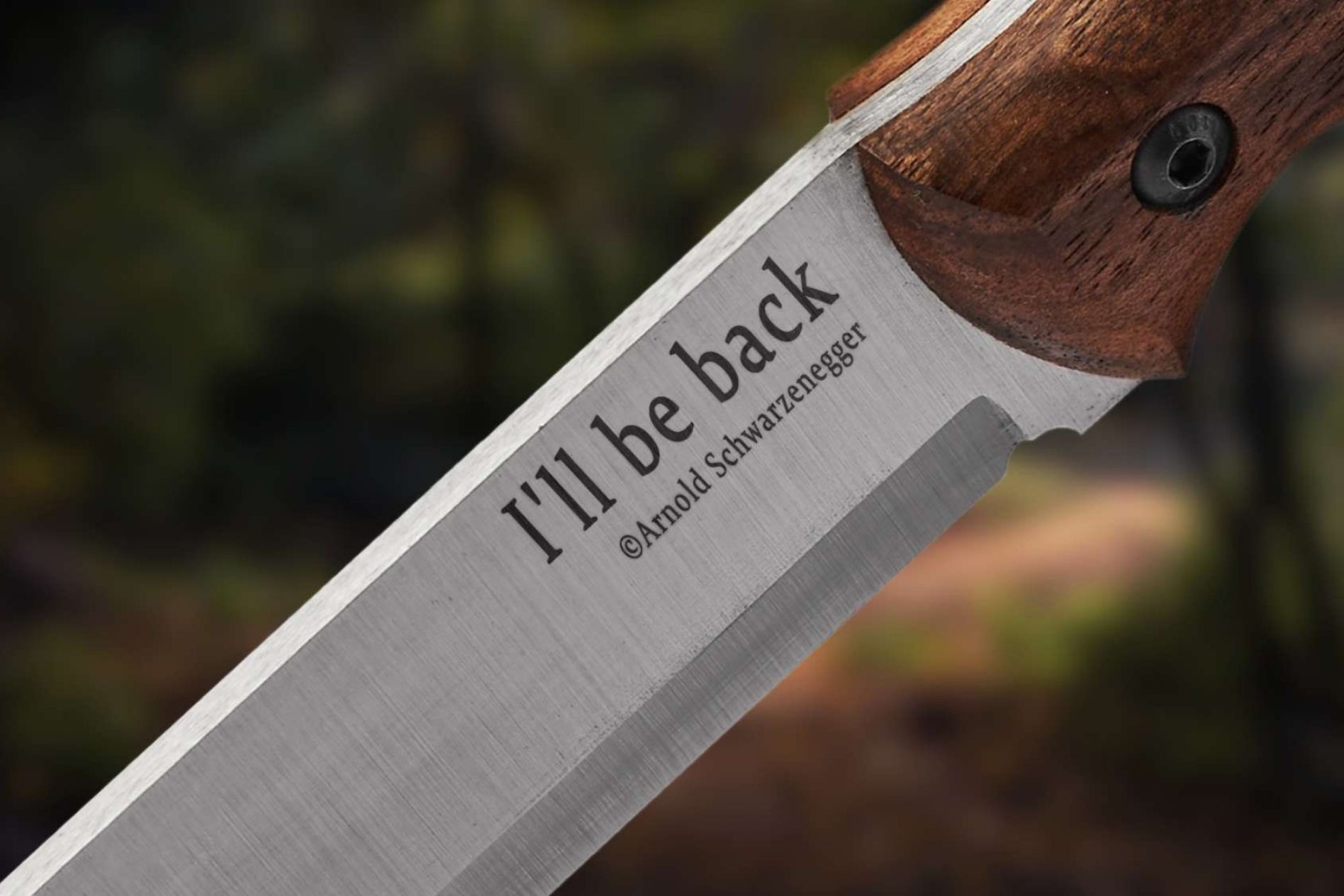
Things to get engraved on knives. One of the coolest things you can do with a knife is, of course, engraving it!
Types of Engraving
There are several types of engraving techniques used on knives, each offering different looks and levels of durability:
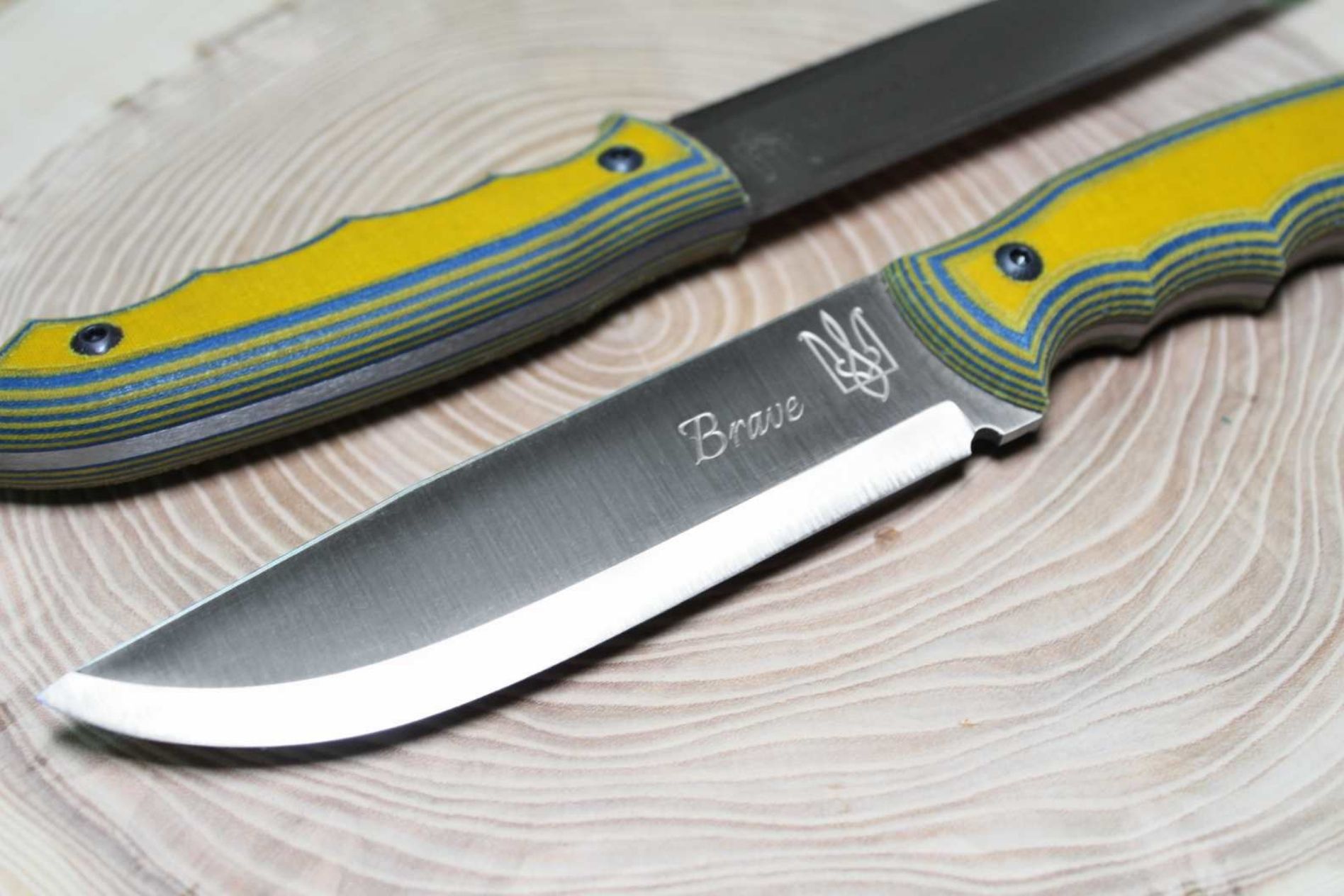
- Laser Engraving: Nice option for engraving on case knives! A precise and common method that uses a laser to etch designs onto the blade or handle. It’s fast, clean, and ideal for detailed text or logos, making unique knife handles just marvellous part of a knife.
- Hand Engraving: A traditional, artistic approach where a skilled craftsman manually carves into the surface. Custom knife handles are unique and often used for high-end or custom knives.
- Etching (Chemical or Acid): Uses chemicals to burn the design into the surface. Often used for logos or decorative patterns.
- Rotary Engraving: A mechanical method using a spinning cutter to carve into the material, suitable for deeper and more tactile engravings.
Ideas and Themes of custom engraving on knives
The only limit here is your imagination — because you can engrave just about anything: hunting scenes, nature motifs, a personal message or the recipient’s name, inspiring quotes, tribal patterns, floral designs, and so much more! We have name engraving on knives for sale by the way, check it out.
Pros and Cons of Engraving
Of course, alongside the benefits, there are also some downsides. Let’s take a look at them:
Pros:
- Personalization: Makes a knife unique and special, perfect for gifts or heirlooms.
- Aesthetic Appeal: Enhances the visual design.
- Memorability: Ideal for commemorating events or milestones.
- Branding: Great for businesses or craftsmen to add logos and marks.
Cons:
- Permanence: Once engraved, it’s difficult (or impossible) to remove.
- Cost: High-quality engraving, especially handwork, can be expensive.
- Potential Resale Impact: Personal engravings might reduce resale value.
- Damage Risk: Poor engraving can damage the blade or affect structural integrity if not done properly.
 Inlays on knives
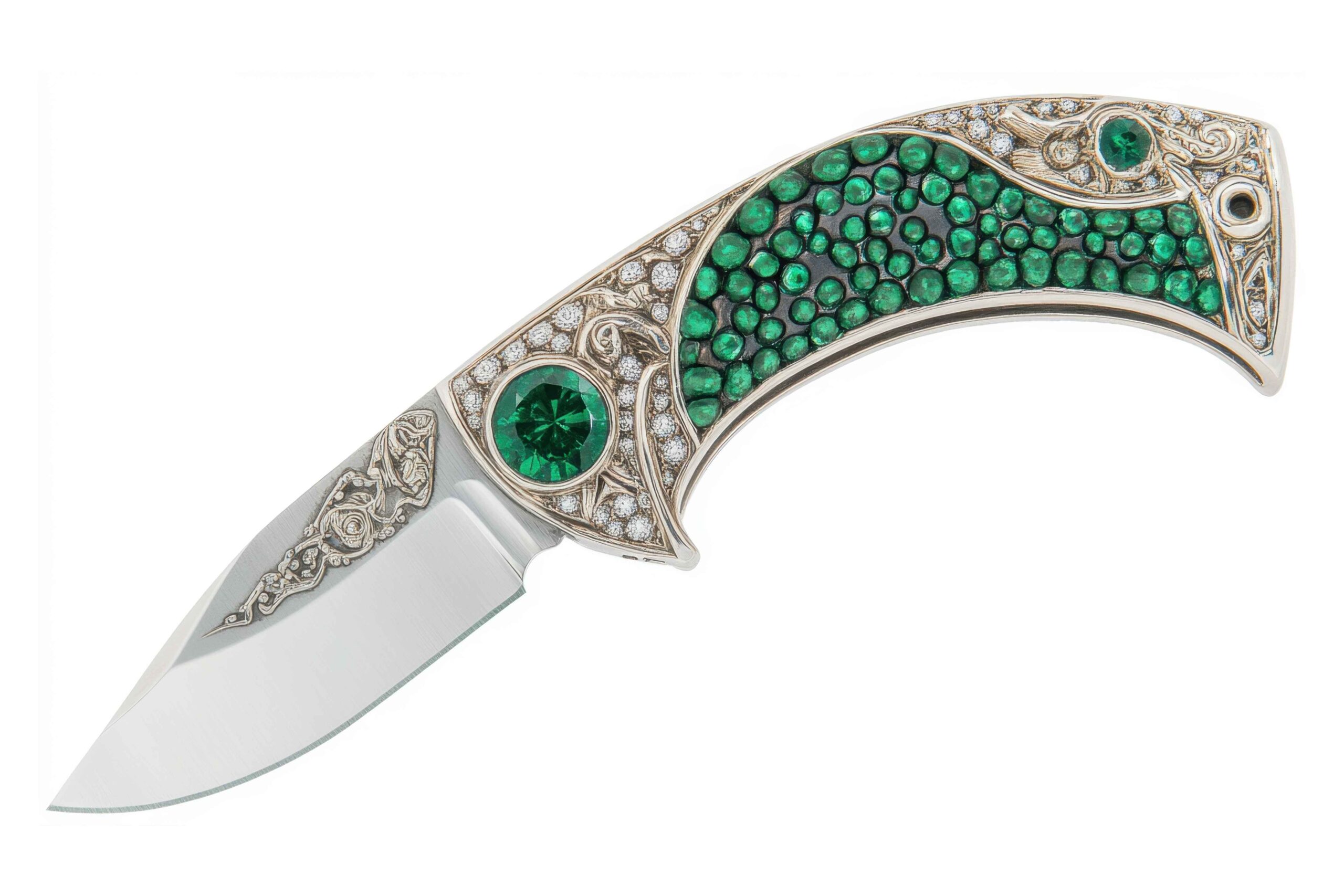
High-quality inlays always make a blade absolutely mind-blowing!
Popular Materials for Inlays
The choice of inlay material greatly influences the knife’s appearance, durability, and value. Common materials include:
- Wood (e.g., ebony, cocobolo, walnut): Offers a warm, natural feel and is often used for traditional or rustic designs.
- Bone and Antler: Classic choices in traditional knives, adding a vintage and rugged appeal.
- Mother of Pearl and Abalone: Prized for their iridescent beauty and commonly used in high-end or display knives.
- Metals (e.g., brass, copper, silver, gold): Add a gorgeous look, often used in combination with engraving.
- G10 and Micarta: Durable synthetic materials often used in modern tactical or EDC knives.
- Carbon Fiber: Lightweight, strong, and contemporary—popular in high-performance and custom designs.
- Gemstones or Resin: Used sparingly for luxury or art knives.
Inlay Techniques
Knife inlays require precision and craftsmanship. Some of the most common techniques include:
- Channel Inlay: Material is set into a carved channel, flush with the surface of the handle.
- Mosaic or Patterned Inlay: Small pieces of different materials are arranged to form intricate patterns or images.
- Overlay Inlay: The inlay sits slightly above the handle surface for a raised texture.
- Scrimshaw: While technically engraving, this often includes inked or painted inlays within bone or ivory.
- Laminated Inlay: Layers of materials are bonded together and shaped, creating a multi-dimensional effect.
Features of Caring for an Inlaid Knife
Inlaid knives require proper care to maintain their appearance and integrity. Key care tips include:
- Avoid Excess Moisture: Natural materials like wood and bone can swell or crack if exposed to water.
- Use Appropriate Cleaners: Avoid harsh chemicals that may degrade or stain the inlay material.
- Store Properly: Keep the knife in a dry environment, preferably in a case or sheath.
- Regular Maintenance: Oil wooden inlays occasionally to prevent drying and cracking. For metal or synthetic inlays, simple wiping with a soft cloth is sufficient.
- Avoid Hard Impacts: Inlays, especially decorative or raised types, can chip or loosen if dropped or mishandled.
 Painting a Knife. How to paint a knife blade
Painting a knife can be both a practical and aesthetic decision! Whether you’re aiming to reduce glare, prevent rust, or customize the appearance for display or identification purposes, painting a knife allows for a personal touch while sometimes improving performance. However, it’s essential to understand the types of paint used, how it affects the knife, and how to maintain it properly!
Types of Painting
There are several common methods for painting knives, each with its own advantages:
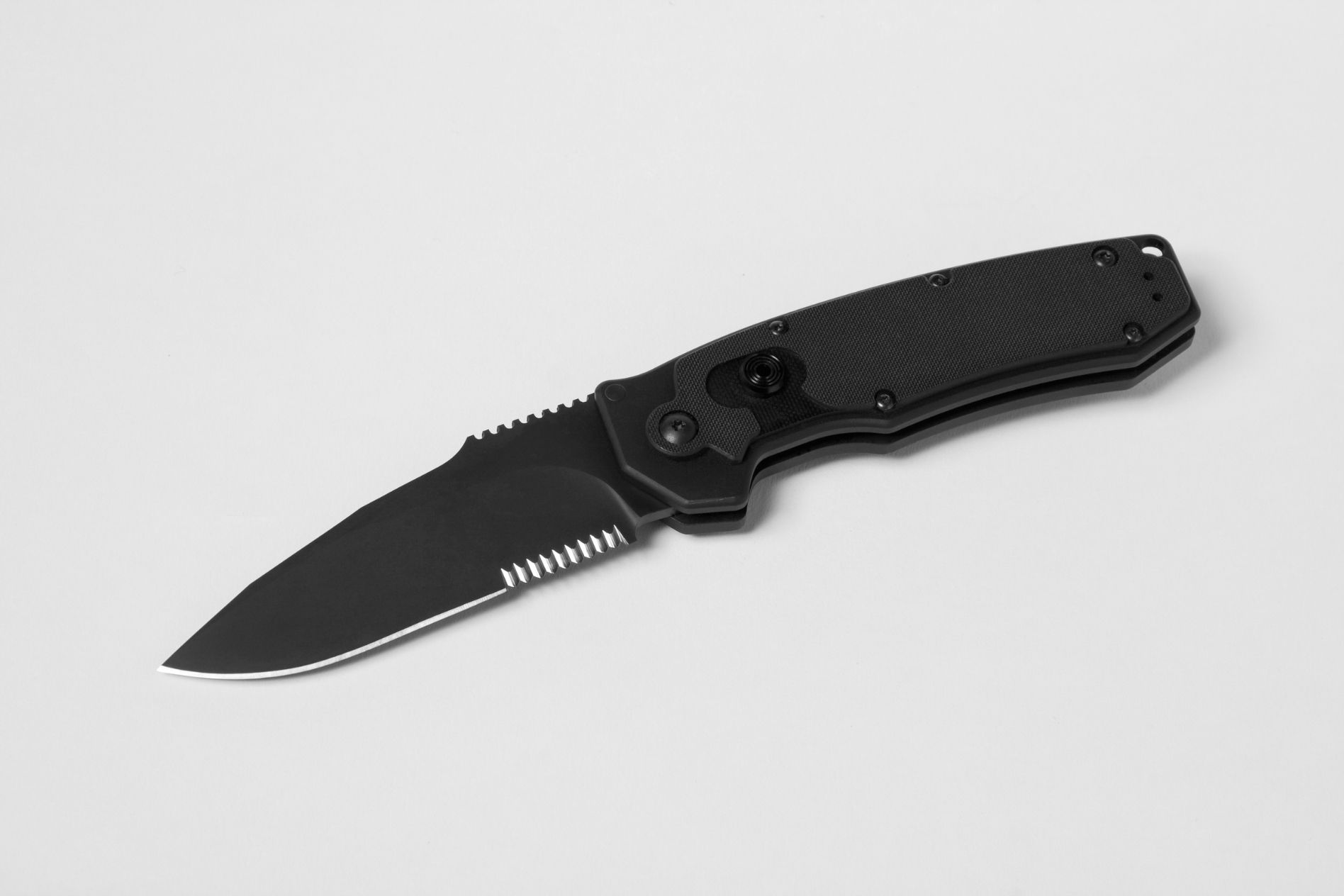
- Cerakote Coating: A ceramic-based finish known for its durability and corrosion resistance. Often used on tactical or outdoor knives.
- Powder Coating: Electrostatically applied and then heat-cured, this type of coating offers good protection but may wear over time with heavy use.
- Spray Paint (DIY): Suitable for decorative purposes. It’s less durable than professional coatings and may chip or scratch easily.
- Anodizing (for aluminum parts): Technically not paint, but a type of coating that adds color and protects from wear and corrosion.
- Hydro Dipping: A decorative method using printed film that is water-transferred onto the knife. Mostly aesthetic, with limited durability.
 The Effect of Painting on the Characteristics of a Knife
While painting can enhance appearance and offer protection, it also impacts how the knife functions:
- Corrosion Resistance: A quality coating can protect metal from rust and oxidation, especially in humid or salty environments.
- Friction & Cutting Efficiency: Some coatings may increase friction or wear down over time, affecting cutting performance.
- Durability: Poor-quality paint can chip or peel, especially under rough use. This can leave the blade exposed and reduce its longevity.
- Reflectivity: Matte finishes reduce shine and glare, which can be important for tactical or hunting uses.
- Weight: While minimal, multiple coats or certain types of paint can slightly affect the weight or balance of the knife.
Tips for Choosing and Caring for It
If you’re considering a painted knife — or painting one yourself — keep the following tips in mind:
Choosing a Painted Knife:
- Look for professional coatings like Cerakote or powder coating for utility or tactical use.
- For display or decorative purposes, hydro dipping or DIY spray paint may suffice.
- Consider the intended use — knives for heavy-duty work need more durable coatings.
Caring for a Painted Knife:
- Avoid abrasive cleaners or steel wool, which can damage the paint.
- Clean with a soft cloth and mild soap; always dry thoroughly.
- Reapply protective coatings like oil or wax on exposed metal to prevent rust.
- Store in a dry place, preferably in a custom sheath for knife that doesn’t trap moisture.
Practical advice on personalizing a knife
Got it. How about a couple of tips on how to personalize your knife?
Choosing a technique depending on the materials and purpose of the knife
The method you choose for personalization should depend on what the knife will be used for and what materials it’s made from. For example, if the blade is made of steel, engraving or etching is often a suitable option, particularly for adding names, logos, or decorative patterns. If you’re focusing on the handle, materials like wood, micarta, or G-10 offer both aesthetic value and functionality. Depending on the knife’s use — whether it’s for display, kitchen tasks, or outdoor work—you might opt for a specific blade coating or finish, such as a stonewash or black oxide. Laser marking is another effective option, especially for permanent, high-precision designs on both blade and handle. Whatever technique you go with, it should enhance the knife’s character without compromising its intended purpose.
Collaboration with Masters or Independent Work
Decide whether you want to personalize the knife yourself or work with an experienced craftsperson.
- DIY Personalization: Best suited for enthusiasts with tools and basic skills in engraving, sanding, or handle shaping.
- Professional Collaboration: Ideal for high-value knives or when you want high-precision work and a flawless finish.
- Hybrid Approach: You can design the personalization yourself and let a professional handle the execution.
Clear communication is key in collaborations. Provide references, sketches, or mockups to ensure your vision is understood.
 Budget and Deadlines Manufacturing
Personalization varies in cost and production time depending on complexity and method.
- DIY Costs: Generally low, but may require investing in tools and materials. Nice option for custom multi tool knife!
- Professional Services: Simple engravings might cost $50–$100, while full custom builds or elaborate designs can go over several hundred dollars.
- Time Considerations: Basic modifications can be done in hours or days.
Custom builds may take several weeks.
Be upfront about your budget and timeline — especially if the knife is meant as a gift or for a specific occasion.
Consideration of Operational Features
While personalization can dramatically improve the look and uniqueness of a knife, it should never come at the expense of functionality. Modifying the handle, for example, should not upset the knife’s balance or make it harder to use. The grip should still be secure and safe, even if you’re using decorative or unusual materials. Any changes to the blade itself should preserve or enhance its cutting ability, not hinder it. You should also think about maintenance — some finishes or materials require special care to remain in good condition. After any modifications, it’s a good idea to test the knife in real-world conditions to make sure it still performs as expected.
Conclusion
That’s how it is. No wonder our civilization has been grinding away on this planet for some 50,000 years! We’ve created true marvels of metallurgy and metalworking. And there’s a beautiful temple where you can connect with this art — our online store. There, you’ll find some seriously awesome knives for hunting, fishing, camping, hiking, and even for jaw-crushing survival adventures somewhere in the howling tundra. With that, we’ll take our leave — for now. We’ll see each other again soon. Until next time!