
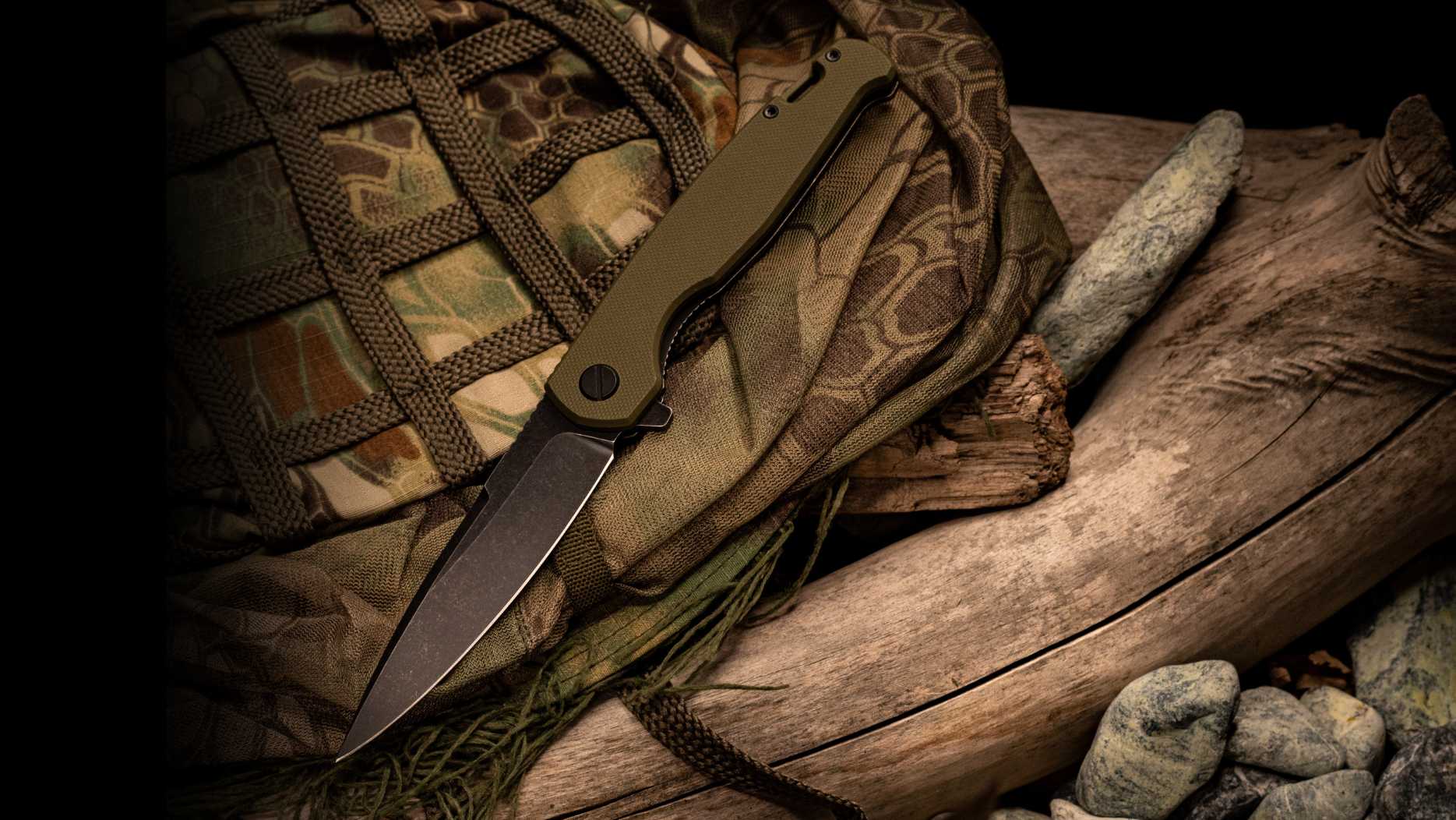
In the thousands of years that our civilization has existed, we have seen all kinds of knife handles! Made of wood, bone, horn and many other materials. It would seem that there is nothing to surprise us!
Introduction to HPL and its history
But in 1913, engineers Daniel J. O’Conor and Herbert A. Faber invented something interesting, namely HPL laminate! HPL (High Pressure Laminate) is a versatile construction and finishing material. HPL (High Pressure Laminate) is a composite material made from layers of paper or fabric that are impregnated with resin and then compressed under high pressure and heat. This process creates a dense, durable surface that is resistant to scratches, stains, and moisture.
In 1930, this material became very popular in the production of finishing materials, it turned out to make beautiful furniture and decorative panels! HPL panels are actively used in luxury panelling of liners, aeroplanes and trains. These were the first steps in the steady development of this product.
Since 1961 – HPL panels have been used for the first time on the façade of a building. For this purpose, 6-10 mm thick panels with double-sided lamination were used. Such panels did not require gluing to other substrates and were self-supporting, which made it possible to work with them fully, to make cutouts, perforations and other processing operations.
Today, this material is actively used also:
- in the manufacture of furniture;
- for panelling entrance and interior doors;
- for kitchen surfaces;
- for bathrooms;
- for wall panelling;
- for panelling balconies, loggias, terraces;
- for the design of billboards.

What is HPL?
Let’s talk about the composition and manufacturing process of HPL:
Composition of HPL
High-Pressure Laminate (HPL) is composed of several layers, typically including:
- Core Layer: This is usually made of cellulose fibers and is the main structural component. It’s often constructed from layers of kraft paper impregnated with phenolic resin for strength and durability.
- Decorative Layer: This top layer provides the desired aesthetic appearance and is often printed with designs or colors. It’s typically made of printed paper impregnated with melamine resin.
- Overlay Layer: This protective layer is usually made of transparent melamine resin-impregnated paper, providing resistance to scratches, stains, and moisture.
- Backer Layer: Sometimes included on the underside, this layer helps balance the laminate and prevents warping.
The combination of these layers results in a durable, versatile material commonly used in countertops, furniture, and wall panels.
 Photo from materialintelligence.com
Manufacturing Process
The manufacturing process of High-Pressure Laminate (HPL) involves several key steps:
Material Preparation
- Kraft Paper: Multiple layers of kraft paper are cut to size. These will form the core.
- Decorative Paper: A decorative layer is printed with the desired design and colors, using special inks that can withstand heat and pressure.
- Overlay Paper: A clear paper is treated with melamine resin for the top layer, providing durability.
Impregnation
- The kraft and decorative papers are impregnated with thermosetting resins. The kraft paper typically uses phenolic resin, while the decorative paper is treated with melamine resin. This process enhances strength and resistance.
Layer Stacking
- The impregnated layers are stacked in the correct order: core layers at the bottom, decorative paper in the middle, and overlay paper on top.
Pressing
- The stacked layers are placed in a hydraulic press. The press applies high pressure and heat (around 140-180°C) for a specified duration, typically 30-60 minutes. This process cures the resin, bonding the layers together and creating a solid laminate.
Cooling
- After pressing, the laminated sheets are allowed to cool, which helps set the material and prevent warping.
Trimming and Finishing
- The sheets are trimmed to the desired dimensions. Additional finishing processes may include sanding or coating for improved surface properties.
Quality Control
- The final products undergo quality checks for thickness, surface quality, and adhesion to ensure they meet industry standards.
Uses of HPL in the Knife Industry
But most importantly, this material is used to make many things in knife manufacturing:
Knife Handles
HPL handle knife have gained popularity for their unique blend of durability, aesthetics, and functionality which is often used in custom knife making! While HPL can provide a good grip, the texture and finish can vary, so it’s important to choose a handle that feels comfortable in your hand. HPL can become hot to the touch if exposed to high heat for extended periods, so it’s best used in cooler areas of the kitchen.
Overall, HPL knife handles can be a great choice for both professional and home cooks looking for a reliable and stylish option, for hikers, hunters, fishermen and generally for everyone!
Other Applications in Knife Design
HPL (High-Pressure Laminate) is not only versatile for knife handles but also finds several innovative applications in knife design, including sheaths, packaging, and various knife accessories. Here’s a closer look at these uses:
Sheaths
- Durability and Protection: HPL’s robust structure makes it an excellent material for knife sheaths, providing strong protection against impacts and environmental factors.
- Water Resistance: The moisture-resistant nature of HPL helps protect the blade from corrosion, making it ideal for outdoor knives used in wet conditions.
- Custom Design: Sheaths made from HPL can be customized with unique colors and patterns, offering a personalized touch that complements the knife’s design.
Packaging
- Eco-Friendly Options: HPL can be used in packaging designs that prioritize sustainability, appealing to environmentally-conscious consumers. It can be made from recycled materials and is often more durable than traditional packaging.
- Visual Appeal: Using HPL for packaging allows for vibrant graphics and textures, enhancing the presentation of the knife and attracting potential buyers.
- Protection During Transport: HPL packaging can provide better protection for knives during shipping and handling, reducing the risk of damage.
Knife Accessories
- Cutting Boards: HPL is often used in the production of cutting boards that complement knife sets. Its durability and easy maintenance make it a practical choice for food prep.
- Storage Solutions: HPL can be utilized in knife blocks or magnetic strips, providing a stylish yet sturdy way to store knives safely and accessibly.
- Folding Knives: HPL can be integrated into the design of folding knives as inlays or decorative elements, adding both aesthetics and grip.
Custom Projects
- Personalized Designs: Many knife makers use HPL for custom projects, allowing for creative expressions in knife designs. From unique handle shapes to striking inlays, the possibilities are extensive.
- Themed Collections: HPL can facilitate themed knife collections, where the colors and patterns across handles, sheaths, and packaging create a cohesive look.
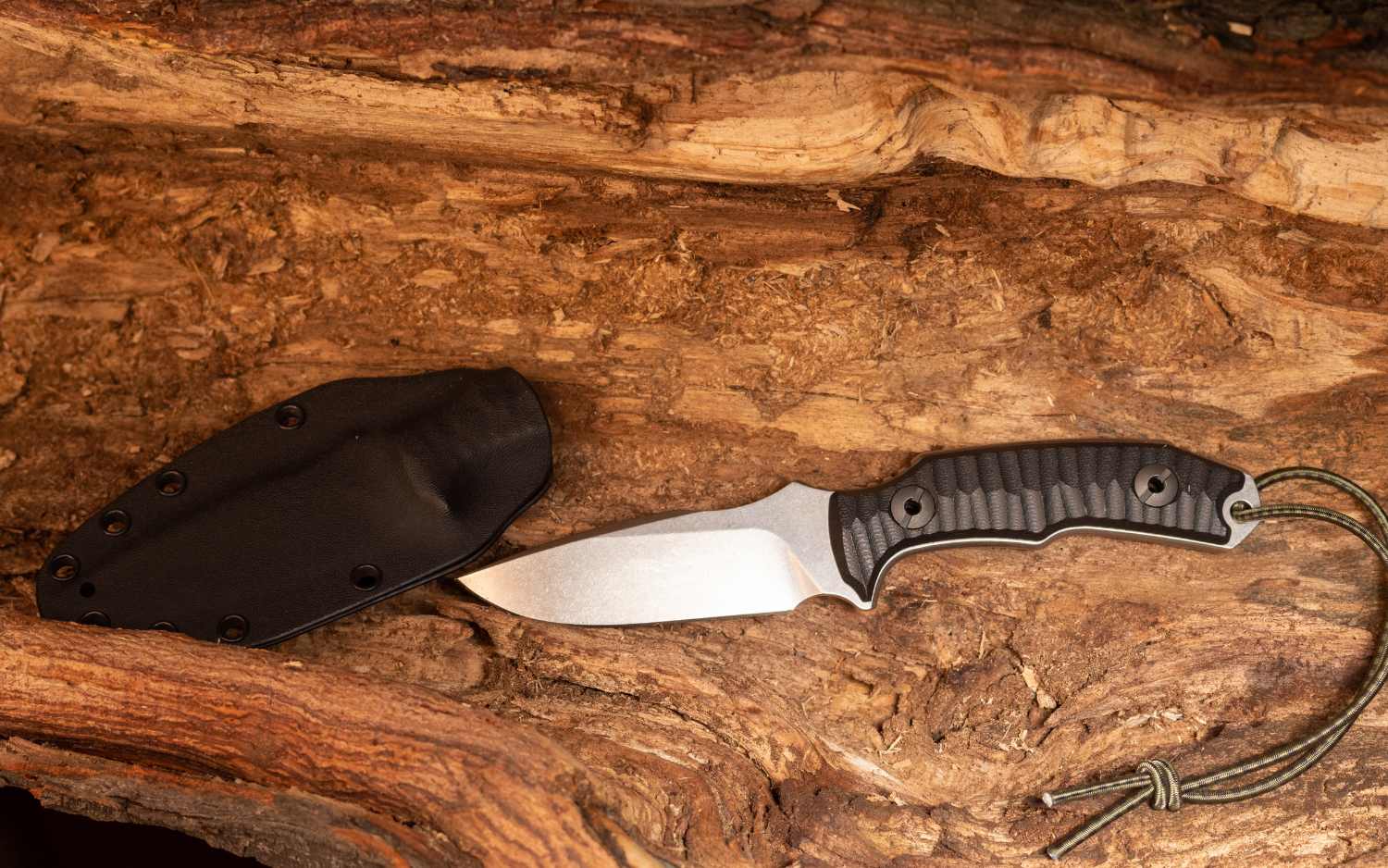
Advantages of HPL Material
Benefits of HPL Knife Handles
- Durability: HPL is resistant to moisture, heat, and chemicals, making it ideal for kitchen environments or outdoor use. It won’t swell or warp, ensuring longevity. Nice options for an EDC knife!
- Grip and Comfort: The textured surface of HPL provides a non-slip grip, enhancing user comfort during extended use. This is particularly beneficial for chefs or outdoor enthusiasts who require precision.
- Aesthetic Variety: HPL comes in a wide range of colors and patterns, allowing for creative designs. Whether you prefer a sleek, modern look or a more rustic appearance, there’s likely an HPL option to suit your taste.
- Easy Maintenance: Unlike wood, HPL doesn’t require regular oiling or special care. A simple wipe with a damp cloth is usually enough to keep it looking good.
- Sustainability: Many HPL products are made from recycled materials, making them an eco-friendly choice compared to traditional wood handles.
Disadvantages of HPL Material
But of course there’s also fly in the ointment, it is always there:
- Brittleness: HPL can be prone to chipping or cracking if subjected to extreme impacts or pressure. This may be a concern in high-stress environments.
- Limited Repair Options: Unlike wood or certain metals, damaged HPL may not be easily repaired. Scratches or chips can be difficult to fix without replacing the entire piece.
- Weight: HPL can be heavier than other handle materials, which might be a drawback for certain knife users who prefer lightweight designs, particularly in outdoor or tactical knives.
- Thermal Conductivity: HPL can retain heat, which might make the handle uncomfortable in hot cooking environments. This can affect user experience, especially during prolonged use.
- Cost: High-quality HPL can be more expensive than some traditional materials like wood or plastic, which may deter budget-conscious buyers.
- Aesthetic Limitations: While HPL offers a variety of colors and patterns, it may lack the natural beauty and warmth of wood, which some users prefer for aesthetic reasons.
- Environmental Impact of Production: The production of HPL involves resins and other chemicals, which can raise concerns about environmental sustainability compared to naturally sourced materials.
- Surface Feel: Some users may find the texture of HPL less tactile or less pleasing than wood or rubber, which can affect grip and comfort during use.
Conclusion
Certainly interesting matherial, with its pros and cons. While HPL is a versatile and durable material for knife design, potential drawbacks such as brittleness, repair limitations, and aesthetic preferences should be considered when selecting materials for knives and accessories. Balancing these disadvantages with its benefits can help in making informed design choices for both composite handle or sheath!