
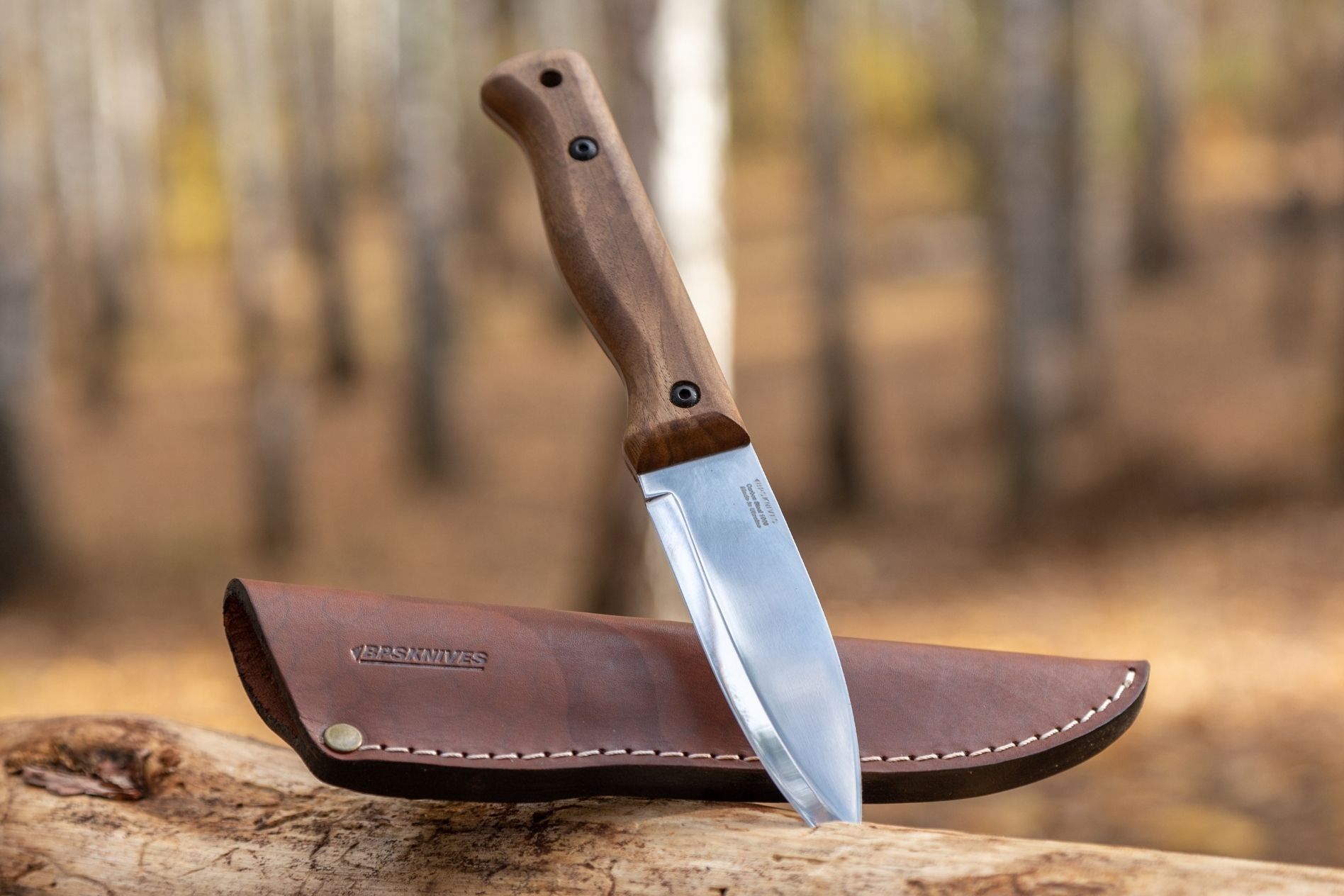
Once, around the 20th century BCE, iron was valued more than gold, and items made from it, like knives, were considered royal gifts. Many countries and rulers of that time even stored their treasuries in iron ingots! Then, around the 13th–11th century BCE, the first steel appeared, and metallurgy slowly stopped being an unfathomable magic reserved for the chosen few. People began to understand how to alter the properties of metals to control their strength, durability, wear resistance, and elasticity. This laid a powerful foundation for blacksmithing and weapon forging, including the knives we cherish so much today! What is the best knife steel in the world? Let’s find out!
Why steel plays a key role in knife quality
Steel is the soul of your knife. It’s the steel that determines how reliable, durable, and sharp the blade will be!
Why the right steel in a knife is important
The right steel ensures that a knife performs optimally for its intended use. For example:
- Hardness: Harder steels hold an edge longer but may be more prone to chipping. This is crucial for tasks requiring precision cutting, like filleting or slicing.
- Toughness: Tough steels are more resistant to breaking or chipping, making them ideal for tasks that involve high impact or heavy-duty cutting.
- Corrosion Resistance: Knives used in moist or acidic environments (like kitchen knives or outdoor tools) need steel that resists rust and corrosion.
- Edge Retention: Steel that maintains a sharp edge for longer intervals reduces the need for frequent sharpening, which can be particularly beneficial for professional chefs or outdoor enthusiasts.
- Steel Knife Size: The size of the knife blade affects how the knife performs. Larger blades made from strong steel are better suited for tasks that require power and reach, such as chopping or breaking down large cuts of meat. Smaller blades offer greater control and are ideal for precision work like peeling or trimming. Choosing the right size ensures comfort, efficiency, and safety during use.
Choosing the right balance of these traits is key to ensuring the hardened steel knife meets your expectations for both performance and durability.
Why there is no “perfect” steel – property trade-offs
One of the reasons there is no “perfect” steel is the inherent trade-offs between different properties. Enhancing one characteristic of steel often comes at the expense of another. For instance:
- Hardness vs. Toughness: Harder steels retain an edge better but can be more brittle, making them susceptible to chipping under heavy use. Conversely, tougher steels may not hold an edge as long but are more resistant to breaking.
- Edge Retention vs. Sharpening Ease: High edge retention steels may be harder to sharpen, while steels that are easier to sharpen might lose their edge faster.
- Corrosion Resistance vs. Durability: Stainless steels offer better resistance to corrosion but may be softer or less durable than high-carbon steels, which can be prone to rusting without proper maintenance.
These trade-offs mean that selecting a steel requires balancing the specific qualities needed for the knife’s intended use.
How steel composition and processing affect knife behavior
What makes a good knife steel? Its composition and how it’s processed also heavily influence a knife’s performance.
- Carbon Content: The amount of carbon in steel directly affects its hardness. Higher carbon content increases hardness but decreases toughness. A good example is high-carbon steels like 1095, which offer excellent edge retention but can be brittle.
- Alloying Elements: Elements like chromium, molybdenum, vanadium, and tungsten are added to enhance specific characteristics. For example, chromium increases corrosion resistance (found in stainless steels), while vanadium improves wear resistance and strength.
- Heat Treatment: The process of heating and cooling steel (tempering and quenching) is crucial in determining its hardness and toughness. A well-executed heat treatment can result in a knife that strikes the perfect balance of sharpness, durability, and strength.
The quality of the final knife is a combination of both the alloy used and the craftsmanship in processing and shaping the steel. Even the same steel can behave very differently based on how it’s heat-treated and finished.

Key steel characteristics that affect its quality. What is the best steel to use for knife making?
There are countless types of steel, and each one is unique, with its own fascinating properties!
Hardness (HRC): The Higher the Better?
Hardness, usually measured on the Rockwell Hardness Scale (HRC), indicates how resistant the steel is to deformation under pressure. Higher hardness typically means:
- Better edge retention
- Increased wear resistance
However, hardness comes at a cost. Extremely hard steels can become brittle, making them more prone to chipping or breaking under impact. So while high HRC numbers (60–65) are desirable for fine slicing tasks, they may not be ideal for heavy-duty or survival knives where toughness is more important. Higher is not always better—hardness must be balanced with toughness!
Edge Retention: How Long the Knife “Holds the Cutting Edge”
Edge retention refers to how long a knife can maintain a sharp edge during use. It’s a top priority for most users, especially in professional or outdoor settings where frequent sharpening is impractical.
Steels with high edge retention usually contain carbide-forming elements like vanadium or tungsten, which create very hard particles in the steel matrix. These carbides help resist the rounding or dulling of the edge. Steels with excellent edge retention are often harder to sharpen and may be more brittle.
Toughness: Will the Knife Withstand Impacts, Bending, Loading?
Toughness is the steel’s ability to absorb energy and resist cracking, chipping, or breaking—especially under stress like twisting, prying, or chopping. Steels known for toughness (like 5160 or 3V) can take a beating without failing, making them ideal for:
- Survival knives
- Large fixed blades
- Choppers or machetes
So toughness often comes at the expense of edge retention and hardness.
What is the best knife steel with corrosion Resistance?
Corrosion resistance is how well the steel withstands rust and chemical degradation. This property is heavily influenced by the chromium content in the steel:
- Stainless steels (usually 13%+ chromium) are highly corrosion-resistant
- High-carbon steels (less chromium) rust more easily without regular maintenance
Other elements like molybdenum and nitrogen can also improve corrosion resistance.
This property is critical for:
- Kitchen knives
- Dive knives
- Outdoor or humid environments
Higher corrosion resistance can reduce wear resistance and toughness in some cases.
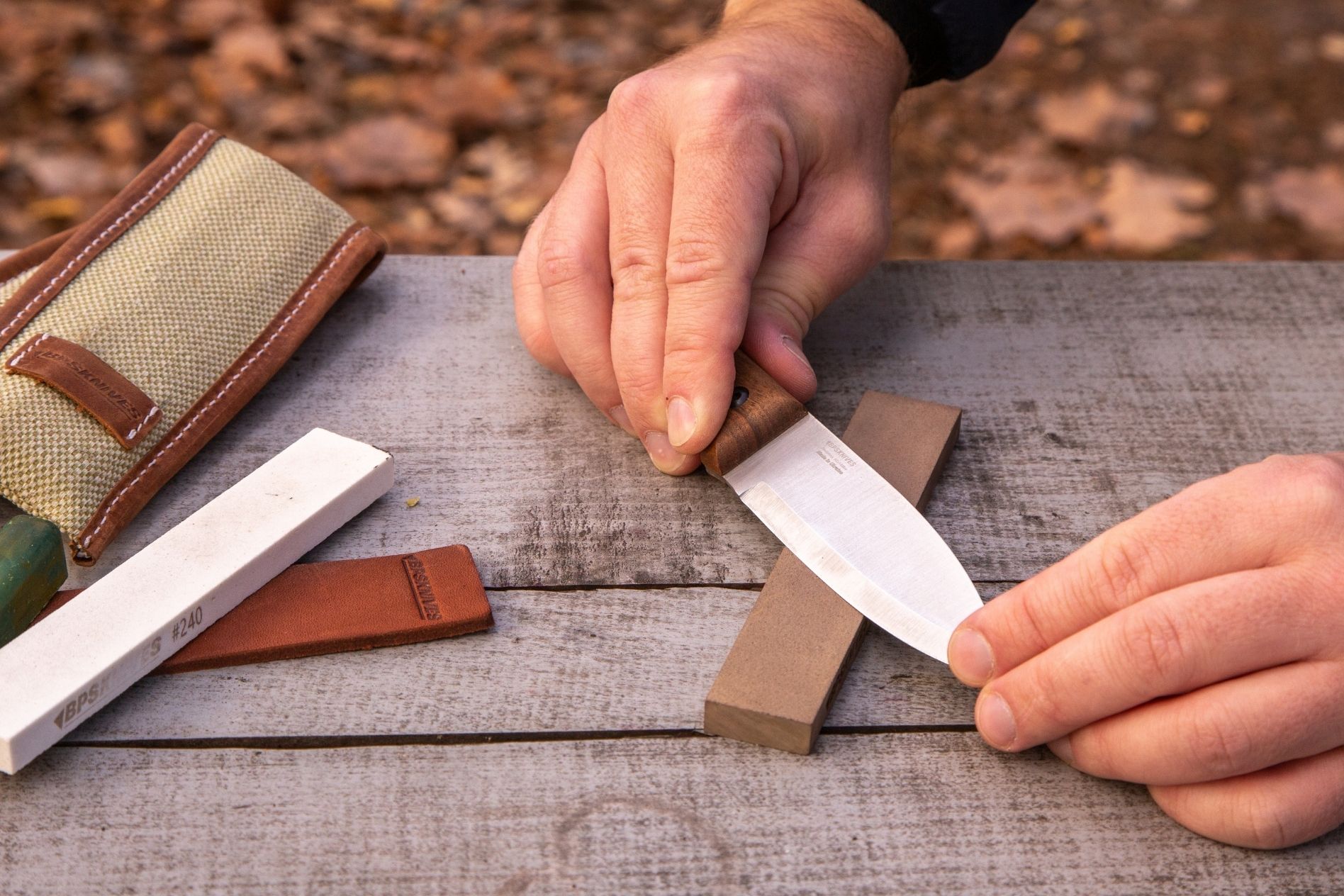
Sharpening Ability: Easily Sharpened – Easily Dulled?
Some steels are easier to sharpen than others, which is especially useful for beginners or field use. Generally:
- Softer steels (lower HRC) are easier to sharpen but dull faster
- Harder steels retain the edge longer but require more effort or equipment to sharpen
Fine-grained steels like AEB-L or VG10 can offer a good balance—easy to sharpen and good edge retention. The best sharpening ability depends on both steel composition and the user’s skill level.
 Wear Resistance: How Long a Knife Will Withstand Friction, Scratches, Contact With Hard Materials
Wear resistance measures how well the steel resists abrasion from cutting, slicing, or rubbing against hard surfaces. It’s important for knives used in:
- Industrial work
- Repeated cutting of abrasive materials (like cardboard, rope, or carpet)
Wear resistance comes from hard carbides in the steel—again, elements like vanadium, tungsten, and molybdenum play key roles. High wear resistance often means the steel is more difficult to sharpen and may be more brittle.
How the Chemical Composition of Steel Affects Its Properties
The performance of knife steel depends heavily on its chemical composition—the specific elements added to the iron-carbon base. Each alloying element brings distinct benefits (and trade-offs) to the final steel, influencing properties like hardness, toughness, corrosion resistance, edge retention, and more. Understanding these elements helps explain why some steels are better suited for particular tasks than others.
Carbon (C): The Basis of Hardness and Wear Resistance
Carbon is the most critical element in steel, directly influencing:
- Hardness – Higher carbon content allows the steel to be heat-treated to greater hardness.
- Edge retention – Harder steels hold a sharp edge longer.
- Wear resistance – Carbon helps form carbides, increasing resistance to abrasion.
However, too much carbon can make the steel brittle and more prone to chipping. Most high-performance knife steels contain between 0.5% and 1.5% carbon.
Chromium (Cr): Anti-Corrosion Properties
Chromium is the key element responsible for corrosion resistance. When a steel contains at least ~13% chromium, it’s generally considered stainless. Chromium works by forming a thin, invisible oxide layer on the surface, protecting it from rust and chemical damage.
In addition to rust resistance, chromium also:
- Increases hardness
- Improves wear resistance through chromium carbides
However, excessive chromium (especially in carbide form) can slightly reduce toughness.
Vanadium, Molybdenum, Niobium – Premium Additives for Strength
These alloying elements are often found in high-end knife steels, contributing to advanced performance.
- Vanadium (V): Enhances wear resistance and edge stability by forming extremely hard vanadium carbides. Also refines the grain structure, improving toughness.
- Molybdenum (Mo): Increases toughness, corrosion resistance, and helps with high-temperature strength. Found in many stainless and tool steels.
- Niobium (Nb): Similar to vanadium, niobium forms hard carbides and refines grain structure, boosting toughness and wear resistance.
These elements are what make “super steels” like CPM S90V, Elmax, or Vanax perform at such a high level.
Nickel, Manganese, Cobalt – How They Affect the Balance of Steel
These secondary elements influence multiple properties and help fine-tune the steel’s overall behavior.
- Nickel (Ni): Improves toughness and corrosion resistance, especially in stainless steels. Found in steels like AUS-8 and Inox.
- Manganese (Mn): Increases hardness, strength, and helps with hardenability during heat treatment.
- Cobalt (Co): Boosts hot hardness and can enhance the effects of other alloying elements, leading to better edge retention and high-temperature strength.
These are often used in combination with major alloying elements to fine-tune performance.
Differences Between Tool, Stainless, and Powder Steels. What’s the best steel to make a knife out of?
Knife making steel classification often depends on composition and manufacturing process:
- Tool Steels
○ High in carbon and often contain vanadium, molybdenum, or tungsten.
○ Known for toughness and edge retention.
○ Usually not stainless (e.g., D2, O1, M4).
○ Ideal for heavy-duty and high-wear applications.
- Stainless Steels
○ Contain 13%+ chromium for corrosion resistance.
○ Vary in hardness and toughness based on carbon and carbide content.
○ Examples: VG-10, 154CM, S35VN, AEB-L. This is what’s the best pocket knife steel looks like!
○ Popular for kitchen knives, EDC, and outdoor use.
- Powder Metallurgy (PM) or CPM Steels
○ Produced using powder metallurgy, which allows for a fine and uniform grain structure and high carbide volume.
○ Combine high wear resistance, great edge retention, and reasonable toughness.
○ Examples of good blade material: CPM S30V, S90V, Elmax, M390.
○ Considered premium or super steels, ideal for high-performance blades.
 Practical Impact of Characteristics: How to Choose Steel for Your Tasks
Different knives serve different purposes — and the right steel depends entirely on how and where you’ll be using your blade. The key is understanding which steel characteristics are most valuable for your specific needs and picking a steel that balances those priorities. Below are some practical guidelines to help you match steel types to common knife uses.
For EDC: Balanced Steels with Good Corrosion Resistance
Everyday Carry (EDC) knives are used for a wide range of light-to-moderate tasks — opening packages, cutting cords, peeling fruit, or basic utility work. For EDC, a good steel should:
- Have decent edge retention
- Be resistant to rust (since it’s often carried close to the body)
- Be easy to maintain and sharpen
Recommended properties:
- Moderate hardness (around 58–61 HRC)
- High corrosion resistance
- Good balance of wear resistance and toughness
Popular steels:
- VG-10
- 14C28N
- CPM S35VN
- AUS-8
- N690
These steels offer reliable performance without requiring high maintenance, making them great for daily use in varied environments.
-

- CITIZEN SSH
For Bushcraft: Tough Steels That Do Not Crumble and Are Easy to Sharpen in the Field
Bushcraft knives are used for heavy outdoor tasks like carving, batoning, fire-starting, and shelter-building. In these settings, your steel must:
- Resist chipping or breaking under force
- Be easy to sharpen using basic tools (stones, rods)
- Perform well in wet or dirty environments
Recommended properties:
- High toughness
- Moderate to high edge stability
- Lower hardness for easy field sharpening (55–60 HRC)
Popular steels:
- 1095 (high-carbon, very easy to sharpen)
- Scandi-ground 12C27
- AEB-L (fine grain, easy maintenance)
- CPM 3V (high toughness with decent edge retention)
- D2 (semi-stainless, hard-wearing but less tough)
Note: Carbon steels like 1095 will need oiling and care to prevent rust.
-
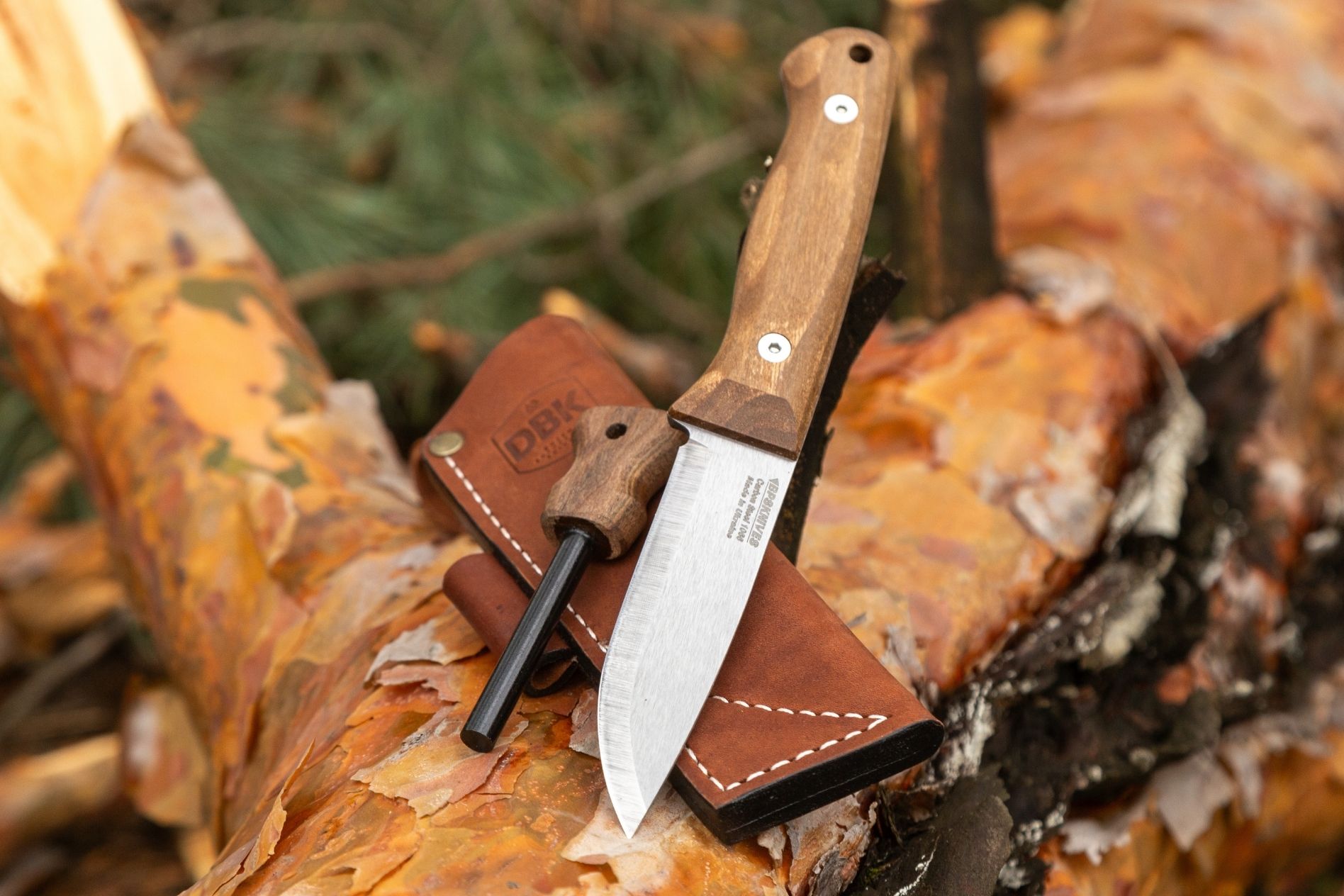
- BUSHMATE 2.0 — bushcraft knife
For Kitchen Use: Steels with High Hardness and Minimal Wear
Kitchen knives require precision and long-lasting sharpness. Since they aren’t exposed to high impact, you can prioritize hardness and edge retention over toughness.
Recommended properties:
- High hardness (60–64 HRC)
- Excellent wear resistance
- Fine edge stability
- High corrosion resistance (especially in humid kitchens)
Popular steels:
- VG-10 (great for Japanese-style kitchen knives)
- AUS-10
- X50CrMoV15 (commonly used in German kitchen knives)
- SG2 / R2 (powder stainless with superb edge retention)
- White #1 / Blue #2 (Hitachi steels) – extremely sharp but require maintenance (non-stainless)
These steels will stay sharp for longer and offer precise cuts, though some (especially carbon steels) will need proper cleaning and drying after use.
-
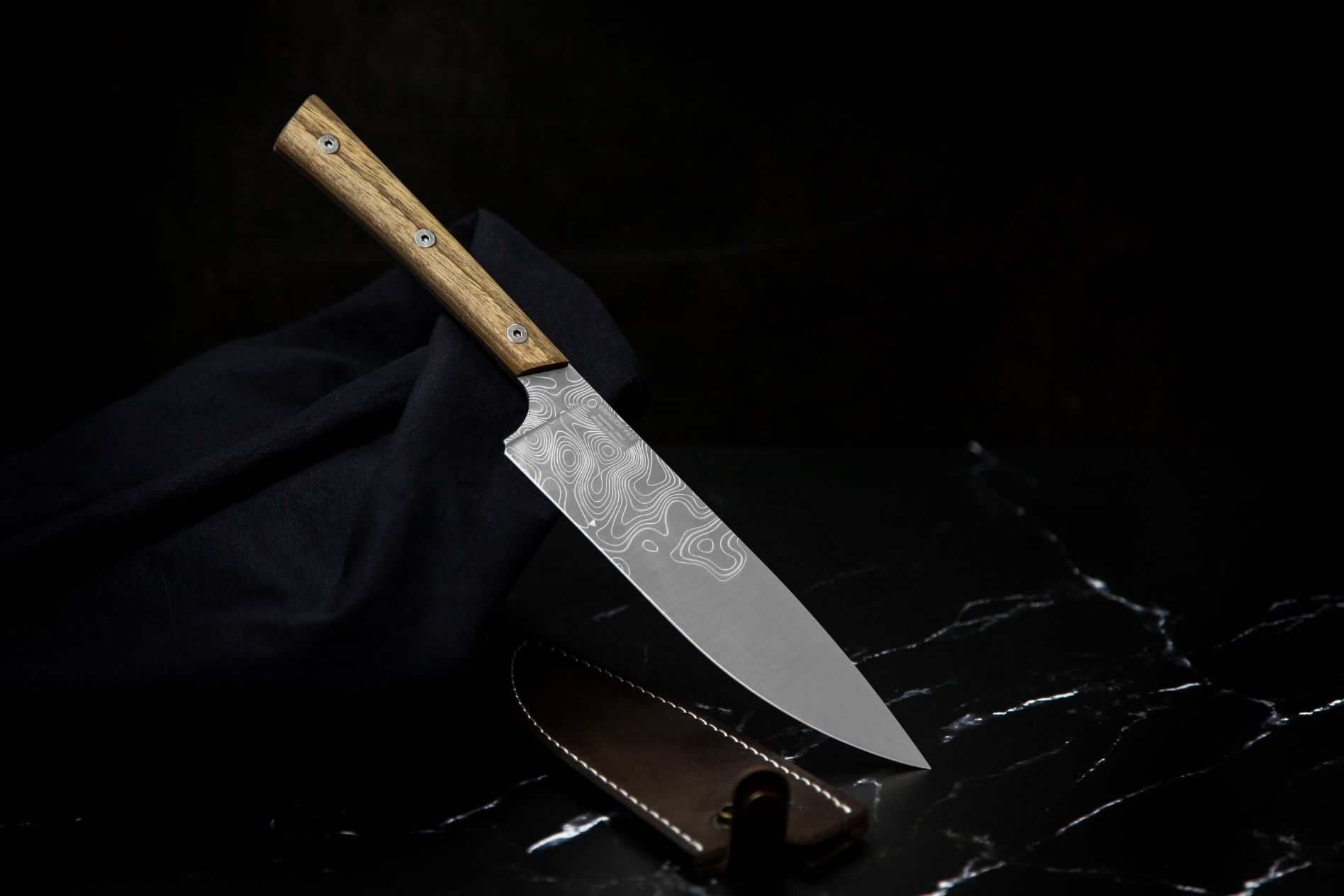
- ROSEMARY — kitchen knife
For Survival Knives: High Level Viscosity and Retention of Sharpness
What is the best survival knife steel? Survival knives must perform in extreme, unpredictable conditions — cutting wood, digging, prying, and self-defense. A survival steel must:
- Be very tough to avoid breaking under pressure
- Maintain a usable edge even when abused
- Resist corrosion, especially in harsh environments
- Be field-serviceable if damaged
Recommended properties:
- Very high toughness
- Moderate edge retention
- Mid-range hardness (58–60 HRC)
- Decent corrosion resistance
Popular steels:
- CPM 3V – excellent balance of toughness and edge retention
- 1095 Cro-Van – durable and easy to sharpen
- Sleipner – semi-stainless with good toughness
- A2 tool steel – tough and reliable
- D2 – decent edge retention and semi-stainless (but can chip if mistreated)
Survival steels are all about durability and reliability — you may sacrifice a little sharpness or wear resistance in favor of toughness and resilience.
-

- ADVENTURER CSHF — survival knife
Conclusion
That’s the magic of steel. And now is the perfect time to storm into our online store and choose the best knife of your life — because our knives are designed for anything this beautiful, yet sometimes harsh, world might throw your way. And with that, we’ll take our leave. See you again soon!