

Even the mightiest blade — yes, even Excalibur — needs proper care, or it will end up as nothing more than scrap metal. We definitely don’t want that! So, pull up a chair and listen closely.
Why Knife Care Is Important
So, why exactly is knife care such a big deal?
Tool Durability
Because it dramatically extends the lifespan of your blade! Dirt, moisture, and neglect can cause early wear to the edge, pivot, and handle. By maintaining your knife, you preserve its original build quality, ensuring it stands up to repeated use without loosening, chipping, or snapping. Proper carbon knife care ensures your blade stays sharp, rust-free, and long-lasting.
Maintaining Sharpness and Efficiency
A dull knife won’t cut much — and worse, it forces you to apply more pressure, which increases the risk of the blade slipping right into your fingers. And you only get ten of those! Regular sharpening and correct usage keep the blade performing at its peak, making every cut smoother, faster, and safer — whether you’re slicing rope, carving wood, or processing game.
Protecting Against Corrosion and Damage. Oil carbon steel knives
Moisture, dirt, and corrosive substances are like the Three Horsemen of the Apocalypse for your knife. Applying protective oil, drying it thoroughly after use, and storing it properly will shield it from chemical and environmental damage, keeping both the blade and handle in top condition.
 The Most Common Knife Care Mistakes. How to use knife with care
And, of course, this is where many owners slip up—making a whole list of avoidable mistakes:
Washing Your Knife in the Dishwasher. Wooden knife handle care
The cleaner knife, the better it performs! The heat, moisture, and harsh detergents in dishwashers can damage both the blade and the handle. Wooden handles may crack, adhesives can weaken, and even stainless steel blades may develop corrosion spots. Always wash knives by hand using mild soap and warm water, then dry them immediately!
Leaving Your Knife Wet or Dirty
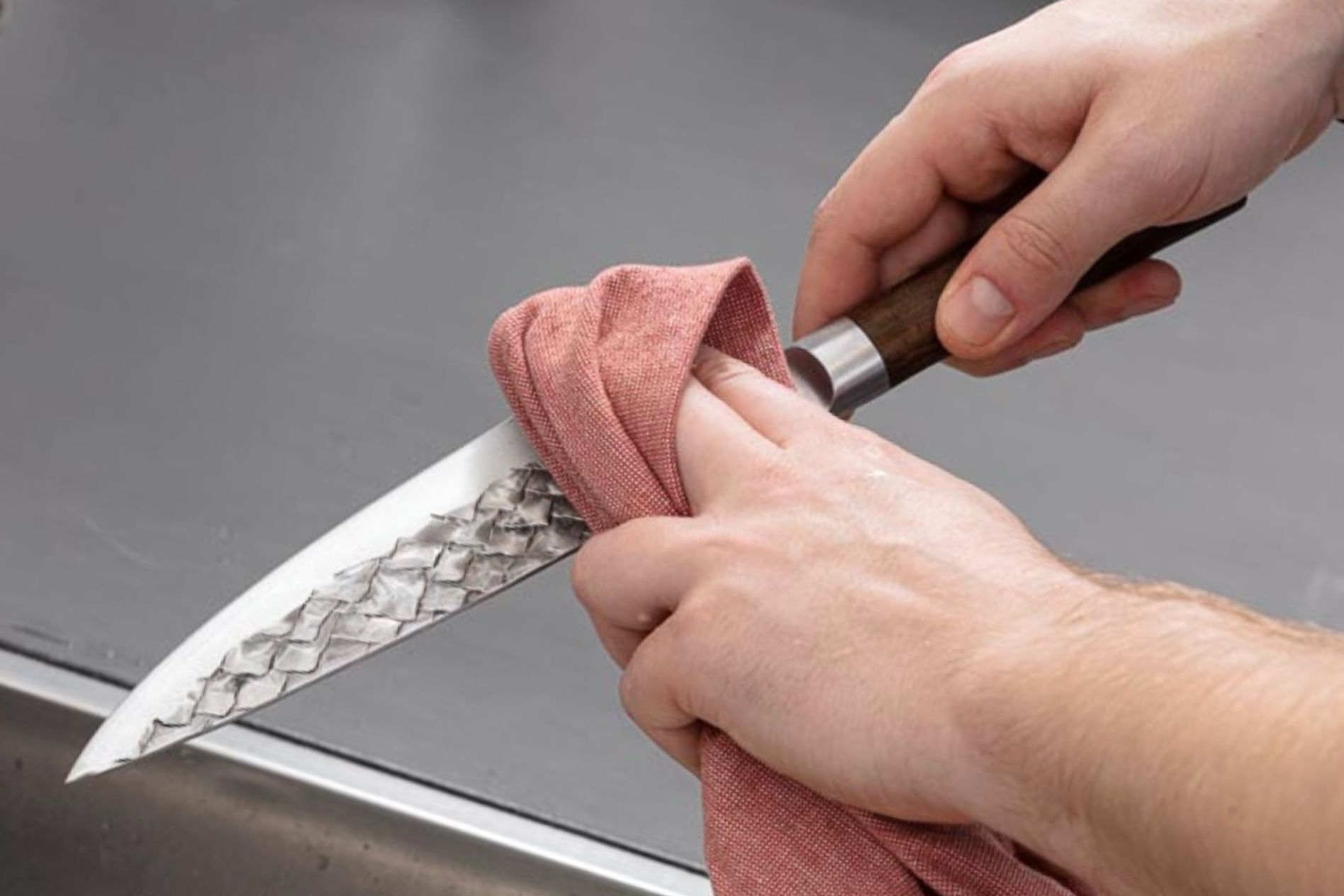
Moisture and dirt are the fastest ways to invite rust, stains, and pitting. Blood, sap, and acidic residues can corrode the steel if left on the blade for even a short time. Wipe your knife clean right after use and make sure it’s completely dry before storing it.
Sharpening It Incorrectly
Improper sharpening—wrong angle, too much pressure, or the wrong knife tool kit—can destroy the edge geometry, making the knife cut poorly or even dangerously. Always follow the manufacturer’s recommended sharpening angle, and use proper tools such as whetstones, guided systems, or ceramic rods. Using knife care kit in such cases is always a good idea!
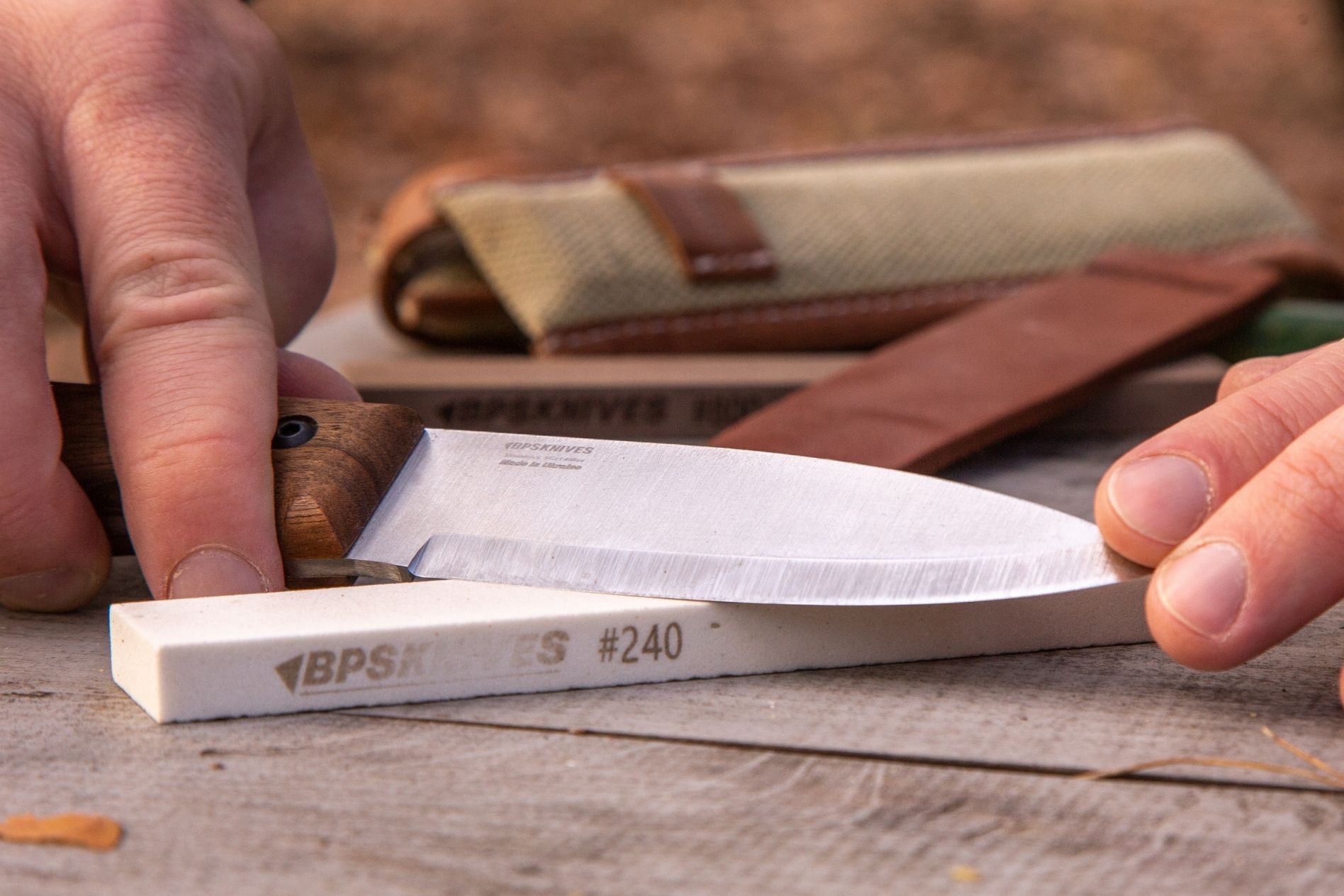 Using Your Knife for Other Purposes
Knives are designed for cutting, not prying, hammering, or screwing. Using the tip as a screwdriver or the spine as a pry bar can bend, chip, or snap the blade. Keep your knife for its intended purpose and carry other tools for different tasks.
Storing Your Knife Without Protection
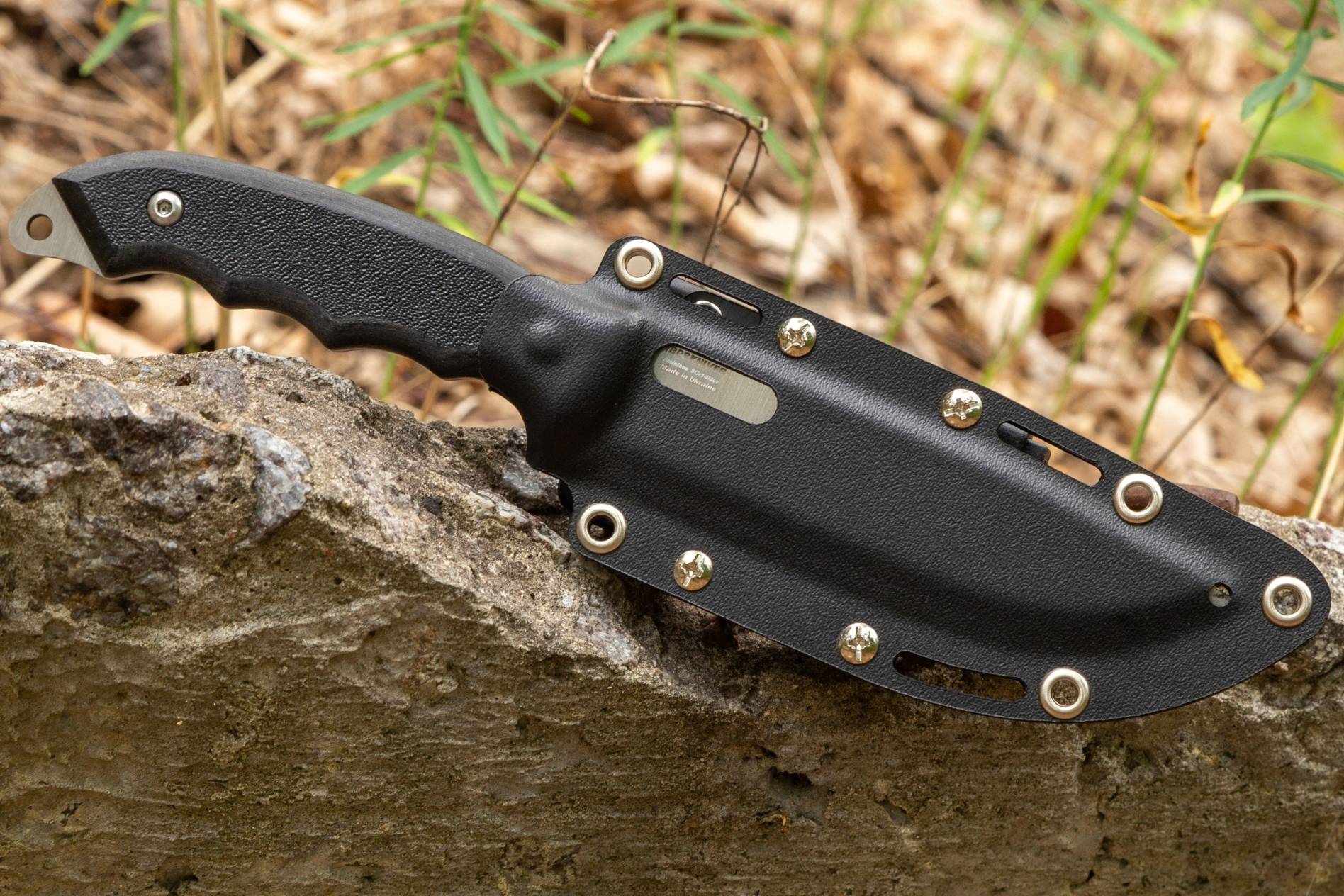
Throwing a knife into a drawer or bag unprotected can dull the edge, damage the tip, and even cause accidental injury. Always store knives in a sheath, blade guard, or dedicated case, and keep them away from hard objects!
Wood handle knife care and sharpening
If you don’t want your knife to end up as junk, follow a few simple but essential rules:
How care for knife after use
Believe it or not, 50% of proper knife steel care comes down to one thing — thoroughly cleaning carbon steel knife after every use! Even a small trace of dirt or moisture left on the edge will eventually lead to rust and corrosion. And after washing, make sure to dry it completely — no droplets left behind, not even one!
 Lightly Lubricating the Blade and Mechanisms (for Folders)
A thin coat of protective oil prevents rust and keeps moving parts operating smoothly. For folding knives, apply a drop of quality lubricant to the pivot and locking areas to ensure consistent, easy deployment! Wipe away any excess oil to avoid attracting dirt.
Periodically Checking for Damage
Make it a habit to give your knife a quick inspection after each use. Chips along the blade, cracks in the handle — catching and fixing these small issues early can dramatically extend your knife’s lifespan.
Using the Right Sharpening Tools
Match your sharpening method to your knife’s steel type and blade geometry. Whetstones, guided sharpeners, and ceramic rods are ideal for controlled, consistent results. Avoid cheap pull-through sharpeners that can strip away too much material and ruin the edge profile. Knowing how to care for Damascus steel knife is essential to prevent rust and damage!
Storing in a Dry Place, in a Case
Store your knife properly — in a sheath, blade guard, or dedicated storage case—to protect it from impacts and accidental dulling. Ideally, keep it in a cool, dry location to prevent moisture buildup. Never store your blade long-term in a damp basement, a glove compartment, or inside a leather sheath.
 Conclusion
Follow these simple rules, and your knife has every chance of becoming a family heirloom for the next 200 years — or even longer. By the way, in our online store, along with amazing knives, you’ll find equally amazing care products for them. That’s it for now — until next time!