
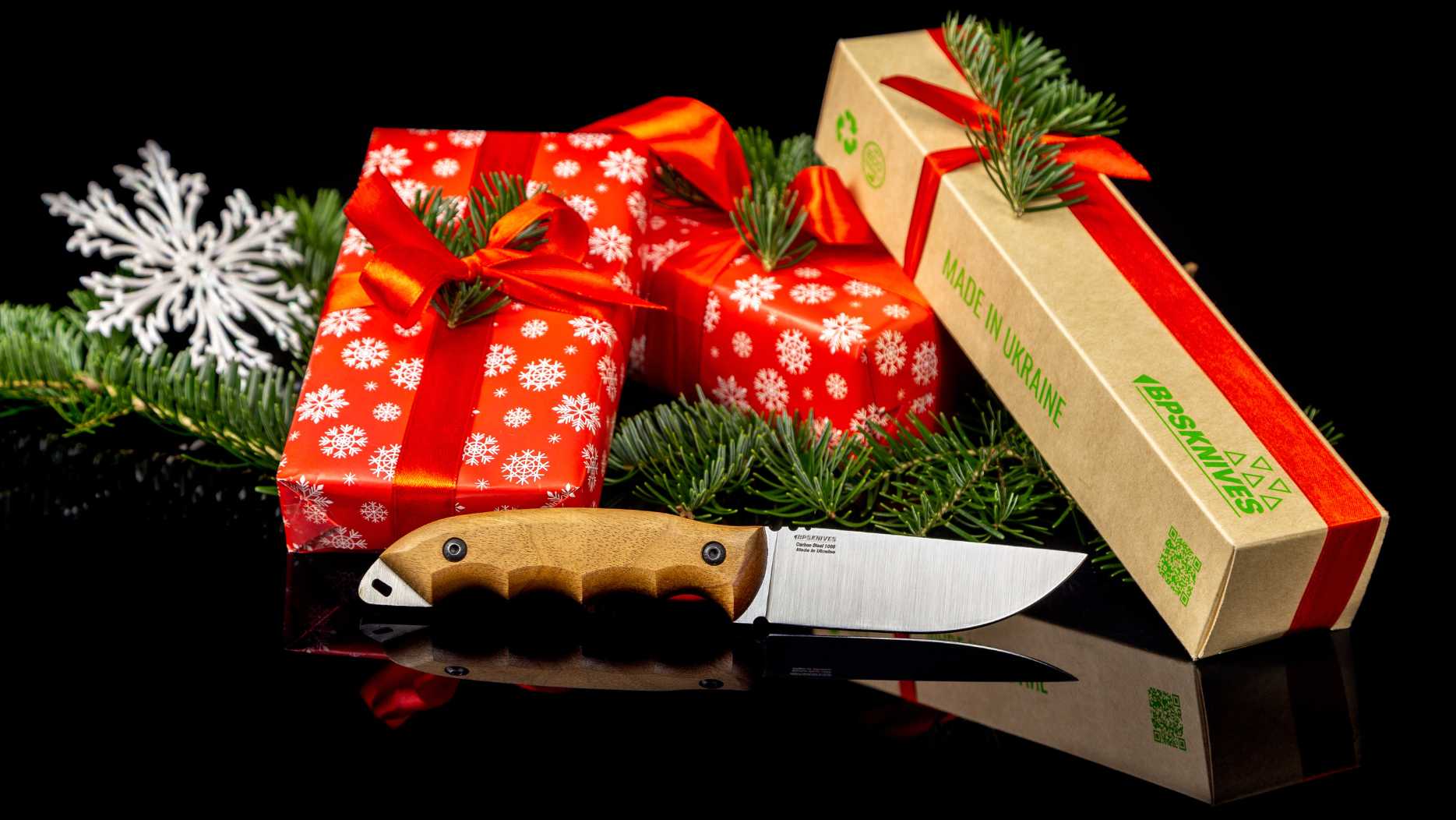
So, we finally got our hands on Asia! It is a home to interesting and severely cultural traditions, bizarre religions, and most importantly interesting cold steel weapons!
Overview of knife-gifting traditions in Asia, emphasizing the cultural importance of knives in various countries
Historically, it so happened that in Asia during the previous centuries passions were raging (and where were they not raging?), all kinds of samurai, kshatriyas and mongols with pleasure chopped, stabbed and cut each other!
And of course in such an amusing environment could not but appear one of the most amazing examples of cold weapons, what is worth only Indian khanjar and chakra! And where there are interesting weapons, there are interesting traditions of giving knives! Let’s talk about them and can we gift knife in Asia.
Historical Significance of Knife Gifting in Asian Cultures
The meaning and customs of giving a knife vary among Asian cultures. In some cultures, it is considered the coolest gift in the world, while in others, giving a knife is a way of demonstrating that the recipient is now your enemy! Also, knives in many Asian cultures symbolize strength, protection, and the ability to cut through difficulties. Let’s see what’s what:
China
In Chinese culture, the act of gifting a knife or a sharp object, in general, can be seen as a symbol of severing relationships, which can be interpreted negatively. Giving a knife may imply that you are wishing to “cut” the bond between you and the recipient. As a result, it’s common for people to give a token amount of money in exchange for the knife to neutralize bad luck or negative symbolism. This is done with the intention of “buying” the knife, thus turning the act into a more positive one.
However, knives and other sharp objects can also represent protection and defense, especially in martial arts or during cultural festivals. For example, some Chinese martial arts schools might give knives to disciples to signify readiness or self-defense skills, as knives are also symbols of martial prowess and skill. So Tsai Dao is still the best gift knife in China.
Japan
Japanese knives and swords were and are the one of the best today, these guys know about blades!
In Japan, knives are often associated with precision, craftsmanship, and beauty. For example, groomsmen gift knife in Japan, especially a handmade one, can be seen as a sign of respect for the recipient’s skills and proficiency.
However, similar to Chinese culture, knives are also associated with the idea of cutting ties, so giving a knife as a gift in certain social contexts, such as between friends or in personal relationships, might carry an unfortunate connotation. To avoid this, a small amount of money might be exchanged to “buy” the knife, neutralizing any bad luck.
In some regions of Japan, knives are given as part of a ceremony or a rite of passage, especially in martial arts traditions, where a sword or knife could symbolize a student’s readiness to face challenges and adversities.
India
In India, gifting knives or swords is historically associated with the warrior class and martial traditions. During festivals such as Dussehra or Diwali, which honor the triumph of good over evil, symbolic weapons, including knives, may be offered to gods or kept in homes for protection. Knives are sometimes also given as gifts to symbolically protect the recipient from harm. They also consider wedding gift knife as a good idea.
That said, there are concerns about the symbolic nature of knives when they are given as gifts. Just like in other cultures, giving a knife in India can be interpreted as cutting off relationships, which might be considered an unlucky or inauspicious gesture. To avoid this, it is common for the giver to offer a token amount of money in return for the knife.

Other Asian Countries
Korea
In Korea, giving a knife as a gift is not particularly common, as it is considered to have negative connotations. It is believed that gifting a sharp object, including knives, could sever relationships or lead to bad luck. However, knives may still be gifted in specific contexts, such as during special ceremonies or as part of a family heirloom passed down through generations. These knives might have historical or cultural significance, particularly in martial traditions or as part of a family’s ceremonial regalia.
In Korean culture, as in other East Asian cultures, the practice of using “knife gift and coin” tradition! It means small amounts of money or offering a symbolic gesture to “purchase” the knife is sometimes practiced to avoid any bad omens associated with the gift.
Vietnam
In Vietnam, knives are sometimes given as gifts to symbolize protection, strength, or good fortune. These gifts are often seen in the context of military or protective functions, especially during times of war or social upheaval.
However, similar to other Asian cultures, knives may also be considered a symbol of “cutting” ties with others, and care is taken to ensure that the gesture is not misunderstood. People may avoid giving knives in certain situations, particularly as gifts to close family members, to avoid any sense of severance.
Thailand
In Thai culture, knives are often associated with protection and warding off evil spirits. Knives may be included in traditional Thai amulets or talismans, which are believed to have spiritual power. However, gifting a knife can also be seen as an ominous gesture because of the potential to “cut ties” with the recipient. Like in other cultures, people may offer a small payment to offset the negative connotation.
So, as we can see, the knife, as a gift, is both a symbol of strength and protection, as well as a potential warning or omen of severance. Its dual nature depends on cultural beliefs, personal relationships, and the specific context in which it is given. While it can be a powerful tool for marking important life transitions and offering protection, it can also serve as a reminder of the fragility of bonds and the sharpness of conflict.
Ultimately, whether a knife is viewed as a blessing or a warning will depend on the intentions of the giver, the understanding of the recipient, and the traditions of the culture in which it is exchanged. The gift of a knife, like any meaningful gesture, carries the weight of both opportunity and risk — a reminder of both the power and the danger inherent in sharp, cutting instruments.
Tips for Gifting Knives
Before giving a knife as a gift, you should carefully study the interests and needs of your recipient. In the very first place, make sure that he is not a maniac with misanthropic tendencies!
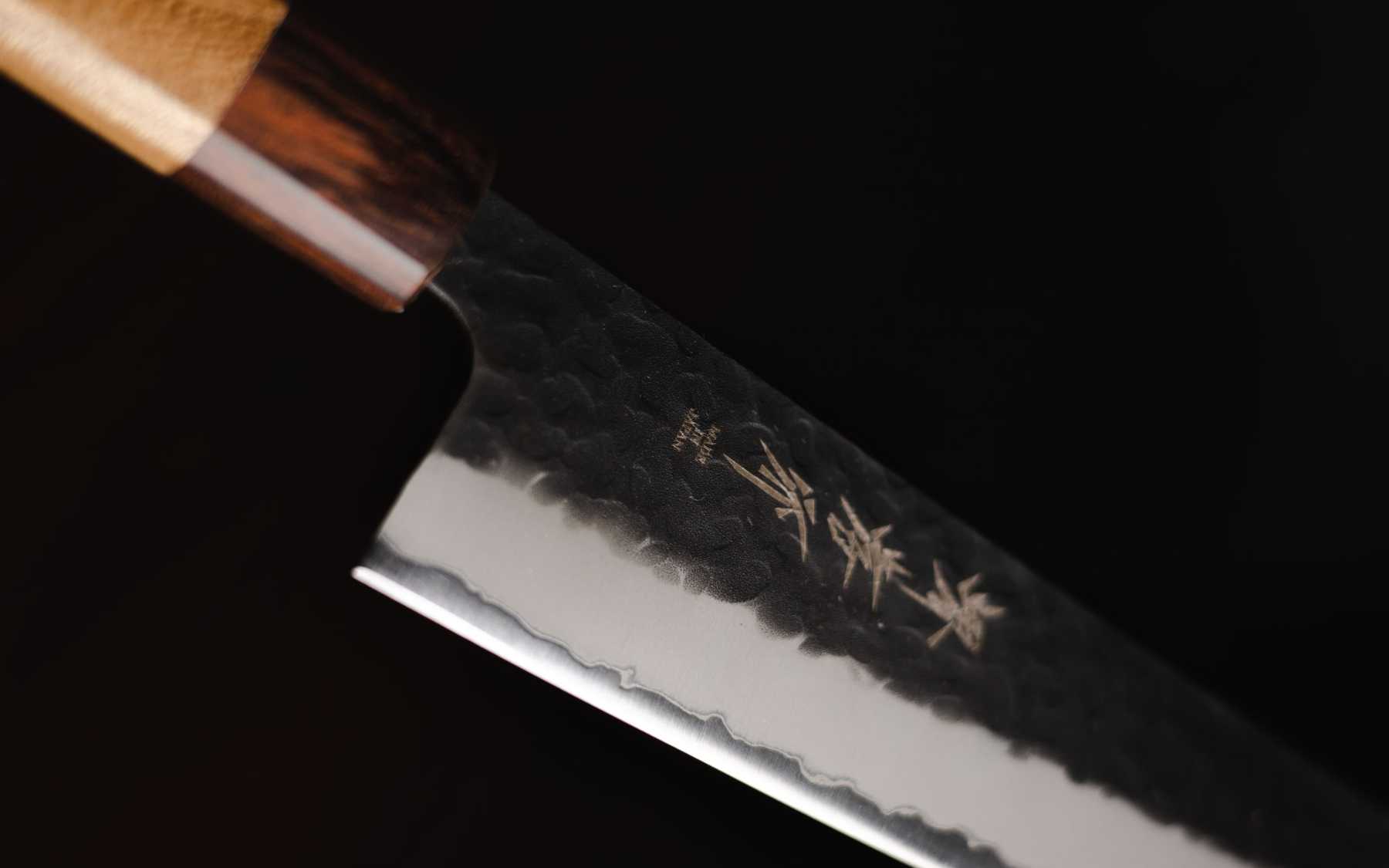
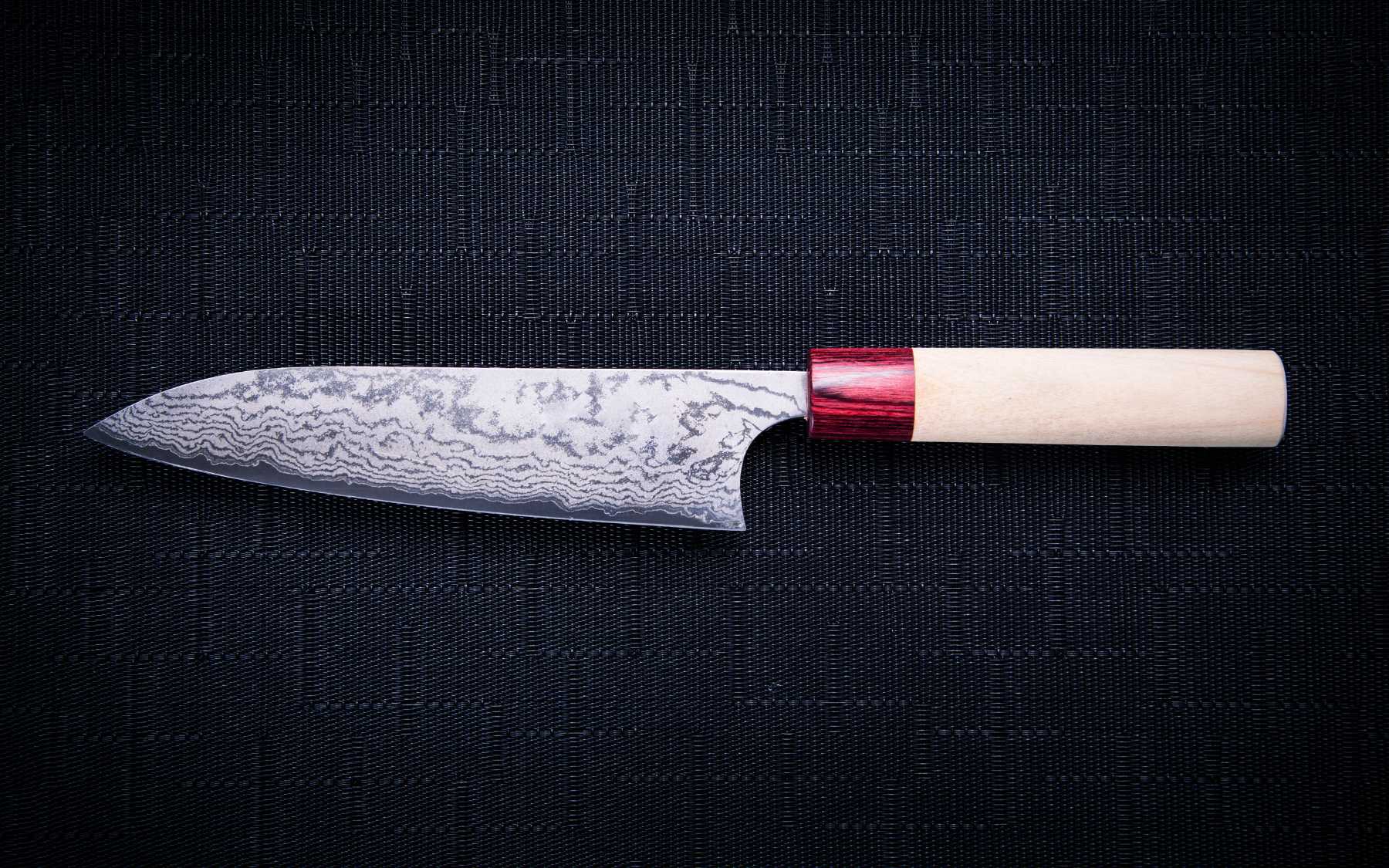
Then take a closer look at his hobbies. Does he like to cook? Great, get him a Japanese high-carbon steel kitchen knife that’s sharper than a razor and as beautiful as Fujiyama. Does he love hiking, camping and being a survivalist? Then a tactical knife is the perfect gift for him. And so on and so forth! And remembering all of the above, find out what culture your recipient belongs to and what beliefs he or she believes in! So that you don’t make an enemy instead of a friend.
Conclusion: Why a Knife is More Than Just a Gift
By giving a knife, you are not only giving someone an effective tool for survival, self-defence and showing off in front of friends! It is an ancient symbol of friendship, strength, bravery and a strong personal bond. Be sure to check out our online-shop, there you will find a knife for every taste at great prices! We can also engrave on the blade your warm words to the recipient, cool image or everything else that your imagination will give out! We look forward to seeing you.