
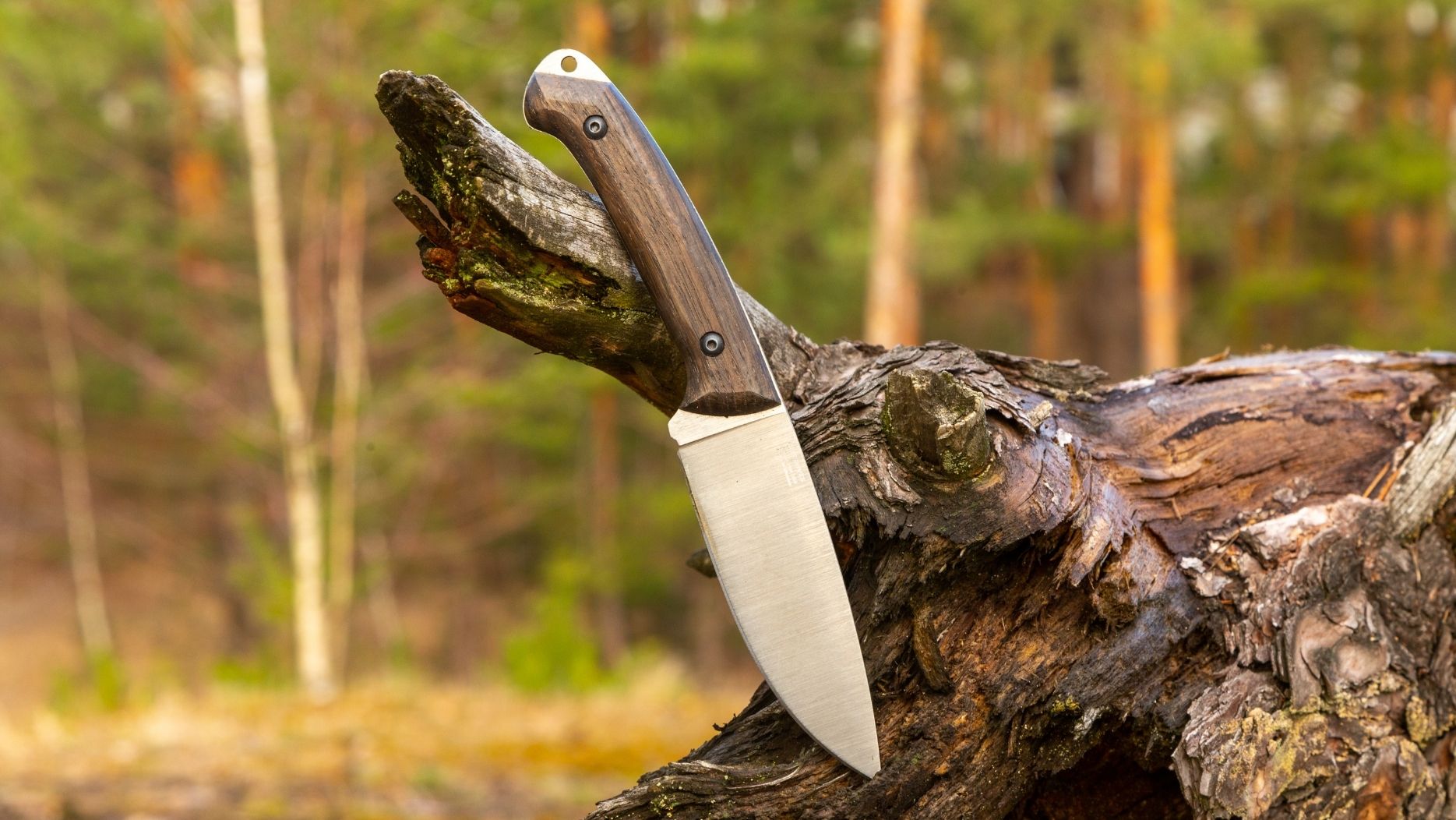
In every self-respecting sect, there is always its own unique and unforgettable lingo. And, of course, in the knife enthusiast community, self-respect is at its peak. Over the years of its existence, our community has come up with a ton of terms and slang words! For a newcomer to the world of knives, it can be difficult to understand what a bolster or a choil is, why they’re needed, and how they differ from a ricasso, for example!
Why understanding knife terminology is important for enthusiasts and buyers
But fear not, sit back and relax — we’ll explain everything about slang words for knife to you. Knowing this is important not only to impress your bros with your knowledge but also to help you choose the perfect knife for the tasks you need to tackle!
Knife Terms You Should Know
So, knife slang meaning! Here we go:
Bolster
Bolster definition. It is the thickened area of the knife between the blade and the handle. It serves several important functions: it improves the balance of the knife, increases its strength, and makes it more comfortable to use. The bolster also protects the user’s hand from accidental cuts, especially during heavy use. In some knives, the bolster may be simple or decorative, adding an elegant touch to the design. It can be made from a variety of materials, including stainless steel, brass, or even copper.
Choil
Another object in the knife glossary, the choil! It is a small indentation or cutout at the base of the blade, near the handle. This feature allows for a more secure grip and greater control when handling the knife. It also makes sharpening easier by providing space for the sharpening stone or rod. Additionally, the choil can reduce hand fatigue, as it allows for more precise movements when cutting or chopping. This is what knife choil is!

Heel
The heel is the rear part of the blade, usually the widest part, designed for cutting through tough or thick materials. It provides leverage for cutting, especially when performing heavy-duty tasks. The heel’s shape is intended to help create better stability and control during cutting, making it ideal for tasks that require more force or precision. High heel knife is always a good idea!

Spine
The spine is the top, unsharpened edge of the blade that runs from the tip to the bolster. It adds strength and stability to the knife, ensuring its durability during use. The spine can be smooth or slightly contoured, depending on the knife’s design, and may even feature decorative engraving or texturing. It is an essential part of the blade. Thick spine knife offering additional support when cutting or chopping.

Ricasso
What is a ricasso on a blade? The ricasso is the section of the blade located just above the guard and before the sharpened part begins. It is typically flat and unsharpened, and can be used for marking the knife with the manufacturer’s logo or other details. In some knives, the ricasso area can also provide a space for the user to grip the blade, allowing for better control during detailed or delicate tasks.

Swedge
The swedge is a bevel or grind along the top edge of the blade, near the spine. This feature is not always necessary but can improve the knife’s performance by making it lighter and thinner. The swedge enhances the blade’s ability to slice through materials with less resistance, and it adds an aggressive, sleek appearance to the knife. It is particularly common in tactical or combat knives.

Tang
One of the most crucial parts of a knife and knife terms definitions! It’s what determines the strength and reliability of the blade—whether it will break upon impact with a hard object or stand up to the test. The tang is the portion of the blade that extends into the handle. It is crucial for the strength and durability of the knife. Depending on the design, the tang can be full, meaning it runs the entire length of the handle, or partial, where it only extends partway. A full tang provides better balance and longevity to the knife, making it more robust and reliable for heavy use.

Pommel
Unscrew the pommel of your sword and throw it at him vigorously! A legendary meme. The knife may not be a sword, but still, the pommel is the rounded, often decorative, piece at the end of the handle. It serves to provide balance, making the knife feel more stable in the hand. In some cases, the pommel can also function as a striking tool, especially in combat knives. Beyond its practical uses, the pommel can add a distinctive design element, giving the knife an elegant or rugged appearance.

Guard
The guard is the protective element between the blade and the handle, primarily designed to prevent the hand from slipping onto the sharp edge during use. This is especially relevant if you decide to start making holes, because with every strike of a knife that doesn’t have a guard, you risk your fingers. They could slip from the handle onto the blade, slicing through your tendons, and you’d be left with a legendary “spread-finger” look for the rest of your life, just like the mafia guys from post-Soviet countries! In some cases, the guard can be a simple metal band, or it may be a more elaborate feature that adds to the knife’s overall aesthetics and functionality.

How These Terms Help In Selecting Knives
“Why did I even read all of this?” you might ask. Well, at the very least, you’ll be able to write a doctoral thesis on knives and impress your buddies. And at best, you’ll be able to get your hands on THAT ONE blade—the one that will accompany you for life, get you out of all kinds of jams, and help you conquer… well, anything, even Everest, or whatever else comes to your mind!
Conclusion
That’s it! Now you’re a little bit wiser. Don’t forget to check out our online store, where you can put your newly acquired knowledge to use and choose the knife of your dreams. No time to waste — adventures awaits!