
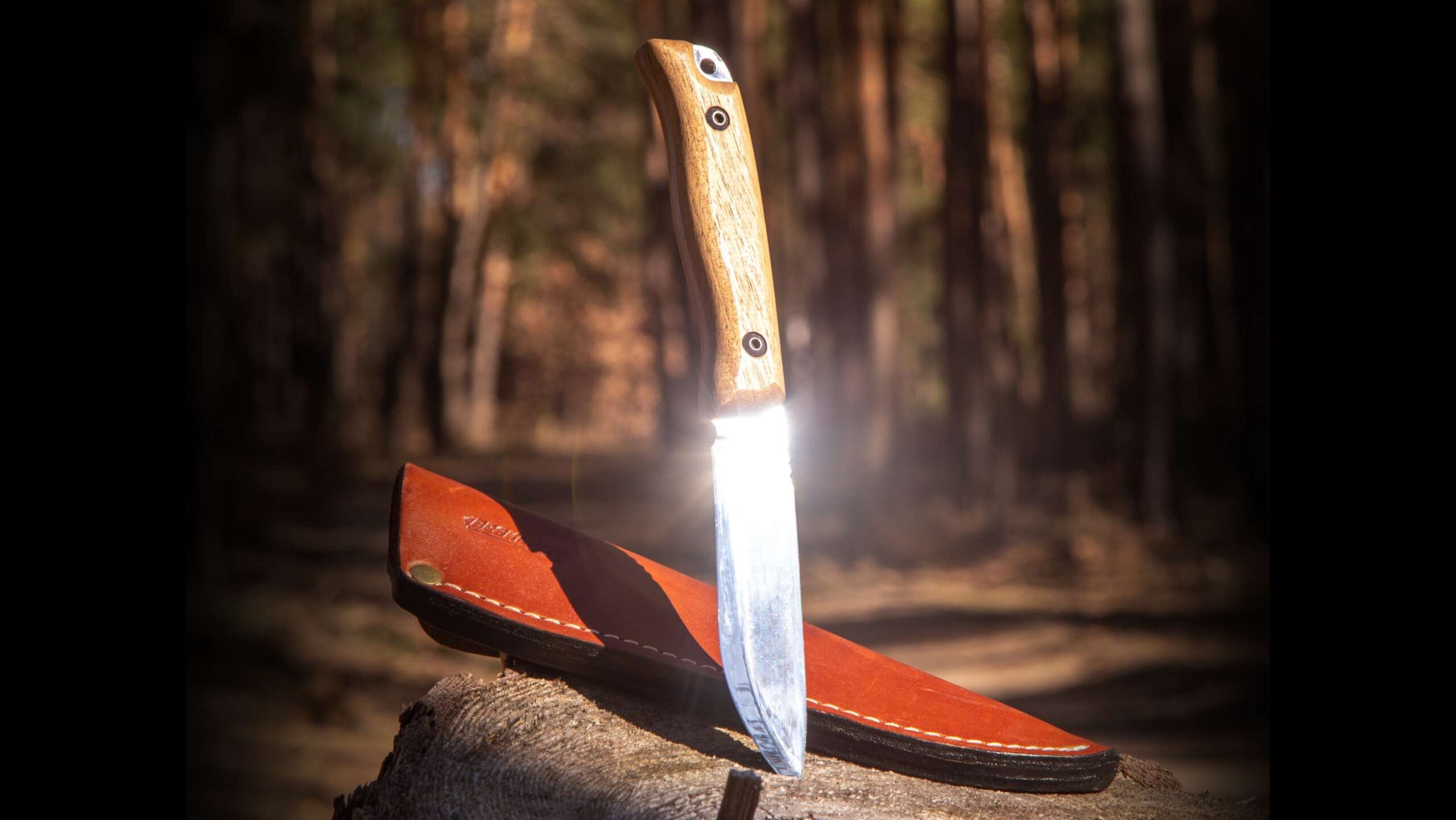
The enchanting sand dunes and crescent-shaped dunes of the Sahara, the mind-blowing (literally, if you don’t get all the necessary vaccinations) jungles of Brazil and Peru, and the stunningly otherworldly beauty of the Grand Canyon – the mere existence of these places is reason enough to get off the couch, throw a big duffel bag over your shoulder, and set off in search of new experiences and adventures!
The unique challenges posed by hot environments for knives
And guess what, you won’t get by without a knife, just like in any other journey! But it’s not just any knife that will do, the harsh, scorching climate sets its own rules, not only for the flesh but also for the steel you carry. So how to choose a knife for such nature conditions?
Hot environments present several unique challenges for knives during hiking, camping, and traveling. These challenges can affect the knife’s performance, durability, and safety in different ways. One of the main concerns is how heat impacts the materials of the knife. High temperatures can cause metals to expand, potentially affecting the fit between the blade and the handle. This could lead to loosening or damage over time, making the knife feel unstable or unsafe. Additionally, excessive heat can cause the steel of the blade to soften, reducing its sharpness and edge retention. Some types of steel are more prone to heat damage than others, which can make the knife less effective for tasks like cutting or chopping.
In hot environments, a knife may also lose its ability to hold a sharp edge. Prolonged exposure to the heat, especially if the knife is used frequently, can degrade the sharpness faster than in cooler conditions. As the blade becomes dull, it can become harder to cut through tough materials, which is a significant disadvantage in survival situations. This degradation can also make the knife more difficult to maintain and sharpen effectively.
The handle of the knife is another area where hot environments can cause problems. Many knife handles are made from plastic or rubber, which can degrade or become brittle in extreme heat. This can result in a handle that is uncomfortable to hold or even unsafe to use, especially if it becomes too hot to touch. The grip can also become slippery as temperatures rise, which increases the risk of accidents and makes the knife harder to control.
Heat can also cause the knife blade to become dangerously hot to touch. If the knife is left exposed to direct sunlight or a heat source, it may absorb enough heat to burn your hands when used. This is especially dangerous when quick use of the knife is required, as it can prevent you from handling it efficiently or even cause injuries.
Additionally, hot environments, particularly those with high humidity, can promote rust and corrosion. The combination of heat and moisture accelerates the process of rusting, even on stainless steel blades, which are typically more resistant to corrosion. This means that knives used in such environments require more frequent maintenance, such as cleaning and oiling, to prevent damage and maintain functionality.
Extended use of knives in hot conditions can also lead to physical discomfort, like blisters or skin irritation. Prolonged friction between the knife handle and your hand can cause discomfort, especially if the handle material is not designed for use in high heat. In survival situations, this can affect the knife’s effectiveness, as hand fatigue and discomfort may limit your ability to use it properly.
Excessive heat can even affect the overall shape and structure of the knife. In some cases, the blade may warp or bend if exposed to direct heat sources like campfires. This can render the knife ineffective for its intended purposes, making it less reliable for tasks like cutting or chopping. For folding knives, heat can impact the locking mechanism, causing it to malfunction or fail entirely, which is a serious safety concern.

Key Features of Knives for Hot Conditions
When choosing a knife for hot conditions, there are several key features to consider that will ensure the knife performs well, remains durable, and stays safe to use. Here are the main features to look for:
- Heat-Resistant Materials: A knife used in hot conditions should be made from materials that can withstand high temperatures without degrading. Stainless steel or high-carbon steel with proper heat treatment is often preferred, as it resists softening under heat. Additionally, handle materials like G10, Micarta, or metal are better suited for heat endurance compared to plastics or rubber.
- Blade Durability and Edge Retention: In hot environments, a knife is more prone to losing its sharpness. A blade that retains its edge for a longer period of time is important, as you’ll likely be using it for a range of tasks. High-quality steel with good edge retention properties (such as CPM S30V or VG-10) is ideal for ensuring the knife remains effective even in extreme temperatures.
- Corrosion Resistance: Heat combined with humidity can cause rust and corrosion. A knife made from stainless steel is generally better at resisting rust compared to carbon steel, but some stainless steel alloys are more corrosion-resistant than others. It’s also helpful if the knife has a coating, such as titanium or ceramic, which offers an extra layer of protection from the elements.
- Ergonomic and Heat-Resistant Handle: The handle should be designed for comfort and durability in hot conditions. Look for handles made of heat-resistant materials like Micarta, G10, or metal, which won’t degrade, warp, or become slippery in high temperatures. An ergonomic design is also key to reducing hand fatigue and preventing blisters or discomfort during extended use.
- Non-Slip Grip: In hot conditions, your hands may sweat, making it harder to maintain a firm grip on the knife. A textured, non-slip handle or grip can help maintain control of the knife, preventing accidents and improving safety.
- Blade Coating or Finish: A durable blade coating, such as a ceramic or DLC (Diamond-Like Carbon) coating, can provide an added layer of protection against heat, corrosion, and wear. This is especially useful in extremely hot or humid environments.
- Full Tang Construction: A full tang knife, where the blade extends all the way through the handle, is typically stronger and more durable than a partial tang knife. This construction provides better overall strength and ensures the knife remains intact even under high-stress or high-temperature conditions.
- Resistant to Warping: Knives used in hot environments are at risk of warping, particularly when exposed to heat from fire or direct sunlight. Choosing a knife with heat-treated steel that is resistant to warping will help ensure that the blade maintains its shape and functionality over time.
- Ease of Maintenance: Knives in hot environments require more frequent cleaning and maintenance to keep them in optimal condition. Features such as a smooth blade surface and a design that’s easy to clean can help with routine maintenance. A knife that’s easy to sharpen is also beneficial, as it allows you to keep the blade sharp even in tough conditions.
- Lightweight and Versatile: While not directly related to heat resistance, a lightweight and versatile design makes the knife easier to carry and use for long periods, which is crucial in hiking, camping, or traveling in hot climates. A knife that’s too heavy or unwieldy can cause fatigue and discomfort, especially when used extensively in hot conditions.

Types of Knives Suitable for Hot Environments
When you’re looking to choose a knife for specific tasks in extreme conditions, a good idea is to see what types of knives around the world have been used, or are still used, by people living in those environments!
For instance, if you’re heading to southern Nepal, make sure to bring the legendary kukri of the Gurkhas. It’s perfect for chopping wood and/or scoundrels, cutting meat off the bones of a freshly shot wild boar for cooking, and, honestly, just to admire how awesome it looks!
If you’re going camping in Yemen, confidently pack a jambiya. With its predatory curve and Eastern cunning, this blade is not only great for self-defense and hunting, but also an excellent, multifunctional survival tool for desert environments!
And if you want to step away from traditional knives and opt for something more modern, even better! Traditions are great, but when you have scientific and technological progress, along with cutting-edge metallurgy, the old methods and approaches lose their power. The most important and key factor to pay attention to is:
- Handle Material: In hot environments, the handle material also matters. Materials like rubber, fiberglass, or reinforced plastic are good choices because they don’t absorb heat and remain comfortable to hold.
- Blade Coatings: Coatings like titanium nitride or DLC (diamond-like carbon) can help protect the blade from corrosion and damage in hot, humid, or salty environments.
- Comfort: Ensure the knife has a comfortable grip and ergonomic design to avoid slipping or discomfort when working in hot temperatures.

Maintenance Tips for Knives in Hot Conditions
1. Keep Your Knives Clean and Dry
- Wipe down knives after use: Hot conditions, especially in kitchens or outdoor environments, can cause moisture buildup, which leads to rust. Always wipe your knives clean and dry after use.
- Avoid leaving knives in hot, damp environments like sinks or wet surfaces, as moisture combined with heat can quickly cause corrosion.
2. Use Proper Storage
- Store knives properly: When not in use, keep your knives in a dry, cool place. Using a knife block, magnetic strip, or a knife roll will help protect the blades from exposure to moisture and direct heat.
- Avoid storing knives in direct sunlight or near heat sources, such as stoves or ovens, as prolonged exposure can damage the steel and handle material.
3. Regularly Oil Your Knife
- Use food-safe mineral oil or honing oil: Applying a thin layer of oil to the blade helps prevent rust, especially if your knife has a carbon steel blade. This is especially important in high-humidity or extremely hot conditions where the moisture in the air can promote oxidation.
4. Sharpen and Hone Regularly
- Frequent honing: Hot conditions can cause blades to dull more quickly, so regularly honing your knife with a honing steel helps maintain its edge.
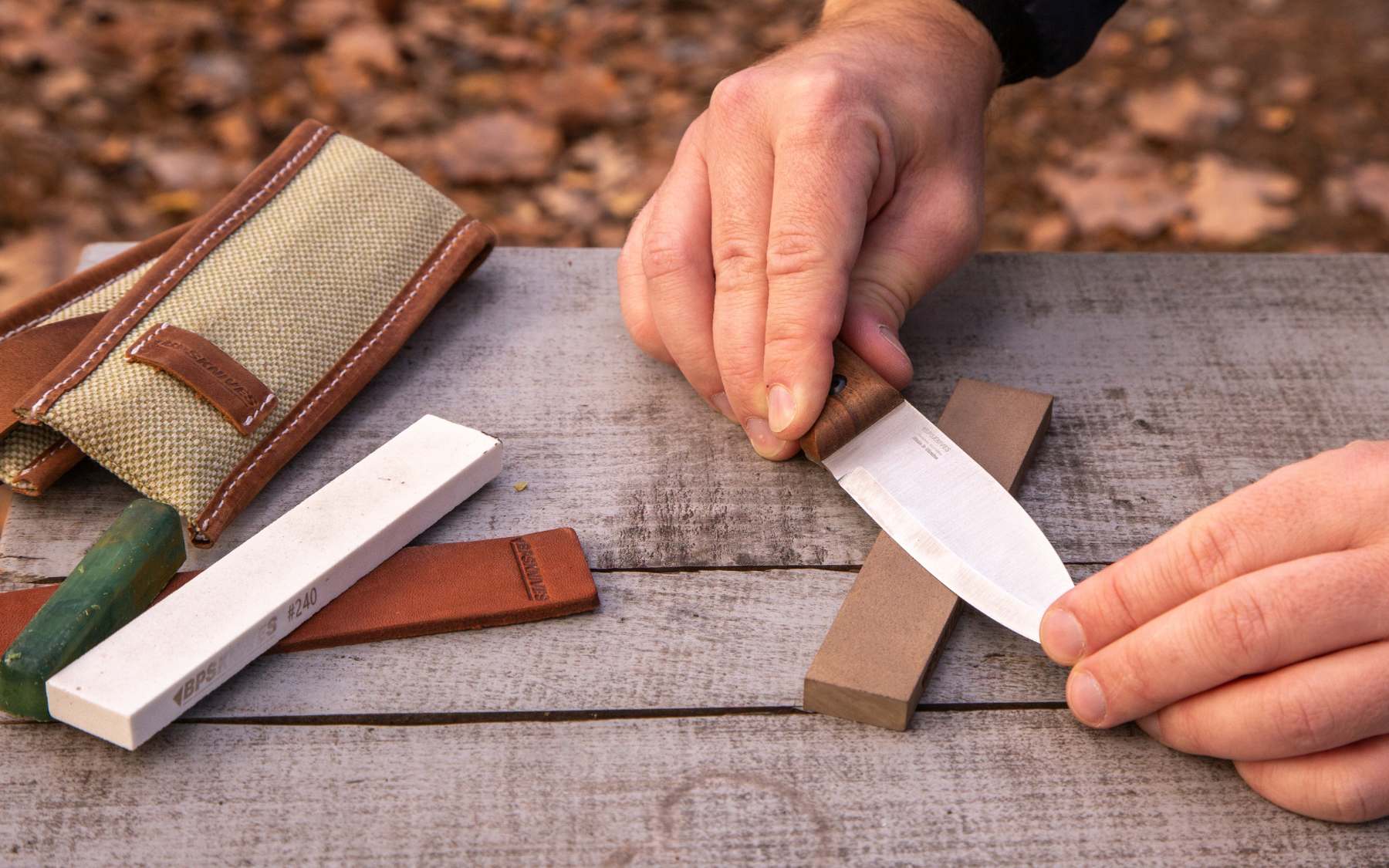
- Sharpen your knives as needed: When honing no longer restores the sharpness, use a sharpening stone or professional sharpening service to maintain the blade’s edge.
5. Avoid Overheating the Blade
- Don’t expose your knife to excessive heat: High temperatures can weaken the steel over time, so avoid using knives on surfaces that might be too hot, like cutting on a heated griddle or putting the knife in hot water. Always allow the blade to cool down before sharpening.
6. Choose the Right Knife for Hot Conditions
- Consider using stainless steel knives: Stainless steel is more resistant to rust and corrosion compared to carbon steel, making it a better choice in hot, humid environments. High-carbon steel knives, while superior in sharpness, are more prone to rusting if not maintained properly.
- Select knives with heat-resistant handles: Handles made from materials like plastic, polymer, or composite are better suited for high-temperature environments compared to wood, which can warp and degrade under extreme heat.
7. Inspect and Maintain Handles
- Keep handles in good condition: Heat can cause certain handle materials, like wood, to expand, crack, or degrade. Regularly inspect handles for damage and ensure they’re securely fastened to the blade. For wooden handles, periodic oiling is recommended to maintain their durability.
8. Avoid the Dishwasher
- Never put your knives in the dishwasher, especially in hot conditions. The intense heat, moisture, and detergent can damage the blade and handle, leading to rust and deterioration over time.
Choosing the Right Knife for Your Climate
When deciding how to choose a pocket knife for hot outdoor conditions, it’s important to consider how the environment can affect its performance Factors such as humidity, temperature, and exposure to the elements play a critical role in ensuring your knife lasts long and performs efficiently. Whether you’re in a tropical, temperate, or arid climate, choosing the right knife material and design can greatly enhance its durability and functionality.
Assessing Environmental Demands
Different climates place varying demands on knives. For instance, a humid environment can lead to rust and corrosion if the knife is made from carbon steel. In contrast, knives made from stainless steel or coated with protective layers may offer better resistance to moisture. Cold, snowy climates might benefit from knives with durable, heat-treated blades that can withstand freezing temperatures without becoming brittle. Understanding the specific challenges of your environment will guide you in selecting a knife that is best suited for your needs.
Balancing Quality and Affordability
While high-end knives made from premium materials often offer superior performance, it’s important to balance quality with your budget. Look for knives that provide the best value for your money without sacrificing essential features like durability, sharpness, and comfort. Entry-level knives might not have all the premium attributes but can still be made from quality materials that perform well in specific climates. Prioritize key features that align with your environmental needs, like rust resistance, blade longevity, and ergonomic handles, without breaking the bank.

Conclusion
And that’s it! Choosing the right blade for travel in hot climates isn’t difficult at all. Visit our online store, and we’ll help you pick the perfect knife with which you can conquer not only the Sahara but even Venus itself. Let the thrilling adventures begin and may the Force be with you!