
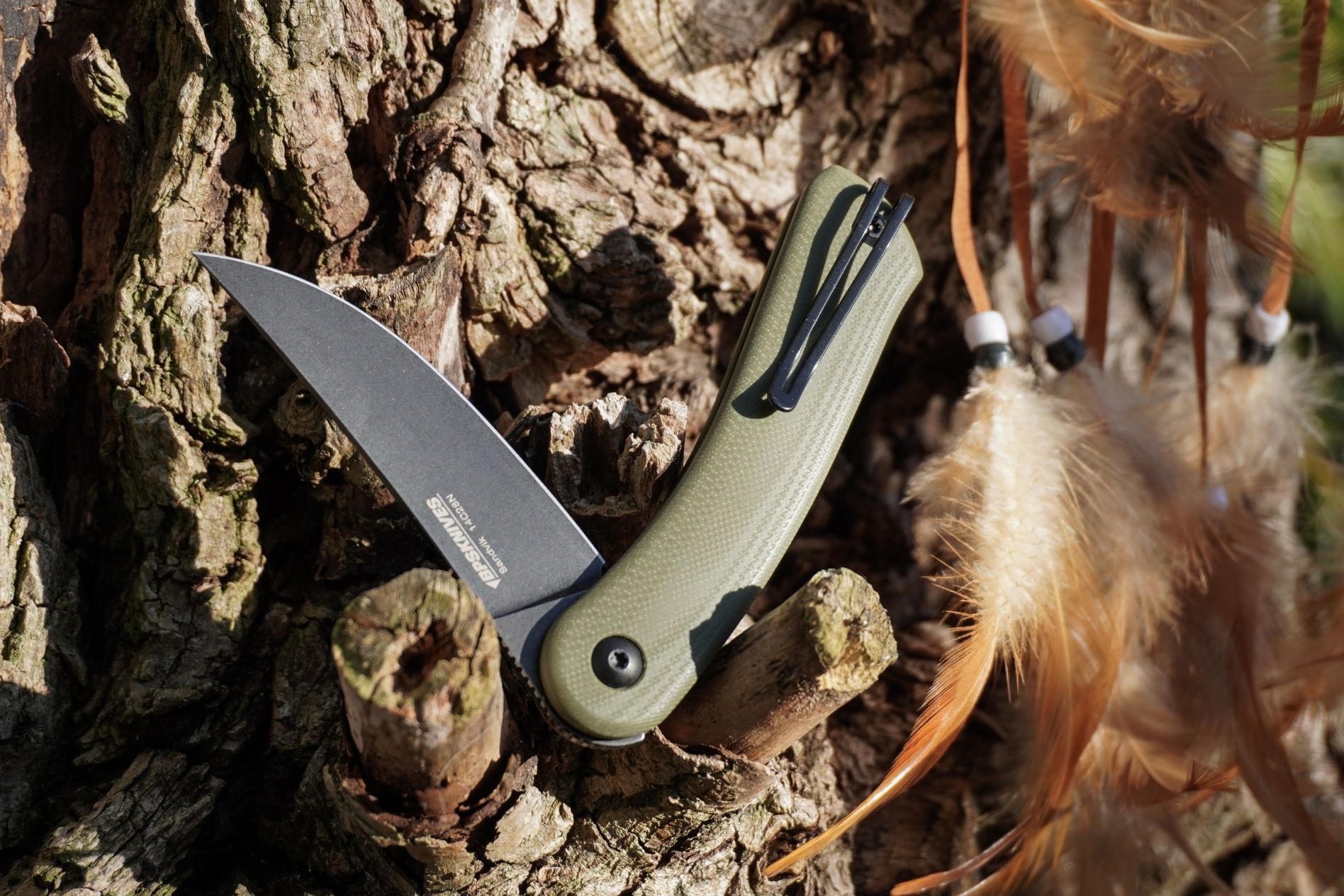
A folding knife will never match the strength and reliability of a full-tang fixed blade, but it has its own undeniable charm. Folding knife is exceptionally lightweight and compact! After all, not every situation requires chopping wood, cutting branches. And when it comes to choosing such a folding blade, the inevitable question arises: which locking mechanism should you go for?
What is a liner lock knife?
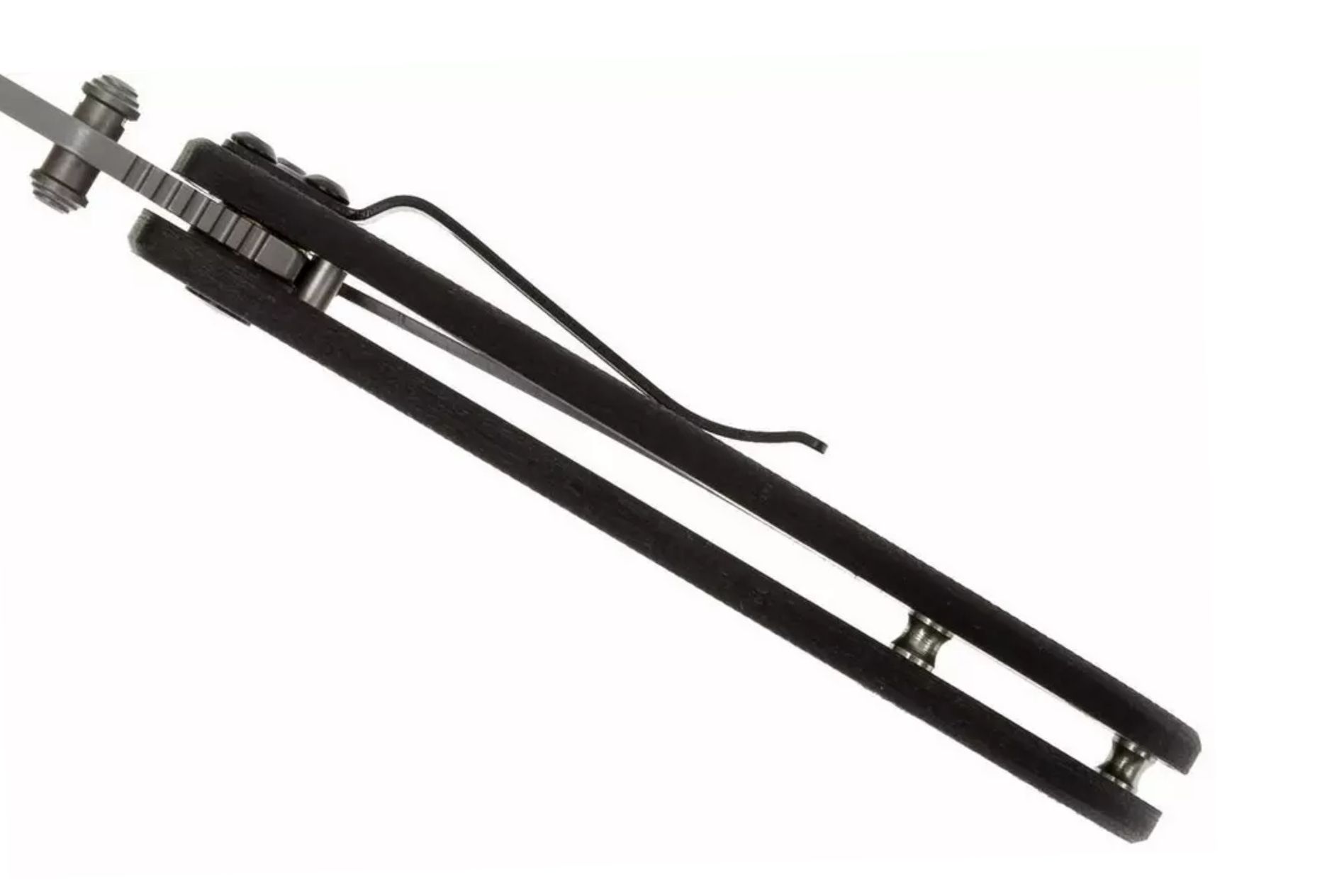
A liner lock is a popular locking mechanism used in folding knives, designed to keep the blade securely in place when it’s open. This type of lock mechanism is built into the handle of the knife and relies on a spring-loaded metal plate to engage with the blade’s tang, ensuring the blade doesn’t accidentally close during use.
Liner Lock Construction
A top liner lock typically involves two main components:
- The Liner: This is a thin strip of steel that is embedded in the handle of the knife. It’s generally positioned on the inside of one of the handle scales and is spring-loaded.
- The Tang: This is the portion of the blade that fits into the handle. The liner lock engages with the tang to hold the blade open.
When the knife is opened, the liner is pushed out of its resting position, and it locks against the tang of the blade. The liner acts like a spring, pushing back and holding the blade in place.
How It Works
So, what does line lock do? The locking mechanism works as follows:
- Opening the Knife: When the knife is opened, the tang of the blade moves past the spring-loaded liner, forcing the liner to move to the side.
- Locking: Once the blade is fully open, the liner springs back into place, pressing against the tang of the blade. This creates a mechanical barrier, preventing the blade from closing accidentally.
- Unlocking: To close the knife, the user pushes the liner to the side, allowing the blade to pivot back into the handle.
Key Advantages
This locking mechanism for a folding knife is compact, simple, and most importantly, safe! On top of that, it’s incredibly convenient—you can open and close the knife with just one hand, which can be a real lifesaver in both extreme and everyday situations. And let’s not forget, this lock is exceptionally reliable!
Drawbacks
But as the saying goes, every barrel of honey has a spoonful of tar, right? And here, there are not just one, but two spoons of it:
– Not the Strongest Locking Mechanism: While the liner lock is secure for most tasks, it’s generally considered weaker than other locks like the frame lock or axis lock, especially under high-impact situations or when used for heavy-duty tasks.
– Lock Failures: If the liner lock is not properly designed or if it’s abused, it can fail, leading to the blade closing unexpectedly.
The liner lock is a great choice for everyday carry (EDC) knives, but it’s important to regularly check the mechanism for wear and ensure it’s functioning correctly.

What is a frame lock knife?
A frame lock folder has a locking mechanism used in folding knives that is similar in function to the liner lock but differs in construction. In a frame lock, the locking mechanism is built into the frame of the knife itself, rather than relying on a separate liner. It’s one of the most secure and durable locking systems, often found on high-quality folding knives!
Frame Lock Construction
The frame lock knives construction involves the following key elements:
- Frame: The handle of the knife is typically made from a single piece of metal (often titanium or steel), which serves as the primary structural support for the knife.
- Locking Mechanism: In a small frame lock knife, a portion of the frame is cut away or bent inward to act as the locking bar. This portion is spring-loaded and engages with the tang of the blade when the knife is opened.
- Tang: The tang is the part of the blade that interacts with the frame lock. As the blade opens, the spring-loaded portion of the frame locks into place against the tang to secure the blade in the open position.
How It Works
- Opening the Knife: As you open the blade, the portion of the frame that has been bent inward moves to the side. This allows the blade to pivot
fully open.
- Locking: Once the blade is fully open, the spring-loaded frame portion snaps back into place and locks against the tang of the blade, holding it securely in the open position.
- Unlocking: To close the knife, you must manually push the frame lock to the side, disengaging the lock from the tang and allowing the blade to fold back into the handle.
Key Advantages
– Superior Strength: Because the lock is part of the knife’s frame, the frame lock is generally stronger and more durable than a liner lock. The larger, more robust construction provides greater stability.
– Simplicity and Reliability: The frame lock has fewer moving parts, which makes it less prone to failure or malfunction over time. It’s known for its longevity and reliability.
– One-Handed Operation: Like the liner lock, the frame lock can be disengaged with one hand, making it convenient for quick deployment and closure of the blade.
– Better for Heavy-Duty Use: The frame lock is more robust, making it a great choice for users who need their knife for tougher tasks. It can handle higher forces and impacts than a liner lock.
– Lightweight: Despite being made from strong materials like titanium or steel, the design of a frame lock can still keep the overall weight of the knife relatively low.
Drawbacks
Unfortunately, there are some downsides here as well! The thing is, the Framer lock wears out quite quickly without proper care, requires significant effort to open the blade, and these knives tend to have a slightly bulkier handle compared to a liner lock, which might be a factor for those looking for an ultra-slim profile. Nothing major, but still, there are a few nuances to consider!
Which Lock Is Right for You?
So, frame lock vs liner lock knife! What’s the best option for you? It’s simple – just decide what you need a folding knife for:
For Everyday Carry (EDC)
A folding knife is one of the best (if not the best) options for EDC! Because when selecting a lock for EDC, you want a mechanism that is easy to use, secure, and reliable for daily tasks such as opening packages, food prep, or small repairs. The ideal lock should offer a good balance between safety, ease of use, and compactness.
- The liner lock is often a top choice for EDC knives because it’s lightweight, simple, and easy to operate with one hand. It’s especially great for quick access and quick operation, making it a popular choice for those who need to deploy and close the knife with one hand in various situations.
- If you prefer a more robust and secure locking system for EDC use, a frame lock might be the better choice. Its higher strength and durability can handle more demanding tasks without worrying about the lock failing over time. It’s slightly bulkier, but still offers ease of use with one hand, and it’s often found on high-quality, premium knives.
Our advice to you – choose liner lock for ease of use and slim design, but frame lock (like maxam knife frame lock) if you need extra strength and durability in an EDC knife.
For Outdoor, Survival, and Field Use
A folding knife is the worst option for camping, hiking, and especially survival! However, in theory, it can still be useful in these situations:
– Frame Lock: For outdoor and survival situations, the frame lock is generally the go-to choice. It offers greater strength and durability, making it more resistant to heavy use and extreme conditions. Since the lock is part of the frame itself, it tends to perform well under stress and is less likely to fail compared to a liner lock.
– Liner Lock: While line lock camping knife can still serve well for lighter outdoor use, it’s generally not as durable under heavy use as a frame lock. If you’re looking for something that won’t add unnecessary bulk to your gear but still offers secure locking, it can work, but it’s a little less tough.
In this case, it’s best to choose Frame lock for superior strength, reliability, and durability in tough or even extreme conditions.
Conclusion
So, let’s wrap it up! For EDC, we go with a liner lock for ease of use; for outdoor or survival situations, we opt for a frame lock for its strength and reliability in tough conditions. It’s as simple as 1-2-3! Be sure to check out our online store, where you’ll find knives and everything you could possibly need for camping, hiking, hunting, fishing, and even survival. Until the next exciting encounter!