
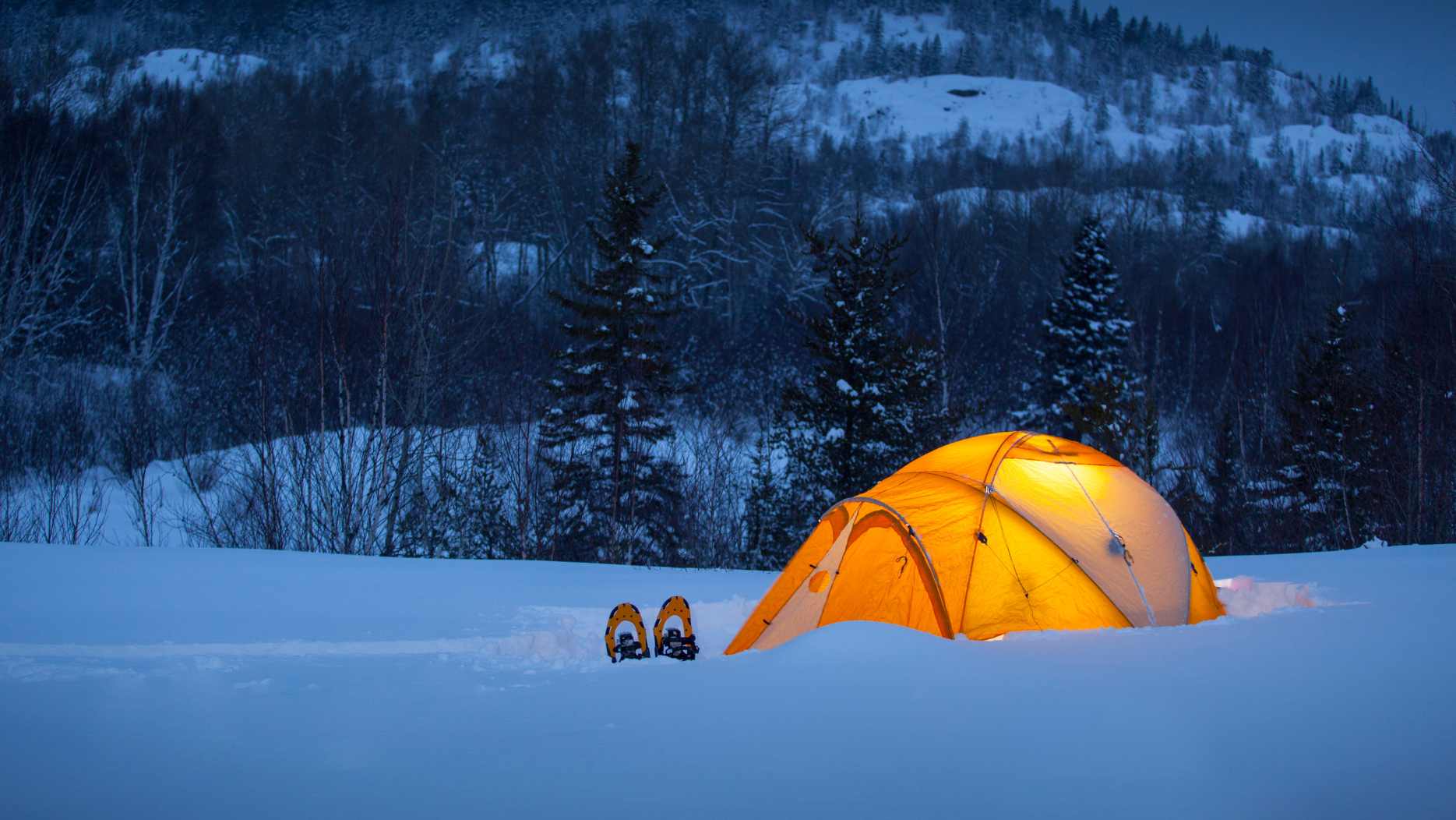
Anybody here who is bored with summer camping in the woods and mountains? We have good news for you! It turns out that there are also winter camping in the woods and mountains. Marvellous!
Importance of preparation and knowledge for a successful winter camping experience
But it’s not that simple, camping in the snow is more difficult and dangerous than summer and spring camping, because of the bitterly low temperatures. Therefore, it is important to be thoroughly prepared both in terms of equipment and all the necessary knowledge and skills to avoid becoming an ice-cube.
How Winter Camping Differs from Other Seasons. Potential Challenges in Winter Camping.
So, what’s in store for those who like to take a stroll through the winter landscape.
1. Cold Temperatures
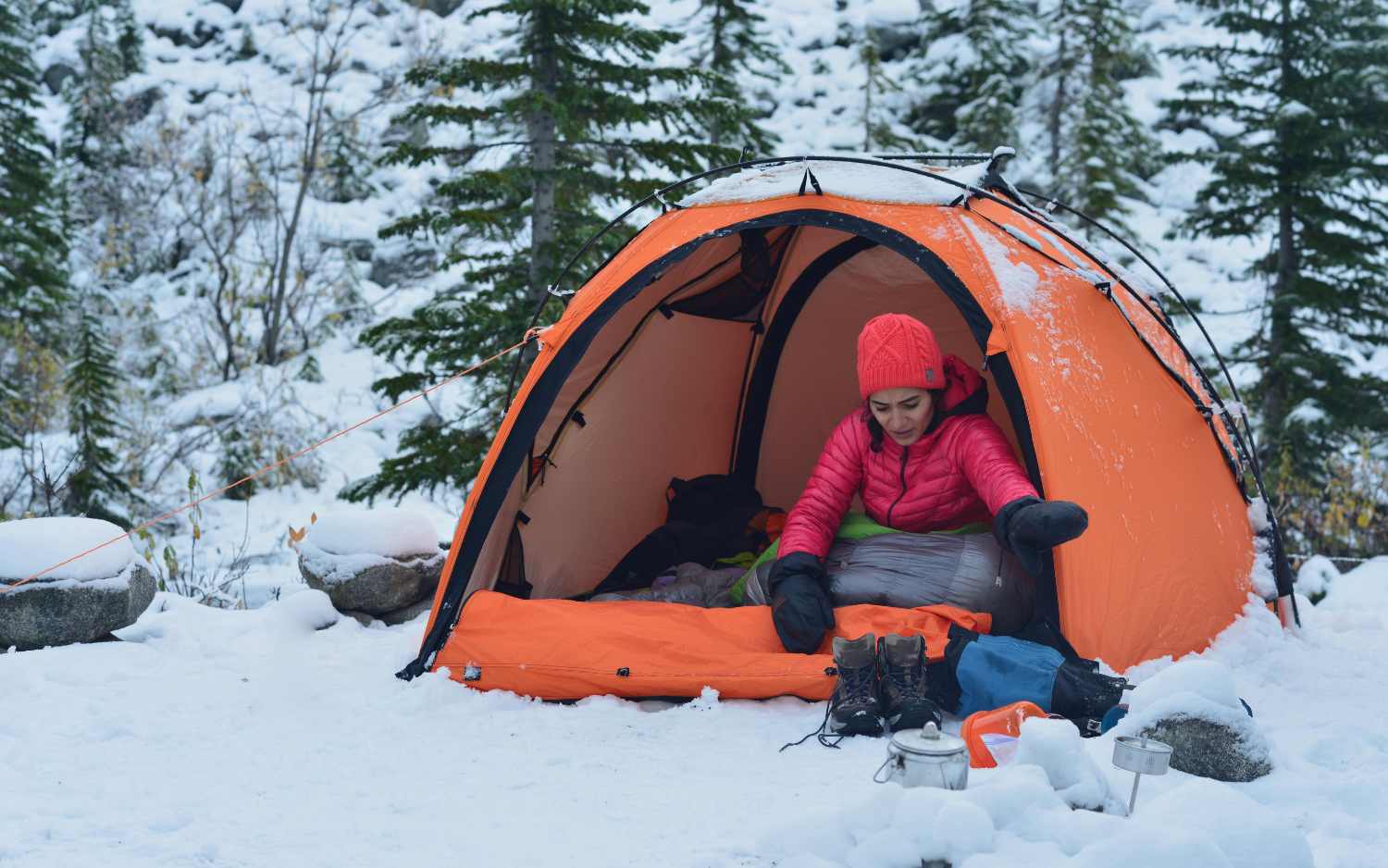
- Risk of Hypothermia and Frostbite: the first of winter camping survival challenges! Prolonged exposure to cold can lead to serious conditions like hypothermia (a dangerous drop in body temperature) and frostbite (frost damage to skin and tissues), especially if you’re not properly dressed or if your clothing gets wet.
- Freezing Water and Food: Water and food can freeze in cold temperatures, making hydration and meal preparation more difficult. You’ll need to plan ahead by bringing methods to melt snow for water and keep your food from freezing.
- Icy Conditions: Icy trails and surfaces can be hazardous, making hiking and navigating the campsite difficult. Slips and falls are more common, and you may need specialized equipment like crampons or microspikes to ensure safe footing.
2. Snow and Ice
- Snow Accumulation: Heavy snowfall can create a constant need to shovel snow off tents and pathways, as well as around the fire pit. Snow also adds weight to tents and structures, which could lead to collapse if not managed properly.
- Building Shelter: Setting up a tent on snow or ice is challenging. The ground is cold, and you may need additional insulation or a specific type of tent designed for winter conditions. Sleeping pads need to be insulated properly to prevent the cold from transferring through.
- Avalanche Risk: In mountainous areas, winter camping can be dangerous due to the risk of avalanches. This is especially true if you’re camping in or near avalanche-prone zones. Knowing avalanche safety, carrying the right gear (e.g., beacon, probe, shovel), and checking weather reports are essential.
3. Limited Daylight
- Shorter Days: In winter, the days are much shorter, limiting the amount of time available for outdoor activities like winter bushcraft, hiking, exploring, and gathering firewood. You’ll need to plan your day to ensure you set up camp well before darkness falls.
- Early Darkness: As the sun sets earlier, you’ll have less time to cook meals or prepare camp. Having reliable headlamps or lanterns is crucial for working in the dark.
4. Navigational Issues
- Snow-covered Trails: In winter, established trails may be obscured by snow or ice, making it difficult to follow your planned route. Maps, compasses, or GPS devices are essential, as are the skills to navigate in winter conditions.
- Unpredictable Weather: Winter weather can be highly unpredictable. Sudden snowstorms, temperature drops, or shifts in wind can drastically change conditions, making it hard to stay on course or navigate safely.
5. Wildlife and Safety Concerns
- Animal Activity: Although many animals hibernate in winter, some, like deer, wolves, and certain predators, remain active. In search of food, they may come into contact with campsites. Proper food storage (e.g., bear canisters) is critical to avoid attracting animals.
- Food Storage: Keeping food from freezing, becoming too hard to cook with, or attracting wildlife requires careful planning. You need to store food in insulated containers, hang it away from your tent, or use specialized winter food storage techniques.
Essential Gear for Winter Camping
So what’s to keep you from becoming a snowman in the cold? Well, here’s what.
Clothing and Layering
Of course, you can take it easy and just put on a couple of jumpers tied by your grandmother, put on a puffer jacket and enjoy your hiking! But it will not be very comfortable. Besides, in the frost you can not only freeze, but also overheat! After all, when you sweat from overheating and you will be covered with sweat, you will freeze very quickly, especially if you lie or stand without moving. This is where layering comes to the rescue! Here’s an example:
1. Base Layer (Moisture-Wicking)
The base layer sits closest to your skin and serves to wick moisture away from your body. This layer helps to regulate temperature by keeping sweat from building up, which can make you feel cold in the winter.
Materials:
- Merino wool: Soft, breathable, and naturally antimicrobial.
- Synthetic fabrics: Such as polyester or nylon, which are durable, moisture-wicking, and dry quickly.
Items:
- Long-sleeve shirt (top) and pants.
- Avoid cotton, as it holds moisture and will make you cold.
- Consider base layer socks made from merino wool or synthetic materials.
2. Mid Layer (Insulation)
The mid layer provides insulation and traps body heat to keep you warm. This layer is often adjustable based on the temperature and your level of activity.
Materials:
- Fleece: Lightweight, breathable, and insulating.
- Down: Extremely warm and lightweight, but loses its insulating properties when wet.
- Synthetic insulation: Materials like PrimaLoft, which mimic down’s warmth but stay warm when wet.
Items:
- Fleece or down jacket/vest.
- Insulated pants (if it’s very cold).
- Mid-weight wool or synthetic socks (if needed).
3. Outer Layer (Protection from Wind, Water, and Snow)
The outer layer, or shell, protects against external elements like wind, rain, snow, and moisture. This layer should be durable and weather-resistant while still allowing for breathability.
Materials:
- Waterproof/Breathable fabrics: Such as Gore-Tex or eVent, which keep you dry while allowing sweat to escape.
- Windproof fabrics: To protect from wind chill.
Items:
- Waterproof and windproof jacket (with a hood).
- Waterproof pants (or gaiters over boots to prevent snow from getting in).
- Insulated gloves or mittens.
- A warm hat or beanie (preferably with a windproof lining).
- Gaiters (to prevent snow from entering your boots).
Feet:
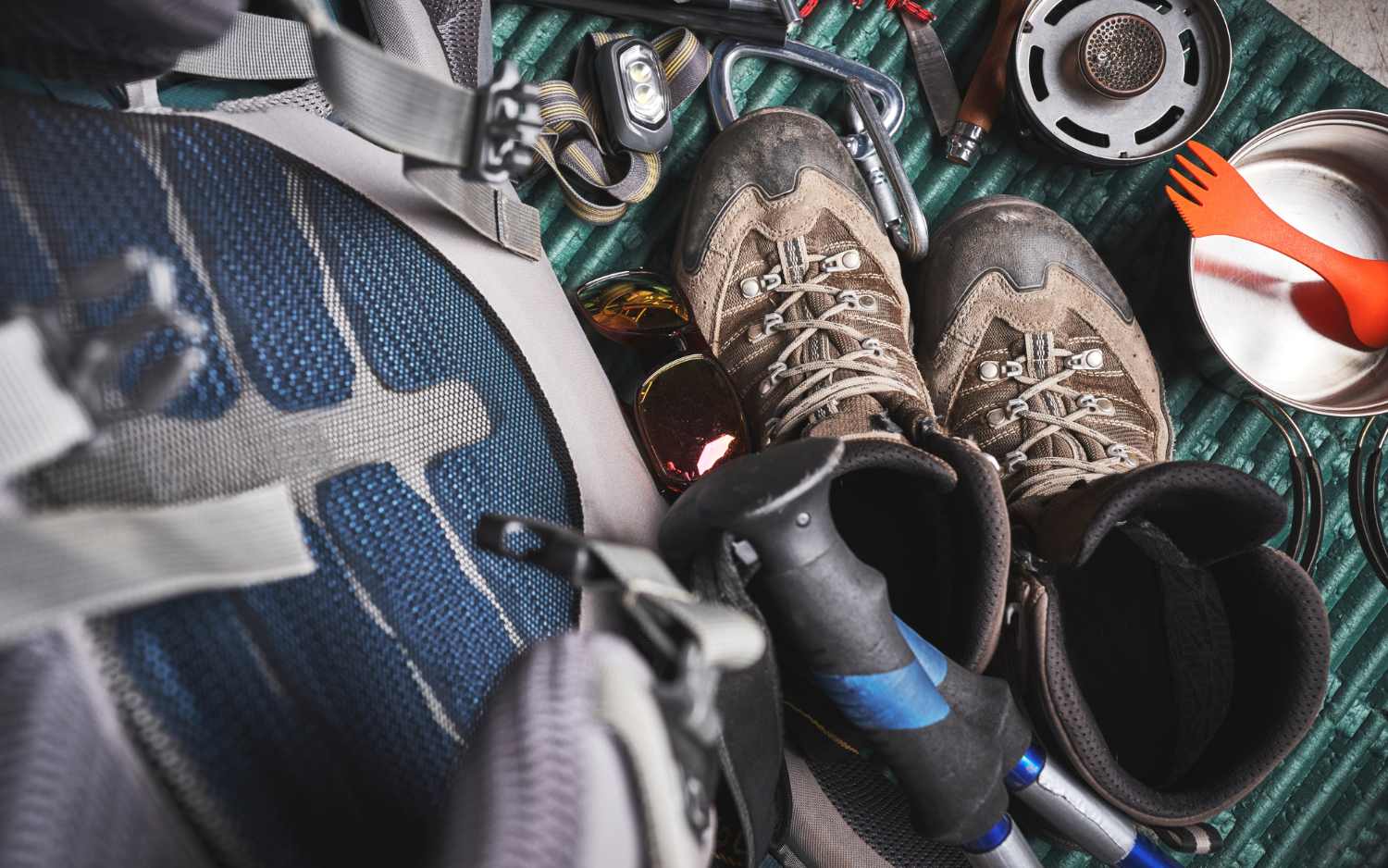
- Insulated boots: Choose boots rated for cold temperatures and waterproofed to prevent moisture from seeping in. Make sure they’re roomy enough to allow for thick socks.
- Socks: Merino wool or synthetic socks that provide insulation even when wet. Always have spare socks to keep your feet dry.
- Gaiters: Protect your lower legs from snow and wet conditions.
5. Layering Tips and Considerations
- Stay Dry: Wet clothing loses its insulating properties and can cause dangerous heat loss, so choose fabrics that wick moisture away from your body.
- Ventilation: Zip or unbutton layers to prevent overheating. Having zippers in the right places (like underarms) can help you regulate body temperature without removing layers.
- Fit: Clothes should allow for movement but not be so tight that they restrict blood flow. Tight clothing can cause you to feel cold faster because it doesn’t allow for proper insulation.
- Footwear: Make sure boots are insulated, waterproof, and breathable. Consider wearing moisture-wicking liners or boot liners that provide additional warmth.
Camping Equipment
We have dressed up smartly and are already optimistically, bravely looking at the snowy tundra! What about camping equipment?

1. Shelter
- Winter tent: Designed to withstand strong winds, heavy snow, and freezing temperatures. Look for a tent with sturdy poles, a low profile, and good snow load capacity.
- Footprint or Ground Cloth: Protects the tent floor from sharp objects, snow, and moisture.
- Tent Heater (optional): A small, safe camping heater can help keep the tent warmer but must be used with caution and proper ventilation.
2. Sleeping System
- Sleeping Bag: A winter-specific sleeping bag rated for temperatures lower than what you expect to encounter. Consider a bag rated for -10°F (-23°C) or colder.
- Sleeping Pad: An insulated sleeping pad is crucial to prevent heat loss to the cold ground. Inflatable or foam pads with high R-values (4+ or higher) are best for winter. That’s a great way to get you through camping in snow storm!
- Sleeping Bag Liner: Adds warmth and helps keep your sleeping bag clean.
- Pillow: A small, inflatable or foam pillow for comfort.
3. Cooking Equipment
- Winter-Ready Stove: A liquid fuel stove (like white gas or multifuel) works better than canister stoves in extreme cold.
- Fuel: Make sure you have enough fuel for cooking, as some fuels (like canister fuel) can freeze or lose efficiency in cold weather.
- Cookware: Lightweight pots, pans, and utensils. Consider having a pot with a lid to trap heat and reduce cooking time.
- Thermos: To keep liquids hot for long periods.
- Spork or Multi-Tool: To eat and cook with.
4. Food & Water
- High-Calorie, Easy-to-Prepare Foods: Freeze-dried meals, high-energy snacks, nuts, jerky, granola bars, etc.
- Water Bottles: Insulated water bottles to prevent freezing.
- Water Filter or Purification Tablets: If melting snow or collecting water from a stream, have reliable purification methods.
- Extra Snacks: Keep snacks accessible for eating while moving or during downtime.
5. Navigation & Safety
- Map & Compass: Or a GPS device.
- Headlamp: A reliable, waterproof headlamp with extra batteries.
- First Aid Kit: Include items specific to cold-weather injuries like frostbite or hypothermia.
- Multitool/Knife: For emergency situations.
- Firestarter: Waterproof matches, lighters, or firesteel.
- Whistle: For signaling in an emergency.
- Avalanche Gear (if in avalanche-prone areas): Avalanche transceiver, probe, and shovel.
6. Additional Gear
- Gaiters: To keep snow out of boots and protect your lower legs.
- Trekking Poles: Helpful for stability on icy or snowy terrain.
- Sunglasses or Goggles: For sun glare on snow.
- Tarp or Bivvy Sack: For extra shelter or emergency use.
- Extra Batteries: Cold weather can drain batteries quickly, so bring spares for electronics and headlamps.
7. Optional but Useful Gear
- Snowshoes or Crampons: If you plan to hike through deep snow or icy terrain.
- Insulated Water Bag: A hose with an insulated cover to keep your water source from freezing.
- Hot Water Bottle: Can be placed in your sleeping bag to keep warm through the night.
8. Personal Care
- Lip Balm and Sunscreen: Cold weather can dry out your skin, and the sun can still be strong in snowy areas.
- Hand Warmers/Foot Warmers: Disposable heat packs to add extra warmth.
Winter Camping Safety Tips
- Know the Weather: Always check weather conditions before heading out and adjust your plans accordingly.
- Watch for Hypothermia & Frostbite: Be aware of early signs like shivering, numbness, or pale skin.
- Be Prepared for Emergencies: Carry extra gear, especially in remote areas.
Food and Hydration
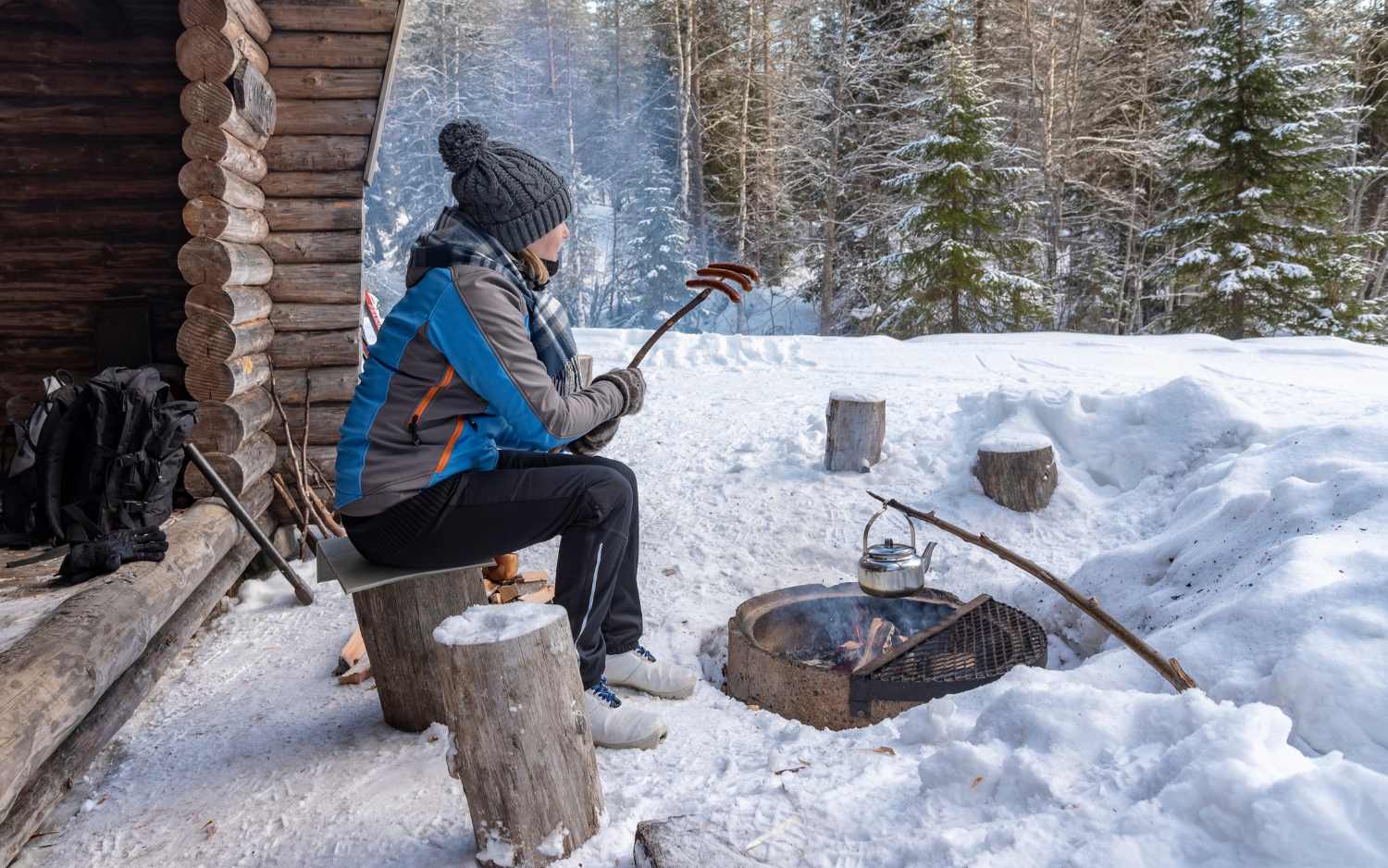
Eating and drinking properly is very important for any activity with high energy expenditure! Take along stews, protein bars, jerky – in short, anything that keeps for a long time, doesn’t spoil and requires minimal effort to cook. However, if you don’t mind getting fussy, you can bring marinated meat and grill kebabs on a forest clearing!
In cold weather, you might not feel thirsty as often, but it’s important to drink regularly. Set reminders or take a sip every hour to stay hydrated. You can also take hot beverages like tea, coffee or hot chocolate! It is not only comforting in cold weather but can help hydrate you as well.
Use insulated bottles or hydration reservoirs (like Camelbak) that won’t freeze in the cold. A thermos can also help to keep your drinks warm. If you run low on water, you can melt snow or ice to make water. Be sure to boil it for safety, as snow can carry contaminants. Cold temperatures can still cause your body to lose electrolytes. Consider bringing electrolyte tablets or powders that you can add to water.
Conclusion
That’s the way it is. Hiking in winter is always a cool idea, fresh frosty air invigorates and energises, snowy views delight the eye and soul, and what kind of photos come out – just amazing! So let’s get up from our sofas and move your arses to adventures!