

The night is dark and full of terrors! For millennia, the unknown has haunted and fascinated the human mind. As soon as the lights go out, the line between reality and our wild imagination begins to blur. That’s how we ended up with a whole pantheon of forest spirits, yokai, vampires, and other delightful monstrosities born straight out of our fears.
What is night camping?
But if you’re just the right amount of eccentric, darkness won’t scare you off—in fact, it might be the perfect excuse to pitch your tent and go camping after sunset. It’s a great way to enjoy the stars, escape the crowds, and soak in the quiet beauty of the night.
Features of night tourism with tents
– Late arrival and setup: Campers often arrive at their site in the dark, requiring headlamps or lanterns for navigation and tent setup.
– Cooler atmosphere: Night air can be more refreshing, especially in hot climates.
– Peace and quiet: Wildlife sounds and the absence of daytime bustle create a tranquil ambiance.
– Increased reliance on gear: Visibility tools (like flashlights), reflective gear, and warm clothing are essential.
– Focus on astronomy or night photography: Many night campers aim to enjoy the stars or practice astrophotography.
Advantages of night camping
One of the main benefits of starry night camping is the ability to escape the heat, making it especially suitable for desert environments or hot summer months! As fewer people venture out after dark, it also offers more privacy and a sense of seclusion. The night sky provides stunning views, perfect for stargazing and capturing unique photographs. Experiencing familiar trails in the dark adds a fresh perspective, bringing a sense of mystery and excitement. Additionally, nighttime is when certain wildlife becomes more active, giving campers the rare opportunity to observe animals that are not typically seen during the day!
Disadvantages of night camping
However, night camping also comes with its challenges. Limited visibility makes navigation and setting up camp more difficult. There are increased safety concerns, including a higher risk of injury, encounters with nocturnal wildlife, or even getting lost. Temperatures can drop significantly at night, requiring campers to bring extra layers and appropriate gear to stay warm. Some parks and trails have restricted access after dark, which can limit options for night travel.
 How to prepare for night camping?
Choosing a place to spend the night
Try to search “night camping places near me” in mobile map apps first. Just like with daytime camping—or any extended stop, really—picking the right place to set up camp is crucial. Look for flat, elevated ground away from potential hazards like rivers (to avoid flooding) and cliff edges. Consider proximity to resources like firewood and water, but avoid setting up too close to water sources to prevent attracting wildlife!
What to take camping for one night?
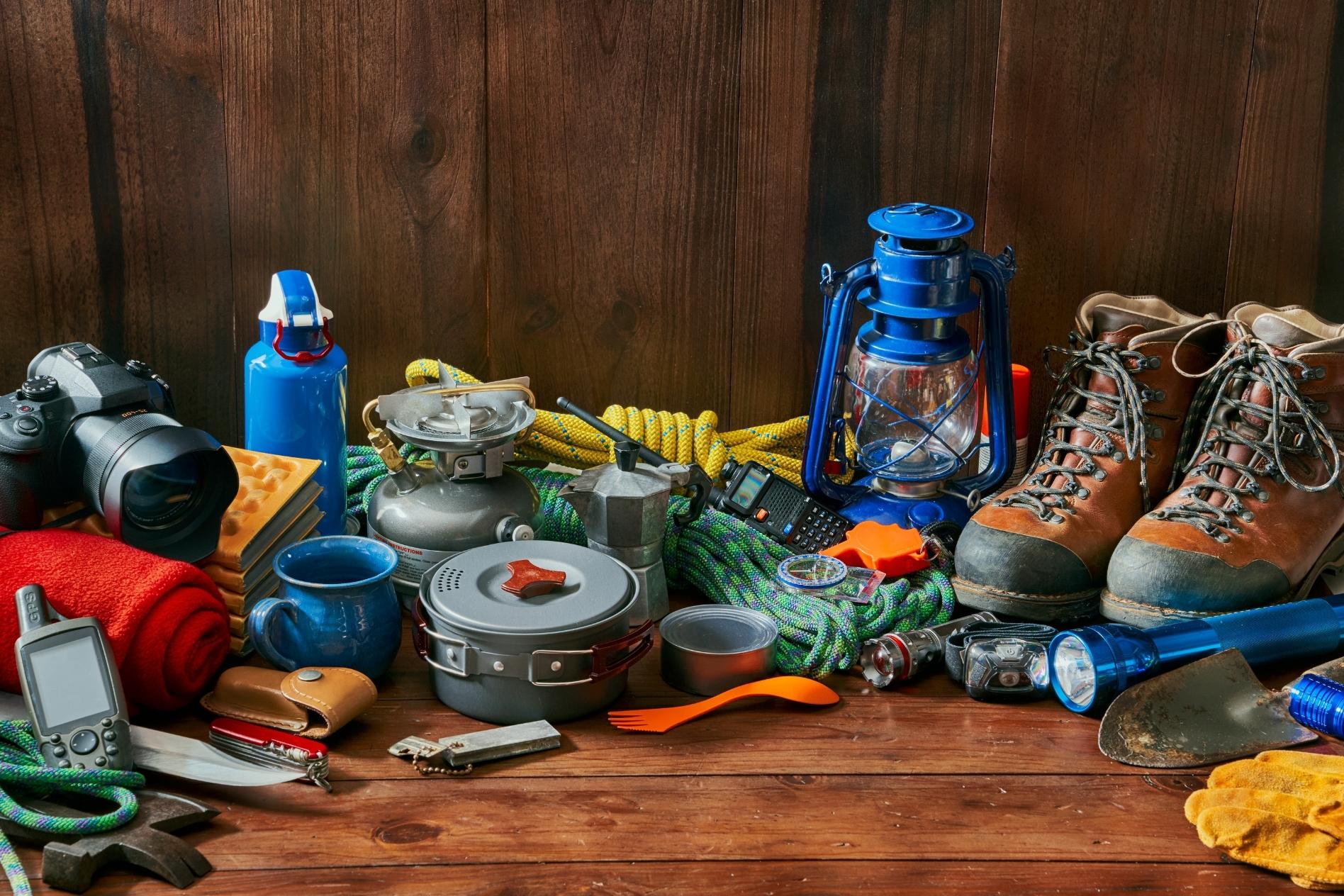
When camping in a tent near the forest, you might suddenly hear a baby crying, women screaming, growling, or even mooing—and instantly start freaking out! The most imaginative (and slightly paranoid) among us will immediately conjure up all kinds of wild scenarios. So, make sure to bring a flashlight! And besides that, don’t forget to pack:
– A quality tent with a rainfly and ground tarp
– A warm, season-appropriate sleeping bag and insulated sleeping pad
– Extra batteries for your flashlight or lamp
– A backpack to carry everything efficiently
– First-aid kit, multitool, and navigation tools (map, compass, GPS)
Make sure to test your equipment before the trip, especially lighting and shelter.
Features of cooking at night
Cooking after dark presents unique challenges. Use a reliable camping stove or portable grill, and always cook a safe distance from your tent to avoid attracting animals. Bring a lantern or headlamp to illuminate your cooking area. Prep ingredients beforehand to reduce effort in the dark. Avoid open fires unless regulations allow and you’re experienced in managing them!
Protection from cold nights and moisture. What to wear at night camping?
Night temperatures can drop significantly, especially in mountainous or forested areas. Dress in layers, starting with moisture-wicking base layers, followed by insulation and a waterproof outer layer. Use a sleeping bag rated for lower temperatures than expected. Ensure your tent is waterproof and ventilated to prevent condensation. Pack extra socks and a dry change of clothes in a waterproof bag. This is how to keep warm at night camping!
 Safety during night camping
Safety precautions are still a must—we want to make it through the night, right? Of course we do. Here’s how!
Navigation and orientation in the dark
Getting lost at night, especially in the wilderness, is always a really bad idea. Navigating after sunset can be tricky, especially in unfamiliar terrain. Here are some tips to keep you on track:
- Use reliable light sources: Carry a headlamp or flashlight with fresh batteries. Red light modes help preserve night vision during your stay for the night.
- Familiarize yourself before dark: Scout your campsite and trails while it’s still light to memorize landmarks.
- Use a GPS or compass: Don’t rely solely on your phone, as battery life can be limited. Know how to use a map and compass if technology fails.
- Mark your path: Use reflective tape or glow sticks to mark your route if you plan to move around at night.
- Move slowly and cautiously: Darkness limits visibility, so walk carefully to avoid tripping over roots or rocks.
How to deal with wild animals
But beyond the mystical dangers, a real—and definitely not metaphysical—bear or moose could come out of the darkness! Or maybe both at once. So, what do you do then? Wild animals are mostly active at night and can pose dangers if surprised or provoked. To minimize risks:
- Store food securely: Use bear-proof containers or hang food away from your sleeping area to avoid attracting animals.
- Keep a clean campsite: Dispose of trash properly and avoid leaving food scraps around.
- Make noise: Animals usually avoid humans, so making noise while moving can alert them to your presence.
- Carry deterrents: Depending on the area, bear spray or noise-makers can be effective.
- Know the wildlife: Research the animals in the region and understand their behavior and warning signs.
- Stay calm if encountered: Do not run. Back away slowly and make yourself appear larger if needed.
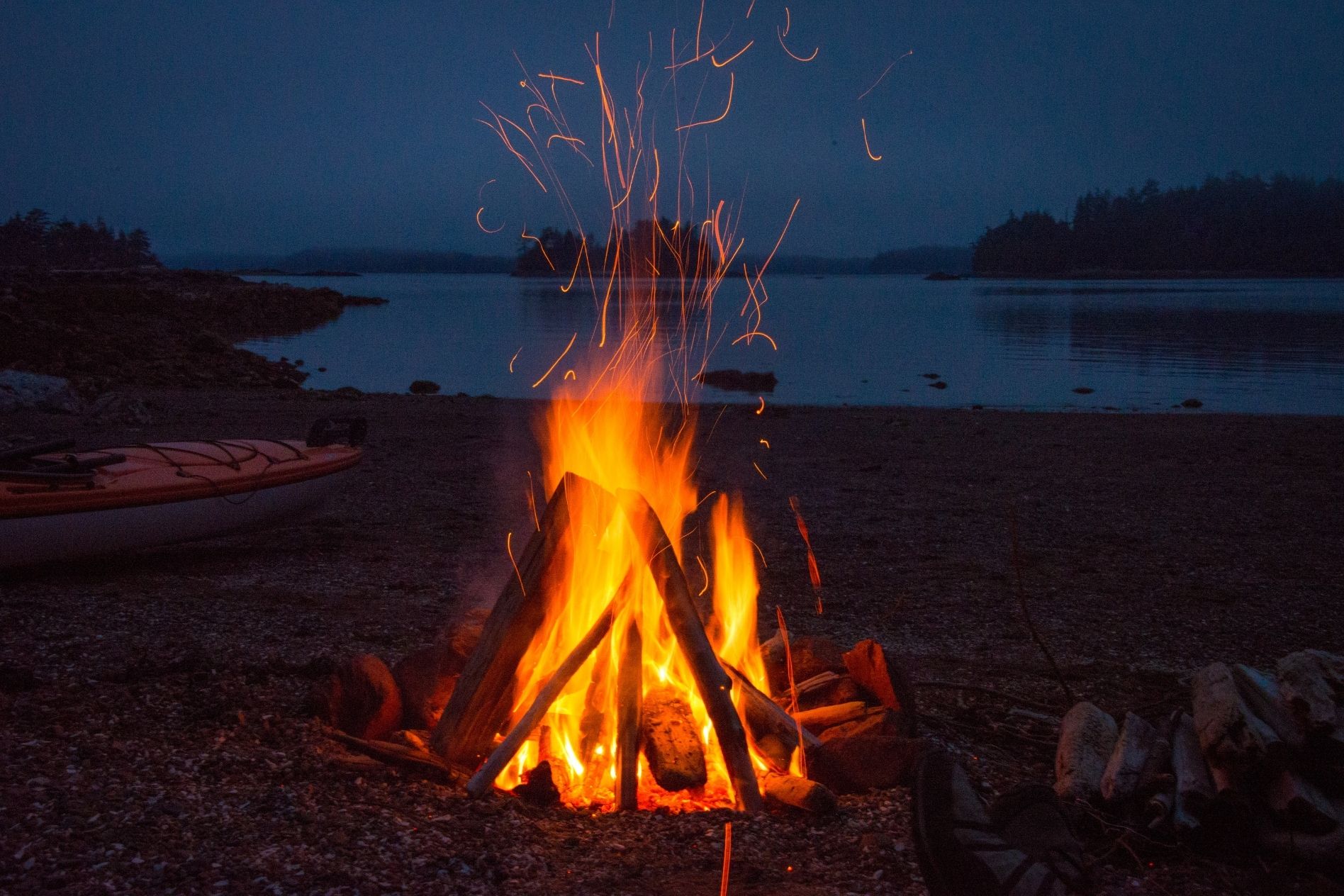
Night fire: how to light a fire correctly
A campfire at night offers warmth and safety but must be managed carefully:
- Choose a safe location: Use designated fire rings or clear an area away from overhanging branches and dry vegetation.
- Gather appropriate materials: Use dry tinder, kindling, and fuel wood. Avoid green or wet wood as it creates smoke and is hard to ignite.
- Build the fire properly: Start with a small teepee or log cabin structure to allow airflow.
- Light the fire carefully: Use waterproof matches or a lighter, and protect the flame from wind when lighting.
- Never leave unattended: Keep the fire manageable in size and always have water or a shovel nearby to extinguish it if necessary.
- Extinguish thoroughly: When done, douse the fire with water, stir the ashes, and douse again until completely cold to prevent wildfires.
 Useful tips for beginners
And now, a couple of tips for beginner night campers:
How to cope with night fears in the wild? What to do while camping at night
So, how to get a good night’s sleep camping?
- Understand the environment: Most forest or mountain sounds at night are harmless. Learning what animals live in the area and what sounds they make can reduce anxiety.
- Bring a reliable light source: A headlamp or lantern with extra batteries gives a sense of security and helps you navigate confidently during night time camping.
- Stick to routines: Setting up your campsite, preparing food, and settling in for bed at a consistent time can create a sense of normalcy.
- Night camping with friends: Being with experienced or trusted people helps ease nervousness.
- Use earplugs or calming music: If sounds make you anxious, use earplugs or play low-volume nature sounds or white noise.
- Avoid scary stories or media before bed: Keep the mood light and calming.
How to choose a company for night tourism
- Choose experienced campers: At least one person should know how to set up a tent, start a fire, and handle emergencies.
- Match energy levels and goals: Make sure your group has similar expectations—whether it’s a quiet nature night or a social adventure.
- Good communication is key: Choose people who respect others’ space, safety, and preferences.
- Reliability over fun: It’s better to camp with someone responsible and prepared than someone who might take risks or be careless.
How to choose a place for a tent at night
Setting up a tent in the dark can be tricky, so it’s best to plan ahead if possible. If you have to choose a spot at night, try to find level ground to ensure a comfortable sleep and avoid water pooling in case it rains. Steer clear of low-lying areas, as they can become damp or even flood. It’s important to avoid trails and animal paths, since they can be both disruptive and potentially dangerous. Be sure to check for hazards both above and below—watch out for dead tree branches that could fall, as well as rocks, roots, or ant hills that could make sleeping uncomfortable. Stay within sight of your group so you don’t stray too far or lose track of where you came from. Also, try to keep a safe distance from lakes or rivers; while they might seem peaceful, nighttime condensation, insects, or rising water levels could cause problems.
 Conclusion
That’s what night camping is all about. Follow our simple tips, and take your enjoyment to the next level! Before you head out to admire the night, check out our online store — you’ll find everything you need for camping, hiking, hunting, fishing, and even survival! And let the adventure begin!