
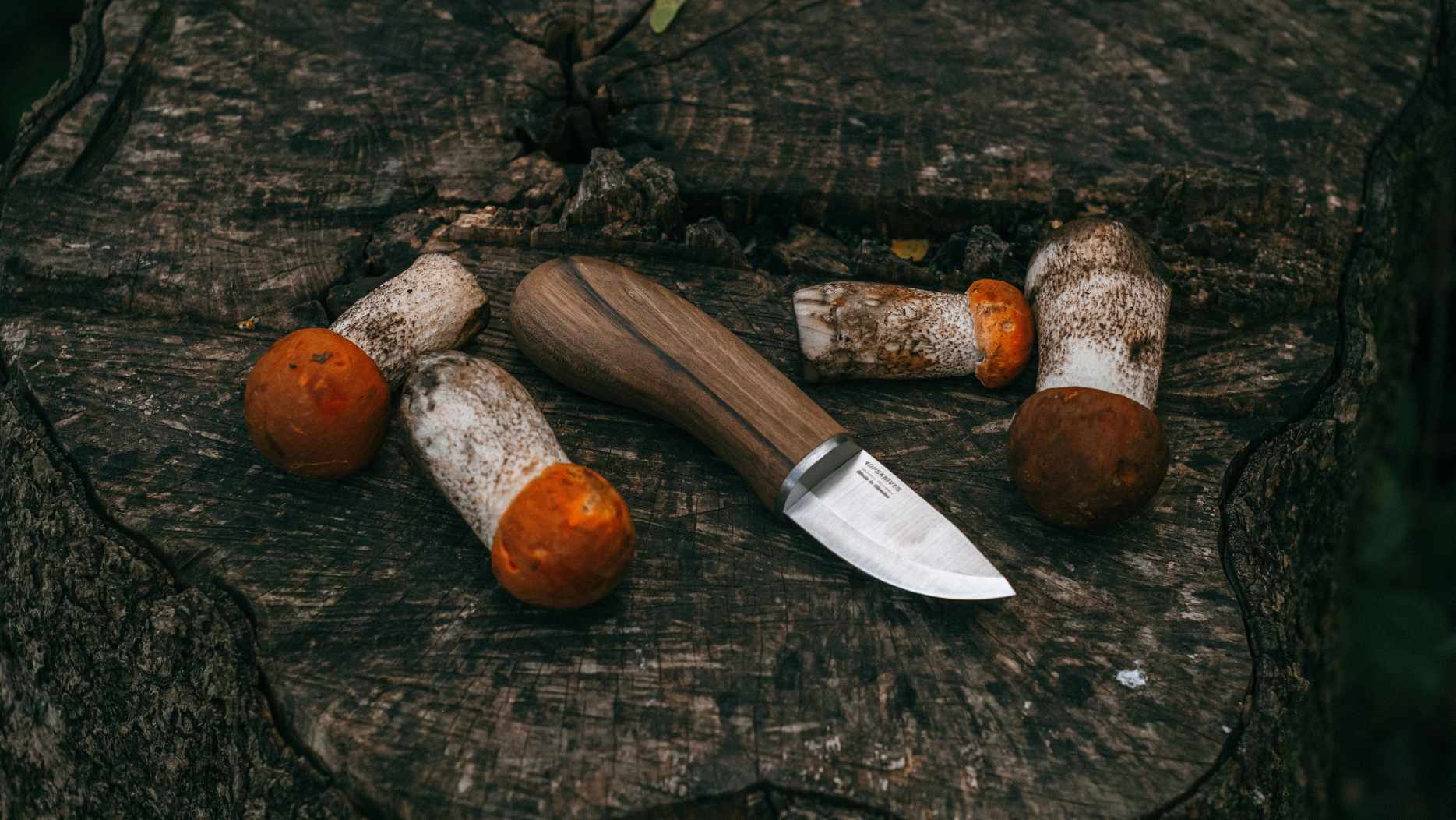
Dear mushroomers, today is your day! It’s time to take your mind off of all that hunting, fishing, surviving and talk about one of the most relaxing activities – mushroom picking.
The Cut vs. Twist Debate: Myths and Realities
Oh marvellous trait of human psychology! Oh the desire to have holy wars about anything and everything! It is difficult to name any hobbies or profession where there are no arguments about how to better and more effectively carry out certain actions. And of course mushroom pickers also did not pass this cup. Let’s get to the bottom of this ancient holy war called “Mushrooms need to be cut vs. mushrooms need to be unscrewed”!
Understanding Cutting Mushrooms
Let’s start with the proponents of the mushroom cutting method.
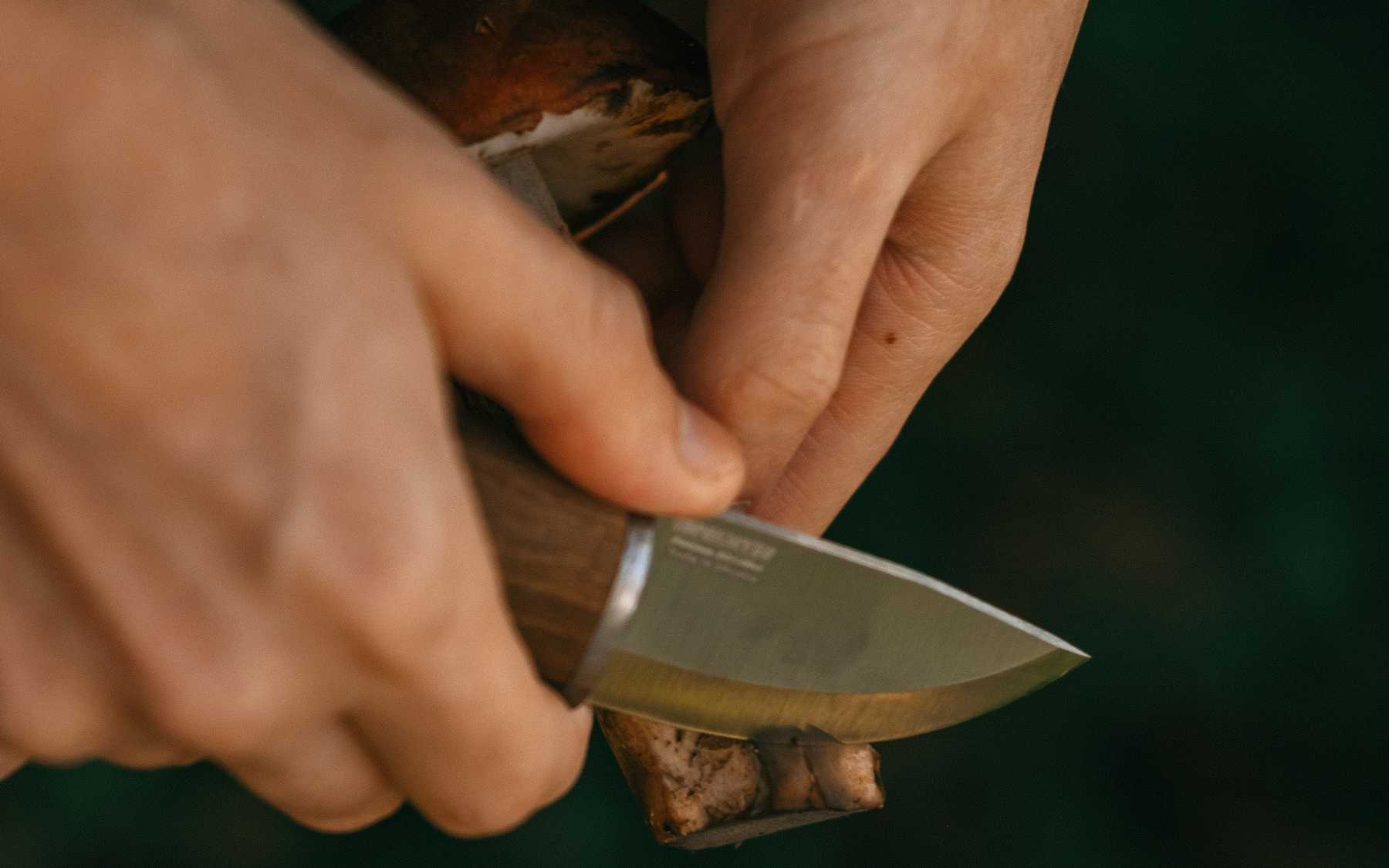
Explanation of the cutting technique
Harvesting mushrooms with a knife is a common and effective technique to ensure both the quality of the mushrooms and the health of the mycelium (the underground fungal network). So how do you cut a mushroom?
Choose the Right Tool
- Knife: Use a clean, sharp knife. A small, serrated knife or a dedicated mushroom knife with a brush on one side is ideal. The sharpness helps make a clean cut, and a brush can help remove dirt if needed.
Assess the Mushrooms
- Maturity: Check if the mushrooms are at their peak maturity. Harvest them when the cap is fully expanded but before it starts to drop spores. For most edible mushrooms, this means the cap should be flat or slightly upward-curved.
- Identification: Ensure you have correctly identified the mushroom species. Misidentification can lead to dangerous situations, as some mushrooms are toxic.
Prepare for Harvest
- Clean Hands: Wash your hands or use clean gloves to avoid contaminating the mushrooms or the growing area.
- Remove Debris: If the mushrooms are dirty, gently brush off any dirt before harvesting.
Cutting the Mushroom
- Grip the Mushroom: Hold the base of the mushroom between your fingers, or gently support it with one hand.
- Cut with the Knife: Using the knife, make a clean cut at the base of the mushroom where the stem meets the substrate (the material the mushrooms are growing on). You should aim to cut just above the mycelium to avoid damaging it. The cutting action should be smooth and controlled to avoid tearing the mushroom or the surrounding area.
- Avoid Twisting: Do not twist or pull the mushroom out of the substrate, as this can disturb the mycelium and affect future growth.
Post-Harvest Handling
- Check for Residue: After cutting, check for any remaining mushroom pieces or debris. Remove any remaining stem fragments from the substrate if they are large and not likely to break down on their own.
- Store Properly: Place the harvested mushrooms in a clean container. Avoid overcrowding, as this can cause bruising or damage to the mushrooms. A breathable container, like a basket or paper bag, is often preferred for short-term storage.
Environmental Care
- Respect the Ecosystem: If you’re harvesting in the wild, follow local guidelines for foraging. Leave enough mushrooms and mycelium intact to support future growth and avoid overharvesting.
Tips for Effective Mushroom Harvesting
- Clean Knife: Keep your knife clean and sharp for better cutting and to avoid spreading contaminants.
- Gentle Handling: Handle mushrooms gently to preserve their structure and appearance.
- Field Identification Guides: Use reliable field guides or apps for accurate mushroom identification.
Myth debunking
The lack of scientifically based understanding of things always stimulates the emergence of multiple myths. That is why we have invented a lot of mythologies in our time, which are full of invented gods and worship of elements. So let’s bow our heads, for Science speaks!
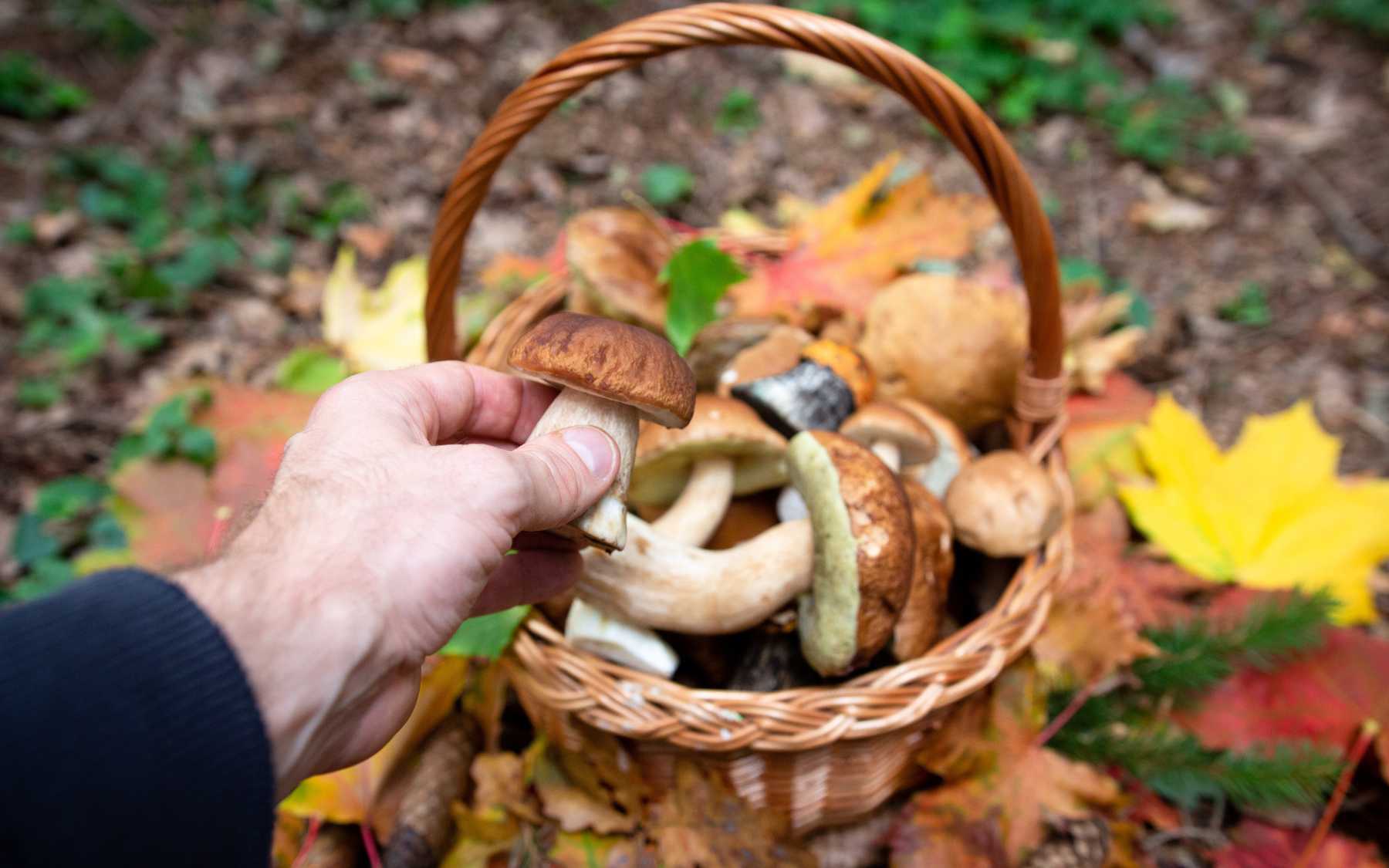
Myth: Cutting mushrooms with a knife damages the mycelium.
Reality: Cutting mushrooms above ground level does not harm the mycelium significantly. The mycelium, which is the fungal network responsible for mushroom growth, is primarily underground or within the substrate. Cutting the mushroom at the base won’t affect its ability to produce future mushrooms.
Myth: Cutting mushrooms causes them to spoil faster.
Reality: How mushrooms are handled after harvesting influences their freshness more than how they are harvested. Proper handling and storage are key factors in maintaining mushroom quality, not whether they are cut or twisted during harvesting.
Scientific insights
Cutting mushrooms instead of twisting them up is a common practice, and it has scientific and ecological underpinnings. Here’s an in-depth look at why cutting mushrooms is generally more effective and beneficial compared to other methods, based on scientific insights:
Preserving the Mycelium Network
- Scientific Insight: The mycelium is the vegetative part of a fungus, consisting of a network of hyphae (fungal threads) in the soil or substrate. This mycelium is responsible for nutrient absorption and fungal reproduction. When mushrooms are cut at the base rather than pulled, the mycelium network remains largely intact.
- Supporting Evidence: Studies show that pulling mushrooms out of the substrate can damage the mycelial mat, disrupting nutrient flow and potentially impacting future mushroom growth. For example, a study by Fritsche et al. (2016) found that harvesting mushrooms by cutting preserved the mycelium structure and contributed to better yields in subsequent cycles.
Reducing Contamination Risks
- Scientific Insight: Cutting mushrooms reduces the risk of contamination compared to pulling them, which can disturb the substrate and expose it to contaminants. This is particularly important in controlled environments like mushroom farms where cleanliness is crucial for productivity.
- Supporting Evidence: Research by Chang and Miles (2004) highlights that cutting rather than pulling mushrooms minimizes disturbance to the substrate, thus reducing the potential for contamination and disease spread in commercial mushroom cultivation.
Enhancing Mushroom Quality
- Scientific Insight: Cutting mushrooms can help maintain the quality of the fruiting bodies. Pulling mushrooms might cause bruising or damage to the delicate tissues of the mushrooms, leading to reduced market value.
- Supporting Evidence: The work of Royse (2010) indicates that harvesting by cutting results in fewer physical damages to the mushrooms, which is essential for achieving high-quality products in the market.
Increasing Yield Efficiency
- Scientific Insight: Regular and efficient harvesting practices are necessary for maximizing yields. Cutting mushrooms ensures that the remaining fungal structure continues to produce fruiting bodies, which supports more efficient use of resources.
- Supporting Evidence: A study by Anderson and Mills (2012) suggests that cutting mushrooms allows for more frequent harvests and potentially increases total yields over the growing period compared to methods that cause greater substrate disruption.
Sustainable Foraging Practices
- Scientific Insight: Foraging for wild mushrooms requires careful management to ensure the sustainability of mushroom populations. Cutting mushrooms minimizes the impact on the fungal ecosystem and promotes continued growth and reproduction.
- Supporting Evidence: The work of Lewis and Franklin (2017) shows that sustainable foraging practices, including cutting rather than uprooting mushrooms, help maintain healthy fungal communities in natural habitats, promoting long-term ecological balance.
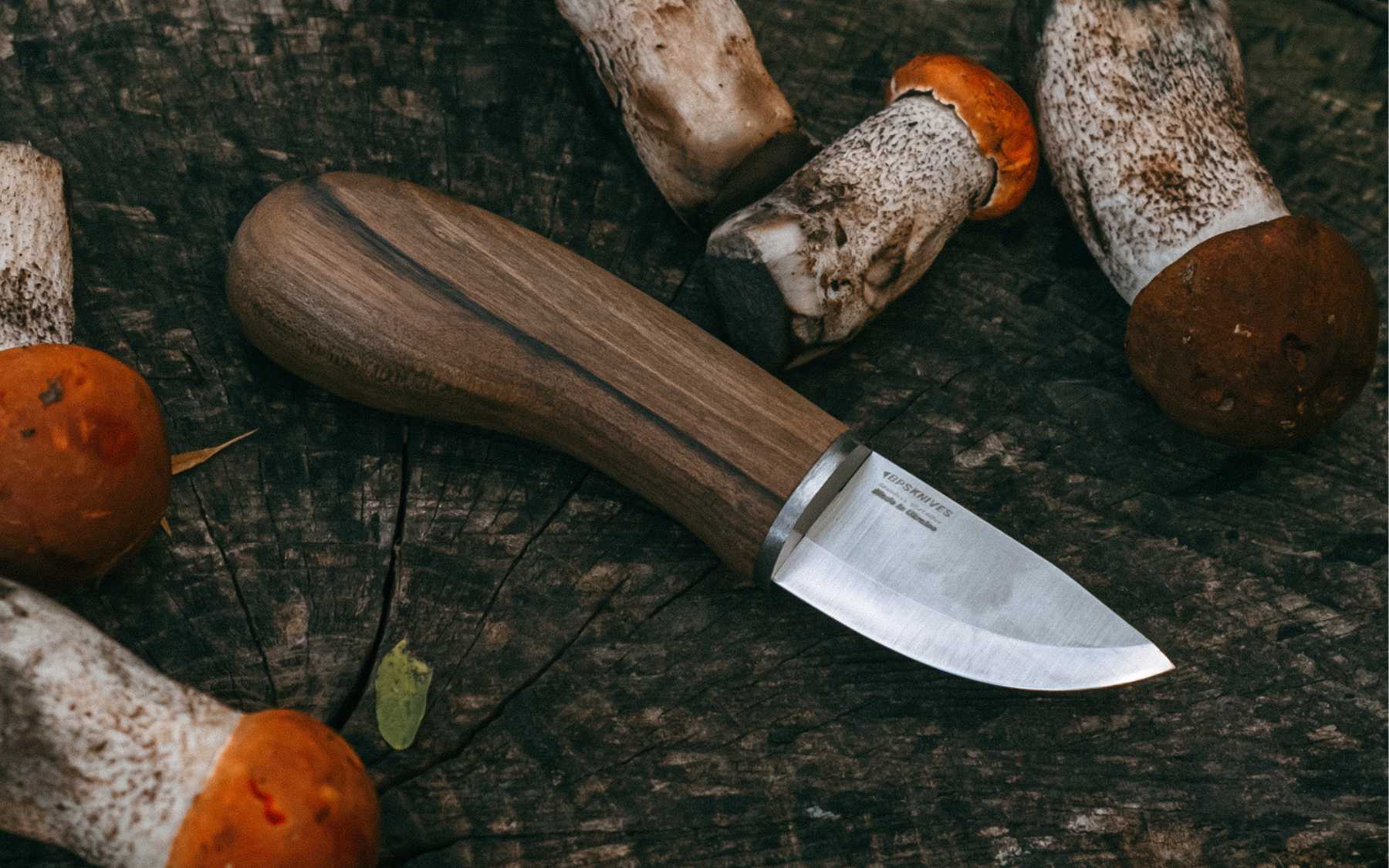
You should really check out our mushroom cutting knife MK1 SSH, it’s perfect for harvesting mushrooms!
Exploring Twisting Mushrooms
Here we get to the lovers of twisting mushrooms when picking.
Overview of the twisting technique
This technique is used to avoid damaging the surrounding environment and to ensure that the mushroom’s mycelium, the vegetative part of the fungus, remains intact for future growth.
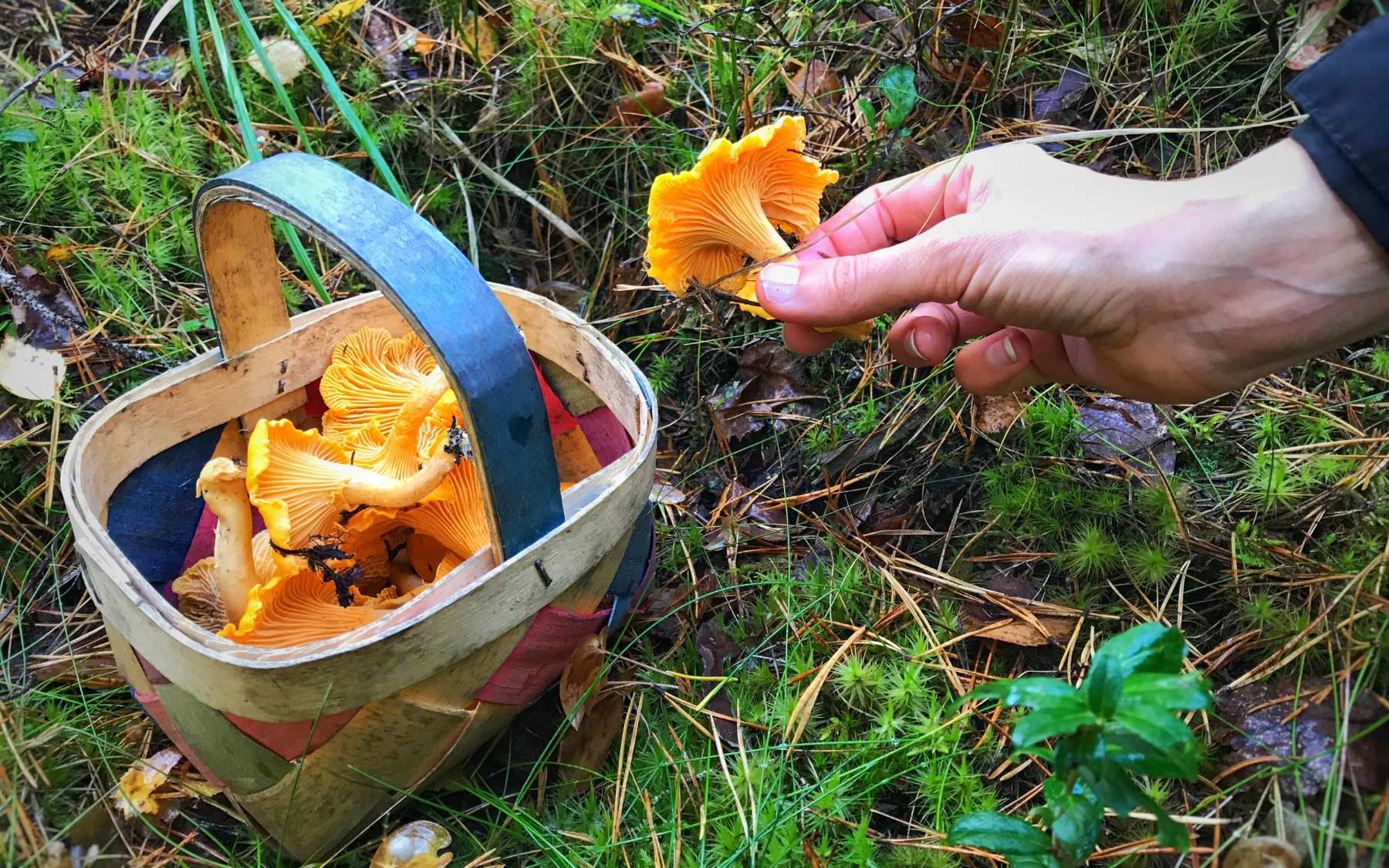
Benefits of the Twisting Technique
- Minimizes Damage: Twisting the mushroom helps to reduce damage to the mycelium network, which supports future mushroom growth and can help ensure a more sustainable harvest.
- Reduces Substrate Disturbance: This method causes less disturbance to the growing medium or natural habitat, which can be important in both commercial and foraging scenarios.
- Maintains Quality: Twisting can help maintain the quality of the harvested mushrooms by avoiding bruising or breaking of the mushroom cap and stem.
- Efficient Collection: This technique can be quick and effective for gathering large quantities of mushrooms.
Steps for the Twisting Technique
- Identify the Mushroom: Ensure that you have correctly identified the mushroom species to avoid collecting poisonous varieties.
- Grasp the Mushroom: Hold the mushroom’s base or stem gently but firmly between your thumb and fingers.
- Twist and Pull: Gently twist the mushroom in a counterclockwise direction while pulling it upward. The twisting motion helps to break the attachment of the mushroom from the substrate.
- Remove the Mushroom: Once the mushroom has been twisted out of the substrate, it should come free without much resistance.
- Inspect and Clean: Check the harvested mushrooms for any contaminants or damage. Brush off any soil or debris.
- Harvest Additional Mushrooms: Repeat the process for other mushrooms in the area, taking care not to damage nearby fungi or the growing medium.
The twisting technique is a gentle and effective method for harvesting mushrooms, balancing efficiency with care for the environment and future mushroom growth. By understanding and implementing this technique properly, both amateur foragers and professional harvesters can collect high-quality mushrooms while maintaining the health of the mycelium and the surrounding habitat.
Myths and facts
Myth: Twisting mushrooms off the stem preserves flavor.
Reality: There’s no significant flavor difference whether you twist or cut mushrooms. Flavor mainly comes from cooking technique and seasoning.
Myth: Twisting mushrooms keeps them fresher longer.
Reality: Freshness depends on storage conditions and type of mushroom, not how they are removed from stems.
Myth: Twisting mushrooms to harvest them is better because it mimics how they naturally detach from the mycelium in the ground.
Reality: Twisting mushrooms can actually be detrimental. While some mushrooms do naturally detach easily, twisting can damage the mycelium and surrounding fungi network in the soil. This can hinder future mushroom growth in that spot.
Research findings
The twist method of mushroom picking refers to a technique used to harvest mushrooms without damaging the mycelium or the surrounding ecosystem. Here are some scientific insights and considerations related to this method:
- Preservation of Mycelium: Mycelium is the vegetative part of a fungus, consisting of a network of thread-like hyphae. It plays a crucial role in nutrient cycling and ecosystem health. When picking mushrooms, especially those that grow in clusters or have underground mycelial networks (like many edible fungi), the twist method aims to minimize disturbance to this network. By gently twisting the mushroom rather than pulling or cutting it, you reduce the risk of damaging the mycelium, allowing the fungus to continue its ecological functions.
- Ecosystem Impact: Mushrooms form symbiotic relationships with plants and trees, providing essential nutrients in exchange for sugars. Disturbing these relationships can impact the health of the entire ecosystem. The twist method helps maintain the balance by ensuring that the mycelium remains intact, thus preserving these ecological interactions.
- Spore Dispersal: Many mushrooms release spores from the gills or pores underneath their caps. Proper mushroom harvesting techniques, such as twisting, can aid in spore dispersal. When you twist the mushroom, some spores may fall back onto the ground, potentially leading to the growth of new mushrooms in the area. This natural dispersal contributes to the sustainability of mushroom populations.
- Regulation and Sustainability: In some regions, regulations govern mushroom picking to protect biodiversity and prevent overharvesting. Practices like the twist method align with these sustainability goals by ensuring that mushrooms are harvested in a way that allows for continued reproduction and growth of fungal populations.
- Identification and Safety: Proper identification of mushrooms is crucial for both safety and conservation efforts. Using the twist method can help in the identification process, as it allows you to observe the base of the mushroom and other distinguishing features that might be obscured if the mushroom is forcefully removed or cut.
- Educational and Recreational Value: Teaching the twist method in mushroom harvesting promotes responsible foraging practices among enthusiasts. It encourages a deeper understanding of fungal biology and the interconnectedness of organisms in ecosystems.
In summary, the twist method of mushroom picking is more than just a technique, it embodies principles of ecological stewardship and sustainable harvesting practices. By respecting the fungus and its environment, practitioners contribute to the conservation of biodiversity and the long-term health of ecosystems.
Factors to Consider in Mushroom Harvesting
Now let’s talk about the mushrooms themselves!
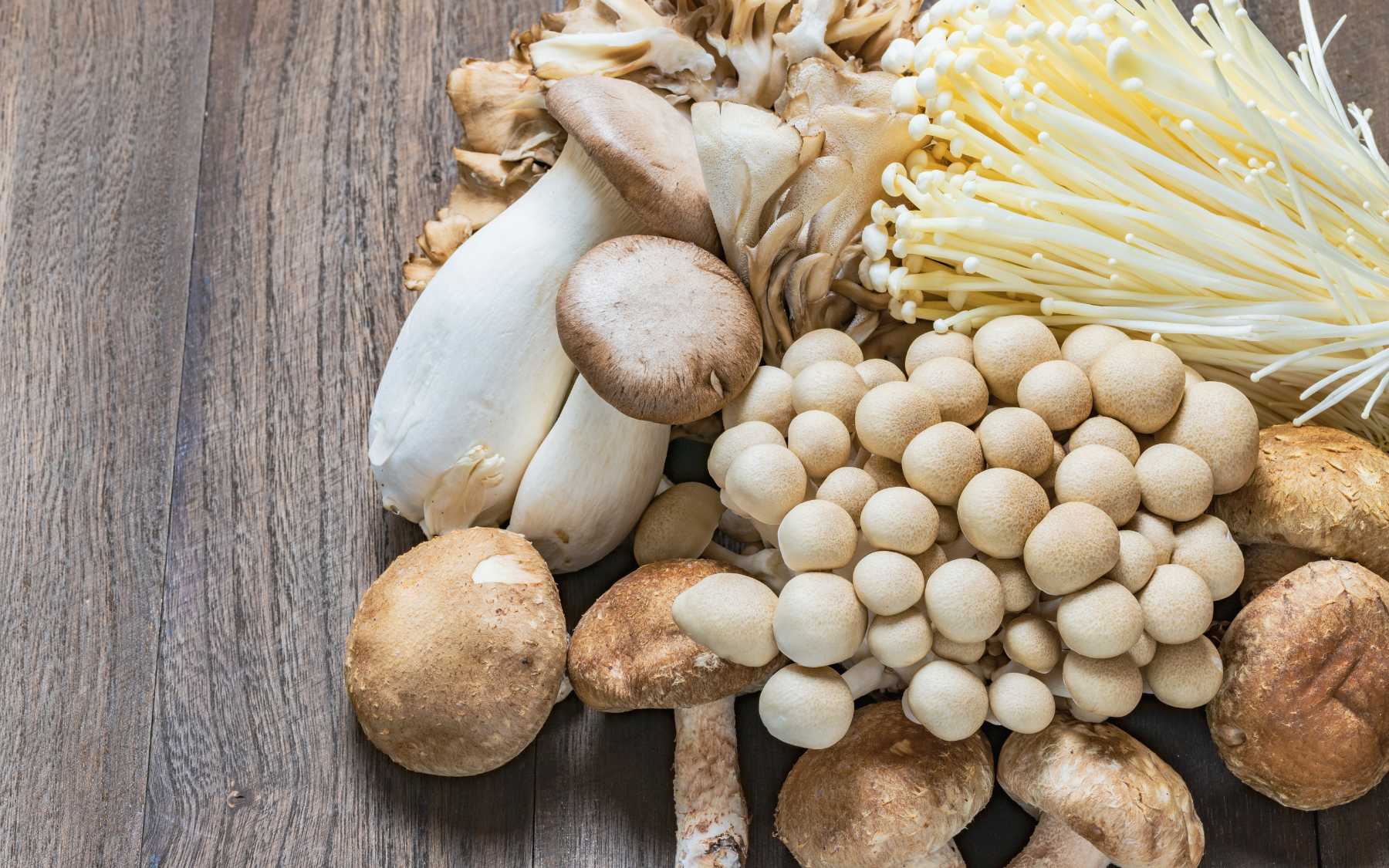
Mushroom Species Variability
There is a great variety of mushrooms, both edible and not so edible, with species counts ranging from 20,000 to over 100,000 worldwide. The most important thing in this case is to be able to distinguish between a champignon and a fly agaric, for example. Unless you want to cosplay a berserker from the ancient Scandinavian sagas, which abused fly agaric and crushes everything around with the foam from the mouth.
Now, there are mushrooms like this:
- Edible Mushrooms: These include well-known varieties like button mushrooms, portobello, shiitake, and oyster mushrooms. They are widely used in culinary dishes worldwide for their flavor and nutritional benefits и их спокойно можно есть.
- Medicinal Mushrooms: Certain mushrooms are valued not just for their taste but for their potential health benefits. Examples include reishi, lion’s mane, and cordyceps, which are believed to support the immune system, cognitive function, and overall well-being.
- Toxic Mushrooms: Unfortunately, some mushrooms are poisonous and can cause serious harm or even death if ingested. Examples include the death cap and destroying angel mushrooms. Proper identification is crucial to avoid accidental poisoning.
- Psychedelic Mushrooms: And here are the very mushrooms that “expand consciousness”, allow you to “speak to the gods” and can put you into a “holy battle rage”. It’s clear to everyone that this is utter rubbish! In fact, these mushrooms simply destroy your psyche and nervous system, which leads to very, very terrible consequences. If you decide to become a mushroom hunter, first of all learn to identify them. A prominent representative of this type of mushroom is the fly agaric.
- Truffles: a favourite of most food lovers, particularly the black truffle and white truffle. They have a strong, distinctive flavor and are considered a luxury ingredient. They are usually searched for with the help of specially trained pigs.
- Lichen: Although not technically mushrooms, lichens are symbiotic organisms composed of fungi and algae or cyanobacteria. They are important in ecosystems for their roles in soil formation and as food sources for animals.
- Cultivated Mushrooms: Many mushrooms, such as button mushrooms and shiitakes, are commercially cultivated due to their popularity in cooking. This ensures a consistent supply and quality for consumers.
Environmental Impact
And of course mushrooms affect the world around them, where in a good way and where in a bad:
Positive Environmental Impacts:
- Carbon Sequestration: Mushrooms, especially mycorrhizal fungi, play a crucial role in sequestering carbon from the atmosphere. They form symbiotic relationships with plants, enhancing their ability to absorb carbon dioxide and store carbon in the soil.
- Biodegradation and Recycling: Mushrooms are powerful decomposers, breaking down organic matter such as dead trees, leaves, and animal remains. This process releases nutrients back into the soil, enriching it and supporting plant growth.
- Soil Health: Fungi associated with mushrooms contribute to soil health by improving its structure, increasing water retention, and promoting the growth of beneficial microbes.
- Alternative to Meat: Cultivated mushrooms (e.g., oyster, shiitake) can be a sustainable protein source, requiring less land, water, and energy compared to livestock production.
- Natural Pesticides: Some mushrooms produce compounds that can deter or kill pests and pathogens, reducing the need for synthetic pesticides.
Negative Environmental Impacts:
- Deforestation: Wild mushroom harvesting can contribute to deforestation if not managed sustainably, especially in areas where mushrooms grow naturally in forests.
- Energy and Resource Use: The cultivation of mushrooms, especially in large-scale operations, can require significant energy for heating, lighting, and transportation of materials.
- Waste Generation: Mushroom cultivation generates by-products such as spent substrate and packaging materials, which can contribute to waste if not properly managed or recycled.
- Water Use: Although mushrooms require less water compared to many other crops, commercial mushroom cultivation still uses water for irrigation and substrate preparation.
Overall, mushrooms have a positive environmental impact through carbon sequestration, biodegradation, and soil health improvement. However, negative impacts can arise from unsustainable harvesting practices, energy use in cultivation, waste generation, and water consumption. Sustainable practices in cultivation and harvesting, along with research into efficient production methods, are crucial for maximizing the environmental benefits of mushrooms while minimizing their drawbacks.
Expert Opinions and Insights
It’s good to have scientists and experts to break it all down for us:
Cutting Mushrooms:
- Clean Cut: Proponents of cutting argue that using a clean knife ensures a smooth separation from the substrate (where mushrooms grow), minimizing damage to the mycelium (the fungal network).
- Hygiene: Cutting with a sharp knife reduces the risk of introducing contaminants that could harm the mycelium or future mushroom growth.
- Precision: By cutting, harvesters can select mature mushrooms precisely, leaving smaller or immature ones to continue growing.
- Long-term Yield: Some studies suggest that cutting instead of twisting can potentially lead to better long-term yields by maintaining the health of the mycelium.
Twisting Mushrooms:
- Quick Harvest: Twisting is often faster and more convenient, especially when harvesting a large number of mushrooms.
- Traditional Practice: In some cultures and traditions, twisting has been the customary method of harvesting mushrooms without apparent negative effects on future yields.
- Less Equipment Needed: Twisting requires no tools, making it accessible and simple for recreational or small-scale mushroom harvesting.
Expert Opinions:
- Scientific Studies: While scientific studies on this specific debate are somewhat limited and context-dependent, general principles of fungal biology suggest that minimizing disturbance to the mycelium (such as through clean cutting) may be beneficial.
- Cultural Practices: In regions where mushroom harvesting is a traditional practice, local wisdom often favors methods that have been used for generations, including twisting or using mushrooming tools.
- Variation by Species: Different species of mushrooms may respond differently to cutting or twisting, so practices can vary based on the type of mushroom being harvested.
Conclusion: Finding a Balanced Approach
So, what’s the answer? Cut or twist? The answer is simple – do it the way you like! If you have a knife, then of course it is better to cut the mushroom, it will be faster and more convenient! But if you do not have a knife or you just like to twist them – feel free to twist, no negative consequences. That’s all, and now go ahead, into the forest, mushrooms will not pick themselves without you!