
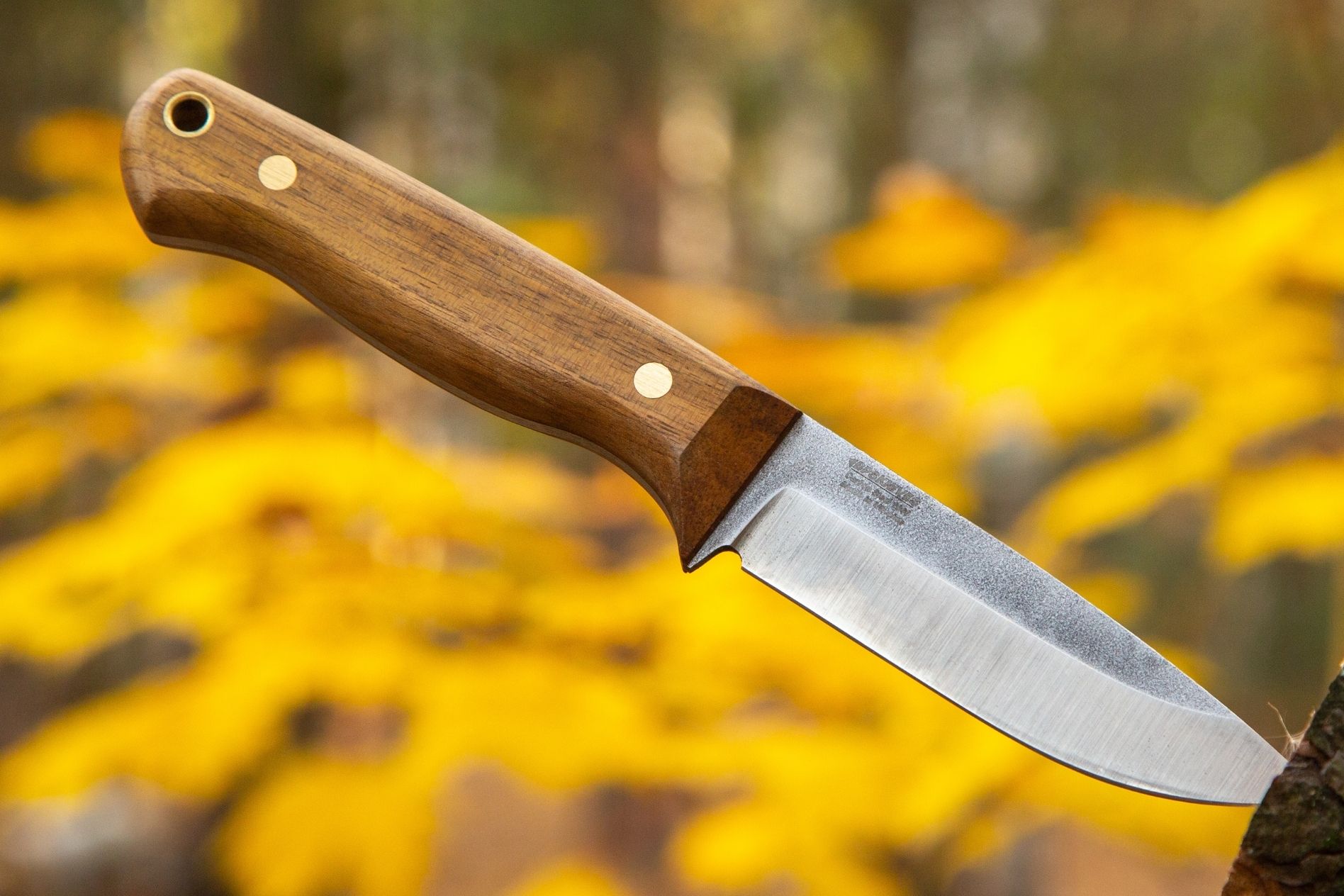
No matter how exceptional your blade is, it’s destined for constant — and often brutal — use, especially if you’re an outdoor adventure maniac! Chopping through bone, cutting branches for a fire, batoning, even using your knife as a pry tool — all of that will inevitably leave scratches on the blade, and possibly chips, dents, or even rolled edges. And we definitely don’t want that, do we? So, what’s the solution?
What is blade treatment and why is it needed at all
That’s where blade finishing comes to the rescue! It’s not just about aesthetics — though a well-finished blade can look stunning. More importantly, it’s a crucial layer of protection that helps prevent premature wear and damage. Blade finishing (also called surface finishing) involves altering the blade’s surface using mechanical, chemical, or thermal methods. And it serves several important purposes:
- Protection from external elements (scratches, corrosion, moisture)
- Improved performance (reduced friction during cutting, minimized glare)
- Extended lifespan of the knife
- Enhanced appearance, whether for visual appeal or tactical purposes
Without a proper finish, even the highest-quality steel will wear down faster, oxidize more easily, and show scratches much sooner.
Why surface treatment is important – basic concepts
Surface treatment affects multiple performance factors:
- Friction: A smoother or treated surface reduces drag while cutting.
- Corrosion resistance: Coatings or chemical treatments act as a barrier against moisture and oxygen.
- Hardness: Some treatments can slightly harden the surface or reduce micro-abrasions.
- Aesthetics: Finish plays a big role in the visual appeal and perceived quality.
Acid stonewash knife blade effect of finish on wear resistance, corrosion, appearance
1. Stonewash steel Finish
- Process: The blade is tumbled with abrasive materials, creating a textured, matte finish.
- Scratch resistance: High – the finish hides scratches well, since new ones blend into the texture.
- Corrosion: Moderate – it may retain micro-pockets where moisture can collect unless paired with stainless steel.
- Appearance: Rugged, utilitarian, less prone to showing fingerprints.
2. Acid-Wash (or Acid-Etched) Finish
- Process: The blade is dipped in an acidic solution (like ferric chloride), then often stonewashed.
- Scratch resistance: Moderate – slightly better than satin finishes, but less so than heavy stonewash finish knife.
- Corrosion: Lower – the acid can create micro-pitting, which may encourage rust without proper maintenance.
- Appearance: Dark, tactical, often with a “battle-worn” aesthetic.

Stonewashed meaning – Properties, Advantages, Disadvantages
So as we already said above, stonewash is a popular knife blade finish achieved by tumbling the blade with abrasive materials like ceramic stones or sand in a vibratory or rotary tumbler. The result is a textured, matte finish with a rugged, worn-in appearance that hides wear and tear exceptionally well. This type of blade finish is extremely popular and highly effective for knives used in camping, hiking, survival, hunting, fishing, and everyday carry — in short, for any knives designed to perform in harsh and demanding conditions.
How is Stonewash Made
The stonewashing process involves placing the blade (often pre-coated or partially finished) in a tumbler filled with abrasive media. As the blade is agitated, the surfaces are evenly scratched and dulled, creating a random, non-reflective pattern. There are different variations:
- Dry stonewash (traditional): No liquids used; produces a rougher finish
- Acid stonewash (or blackwash): Blade is acid-etched before stonewashing for a darker, more weathered appearance
- Tumbled stonewash: Uses lubricant during tumbling, yielding a smoother finish
Advantages of Stonewash: Scratch Concealment, Ease of Care
- Scratch Concealment: One of the primary benefits is that it hides scratches, scuffs, and fingerprints far better than polished or satin finishes. This makes it ideal for working knives
- Ease of Care: The textured finish requires minimal maintenance and doesn’t show smudges or corrosion as easily. It can mask patina development on carbon steel blades
- Low Reflectivity: Stonewashed blades are non-glare, which is useful in tactical or hunting environments
Disadvantages of Stonewash: Does It Always Look Good, Slip, Quality Control
- Aesthetic Variability: Stonewash doesn’t appeal to everyone. Some prefer cleaner or more refined finishes like satin or mirror polish. Also, inconsistency in the tumbling process can lead to irregular finishes across batches or even within a single blade.
- Grip and Slip: While the blade finish doesn’t usually affect grip directly, stonewashed handles (if present) can sometimes feel slicker compared to textured or bead-blasted handles
- Quality Control: If not done properly, stonewashing can round off edges (like the spine or choil), dull blade branding, or obscure grind lines. Lower-end knives may use stonewash to mask imperfections in the steel or machining.

What is acid wash knife blade
Acid-wash is a finishing process applied to knives to alter the surface texture and appearance by using acidic solutions! This treatment etches the metal, creating a distinctive matte or distressed look that can enhance the knife’s aesthetic appeal while also providing practical benefits.
How is acid-wash created
Acid-wash is created by immersing the knife blade in a controlled acidic bath, typically using solutions like hydrochloric acid or other mild acids. The acid reacts with the metal surface, selectively removing microscopic layers and imperfections. The process can be adjusted in concentration and duration to achieve varying levels of etching, resulting in a textured, matte finish. After the acid bath, the blade is thoroughly rinsed and neutralized to stop the reaction. Acid wash blades food safe by the way!
Advantages: wear concealment, unique appearance
- Wear Concealment: The textured, matte surface created by acid-washing helps hide scratches, fingerprints, and wear marks that would be more visible on polished blades.
- Unique Appearance: Acid-washing produces a rugged, industrial, or vintage look that makes each knife distinct, appealing to collectors and users who prefer a less conventional finish.
Disadvantages: potential heterogeneity, impact on corrosion resistance
- Potential Heterogeneity: Acid etching can sometimes result in uneven surface textures or color variations, especially if the acid bath is not perfectly controlled or the metal surface is inconsistent.
- Impact on Corrosion Resistance: The acid can strip protective coatings or disrupt the metal’s passivation layer, potentially making the good blade more susceptible to rust or corrosion if not properly maintained afterward.

Comparison of stonewash and acid-wash in real use
So, what should you choose, my dear friend?
Which finish hides scratches better
Stonewash finishes typically do a great job at hiding scratches because the surface is uniformly textured with small pits and abrasions, which mask new wear marks. Acid-wash also conceals scratches well due to its etched, matte look, but the irregular etching can sometimes make scratches more visible in certain lighting conditions. Overall, stonewash is often considered slightly better for scratch concealment.
How do surfaces behave with different finishes for daily EDC
Stonewash finishes tend to be more durable and forgiving for everyday carry (EDC) use, as their uniform texture resists showing fingerprints and smudges. Acid-wash surfaces, with their more varied texture, can look unique but may develop uneven wear patterns over time. Both finishes reduce glare and provide good grip, but stonewash is generally favored for consistent performance.
Rust resistance: does etching affect anti-corrosion properties
Both finishes involve some form of surface alteration, but acid-wash’s chemical etching can potentially weaken the blade’s natural corrosion resistance by removing the protective oxide layer. Stonewash, which is primarily a mechanical abrasion process, generally preserves this protective layer better. Proper maintenance is essential with both finishes to prevent rust, but acid-wash blades may require more careful upkeep.
What is easier to maintain and clean
Stonewash finishes are typically easier to clean because the surface texture is consistent and less likely to trap dirt or debris. Acid-wash blades, due to their uneven etched surface, can sometimes hold onto grime more stubbornly, making cleaning a bit more challenging. For low-maintenance users, stonewash is often preferred.
Conclusion
All in all, a stonewash finish is an excellent choice for knives that are put through tough, extreme conditions — like survival, hunting, or hardcore camping. On the other hand, an acid-wash finish is perfect for collector’s pieces, where style and visual impact really matter. And that’s it for now! We’ll be back soon—until then, stay sharp and ready for the next adventure.