
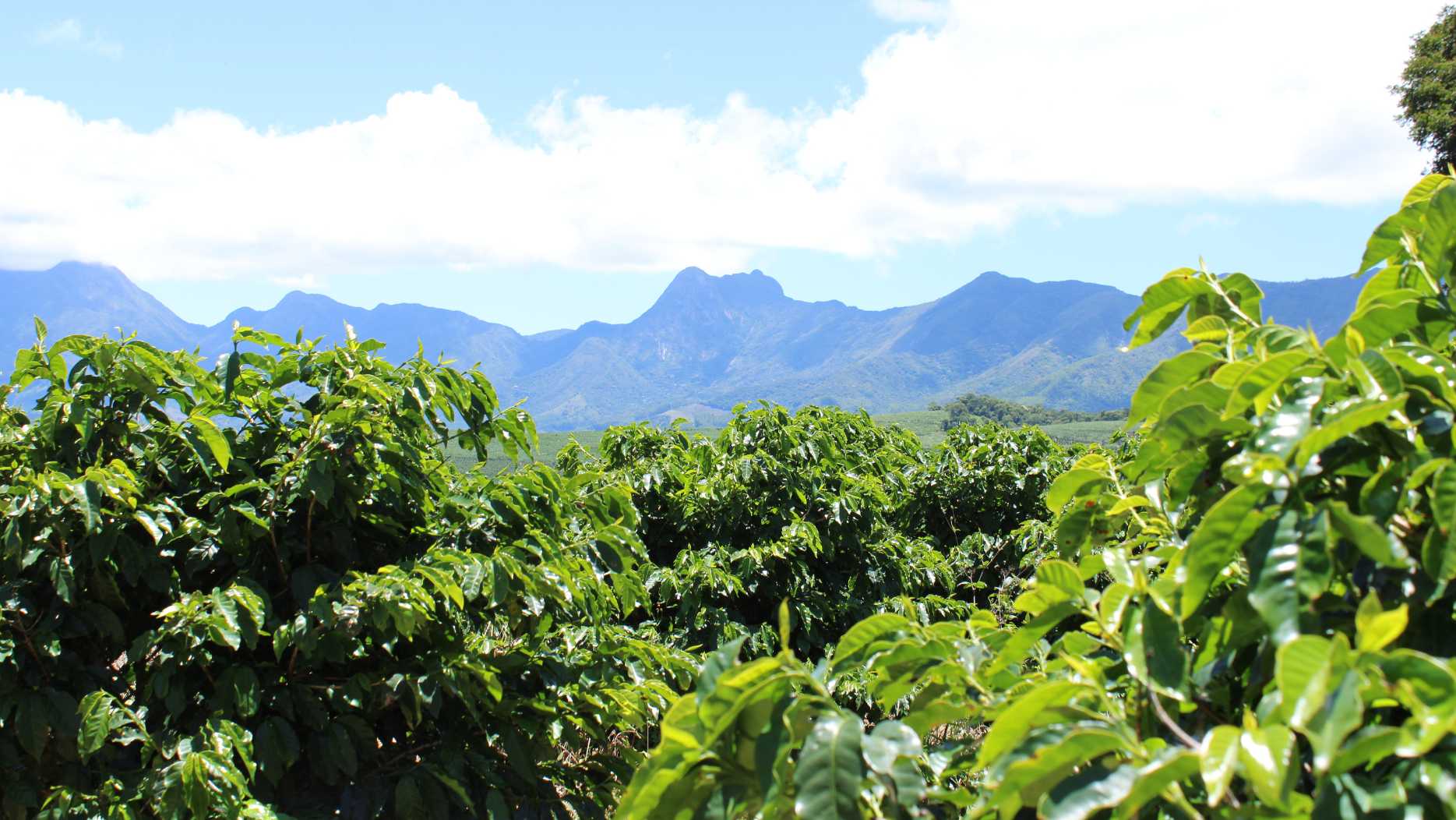
Tropical regions are always so beautiful! Palm trees, sand, lush vegetation, poisonous spiders and snakes, malarial mosquitoes, predators jumping at you from trees and God knows what else. Going into the tropical wilderness unprepared and without EDC kit has always been a bad decision, but even without any equipment at all, it is possible to survive in this area. And we’ll tell you how in our survival blog!
Introduction to Survival in Tropical and Subtropical Regions
Climate and Weather Conditions
Climate and weather conditions in tropical and subtropical regions are characterized by several distinct features due to their geographic locations and atmospheric dynamics.

Tropical Regions
Climate
- Temperature: High year-round with minimal seasonal variation. Average temperatures in tropical climate typically range from 20°C to 30°C (68°F to 86°F).
- Precipitation: High annual rainfall, often exceeding 2000 mm (78 inches). Rainfall is usually evenly distributed throughout the year or has a pronounced wet season.
- Humidity: High humidity levels due to the abundant moisture in the atmosphere.
- Seasons: Generally characterized by wet and dry seasons rather than the four distinct seasons seen in temperate regions.
Weather Conditions
- Rainfall: Frequent and heavy rainfall, often in the form of thunderstorms.
- Cyclones and Hurricanes: These regions are prone to tropical cyclones, hurricanes, or typhoons, especially during certain times of the year.
- Trade Winds: Consistent wind patterns known as the trade winds blow from east to west.
Subtropical Regions
Climate
- Temperature: Warm to hot summers and mild winters. Average temperatures in summer range from 25°C to 35°C (77°F to 95°F), while winter temperatures typically range from 10°C to 20°C (50°F to 68°F).
- Precipitation: Varied rainfall patterns, often with wet and dry seasons. Coastal regions may receive significant rainfall, while inland areas can be arid or semi-arid.
- Humidity: Varies widely; coastal areas are more humid, while inland regions can be quite dry.
- Seasons: More distinct seasons compared to tropical regions, with a noticeable difference between summer and winter.
Weather Conditions
- Rainfall: Seasonal rains, with some areas experiencing monsoons.
- Storms: Prone to occasional severe weather, including thunderstorms and, in some areas, cyclones.
- Winds: Varied wind patterns, including trade winds in some coastal regions and more variable winds inland.
Summary
- Tropical Regions: Hot, humid, and rainy year-round with minimal temperature variation, characterized by frequent thunderstorms and vulnerability to cyclones.
- Subtropical Regions: Warm to hot summers, mild winters, varied rainfall patterns, and distinct seasonal changes. Coastal areas are humid, while inland regions can be dry.
Both regions experience significant climatic influences from their proximity to the equator and the dynamics of the Earth’s atmospheric circulation. So don’t forget your tropical survival kit.
Essential Survival Skills
So, let’s talk about the most important survival skills in the tropics:
Finding and Purifying Water
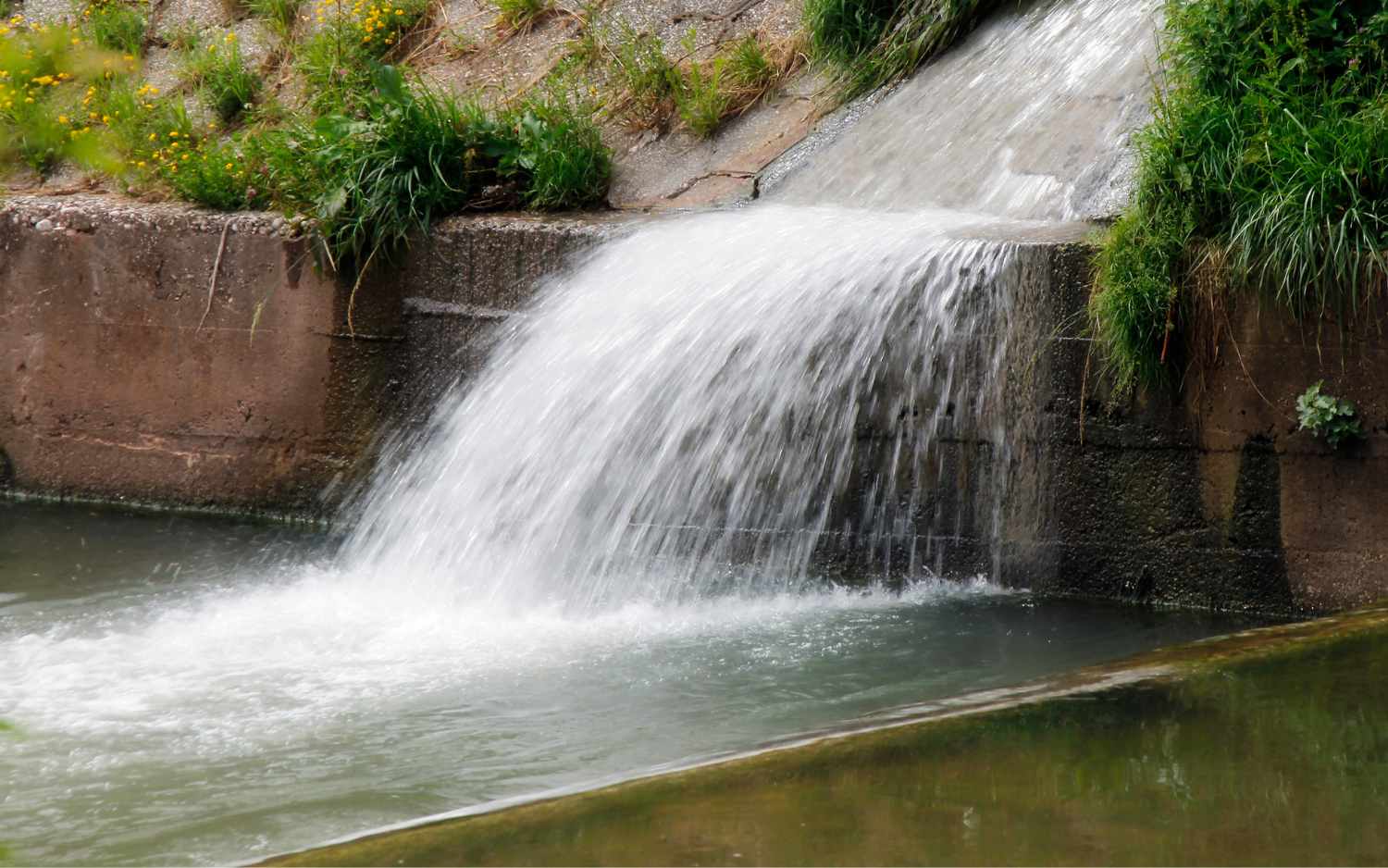
Finding fresh water in the tropics is not as easy as it sounds! You can try to find a stream, river or vegetation that contains water (certain plants like bamboo and vines can store water, banana and plantain trees can be cut to extract water from their trunks). You can also try to collect rainwater or look for water in the soil, digging near riverbanks or dry stream beds can sometimes reveal water just below the surface.
That’s all well and good, but how do you find water when none of these things are around? There is an answer! Look carefully on the ground for animal tracks, which often lead to the nearest water source. Also look out for insects, because swarms of insects can indicate nearby water too.
Nice, you’ve found water! But don’t rush to drink it, it may contain microorganisms that will make you dead. First bring water to a rolling boil for at least 1 minute (3 minutes at higher altitudes) to kill most pathogens, and if you have special water filtration equipment, it becomes even easier.
Here are a few more rules of survival that can save your health and life:
- Avoid Stagnant Water: It is more likely to contain harmful bacteria and parasites.
- Pre-Filter Water: Remove large particles by straining water through a cloth or coffee filter before further purification.
- Keep Equipment Clean: Ensure all containers and tools used for water collection and storage are clean to avoid contamination.
- Stay Hydrated: In hot and humid climates, staying hydrated is crucial, but always ensure the water is safe to drink.
Building Shelter
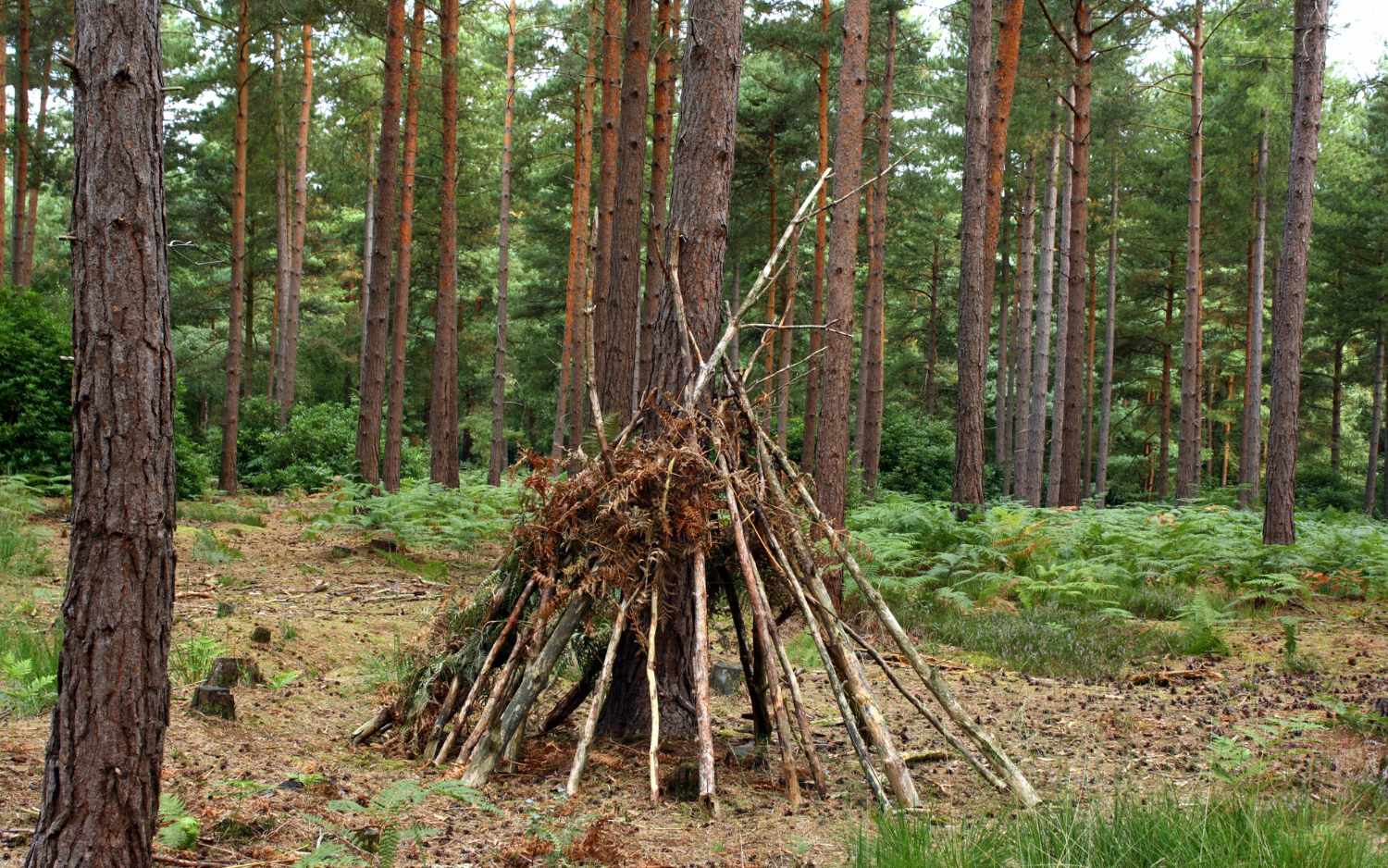
Well, you have water, thank God! Now you need to protect yourself from heat, rain, wind and just need a place in which you will sleep. You will have to build a shelter from improvised materials by using a survival knife.
But building a shelter anywhere is a big mistake. You should choose higher ground to avoid flooding. Stay away from potential hazards like falling branches, rocky outcrops, or animal trails. Look for natural windbreaks like dense vegetation or hills. Make sure your shelter is close enough to the water but not too close, otherwise you may be bitten by mosquitoes or disturbed by animals, including those with a mouth full of sharp teeth.
You should use wood, branches and leaves to build your tropical survival shelter. There are several types of shelters:
Materials: Long branches for the frame, shorter branches, leaves, and grass for covering.
Construction:
- Find two sturdy trees about 2-3 meters apart.
- Lean a long branch horizontally between the two trees.
- Lean smaller branches against the horizontal branch at a 45-degree angle.
- Cover the structure with leaves, grass, and other vegetation to provide insulation and protection from rain.
A-Frame Shelter
Materials: Two strong branches for the frame, smaller branches, leaves, and grass.
Construction:
- Create a triangular frame by leaning two long branches against each other at an angle, securing their tops.
- Lay smaller branches against both sides of the triangle to create the A-frame.
- Cover with leaves and grass for insulation and rain protection.
Debris Hut
Materials: Sturdy branch for the main support, smaller branches, leaves, and debris.
Construction:
- Place a sturdy branch horizontally between two trees or prop it up on one end with a forked branch.
- Lean smaller branches against both sides of the main support to form a frame.
- Cover the frame with leaves, grass, and other debris to create thick insulation.
Tarp Shelter
Materials: Tarp, rope, stakes or sturdy branches.
Construction:
- Secure one end of the tarp to a tree or a high point.
- Stretch the tarp out and secure the corners to the ground using stakes or tying to nearby branches.
- Ensure the tarp is taut to prevent water pooling.
Additional Considerations
Insulation:
- Use dry leaves, grass, and other vegetation to insulate the floor of the shelter to keep warm and dry.
Weatherproofing:
- Ensure the shelter has a steep enough angle to allow rain to run off.
- Add extra layers of vegetation for better protection from heavy rain.
Insect Protection:
- Use natural insect repellents like certain plants (e.g., citronella, eucalyptus).
- Consider creating a smoke source to keep insects away.
Ventilation:
- Ensure there is adequate airflow to avoid condensation and maintain fresh air.
Fire Safety:
- Build your fire a safe distance from the shelter to prevent accidents.
- Ensure there is a clear space around the fire to avoid spreading.
Tips
- Practice: Build a shelter before you actually need it to become familiar with the process.
- Use Local Knowledge: If possible, learn from indigenous people or local guides who know the best materials and techniques for building shelters in the region.
- Adaptability: Be prepared to adapt your shelter to the specific conditions you encounter.
Fire Starting
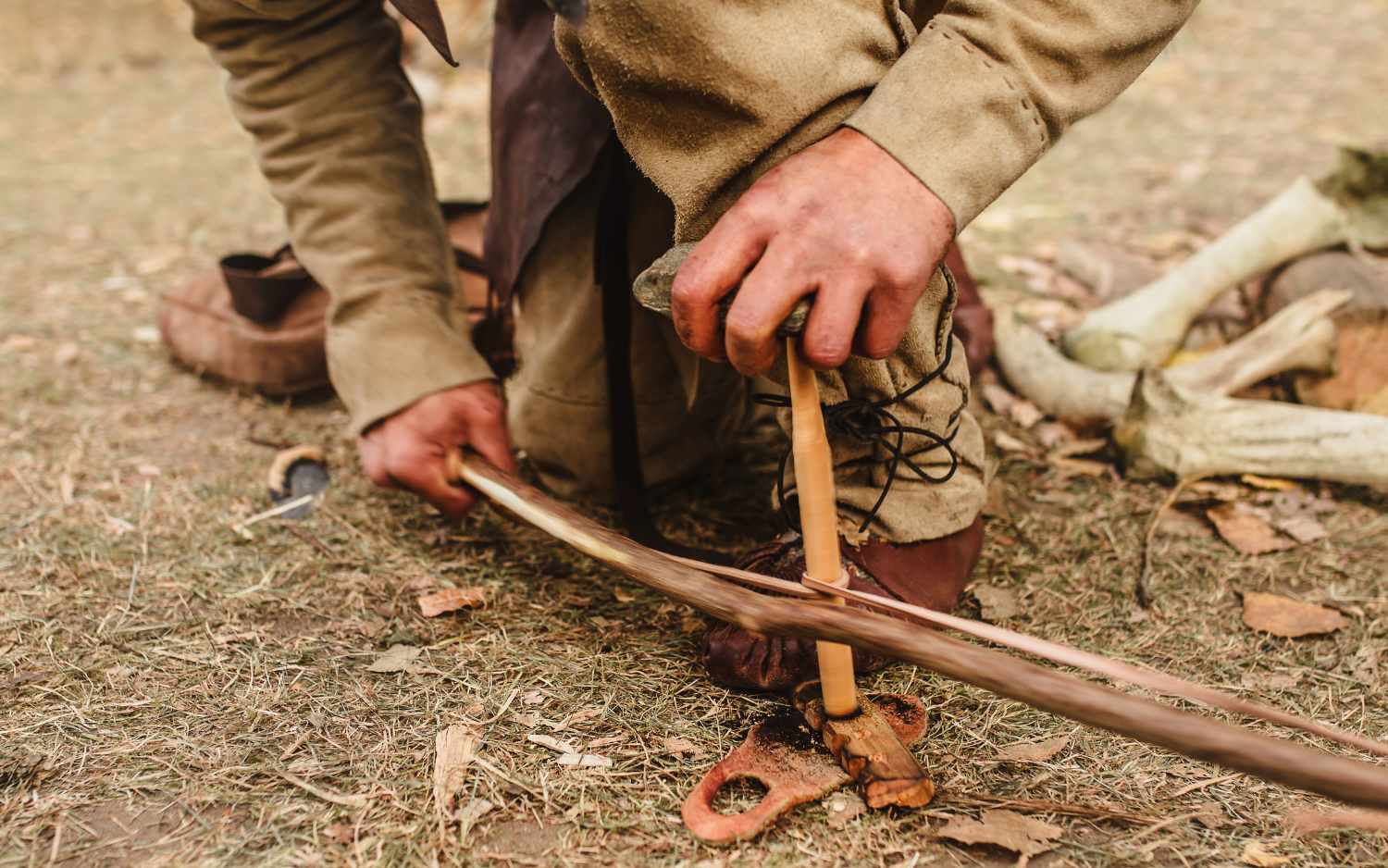
Fire has given life to human civilization and saved a lot of lives, so it will save yours as well. But trying to build it in the tropics can be a challenging survival action, because of heavy rains and strong winds. But there are a few tricks to succeed:
Materials
Tinder: Small, dry, and easily combustible materials to catch the initial spark or flame.
- Dry leaves
- Grass
- Pine needles
- Bark shavings (birch bark is especially good)
- Cotton balls (preferably soaked in petroleum jelly)
Kindling: Slightly larger materials that catch fire from the tinder and help build the flame.
- Small twigs
- Dry sticks
- Splintered wood
Fuel: Larger pieces of wood to keep the fire burning.
- Logs
- Larger branches
Fire Starting Methods
Fire Plough:
- Materials: A hard stick (plough) and a softer wood base.
- Method: Create a groove in the base and rub the plough back and forth rapidly in the groove to generate friction and heat, eventually creating an ember.
Bow Drill:
- Materials: Bow (curved branch and cord), spindle (straight stick), hearth (flat piece of wood), and a bearing block (stone or hard wood).
- Method: Wrap the cord around the spindle, place the spindle on the hearth, and use the bow to spin the spindle rapidly to create friction and an ember.
Flint and Steel:
- Materials: Flint rock and a piece of carbon steel.
- Method: Strike the flint against the steel to produce sparks that ignite the tinder.
Fire Steel (Ferro Rod):
- Materials: Ferrocerium rod and a striker.
- Method: Scrape the striker against the ferro rod to produce sparks that ignite the tinder.
Magnifying Glass (Solar Ignition):
- Materials: Magnifying glass or a lens.
- Method: Focus sunlight through the magnifying glass onto the tinder to create enough heat to ignite it. This works best on sunny days.
Chemical Methods:
- Potassium Permanganate and Glycerin: Mix these chemicals to create a reaction that produces a flame.
- Battery and Steel Wool: Touch the ends of a battery (preferably a 9-volt) to steel wool to create sparks.
Building and Maintaining the Fire
Prepare the Site:
- Clear the area of debris and create a fire ring using stones to contain the fire.
- Use a fire platform of green sticks to keep the fire off wet ground.
Arrange the Tinder, Kindling, and Fuel:
- Teepee Method: Place the tinder in the center and arrange the kindling around it in a teepee shape, with larger fuel wood on the outside.
- Log Cabin Method: Create a square frame with larger logs and place the tinder and kindling inside the frame.
Ignite the Tinder:
- Use your chosen method to ignite the tinder, and gently blow on it to help the flame catch.
Add Kindling Gradually:
- Once the tinder is burning, add small kindling gradually, ensuring it catches fire before adding more.
Add Fuel:
- Once the kindling is burning well, add larger pieces of fuel wood to keep the fire going.
Tips for Tropical and Subtropical Regions
Dry Your Materials:
- Collect materials that are sheltered from rain, such as under overhangs or inside dead trees.
- Dry wet materials by placing them near the fire once it’s started.
Use Resinous Woods:
- Woods like pine contain resin, which burns easily even when slightly damp.
Prepare in Advance:
- Gather more tinder and kindling than you think you’ll need, as maintaining a fire in humid conditions can be challenging.
Protect Your Fire:
- Build a windbreak using logs or rocks to shield the fire from wind and rain.
- Consider building a reflector wall behind the fire to reflect heat.
Navigation and Orientation
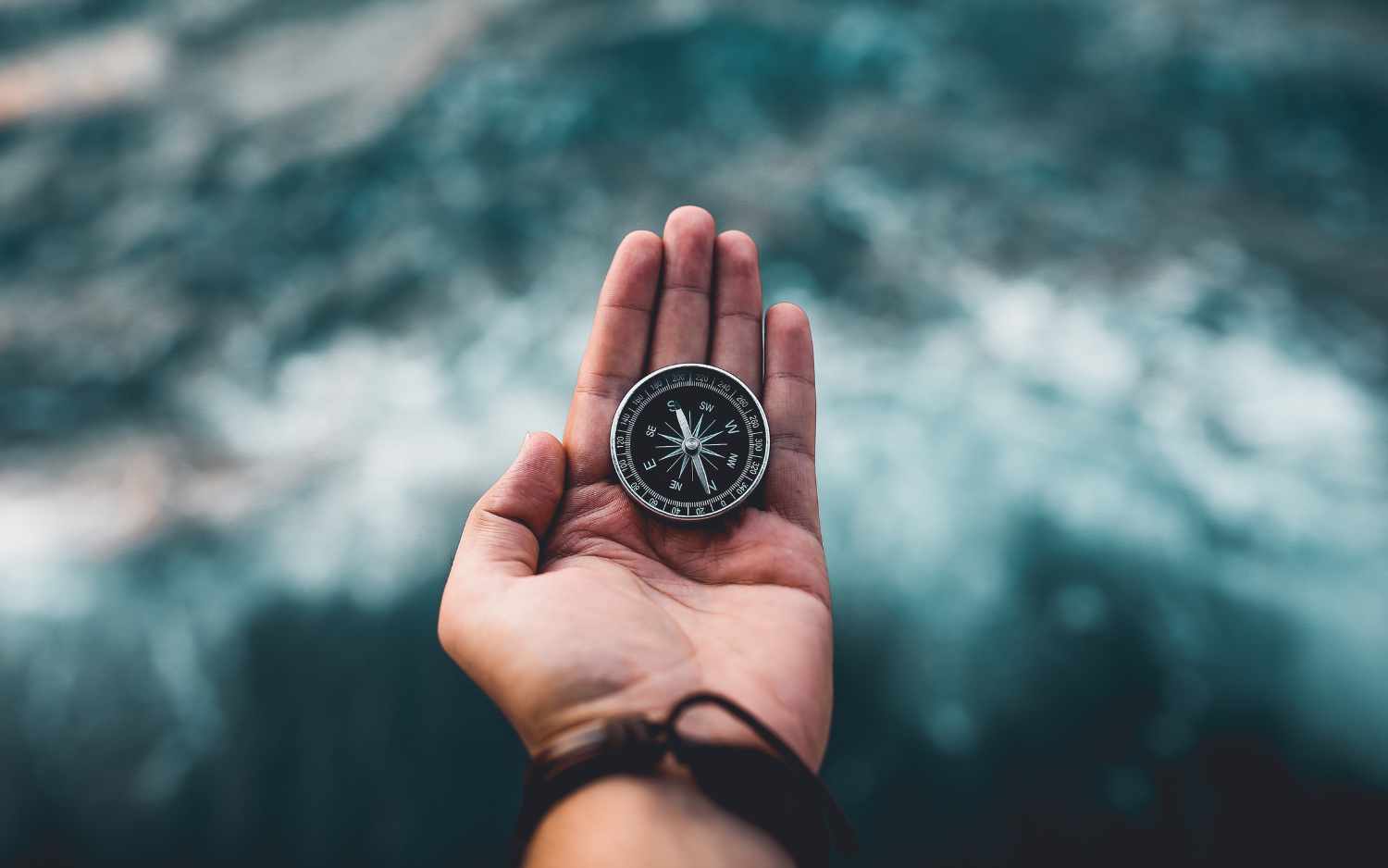
Navigation and orientation in extreme conditions is a whole science and art of survival skills in tropical areas. In tropical and subtropical regions can present unique challenges due to the dense vegetation, high humidity, and sometimes extreme weather conditions. Here are some key strategies and considerations:
Natural Navigation Techniques
Sun and Shadows:
- In tropical regions near the equator, the sun rises in the east and sets in the west, but its path can be more directly overhead compared to temperate regions. This can make using shadows for direction a bit tricky.
- At noon, shadows will be short and can even point directly under an object.
Stars:
- The Southern Cross (Crux) is a useful constellation for navigation in the southern hemisphere, often visible in tropical and subtropical regions south of the equator.
- Polaris, the North Star, is not visible in the southern hemisphere but is a key navigation aid in the northern hemisphere.
Vegetation:
- Moss and lichen typically grow on the north side of trees in the northern hemisphere and the south side in the southern hemisphere, though this can vary in tropical climates due to consistent moisture.
- Certain plants and trees may indicate water sources or specific directions if their growth is influenced by prevailing winds or sunlight.
Wind Patterns:
- Trade winds in tropical regions generally blow from the east (northeast in the northern hemisphere, southeast in the southern hemisphere).
- Local wind patterns can also help; for example, coastal breezes often develop in predictable patterns.
Modern Tools and Techniques
Compass and Maps:
- A reliable compass is essential. Magnetic interference can occur near metallic objects or specific mineral deposits, so ensure it’s used away from such influences.
- Topographic maps can be very useful but ensure they are up-to-date as vegetation and water courses can change.
Sourcing Food in Tropical and Subtropical Regions
Now let’s talk about tropical survival foods! There’s plenty of variety in the food you can find in this region.
Foraging for Edible Plants
Fruit and edible plants will surround you everywhere in the tropics! You just need to know which ones are edible and which ones are poisonous and should not be touched. So learn to identify plants, understand toxic look-alikes and focus on Abundant Plants.
Examples of edible plants and fruits:
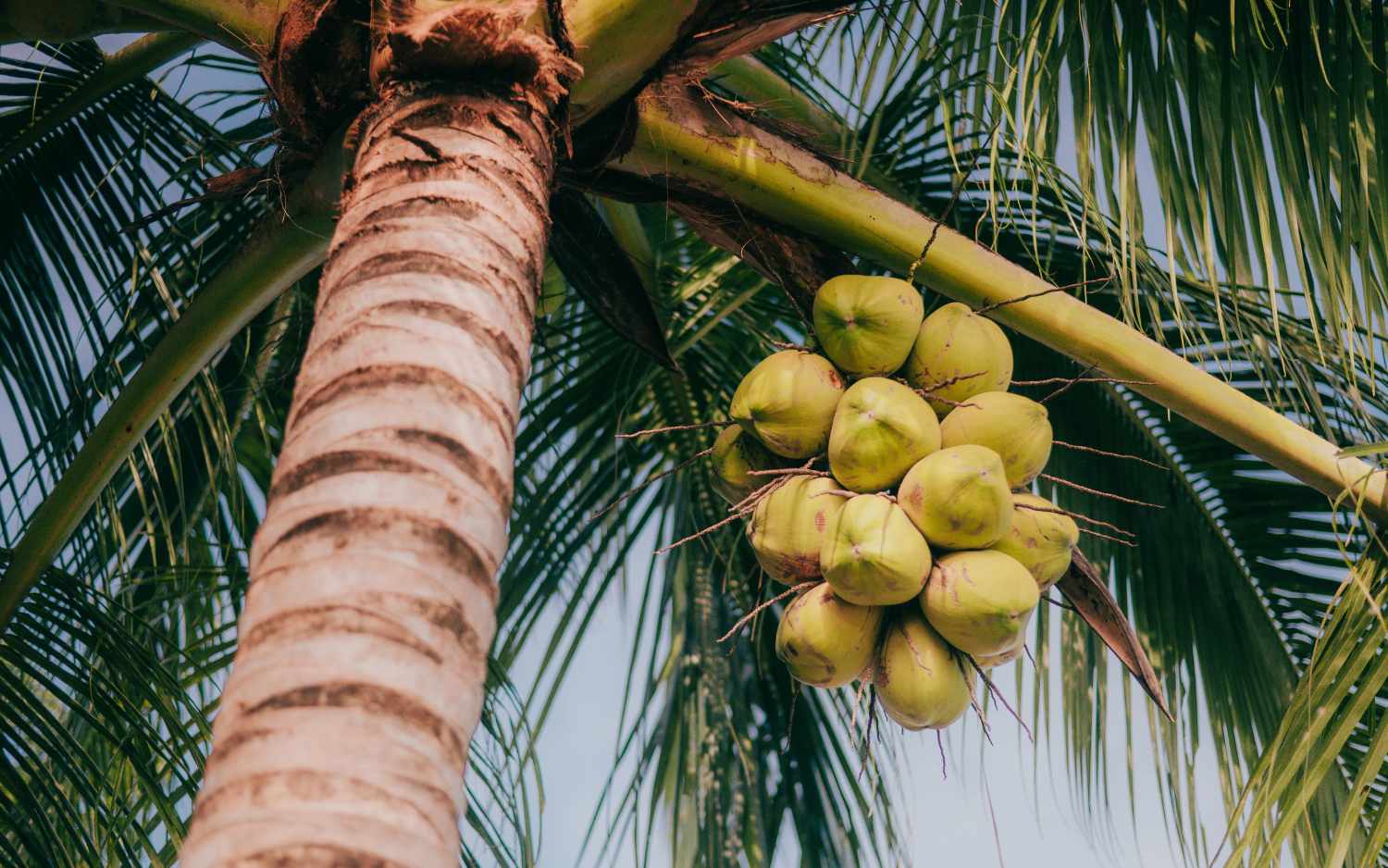
Coconut
- Parts Edible: Flesh, milk, water.
- Uses: Drink the water for hydration, eat the flesh for nutrition, and use the milk in cooking.
Banana
- Parts Edible: Fruit, flower (blossom), inner stem.
- Uses: Eat the fruit raw or cooked, use the blossom in salads or cooked dishes, and the inner stem in soups.
Papaya
- Parts Edible: Fruit, leaves (cooked), seeds (in small amounts).
- Uses: Eat the ripe fruit, cook the young leaves as a vegetable, and use the seeds as a pepper substitute.
Wild Ginger
- Parts Edible: Rhizomes.
- Uses: Use the rhizome as a spice in cooking.
Breadfruit
- Parts Edible: Fruit.
- Uses: Cook the fruit by roasting, baking, or boiling.
Taro
- Parts Edible: Tubers, leaves (cooked).
- Uses: Cook the tubers like potatoes, boil the leaves thoroughly to remove toxins.
Moringa
- Parts Edible: Leaves, pods, seeds.
- Uses: Eat the leaves raw or cooked, young pods can be eaten like green beans, seeds are edible after cooking.
Noni
- Parts Edible: Fruit.
- Uses: Although pungent, the fruit can be eaten raw or processed into juices and supplements.
Safety Precautions
- Avoid Plants with Milky Sap: Many plants with milky or colored sap are toxic.
- Stay Clear of Plants with Thorns, Spines, or Fine Hairs: These can be irritating or harmful.
- Avoid Umbrella-Shaped Flower Clusters: Some of the most toxic plants (like hemlock) have this feature.
- Boil Plants When in Doubt: Boiling can help reduce potential toxins.
Hunting and Fishing
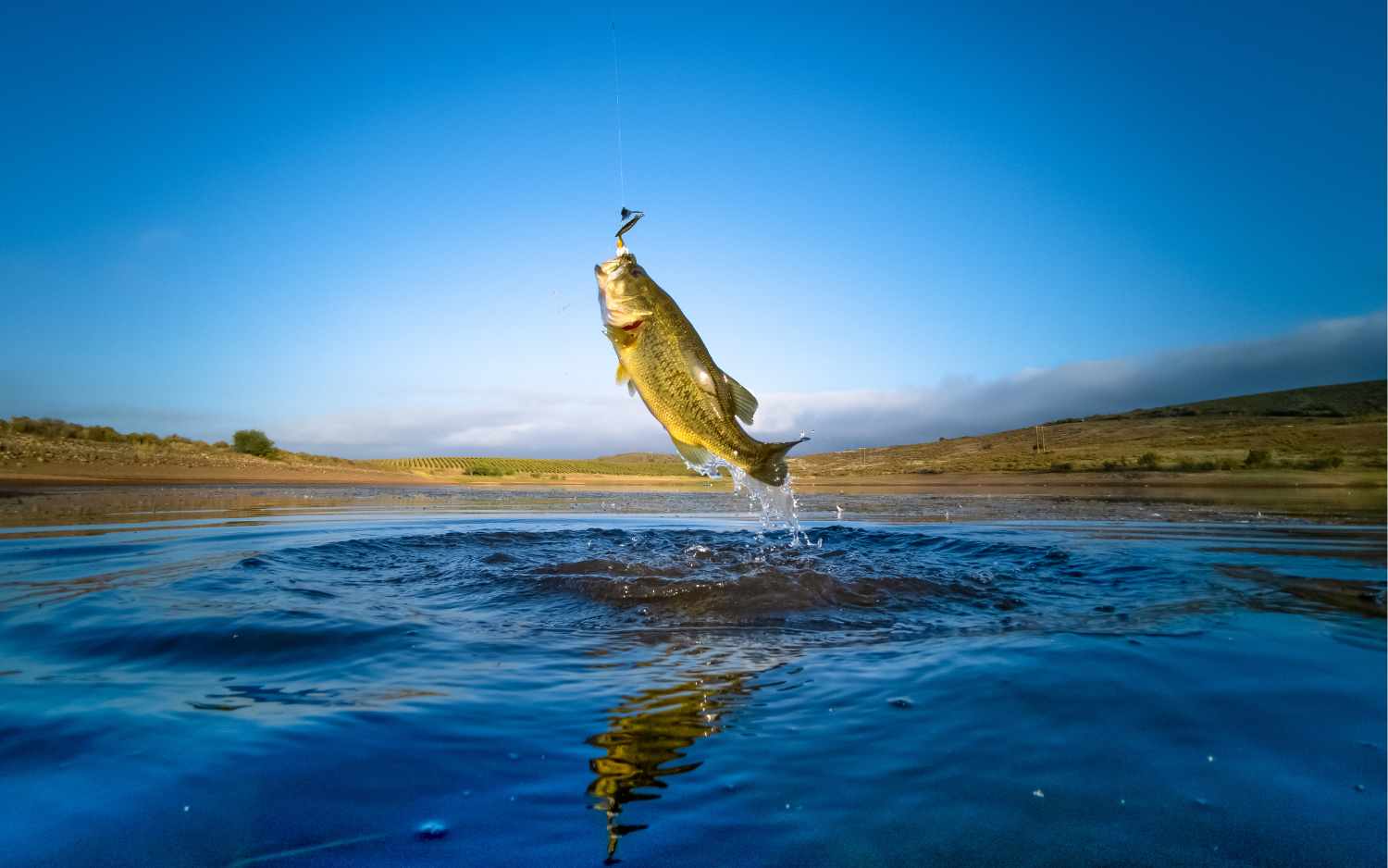
If you know how to fish and hunt with improvised tools, you will survive always and everywhere! In the tropics, there is always someone to snack on:
- Small: Rabbits, rodents, and other small mammals are common.
- Birds: Ducks, pigeons, and other game birds.
- Reptiles: Lizards, snakes, and small crocodilians.
- Large: Deer, wild boar, and other large mammals (requires more skill and equipment, remember that a boar, for example, can easily break your legs.
Techniques
Tracking: Learn to identify animal tracks, droppings, and signs of presence.
Trapping: Use snares, deadfalls, and other traps. Common traps include:
- Simple Snare: Uses a noose to catch small animals.
- Deadfall Trap: Uses a heavy object to crush the prey.
- Pitfall Trap: A concealed hole designed to capture animals.
Hunting with Weapons: Use slingshots, bows, or spears if available. Firearms are effective but often not accessible in survival situations.
Camouflage and stealth: Move quietly and blend with the environment to avoid detection.
Fishing and Spearfishing: Fish are abundant and often easier to catch than land animals.
Fishing
Common Fish and Aquatic Life:
- Freshwater Fish: Catfish, tilapia, carp, and others.
- Saltwater Fish: Snapper, grouper, barracuda, and more.
- Crustaceans and Mollusks: Crabs, shrimp, clams, and mussels.
Techniques
- Hand Fishing: Simple but effective for small fish and crustaceans in shallow waters.
- Line Fishing: Use a fishing line, hook, and bait. Bait can include insects, worms, or small fish.
- Net Fishing: Use nets to capture multiple fish at once. Requires more skill and materials.
- Spearfishing: Use a spear or improvised spear to catch fish in shallow waters.
- Traps: Fish traps made from bamboo or other materials can be effective.
- Fishing Rod: If you have a fishing rod, it’s the most efficient way to fish.
Tools and Equipment
For Hunting:
- Knife: Essential for processing game.
- Cordage: For making snares and traps.
- Firearms/Bows: If available, these are powerful tools.
- Camouflage Clothing: To blend in with the environment.
- Binoculars: For spotting game from a distance.
For Fishing:
- Fishing Line and Hooks: Lightweight and effective.
- Net: For catching multiple fish.
- Spear: For spearfishing.
- Bait: Natural or artificial.
- Fishing Rod: If available.
Basic Techniques
Making a Snare Trap:
- Find a Game Trail: Look for animal tracks and droppings.
- Set Up a Noose: Use cordage to create a loop.
- Anchor the Snare: Secure the loop to a sturdy branch or stake.
- Camouflage: Cover the snare with leaves and twigs.
Basic Fishing Line Setup:
- Find or Make a Hook: Improvise with bones, thorns, or safety pins.
- Attach to Line: Secure the hook to a fishing line or strong cord.
- Bait the Hook: Use insects, worms, or small fish.
- Cast the Line: Throw the line into the water and wait for a bite.
Dealing with Flora and Fauna
The flora and fauna of tropical and subtropical regions are as deadly as beautiful. There are poisonous insects, snakes, jaguars, lions, tigers and even crocodiles.
Dangerous Animals and How to Avoid Them
The most important advice, if you see a predator or reptile in bright, poisonous colours – DO NOT approach them and DO NOT provocate them. Move around them and do not show aggression. Predators may tear you apart and reptiles may poison you to death. Here are some common dangerous animals and tips on how to avoid them:
Predators
Big Cats (Lions, Tigers, Leopards, Jaguars)
Habitat: Dense forests, grasslands, and savannas.
Avoidance Tips:
- Be Aware of Your Surroundings: Stay alert and make noise to avoid surprising them.
- Travel in Groups: Predators are less likely to approach larger groups.
- Avoid Dawn and Dusk: These are prime hunting times for big cats.
- Do Not Run: Running can trigger a chase response. Back away slowly while facing the animal.
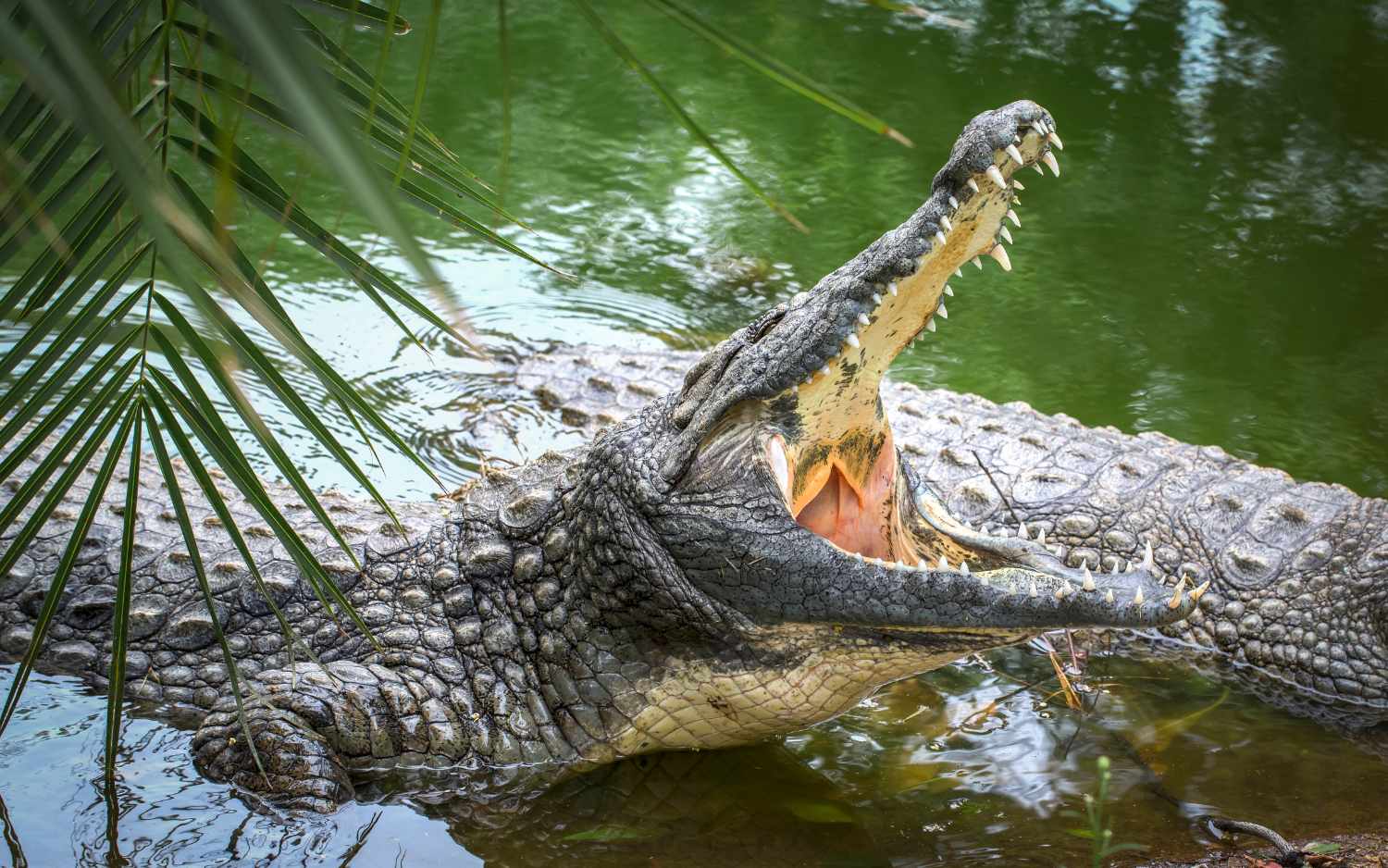
Crocodiles and Alligators
Habitat: Freshwater rivers, lakes, and swamps.
Avoidance Tips:
- Stay Away from Water Edges: Especially during dusk and dawn.
- Do Not Swim in Known Habitats: Avoid swimming in waters known to have these reptiles.
- Be Cautious During Nesting Season: Females can be particularly aggressive when guarding nests.
Venomous Snakes
Vipers (Russell’s Viper, Gaboon Viper, etc.)
Habitat: Forests, grasslands, and near water sources.
Avoidance Tips:
- Watch Where You Step: Use a stick to probe the ground ahead when walking in dense foliage.
- Wear Protective Footwear: Boots can help protect against bites.
- Avoid Tall Grass and Underbrush: Stick to clear paths when possible.
Elapids (Cobras, Coral Snakes, etc.)
Habitat: Forests, grasslands, and near water sources.
Avoidance Tips:
- Recognize Warning Signs: Some species, like cobras, will raise their hoods as a warning.
- Keep Campsites Clean: Food scraps attract rodents, which in turn attract snakes.
- Check Sleeping Areas: Ensure your tent or shelter is snake-proof.
Venomous Insects and Arachnids:
Spiders (Brazilian Wandering Spider, Funnel-Web Spider)
Habitat: Rainforests, woodpiles, and dark crevices.
Avoidance Tips:
- Shake Out Clothing and Shoes: Before putting them on.
- Use Bed Nets: To avoid nocturnal bites.
- Avoid Handling: Don’t touch spiders or webs.
Scorpions
Habitat: Desert areas, under rocks, and in crevices.
Avoidance Tips:
- Check Shoes and Bedding: Before use.
- Use a Light at Night: Scorpions are nocturnal and can be spotted with a flashlight.
- Wear Protective Footwear: Especially at night.
Large Herbivores
Elephants
Habitat: Forests, grasslands, and near water sources.
Avoidance Tips:
- Keep a Safe Distance: Do not approach wild elephants.
- Be Quiet and Calm: Sudden movements and loud noises can provoke them.
- Watch for Warning Signs: Such as trumpeting and ear flapping.
Buffalo
Habitat: Grasslands, savannas, and forests.
Avoidance Tips:
- Do Not Approach: Buffalo can be very aggressive, especially if wounded or threatened.
- Stay Downwind: So they do not catch your scent.
- Climb to Safety: If charged, try to get to higher ground or climb a tree.
Aquatic Dangers
Box Jellyfish
Habitat: Coastal waters, especially in the Indo-Pacific region.
Avoidance Tips:
- Wear Protective Clothing: Such as a stinger suit when swimming.
- Avoid Swimming in Jellyfish-Infested Waters: Heed local warnings.
- Use Vinegar: To neutralize stings, and seek medical attention immediately.
Stonefish
Habitat: Shallow coastal waters, often camouflaged among rocks and coral.
Avoidance Tips:
- Wear Sturdy Footwear: When wading in shallow waters.
- Do Not Touch: Stonefish are masters of camouflage and can be hard to spot.
General Tips for Avoiding Dangerous Animals
- Stay Informed: Learn about the local wildlife and their habitats.
- Set Up Camp Carefully: Avoid setting up near animal trails, water sources, or dense vegetation.
- Store Food Properly: Keep food secure to avoid attracting animals.
- Keep a First Aid Kit: Including treatments for bites and stings.
- Travel During Daylight: Many predators are more active at night.
- Avoid Strong Scents: Perfumes and scented lotions can attract insects and other animals.
By being aware of your environment and taking these precautions, you can significantly reduce the risk of encounters with dangerous animals while foraging, hunting, or fishing in tropical and subtropical regions.
Handling Tropical Diseases and Parasites
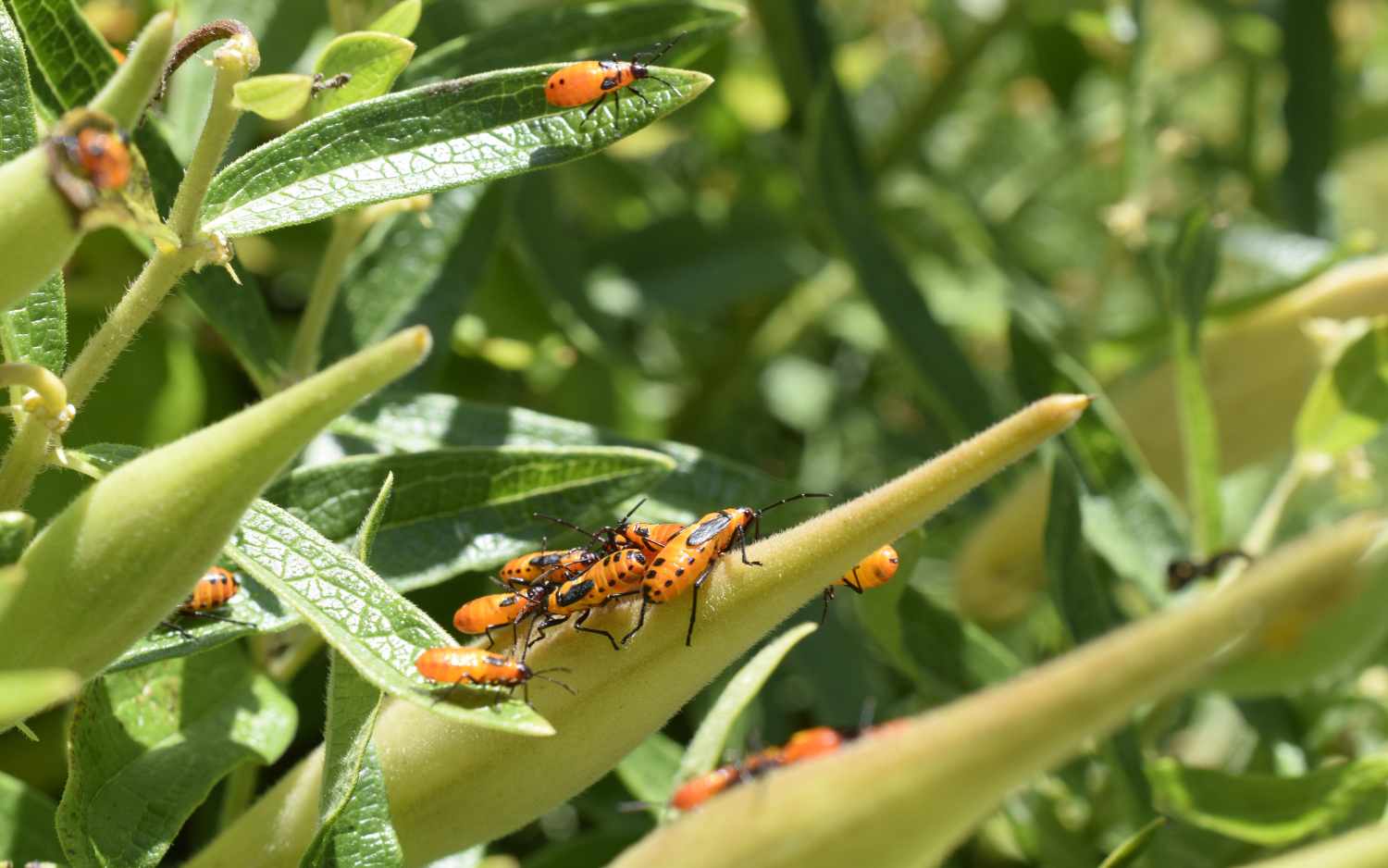
Handling tropical diseases and parasites is crucial when traveling or living in tropical and subtropical regions. These areas can harbor a variety of illnesses spread through insects, contaminated water, and food. Here’s how to prevent, recognize, and manage some common tropical diseases and parasites:
Preventive Measures:
- If you go to the tropics for thrills, don’t forget to get a number of special vaccinations, as malaria mosquitoes, yellow fever, hepatitis A, typhoid fever and much more are looking forward to seeing you in the tropics.
- Be sure to use insect repellent, as many insects in the tropics carry dangerous diseases.
- Avoid tap water, and consider using water purification tablets or filters.
- Avoid raw or undercooked meats, seafood, and vegetables.
- Wash or peel fruits and vegetables yourself to reduce contamination risk.
- Personal Hygiene:
Wash Hands Regularly: Especially before eating or handling food.
Use Hand Sanitizer: When soap and water are not available.
Avoid Exposure to Contaminated Soil and Water: Especially for activities like swimming in freshwater lakes or rivers.
Common Tropical Diseases and Parasites
Malaria:
- Transmission: Through the bite of infected Anopheles mosquitoes.
- Symptoms: Fever, chills, headache, muscle aches, and fatigue.
- Prevention: Take antimalarial medications as prescribed, use insect repellents and bed nets.
Dengue Fever:
- Transmission: Aedes mosquitoes, primarily during the daytime.
- Symptoms: High fever, severe headache, pain behind the eyes, joint and muscle pain, rash.
- Prevention: Avoid mosquito bites by using repellents and wearing protective clothing.
Chikungunya:
- Transmission: Aedes mosquitoes.
- Symptoms: Sudden onset of fever, joint pain (often severe), muscle pain, headache, rash.
- Prevention: Similar to dengue, avoid mosquito bites.
Typhoid Fever:
- Transmission: Contaminated food and water, caused by Salmonella bacteria.
- Symptoms: Prolonged fever, weakness, stomach pain, headache, and sometimes a rash.
- Prevention: Vaccination, safe food and water practices.
Hepatitis A:
- Transmission: Contaminated food and water, caused by the hepatitis A virus.
- Symptoms: Fever, fatigue, loss of appetite, nausea, abdominal pain, jaundice.
- Prevention: Vaccination, safe food and water practices.
Schistosomiasis (Snail Fever):
- Transmission: Contact with contaminated freshwater (lakes, rivers) harboring Schistosoma parasites.
- Symptoms: Abdominal pain, diarrhea, blood in the urine or stool (chronic cases).
- Prevention: Avoid swimming or wading in freshwater, especially in endemic areas.
Managing Tropical Diseases
- Seek Medical Attention: If you experience symptoms such as fever, severe headache, diarrhea, or rash, especially after returning from a tropical area.
- Follow Treatment Plans: Take prescribed medications as directed.
- Rest and Hydration: Support recovery with plenty of fluids and rest.
- Monitor Symptoms: Be aware of any worsening symptoms or new developments.
When to Seek Medical Help
- Persistent Symptoms: Fever, diarrhea, or rash lasting more than a few days.
- Severe Symptoms: Difficulty breathing, severe abdominal pain, or neurological symptoms.
- Post-Travel Concerns: Inform healthcare providers of recent travel if seeking medical care.
By staying informed, taking preventive measures, and knowing how to respond to potential illnesses, you can enjoy your time in tropical and subtropical regions while minimizing health risks. Always consult healthcare professionals for personalized advice before traveling to these areas.
Essential Survival Gear for Tropical and Subtropical Regions
If you are going to go to tropical or subtropical countries, it is not superfluous to be well prepared and assemble EDC kit to meet all the vicissitudes of fate in full force.
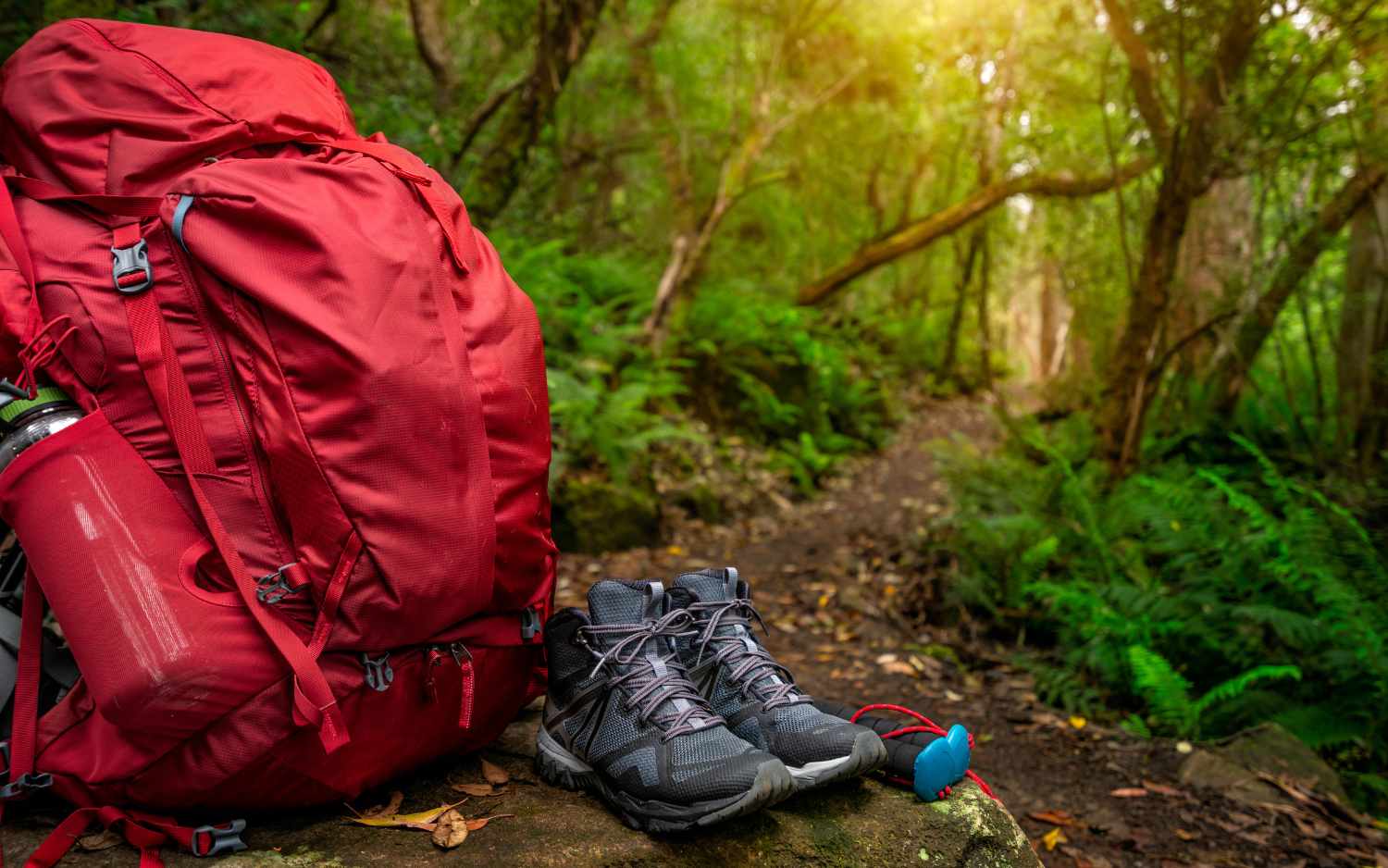
Recommended Clothing and Footwear
Be sure to take lightweight, breathable clothing (moisture-wicking fabrics like nylon, polyester, or merino wool will be ideal). Long-sleeved shirts and pants are welcome too, it protects against sunburn and insect bites. Don’t forget a wide-brimmed hat that provides shade for your face, neck, and ears and sunglasses to protect your eyes from UV rays.
Footwear: sturdy sandals or lightweight hiking boots, it’s comfortable for walking in hot and humid conditions, with good ventilation.
Must-Have Tools and Equipment
Shelter and Sleeping Gear:
- Tent with good ventilation: Provides shelter from rain and insects.
- Sleeping bag or lightweight blanket: Consider temperature ratings suitable for tropical nights.
Hydration:
- Water bottles or hydration pack: Carry sufficient water to stay hydrated.
- Water purification tablets or filter: Ensure safe drinking water from natural sources.
Navigation:
- Map and compass or GPS device: Helps navigate through unfamiliar terrain.
First Aid Kit:
- Basic medical supplies: Bandages, antiseptic wipes, pain relievers, anti-diarrheal medication, etc.
Insect Protection:
- Insect repellent: Effective against mosquitoes and other insects.
- Mosquito net: Essential for sleeping in areas with malaria or dengue risk.
Sun Protection:
- Sunscreen: SPF 30 or higher, water-resistant.
- Lip balm with SPF: Protects lips from sunburn.
- Umbrella or sunshade: Additional protection during intense sun exposure.
Lighting:
- Headlamp or flashlight: Essential for navigating at night.
Tools and Accessories:
- Multi-tool or knife: Useful for various tasks.
- Duct tape: Handy for repairs.
- Fire-starting kit: Matches, lighter, or fire starter.
Personal Items:
- Toiletries: Toothbrush, toothpaste, biodegradable soap, etc.
- Personal medications: Carry necessary prescriptions.
Miscellaneous:
- Dry bags or waterproof sacks: Keep gear dry during rain or water activities.
- Whistle or signaling device: Important for emergencies.
Psychological Aspects of Survival
Now we’re getting to one of the most important parts of our tropical survival guide. This set of survival rules is written in the blood of many generations of our ancestors, so behold and heed our words:
- Do not give in to panic and fear whatever happens. Even if the gates of the Abyss open over your heads and devils fall from there – stay cool. Never be afraid and do not panic otherwise it will at best reduce the effectiveness and accuracy of your actions, at worst will lead to the fact that you will become the main course of the evening at the family dinner of leopards.
- Your movements should be precise, quick, but at the same time not fussy. Don’t hustle, but don’t slow down either – that’s the golden rule.
- Don’t get into trouble. You can be the bravest of all living, but the art of survival is the art of avoiding unnecessary dangerous situations. Always soberly assess your physical capabilities and clearly realise that no matter how confident you are in yourself, if you encounter a predator, you should go around it at a respectful distance, and if you come across a cliff – it is better to just safely go around it if possible, rather than jump over it.
- Social support and co-operation. In some situations, survival may depend on the ability to co-operate with other people or groups to achieve a common goal. When there are many of you and you act together, you will overcome all challenges. Support each other with actions and kind words, pay special attention to the weakest in your group, never leave the wounded behind, and discourage any panic or depression. The right attitude ensures 50% of success in all activities, including survival.
- Assess the Situation. Quickly assess your surroundings, resources, and any immediate dangers. Understanding the situation helps you prioritize your actions.
- Prioritize Basic Needs. Focus on the essentials for survival: shelter, water, fire, and food (in that order). Address these needs as soon as possible to ensure your immediate well-being.
Conclusion
After reading this guide you are bound to become a fusion of Bear Grylls, “Crocodile Dundee” and Rambo! Arm yourself with the knowledge that we have given you and you will cope with everything that the tropics will throw at you without fear and reproach. And may the Force be with you!