
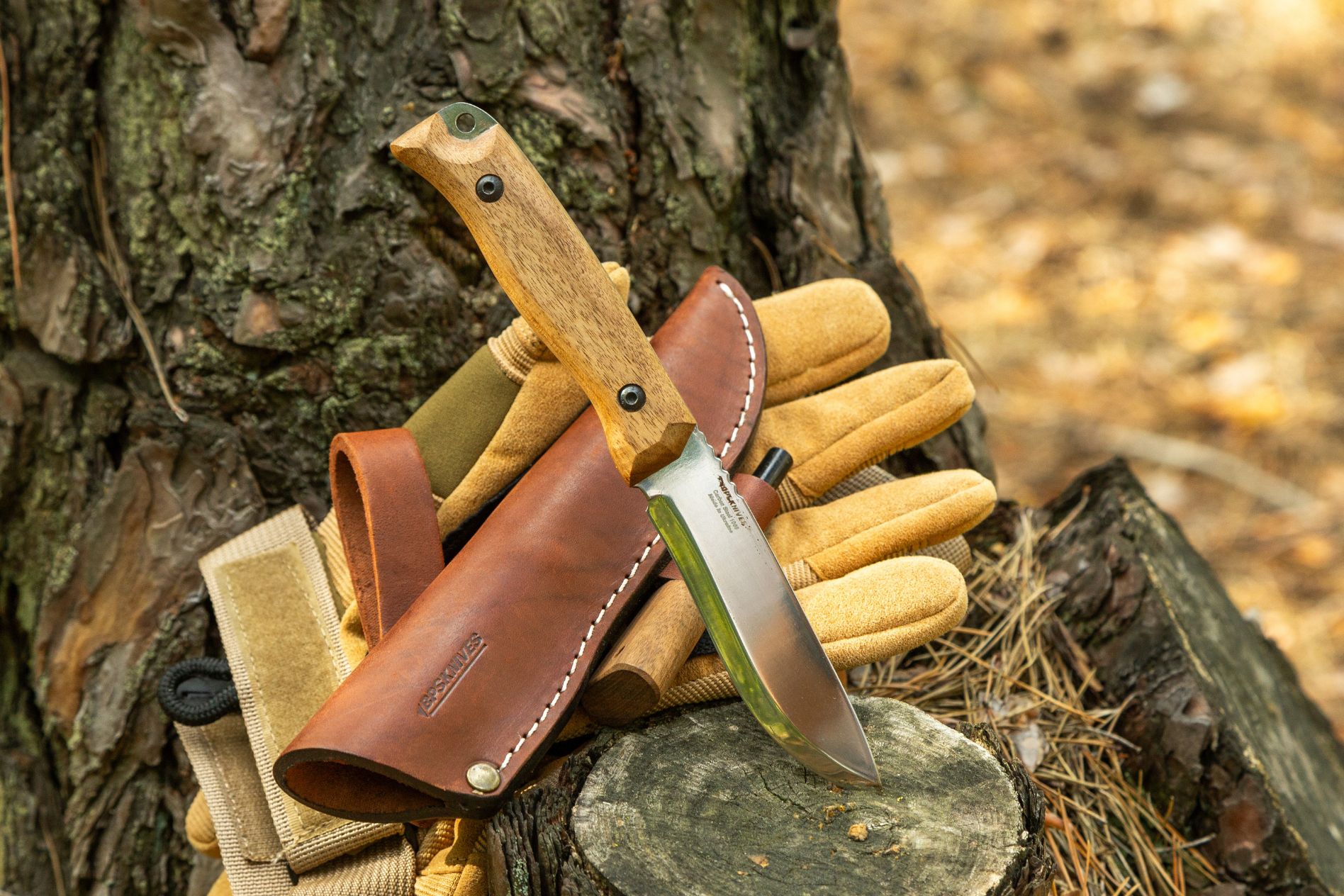
It just so happens that humans are an incredibly fragile species! We are easily struck down by diseases and viruses, we are utterly dependent on food, water, and sleep. And when you see a scorpion that can withstand a radiation dose of 1,000 grays (for reference, just 4–6 grays can be lethal to a human) or a salamander capable of regrowing limbs, a heart, and even parts of its brain, you can’t help but feel that evolution kind of screwed us over.
Why Survival Skills Still Matter Today
But things aren’t all that bad! After all, we were given an incredibly advanced nervous system and the intelligence that stems from it. With it, we’ve managed to compensate for our weaknesses, figuring out how to resist the weather, predators, diseases, and even ruthless gravity. In other words, we invented the art of survival. And that’s what we’re going to talk about!
Of course, someone might say that the days when we had to start a fire a raging storm are long gone — we live in comfortable and safe settlements now! But sadly, it’s not that simple. Tomorrow can be merciless, and after something like an emergency plane landing, you could easily find yourself in the wilderness with no idea how to make a fire or find water — which, needless to say, doesn’t bode well at all! So you really need to know survival skills.
The Urbanite and the Survivalist — How These Roles Intersect
At first glance, urban living and survivalism appear to be worlds apart. City dwellers are accustomed to convenience — food delivery apps, public transportation, and on-demand services. Yet, the principles of survival, such as resourcefulness and adaptability, are just as useful in a city as in the wild. For instance, knowing how to purify water, create makeshift solutions in emergencies, or maintain a calm, strategic mindset can be invaluable during blackouts or infrastructure failures. Modern survivalists recognize that preparation isn’t limited to camping gear, it’s about cultivating practical knowledge that fits any environment! Who knows, maybe a zombie apocalypse will hit one day, after all.
Survival as a Foundation for Personal Confidence
Mastering survival skills instills a deep sense of self-reliance and confidence. Learning how to navigate using natural signs, start a fire without modern tools, or find safe drinking water reinforces the belief that you can take care of yourself under any circumstances. This confidence naturally extends to daily life — from handling unexpected challenges at work to navigating personal setbacks. Survival knowledge reminds us that we have the strength and creativity to overcome adversity, no matter the setting. Learning how to practice wilderness survival is essential through real-life scenarios and hands-on training.
Nature as a Training Ground for Strength and Resilience
Nature provides a raw and unforgiving arena for personal growth. When you strip away modern comforts, you are forced to rely on your skills, instincts, and mental fortitude. Spending time outdoors — building shelters, identifying edible plants, or enduring harsh weather — tests both physical stamina and mental resilience. These experiences teach patience, problem-solving, and perseverance, traits that are equally valuable in everyday urban life. By training in nature, you not only prepare for emergencies but also build the kind of inner strength that modern comfort often erodes.
 6 Essential Skills Everyone Should Have
Many beginners in outdoor adventures often ask what are some survival skills that can help them stay safe in the wilderness. So, what are the most essential survival skills out there?
How to Find and Make Water Safe to Drink
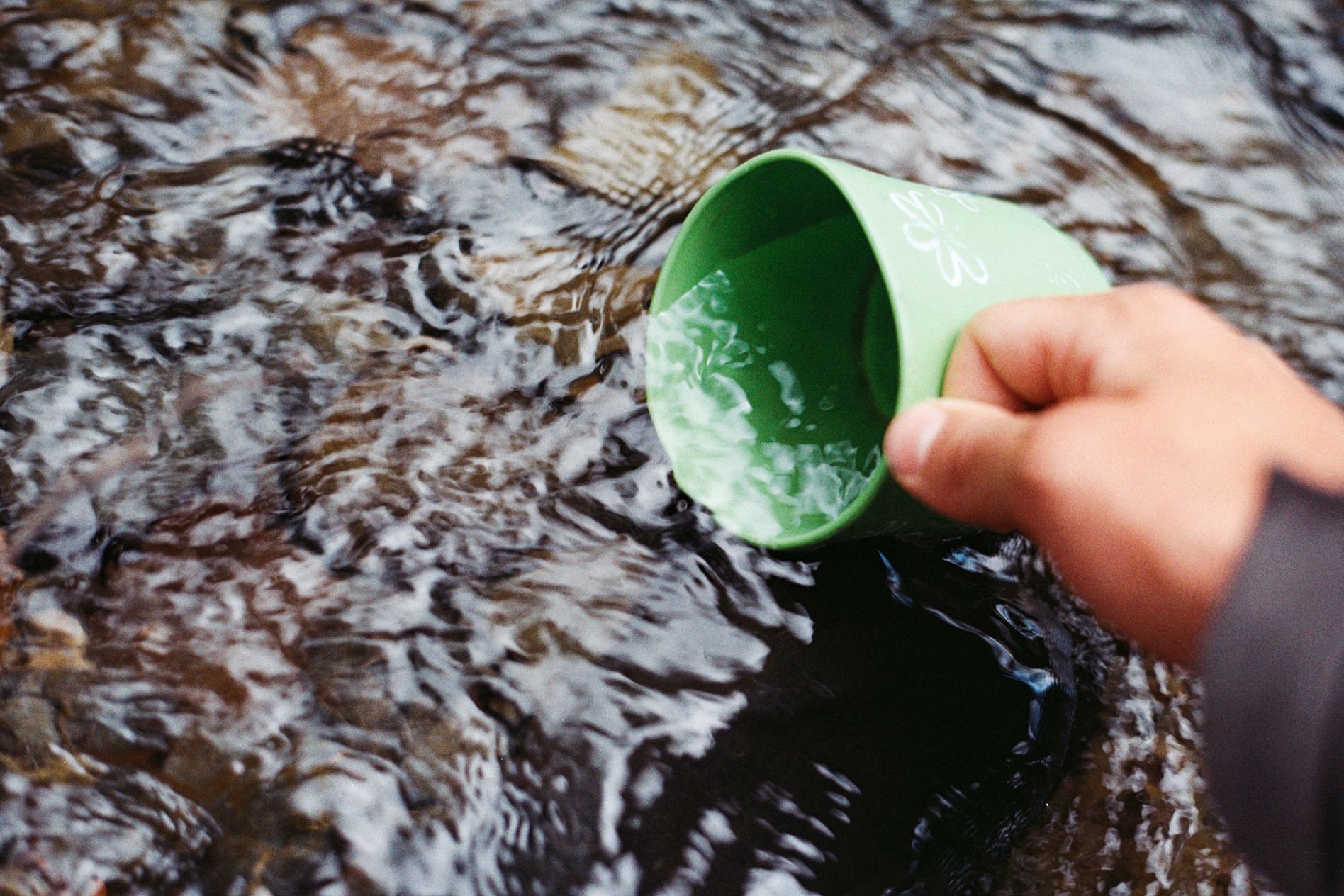
Without food, you can survive for 3–4 weeks! But without water, you won’t last more than 3–4 days. That’s why the number one survival skill is the ability to find water. To find water in the wild, look for low-lying areas where it might collect, follow animal tracks, or watch for insects, which often gather near water sources. Morning dew can also be collected from grass using a piece of cloth or clothing.
However, don’t even think about drinking from a found water source right away, even if it looks like the cleanest lake or stream in the world. That water could be teeming with harmful bacteria and viruses. So, always purify your water first by boiling it or using special purification tablets — if, by some miracle, you have them in your pocket. In an emergency, you can filter water through fabric, then through charcoal or sand to remove debris, and finally disinfect it using solar radiation (the SODIS method — leave it in a clear bottle under the sun for 6 hours).
How to Start a Fire Without Matches or a Lighter
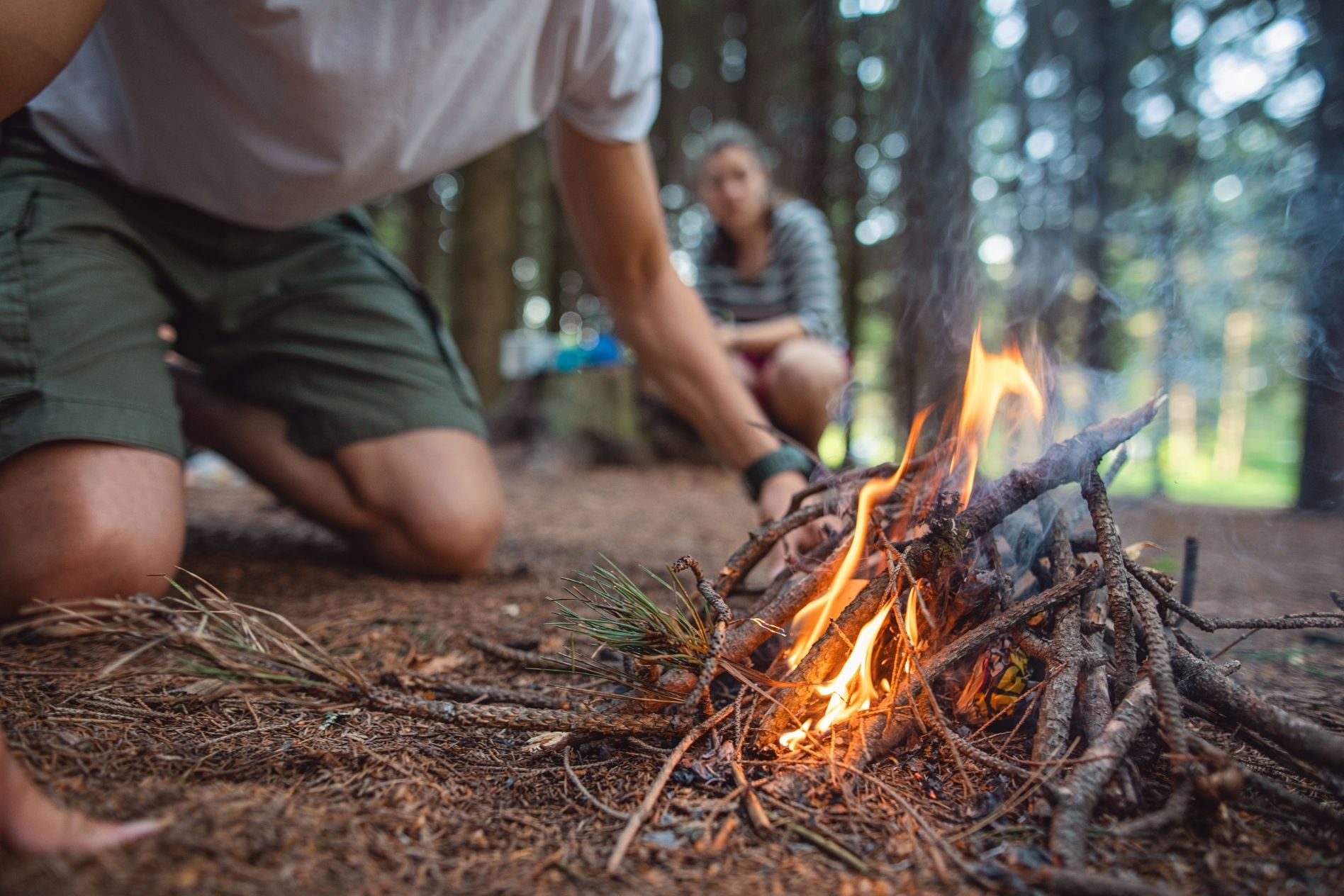
The second most crucial skill is building a fire, especially in extreme conditions. Fire is often called the source of life for a reason — it provides warmth (which is absolutely vital in cold climates), and it allows you to cook food, purify water, and dry your clothes.
The tricky part is that when disaster strikes, you’ll almost always find yourself without matches or a lighter — because, of course, why would luck be on your side then? Without matches or a lighter, you can use a fire steel (ferro rod), a battery and foil, a magnifying glass. Prepare a good tinder bundle first — dry grass, birch bark, or plant fluff work well. Once you create a spark or ember, gently blow on it to ignite the tinder, then add small twigs, and gradually move to larger sticks and logs. Many survival experts carry a magnesium fire starter — it’s lightweight, reliable, and works even when wet.
 How to Build a Temporary Shelter
Next in our survival guide wild list, you need to make sure rain isn’t dripping down your neck and the wind isn’t blowing you away. For that, you build a shelter! Such a shelter is made quite literally from whatever you can find under your feet — branches, leaves, stones. The basic lean-to design is quick: prop a long branch against a tree or rock, lay smaller branches against it to form a wall, and cover everything with leaves, moss, or pine needles. If you have a tarp, poncho, or even large trash bags, you can create a makeshift tent or roof. In cold weather, don’t forget ground insulation — a thick layer of leaves or pine boughs underneath you prevents heat loss to the ground.
Navigating the Wilderness Without Modern Gadgets or GPS
When lost, you can navigate by the sun, stars, or natural signs. During the day, the sun rises in the east and sets in the west; at noon in the Northern Hemisphere, it’s generally in the south. At night, the North Star is your fixed northern guide.
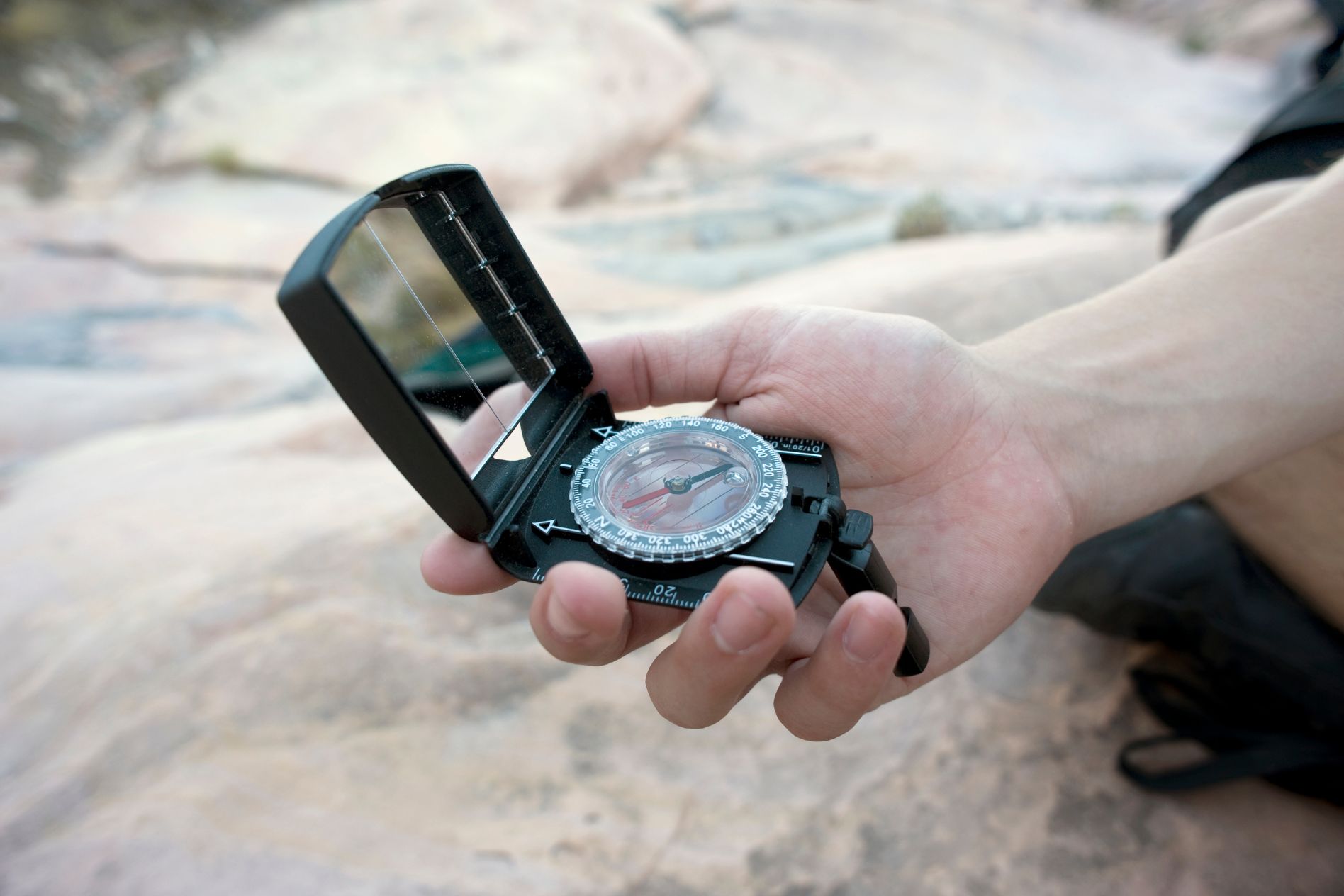
Moss tends to grow thicker on the north side of trees (though not always), and rivers or streams often lead to populated areas. If lost, it’s safer to pick a landmark like a river, valley, or ridge and follow it, instead of wandering aimlessly. Train how to use a compass in the wilderness!
 Survival Basics in Cold and Heat
Cold and heat have always been our oldest enemies — right alongside hunger. Extreme temperatures can be deadly if you’re unprepared. In cold environments, staying dry is just as important as staying warm — wet clothes sap body heat quickly. Use layers of clothing, create a windbreak, and build a fire to avoid hypothermia.
In hot environments, prioritize shade and hydration. Travel during cooler parts of the day, like early morning or late evening, and cover your head and neck. Drinking small, frequent sips of water is better than gulping large amounts at once. Hot and cold weather survival skills are very important.
How to Stay Calm – survival self psychology
Extreme situations are terrifying precisely because they strike WITHOUT WARNING, and most of the time you’re not prepared—neither materially, physically, nor mentally. And sadly, in such moments, some people panic, running around in circles screaming, “AAAH!!!” and “We’re all going to DIE!!!” Don’t be be like that.
In survival situations, panic is often more dangerous than the environment itself. The ability to remain calm and think clearly can mean the difference between life and death. The “STOP” method is helpful: Stop, Think, Observe, and Plan before taking action.
Stay positive by focusing on small, achievable tasks — like building a fire or finding water — which gives a sense of control. Remember, mental resilience is just as crucial as physical survival skills. Train your sense of survival!
The Most Common Beginner Mistakes
Overconfidence in Gear
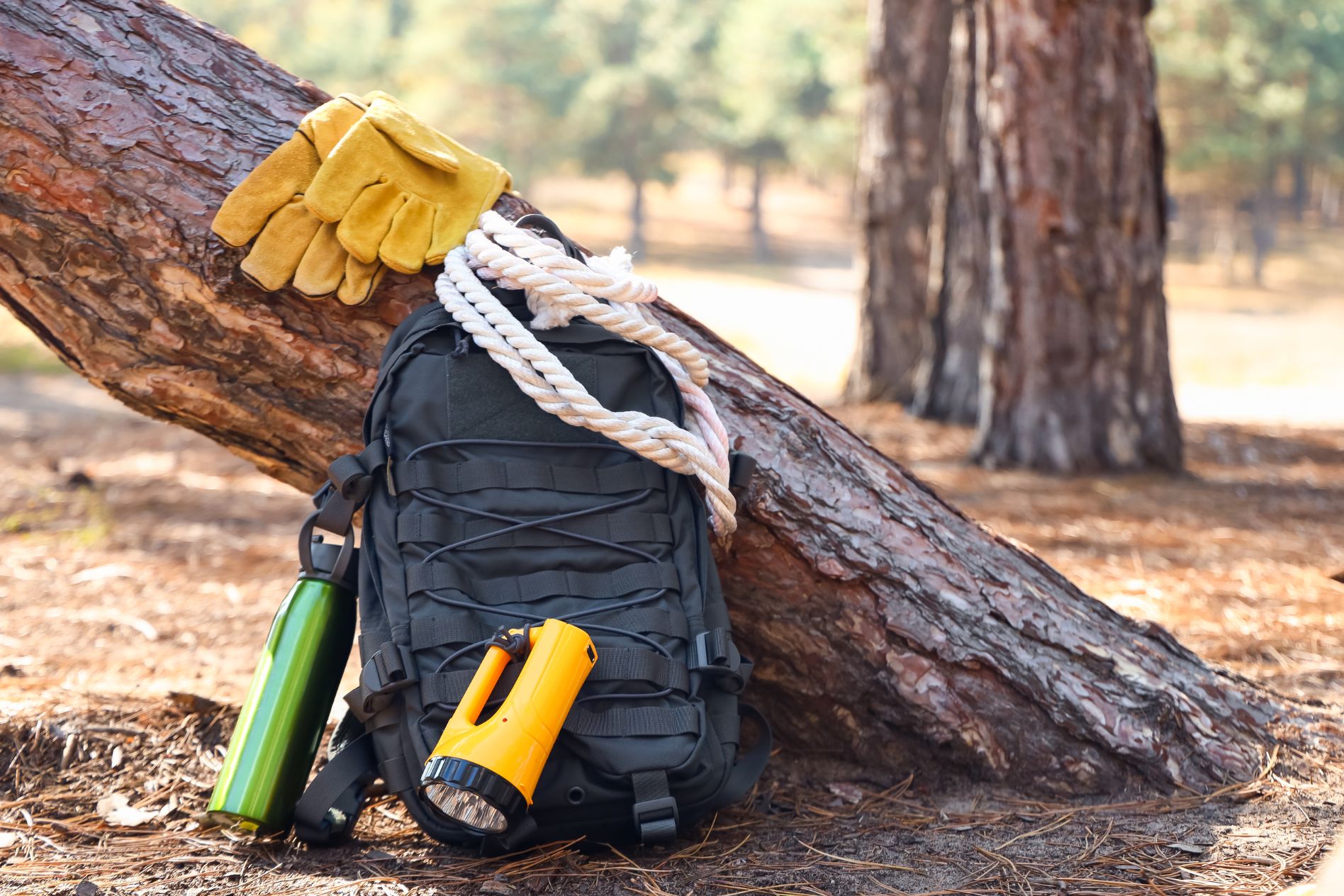
One of the most frequent mistakes beginners make is placing too much trust in their gear. Having a state-of-the-art survival kit, expensive knife, or advanced GPS device can create a false sense of security. In reality, the value of gear is limited by your ability to use it effectively. For example, a water filter is useless if you don’t know how to identify a safe water source, and a high-end fire starter won’t help if you’ve never practiced building a fire under wet or windy conditions. True survival ability comes from knowledge and practice, not from the price tag of your equipment. A well-trained person with a simple knife and matches can often outperform someone who carries a backpack full of unused gadgets.
 Ignoring Weather Forecasts
Weather is one of the most unpredictable and dangerous factors in the wild, yet beginners often underestimate it. Many go on hikes or camping trips without checking the forecast, assuming that the weather will remain stable or that they can “handle” any changes. A sudden downpour, high winds, or an unexpected temperature drop can quickly escalate into a life-threatening situation if you are not prepared. Hypothermia, for instance, can occur in conditions as mild as 10–15°C (50–60°F) if you are wet and exposed to wind. Always check the weather before heading out, and pack for conditions worse than expected—this means bringing waterproof clothing, warm layers, and emergency shelter, even on short trips.
Underestimating Water Balance and Hygiene
Water is a top priority in survival situations, but many beginners underestimate how much they need or how difficult it is to find and purify water in the wild. Dehydration can set in quickly, especially in hot or dry environments, reducing your ability to think clearly and act effectively. Furthermore, poor hygiene—such as drinking untreated water or neglecting hand cleanliness—can lead to gastrointestinal infections that make dehydration even worse. To avoid this, always carry a reliable water filter or purification tablets, and learn how to locate water sources such as streams, dew, or plants. Just as importantly, maintain basic hygiene by washing hands and cooking equipment whenever possible.
 Relying on YouTube Instead of Practice
It’s a big mistake to think that watching a couple of survival videos on YouTube will prepare you for real life. Sure, you might remember some things and put them to use, but those videos are just theory — useless without practice. Finding and purifying water, building a fire, constructing shelter, navigating in the wild — all of these skills require constant practice and refinement. So make sure to sign up for outdoor survival skills class nearby, and once you’ve learned the basics, keep practicing regularly!
Conclusion
This article is meant to spark your interest, intrigue you, and ignite your thirst for adventure. But the real survival skills can only be gained through relentless training and practice! So your next step should be to get some hiking gear—and lucky for you, our online store has everything you need for hiking, camping, and survival. Knives, maintenance tools, accessories, and all sorts of useful gear are waiting for you. Good luck, and see you soon!