

Almost everyone who needs to cut something faces the age-old dilemma: should they buy a serrated knife or a straight-edged one? What should one do?
The importance of choosing the right edge for knives
It’s hard to overestimate the importance of such a choice – after all, it determines that tasks are performed efficiently, safely, and precisely. On one hand, we have the all-mighty (or rather, all-sawing) power of the serrated, brutal blade, and on the other, the surgical precision of the good ol’ straight edge, perfect in its versatility! But enough with the poetry – let’s dive into the details.
Understanding Serrated Edges
So, the serrated knife. Serrated edges are a popular choice for many types of knives, thanks to their unique design and functionality. From bread and steak knives to camping blades, serrated edges excel in certain tasks where other types of edges may struggle. The method of how to sharpen serrated knives can be a little bit tricky ofcourse, but this type of blade is totally worth it!

Design and Functionality
What does serrated mean? A serrated edge features a series of teeth or notches along the blade, resembling a saw. The teeth of a serrated knife are typically spaced along the blade’s length and can vary in size and shape. These teeth allow the knife to “saw” through materials rather than slice cleanly, which provides several functional benefits. There are different types of serration designs, including:
- Uniform Serration: Regularly spaced, evenly sized teeth, often found on bread knives and utility knives.
- Micro-serration: Smaller teeth, often used for finer cuts, like on some kitchen or pocket knives.
- Combo-serration: A mix of straight and serrated sections, common in multipurpose knives.
The size of the teeth (larger vs. smaller) typically influences how the knife will perform on various materials.
Serrated edges excel in applications where other knives might struggle due to the material’s hardness or texture. The teeth on a serrated knife bite into the surface, allowing the blade to cut without needing excessive force. This action helps the knife slice through materials without compressing or crushing them.
How it works:
- The larger teeth on a serrated blade provide more surface area and a sawing action that helps penetrate tougher exteriors while keeping the interior intact.
- The teeth act like little grips, grabbing the material and allowing the knife to push through it.
This design makes serrated knives less reliant on downward pressure, which is particularly useful when cutting through foods that have tough skins or crusts.
Advantages of Serrated Edges
- Better for Tough Exteriors:
- Serrated edges are perfect for cutting foods with tough outer layers or skins but soft or delicate interiors. For instance, when cutting bread, the serrated teeth allow the knife to cut through the crispy crust without crushing the soft inside like a non serrated blade will.
- Less Effort Required:
- Due to the sawing motion, serrated knives require less force when cutting, making them easier to handle, especially for people who find it difficult to apply enough pressure with a straight-edge knife.
- Longer-Lasting Sharpness:
- Serrated edges tend to stay sharp for longer periods than even Scandi blade straight-edged knives! This is because the teeth wear down more slowly, and even if the edge becomes slightly dull, the knife is still able to function due to the serrations’ ability to grip the material.
- Great for Slicing Slippery or Soft Items:
- The teeth of a serrated knife allow for better grip when cutting through slippery materials like tomatoes or citrus fruits. They can slice through the skin while preventing the soft interior from being squished.
- No Need for Excessive Force:
- Serrated knives don’t require a lot of downward pressure, which makes them ideal for people with less hand strength or those working with tough materials.
Common Uses for Serrated Knives
1. What is a serrated knife used for?
- The serrated edge is perfect for cutting through tough materials like paracord, rope, or twine. Whether you’re setting up a shelter, creating traps, or securing gear, a serrated knife can make quick work of cutting through strong fibers.
2. Sawing Through Small Branches or Logs
- Some serrated knives, especially those with a longer serration or a hybrid design, can be used to saw through smaller branches or logs for campfires, shelter building, or other survival tasks. The teeth grip and cut through wood more effectively than a straight blade in certain situations.
3. Food Prep
- While slicing through tough meats, fruits with thick skins (like citrus), or even cutting open packaged food, a serrated knife excels. In a survival situation, this can be especially important for efficient food preparation.
4. Cutting Through Tough Skins
- If you need to prepare game, a serrated knife can help cut through tough skins, especially in survival settings when a clean-cut may be necessary.
5. Cutting and Preparing Fire Kindling
- Serrated knives can help break down sticks or dry wood into kindling for starting a fire. The teeth on the blade help tear through wood and dry bark more effectively than a smooth-edge knife.
6. Cutting Leather or Fabric
- In camping or survival situations, you might need to cut through leather, canvas, or other heavy-duty fabrics (for making repairs or creating gear). Serrated knives can help you make clean cuts through these tougher materials.
7. Self-Defense
- Though not the primary function, in some survival or hiking scenarios, having a serrated edge could aid in self-defense or protection. A serrated knife may be easier to handle in certain gripping scenarios when under stress.
8. Opening Packages or Cans
- In a survival setting, packaging like plastic, foil, or tough wrapping may need to be opened, and a serrated knife can slice through it with less effort.
9. Cutting Fibrous Plants
- If you need to harvest fibrous plants, like bamboo or tough stalks, a serrated edge can be useful for cutting through them efficiently.
10. Emergency Uses
- In some survival scenarios, serrated knives can be crucial for cutting seatbelts, webbing, or other emergency materials when every second counts.

Understanding Straight Edges
Now, let’s take a closer look at the good ol’ straight blade! A straight edge refers to a blade or tool with a flat, uncurved cutting edge, as opposed to one with a jagged or serrated edge. The straight edge design allows for clean, precise cuts, making it ideal for tasks where accuracy and smoothness are needed. It is often used in woodworking, culinary applications, and industrial environments.
 Types of Straight Blades
- Utility Knives:
- A versatile tool with a straight edge blade used for cutting cardboard, plastics, and other materials, like full flat knife.
- Chef’s Knives:
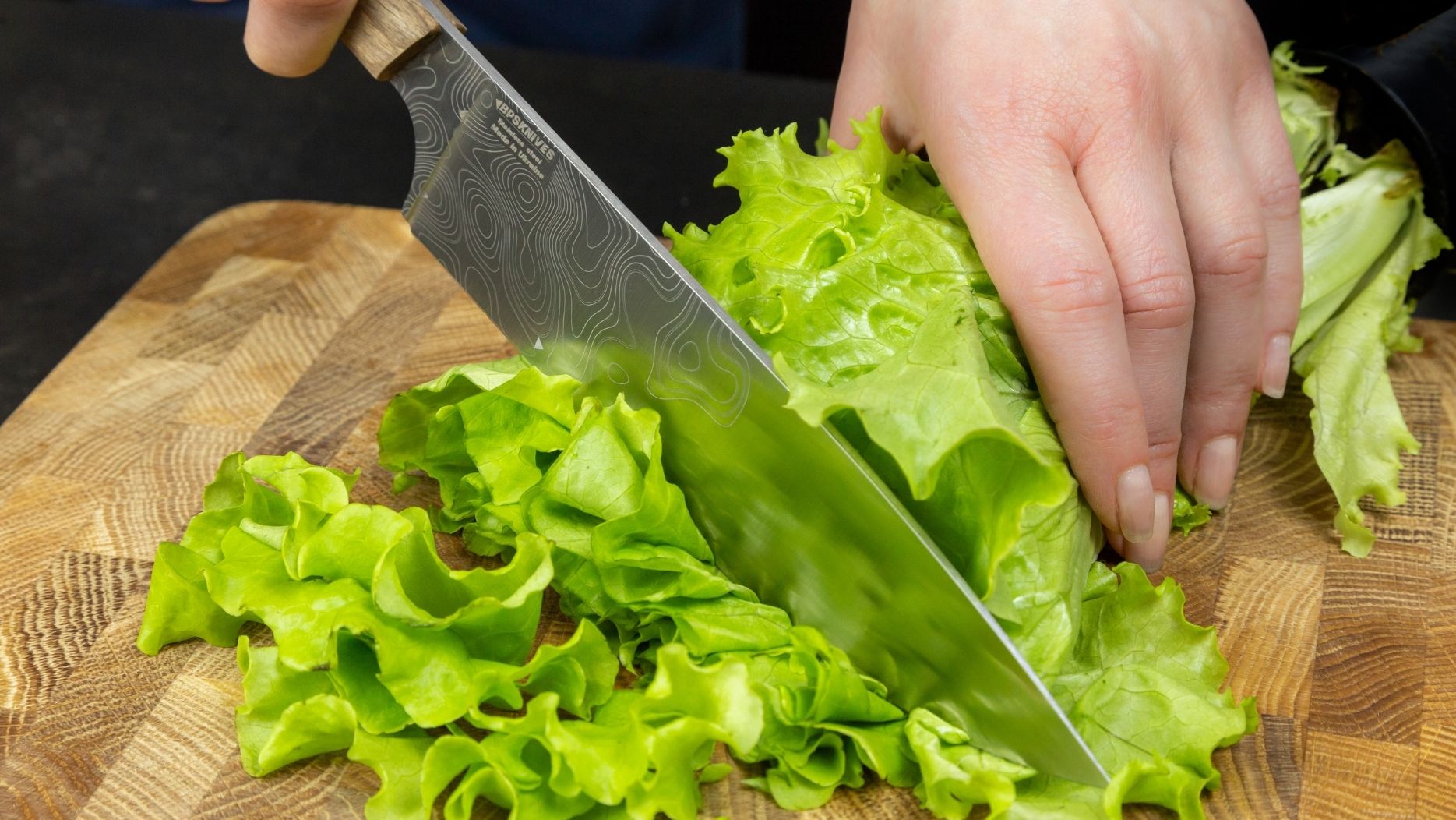
- A straight-edged blade (typically 8-10 inches long) used in the kitchen for chopping, slicing, and dicing ingredients.
- Fixed-Blade Knives:
- These knives have a straight blade with no moving parts, offering reliability and stability for tasks like outdoor survival and hunting.
- Razor Blades:
- Typically thinner and sharper than utility blades, used for fine and precise cutting, such as in art, crafts, or shaving, like micro-bevel blade.
- Surgical Knives:
- Known for their extremely sharp, straight edges, these blades are used in medical procedures to ensure precise incisions.
Design and Functionality
A straight-edged blade is designed for cutting along a single line with little resistance, providing a clean, uniform cut. It is typically made of high-carbon steel or stainless steel for durability and sharpness. The blade’s thickness and length can vary depending on the intended use. Straight blades are highly functional for tasks that require precision. Their design allows for better control and reduces the chance of error during cutting. For instance, in woodworking, a straight edge is used for marking and cutting materials with exact measurements.
Advantages of Straight Edges
- Precision:
- Straight edges allow for more accurate cuts as they don’t have irregularities in the blade’s edge. This ensures consistency in cuts.
- Ease of Maintenance:
- Straight blades are easier to sharpen because of their uniform edge. They also tend to retain their sharpness longer than serrated blades.
- Versatility:
- Straight edges can be used in various applications, from general cutting to specialized tasks like slicing or carving.
- Smooth Cuts:
- The flatness of the edge allows for smooth, clean cuts, which is important in fields like surgery, cooking, and arts and crafts.
- Control:
- The design of straight blades allows users to have better control over the cutting process, which is especially important for delicate tasks.
Common Uses for Straight Knives
- In the Kitchen:
- Straight-edged knives, like chef’s knives or paring knives, are used for chopping vegetables, slicing meat, and filleting fish.
- In Carpentry and Woodworking:
- Straight edges are used for cutting straight lines in wood, leather, or other materials. They are also used as guides for precise measurements.
- In Surgical Settings:
- Surgical scalpels and other medical instruments often feature straight edges for making clean, precise incisions.
- In Art and Crafts:
- Exacto knives and utility knives with straight edges are used for cutting paper, fabric, and other materials in creative work.
- In Manufacturing:
- Straight-edged blades are used in machinery for cutting various materials, such as metals, plastics, and textiles, with accuracy.
Choosing the Right Edge for Your Needs
The best decision, of course, is to purchase both knives! However, if for any reason you need to choose just one blade, then:
Choose a Serrated Edge If:
- You regularly cut through foods with tough exteriors and soft interiors, like bread, tomatoes, or citrus fruits. The serrated edge’s teeth make it easier to cut without squishing or crushing these items.
- You often deal with crusty or tough-skinned meats, such as roasts, sausages, or meats with a hard outer layer. A serrated knife can handle these without tearing the inside.
- You want a knife that requires less maintenance and stays sharp longer, particularly for occasional slicing needs.
Choose a Straight Edge If:
- You need versatility and precision in your cutting tasks. A straight-edge knife is great for general kitchen use, such as slicing vegetables, boneless meats, and fruits that require clean cuts.
- You value control and ease of sharpening. Straight-edge knives are easier to sharpen and maintain, making them ideal for tasks that require fine detail, like filleting fish or chopping herbs.
- You work with softer, more uniform materials (like vegetables, fish, or boneless meats) and want a clean, smooth cut every time.
Hybrid Solutions
And the best part is, you can get both types of blades in one knife! You’ll have a versatile tool capable of handling any task – from slicing food to sawing branches for the roof of your freshly built shelter!
You can easily switch between the serrated and straight edge based on the task at hand! Use the straight edge for precision cutting and the serrated edge for tougher, crusty materials. A versatile tool without having to switch knives, just wow.
Conclusion
So, whether you buy both knives separately or get them combined in one blade, you won’t regret it. Hurry up and grab your new knife, made by us, and get ready – adventures await!