
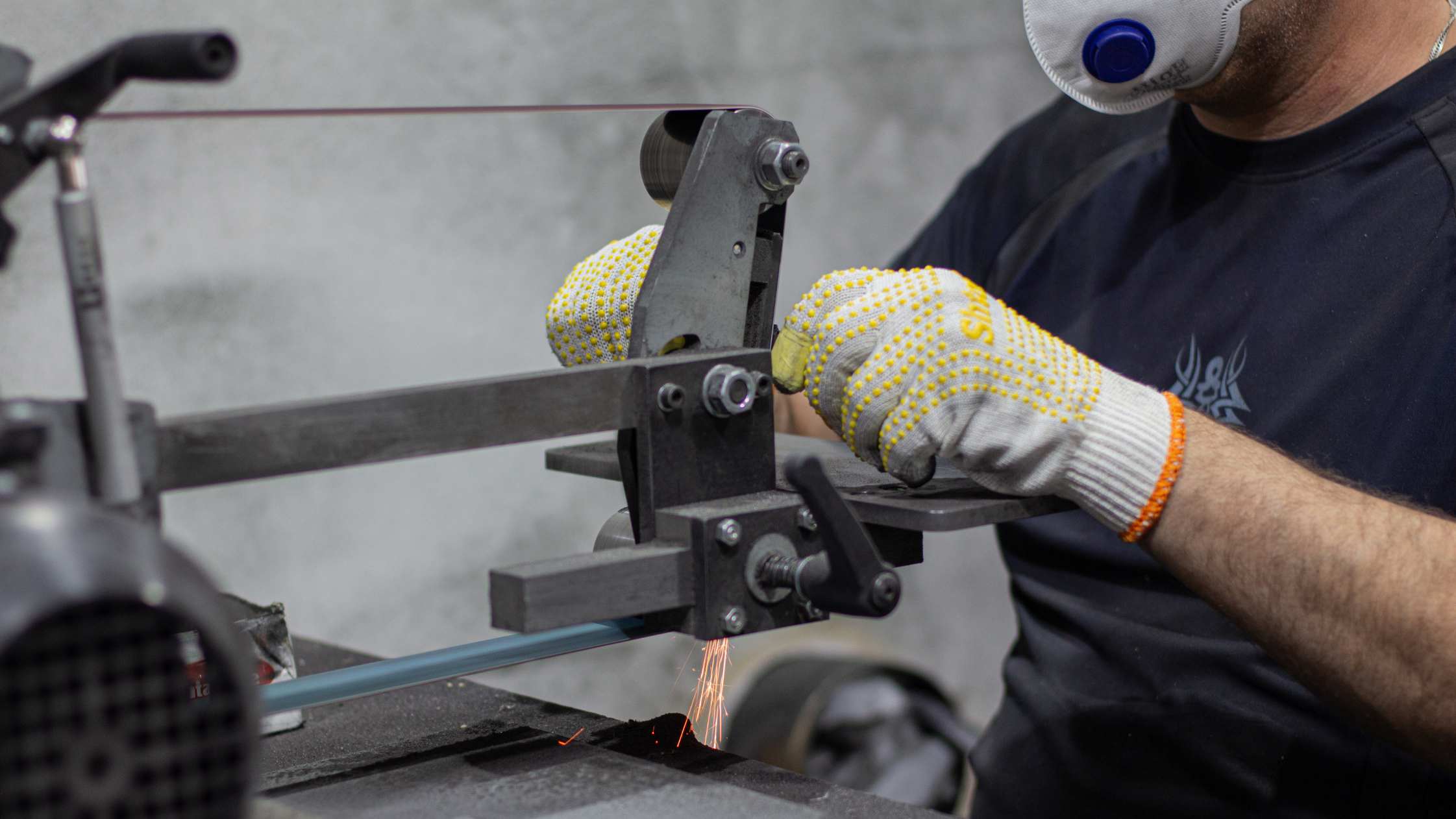
Everyone loves traditional knives, knives made with ancient techniques and forged by hand, the fashion for antiquity is timeless. But what about keeping up with the times?
Overview of the importance of innovation in the knife industry
Antiquity is awesome, who’s gonna argue, but we live in a wonderful time when technology is becoming more and more advanced and incredible every year! And of course this applies to alloys and knife manufacturing in general!
Groundbreaking Material Innovations
So, what the XXI century can please us, what’s the world’s knife news:
Introduction of Super Steels
Super steels are a class of high-performance steels that exhibit exceptional mechanical properties, making them suitable for demanding applications where standard steels would not suffice. These steels are engineered to possess superior strength, toughness, corrosion resistance, wear resistance, and heat resistance, often through advanced alloying and heat treatment processes to make your pocket knife durable and strong as Excalibur!
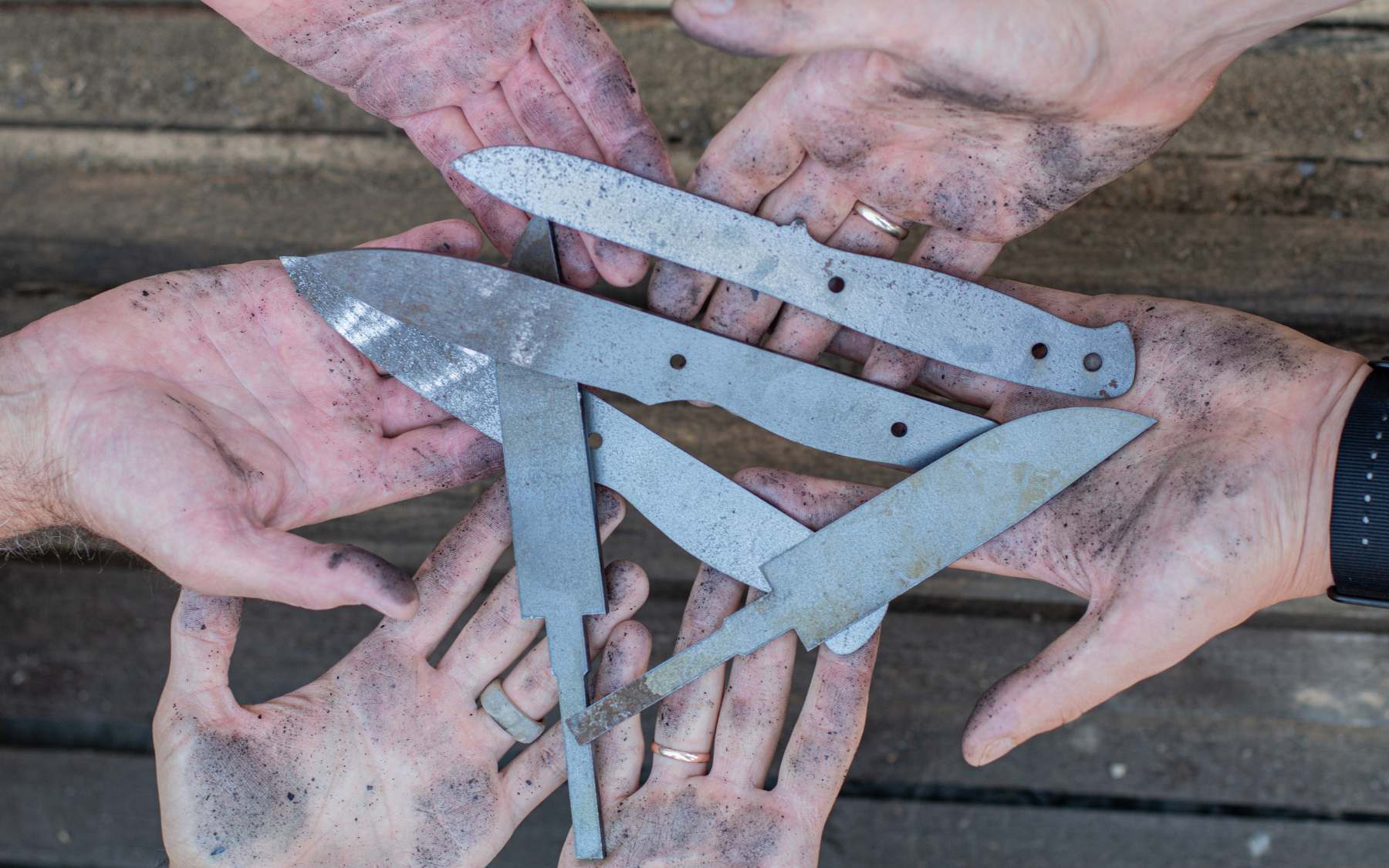
Key Characteristics of Super Steels:
- High Strength and Toughness: Super steels are designed to withstand extreme stresses and impacts without failing. They maintain their strength at both high and low temperatures, making them ideal for critical structural components.
- Wear Resistance: Many super steels are formulated to resist wear and abrasion, making them valuable in industries like mining, automotive, and manufacturing, where parts are exposed to harsh, abrasive environments.
- Corrosion Resistance: Some super steels are alloyed with chromium, nickel, or other elements to resist corrosion, making them useful in marine, chemical, and other corrosive environments.
- Heat Resistance: Certain grades of super steels are capable of maintaining their integrity at elevated temperatures, making them crucial for applications in gas turbines, engine components, and other high-temperature systems.
- Specialized Microstructures: Super steels often have advanced microstructures, such as martensite, bainite, or austenite, which give them their unique properties. These microstructures are often controlled by heat treatments, alloying, or even advanced manufacturing techniques.
Types of innovative Super Steels:
- Tool Steels: Used for cutting tools, dies, and molds. These steels are designed to withstand high pressure and wear during machining operations. Modern grades include CPM S30V, CPM S90V and CPM S110V.
- Stainless Steels: Stainless steels like CoCrFeNi (Cobalt-Chromium-Iron-Nickel) offer excellent corrosion resistance and are widely used in aerospace, chemical processing, and food processing industries.
Technological Advancements in Knife Manufacturing
Knife manufacturing methods have also taken a step forward:
Precision CNC Machining
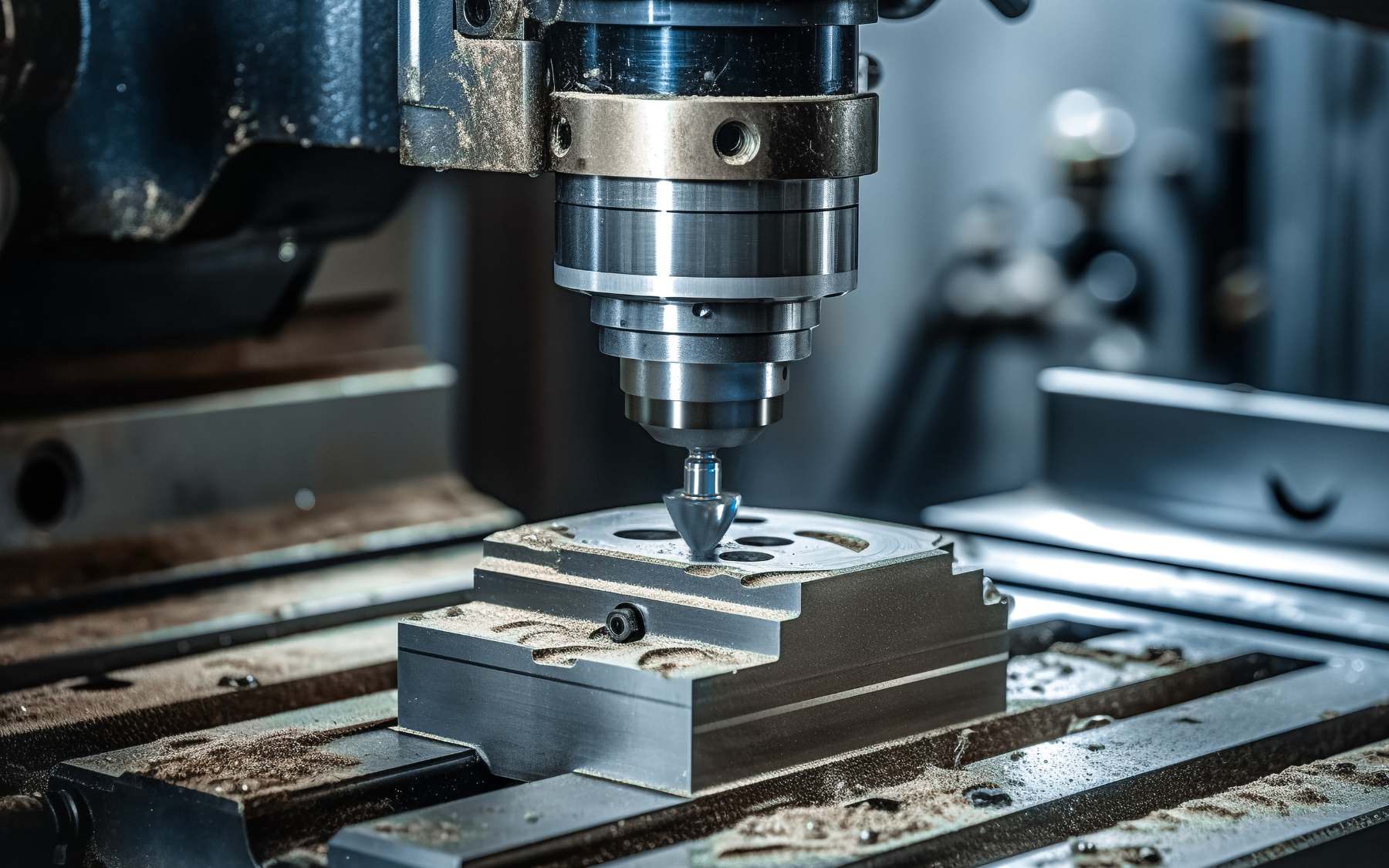
Precision CNC machining is increasingly being used in knife making for producing high-quality, consistent, and intricate parts, such as blades, handles, and various other components. This technique allows for the rapid creation of complex shapes and detailed features, which are often difficult to achieve through traditional forging or handcrafting methods. Here’s an overview of how precision CNC machining can be applied to knife making.
Blade Manufacturing
- Material Selection: The first step in CNC knife making is selecting the appropriate material, typically high-carbon steels or stainless steels. High-end knife makers also use superalloys such as Damascus steel or tool steels, which are ideal for precision CNC work.
- CNC Milling: CNC machines (like vertical mills or 5-axis mills) are used to cut the blade shape from a solid piece of steel. The machine can follow CAD (computer-aided design) files that precisely define the blade’s geometry, including curves, tapers, bevels, and intricate details.
- Blade Contours: The CNC process allows for precise contours and radii that are often difficult to achieve by hand.
- Grinding: After the rough milling is completed, some finishing work is still required, especially for the blade’s edge, bevels, and any detailed grinding. A combination of CNC grinding or waterjet cutting can be used for these fine details.
Handle Making
- CNC Turning: The handle is often turned on a CNC lathe to create the smooth, ergonomic curves that fit comfortably in the hand. This is particularly useful for creating precise handle shapes from materials such as wood, G10, micarta, carbon fiber, or metals like titanium and brass.
- Inlay and Customization: CNC machines can also be used to create inlays in the handles, whether they are metal, wood, or synthetic materials, giving the knife a unique aesthetic or functional feature (e.g., textured grip patterns or decorative engraving).
Customization and Detailing
- Engraving and Marking: CNC machines can also handle fine engraving and logos, serial numbers, or other markings that are common in high-end knives.
- Texturing: For the handle, CNC machines can create textured patterns or checkering for enhanced grip and visual appeal. Additionally, intricate designs can be added to the bolster, pommel, or spine of the knife for added detail.
CNC for Complex Geometries
- Multi-Axis Milling: One of the advantages of CNC machining is the ability to machine complex, multi-dimensional shapes that are challenging with hand tools. With 3-axis or 5-axis CNC machines, knife makers can create asymmetrical blade profiles, compound bevels, and even multi-material construction.
- Blade Tapers and Profiles: CNC allows for highly precise control over the blade’s taper (thickness reduction from spine to edge) and the profile of the blade, ensuring uniformity across production runs.
Speed and Precision
- Faster Prototyping: CNC machining speeds up the prototyping process, allowing knife makers to quickly iterate on designs. A prototype blade can be milled and tested in a matter of hours, providing an immediate feel of the knife’s balance and cutting characteristics.
- Consistency: Precision CNC machining provides consistency across multiple pieces, which is particularly useful for production runs or custom orders that require exact duplicates of a design.
Finishing
- After the CNC machining process, the knife typically undergoes a variety of finishing processes, including heat treatment, surface polishing, coating (e.g., DLC or PVD coating), and sharpening.
- Heat Treating: CNC-machined blades still need to be heat-treated to achieve the hardness and edge retention desired in high-quality knives.
- Edge Grinding: While CNCs can perform rough grinding, a skilled technician will often do final edge grinding and polishing by hand or with a specialized grinder to ensure sharpness and proper geometry.
Challenges of CNC Knife Making
- Cost of Equipment: CNC machines are expensive, especially the more advanced 5-axis models. However, they offer greater control and precision, which can justify the investment for higher-end knife makers or those doing high-volume production.
- Material Handling: Harder steels and materials like titanium may require specialized tooling or more frequent tool changes, as they can be more challenging to machine.
- Post-Processing: While CNC machines can do a lot, some handwork is usually necessary to achieve the final edge quality, especially when it comes to sharpening and detailing. CNC machining also requires careful planning and programming to ensure that all tolerances and features are met.
Applications
- Custom Knives: Many custom knife makers use CNC to create unique, one-off designs, sometimes in combination with traditional hand-forging methods.
- Production Knives: Larger manufacturers can use CNC machining to produce large volumes of knives with consistent quality.
- Damascus Steel Production: Some high-end knife makers use CNC machines to cut and shape Damascus steel billets for intricate blade designs.
Advanced Heat Treatment Processes
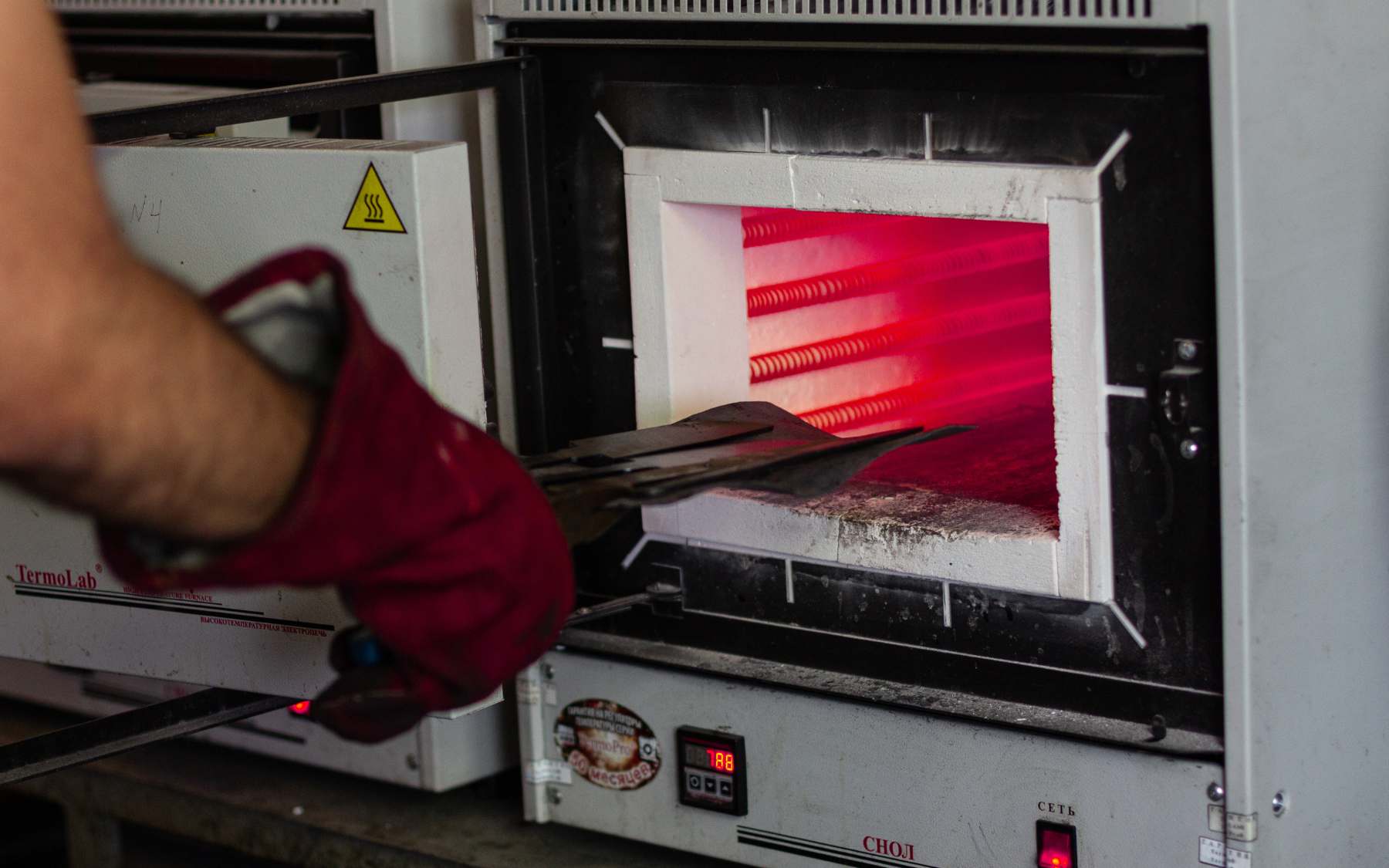
Heat treatment is one of the most critical steps in knife making, as it influences the blade’s hardness, toughness, edge retention, and overall performance. Advanced heat treatment processes are essential for achieving optimal properties in high-performance knives, especially those made from high-carbon and high-alloy steels. Below are some advanced heat treatment techniques that are commonly used in the knife-making industry.
Differential Heat Treatment (or Differential Hardening)
Differential heat treatment is a process that hardens only the edge of the blade while leaving the spine (or back) softer and more flexible. This is particularly important in knives like katana, but is also applied to modern knives where the edge needs to be extremely hard for sharpness, while the spine should remain tough to prevent breaking or chipping.
Process:
- The blade is heated to austenitizing temperature (typically between 800–1,100°C depending on the steel) and then quenched.
- During quenching, a cooling medium (oil, water, or air) is applied to the edge to harden it quickly, while the spine is either shielded or cooled at a slower rate.
- This creates a hardened, wear-resistant edge with a more ductile, shock-resistant spine.
Key Benefits:
- Increased edge retention with better overall blade durability.
- Enhanced flexibility in the spine, reducing the risk of chipping or breaking.
Vacuum Heat Treatment
Vacuum heat treatment is a controlled atmosphere process that takes place in a vacuum furnace. It minimizes the risk of oxidation, decarburization (loss of carbon at the surface), and contamination during the heating process. This is especially useful for high-end tool steels that are sensitive to atmospheric conditions.
Process:
- The blade is placed in a vacuum furnace where it is heated to the desired austenitizing temperature.
- The heat is applied in a controlled, oxygen-free environment, which ensures uniform heating and prevents the oxidation of the blade’s surface.
Key Benefits:
- Reduces decarburization, which helps retain the carbon content of the steel, leading to improved hardness and wear resistance.
- Higher precision and repeatability in heat treatment.
Reduced formation of scale and surface imperfections.
Cryogenic Treatment
Cryogenic heat treatment involves cooling the blade to extremely low temperatures, typically below −100°C, often using liquid nitrogen. This process is usually done after the quenching phase to further enhance the steel’s properties.
Process:
After quenching, the blade is subjected to cryogenic treatment, where it is cooled to temperatures as low as −196°C (liquid nitrogen temperature).
The rapid cooling causes the transformation of retained austenite (a phase of steel that is unstable at room temperature) into martensite, a harder phase.
Key Benefits:
Reduces retained austenite, which increases hardness and wear resistance.
Increases dimensional stability by refining the microstructure.
Enhances overall toughness and fatigue resistance.
Subzero Quenching
Subzero quenching is a variant of cryogenic treatment where the blade is cooled to slightly below freezing, but not as extreme as cryogenic treatment. It is typically done with dry ice or in a freezer. This process is used to improve the transformation of austenite to martensite.
Process:
- After quenching in oil or water, the blade is placed in a subzero environment (often at temperatures between −40°C and −70°C) to further reduce retained austenite and improve hardness.
Key Benefits:
- Reduces retained austenite, which improves edge retention and wear resistance.
- Can increase toughness compared to standard quenching.
Austempering
Austempering is an advanced heat treatment process used to produce bainite, a microstructure that offers a good balance of hardness, strength, and toughness. It is typically used with certain tool steels, spring steels, and other high-carbon steels.
Process:
- The blade is heated to the austenitizing temperature, then rapidly cooled to a temperature between 250°C and 450°C.
- The blade is held at this temperature for a period to allow the formation of bainite, which is a combination of fine ferrite and carbide particles.
Key Benefits:
Produces a fine, tough microstructure that is less brittle than martensite.
Offers a better balance of strength and toughness than quenching alone.
Reduces internal stresses, minimizing the risk of warping or cracking.
Double Quenching
Double quenching involves heating and quenching the blade twice, usually with an intermediate cooling step. This technique is often used to improve hardness and reduce internal stresses, particularly in carbon steels.
Process:
- The blade is heated to the austenitizing temperature and then quenched in a medium like oil or water.
- The blade is then reheated to a lower temperature and quenched again.
Key Benefits:
- Improves hardness and reduces residual stresses in the steel.
- Enhances uniformity in the microstructure, increasing toughness and reducing the risk of cracking.
Tempering (Multiple Tempering Cycles)
Tempering is the process of heating the blade to a lower temperature after quenching to reduce brittleness and relieve internal stresses while retaining most of the hardness achieved during quenching. In advanced knife making, tempering may involve multiple cycles to achieve the desired balance between hardness and toughness.
Process:
- After quenching, the blade is heated to a specific temperature (typically between 150°C and 600°C, depending on the steel and desired hardness) and held for a period of time.
- The tempering process may be repeated (usually 2–3 times) to refine the steel’s properties.
Key Benefits:
- Increases toughness and reduces brittleness.
- Helps to fine-tune the hardness of the blade to achieve the desired balance of cutting performance and durability.
- Multiple tempering cycles can increase the blade’s overall performance by refining the microstructure.
Martempering
Martempering, sometimes called “marquenching,” is similar to austempering, but the quenching process involves holding the steel at a higher temperature (typically above the martensite start temperature) for a longer period before it is cooled to room temperature. This process avoids the formation of thermal gradients and reduces the risk of distortion or cracking.
Process:
- The blade is heated to the austenitizing temperature and then cooled in a medium (usually oil or molten salt) to a temperature above the martensite start temperature.
- The blade is held at this temperature until the entire piece reaches uniform temperature, then cooled in air or another medium.
Key Benefits:
- Reduces internal stresses and minimizes warping or cracking.
- Produces martensite with a more uniform microstructure, improving strength and toughness.
Use of Recycled Materials
The ecological system of our planet needs constant protection and care! After all, the health and quality of life of the next generations of people depend on it. So recycled materials are not only a great way to create unique, sustainable, and cost-effective knives, but also helps reduce waste, lowers the environmental impact of production, and can result in one-of-a-kind pieces with character. Nice decision for folding knife making!
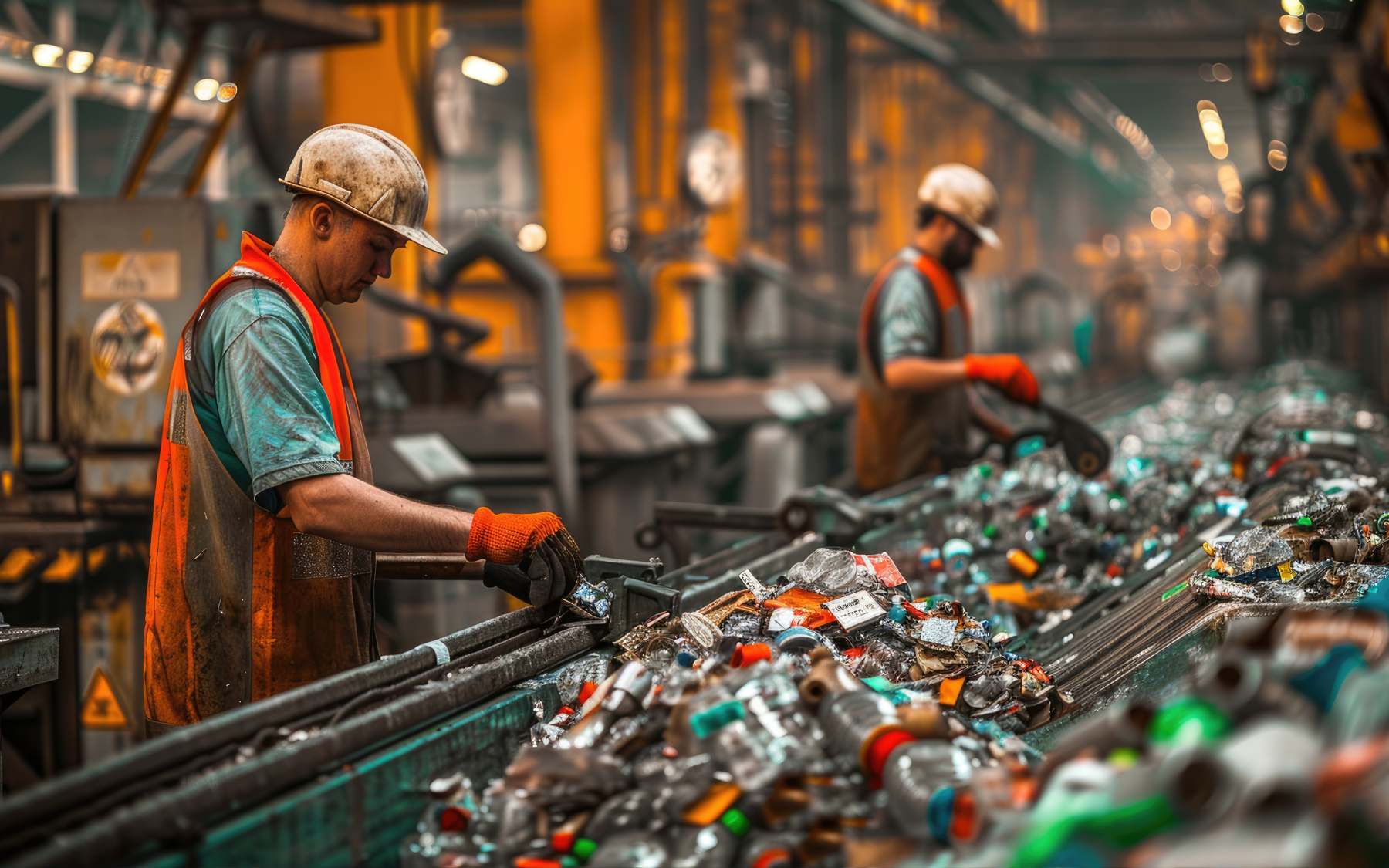
Recycled Steel (e.g., Car Parts, Old Tools, or Scrap Metal)
- Source: Scrap metal from old cars, industrial equipment, or used tools.
- Advantages: Recycled steel, particularly when sourced from high-carbon steels used in tools or machinery, can make for strong, durable knife blades. Often, the steel has already been heat-treated and tempered, making it easier to forge or shape into a knife.
- Challenges: One potential issue with using recycled steel is that its exact composition can be uncertain, which makes it harder to control the blade’s hardness, corrosion resistance, and edge retention unless thoroughly tested.
- Examples: Used files, automotive leaf springs, old railroad tracks, or scrap from old knives.
Recycled Wood (for Handles)
- Source: Scraps from old furniture, flooring, shipping pallets, or other wood products.
- Advantages: Recycled wood can create beautiful and durable knife handles with a history, adding character to the final piece. This approach is both sustainable and cost-effective.
- Challenges: Some reclaimed wood may be harder to work with due to wear or damage over time. It may also require more effort to clean and treat the wood to ensure durability and resistance to moisture and pests.
- Examples: Old hardwood furniture, reclaimed flooring, or driftwood.
Recycled Plastic or Synthetic Materials (for Handles or Scales)
- Source: Recycled plastic bottles, old kitchen utensils, or discarded plastic products.
- Advantages: These materials can create lightweight, colorful, and durable handles. Some recycled plastics, when processed properly, can be made into dense, tough materials that work well for knife handles.
- Challenges: The durability and quality of recycled plastics can vary widely depending on the source and processing methods. Certain plastics may degrade over time, especially in outdoor environments.
- Examples: Recycled polypropylene, ABS, or even old plastic containers that can be melted down and molded into new shapes.
Recycled Leather (for Sheaths or Handle Wrapping)
- Source: Old leather jackets, belts, or other worn-out leather products.
- Advantages: Leather is a great material for knife sheaths or handle wraps. Recycled leather often retains its strength and texture, and it can provide a unique aesthetic with a story behind it.
- Challenges: Leather must be properly cleaned and conditioned before use, as it can dry out or become brittle over time.
- Examples: Old leather belts or furniture upholstery.
Recycled Aluminum or Other Metals (for Bolsters, Guards, or Decorative Elements)
- Source: Recycled aluminum cans, old kitchen utensils, or industrial scrap metal.
- Advantages: Aluminum is lightweight, corrosion-resistant, and easy to work with. Recycled aluminum can be used for decorative bolsters or other hardware elements on knives. It can also add an interesting design element.
- Challenges: Recycled aluminum can be of lower quality and might require more precise alloy control for high-performance applications.
- Examples: Recycled aluminum cans or old aluminum tools.
Recycled Glass (for Decorative Elements)
- Source: Recycled glass bottles or jars.
- Advantages: Recycled glass can be used to create unique decorative elements, such as inlays, mosaic designs, or even as a durable handle material when it is properly treated and shaped.
- Challenges: Glass is brittle and may not be ideal for high-stress applications, but it works well for ornamental details.
- Examples: Glass from old bottles, windows, or broken glassware.
Recycled Stone or Ceramic (for Handles or Decorative Inlays)
- Source: Old stoneware, ceramic objects, or broken pottery.
- Advantages: These materials can add an exotic, artistic touch to knife handles or bolster inlays. They can be polished and shaped to create unique patterns or finishes.
- Challenges: Stone or ceramics are brittle, so they are less commonly used for the entire handle but may serve well for inlays or decorative accents.
- Examples: Broken pottery or stone tiles.
Recycled Copper or Brass (for Bolsters, Pins, or Decorative Parts)
- Source: Old plumbing pipes, electrical wires, or scrap metal from industrial sources.
Advantages: Both copper and brass are corrosion-resistant metals that work well as decorative elements on knives, including bolsters, pins, and guard materials. They also offer an attractive, rustic look that contrasts well with steel blades.
Challenges: Copper can tarnish over time, but this can be part of its charm, adding a patina to the knife.
Examples: Copper pipe or brass electrical connectors.
Benefits of Using Recycled Materials in Knife Making
- Environmental Impact: Using recycled materials reduces waste and lowers the environmental footprint of manufacturing processes.
- Unique Aesthetic: Recycled materials often have a distinct, aged look or character that adds individuality to each knife, making it stand out from mass-produced options.
- Cost Efficiency: Some recycled materials can be cheaper or more accessible than newly sourced materials, making knife making more affordable, especially for hobbyists or small-scale makers.
- Customization: Recycled materials provide unique challenges and opportunities for customization, allowing makers to experiment with different textures, colors, and design elements.
Challenges:
- Material Quality and Consistency: The quality of recycled materials can vary, so it may require more effort to process them into usable form.
- Time and Labor: Sourcing and preparing recycled materials often takes more time than using brand-new materials, which can increase labor costs.
- Tool Wear: Some recycled materials, like hardened steel or ceramics, can be tougher on tools and may require specialized equipment or more frequent tool maintenance.
Conclusion
As you can see, the XXI century has a lot to please us! A modern knife made with the help of modern technologies is an almost indestructible tool that will cope with any task assigned to it. Within reason, of course. Don’t forget to take a look at our online-shop, ta-ta for now!