
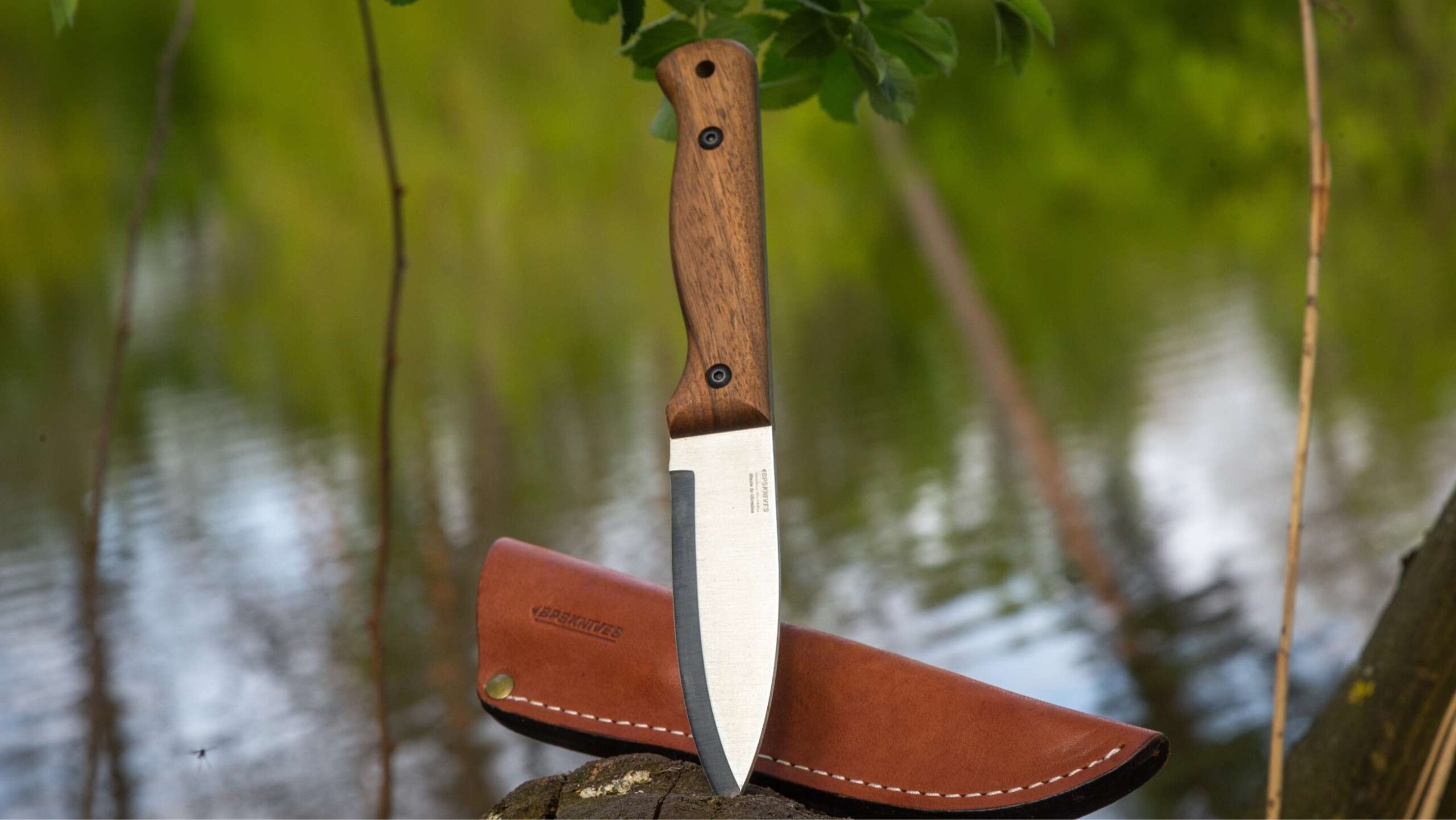
Any water activity always brings bright and unforgettable impressions! Surfing, diving, kayaking, jet skiing – it’s like a celebration in itself. And can you imagine, even when you’re on the water or underwater, you just can’t do without the good ol’ trusty knife!
The importance of having the right knife for water-based activities
That’s right! Even in seemingly safe conditions, you might suddenly get tangled in the straps of a water parachute, for example. Or, while trying to squeeze through a narrow space underwater during a dive, your backpack could catch on something, putting you in a very life-threatening situation. And out of nowhere, a tiger shark might pop up on you – in that case, you’ll definitely want to poke it with something sharp, because this ocean scoundrel certainly won’t just let go of you that easily!
Key Features of Knives for Aquatic Use
So, what are these knives for aquatic use, like saltwater knives for example? It is knives designed for use in environments like scuba diving, fishing, or underwater rescue, need to meet specific requirements due to the challenges posed by water conditions. Here are some key features of knives for aquatic use:
1. Corrosion Resistance
- Materials: These knives are typically made from stainless steel, titanium, or other corrosion-resistant alloys to withstand exposure to saltwater and prevent rust and deterioration. Some water sport knives models may have a ceramic blade, which is also highly resistant to corrosion.
2. Compact and Lightweight
- Ease of Carrying: underwater knives are usually designed to be compact and lightweight, making them easy to carry on a dive belt, harness, or attached to gear. This reduces the risk of the knife interfering with movement in the water.
3. Ergonomic Handle
- Grip and Comfort: A comfortable, non-slip handle is essential to ensure a firm grip, even when wet, which is very important for diving knives for example.. Handles made from rubber, textured plastic, or similar materials provide better control and reduce the risk of slipping during use.
4. Sheath and Mounting Options
- Quick Access: The sheath should securely hold the knife in place but also allow for quick, easy access. Many coolest water rescue knives come with clips or attachment systems that allow divers or adventurers to mount the knife on a strap or harness for quick retrieval.
5. Blade Shape and Size
- Practical Blade Design: The blade is usually shorter (around 3 to 5 inches) and features a pointed tip for precision cutting, along with a straight edge or a serrated edge for versatile cutting, such as for rope, fishing lines, or other underwater obstacles.
6. Tactical Features
- Hook for Cutting Lines: Some knives for fishing include a line-cutting hook or notch, specifically designed to cut through tangled fishing lines, nets, or ropes quickly, making them essential for underwater rescue scenarios.
- Safety Features: Safety features like a locking mechanism to prevent accidental opening or closing of the blade, and a finger guard to protect against injury, are often included.
7. Visibility and Color
- Bright, High-Contrast Colors: Brightly colored knives (like yellow, orange, or neon green) are common in aquatic environments to ensure they are easily visible, even in low-light or murky conditions.
8. Multi-functional Features
- Diving Specific Tools: Some knives come equipped with additional tools like a flathead screwdriver or a bottle opener, which can be helpful for divers or maritime adventurers in need of versatile equipment. Nice option for fishing knives set!
9. Fixed vs. Folding Blades
- Fixed Blade: best sailing knives are fixed full tang because it is more durable and easier to maintain in aquatic environments as they are less prone to malfunction in wet conditions.
- Folding Blade: A folding knife can be more compact and convenient to carry, though it may require more maintenance to keep moving parts functional in saltwater environments.
10. Blade Tip Design
- Blunt or Pointed Tip: knives for sailing can come with either a blunt or pointed tip. A blunt tip may be safer in certain situations (e.g., when cutting through nets or lines) while a pointed tip is more useful for piercing or precision tasks.
- In aquatic environments, where safety is paramount, knives must offer reliability and functionality while being resistant to the harsh conditions of water.

Types of Knives Ideal for Water Activities
Now, let’s take a look at knives that are perfect for any activity on or underwater!
Dive Knives
Dive knives are specially designed for underwater use, often featuring a compact, corrosion-resistant blade. They are essential for divers who may need to cut through fishing lines, seaweed, or even deal with entanglements. Typically, dive knives have a blunt tip to avoid puncturing air tanks, and the blade is made of stainless steel or titanium to resist rust. Some models, like sailing pocket knives, come with serrated edges to cut through tougher materials like rope or nets.
Fishing Knives
Fishing knives are crafted to assist anglers in various tasks, from cleaning fish to cutting fishing lines. These knives tend to have a long, flexible blade, ideal for filleting fish. The blades are often made from stainless steel to prevent corrosion from saltwater. Some fishing knives feature a rubberized handle for a non-slip grip, ensuring you can use them safely even when wet. They may also have specialized tips for precision cutting around delicate areas like gills or fins.
Sailing and Boating Knives
Sailing and boating knives are versatile tools that often combine both cutting and utility functions. They feature corrosion-resistant materials, such as stainless steel or coated blades, to withstand the harsh marine environment. These knives are designed to easily slice through ropes, sails, and lines. Many models have a folding mechanism for compact storage and include a lanyard hole to keep them secure and within reach. Some sailing knives also feature marlin spikes or other tools, making them multi-functional for a range of maritime needs.

Maintenance Tips for Knives Used in Water
These knives are constantly exposed to harsh environments, like salty seawater, which can turn your blade into a rusty piece of scrap metal without proper care.
1. Rinse After Use
- Freshwater knives: Rinse the knife with fresh water after every use to remove any dirt, salt, or other debris.
- Saltwater knives: Saltwater can cause rust quickly, so rinse the knife with freshwater as soon as possible to remove any salt buildup.
2. Dry Thoroughly
- After rinsing, dry the knife completely with a soft towel or cloth to avoid moisture that can promote rusting.
- For areas that may trap moisture (like around the handle), use a hairdryer or let it air dry fully.
3. Lubrication
- Apply a light coat of oil or specialized lubricant (like mineral oil or food-safe oils) to the blade after drying. This will help protect the metal from corrosion, especially if it’s carbon steel.
- For stainless steel blades, use a silicone-based lubricant, which can provide extra protection against rust without affecting performance.
4. Sharpen Regularly
- Use a sharpening stone or a honing rod to maintain the blade’s edge. Regular sharpening helps ensure that the knife works effectively when you need it.
- For knives exposed to rough conditions like cutting through tough materials underwater, you may need to sharpen them more frequently.
5. Store Properly
- When storing the knife, keep it in a dry place, ideally away from moisture and humidity.
- If possible, store the knife in a protective case, sheath, or pouch to prevent accidental damage.
- Avoid keeping the knife in direct contact with wet materials or surfaces for extended periods.
6. Check for Rust and Corrosion
- Regularly inspect the blade for signs of rust or corrosion. If you notice any, clean it off immediately using a non-abrasive scrubber, like a sponge or nylon brush, and treat the knife with a rust-removal solution or oil.
- Preventive care: Keep an eye on any nicks, scratches, or worn areas where rust could form more easily.
7. Handle Care
- Some water knives have handles made of plastic, rubber, or wood, which can degrade when exposed to water and moisture. Be sure to clean and dry the handle well after each use, and occasionally treat it with appropriate oils or conditioning products.
- For wooden handles, you may want to oil them periodically to keep the wood from drying out and cracking.
8. Blade Cover
- When not in use, keep the blade protected in a sheath or a blade cover, which will help prevent accidental rusting from exposure to air or water.
- Make sure the sheath or cover allows air circulation, especially for blades that are prone to rust.
9. Avoid Harsh Chemicals
- Don’t use abrasive cleaners or harsh chemicals that can damage the blade or handle. Stick to gentle cleaners designed for knives or natural solutions like mild soap

Choosing the Right Knife for Your Adventure
And most importantly, how do you choose a knife that will be perfect for your adventures and misadventures? Choosing the right knife for your water-based adventure is crucial for both safety and convenience. When selecting a knife, one of the first things to consider is the blade material. Stainless steel is a reliable choice because it resists corrosion from saltwater, making it ideal for marine environments. Titanium is even more resistant to rust and is lightweight and durable, but it tends to be more expensive. Carbon steel, while strong, isn’t the best choice for water-based activities unless it has a coating since it rusts quickly.
The blade shape is another important factor. A straight edge is versatile and good for general cutting tasks, while a serrated edge is particularly useful for cutting through ropes or fishing lines. A drop point blade is a great all-around option, especially for precision cutting in emergency situations.
The handle material is also key. Rubberized handles offer a secure grip, even when wet, and plastic handles are lightweight but can be slippery. TPE (thermoplastic elastomer) handles are comfortable and provide a good grip in wet conditions, but make sure the handle design is ergonomic so it fits comfortably in your hand, even if you’re wearing gloves.
Size and weight matter as well. A compact knife is easier to carry and ideal for portability, but a larger knife may be needed for more heavy-duty tasks. It’s important to strike a balance in weight so the knife isn’t too heavy or too light for your needs.
When it comes to the sheath and carrying method, a knife should come with a waterproof, secure sheath that’s easy to attach to your gear. Look for a sheath with a reliable locking system to prevent accidental release of the knife, and ensure it can be mounted in a place where you can quickly access it, like on your person or equipment.
Corrosion resistance is especially important for saltwater environments, so choose a blade that is resistant to rust. Many knives come with special coatings, such as black oxide, which provide extra protection against the elements. Durability is also essential, and a good knife should be able to withstand rough conditions without bending or breaking, maintaining its edge even after repeated use.
Finally, some knives come with additional features like bottle openers, whistles, or integrated line cutters, which can be useful in various situations on the water.
Having the right knife on hand is essential for a safe and comfortable adventure, so investing in one that’s durable, corrosion-resistant, and easy to carry is highly recommended. Whether it’s for cutting rope, preparing food, or handling an emergency, a reliable knife is a must for any water-based activity.
Conclusion
That’s how it goes. The right knife for your maritime adventure ensures you can overcome any obstacles in your path and might even save your life and/or the lives of your loved ones. Until next time!