
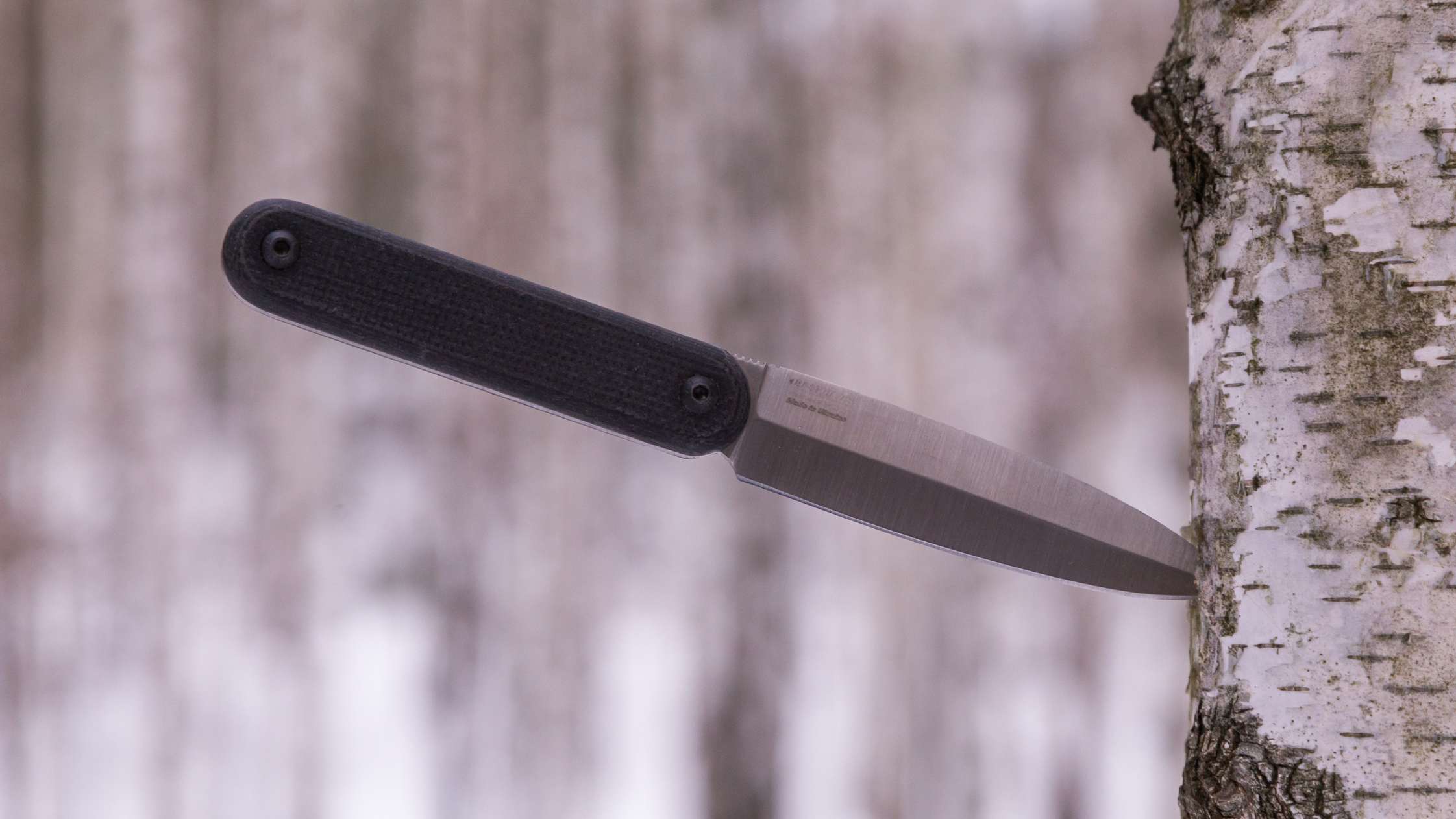
Throughout our eventful history (both joyful and grimdark), humans have constantly had the need to pry something open, poke at something, twist something, crack open boxes/cans/scoundrels, and so on and so forth.
How steel composition affects knife functionality
And so, in the end, the first EDC knife was born! A versatile blade for everyday carry, capable of handling almost any task. But what is a knife if it’s not made from quality steel? Clearly, it’s just crap.
The composition of steel significantly affects a knife’s functionality, including its sharpness, durability, rust resistance, flexibility, and overall performance. Carbon is the key element for hardness and edge retention. The higher the carbon content, the harder the knife will be, and the longer it will maintain its sharpness. However, as the carbon content increases, the steel becomes more brittle, making the knife more prone to chipping. Lower carbon steel is easier to sharpen but tends to dull more quickly and can be more susceptible to rust.
- Chromium enhances the steel’s resistance to rust by forming a protective oxide layer. This is especially important for knives used in moist environments, such as kitchen knives. Chromium helps extend the knife’s lifespan by maintaining its appearance and functionality.
- Molybdenum and vanadium improve wear resistance and strength, preventing chipping. These elements make knives more durable and efficient in heavy-duty use. Vanadium also refines the grain structure of the steel, resulting in a finer, sharper edge.
- Nickel adds flexibility and toughness to the steel, helping prevent cracking or breaking under stress. It enhances the steel’s ability to withstand impacts, making it suitable for tasks that require more resilience.
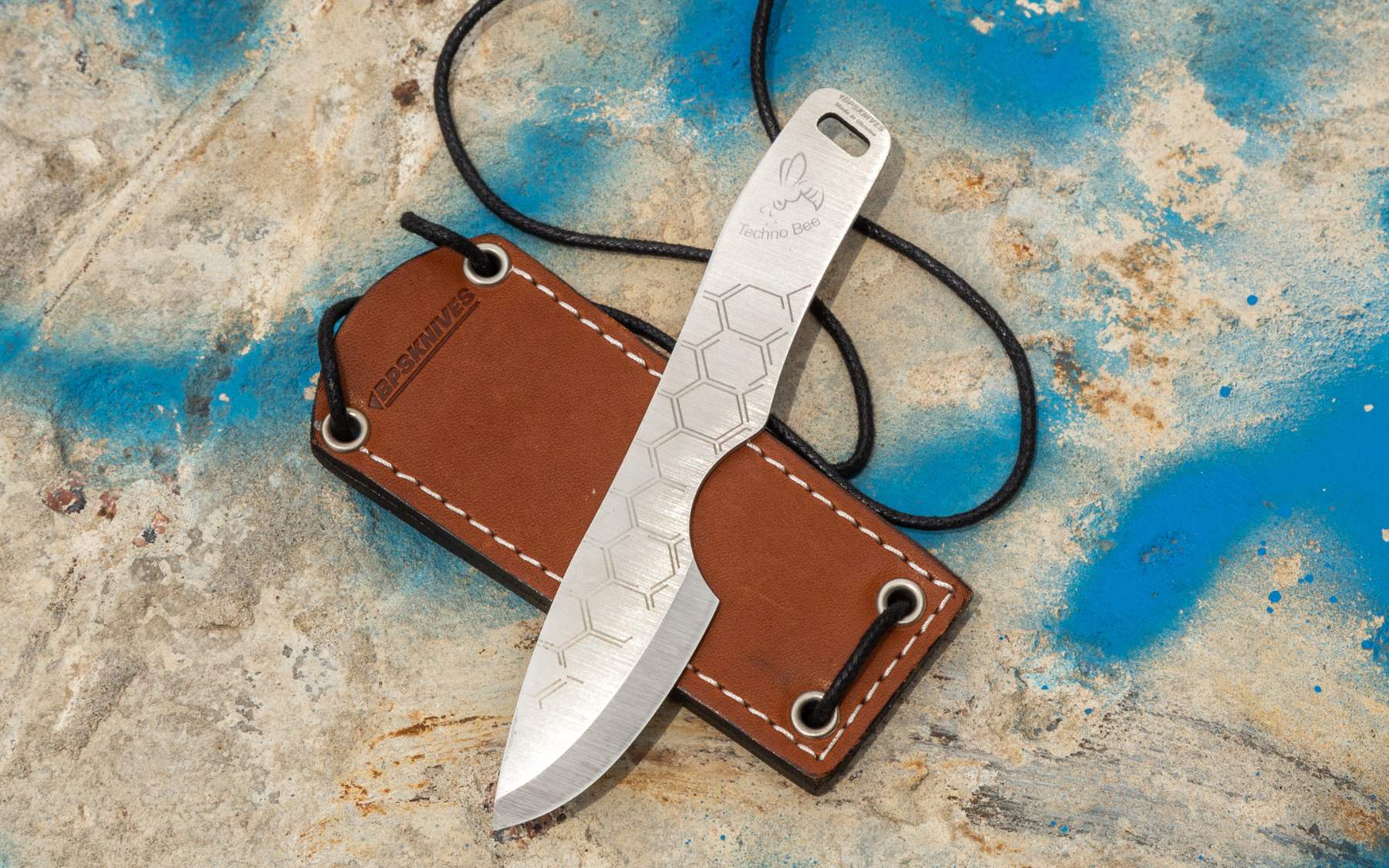
Early Materials in EDC Knives
It all started, of course, with the traditional and beloved carbon and stainless steels!
Traditional Carbon Steels
Carbon Steel Characteristics:
- Durability and Sharpness: Carbon steels were the backbone of early knife-making because of their excellent ability to hold a sharp edge and their relative ease of sharpening.
- Ease of Forging: Carbon steels are easier to shape and heat treat compared to stainless steels, making them a go-to choice for early knife makers.
- Corrosion Resistance: Carbon steel knives do have a downside: they are prone to rust and corrosion if not properly maintained. This was a significant concern when knives were used in harsh environments or exposed to moisture regularly.
Popular Early Carbon Steels:
- 1095 Steel: One of the most popular early carbon steels used for knife blades, it’s known for good toughness and ease of sharpening. It has a relatively high carbon content, making it prone to rust without proper care.
- 1080 and 1075: These were also common choices in the past for everyday knives, offering similar characteristics as 1095 but with slightly different hardness and edge retention properties.
- 5160 Steel: A steel more often used in larger knives or swords, but still found in some traditional folding knives, especially for its toughness and flexibility.
First Uses of Stainless Steels
The introduction of stainless steels revolutionized knife-making in the 20th century. They brought about a significant improvement in corrosion resistance, which solved a major issue with carbon steel knives.
History of Stainless Steel:
- Early Development: Stainless steel was first developed in the early 1900s. Crucible Steel was one of the first companies to produce stainless steel specifically for tool use, and in the 1920s, Böhler in Austria started experimenting with stainless steel alloys for knives and tools.
- Böhler’s Early Stainless Steel: One of the earliest and most famous stainless steel alloys used for knives was Böhler N690, which became popular because it combined high corrosion resistance with a relatively high hardness and edge retention.
Popular Early Stainless Steels:
- 440C Steel: One of the first stainless steels to see widespread use in knives, especially in the mid-20th century. 440C offered a good balance of corrosion resistance, edge retention, and ease of maintenance. It wasn’t as tough as some carbon steels, but its resistance to rust made it highly desirable.
- AUS-8: A Japanese stainless steel that began to gain traction in the 1980s for budget knives. It’s easy to sharpen, offers reasonable corrosion resistance, and holds a decent edge, making it a popular choice for many EDC blades.
- VG-10: Another Japanese stainless steel that started to be used more frequently in the 1990s. It’s known for its excellent edge retention, corrosion resistance, and relatively high toughness, making it popular in higher-end EDC knives.

Modern Advancements in Knife Steels
Enough with the history and nostalgia. Let’s finally face the present day: what are EDC knives made of today? In recent years, there have been significant advancements in knife steels, driven by innovations in metallurgy and manufacturing techniques. These developments aim to produce steels with superior performance, durability, and edge retention. Two notable areas of progress are in high-carbon stainless steels and powder metallurgy steels.
Development of High-Carbon Stainless Steels
High-carbon stainless steels combine the benefits of carbon steel (which offers hardness and edge retention) with the corrosion resistance of stainless steel. Traditional carbon steels, while offering excellent performance in terms of sharpness and toughness, are prone to rust. Stainless steels, on the other hand, offer corrosion resistance but are typically softer.
Modern high-carbon stainless steels have emerged to bridge this gap, offering:
- Increased hardness: The addition of more carbon improves hardness and edge retention, making them ideal for cutting tasks where a sharp, durable edge is necessary.
- Corrosion resistance: The inclusion of chromium and other alloying elements helps prevent rust and corrosion, even in humid or wet environments.
Examples:
- CPM-S35VN: A popular high-carbon stainless steel, known for its balance of hardness (59-61 HRC), corrosion resistance, and toughness.
- RWL-34: Known for its fine grain structure, excellent edge retention, and good resistance to corrosion.
These steels often have a higher wear resistance than traditional stainless steels, making them suitable for both industrial and high-end consumer knives.
Powder Metallurgy Steels
Powder metallurgy (PM) steel is produced by mixing fine metal powders, pressing them into shape, and then sintering the material under high pressure and temperature. This method enables manufacturers to create more refined steel compositions, resulting in better performance and unique properties.
Key benefits of PM steels include:
- Uniformity: The powder metallurgy process creates a more homogeneous mix of alloying elements, which results in more consistent mechanical properties throughout the steel.
- Fine grain structure: The manufacturing process allows for a finer, more uniform grain structure, which leads to better toughness, edge retention, and resistance to corrosion.
- Higher carbide content: Powder metallurgy allows for a higher concentration of carbide-forming elements, leading to harder and more wear-resistant steels.
Examples of PM steels include:
- CPM-S90V: Known for its exceptional wear resistance and edge retention, but can be a bit more difficult to sharpen due to its high hardness.
- M390: A high-performance stainless steel with excellent edge retention, corrosion resistance, and toughness, making it ideal for premium knives.
- ZDP-189: An extremely hard, high-carbon stainless steel known for its incredible edge retention and wear resistance.

Choosing the Right Steel for Your EDC Knife
Very well! But which steel is the best choice? To put it briefly – definitely stainless steel (like 5Cr14MoV or 440C), without a second thought. Want the long version? Alright, here it is:
1. Edge Retention
Edge retention refers to how long a knife can keep its sharpness before needing to be sharpened. If you use your EDC knife frequently and want it to hold an edge for longer, you’ll need a steel with great edge retention.
Best blade steel for edc knives:
- S30V: Known for its excellent edge retention and corrosion resistance.
- S35VN: Similar to S30V but with enhanced toughness.
- M390: One of the top steels for edge retention, also highly resistant to corrosion.
- CTS-XHP: Offers great edge retention with a good balance of toughness for fixed blade knives for EDC.
2. Corrosion Resistance
If you live in a humid or salty environment or plan to use your knife near water (e.g., fishing or camping), corrosion resistance will be a priority.
Top corrosion-resistant steels:
- CPM-20CV: Very high corrosion resistance, excellent edge retention.
- M390: Known for its impressive corrosion resistance as well. Nice for small EDC knives.
- H1 (Spyderco): Made for environments where rust resistance is critical, such as saltwater.
3. Toughness
Toughness refers to how well the steel resists chipping or breaking when subjected to impact or hard use. Toughness is important for tasks like prying or heavy chopping.
Tougher steels:
- 154CM: Has good toughness and corrosion resistance.
- D2: A relatively tough steel but not as corrosion-resistant as others. Still a nice variant for pocket EDC knife.
- 420HC: A more affordable, tough steel, but it doesn’t hold an edge as long as premium steels.
4. Ease of Sharpening
If you’re new to sharpening or don’t want to spend a lot of time maintaining your knife, you might prefer a steel that’s easier to sharpen.
Easier-to-sharpen steels:
- AUS-8: A budget-friendly, easy-to-sharpen steel that balances corrosion resistance and edge retention.
- VG-10: Known for being easier to sharpen while still holding a decent edge.
- 440C: A good option for the best knife for edc, that are budget and easier to sharpen compared to premium steels.
5. Price
Steels like M390 and CPM-20CV offer excellent performance but come with a higher price tag. More budget-friendly steels like 8Cr13MoV or 440C may not have the same high-end features, but they’re still functional for everyday use and generally more affordable.
Popular Steel Types for EDC Knives:
- S30V: good knife steel, great balance between edge retention, toughness, and corrosion resistance. A staple in mid-to-high-end EDC knives.
- VG-10: A well-known steel in the knife world, offering good edge retention and corrosion resistance, often seen in premium but more affordable knives.
- D2: A tool steel that is tough but may require more care to prevent rusting. It’s often found in value knives. Awesome option for a good EDC knife!
- 154CM: Affordable and durable, often used in entry to mid-level knives.
- M390: Exceptional edge retention and corrosion resistance, though pricier.
Conclusion
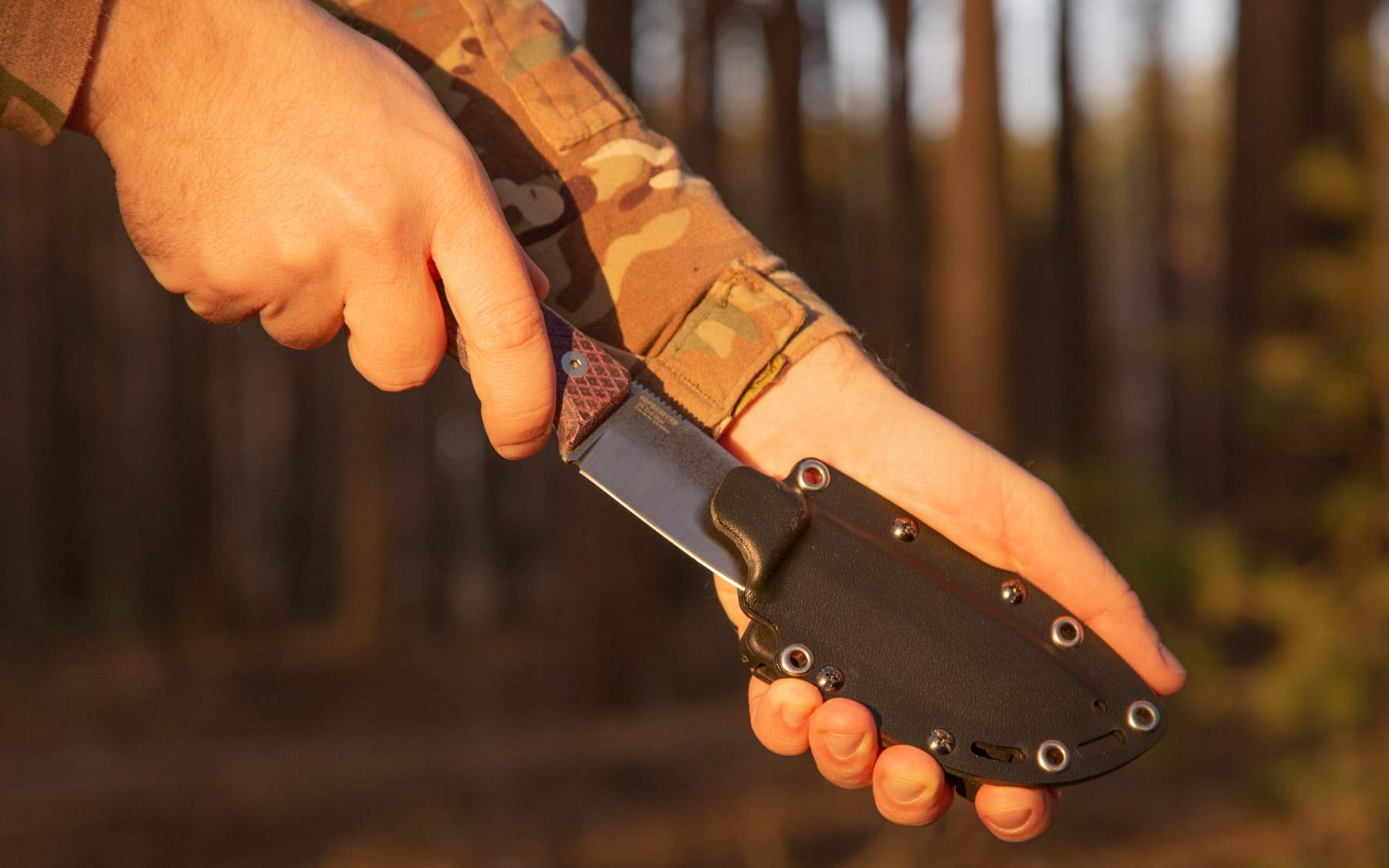
That’s the way it is. An EDC knife should be in the hands of everyone, in every family, and in every home. It’s such a useful and versatile tool! And, lo and behold, in our online store, you’ll find a wide selection of these knives at unbeatable prices! We look forward to seeing you, until our next thrilling encounter!