
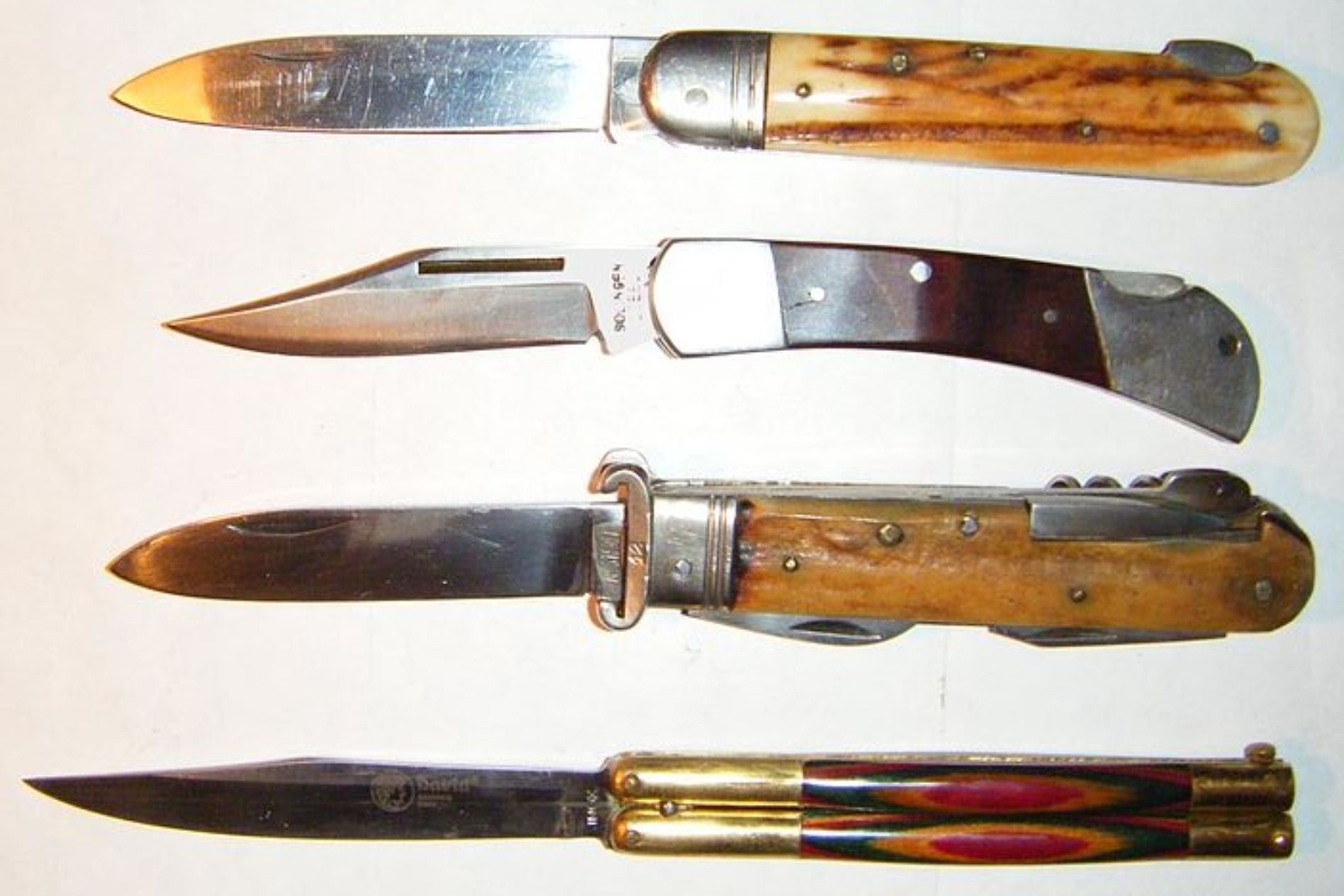
A folding knife may not be the strongest or most durable tool out there, but its compact size makes it incredibly convenient. After all, you’re not always batoning firewood — sometimes you just need a knife for everyday tasks like opening boxes, cutting rope, prying things open, and so on.
The First Folding Knives: The Beginning of the Story
And of course, the history of the folding knife is very long and interesting, dating all the way back to ancient times! So, when was the first knife made?
Ancient Roman Folding Knives. Who made the first folding knife?
So let’s discover the fascinating history behind one of the oldest knife and how ancient craftsmanship still influences modern blades today! The first knife made folding appeared in the Roman Republic around the 5th century BCE. And that’s hardly surprising — in antiquity, Rome was a hub of technological marvels for its time! These early examples, often unearthed at archaeological sites across Europe, featured simple pivot mechanisms without any kind of locking system. Handles were typically made from bone, wood, or bronze, while the blades were forged from iron. Romans valued these knives for their portability and practicality — perfect for travelers, merchants, and soldiers alike. Of course, by today’s standards, these blades were basic and unrefined, but in the 5th century BCE, they were a jaw-dropping innovation!
-
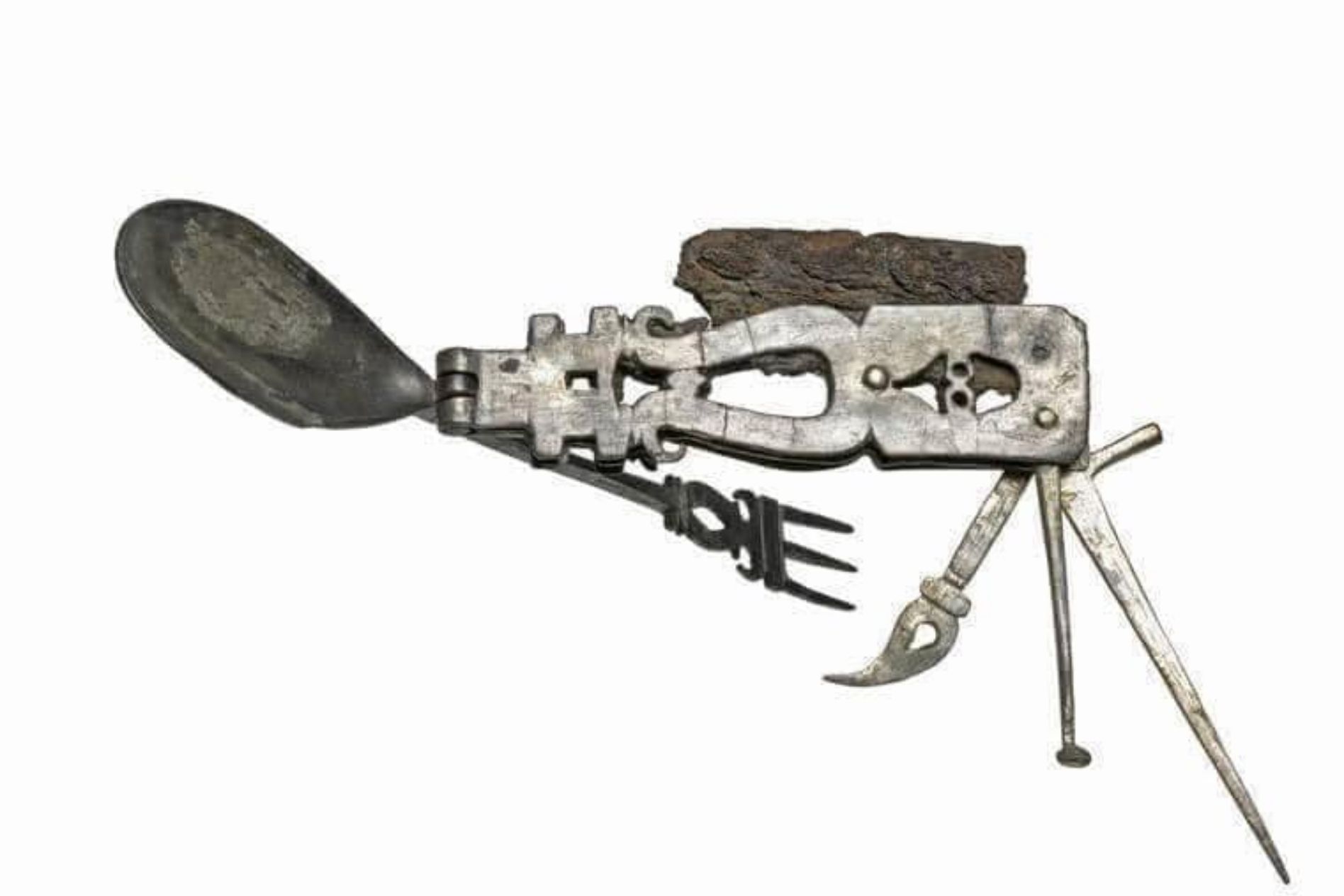
- Roman military folding knife 201-300 AD.
Folding Knives in the Middle Ages
During the Middle Ages, folding knives became increasingly popular throughout Europe. Known as “penny knives” or “peasant knives,” these simple tools were affordable, easy to carry, and used daily by farmers, craftsmen, and common folk. Typically, they lacked locking mechanisms and featured carbon steel blades that required regular maintenance. In essence, it’s not all that different from the ancient folding knife we mentioned earlier — still the same simple, inexpensive tool.
Development in Eastern Europe and Asia
Parallel to developments in Western Europe, folding knives also emerged in Eastern Europe and Asia, each region shaping the tool according to local needs and traditions. In slavic countries, folding knives evolved into distinct regional forms, often used for agriculture and self-defense. Meanwhile, in Asia—particularly in China and Japan—knife craftsmanship reached artistic levels. While Japan traditionally emphasized fixed-blade knives (like the tanto or the kiridashi), small folding utility knives did appear, particularly for tradespeople and travelers. In China, metal-folding techniques and refined metallurgy influenced the design of compact tools used for personal and professional tasks.
The Evolution of Folding Knife Design
And then the evolution kicked into high gear — from awkward little cutters to full-blown high-tech folders!
Invention of the Spring Mechanism
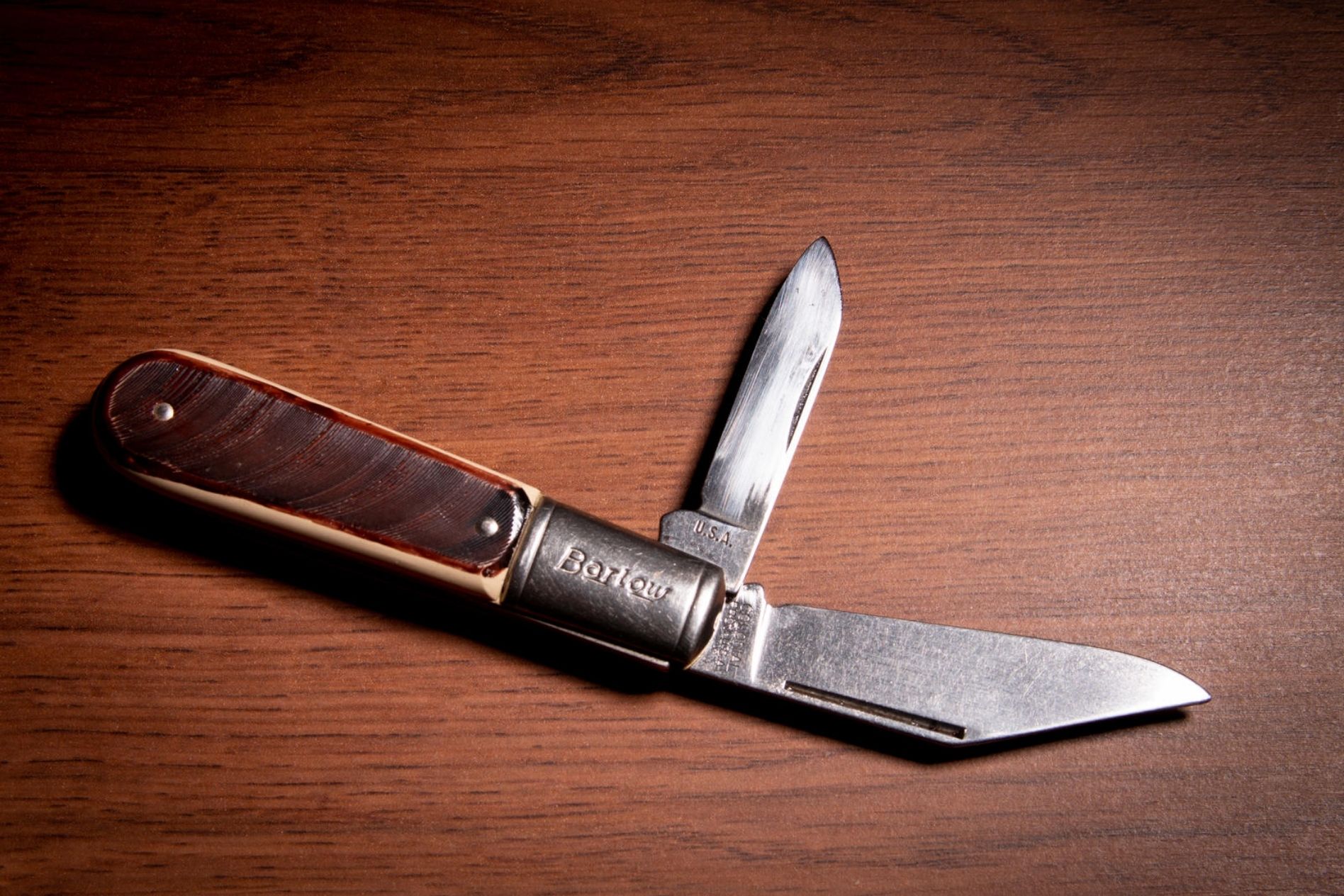
The introduction of the spring mechanism was a major leap in folding knife design! Unlike earlier knives that relied purely on friction to keep the blade in place, spring mechanisms allowed the blade to snap open or stay closed with the aid of tension. The first slip joint mechanisms appeared in Europe around the 17th century. These knives used a steel backspring built into the spine of the handle, which created resistance when opening or closing the blade — helping to hold it securely in either position. This innovation made folding knives noticeably more practical and safer for everyday use, especially for craftsmen and merchants. One of the earliest forms, the slip joint, used a backspring to create resistance, helping hold the blade open during use without locking it in place. This type of knife became especially popular in the 18th and 19th centuries, with iconic examples like the traditional Swiss Army Knife and Barlow Knives. The spring mechanism made folding knives safer and more versatile—ideal for everyday use!
 Emergence of Locking Systems
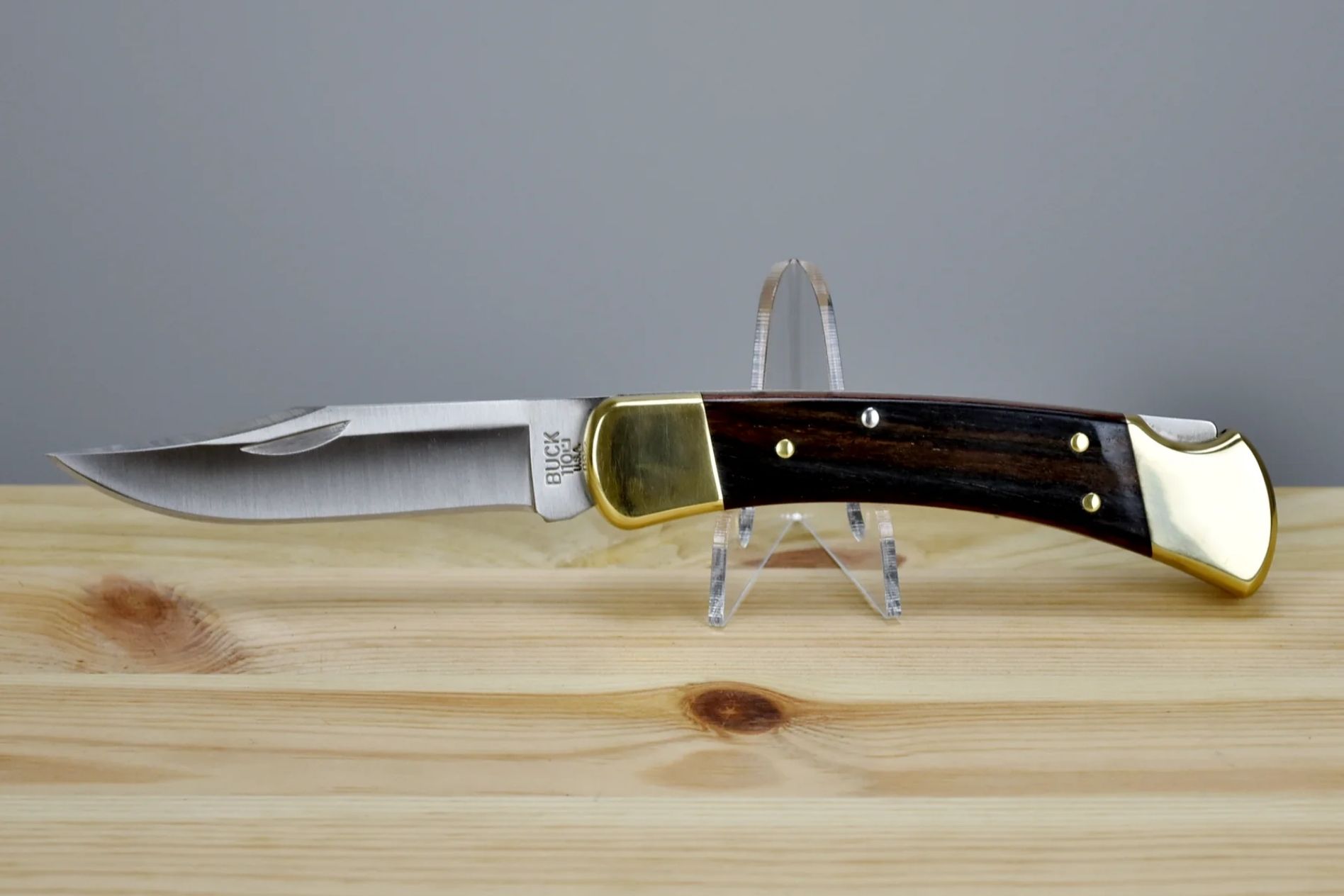
And at last, in 20th century, first locking folding knife invented! As users began to demand greater safety and reliability, especially for heavy-duty tasks, locking systems were developed. These mechanisms ensured that the blade would not accidentally close during use—a critical improvement for both workers and self-defense applications. The lockback (or spine lock), made popular by brands like Buck Knives in the 20th century, was one of the first widely adopted locking designs. Over time, other innovations followed: liner locks, frame locks, axis locks, and more. Each type offered a unique balance of strength, ease of use, and mechanical elegance, turning folding knives into dependable tools even in demanding conditions.
Modern Bearings and Frame Builds
These days, the folding knife stands as a testament to modern metallurgy and advanced engineering! One of the most impactful modern upgrades is the use of ball bearings—often ceramic or stainless steel—placed in the pivot mechanism to allow ultra-smooth, lightning-fast blade deployment with minimal friction. Combined with flipper tabs or thumb studs, these systems make modern folding knives exceptionally responsive.
Modern frame builds also embrace advanced materials like titanium, carbon fiber, and G10, which offer a perfect blend of strength, lightness, and aesthetics. CNC machining and tight tolerances have allowed knife makers to create designs that are not only functional but also collectible and artistic. Whether for tactical use, EDC (everyday carry), or outdoor survival, today’s folding knives are a culmination of centuries of mechanical evolution.
Manufacturers That Shaped the History of Folding Knives
And of course, when it comes to folding knives, there are some true rock stars in the industry:
Sheffield – The Knife-Making Capital of the 19th Century
By the 1800s, Sheffield, England had become the undisputed heart of the global cutlery industry. Its fame rested on centuries of steel-making expertise, and by the mid-19th century, Sheffield was producing millions of folding knives annually for both domestic use and export across the British Empire and beyond.
Firms such as Joseph Rodgers & Sons, George Wostenholm, and Taylor’s Eye Witness were among the most respected names. They crafted “penny knives”, barlow knives, and more refined gentlemen’s folders. These knives were prized for their quality and durability, helping to make folding knives a household item across Europe and North America.
-
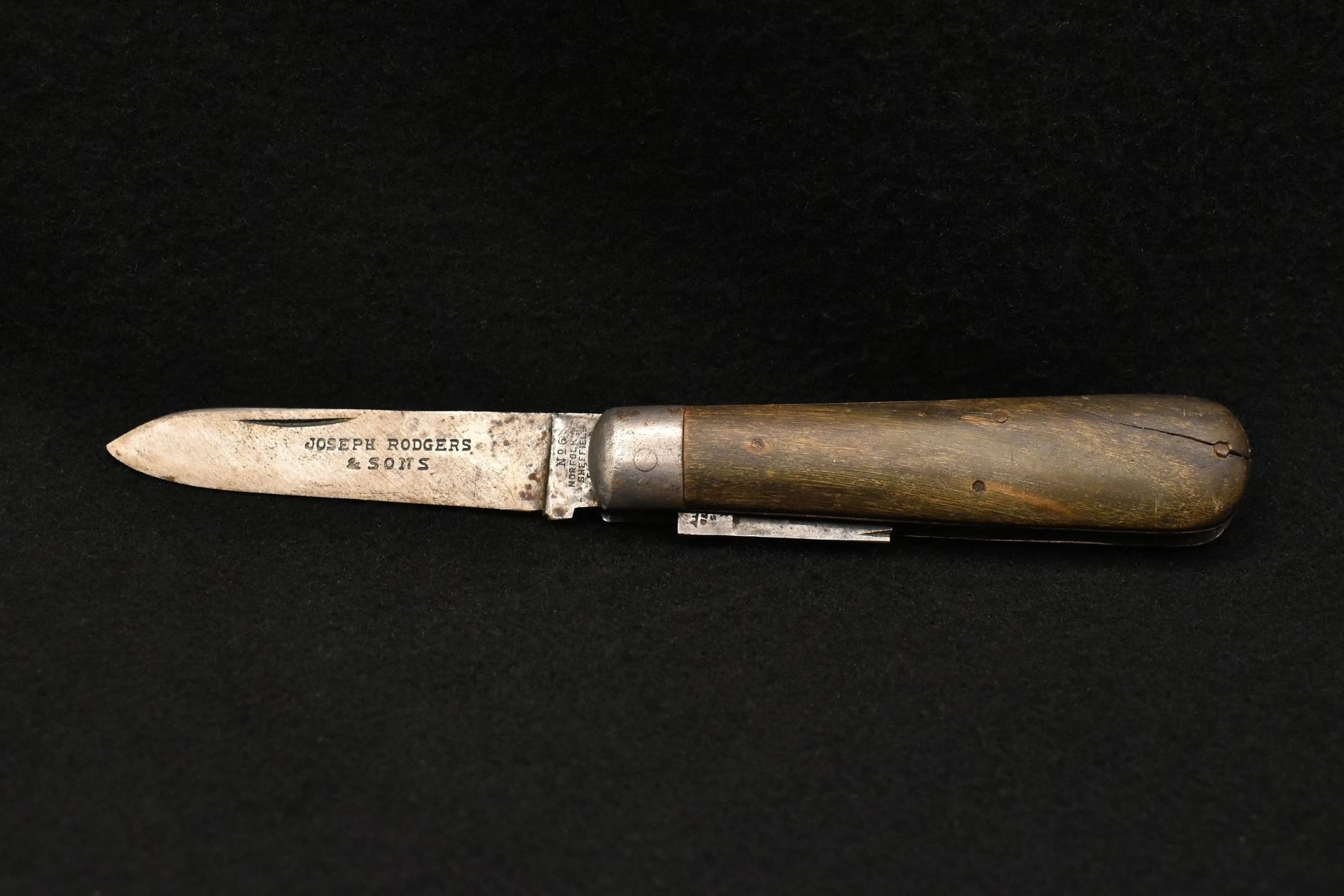
- Joseph Rodgers & Sons
-
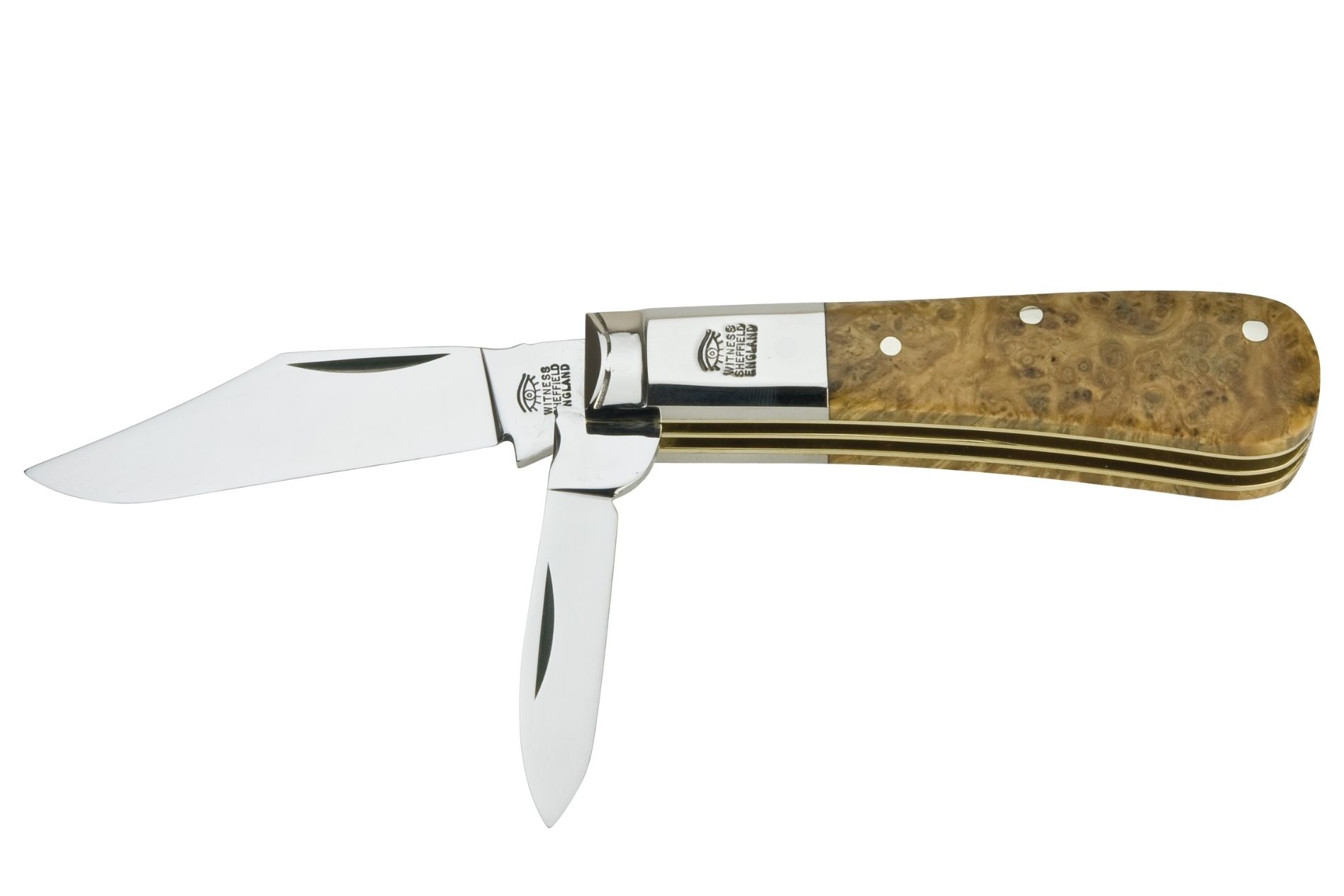
- Taylor’s Eye Witness
-
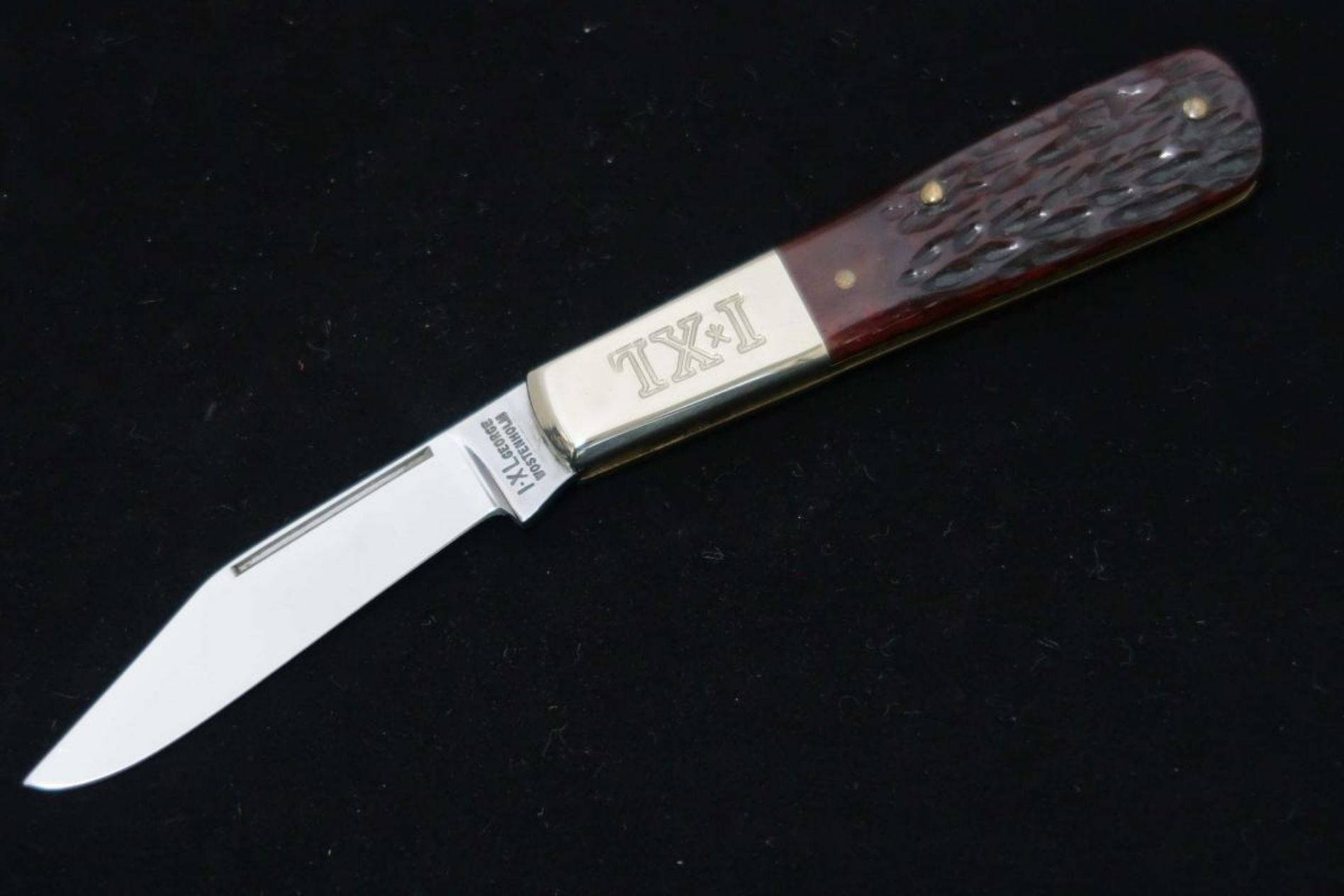
- George Wostenholm
Victorinox and Wenger – The Swiss Standard
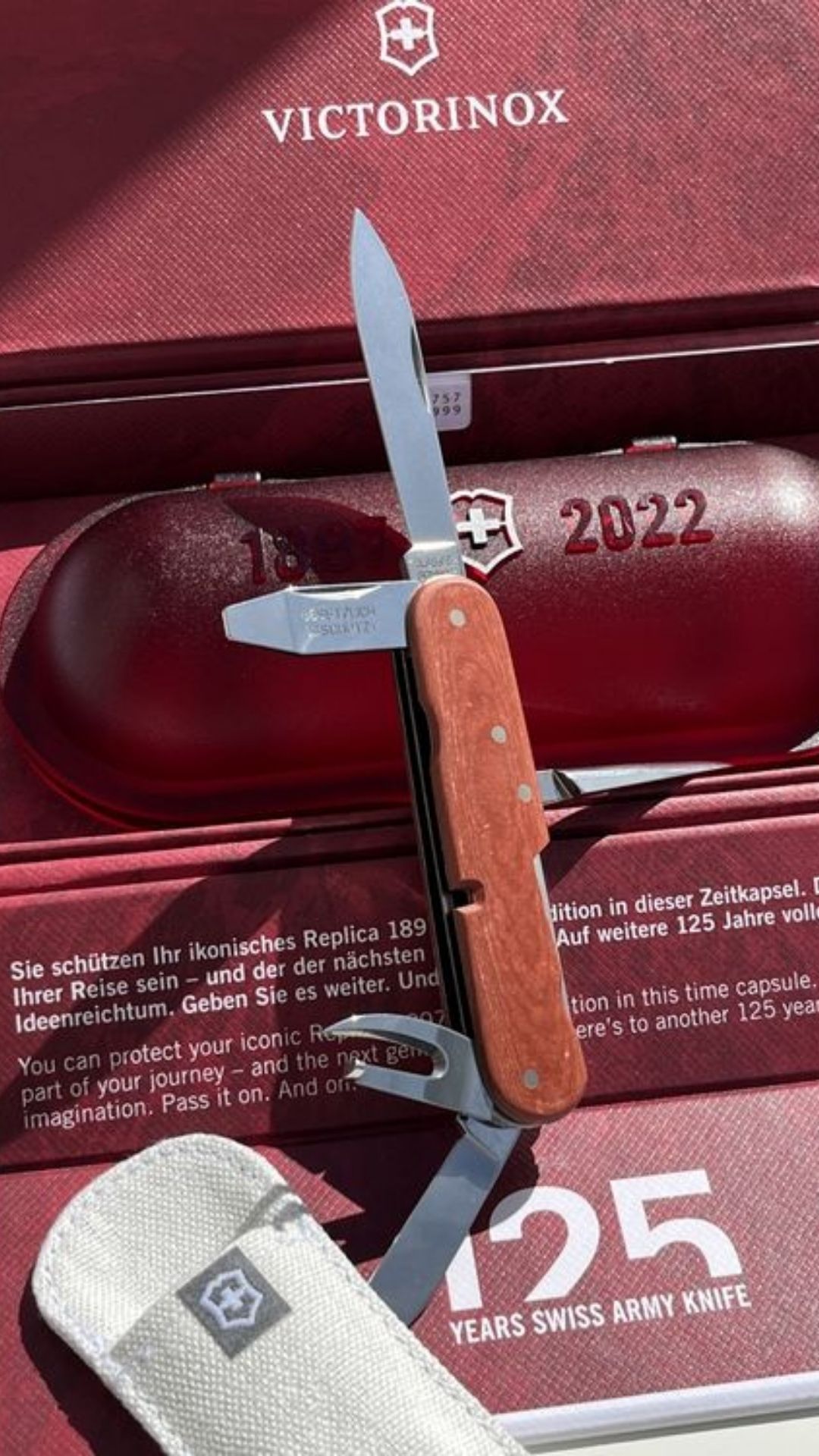
The history of wenger swiss army knife begins in 1891, Swiss cutler Karl
Elsener founded what would become Victorinox, aiming to supply the Swiss Army with domestic-made multi-function knives. In 1897, he introduced the “Original Swiss Army Knife”—a compact, folding tool with multiple functions, including blade, screwdriver, can opener, and more. This design revolutionized the concept of utility in folding knives.
Around the same time, Wenger (founded in 1893) became a competing supplier to the Swiss Army. Both companies produced high-quality, reliable tools that earned global trust.
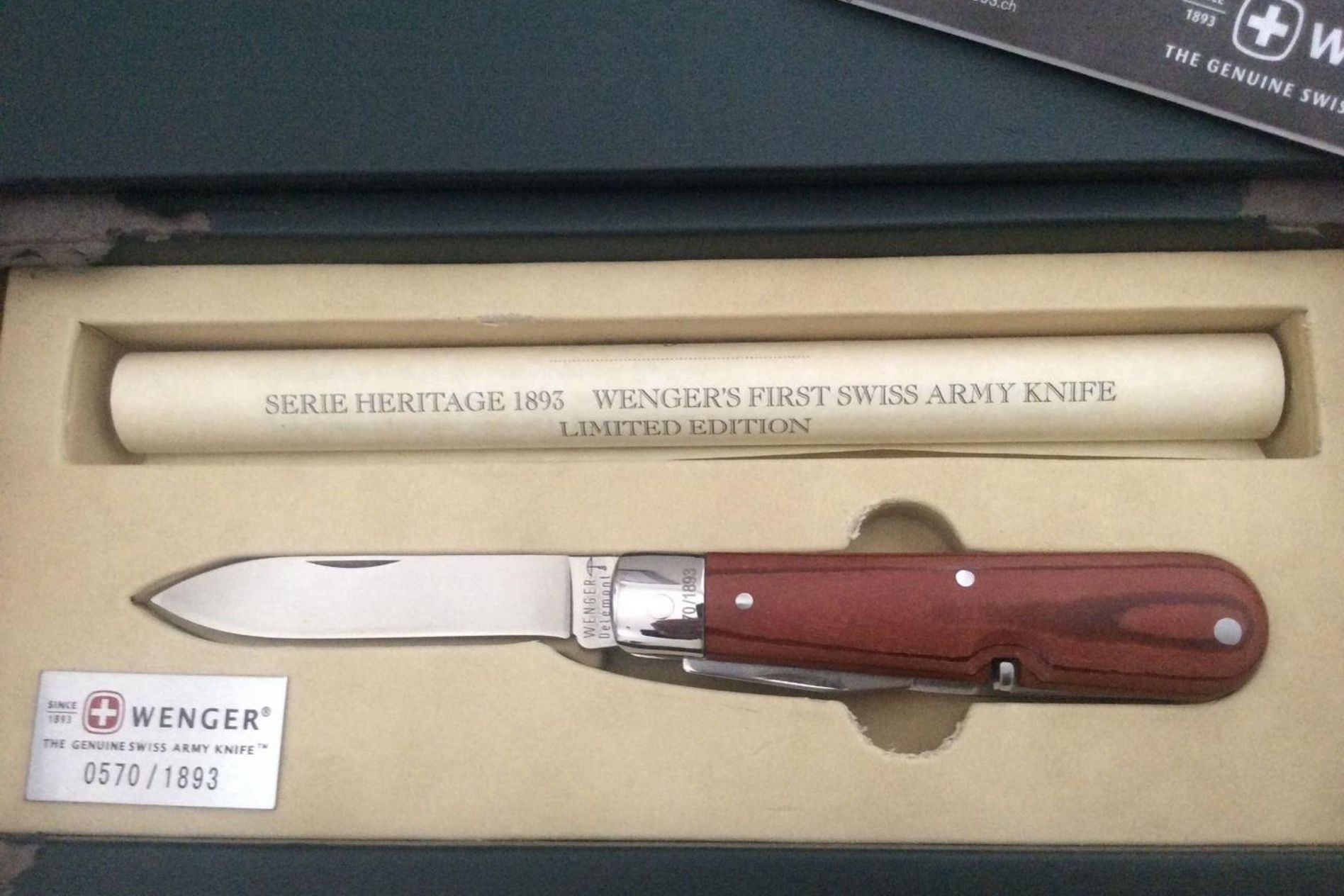 Victorinox eventually acquired Wenger in 2005, consolidating the Swiss legacy under one brand. Today, Victorinox remains a symbol of precision, innovation, and reliability.
 The American Breakthrough: Case, Spyderco and Buck history knife
The 20th century saw the rise of American knife manufacturers who redefined folding knife design with new materials, mechanisms, and philosophies.
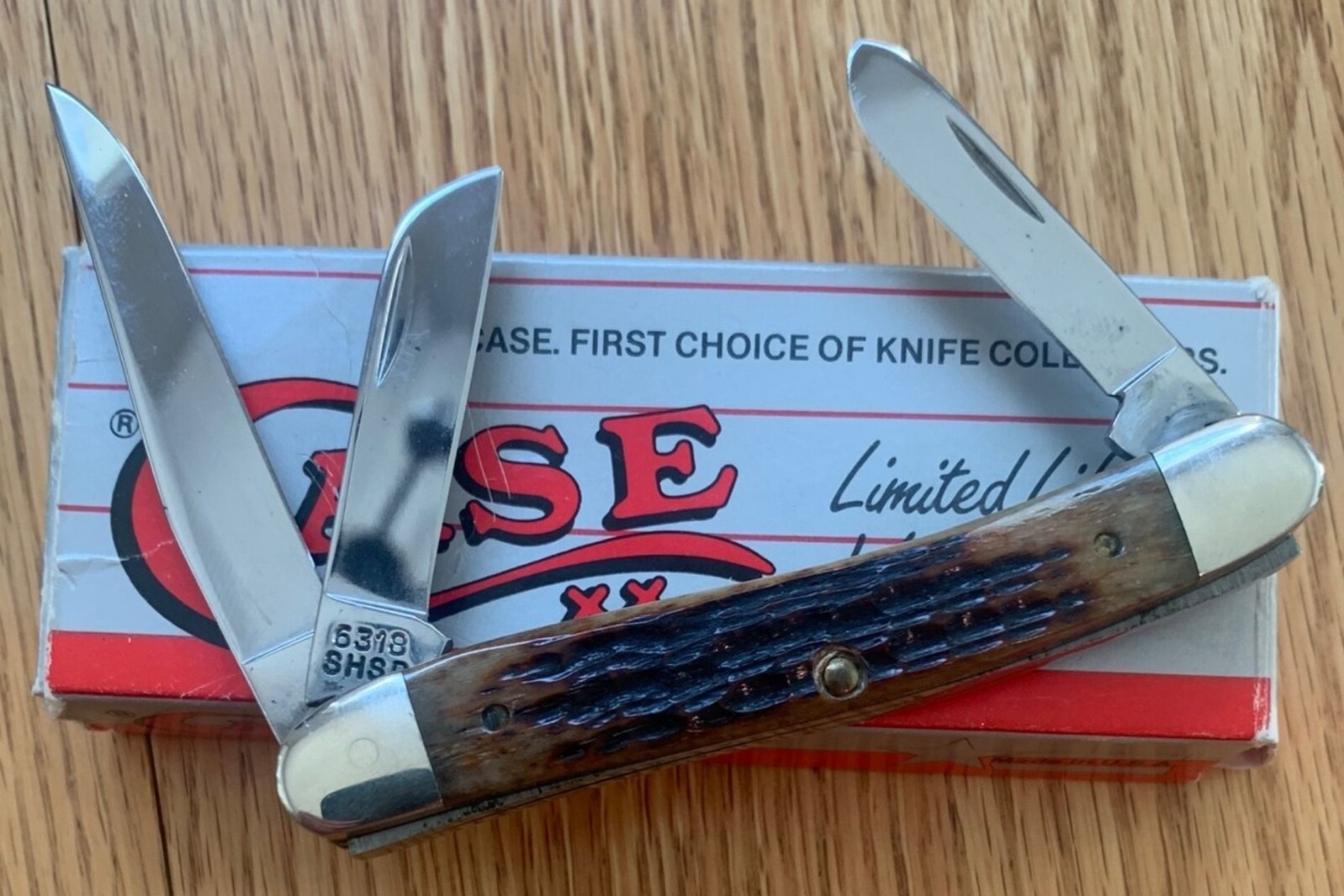
- Case Knives (founded 1889) became known for their beautifully crafted traditional pocket knives, often passed down as family heirlooms. Their patterns—Trapper, Stockman, Peanut—are icons of Americana.
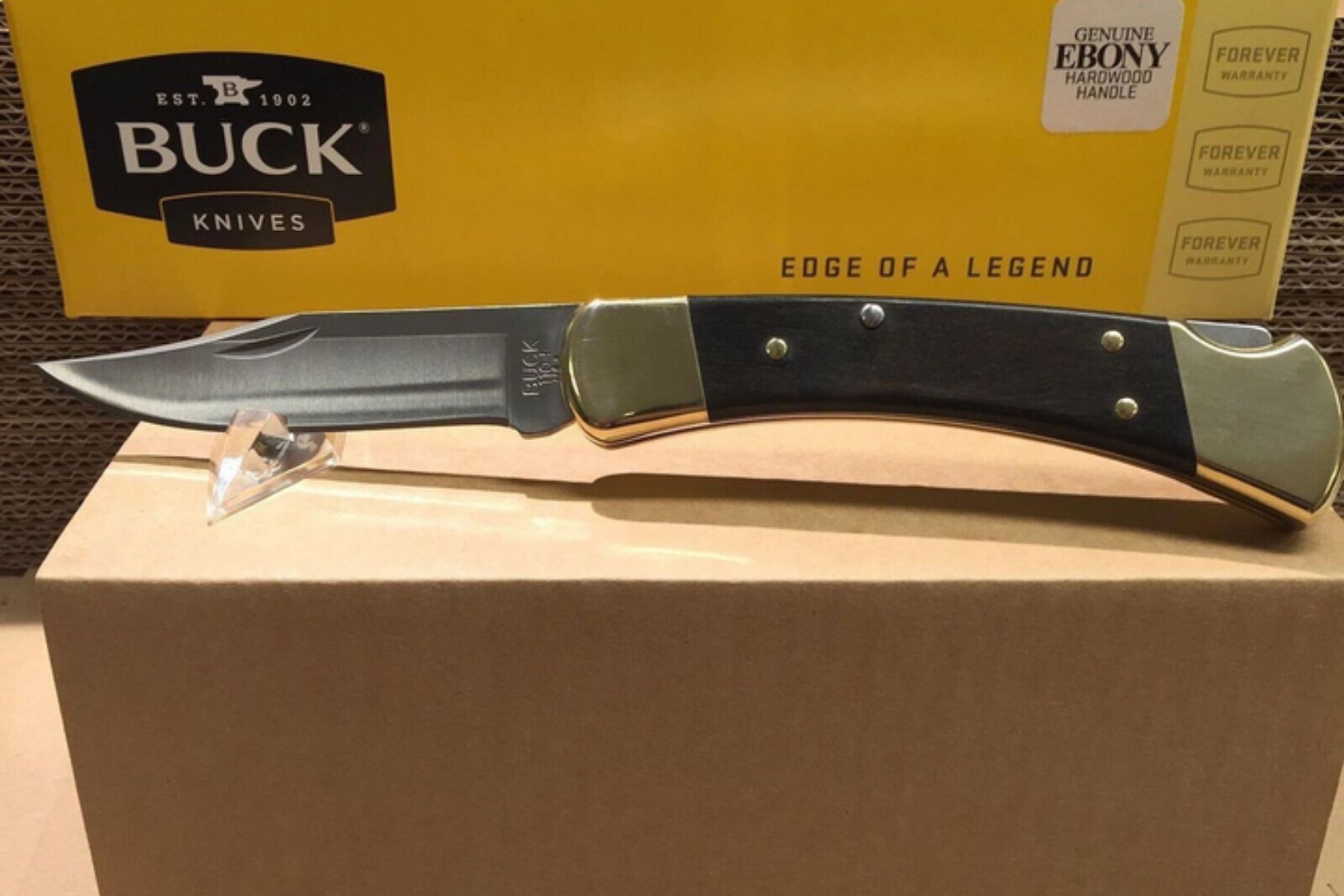
 Buck Knives revolutionized designing a folding knife with the release of the Buck 110 Folding Hunter in 1964. It was the first folding knife strong enough to replace a fixed blade for hunting, thanks to its lockback design.
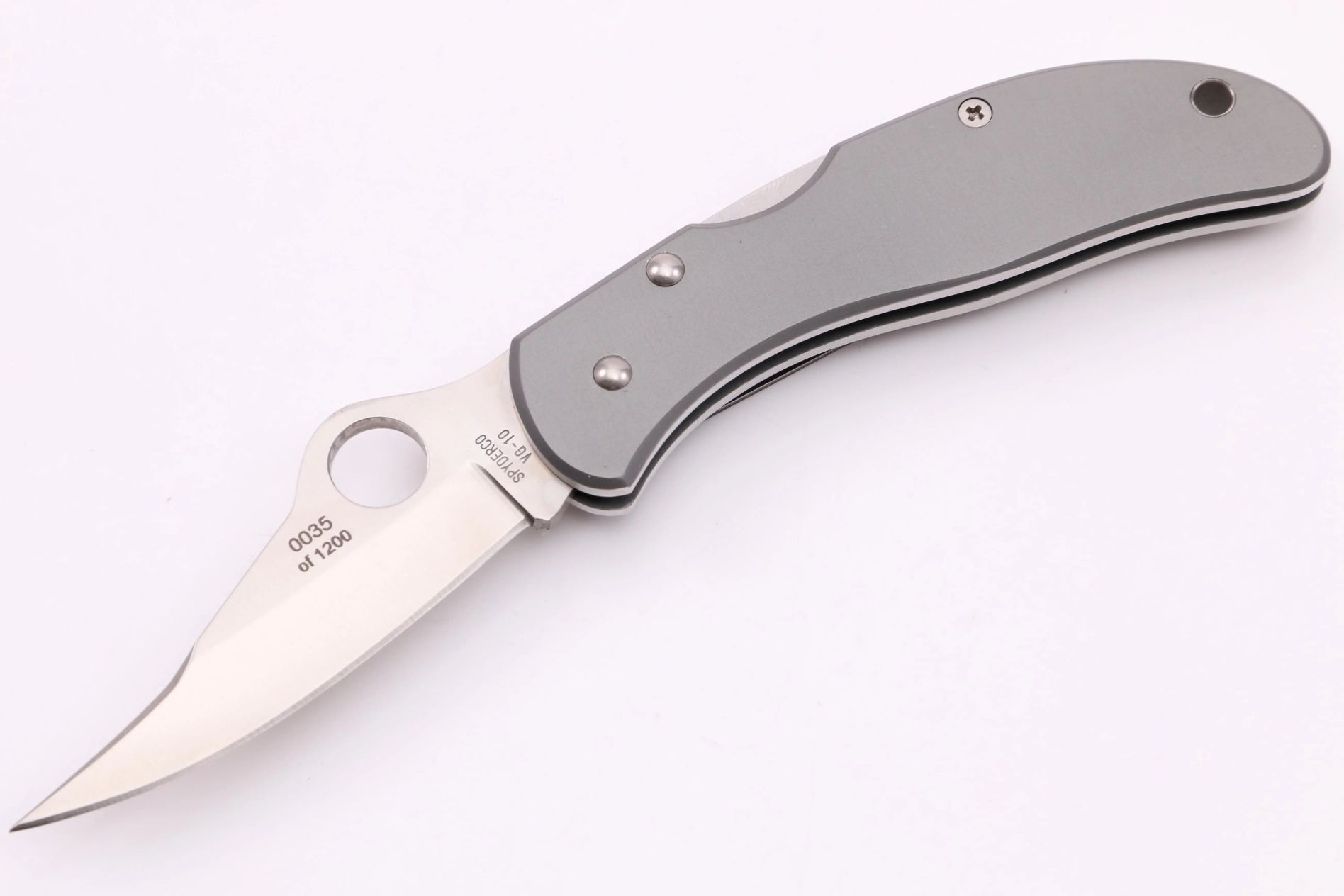
 Spyderco, founded in 1976, pushed innovation even further. They introduced the Spyderco folding knife with a round thumb hole for one-handed opening (Spyderco Worker, 1981), clip carry, and the use of super steels. Their bold, tactical designs shifted folding knives toward modern EDC (Everyday Carry) culture.
 Folding Knives Today
Today, folding knives have gone far beyond the definition of a simple “tool” — they’ve become lifestyle accessories, works of art, and even prized collectibles. Thanks to global innovation and a growing community of enthusiasts, folding knives are experiencing a renaissance—where function, form, and personal expression converge like never before.
Everyday Carry (EDC) and Lifestyle Integration
The concept of Everyday Carry (EDC) has brought folding knives into the daily routines of millions! The folding knife is no longer just the tool of hunters or merchants like it was in the old days — today, it’s used everywhere and by urban professionals, outdoor enthusiasts, and hobbyists alike. Compact, lightweight, and designed with multitasking in mind, modern EDC knives blend utility with personal style!
EDC culture emphasizes preparedness, minimalism, and quality gear. Folding knives now share pocket space with flashlights, multitools, wallets, and tech gadgets—each piece curated to suit the user’s lifestyle. Companies respond with sleek, easy-to-deploy models tailored for urban use, while still offering strength and reliability for demanding environments.
Materials and Engineering at Their Peak
Modern folding knives today are made from advanced, high-tech materials such as high-performance steels CPM S35VN, M390, MagnaCut, and Elmax, which offer superior edge retention, corrosion resistance, and toughness. Handle materials range from titanium, carbon fiber, G10, micarta or good ol’ wood even!
Precision engineering has become a standard. CNC machining, laser cutting, and water-jet forming allow for tight tolerances and repeatable perfection. Add to that ceramic ball bearings, drop-shut action, and flawless fit and finish—and you get tools that operate as smoothly as luxury watches. The result is a product that feels both powerful and elegant—capable of hard work yet designed with sophistication in mind.
The Rise of Custom and Boutique Makers
Over the past two decades, a global surge in custom and boutique knife makers has redefined the folding knife landscape. Independent artisans and small-scale workshops are pushing the limits of design and craftsmanship, often producing knives in limited batches or as one-of-a-kind pieces. Custom makers like Chris Reeve, Todd Begg, Michael Raymond, Shirogorov, and Dmitry Sinkevich have earned cult followings for their innovation and artistry. These knives often feature premium materials, unique mechanisms, and meticulous hand-finishing—commanding high prices and long waitlists. Social media and online communities have amplified their reach, turning knife collecting into a thriving subculture. Custom knives are no longer just tools—they’re art, status symbols, and functional heirlooms.
-
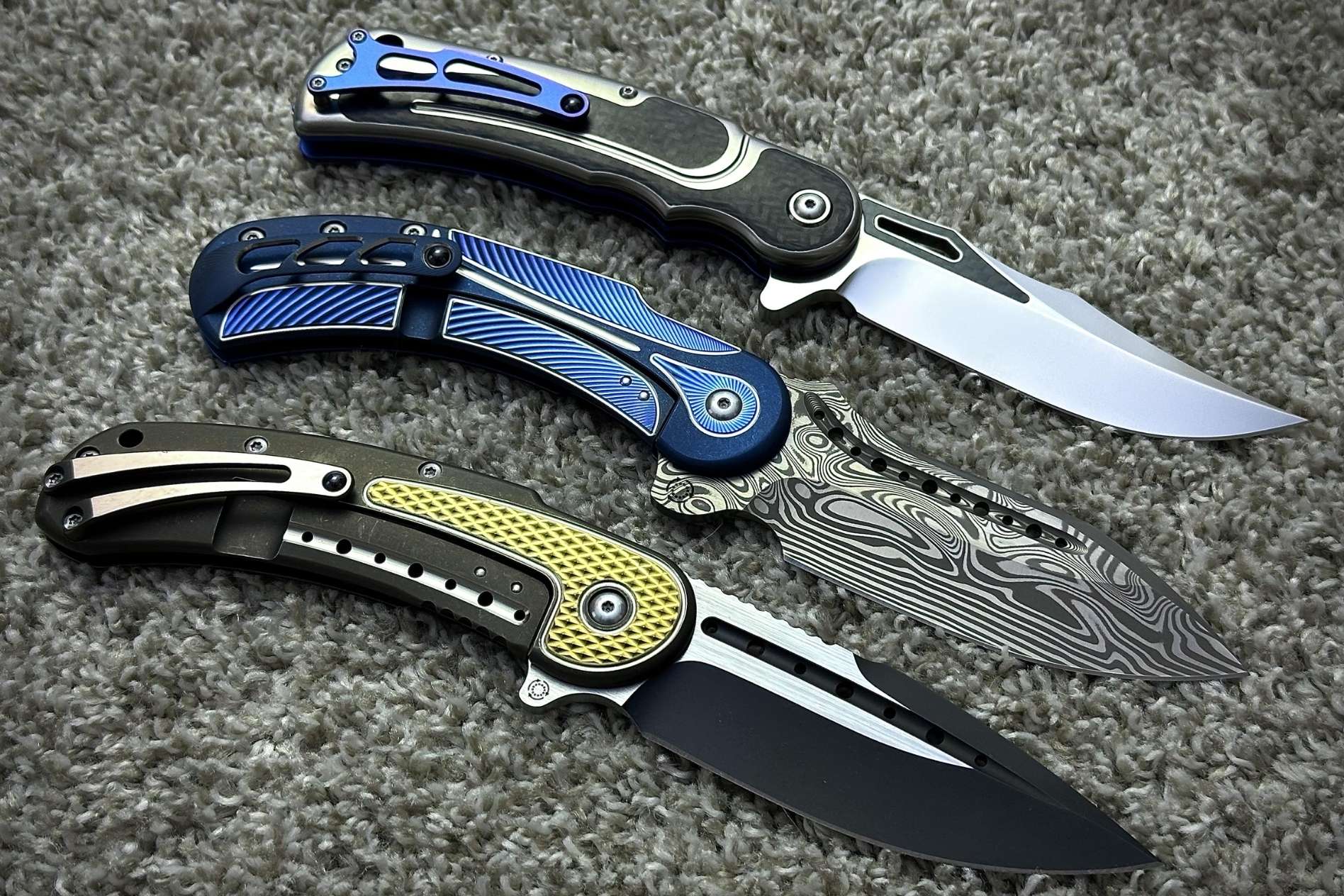
- Todd Begg
Conclusion
So there you have it — the rich history of the folding knife. From ancient Roman pivots to today’s high-tech flippers, the folding knife has gone through a remarkable evolution — shaped by innovation, craftsmanship, and culture! But let’s be honest: when it comes to true reliability, nothing beats a solid, full-tang fixed blade, it’s the kind of knife that can handle absolutely anything — from survival situations to everyday outdoor tasks. And lucky you — in our online store, you’ll find exactly that kind of knife! Trusted by hardcore adventurers and casual campers alike, these blades are built to perform. See you next time — and stay sharp!