
Sometimes, when you read through the entire history of humanity, you can’t help but be amazed – dinosaurs, mammoths, saber-toothed tigers, the Great Flood, volcanic eruptions, and all kinds of other crap. How did we even survive all of that?
Why Bushcraft skills are valuable in the modern world
Indeed, our bodies are fragile, our immune system leaves much to be desired, our resilience to cold and heat is questionable at best, and congenital defects and genetic diseases have plagued us – and still do, to this day. It’s as if a bald ape with a neurosis somehow made it! But there’s one thing we have that propelled us to the top of the food chain and made us masters of this world and, in the future, many others. It’s our intellect.
Thanks to it, we learned to adapt and survive in virtually any environment, inventing an entire system of survival skills. We figured out how to start fires, build shelters, gather and purify water, craft tools from stones and sticks, navigate by the stars, and so much more.
Benefits of Learning Bushcraft Skills
Many might say that this is all well and good, but the harsh times are long behind us. We live in comfortable cities, villages, and towns, where wild boars, moose, and wolves no longer pose a threat. So why bother learning these archaic skills, right?
That’s a big mistake. Yes, today you may be safe and comfortable, but no one knows where tomorrow will take you. Natural disasters, wars, or even a fatal twist of fate could find you stranded in the wild—be it a forest, a steppe, the tundra, or even the jungle—without room for error. As the saying goes, it’s better to have the skills and never need them than to need them and not have them.
Educational and Developmental Aspects
So, you’ve decided to learn beginner bushcraft skills. Where do you begin?
Teaching Survival Skills to Children and Adolescents
How to survive in the wild? Teaching survival skills to younger individuals provides them with important life lessons that extend far beyond outdoor settings. These skills foster resilience, creativity, and teamwork, while also instilling responsibility and a respect for nature. Here are some key aspects:
- Building Confidence: Children and adolescents gain a sense of accomplishment when they master new bushcraft skills like starting a fire or building a shelter. This boosts their self-esteem and encourages them to tackle challenges with more confidence.
- Developing Critical Thinking: Survival skills often require quick thinking and problem-solving, which can help young individuals learn to adapt to unexpected situations. These skills encourage resourcefulness and creative solutions, which are valuable in everyday life.
- Promoting Physical and Mental Wellness: Activities such as gathering firewood, constructing shelters, or navigating the outdoors encourage physical fitness while also promoting mental well-being. It helps young people develop focus, patience, and persistence.
- Instilling Environmental Awareness: Teaching children and adolescents about the natural world, sustainable practices, and wildlife conservation fosters an early appreciation for nature and environmental stewardship.
- Teamwork and Leadership: Bushcraft skills often require group work, which helps young individuals learn how to collaborate, lead, and communicate effectively.
Workshops and Courses for Adults
While bushcraft is often associated with youth, it offers significant educational and developmental opportunities for adults as well. Workshops and courses focused on bushcraft skills can enhance personal growth, team dynamics, and outdoor capabilities. Some benefits for adults include:
- Skill Development for Everyday Life: For adults, bushcraft skills can promote a sense of independence and practical knowledge that applies to both urban and rural living. From fire-starting techniques to knot-tying and navigation, these skills can be useful in many real-world situations.
- Mental Clarity and Stress Reduction: Engaging in bushcraft activities such as hiking, foraging, or campfire cooking provides a break from the digital world and daily stressors. Being in nature has been shown to reduce anxiety and improve mental well-being, offering a meditative escape for adults seeking balance.
- Building Self-Reliance and Preparedness: In a world that increasingly relies on technology, bushcraft fosters a return to basic survival instincts. Adults who learn these skills often feel more capable of handling emergencies or uncertain situations with calmness and efficiency.
- Team Building and Corporate Retreats: Many organizations offer bushcraft workshops as part of team-building exercises. These activities require collaboration, leadership, and communication, which can strengthen workplace relationships and improve team dynamics.
- Social Connection and Community Engagement: Workshops and courses for adults provide opportunities to meet like-minded individuals and form connections based on shared interests. The sense of camaraderie fostered in these settings often leads to long-lasting friendships and a deeper sense of community.

TOP 5 bushcraft skills
You should start by learning the most basic bushcraft skills that will significantly increase your chances of survival in the wild. So, here’s where to begin:
1. Fire-Starting
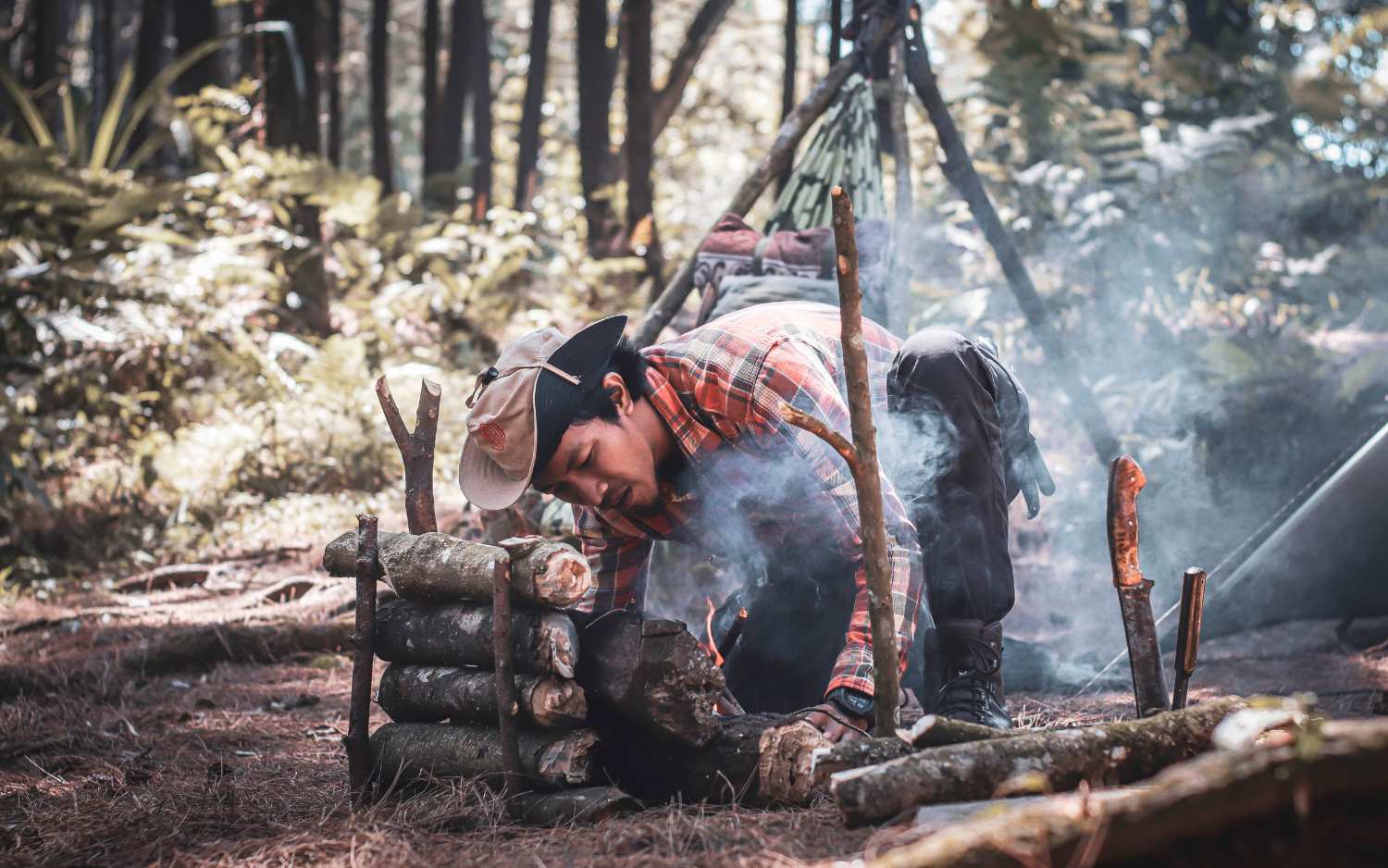
The ability to create and maintain a fire is perhaps the most fundamental bushcraft skill. Fire serves multiple purposes: providing warmth, cooking food, purifying water, and offering light and protection. Being able to start a fire in various conditions is essential for survival.
Key Techniques:
- Fire by friction (e.g., bow drill or hand drill)
- Using flint and steel
- Using a firestarter (e.g., magnesium, ferro rod)
Why It’s Important: Fire is crucial in harsh conditions and could make the difference between life and death in a survival scenario. Mastering this skill also teaches patience, perseverance, and resourcefulness.
2. Shelter Building
Knowing how to construct a shelter is critical to protecting yourself from the elements, especially in cold or rainy weather. A well-built shelter with your axe bushcraft skills can help retain body heat and provide refuge from wind and rain.
Key Techniques:
- Tarp shelters (using natural resources or a tarp)
- Lean-to shelters
- Debris huts
- Snow shelters (such as igloos or quinzee huts in winter conditions)
Why It’s Important: Shelter provides safety and protection. Understanding how to build an effective shelter with minimal resources is crucial for ensuring survival in any environment.
3. Navigation
Navigating through the wilderness is another vital skill, especially in unfamiliar terrain. It’s important to know how to read a map, use a compass, and understand environmental cues such as the position of the sun or the direction of wind.
Key Techniques:
- Using a compass and map
- Dead reckoning (estimating distance and direction without tools)
- Natural navigation (using landmarks, the sun, or stars)
Why It’s Important: Proper navigation prevents getting lost, helps you locate essential resources (water, shelter), and ensures you stay on track, especially when searching for help or evacuating from danger.
4. Water Sourcing and Purification
Finding and purifying water is essential in any survival situation. You can survive for weeks without food, but only a few days without water. Being able to locate a water source and purify it is critical for maintaining hydration and health.
Key Techniques:
- Identifying safe water sources (rivers, streams, etc.)
- Purifying water (boiling, using water purification tablets or filters, making a DIY solar still)
- Collecting rainwater
Why It’s Important: Water is vital for survival, and contaminated water can lead to illness. Knowing how to source and purify water can keep you healthy and alive in the wilderness.
5. Knife Skills
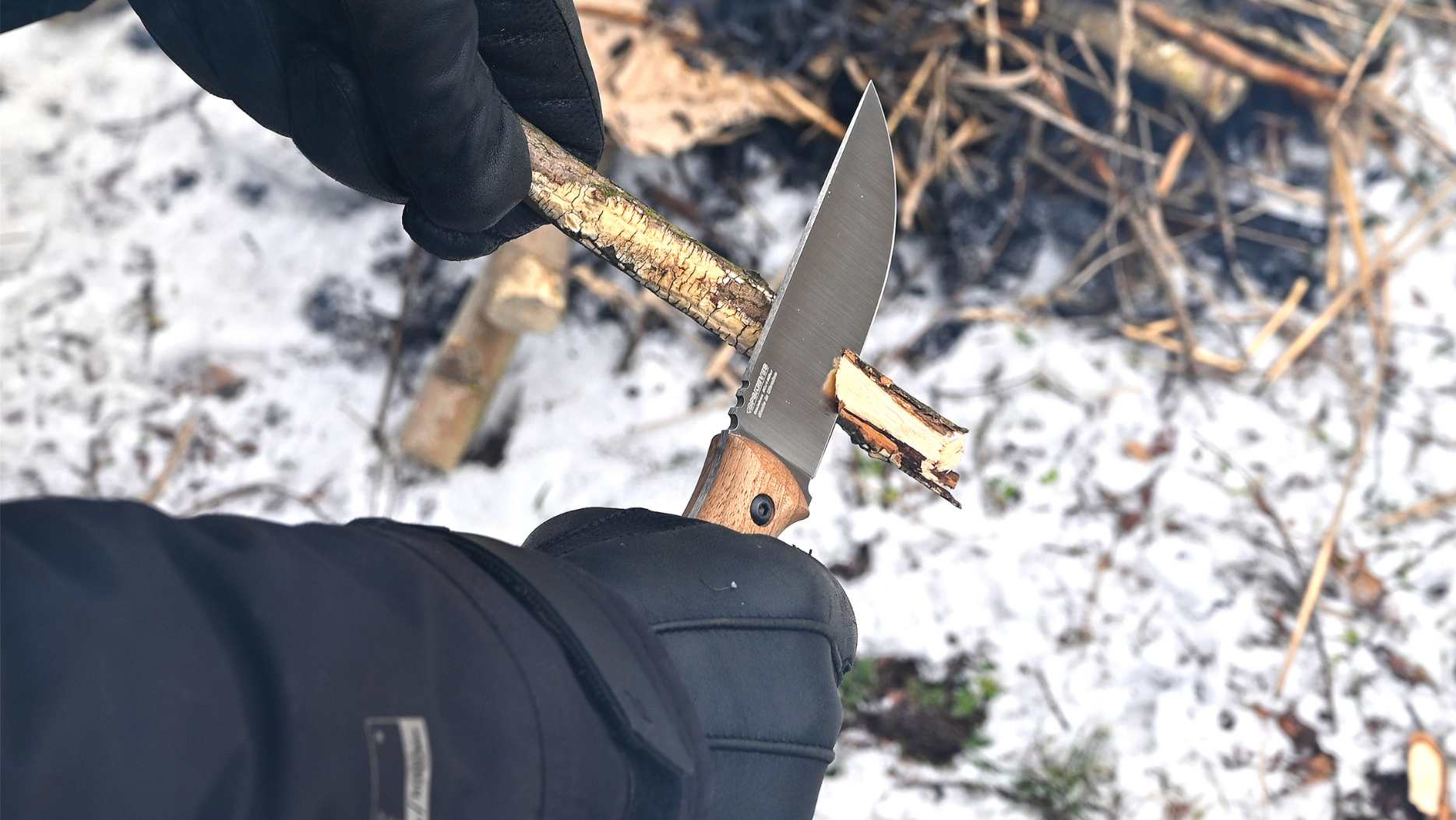
A good knife is one of the most important tools in bushcraft. Being proficient with knife bushcraft skills allows you to perform a variety of tasks, from cutting wood for shelter and fire to preparing food and crafting tools.
Key Techniques:
- Carving and whittling (for making tools or kindling)
- Food preparation (cutting, skinning, gutting)
- Tool-making (creating spear points, fish hooks, or traps)
Why It’s Important: A knife is an essential tool for countless bushcraft tasks. Mastery of this skill ensures you can efficiently carry out everyday tasks in the wild, increasing your overall survival capacity.

Conclusion
That’s essentially it. The most important thing to remember is that what’s written above is just a small fraction of the knowledge you’ll need – the tip of the iceberg. In addition, survival skills must be regularly practiced; even something like starting a fire in extreme conditions won’t come easily on your first or second attempt. So, sign up for courses with professionals, train and learn bushcraft skills consistently, and you’ll succeed. With that, we bid you all adieu. Until our next exciting encounter!