
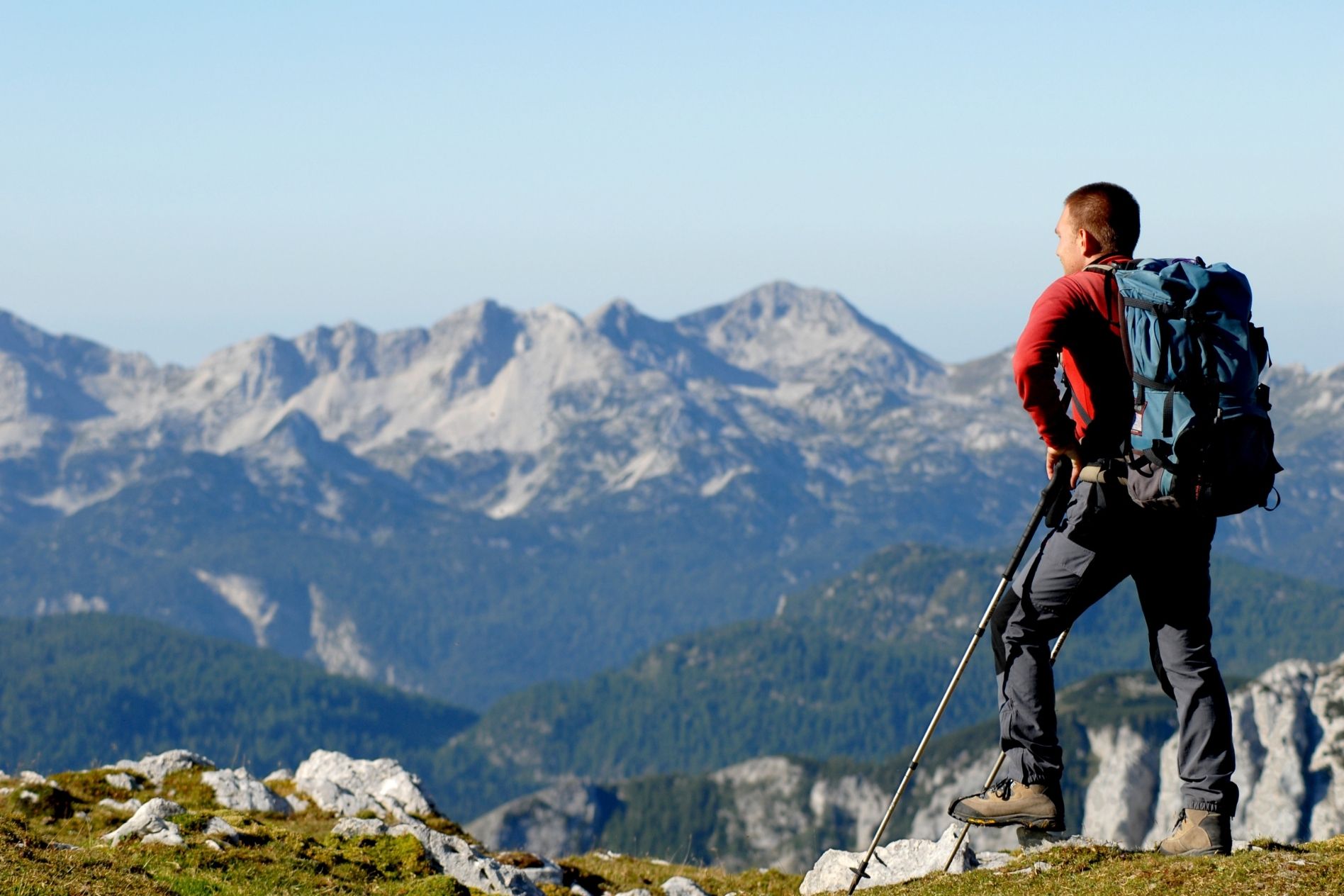
Hiking is one of the safest outdoor activities, but even here, things can go wrong and turn into a painful or even tragic experience. Do we want that? No, we don’t! So let’s go over the most common mistakes beginner hikers make and how to avoid them.
Where the Hiking Experience Begins. How to start hiking.
Hiking begins long before you set foot on the trail. It all starts with preparation and planning!
The Right Approach to Preparation. Why do hikers use walking sticks.
Many beginners going on hike underestimate how much planning goes into a successful hike. Some common mistakes in preparation include:
- Choosing a trail beyond your fitness level
It’s tempting to aim high, but overexertion can ruin the experience. Start with beginner-friendly hikes and work your way up. Use walking sticks to improve balance, reduce strain on joints, and provide extra support on uneven terrain.
- Failing to check the weather forecast
Sudden storms or unexpected heat can dramatically change trail conditions. Always check the weather and dress accordingly. Hiking in bad weather is not always good idea! Experienced hikers fear unexpected weather changes by the reason!
- Ignoring trail reviews or recent conditions
Online platforms often have updated trail reports from other hikers — use these to your advantage. The best times to hike are early spring and late fall for mild weather and fewer crowds!
Use apps or websites like AllTrails or Gaia GPS to research trails. Look at elevation gain, difficulty ratings, and recent reviews before committing.
Understanding the Basic Needs on the Trail
Even a short hike requires essential gear and planning. Here’s what many first-time hikers forget:
- Lack of water or snacks
Dehydration and low energy are real concerns, even on short hikes.
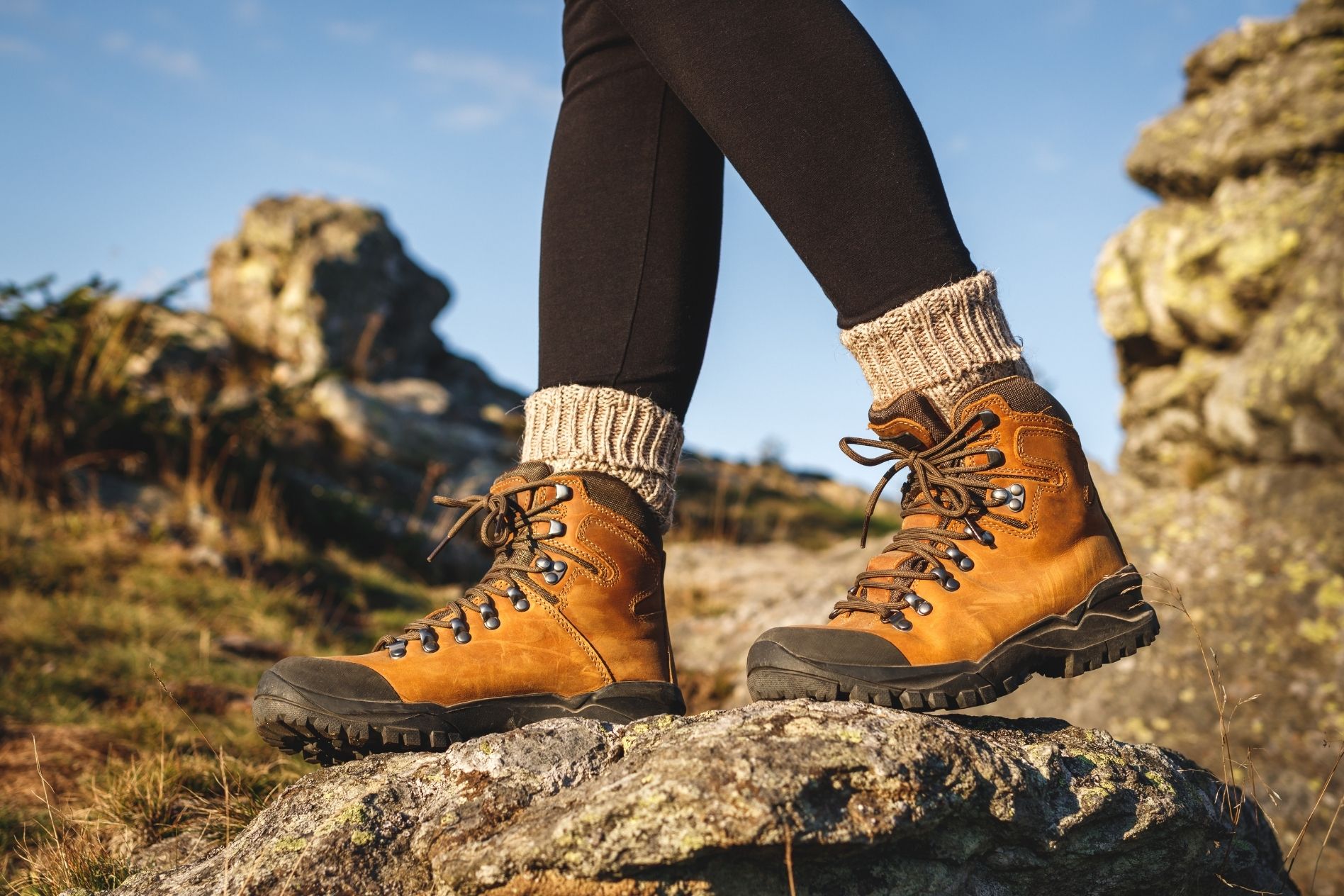
- Inappropriate footwear
Wearing sneakers instead of trail shoes or boots can lead to discomfort or injury. Snow hikers will approve.
 No navigation tools
Getting lost is surprisingly easy, especially on poorly marked trails. So navigation system for hikers is musthave!
So you better bring more water than you think you’ll need, pack high-energy snacks, and wear proper hiking shoes for your first hiking! Also, carry a hike map, compass, or download offline maps.
Avoiding Typical Beginner Mistakes
Here are some of the most frequent errors beginners make — and how to sidestep them:
- Starting too late in the day
Daylight is your friend. Starting late increases the risk of hiking in the dark.
- Overpacking or underpacking
Beginners often carry either too much gear or forget essentials like a first aid hikers kit or rain jacket.
- Disregarding Leave No Trace principles
Leaving trash behind or straying from the trail can damage ecosystems and endanger wildlife.
 The Most Common Gear Mistakes
So, you’ve planned everything carefully and feel well-prepared—but the wrong gear can still ruin the whole experience.
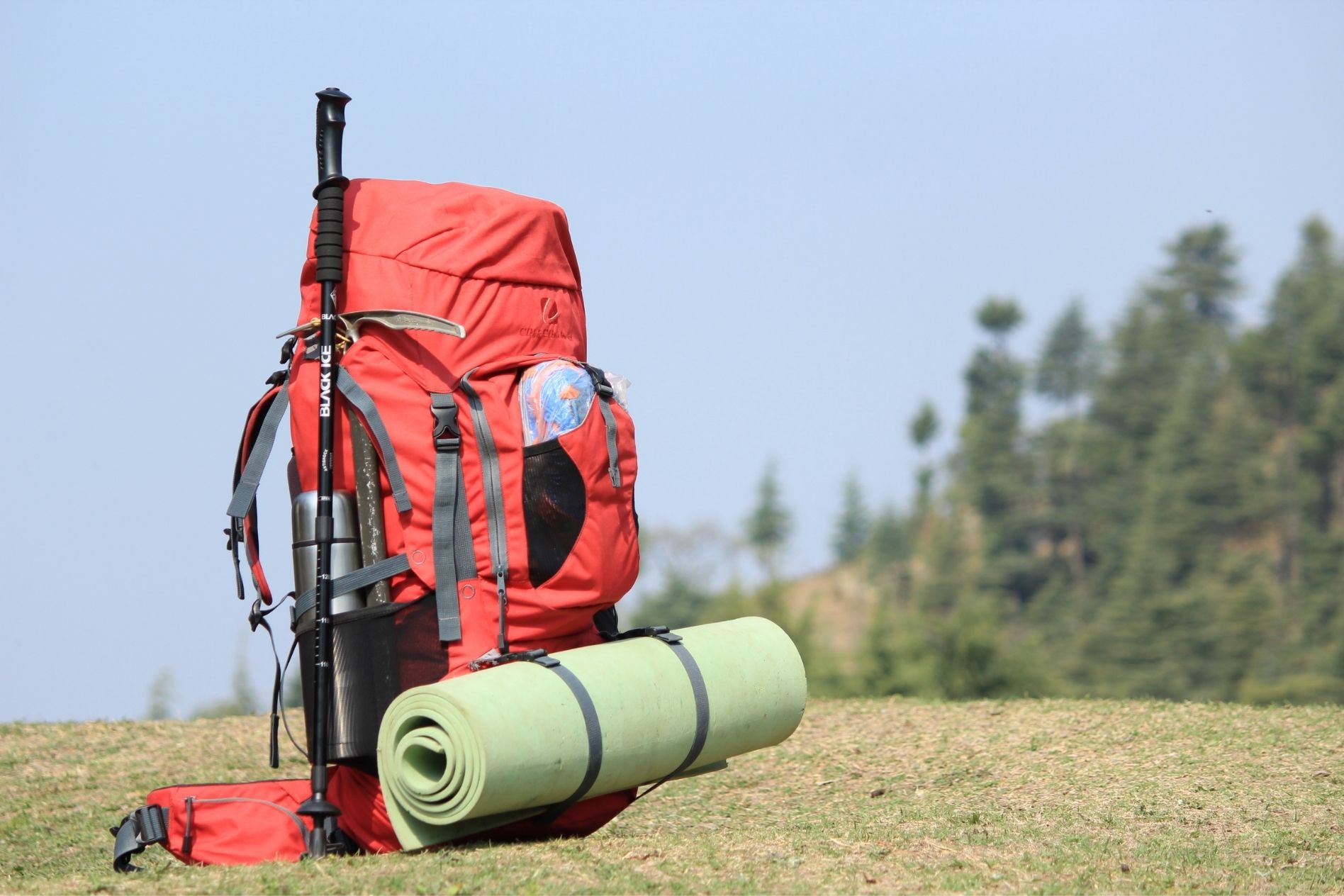
Overpacking the Backpack with Unnecessary Items
This is a common issue for overcautious hikers. Packing tons of food, water, clothes, pots, and all kinds of gear might seem like a smart idea—but it quickly turns your backpack into a spine-crushing burden. You get tired fast, your pace drops, and the whole hike becomes way less enjoyable. Don’t be like that! Take only what you truly need. After all, this is hiking—not wilderness survival.
Missing Basic Survival Essentials
Aside from the overpackers, there are also the underpackers! These folks often bring way too little gear, food, and water for a comfortable hike. Some even forget to pack a knife—can you believe that? What a blunder. And yet, a knife is one of the most important pieces of gear for any outdoor trip!
And now, surprise-surprise: our team has created an absolute beast of a knife for adventuring. We even gave it a name—ready? Adventurer CSHF [Check it out here]. The blade is made from high-carbon 1066 steel with a hardness of 57–59 HRC, and the handle is crafted from walnut wood. Our Adventurer is more than ready to take on anything hiking and camping can throw at it. It’s perfect for both. And to top it all off, it comes with our awesome branded sheath made of genuine leather. Just marvellous!
 Wearing the Wrong Clothing or Footwear
Comfort and safety start with what you wear. A very common mistake is hiking in casual shoes or cotton clothing, which offers little protection and holds moisture.
Common issues:
- Sneakers with poor grip on rugged terrain
- Cotton shirts or jeans that stay wet and cause chafing
- No weather protection (e.g., rain gear or insulating layers)
So you better wear moisture-wicking, breathable clothing (synthetic or wool) and sturdy hiking shoes or boots with good ankle support and grip. Dress in layers so you can adjust as the weather changes!
Using New Gear Without Testing It First
Another big mistake is bringing brand-new gear you haven’t tested yet. Like that fancy water filter you’ve never actually used—great idea in theory, until you’re standing by a river, tired and thirsty, trying to figure out which end does what. Always try your gear beforehand. The trail is no place for trial and error, a brand-new backpack that causes shoulder pain after 30 minutes or clothing that seems fine but causes blisters or rubbing over time. So do a dry run at home or on a short hike walk first! Break in your shoes. Try using your gear in your backyard or local park before depending on it in the wild.
 On-Trail Behavior Mistakes
And of course, we can’t forget about the mistakes people make during the hike itself!
No Steady Pace or Regular Breaks
Pushing yourself too hard early in the hike is a common misstep. Without a consistent pace and scheduled breaks, you burn through energy too fast and risk fatigue or injury later.
Beginners often:
- Start too fast out of excitement
- Skip breaks to “make good time”
- Ignore signs of overexertion until it’s too late
Hike at a pace where you can still hold a conversation. Take short breaks every 30–60 minutes to hydrate, eat a small snack, and check your route. This helps maintain energy and prevents strain over long distances.
Ignoring Your Body’s Signals
The spirit is willing, but the flesh is weak! Many people are capable of truly heroic feats—pushing through physical limits with the stamina and mental grit of a space marine, hiking for hours while ignoring pain, hunger, thirst, and fatigue. But let’s be honest—this kind of heroism isn’t always necessary. You’re not out here to save the world; you’re just out for a walk to enjoy yourself. No need to sacrifice your precious health for that. Treat every signal as important. If something doesn’t feel right, stop and address it. Rest, hydrate, eat, adjust gear — whatever is needed to prevent a small problem from becoming a serious one.
Neglecting Safety Rules and Navigation
Confidence can quickly turn into carelessness. Some beginners assume that trails are always clearly marked or that they’ll be able to “figure it out” along the way — but that attitude can lead to real trouble.
Common issues:
- Leaving the trail or taking shortcuts
- Relying only on phone signal for maps
- Not telling anyone your route or expected return time
Stay on the trail! Always carry a physical map and/or downloaded offline maps. Let someone know your plans, especially on longer or unfamiliar routes. And follow basic trail etiquette: yield when appropriate, don’t disturb wildlife, and keep noise levels down.
Conclusion
Follow this simple guide, and your hike is guaranteed to be pure enjoyment. But if you want to take that enjoyment to the next level—make sure to check out our online store! We’ve got some amazing knives for hiking, camping, and even full-on wilderness survival. And let the adventure begin!