

The cult of the warrior has been formed over thousands of years and it is not surprising that we had to learn the warrior craft as soon as we realised ourselves and picked up sticks and stones, for this world is as harsh as it is beautiful! And ofcourse, the cult of the warrior goes hand in hand with the cult of collecting weapons.
The History of Knife Collecting
Some collect swords, axes, maces and halberds, some collect firearms and we collect our beloved knives. Because guns for show, knives for a pro as they say.
What Is Knife Collecting?
So, what does it mean to be a knife enthusiast and have a knives collection?
Defining the Hobby and Its Appeal
Knife collecting is a hobby centered around the acquisition, study, and appreciation of various types of knives. Collectors often focus on different aspects, such as the design, craftsmanship, historical significance, and functionality of knives.
Types of Knives Collected
A lot of knives types have been invented over all these thousands of years:
- Pocket Knives: Small, foldable knives designed for everyday use.
- Fixed-Blade Knives: Knives with a blade that does not fold, often used in hunting, survival, or tactical contexts.
- Antique or Historical Knives: Knives from specific historical periods or those with significant historical value. Awesome type of knife for collection.
- Custom or Handmade Knives: Knives crafted by individual makers, often with unique designs or materials.
- Specialty Knives: Knives designed for particular tasks, like kitchen knives or combat knives.
Collecting Focus: how to collect knives? Collectors might focus on:
- Design and Aesthetics: The visual appeal and design elements of knives.
- Craftsmanship: The skill and technique involved in making the knife.
- Materials: The types of materials used, such as different steels, handle materials, or decorative inlays.
- Brand and Maker: Knives made by renowned brands or famous individual makers.
- Rarity and Value: Limited edition, discontinued, or rare knives that have increased in value over time.
Famous Museums and Knife Collections Around the World
Weapon museums around the world contain many famous collections, just to name a few:
The British Museum Knife Collection
- Location: London, England
- Features: The British Museum boasts an extensive collection of historical knives from various cultures. These include ancient Roman, Viking, and medieval European knives. Many of these knives are prized for their historical value and craftsmanship.
 Photo from britishmuseum.org
The Smithsonian Institution’s Knife Collection
- Location: Washington, D.C., USA
- Features: The Smithsonian houses a diverse array of knives, including those used by early American pioneers and military knives from different periods. The collection often highlights the evolution of knife design and usage over time.
 Photo from si.edu
The Metropolitan Museum of Art Knife Collection
- Location: New York City, USA
- Features: This collection includes ceremonial and decorative knives from various cultures. Notable pieces include exquisite Indian daggers and intricately designed Japanese knives.
 Photo from metmuseum.org
The National Museum of the American Indian Knife Collection
- Location: Washington, D.C., USA
- Features: This collection focuses on Native American knives, showcasing their craftsmanship and significance in indigenous cultures. Items include both utilitarian knives and those used in ceremonial contexts.
 Photo from americanindian.si.edu
The National Maritime Museum Knife Collection
- Location: Greenwich, England
- Features: This collection includes maritime knives and cutlery used on ships. It offers insights into the practical design and use of knives in naval history.
 Photo from invaluable.com
The Museum of Applied Arts and Sciences Knife Collection
- Location: Sydney, Australia
- Features: Known for its extensive collection of functional and decorative knives from Australia and around the world, this museum highlights the craftsmanship and design evolution of knives.
 Photo from metmuseum.org
The Deutsches Klingenmuseum (German Blade Museum)
- Location: Solingen, Germany
- Features: This museum is dedicated to the history and art of blade-making. It features a comprehensive collection of knives, swords, and other bladed instruments from different periods and cultures.
 Photo from bergisch-mal-drei.de
The Wallace Collection
- Location: London, England
- Features: While primarily known for its arms and armor, this collection includes many fine examples of historical knives and daggers, showcasing intricate designs and craftsmanship.
 Photo from arms-n-armor.com
The Rijksmuseum Knife Collection
- Location: Amsterdam, Netherlands
- Features: The Rijksmuseum houses a variety of historical knives, including those from the Dutch Golden Age. The collection highlights the artistic and functional aspects of these items.
 Photo from rijksmuseum.nl
The Kyoto National Museum
- Location: Kyoto, Japan
- Features: This museum includes a collection of traditional Japanese knives, such as the iconic katana and various utility knives used in Japanese culture. The collection emphasizes the artistry and craftsmanship of Japanese blade-making.
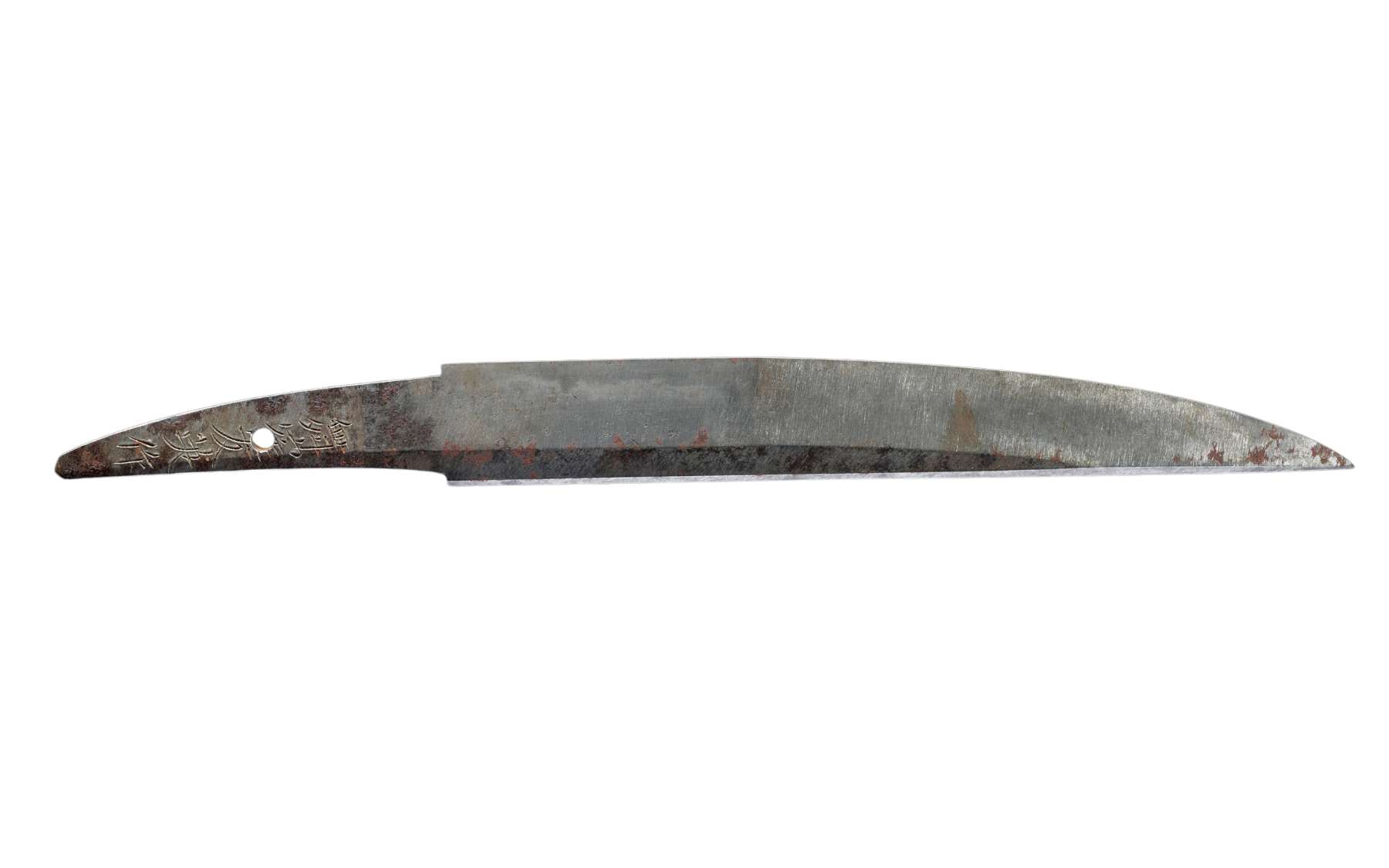 Photo from knmdb.kyohaku.go.jp
How to Start Your Knife Collection
It’s never too late to start your own knife collection! Let’s talk about knife collecting for beginners.
Tips for Beginners
Define Your Purpose
- Practical Use: Are you looking for knives to use in the kitchen, for outdoor activities, or for self-defense, or you like some historical knives?
- Aesthetic Appreciation: Are you interested in knives as collectibles, focusing on craftsmanship and design?
Educate Yourself
- Research Different Types: Learn about various knives such as hunting knives, EDC knives, pocket knives and fixed blades.
- Materials: Understand different blade materials (stainless steel, carbon steel) and handle materials (wood, synthetic, metal) will help you to gather the best knife collection.
- Brands and Makers: Explore reputable brands and custom makers.
Focus on Quality
- Forged vs. Stamped: Forged knives are typically more durable and have better balance, but stamped knives are often lighter and more affordable.
- Edge Retention: Consider knives with good edge retention for longevity.
Expand Gradually
- Specialty Knives: As you get more experienced, you might want to add specialty knives such as boning knives, santokus, or unique designs.
- Collector’s Pieces: Look for limited editions, custom-made knives, or historical pieces for a unique touch.
Care and Maintenance
- Sharpening: Learn how to properly sharpen your knives. Consider investing in a good sharpening stone or a professional sharpening service.
- Storage: Use a knife block, magnetic strip, or a knife roll to keep your knives in good condition.
Join Communities
- Online Forums: Engage with knife enthusiasts on forums or social media groups.
- Knife Shows and Expos: Attend events to see a wide range of knives and meet makers.
Set a Budget
- Be Practical: Knives can range from affordable to extremely high-end. Set a budget that allows you to collect quality knives without overspending.
Document Your Collection
- Keep Records: Maintain a log of your collection, noting details such as the make, model, purchase date, and any special features.
Enjoy the Process
- Appreciate the Craftsmanship: Take time to appreciate the design, craftsmanship, and functionality of each knife in your collection.
- Use Your Knives: If you collect functional knives, don’t be afraid to use them—this can be one of the most enjoyable aspects of knife collecting.
Understanding Knife Authentication
This skill will be especially useful to you if you decide to start collecting antique knives! Because fraudsters and scoundrels in this field are numerous, all of them will certainly try to sell you a fake and that knife-pugio II century a.d. you bought, may turn out to be only artificially aged iron garbage. In addition, in security contexts, knife authentication could involve verifying that a knife is not a disguised weapon or that it conforms to regulations regarding blade length and type. This might involve inspection procedures or using technology to identify modifications or hidden features.
Also, in manufacturing, authentication might ensure that knives meet certain quality standards or certifications, often involving checks for materials, craftsmanship, and compliance with industry standards.
Conclusion
That’s it! Now you know how to start collecting knives! Collecting knives is not something fantastic, unbelievable and expensive. This hobby is available to everyone, it is only important to be really eager for this! Take a look at our online shop and who knows, maybe you will buy the very first brick that will lay the foundation of the castle of your epic knife collection. The choice is yours!