
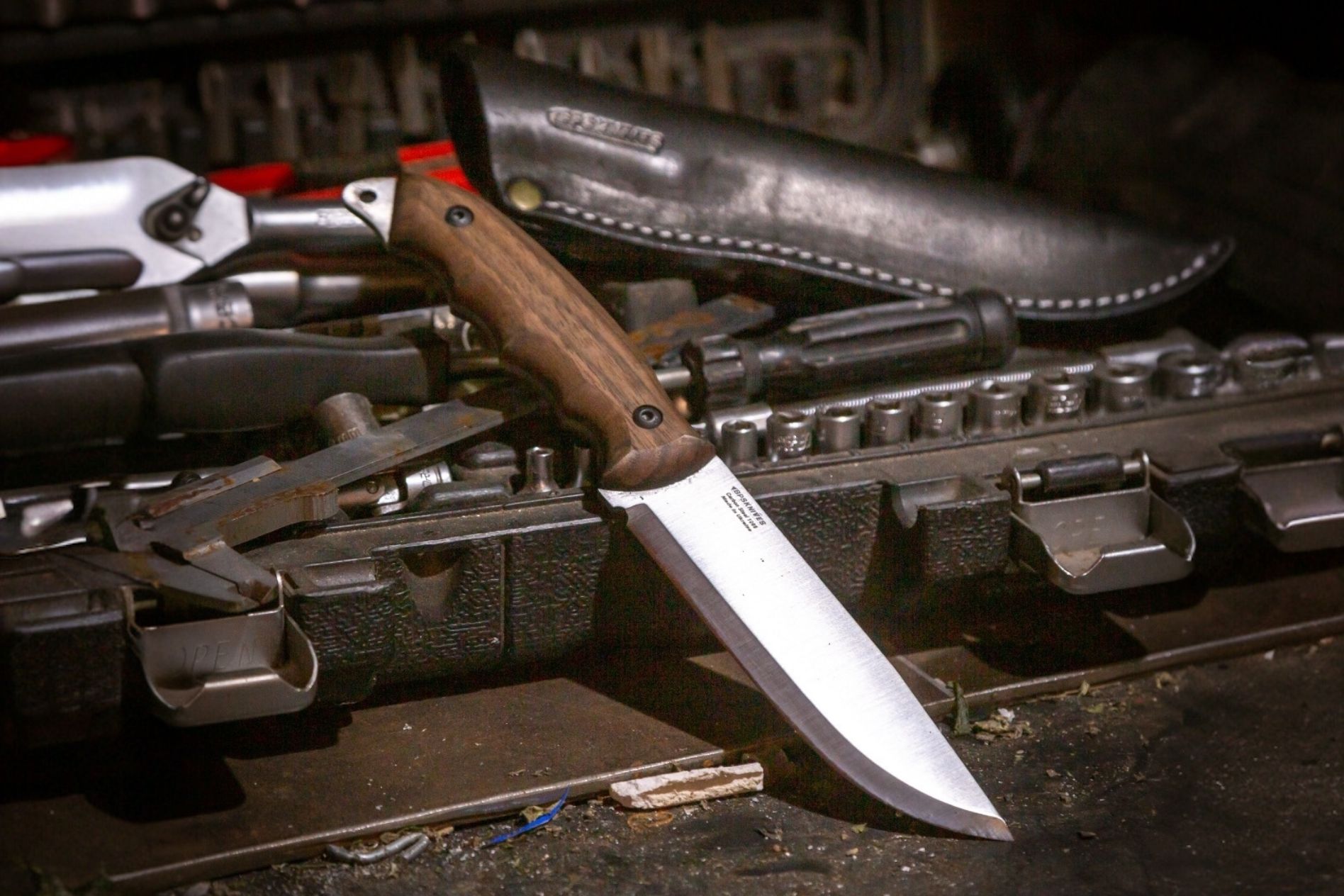
Ah, good ol’ carbon steel! An immortal classic that’s been around for thousands of years. Back in the 2nd century BC, the Hittites were the first to forge daggers from carbon steel. The technology was so advanced and unusual for its time that the Pharaoh of Egypt’s New Kingdom personally requested one as a gift from the Hittite king. After receiving and testing the blade, he was stunned by its cutting power and reliability. It was essentially a lightsaber of its era—strange as that may sound. No wonder the Hittites, armed with swords, axes, and maces made of this remarkable metal, kicked some Egyptians arses a couple of times!
Why carbon steel remains popular among knife fans
Since then, it all took off! Steel knives made from carbon steel spread confidently and relentlessly across the globe, settling in every home, in every household and family. And it’s no wonder—who wouldn’t want a reliable, durable, and razor-sharp blade at their disposal? Moreover, a carbon steel knife isn’t just a tool—it’s an object with a soul, one that can last for centuries with proper care.
Characteristics of Carbon Knife Steels
So, what makes this carbon steel knife so great in detail?
Advantages of Carbon Steels
- Superior Sharpness: Carbon steels can be honed to an incredibly fine edge, providing exceptional cutting precision.
- Edge Retention: High carbon content allows these steels to maintain a sharp edge longer under regular use.
- Ease of Sharpening: Despite their hardness, carbon steels can often be sharpened more easily than some stainless counterparts. 1:0 in carbon vs stainless knife steel holy war!
- Responsive Performance: Many users appreciate the “feedback” or tactile response carbon steels provide during cutting.
- Patina Development: Over time, a natural patina forms, which can help protect the blade and adds character.
Considerations for Choosing Carbon Steel
- Corrosion Susceptibility: Carbon steels are prone to rust and staining, especially when exposed to moisture or acidic foods.
- Maintenance Requirements: These knives require regular care, including drying after use and occasional oiling.
- Reactive Surface: The blade may discolor or react with certain foods, which can affect appearance and taste.
- Fragility Under Stress: High hardness can make some carbon steels more brittle compared to stainless alternatives.
- Skill Level: These knives are often better suited for experienced users comfortable with regular maintenance and sharpening.

The Top 10 Carbon Knife Steels of 2025
Great! Let’s now take a closer look at the best steel for knives of 2025.
CPM-3V
CPM-3V knife steel review, eh? Carbon vs stainless knife steel stands at the forefront of modern carbon steels, engineered through Crucible’s particle metallurgy process. It isn’t a traditional carbon steel in the strictest sense due to its alloying elements, but its performance traits—especially in edge stability and extreme toughness—have made it a favorite for demanding outdoor, survival, and combat knives. It resists chipping under impact, even in thin grinds, and can take a fine edge with excellent retention. However, its low chromium content means it is not stainless and must be maintained accordingly. Knife makers often choose CPM-3V when toughness is the highest priority, and corrosion can be managed. One of the top carbon knife steels.
 A2 Steel
A2 is a tried-and-true tool steel with a well-earned reputation for balance. It hardens in air, not oil or water, and offers excellent dimensional stability, making it suitable for precision work. Its edge retention is respectable, and its toughness is notably better than more brittle high-carbon alternatives. For knife users who frequently process wood, baton through timber, or need a reliable camp blade, A2 offers a middle ground between wear resistance and ease of maintenance. It sharpens relatively easily for a tool steel and is more forgiving than stainless options when it comes to field sharpening. One of the most durable carbon steels for knives!
5160 Steel
If there’s a workhorse among carbon steels, it’s 5160. Originally designed as a spring steel for automotive applications, its natural flexibility and shock resistance translate beautifully into large knives like bowies, machetes, and choppers. It doesn’t achieve the extreme hardness of some other steels, but what it lacks in edge holding it makes up for in durability. 5160 can take a beating without fracturing and is very forgiving during the heat treatment process, making it popular with custom knife makers and blacksmiths alike. For users who prioritize toughness over long-term sharpness, 5160 remains a solid choice.
1066 Carbon Steel
Next in our lineup of knife steels ranking 2025 is 1066! It is a high-carbon plain steel known for its hardness and edge-taking capability. With around 0.66% carbon, it sits between the softer and more wear-resistant steels in the 10xx series. It excels at taking a fine edge and is often used in traditional blades, such as puukkos and kitchen knives, as well as in historical reproductions. However, it’s highly susceptible to rust and demands diligent care to avoid corrosion. Its simplicity also means it’s easy to forge and manipulate, making it a favorite among artisan bladesmiths looking for steel that highlights craftsmanship.
-
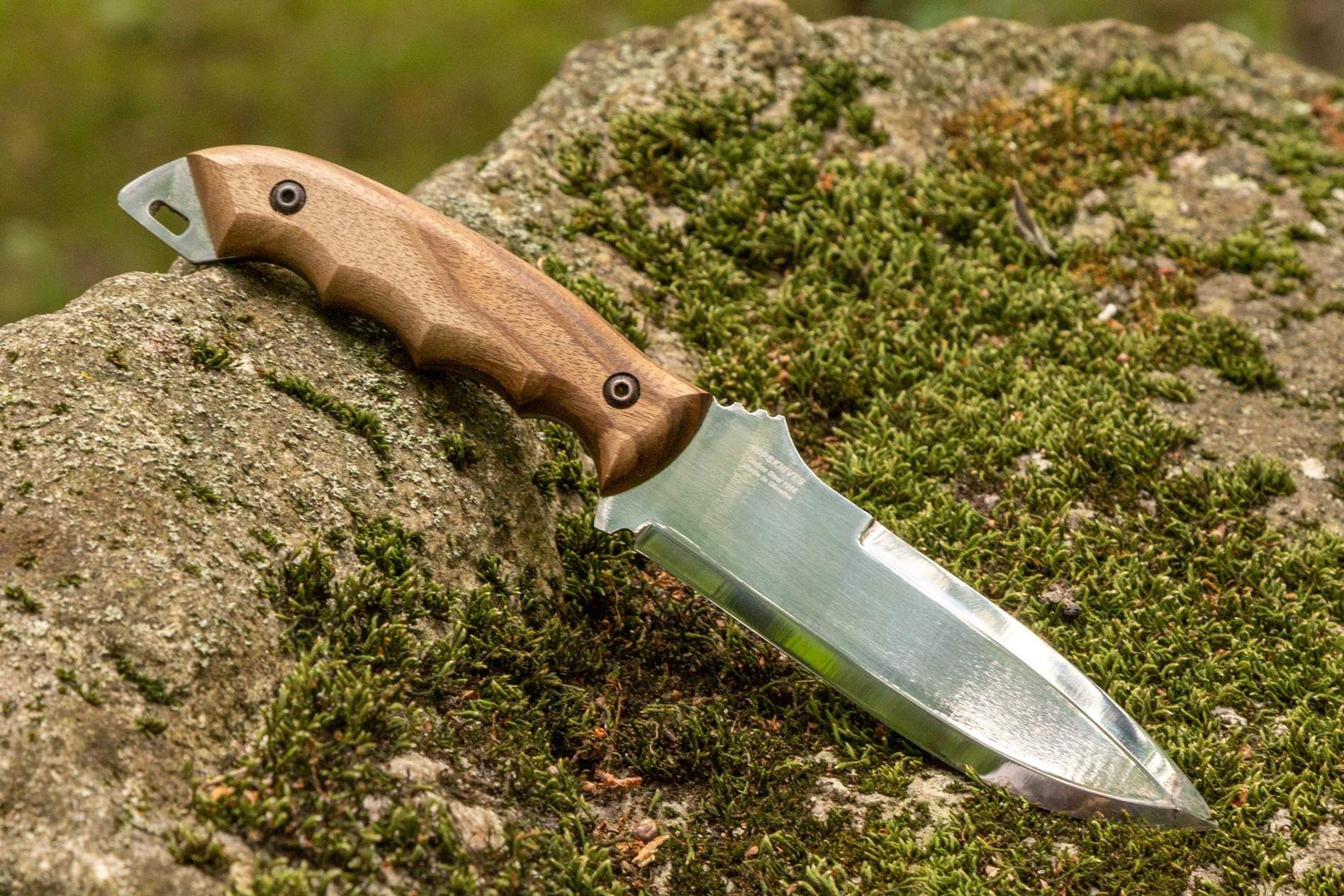
- HK2 CSH
-
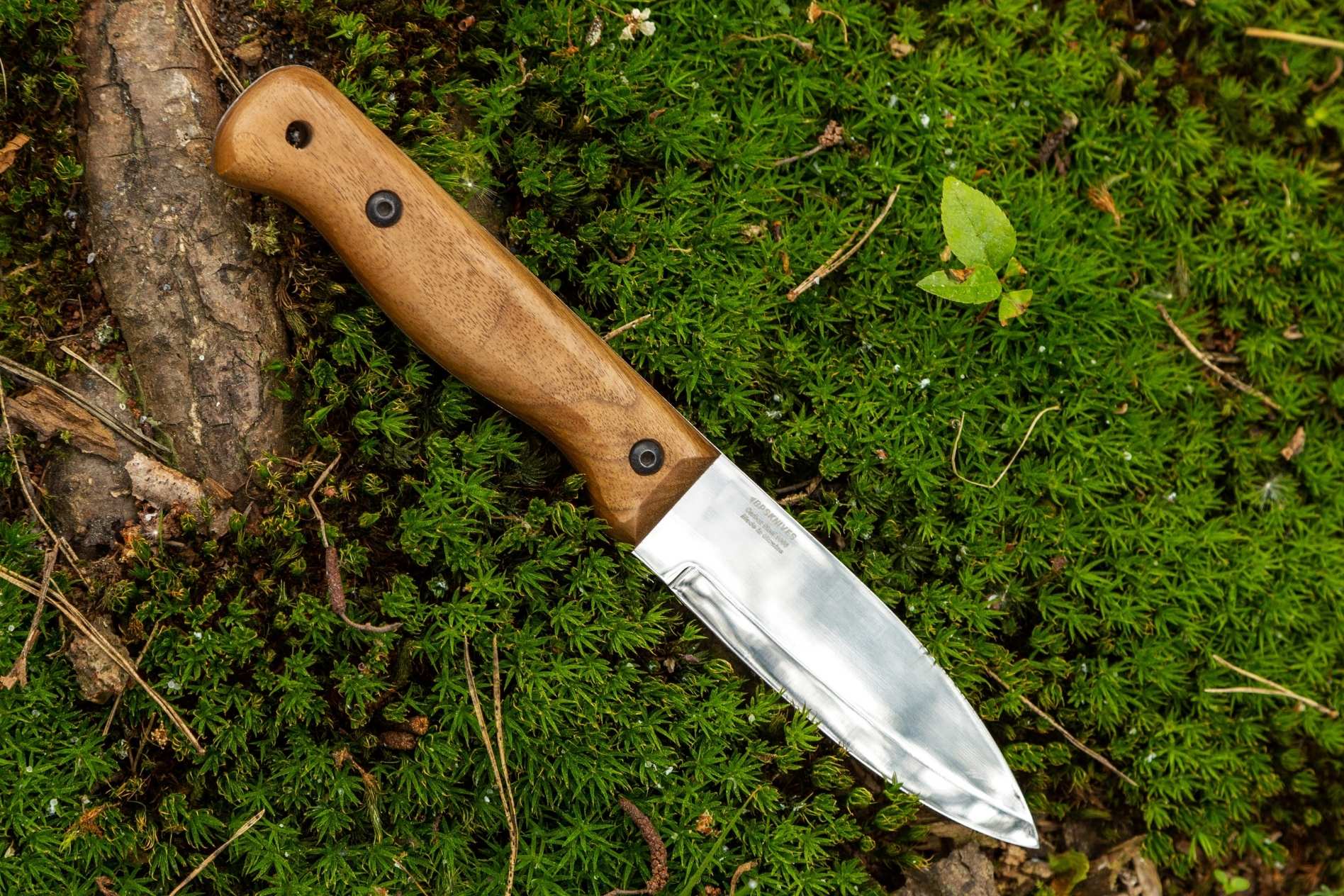
- B1 CSH
-
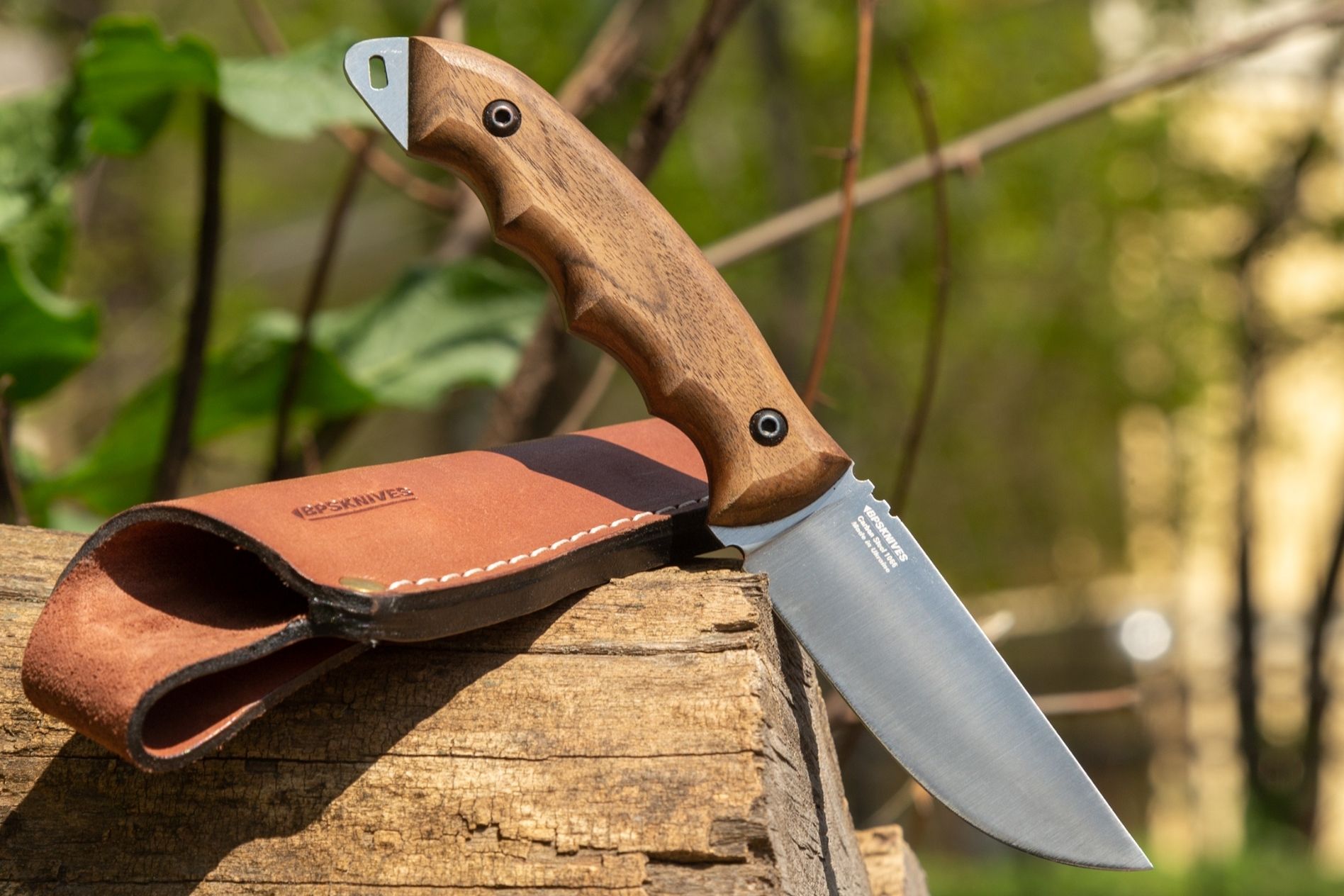
- HK4 CSH
W2 Steel
W2 is prized in the custom knife-making world, especially for blades that showcase a differential heat treat. Its fine grain structure allows for the creation of hamons—distinctive temper lines often seen in Japanese swords. Performance-wise, W2 takes a razor-sharp edge and holds it well during precision tasks. It is not quite as tough as more modern steels and is sensitive to heat treat variables, which makes it a challenging steel to work with, but when done right, it yields a blade with both beauty and cutting performance. W2 is often used in traditional and showpiece blades, but it’s far from just aesthetic—it cuts beautifully.
O1 Steel
O1 is a classic among tool steels and has been used in knives for generations. It features good wear resistance, high hardness potential, and takes a fine, consistent edge. Its relatively low alloy content means it isn’t stainless, but it is easier to sharpen than many more modern steels. O1 is especially popular among custom makers because of its predictable heat treatment and good results even with simple equipment. Though it lacks the edge stability of ultra-modern steels, it remains an excellent performer in woodworking tools, chef knives, and utility blades.
SK5 Steel
SK5 is a Japanese high-carbon steel that is roughly equivalent to 1080 in Western standards. It is affordable, hard, and takes a sharp edge quickly. SK5 excels in tactical and utility knives, particularly where cost and ease of sharpening are key considerations. While it doesn’t offer the longevity of premium tool steels in terms of edge retention, it performs reliably under moderate stress and can be quickly resharpened in the field. It also resists impact better than some harder but more brittle steels, making it a common choice in folding knives, neck knives, and bushcraft blades.
Z-Tuff Steel
Z-Tuff is one of the newer steels earning recognition in the knife community, primarily due to its incredible toughness. Designed by Zapp Precision Metals, it builds upon the concepts behind Z-Wear and CPM-3V but pushes the toughness envelope even further. Though it doesn’t quite match the edge retention of more wear-resistant steels, it makes up for that with resilience—making it nearly impossible to chip under normal use. Z-Tuff is gaining traction among makers of survival and tactical knives, especially those who want a blade that won’t fail under brutal conditions.
52100 Steel
Originally developed for use in ball bearings, 52100 has found a second life in the knife world thanks to its fine grain structure and excellent edge retention. It’s especially effective in thin, slicing-oriented knives, such as chef’s knives and skinning tools. When properly heat treated, 52100 takes a keen edge and maintains it longer than many plain carbon steels. It also has some chromium in its composition—not enough to make it stainless, but enough to offer slightly better corrosion resistance than steels like 1095 or 1066. Many high-end kitchen knives and hunting blades now feature this steel for its performance balance. Nice carbon steel for bushcraft knives!
80CrV2 Steel
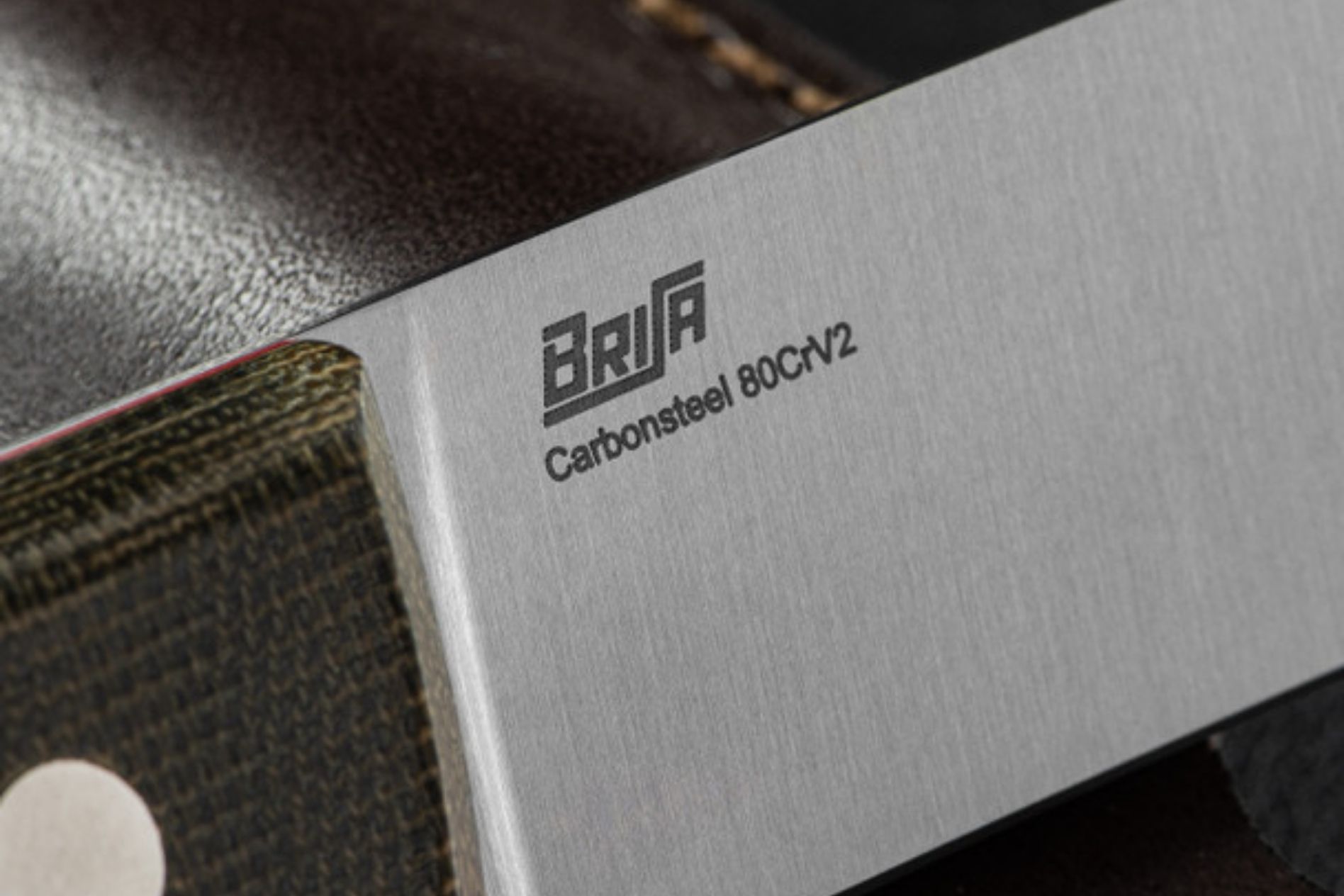
Often referred to as the “Swedish saw steel,” 80CrV2 knife steel properties has become a staple in modern outdoor and bushcraft knives. It combines high toughness with good edge retention and a relatively simple heat treatment process. With a small amount of chromium and vanadium added to its base, it exhibits better hardenability and wear resistance than 5160, while still being resilient under heavy loads. 80CrV2 is known for being easy to work with, easy to sharpen, and able to take a very fine edge—all traits that make it ideal for survival, hunting, and utility blades that see regular use.
 Conclusion
But of course, this is just the tip of the iceberg—merely a teaser. Want to know more? Then hurry over to our online store, where we’ll provide you with a detailed consultation on everything. And while you’re there, you’ll find knives so beautiful that you’ll be as amazed as the Pharaoh of the New Kingdom—hope you still remember this pal! And what awesome prices, just wow. See you soon!