
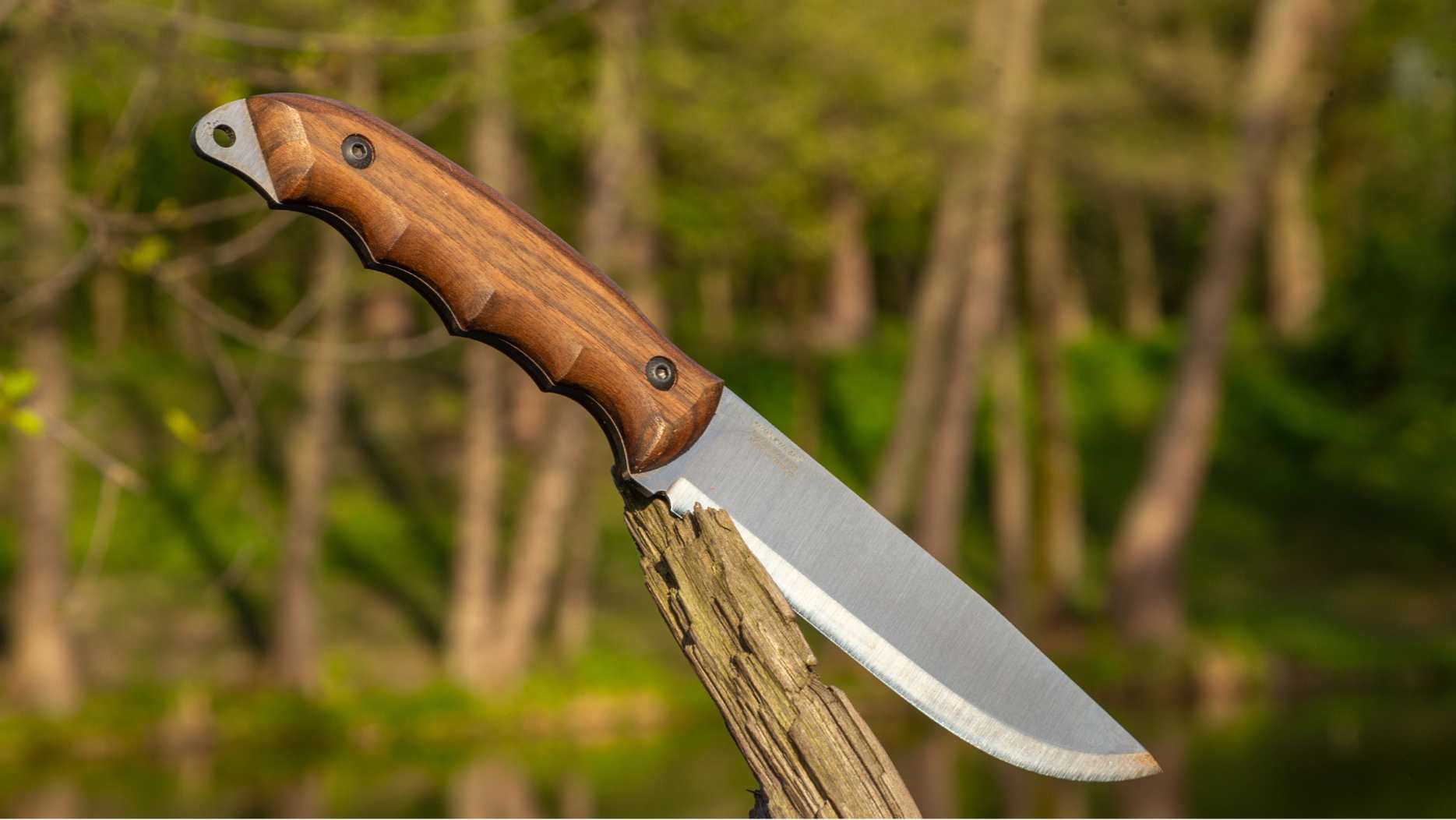
Have you all heard of those legendary blades that could chop and slice through mountains? Like Excalibur or William Wallace’s claymore. You know what they have in common? They were made of carbon steel.
Introduction to Carbon Steels
Swords are real works of weapon art, a jewel of any collection! And what a pleasure to learn how to handle them and show off with them at a festival of medieval reconstruction! However, unfortunately, today wearing a sword in everyday, ordinary life is a funny anachronism, you just do not need it nowadays. But carbon knife, that’s another matter!
What is Carbon Steel?
Carbon steel is a type of steel where the primary alloying element is carbon, as opposed to other elements like chromium or nickel. The amount of carbon in the steel can vary, and this affects the properties of the steel. Generally, carbon steel is categorized into three main types based on carbon content:
- Low Carbon Steel (also known as Mild Steel): Contains up to about 0.3% carbon. It is relatively soft, has good ductility, and is easy to machine. Commonly used in automotive components, structural beams, and household items.
- Medium Carbon Steel: Contains between 0.3% and 1.0% carbon. It has a balance between strength and ductility, making it suitable for applications like gears, shafts, and high-strength structural components.
- High Carbon Steel: Contains between 1.0% and more carbon. This type of steel is very hard and strong but less ductile. It’s often used for making tools, knives, and other high-wear components.
The properties of carbon steel, such as hardness, strength, and ductility, can be modified through heat treatment and alloying for creating the best carbon knife steel possible.
Why Choose Carbon Steel?
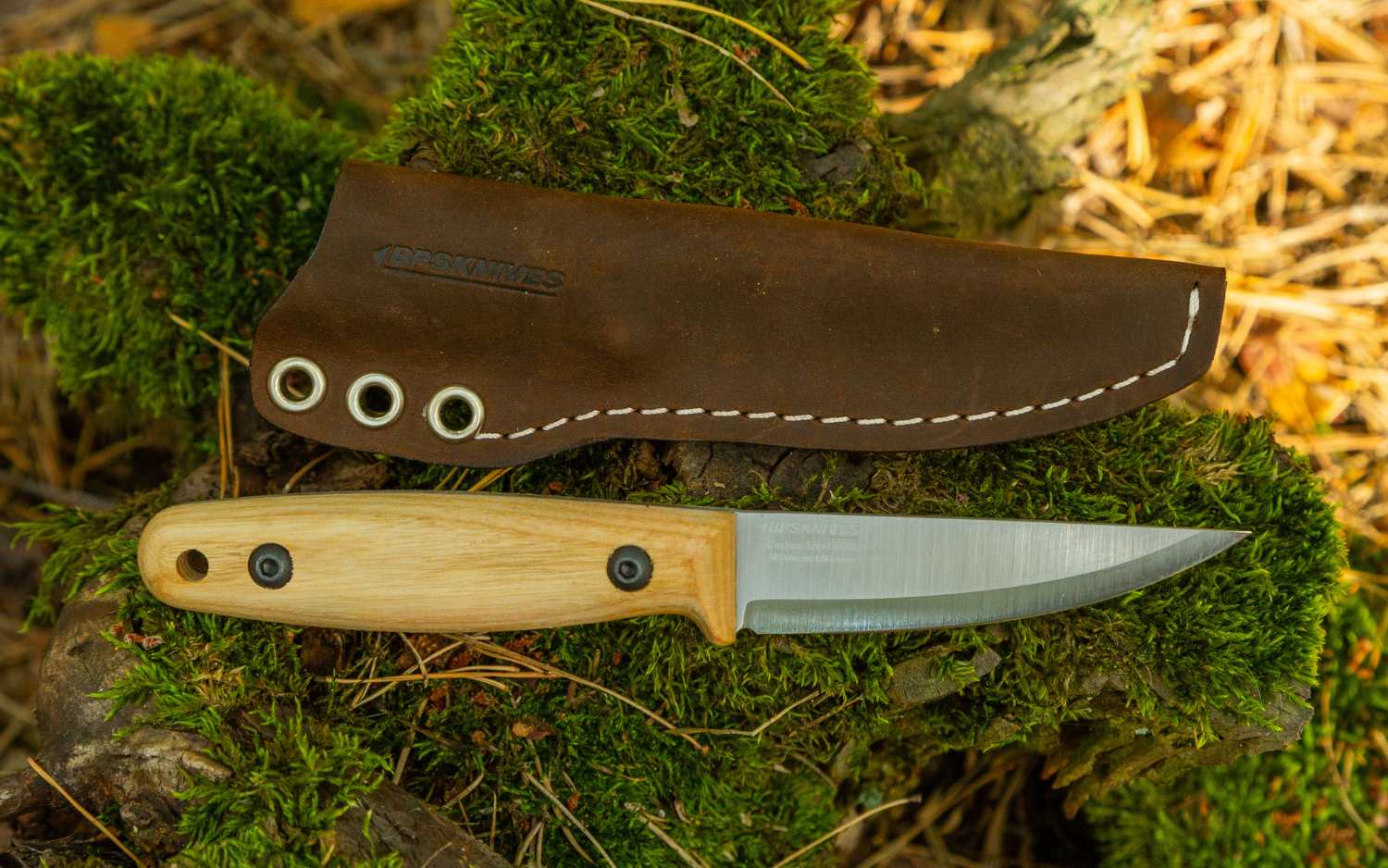
There are many reasons to buy a knife made of such steel:
Advantages of Carbon Steel Knives
High-carbon steel knives offer several notable advantages carbon steel vs stainless steel for example:
- Sharpness and Edge Retention: High-carbon steel allows knives to achieve an exceptionally sharp edge and maintain that sharpness for longer periods. This is due to the increased hardness imparted by the carbon content, which enhances cutting performance.
- Durability and Toughness: The high carbon content makes the steel harder and more resistant to wear, meaning that knives made from this material can be very durable if properly maintained.
- Ease of Sharpening: Despite their hardness, high-carbon steel knives are usually easier to sharpen compared to some other types of steel. This makes it simpler to restore the knife’s edge when it becomes dull.
- Excellent Cutting Performance: High-carbon steel provides outstanding cutting capabilities, making these knives suitable for a wide range of tasks, from slicing vegetables to more demanding cutting tasks.
Common Applications in Knifemaking
Such a fine high carbon steel is suitable for making almost any knife:
- Utility Knives: These versatile knives benefit from high-carbon steel’s sharpness and edge retention. They are used for a range of tasks, including opening packages and cutting through various materials.
- Paring Knives: The sharpness and fine edge of high-carbon steel make it well-suited for paring knives, which are used for detailed work like peeling and trimming fruits and vegetables.
- Hunting and Outdoor Knives: Carbon steel blade is a nice option for hunting and outdoor knives due to its ability to hold a sharp edge, which is crucial for tasks such as skinning game and cutting through tough materials.
- Japanese Knives: Many traditional Japanese knives, such as santoku and nakiri knives, use high-carbon steel. The steel’s ability to achieve a razor-sharp edge is highly valued in Japanese culinary practices.
- Custom and Artisan Knives: High-carbon steel is favored by custom knife makers and artisans who seek to create knives with exceptional sharpness, edge retention, and personalized performance characteristics.
- Cutlery for Specialized Uses: High-carbon steel is also used for knives designed for specific tasks, such as boning knives, fillet knives, and cleavers, where a sharp, durable edge is critical. Such a carbon knife patina blade has a decent durability.

The Top 5 Carbon Steels
Now let’s break down the best grades of this steel in more detail and in more detail!
1095 Carbon Steel
1095 carbon steel is a popular choice for many blades and tools due to its specific properties. Here’s a breakdown of its characteristics:
Hardness
- Hardness: 1095 steel typically has a Rockwell hardness rating of around 55-58 HRC (Hardness Rockwell C). This makes it relatively hard, which is advantageous for edge retention but also means it can be more prone to chipping compared to softer steels.
Toughness
- Toughness: 1095 steel is considered to have moderate toughness. While it can be tough enough for many applications, it is not as tough as some other steels due to its high carbon content. It can be somewhat brittle, particularly if not properly heat-treated, and it may crack or chip under heavy impact or stress.
Ease of Sharpening
- Ease of Sharpening: 1095 is relatively easy to sharpen. Its high carbon content allows for a sharp edge, and it responds well to sharpening tools. However, due to its hardness, it may take a bit more effort to sharpen compared to softer steels, but it’s still manageable for most users.
Edge Retention
- Edge Retention: 1095 steel offers good edge retention for a carbon steel. The hardness contributes to its ability to maintain a sharp edge through extended use. However, it will eventually require sharpening, and its edge retention can be affected by factors like the steel’s heat treatment and the specific application.
1084 Carbon Steel
1084 carbon steel is a popular choice among knife makers and metalworkers due to its balance of hardness, toughness, and ease of maintenance. Here’s a breakdown of its characteristics:
Hardness
- Rockwell Hardness (HRC): Typically, 1084 steel can be heat-treated to achieve a Rockwell hardness of around 57-61 HRC. This hardness range makes it suitable for a variety of tools and knives, offering a good balance between edge retention and toughness.
Toughness
- Toughness: 1084 steel is known for its excellent toughness. It doesn’t become brittle even at higher hardness levels, which means it can handle impacts and stress better than some harder, more brittle steels. This makes it a popular choice for knives that need to withstand rough use without chipping or breaking.
Ease of Sharpening
- Sharpening: 1084 is relatively easy to sharpen compared to many high-alloy steels. Its moderate hardness allows for a straightforward sharpening process with standard sharpening tools. This is a key reason why it’s favored by many who prefer a low-maintenance edge.
Edge Retention
- Edge Retention: While 1084 offers good edge retention, it doesn’t hold an edge as long as some high-carbon or high-alloy steels, like those with higher chromium content or advanced heat treatments. It provides a good balance, but if edge retention is the primary concern, you might consider steels with higher carbon content or additional alloying elements.
1066 Carbon Steel
1066 carbon steel is a high-carbon steel often used for blades, including knives and tools, great price-performance ratio! Here’s a breakdown of its key characteristics:
Hardness and Toughness
- Hardness: 1066 carbon steel typically has a Rockwell hardness of around 57-59 HRC when properly heat-treated. This hardness level is fairly high, allowing the steel to hold a sharp edge well.
- Toughness: While 1066 steel is relatively tough compared to other high-carbon steels, its toughness is somewhat lower than steels with a lower carbon content. The higher hardness can make it more brittle, so while it holds an edge well, it might be more prone to chipping if not properly maintained.
Ease of Sharpening and Edge Retention
- Ease of Sharpening: 1066 carbon steel is generally easy to sharpen. The high carbon content allows for the formation of a fine edge with relatively less effort compared to some harder steels.
- Edge Retention: It has good edge retention due to its high carbon content, which allows the steel to maintain a sharp edge over time. However, it may not retain its edge as long as some premium steels with higher alloy content or better heat treatment.
1088 Carbon Steel
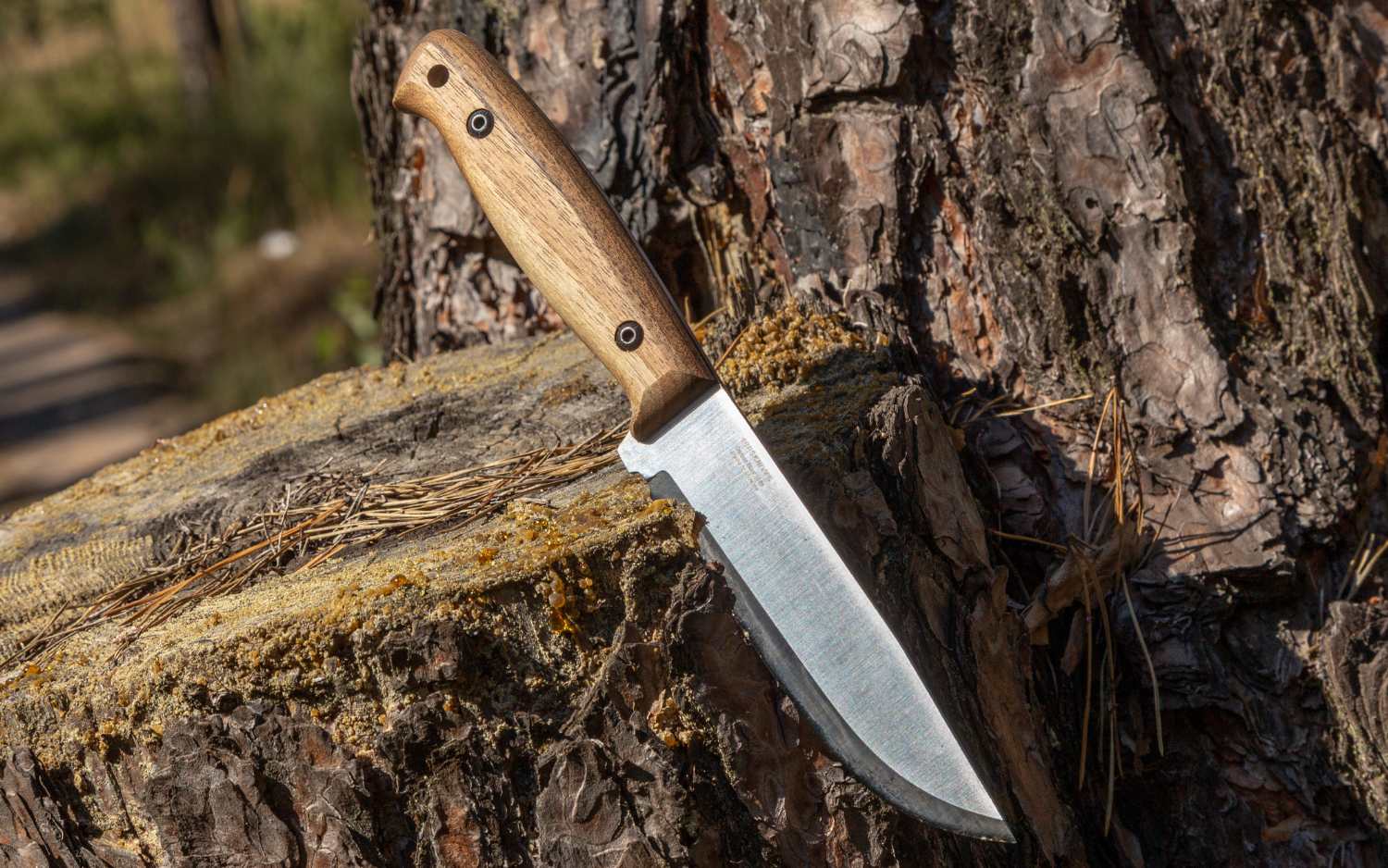
1088 carbon steel is a high-carbon steel with a composition that provides a unique balance of hardness, toughness, ease of sharpening, and edge retention. Here’s a breakdown of its characteristics:
Hardness
- Hardness Level: 1088 carbon steel typically has a Rockwell Hardness (HRC) rating of around 56-60. This range can vary depending on the heat treatment process applied.
- Characteristics: The steel can achieve a high level of hardness, which contributes to its ability to hold a sharp edge.
Toughness
- Toughness: 1088 carbon steel is reasonably tough, though not as tough as some other high-carbon or alloy steels. Its toughness is adequate for many applications but might be less than steels specifically designed for high impact resistance.
Ease of Sharpening
- Sharpening: 1088 steel is generally considered to be relatively easy to sharpen. It responds well to traditional sharpening methods and retains a fine edge with less effort compared to some harder steels.
- Maintenance: Regular sharpening is straightforward, but because it holds an edge well, it may not need frequent sharpening.
Edge Retention
- Edge Retention: The edge retention of 1088 carbon steel is quite good, especially for a carbon steel of its type. It holds an edge well due to its hardness, though it may not outperform some advanced stainless or high-carbon alloys in terms of longevity between sharpenings.
- Comparison: Compared to softer steels or those with lower carbon content, 1088 offers superior edge retention.
1040 Carbon Steel
1040 carbon steel is a medium carbon steel with a carbon content of around 0.40%. Here’s a detailed look at its hardness, toughness, ease of sharpening, and edge retention:
Hardness
- Hardness: 1040 carbon steel can achieve a Rockwell Hardness (HRC) of about 25-30 when in the annealed state. However, with proper heat treatment, it can be hardened to around 50-55 HRC. This makes it suitable for a variety of applications where moderate hardness is required.
Toughness
- Toughness: 1040 carbon steel is generally tougher than higher carbon steels, such as 1095, due to its lower carbon content. It has good impact resistance and is less likely to become brittle compared to steels with higher carbon content. This makes it a good choice for applications where a balance of hardness and toughness is needed.
Ease of Sharpening
- Ease of Sharpening: 1040 carbon steel is relatively easy to sharpen. Its moderate hardness means that it does not require excessive effort or specialized equipment to hone a sharp edge. This ease of sharpening is one of the reasons why it’s favored for tools and knives that need to be maintained regularly.
Edge Retention
- Edge Retention: While 1040 carbon steel holds an edge reasonably well, it does not perform as well in edge retention as higher-carbon steels or modern alloys like those with higher chromium content. This is due to its lower carbon content, which limits its ability to form a very hard edge that resists wear. It will require more frequent sharpening compared to higher-carbon or stainless steels.
Maintenance
So, how to clean carbon knife? Its peace of a cake:
Clean After Each Use:
- Rinse: Immediately after use, rinse the knife with warm water to remove any food particles.
- Wash: Use a mild dish soap and a soft sponge or cloth. Avoid abrasive materials or harsh cleaners that can damage the blade.
- Dry: Thoroughly dry the knife with a clean, dry cloth or paper towel. Carbon steel is prone to rust, so it’s crucial to ensure it is completely dry.
Deep Cleaning:
- Soak (if needed): If there’s any residue or stuck-on food, you can soak the knife in warm, soapy water for a few minutes. Do not soak for too long as prolonged exposure to water can cause rust.
- Scrub: Use a non-abrasive sponge or brush to gently scrub the blade. For stubborn spots, you can use a small amount of baking soda or a dedicated knife cleaner.
Dry Thoroughly:
- Dry: Immediately after washing, dry the knife thoroughly. This step is crucial to prevent rust.
- Oiling: To protect the blade from moisture and oxidation, apply a thin layer of mineral oil, food-safe oil, or a specialized knife oil. Wipe off any excess oil with a clean cloth.
Conclusion
If you want a knife that can cut through anything in its path, with excellent durability and that will last for decades, you have come to the right place! Choose the steel type that suits you best and buy your dream knife from us. Blade of your dreams waiting for you!