
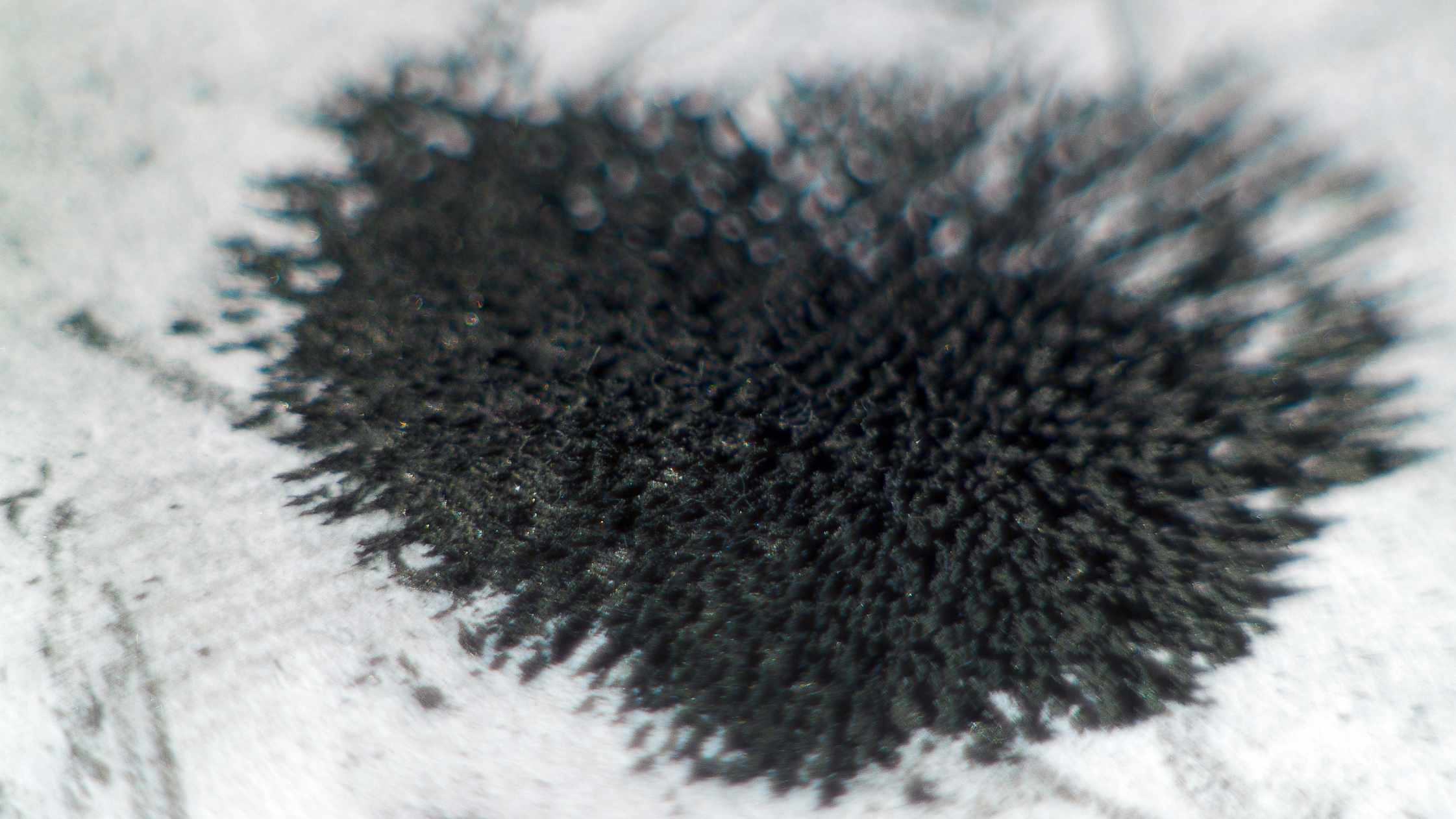
Today we are going to discuss something really interesting! Namely powder steels. These steels are used in high-tech industries such as aerospace, automotive, tools and cutting blades.
Introduction to Powder Steels for Knives
Powder metallurgy appeared in Egypt around the III century BC. It is also known that the ancient Incas in the XI-XVI centuries made jewellery and other artefacts from precious metal powders. However, mass production of powder metallurgy products began only from the middle of the 19th century.
So, powder steel is steel ground to powder, which is atomised in an inert gas, then the suspension is fed to a special crystallizer, and then the resulting micro-slits are pressed at ultra-high temperatures and sintered in a special furnace. As a result of these operations, a so-called powder conversion takes place – the steel receives a large number of carbides, which are responsible for cutting powder steel knife and it can be alloyed with additional strength-enhancing elements.
Due to the small dimensions and the uniform distribution of carbides in powder steels, the degree of alloying and the volume of the carbide phase can be significantly increased and thus the resistance properties of the steel can be improved. Better mechanical properties are achieved, in particular powder steels are much better at grinding and forging. When steel is quenched, a more saturated solid solution, finer and more uniform grains are obtained, which contributes to a certain increase in hardness, heat resistance, mechanical properties and corrosion resistance. Powder technology makes it quite easy to produce high-nitrogen steels by solid-phase nitriding methods. In general, powder processing has virtually no disadvantages, improving all steel qualities. That is why powder knife steel is so cool.

Best Powder Steels for Knives
It’s time to discuss the best powder metal applications!
CPM S30V
CPM S30V is a high-end stainless steel, known for its excellent combination of edge retention, toughness, and corrosion resistance. It is commonly used in high-quality knives and tools. Here are some key features and characteristics of CPM S30V steel:
Composition:

Edge Retention: The high vanadium content contributes to excellent edge retention, making it ideal for knives that need to stay sharp through prolonged use.
Hardness: 58 to 61 HRC.
Toughness: It offers good toughness, which means it can withstand impacts and resist chipping and cracking, a desirable trait for knives and tools used in rugged conditions.
Corrosion Resistance: The high chromium content provides good corrosion resistance, allowing CPM S30V to maintain its performance in harsh environments without rusting easily.
Ease of Sharpening: While CPM S30V holds an edge well, it can be more challenging to sharpen compared to softer steels. However, with proper sharpening tools and techniques, it can be maintained effectively.
Applications: Due to its balanced properties, CPM S30V is widely used in high-performance knives, including folding knives, fixed blades, and even some custom knives. It’s also used in other cutting tools and components where durability and performance are critical.
Overall, CPM S30V is a premium steel choice for those looking for a reliable and high-performing material for their cutting tools. This is the answer to “what are good knives made of?” question!
CPM S35VN
CPM S35VN is a high-end stainless steel commonly used in premium knives. It is an improved version of CPM S30V. Here are some key characteristics of CPM S35VN:
Composition:

Hardness: Typically ranges from 58 to 61 HRC (Rockwell Hardness Scale), making it very hard and capable of holding a sharp edge for a long time.
Edge Retention: Similar to S30V, S35VN offers excellent edge retention, making it suitable for knives that require long-lasting sharpness.
Toughness: The inclusion of niobium improves the toughness of S35VN compared to S30V, making it less prone to chipping and breaking under stress.
Corrosion Resistance: With 14% chromium, S35VN provides good corrosion resistance, suitable for various environments and uses.
Ease of Sharpening: S35VN is easier to sharpen than S30V, thanks to its improved toughness and slightly lower vanadium content.
Applications: CPM S35VN is used in high-performance knives, including folding knives, fixed blades, and custom knives, as well as in other cutting tools and applications requiring a balance of toughness, edge retention, and corrosion resistance.
Overall, CPM S35VN is considered an enhanced version of S30V, offering better toughness and ease of sharpening while maintaining excellent overall performance.
M390
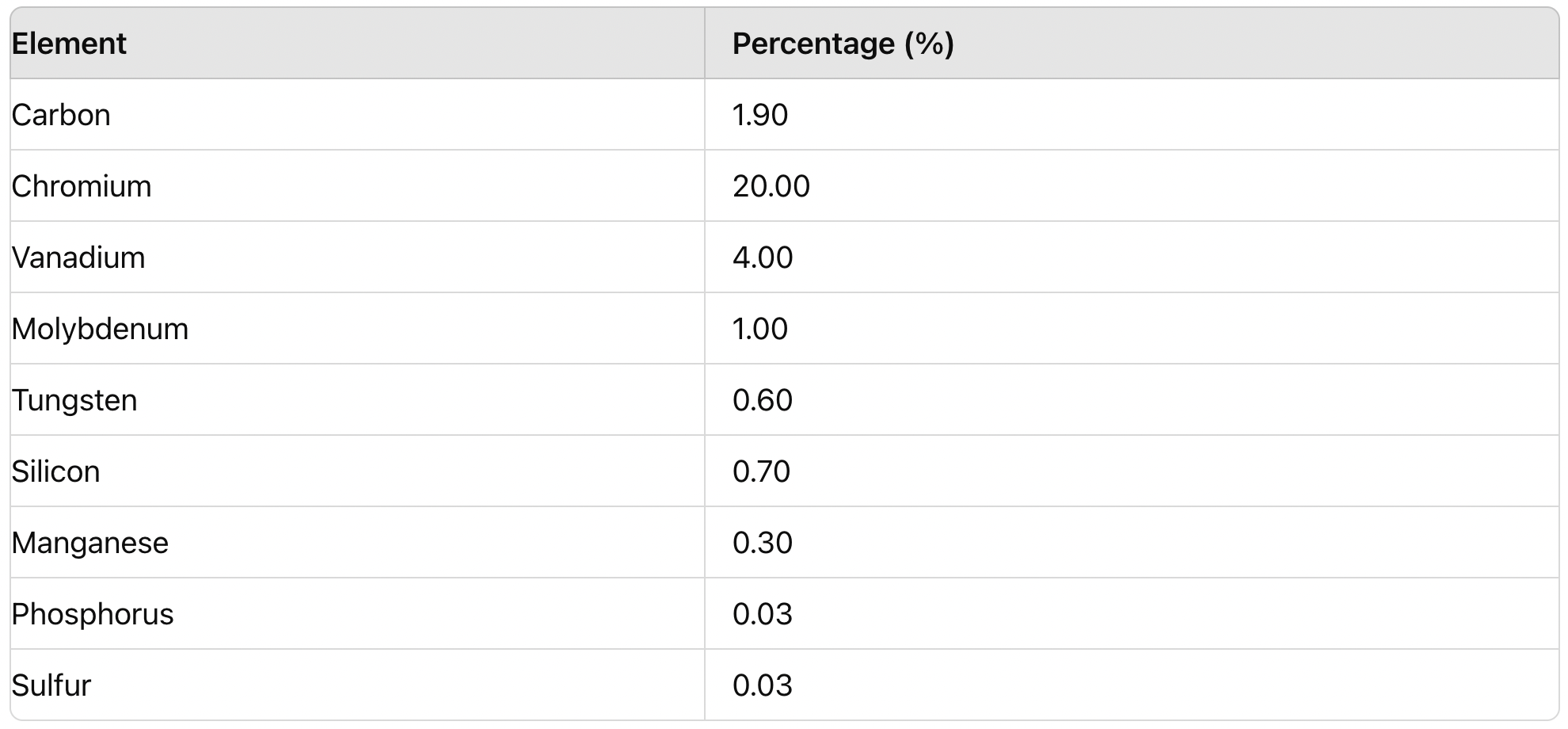
M390 is a powder stainless steel known for its excellent edge retention, corrosion resistance, and toughness. It is a popular choice for premium knives and tools. Key features:
Composition:
Edge Retention: M390 is renowned for its outstanding edge retention, making it a top choice for high-end knives that need to maintain sharpness over extended use.
Hardness: 60-62 HRC.
Toughness: Despite its high hardness and wear resistance, M390 maintains good toughness, reducing the risk of chipping and breaking.
Corrosion Resistance: With 20% chromium, M390 offers excellent corrosion resistance, suitable for use in various environments, including those with high humidity or exposure to moisture.
Ease of Sharpening: While M390 is harder to sharpen compared to some other steels due to its high hardness, it can be maintained with the proper sharpening tools and techniques.
Applications: M390 is used in premium knives, including folding knives, fixed blades, and custom knives. It is also used in industrial applications where high wear resistance and corrosion resistance are critical.
Overall, M390 is considered one of the best stainless steels for high-performance knives, offering an excellent balance of edge retention, toughness, and corrosion resistance. Nice choice for a pocket knife.
ZDP-189
ZDP-189 is powder stainless steel produced which has good hardness and edge retention. It is commonly used in premium knives and cutting tools. Key Features and characteristics:
Composition:

Edge Retention: ZDP-189 is renowned for its outstanding edge retention, capable of maintaining a sharp edge for a long time, making it ideal for high-performance cutting tools.
Hardness: 64-67 HRC. This high hardness allows it to hold an edge extremely well.
Corrosion Resistance: With 20% chromium, ZDP-189 offers good corrosion resistance, although it is not as corrosion-resistant as some other stainless steels due to its high carbon content.
Toughness: Due to its high hardness, ZDP-189 is less tough than some other steels, making it more prone to chipping under heavy use or impact. It is best suited for applications where edge retention is more critical than toughness.
Ease of Sharpening: ZDP-189 is challenging to sharpen due to its high hardness. Specialized sharpening tools and techniques are often required to maintain its edge.
Applications: ZDP-189 is used in premium knives, including folding knives and custom knives, where superior edge retention is desired. It is also used in other high-performance cutting tools.
Overall, ZDP-189 is an excellent choice for applications requiring superior edge retention and hardness, although it may require more careful maintenance and sharpening techniques.
Elmax
Elmax powder steel is a high-performance stainless known for its balanced combination of excellent edge retention, high toughness, and good corrosion resistance. Key features:
Composition:
Edge Retention: Elmax offers excellent edge retention, making it suitable for high-performance cutting tools that require a sharp edge over extended use.
Toughness: Elmax is known for its high toughness, allowing it to withstand impacts and resist chipping and breaking. This makes it more durable in demanding applications.
Corrosion Resistance: With 18% chromium, Elmax provides very good corrosion resistance, suitable for use in various environments, including those with exposure to moisture and humidity.
Ease of Sharpening: Elmax is relatively easy to sharpen compared to some other high-performance steels, maintaining a good balance between hardness and toughness.
Applications: Elmax is used in premium knives, including folding knives, fixed blades, and custom knives. It is also used in other cutting tools and industrial applications where a balance of edge retention, toughness, and corrosion resistance is essential.
Hardness: Elmax typically has a hardness range of 57-62 HRC (Rockwell Hardness Scale), depending on the heat treatment. This hardness allows it to maintain a sharp edge while still being tough and durable.
Overall, Elmax is a versatile and high-performing steel, making it a popular choice for knife makers and users who need a reliable material that offers excellent edge retention, toughness, and corrosion resistance.
How to Choose the Right Powder Steel for Your Needs
Choose steel based on what you want to do with your knife.
Identify Your Knife’s Purpose
- Usage: Determine how you intend to use the knife (e.g., everyday carry, outdoor survival, kitchen tasks).
- Environment: Consider the conditions the knife will be exposed to (e.g., moisture, saltwater, extreme temperatures).
Key Performance Factors
- Edge Retention: If maintaining a sharp edge for a long time is crucial, prioritize steels known for high edge retention like M390, CPM S30V, or ZDP-189.
- Toughness: For knives subjected to heavy use or impacts, opt for steels with good toughness, such as Elmax or CPM S35VN, which can withstand chipping and bending without breaking easily.
- Corrosion Resistance: In humid or corrosive environments, choose steels with high chromium content (e.g., M390, CPM S30V) to prevent rust and maintain longevity.
Consider Ease of Sharpening
- Hardness: Higher hardness (measured in HRC) typically means better edge retention but can make sharpening more challenging. Balance your preference for sharpness retention with your sharpening skills and tools.
Research and Compare Steels
- Properties: Review the composition and properties (carbon, chromium, vanadium, etc.) of different powder steels to match them with your performance needs.
- Manufacturer: Research reputable steel manufacturers (e.g., Crucible Industries, Böhler-Uddeholm, Hitachi Metals) known for quality and consistency in their products.
Budget and Availability
- Cost: Set a budget and explore steels within that range, balancing performance benefits with affordability.
- Availability: Ensure the chosen steel is readily accessible from trusted suppliers or knife makers to avoid delays or uncertainties.
Personal Preferences
- Comfort: Consider factors like weigh, which complement the steel choice for overall knife performance.
- Design Aesthetics: Choose a steel that aligns with your aesthetic preferences, whether it’s for a sleek everyday carry knife or a rugged outdoor tool.
Seek Expert Advice and User Feedback
- Reviews: Read reviews and testimonials from knife enthusiasts, professionals, and reputable sources to gauge real-world performance and durability.
This way you’ll have a clear understanding of what kind of steel you need.
General Care and Maintenance Tips for Powder Steel Knives
Without proper care, even the toughest steel will turn to rusty dust! So how to clean the blade of a knife? We recommend following these rules:

Cleaning After Use
- Immediate Cleaning: Always clean your knife immediately after use, especially if it has been exposed to acidic or corrosive substances.
- Hand Washing: Wash the knife by hand with mild soap and water. Avoid using harsh detergents or abrasive scrubbers that can scratch the blade.
- Dry Thoroughly: After washing, dry the knife completely with a soft cloth to prevent water spots or corrosion.
Storage
- Dry Storage: Store your knife in a dry place to prevent moisture buildup, which can lead to corrosion.
- Avoid Humid Areas: If storing in a sheath or case, ensure it is well ventilated to prevent trapped moisture.
- Avoid Contact: Store knives away from other metals or materials that could cause scratches or chemical reactions.
Sharpening and Edge Maintenance
- Regular Maintenance: Maintain the knife’s edge regularly to keep it sharp. Use a sharpening stone or tool appropriate for the steel’s hardness.
- Angle and Technique: Follow proper sharpening techniques and maintain the correct angle (usually around 15-20 degrees per side) to avoid damaging the edge.
- Stropping: Consider using a leather strop to polish and refine the edge between sharpening sessions.
Avoid Excessive Force and Impact
- Avoid Prying: Do not use the knife for tasks that involve prying, twisting, or other actions that could cause the blade to chip or bend.
- Cutting Surfaces: Use appropriate cutting surfaces such as wooden or plastic cutting boards to avoid dulling or damaging the blade.
Corrosion Prevention
- Apply Oil: Periodically apply a thin layer of mineral oil or knife-specific lubricant to the blade and pivot points to protect against corrosion.
- Remove Residues: Regularly remove any food or debris that might remain on the blade after use to prevent staining or corrosion.
Maintenance Products
- Use Rust Inhibitors: Consider using rust inhibitors or rust removers specifically formulated for knives to maintain the steel’s finish and protect against corrosion.
Professional Maintenance
- Annual Maintenance: If you use your knife heavily or notice significant wear, consider professional maintenance or sharpening services to ensure optimal performance.
By following these care and maintenance tips, you can extend the lifespan of your powder steel knife, preserve its performance characteristics, and enjoy its durability for years to come.
Conclusion
What a sheet of text that was! But it’s a serious question that requires thoughtful study and we’ve succeeded. Now you know how not to make a mistake when choosing powder steel for your knife and your blade will please you for a long time.