
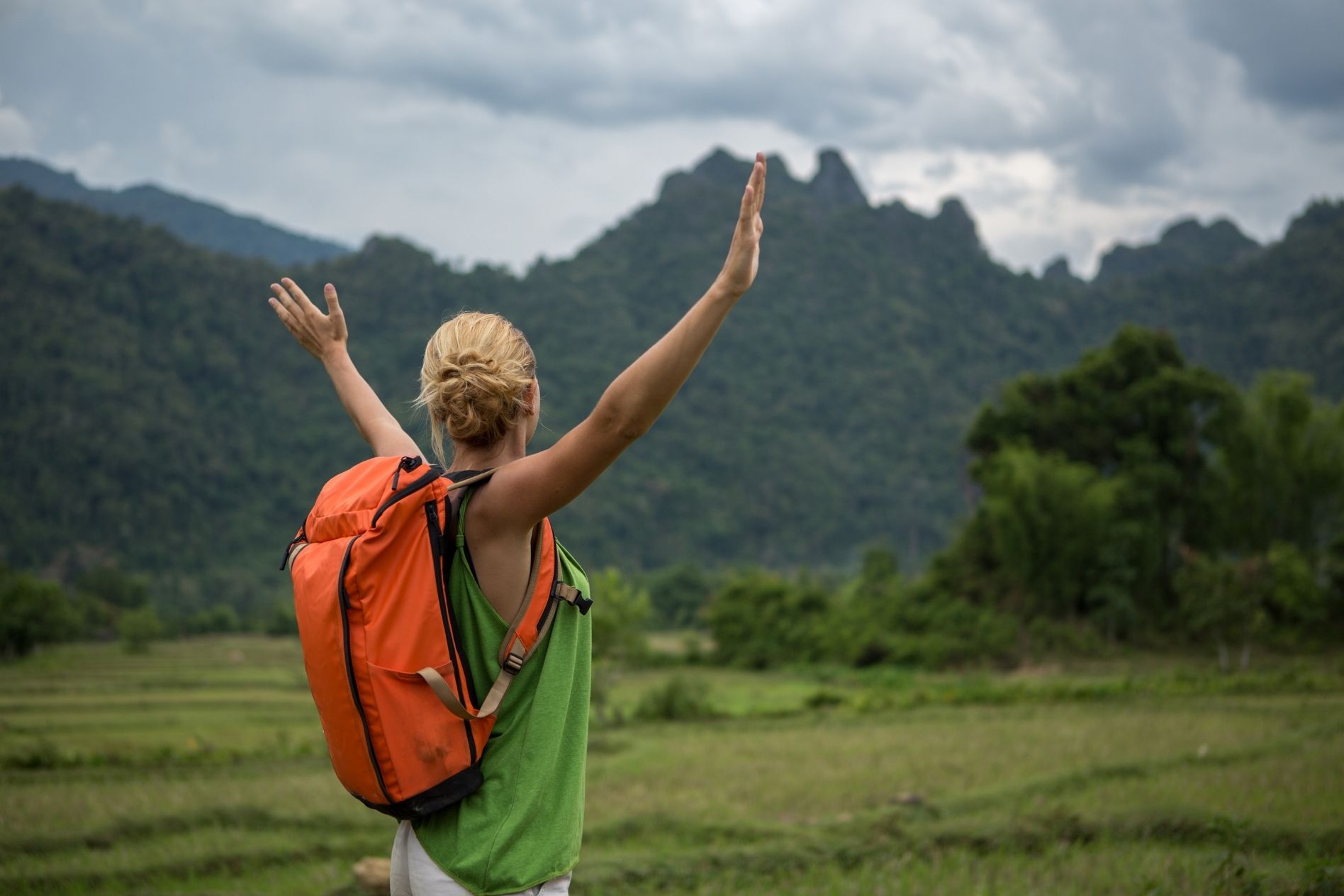
For millennia, humanity has been haunted by the question of the soul. What is it? Why does it exist? Does it even exist at all? Christians believe it’s an immaterial essence of a person, destined for either Heaven or Hell. Materialists see the soul as nothing more than a metaphor—a reflection of our attempt to understand ourselves. Some philosophers argue that the soul lies beyond the limits of our current understanding, a phenomenon that defies explanation altogether. Yet despite their differences, they all seem to agree on one thing: Even horses die from too much work—not just physically, but mentally and spiritually as well. So what are we supposed to do?
Why we need spiritual rest. Why hiking is good for the soul?
More relax of course! In a world that constantly demands our attention, rest has become more than just a physical necessity—it’s a spiritual one. Spiritual rest refers to the deep, inner sense of peace and clarity that often feels out of reach in our daily lives. Unlike physical rest, which can be achieved with sleep, spiritual rest involves disconnecting from mental clutter, emotional strain, and overstimulation. It’s about reconnecting with ourselves, finding meaning, and restoring a sense of inner balance.
Life in constant stress: the urban rhythm and its consequences
City life, while full of opportunities, often comes at a cost. The relentless pace, noise, overcrowding, and digital overload contribute to chronic stress. Commutes, deadlines, notifications, and social obligations create a cycle of constant stimulation that leaves little room for reflection or recovery. Over time, this can lead to anxiety, burnout, and a feeling of emotional numbness. Many people find themselves yearning for something more—a pause, a breath, a return to something real.
Nature as a counterbalance to the hustle and bustle
Nature offers a powerful antidote to the pressures of modern life. Forests, mountains, oceans, and even quiet parks can help slow down the mind and calm the nervous system. Scientific studies show that time spent in natural settings reduces cortisol levels, lowers blood pressure, and enhances mood. But beyond the physiological benefits, nature invites us into stillness. Its rhythms—unhurried and organic—gently guide us back to ourselves. The sound of leaves rustling, the sight of sunlight filtering through trees, or the feel of cold river water reminds us what it means to simply be.
Tourism as a form of self-healing
This is where body soul tourism evolves into something deeper than sightseeing. Soulful tourism and travel—especially into natural environments—becomes a form of self-healing. It’s not about escaping life, but about returning to it with renewed perspective. Whether it’s a solo hike through a national park, a silent retreat in the mountains, or a weekend by the sea, these experiences offer space to disconnect from daily noise and reconnect with one’s essence. Such trips foster mindfulness, presence, and a sense of wonder — elements often missing in our routine. They become sacred pauses in a busy life, allowing us to reflect, recharge, and realign with what truly matters.

Formats of nature tourism for recovery. What does tourism means?
There are plenty of ways to unwind and recharge in the great outdoors:
Hiking and trekking
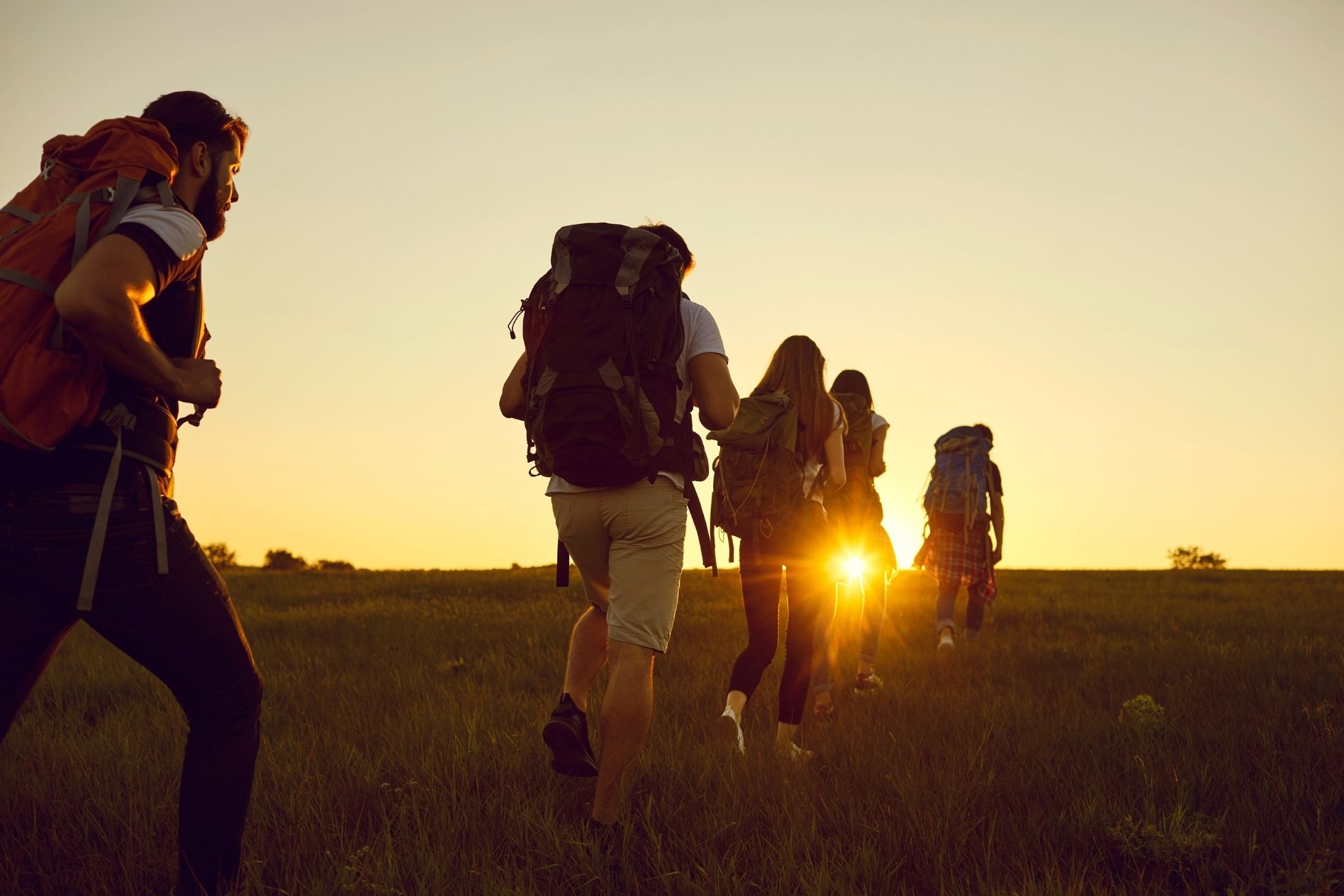
The simplest and most low-key item on our list — but no less healing for your mental health! Whether it’s a day hike through rolling hills or a multi-day trek across mountain ranges, walking in nature allows for both mental release and physical challenge. The rhythmic motion of walking becomes meditative, while the ever-changing scenery invites a sense of awe and presence. Each step forward is a step away from stress and a step closer to mental clarity.
Camping and relaxation in the bosom of nature
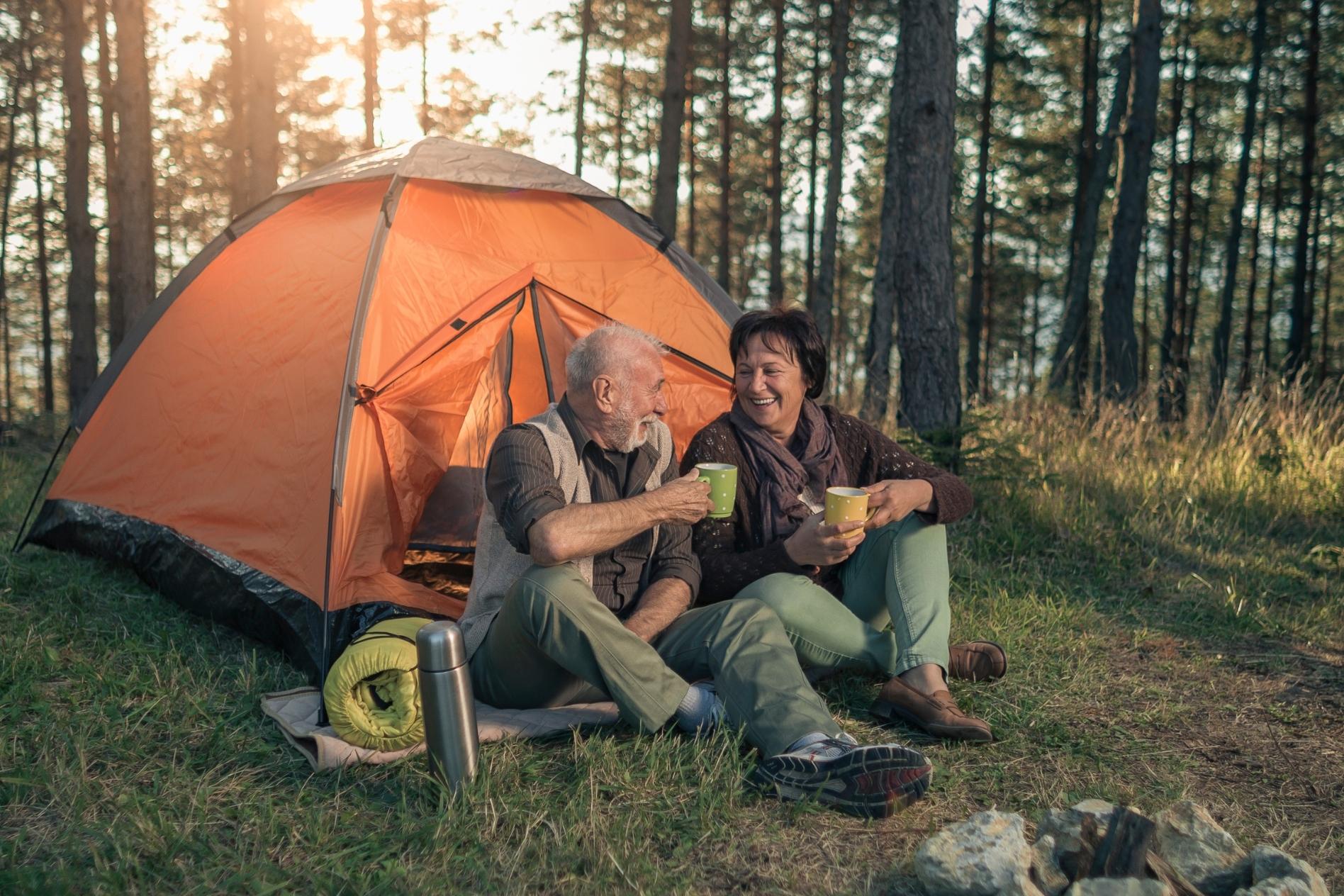
And here it is—our favorite kind of escape! No gadgets, just heartfelt conversations by the crackling fire, grilled meat, and sleeping under the open sky. Whether it’s in a tent, campervan, or rustic cabin, camping offers time for stillness, contemplation, and connection—both with nature and with ourselves.
There’s something uniquely grounding about waking up to birdsong, brewing coffee over a camp stove, and watching the mist lift from the treetops. Without the noise of daily life, we become more present, more attuned to the simple pleasures: the rustle of leaves, the warmth of the sun, the rhythm of our own breath. It’s a gentle reminder that happiness doesn’t need to be complicated—it often lives in the quietest places.
Forest therapy. Travel in forest
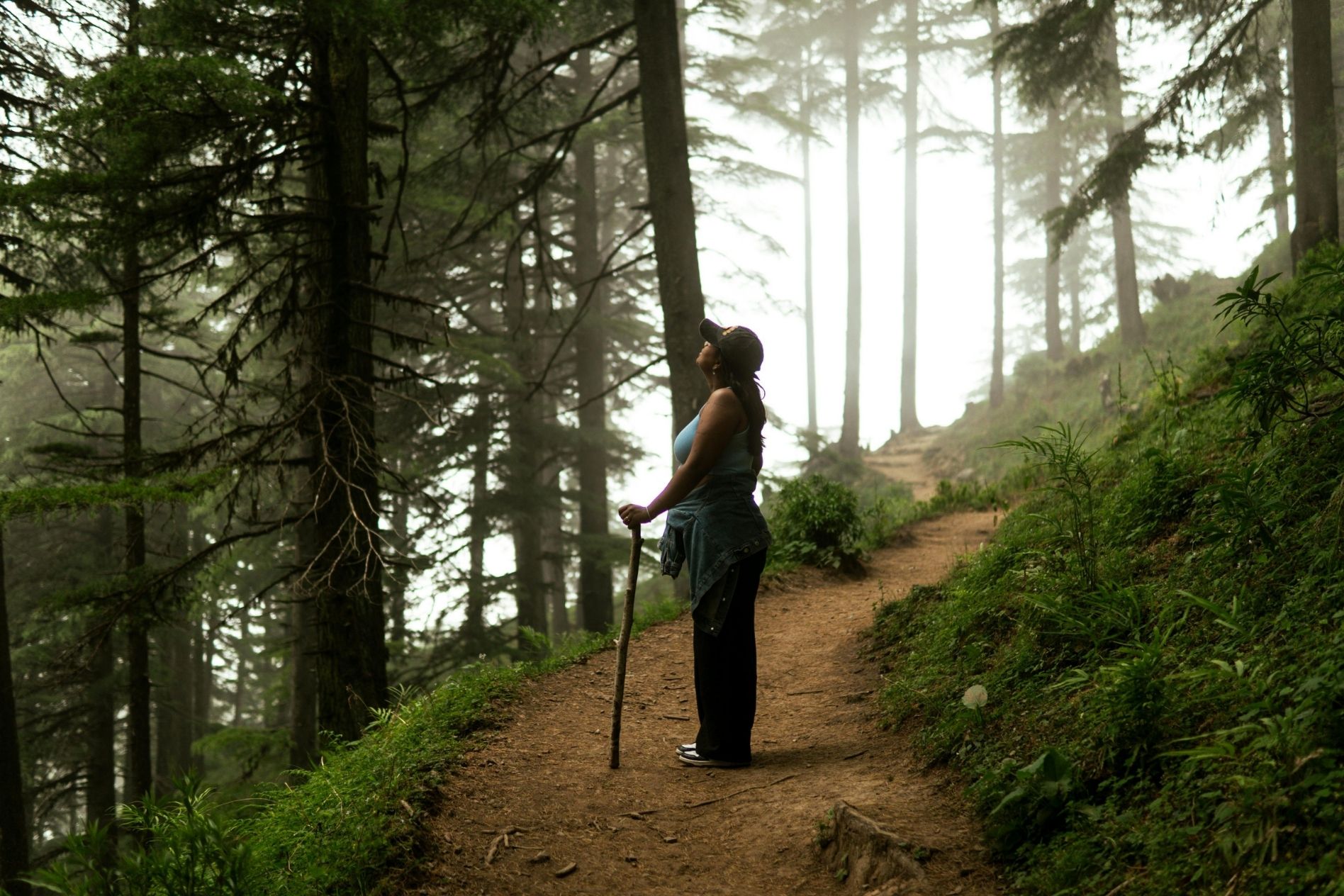
So, what is forest therapy? Many Slavic and European peoples trace their roots back to ancient forests, where they lived as hunters and gatherers. But even if your ancestors came from the scorching sands of the Sahara, the forest has a way of winning over anyone. And how could it not? Majestic trees, the rustling of leaves, air thick with the scents of wild greenery, birdsong — what’s not to love? Nature and forest therapy can lower your stress, lift your mood, and give your immune system a well-deserved boost.
Tips for Beginners
For those new to nature tourism with a focus on recovery and inner peace, starting can feel overwhelming. But the truth is, you don’t need to be an experienced hiker or seasoned camper to benefit from what nature offers. What matters most is your intention—to slow down, reconnect, and allow nature to do its quiet work. Here are some tips to help you get started.
How to Choose a Route and Format
Begin by asking yourself what you need most: movement, stillness, solitude, or connection. This will guide your choice of activity.
- Need to move and release tension? Try a beginner-friendly hike or nature walk.
- Want deep rest and stillness? Opt for a quiet camping trip or a nature retreat.
- Craving silence and inner clarity? Forest therapy or a digital detox camp might be ideal.
When choosing a route, consider:
- Distance & difficulty: Start small. Choose well-marked trails or areas with facilities.
- Accessibility: Look for nearby parks, reserves, or nature spots—restoration doesn’t require remote wilderness.
- Time of year: Consider weather, daylight hours, and seasonal factors like crowds or insects.
- Support: If you’re unsure, go with a group, hire a local guide, or join an organized retreat.

How to Tune In to Rest the Mind, Not Just the Body
It’s easy to bring a busy mindset into nature and treat rest as another goal to achieve. The key is to shift from doing to being. Here’s how:
- Slow down your pace. Let go of the need to “complete” a trail or “see it all.” Just be present.
- Use your senses. Listen to the sounds around you. Feel textures. Notice colors. Let your senses anchor you in the moment.
- Let go of the phone. Avoid constant photos or updates. Try journaling or simply observing in silence.
- Accept what comes. Weather changes, discomfort, or boredom might arise—these are part of the process. Rest isn’t always instant, but it deepens with patience.
Safety and a Responsible Attitude to Nature
Restorative solo tourism must also be respectful—both to yourself and the environment. Here are essential principles:
- Know before you go: Research the area, check weather conditions, and tell someone your plans.
- Pack essentials: Bring water, layers, a map, snacks, and first-aid basics—even on short trips.
- Leave no trace: Carry out all trash, stay on marked trails, and avoid disturbing wildlife.
- Respect local communities: Be mindful of noise, behavior, and local customs if visiting rural or indigenous areas.
- Listen to your body: Nature invites reflection, not competition. Know your limits and prioritize well-being over achievement.
Conclusion
Outdoor adventures are one of the surest ways to restore your inner balance amidst stress and chaos. The key is to choose a format that feels comfortable for you and to prepare not just to relax your body, but to soothe your soul as well! By the way, in our online store, you’ll find absolutely everything you need for your outdoor trips — from awesome knives at mind-blowing prices to all the accessories for them you could want. So gear up and get ready — adventure awaits! Until next time, stay tuned for more information about travel and tourism.