

So, you want to present a knife to your friend, it seems! That’s a great idea. But surely you want to give him a gift in such a way that he does not turn from a friend into an enemy!
Significance of knives as gifts and their symbolic meanings
That’s right, in some Western European cultures, for example, giving a knife can mean a declaration of war or that you are now enemies with the person you gifted the knife to! But it’s not all that bad, because in many other cultures giving a knife means strengthening friendly ties, is a symbol of protection and prosperity and carries a lot of other positive symbolism.
Regional Traditions Across Europe
Let’s understand what meanings knife gifting has in different cultures, traditions of Europe and can you gift knives without fear:
Western Europe
Ancient Traditions and Symbolism
Celtic Traditions
In Celtic cultures, knives as gift often had ceremonial roles and were sometimes used in rituals or as offerings to deities. Knives, especially those crafted from fine materials like bronze or iron, were given as gifts to signify friendship, loyalty, or service. A dagger (or a “dirk”) could symbolize both physical defense and loyalty to the group.
- Symbolism: Loyalty, friendship, and protection.
- Gift Tradition: Given during important life events like marriages, coming-of-age ceremonies, or as diplomatic gifts between tribal leaders.
Medieval Traditions
During the medieval period, knives were still primarily functional objects, but they also began to take on symbolic meanings, especially among the nobility and clergy.
Knighthood and Chivalry
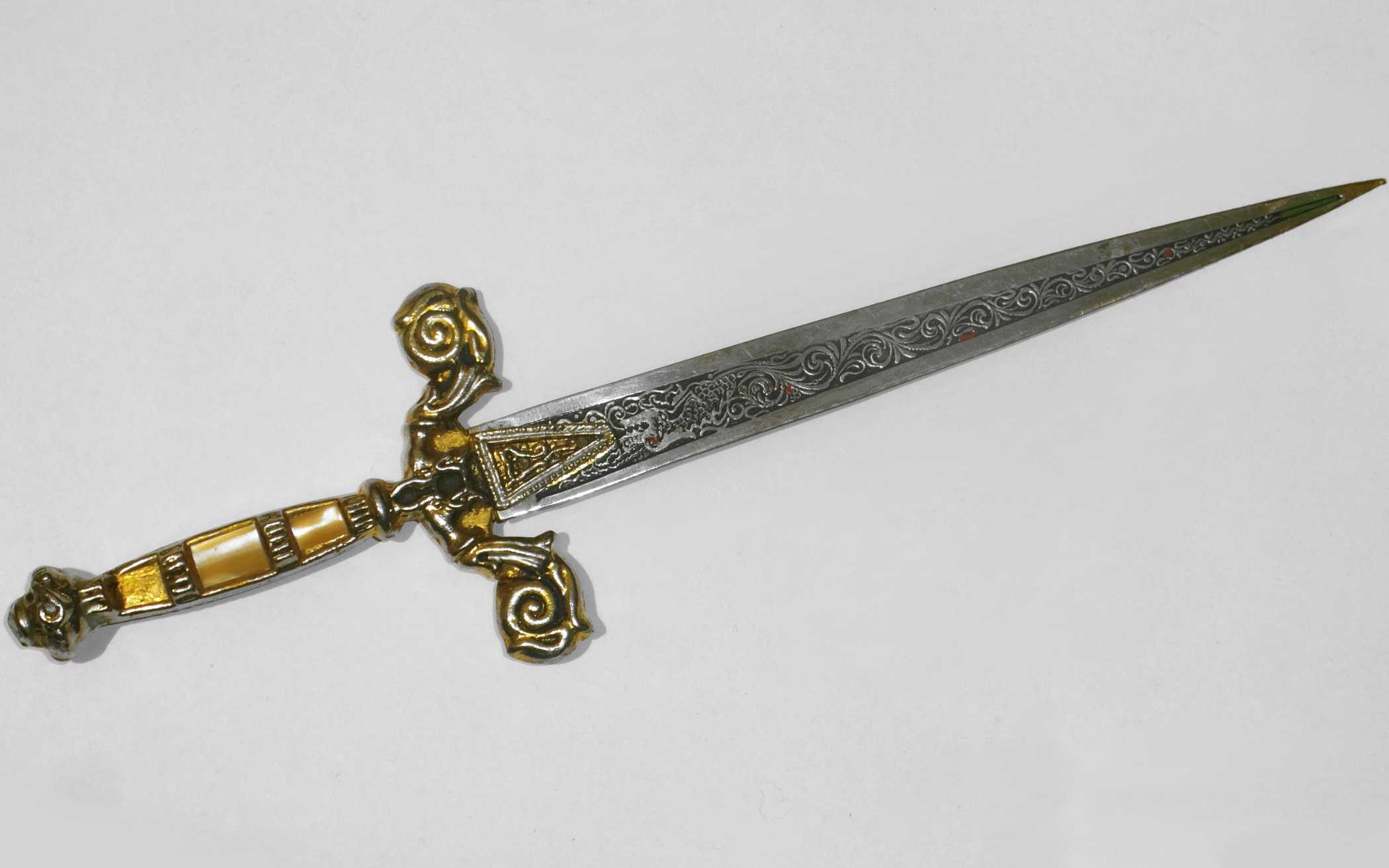
Knives were often used in the ceremony of knighthood, where a knife or dagger might be presented as part of the rite. The knife symbolized the knight’s readiness to defend the realm and his personal honor. In some regions, knives were exchanged as symbols of loyalty between lords and vassals.
- Symbolism: Honor, loyalty, and duty.
- Gift Tradition: As part of a knight’s initiation, a dagger or sword was often presented to the new knight, signifying their status and their responsibilities.
Feudal Gift-Giving
In feudal Europe, knives were often presented as gifts of loyalty or diplomacy. A finely crafted knife might be given as a symbol of peace or as part of a political alliance. These knives were often inscribed with symbols or coats of arms to highlight the importance of the gift.
- Symbolism: Diplomacy, trust, and alliance.
- Gift Tradition: Exchanged between leaders to signify trust or a pact, sometimes used as a diplomatic gesture to seal agreements.
Eastern Europe
Ancient Traditions and Symbolism
Slavic Traditions
Among the Slavic peoples, knives (often knives with wooden handles) were used both in daily life and for ritual purposes. These knives were crafted to be practical tools for farming, hunting, and protection, but they were also seen as symbolic objects in various rites of passage. For example, in some Slavic folklore, the act of gifting a knife to a young man might symbolize a transition from boyhood to adulthood and the ability to defend oneself and one’s family.
- Symbolism: Protection, manhood, and self-reliance.
- Gift Tradition: Presented to young men as a rite of passage; knives were also sometimes gifted during important life events like weddings or to show solidarity and trust within the community.
Viking and Norse Influence in Eastern Europe
While more directly associated with Scandinavia, the Viking and Norse influence on parts of Eastern Europe, also shaped knife customs. In these cultures, knives (like the seax or baltic dirk) were used not just for practical purposes, but also in warfare and ritual. Knives given during weddings or other significant occasions often symbolized loyalty and strength.
- Symbolism: Loyalty, strength, and protection.
- Gift Tradition: Knives could be exchanged between families during marriages or offered by a warrior to a comrade to signify trust and solidarity.
Medieval Traditions
In the medieval period, knives continued to hold both practical and symbolic roles in Eastern Europe, especially among the nobility, warriors, and guilds. During this time, a knife might be presented as a symbol of power, honor, or loyalty.
Knighthood and Warrior Gifts
Similar to Western Europe knives were often part of a knight’s or warrior’s armament. A dagger or short sword could be gifted to mark one’s initiation into the warrior class or as a sign of respect between lords and vassals.
- Symbolism: Honor, bravery, and loyalty.
- Gift Tradition: Given during ceremonies of knighthood or military initiation, or as a diplomatic gift from a lord to a trusted vassal.
The Gift of a Knife in Wedding Traditions
In many Eastern European cultures, gifting knives during weddings was a common tradition. A ceremonial knife might be presented to the bride and groom, symbolizing the strength of their union and their commitment to defending one another and their future family.
- Symbolism: Protection, unity, and future prosperity.
- Gift Tradition: Presented as part of the wedding ceremony or as part of a dowry (in some countries), symbolizing the protection and strength of the marriage bond.
Northern Europe
Ancient Traditions and Symbolism
Norse Mythology and Viking Influence
The Vikings had a profound impact on the Northern European cultural landscape, and knives were among the essential tools and weapons of this seafaring people. Knives, like the “seax” (a type of single-edged blade), were symbolic of personal honor, independence, and strength. A Viking’s knife was more than just a weapon or tool; it was a symbol of their social status and their ability to survive in a harsh and often hostile world.
- Symbolism: Protection, strength, independence, and social standing.
- Gift Tradition: Knives were often gifted as a rite of passage or given to mark significant moments in life, such as a coming-of-age ceremony. They were also used in Viking marriages as symbols of mutual respect, loyalty, and the shared responsibility to protect the family.
Sami and Indigenous Traditions (Scandinavia)
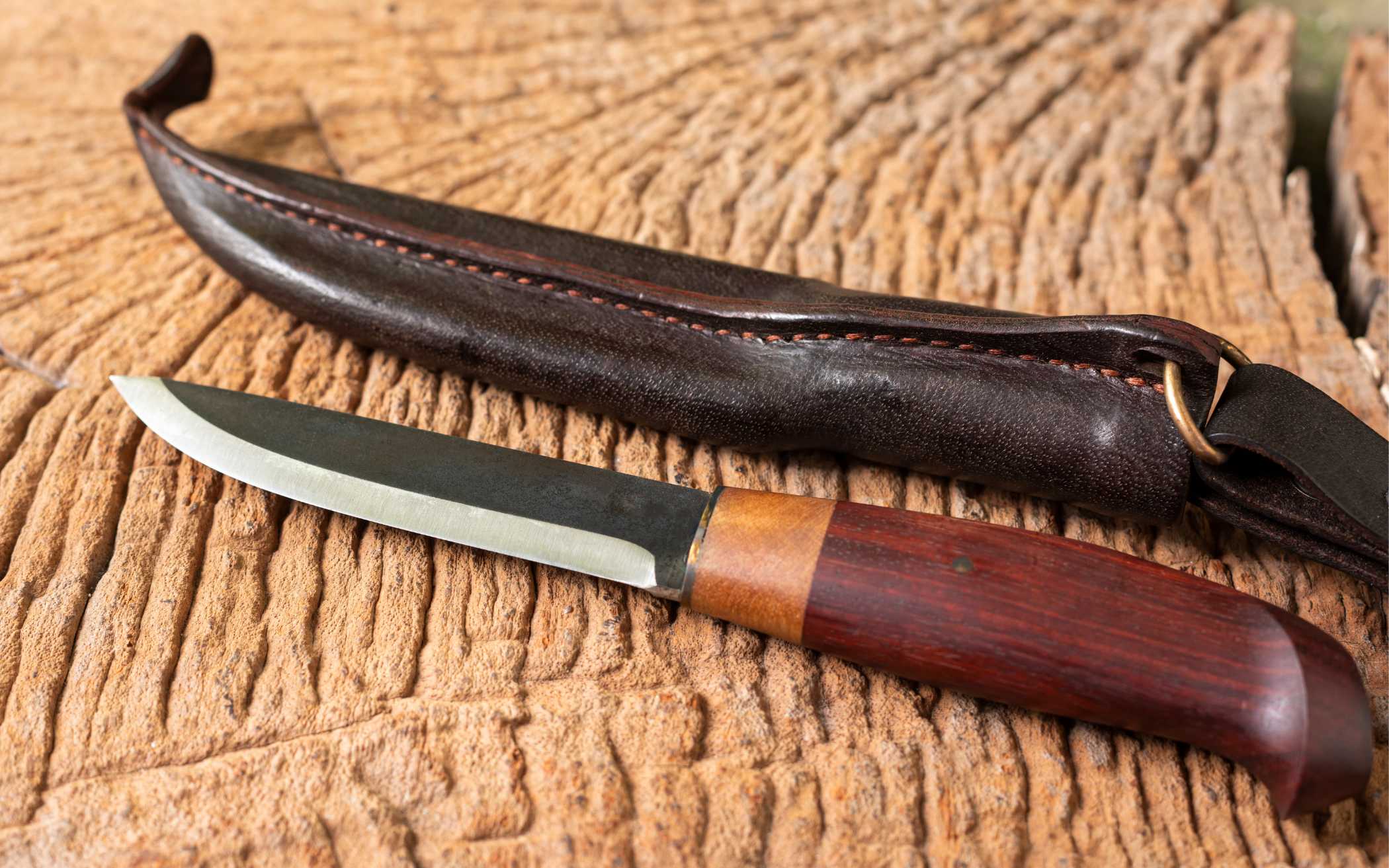
The Sami people of the northern parts of Norway, Sweden, and Finland traditionally used knives, called “puukko” (in Finland) or “kuksa” (in Norway), for daily tasks like hunting, fishing, and food preparation. The puukko is a small, fixed-blade knife with a distinctive wooden handle, often passed down through generations. Among the Sami, the puukko is highly valued as both a practical tool and a symbol of a man’s ability to provide and survive in the wilderness.
- Symbolism: Self-sufficiency, craftsmanship, and heritage.
- Gift Tradition: The puukko is often given as a rite of passage to young boys, symbolizing their transition into adulthood and their preparedness to take on the responsibility of survival and providing for their families.
Medieval and Early Modern Traditions
In the medieval period, knives continued to hold practical and symbolic value, particularly in the form of daggers and swords. These were sometimes ceremonial objects, reflecting the importance of knives in both defense and status.
Knights and Warriors in Scandinavia
Knives, particularly those used by warriors and noblemen, symbolized both protection and honor. Daggers (often with ornate handles) were important in various Scandinavian cultures as symbols of bravery, duty, and personal defense. These weapons were also linked to rituals and oaths of loyalty. Scandinavian knights and warriors were often gifted finely crafted knives by their lords or allies.
- Symbolism: Honor, bravery, and loyalty.
- Gift Tradition: A knife might be given to a new knight, warrior, or trusted comrade as a symbol of their strength, loyalty, and protection of the kingdom or clan.
Danish and Swedish Nobility
Knives were also used by noble families in Denmark and Sweden as a sign of status and prestige. The “krone kniv” (crown knife), a specially crafted blade, was often gifted by the king to nobles and distinguished persons during the medieval period.
- Symbolism: Status, honor, and royal favor.
- Gift Tradition: Given by royalty to nobility or military leaders as a gesture of respect and political loyalty.
Southern Europe
Ancient and Early Traditions
Greek and Ancient Mediterranean Traditions
In Ancient Greece, knives were important both as tools and weapons. Knives were used in everyday life, but also in rituals and sacrifices. The Greeks associated knives with agriculture, hunting, and military service. Special knives, often used by priests in religious ceremonies, were seen as symbols of sacrifice and ritual purification.
- Symbolism: Strength, ritual, and protection.
- Gift Tradition: Knives were sometimes given as symbols of protection or as part of initiation rites into adulthood, especially in warrior societies or in agrarian communities.
Roman Influence
In Ancient Rome, knives were also valued for both their utility and their symbolism. Roman soldiers and officers often carried short swords (like the gladius) and knives, which were symbols of military honor and discipline. However, they also used knives for eating, cooking, and everyday chores.
- Symbolism: Military prowess, honor, and daily life.
- Gift Tradition: Knives were sometimes gifted to soldiers or warriors as symbols of courage and loyalty. In Roman weddings, the spatha (a type of sword) might be gifted to the groom as a symbol of the strength of the marital bond.
Medieval Traditions and Symbolism
Spain: The “Navaja”
In Spain, the navaja is perhaps the most iconic knife, deeply embedded in Spanish cultural history, particularly in regions like Andalusia. The navaja is a folding knife, and historically, it was associated with self-defense, honor, and duels. The knife was often carried by men in the lower classes as a tool for both practical use and as a weapon of honor. During the 18th and 19th centuries, the navaja became a symbol of personal identity and was also a tool used in traditional dances and festivals.
- Symbolism: Honor, strength, and self-defense.
- Gift Tradition: The navaja was often passed down from father to son or gifted to young men as a rite of passage, symbolizing their entry into adulthood. It could also be gifted as a token of trust or respect between friends or family.
Italy: The “Coltello”
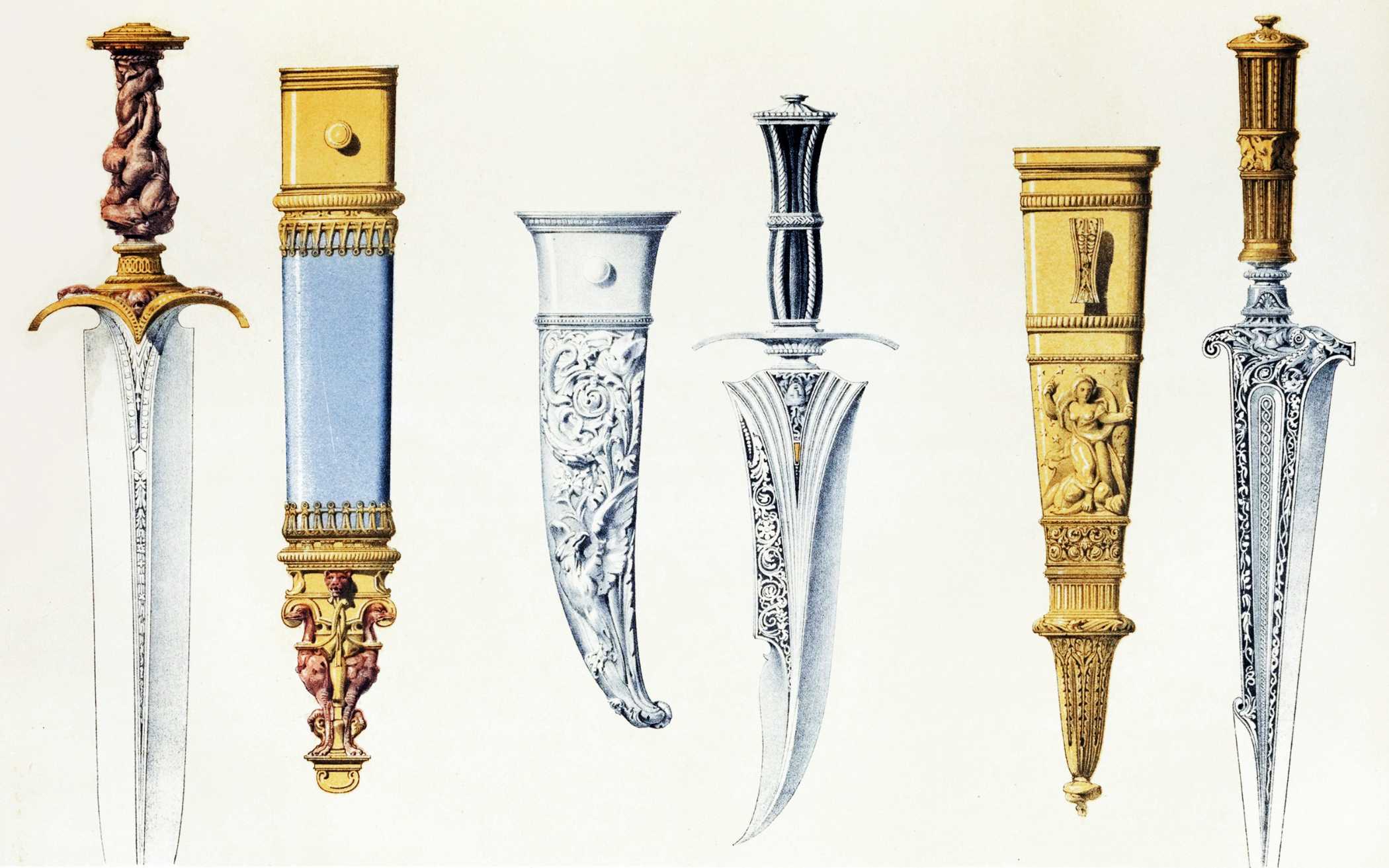
In Italy, knives have long been associated with craftsmanship and artistry, especially in regions like Tuscany and Sicily. Italian knives, such as the “Coltello”, have often been made by skilled artisans, and their designs are highly valued for their aesthetic beauty and functionality. Knives are also a part of Italian cooking, where the kitchen knife is a prized tool.
- Symbolism: Craftsmanship, family legacy, and personal artistry.
- Gift Tradition: Knives are often given as family heirlooms or as gifts of appreciation. In rural areas, a well-crafted knife might be given to a young man as a symbol of his role in the family or village community. It’s also common to gift a special kitchen knife during weddings, symbolizing the union of the couple and the shared responsibility of food preparation.
Superstitions in Different European Cultures
But wait, that’s all cool, but where are the very superstitions that tell us that to give a knife to a man is to make him your enemy? Is it bad to gift knives? Let’s look:
- China: In Chinese culture, knives and sharp objects are associated with breaking relationships, conflicts, and unfortunate situations. It’s believed that giving a knife “cuts” friendship or bonds, and may bring misfortune. This is due to the fact that the word for “knife” (刀, dāo) sounds similar to the word for “sever” or “cut off” (断, duàn).
- Japan: In Japan, giving a knife is also seen as an unlucky gesture, symbolizing a break in relationships or the escalation of conflicts. This applies not only to knives but also to other sharp objects that can be perceived as symbols of aggression.
- Post-soviet countries: In these countries, is it bad luck to gift knives, as there is a superstition that such a gift might “cut” the relationship between the giver and the receiver. However, in some cases, this belief can be avoided by the recipient giving a small coin to the giver in exchange for the knife, symbolizing that the bond is intact. How convenient!
- South Korea: In South Korea, there is a similar superstition where gifting a knife is thought to lead to a break in relationships, as sharp objects are associated with aggression and conflict. People often prefer to exchange coins or other gifts to avoid the “curse” on their friendship or family.
In other countries, the perception of giving a knife may vary, but many cultures share similar superstitions linking sharp objects to division or violence. However, it’s worth noting that in some cases, giving a knife may be seen as acceptable if it’s accompanied by certain rituals or explanations that neutralize the negative associations!
Popular Knife Styles and Types as Gifts
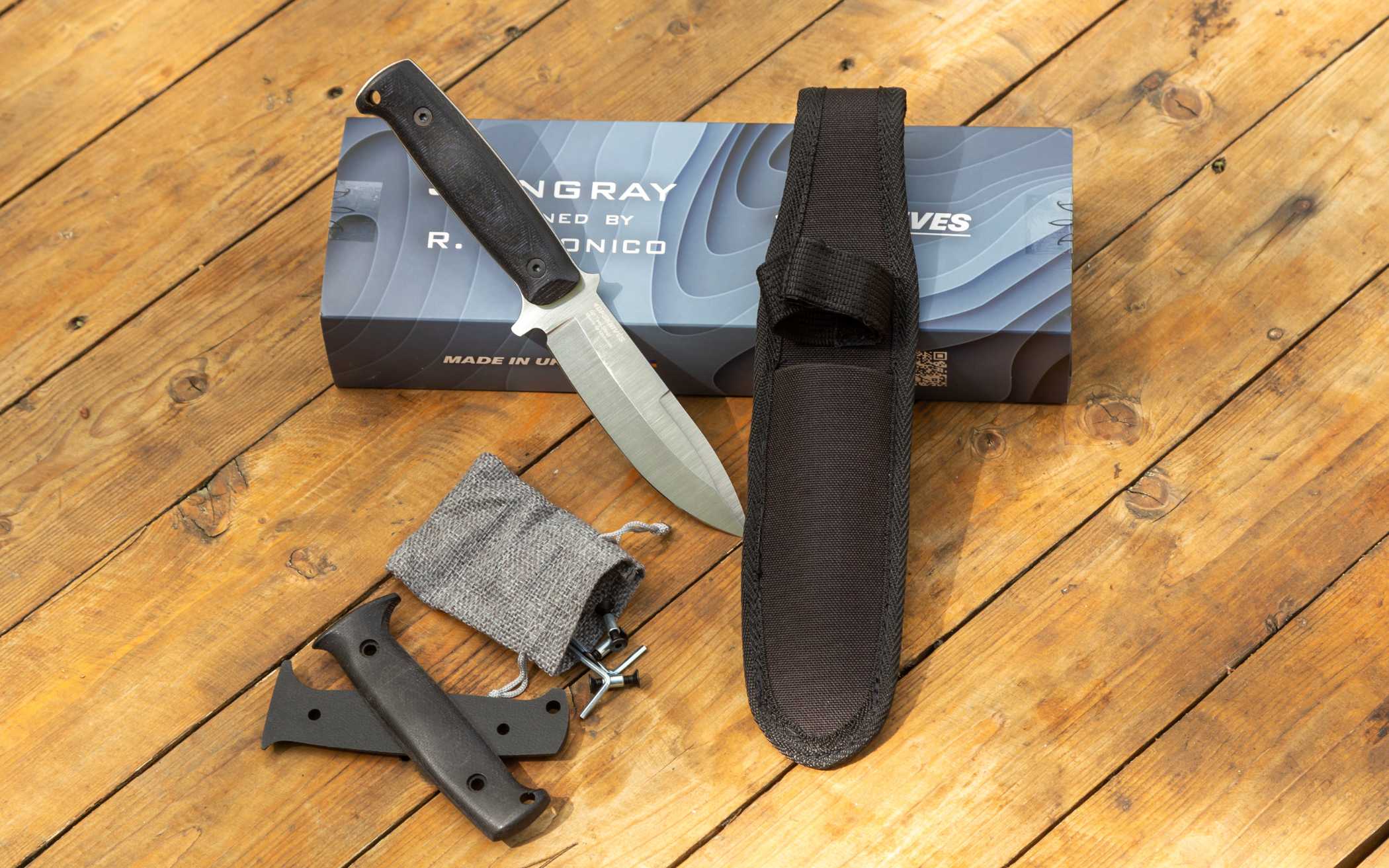
Now you know how to properly gift a knife and not get your arse kicked because of medieval prejudices! But the question arises what knife to pressent? Without further ado, we would like to present you the best knife for a gift to anyone – our flagship Stingray.
It looks like a war song, like an ode to man’s ability to survive in any conditions. Ray Laconico has done his 100% best, however that is not the most important thing about this knife!
This blade is made of D2 steel and has a hardening hardness of 59-61 HRC. This means that with this blade you can not only cut food, rope or protect yourself, you can literally chop wood with this knife! Its comfortable handle is made of Micarta, it perfectly resists any moisture, high temperatures and does not slip in your hand.
A pleasant bonus in the set with the blade comes our branded scabbard, made of cordura with MOLLE system for reliable and convenient fastening. Armed with this knife, you can conquer the stars even! Truly one of the best gift knives.
Conclusion
Congratulations! Now you know how to avoid prejudices when gifting a knife or how to solve them. Hurry up and grab a Stingray knife from our online shop and hurry up to please your close ones with a great gift! They deserve it.